
Entry Nos. 5200–5299
97 Garrison-Morton entries in this range.
1899 CE
#5252
Ciclo evolutivo della semilune nell’ Anopheles claviger.
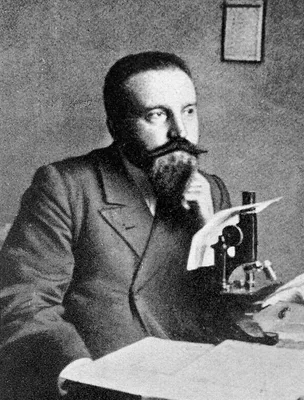
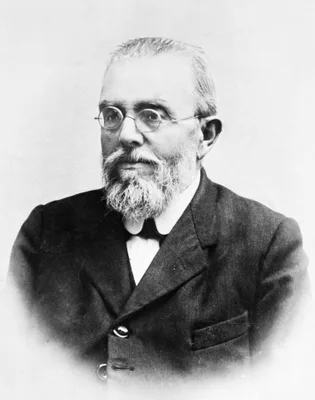
Grassi and Bignami showed that the Plasmodium undergoes its sexual phase only in the Anopheles mosquito.
1901 CE
#5253
Note on a simple and rapid method of producing Romanowsky staining in malarial and other blood films.
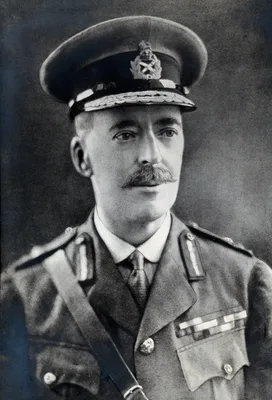
“Leishman’s stain”, a modification of that introduced by Romanovsky in 1891.
1903 CE
#5254
Studien über krankheitserregende Protozoen. II. Plasmodium vivax (Grassi & Feletti), der Erreger des Tertianfiebers beim Menschen.
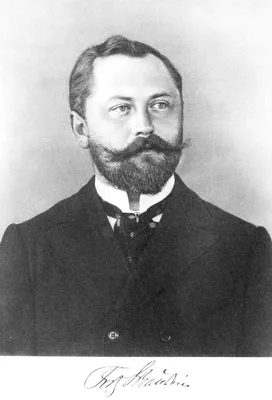
Confirmation of the work of Ross and of Grassi.
1905 CE
#5255
Intracorpuscular conjugation in the malarial plasmodia and its significance.
Demonstration of the existence of malarial carriers.
1926 CE–1927 CE
#5256
Die Wirkung des Plasmochins auf die Vogelmalaria.
Introduction of plasmoquine (pamaquin) in the treatment of malaria.
1932 CE
#5257
Zur Weiterentwicklung synthetisch dargestellter Malariamittel. I. Ueber die chemotherapeutische Wirkung des Atebrin.
Introduction of atebrin (mepacrine, quinacrine).
1938 CE
#5258
Exo-erythrocytic schizogony in Plasmodium gallinaceum Brumpt, 1935.
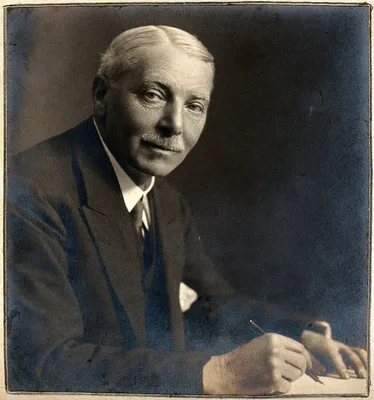
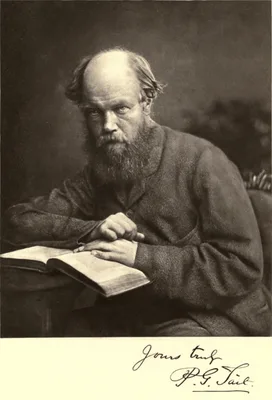
The term “exo-erythrocytic stage” introduced to describe the unpigmented schizonts found in tissue cells. The parasite Plasmodium gallincaceum described by Alexandre Joseph Emile Brumpt causes malaria in p…
1940 CE
#5259
Klinische und parasitologische Befunde und chemotherapeutische Ergebnisse bei der Hühnermalaria.
Discovery of the developmental forms of P. gallinaceum in the incubation period.
1945 CE
#5260
Studies on synthetic antimalarial drugs.
F. H. S. Curd, D. G. Davey, and F. L. Rose synthesized proguanil (“paludrine”) and first tested it in avian malaria.
1945 CE
#5261
Studies on synthetic antimalarial drugs. XIII. Results of a preliminary investigation of the therapeutic action of 4888 (paludrine) on acute attacks of benign tertian malaria.
First use of proguanil in human malaria. With B. G. Maegraith, J. D. King, R. H. Townsend, T. H. Davey, and R. E. Havard.
1948 CE
#5262
The pre-erythrocytic stage of mammalian malaria.
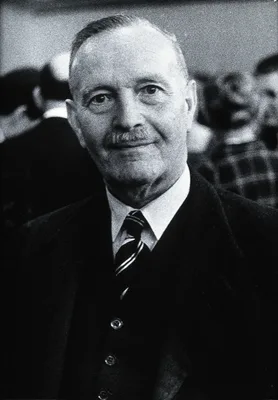
Demonstration of the pre-erythrocytic stage of P. cynomolgi in the monkey. With P. C. C. Garnham and B. Malamos. Preliminary communication in Nature (Lond.), 1948, 161, 126.
1909 CE
#5263
Malaria and Greek history. To which is added the history of Greek therapeutics and the malaria theory by E.T. Withington.
The view is put forward by the writer that malarial infection was the cause of the decadence of the Greeks. Digital facsimile from the Internet Archive at this link.
1933 CE
#5264
The history of malaria in the Roman Campagna from ancient times. Edited and enlarged by Anna Celli-Fraentzel.
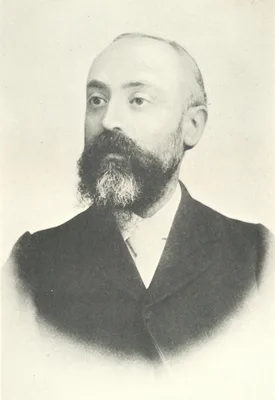
Reprinted New York, 1977.
1803 CE
#5266
An account of the native Africans in the neighbourhood of Sierra Leone; to which is added, an account of the present state of medicine among them. 2 vols.
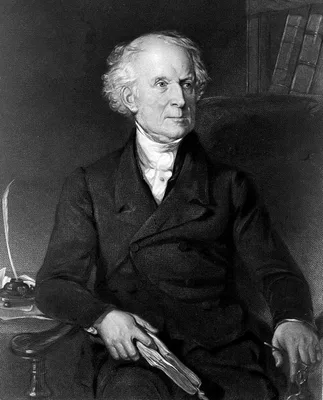
In his travels in Africa, Winterbottom, physician to the Colony of Sierra Leone (now Republic of Sierra Leone) on the west coast of Africa, saw sleeping sickness, which he described in vol. 2, pp. 29-31, as a species …
1840 CE
#5267
Observations on the disease lethargus: with cases and pathology.
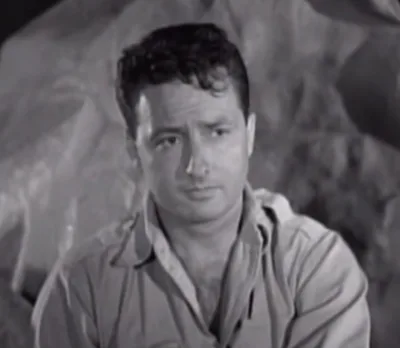
Clarke left a detailed account of African trypanosomiasis; he saw cases of the disease while serving as a colonial surgeon at Sierra Leone, and named it “narcoleptic dropsy”.
1843 CE
#5268
Recherches et observations sur une nouvelle espèce d’hématozoaire, Trypanosoma sanguinis.
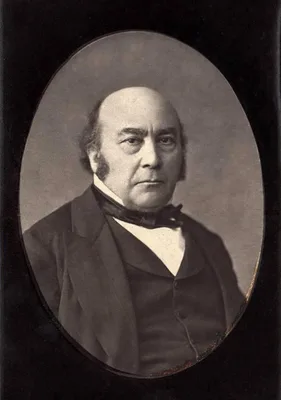
Gruby discovered trypanosomes in the frog. He first suggested the name “trypanosome” to describe the parasite.
1857 CE
#5269
Missionary travels and researches in South Africa.
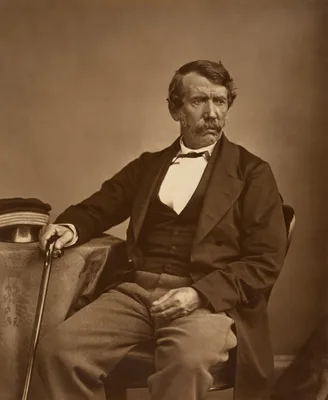
Livingstone gave an accurate account of the tsetse fly Glossina morsitans and of the disease in cattle following its bite (see pp. 80-83; picture of the tsetse fly on p. 571). In his time the bite of the fly was thoug…
1858 CE
#5270
Arsenic as a remedy for the tsetse bite.
Livingstone was probably the first to administer arsenic for the treatment of “nagana”, a disease of horses caused by trypanosomes. This followed a suggestion by James Braid. Digital facsimile from PubMedC…
1881 CE
#5271
On a horse disease in India known as “surra”, probably due to a haematozoon.
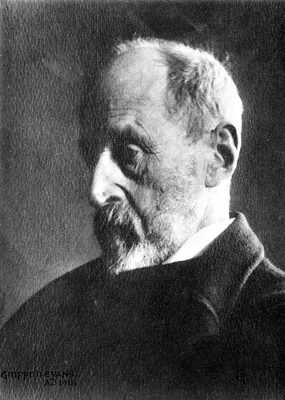
While serving in India as a veterinary surgeon, Evans discovered parasites in the blood of horses suffering from surra; this was the first pathogenic trypanosome to be described.
1891 CE
#5272
Étude sur les parasites du sang chez les paludiques.
Nepveu, whilst in Algeria, was the first to see trypanosomes in human blood.
1895 CE
#5273
Preliminary report on the tsetse fly disease or nagana, in Zululand.
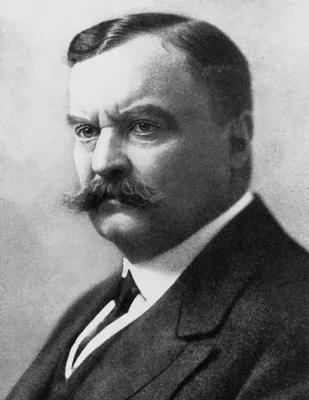
In 1895 Bruce found that nagana, the tsetse fly disease of Zululand, was due to a trypanosome (T. brucei). He described a hematozoon in the blood of the affected animals that had not been previously described. Digital…
1902 CE
#5274
Some clinical notes on a European patient in whose blood a trypanosoma was observed.
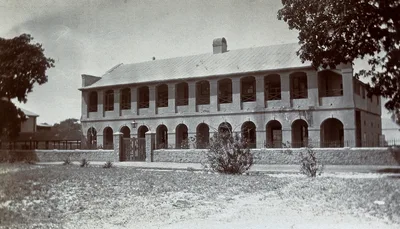
In 1901 Forde saw (but did not at first recognize as such) trypanosomes in the blood of a patient in Gambia. (See No. 5275.)
1902 CE
#5275
Preliminary note upon a trypanosome occurring in the blood of man.
Dutton was the first to recognize human trypanosomiasis. He saw Forde’s patient (see No. 5274) and named the trypanosome T. gambiense. Sleeping sickness itself has been referred to as “Dutton’s disea…
1903 CE
#5276
On the discovery of a species of trypanosoma in the cerebrospinal fluid of cases of sleeping sickness.
While in Uganda, Castellani discovered T. gambiense in human cerebrospinal fluid. A paper in Notes Rec. roy. Soc., 1973, 23, 93-110, discounts Castellani’s claim that although he first discovered trypanosomes in…
1903 CE–1919 CE
#5277
Reports of the Sleeping Sickness Commission of the Royal Society, 1903-1912. 17 pts.

Bruce and D.N. Nabarro were sent to Africa by the Royal Society to study sleeping sickness, and in their report they showed that the tsetse fly was the vector of trypanosomiasis. They also found that Gambia fever and …
1904 CE
#5278
Trypanosomes et trypanosomiases.
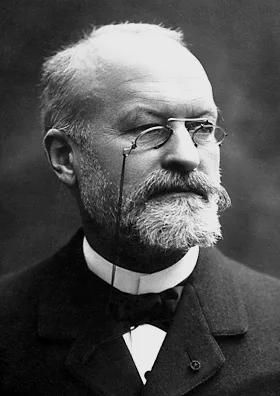
Laveran and Mesnil discovered that trypanosomes could be maintained indefinitely in rats and mice by serial passage.
1905 CE
#5279
Report on trypanosomes, trypanosomiasis, and sleeping sickness, being an experimental investigation into their pathology and treatment.
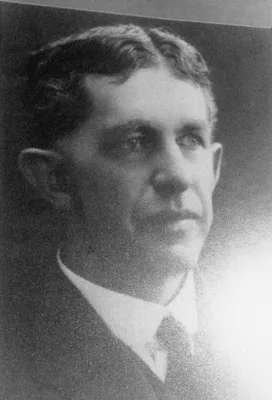
Thomas and Breinl discovered that arsanilic acid, was more potent in the treatment of laboratory trypanosomiasis than arsenic in inorganic form. As a crystalline powder it was introduced medically as Atoxyl. Thomas an…
1906 CE
#5280
Traitement des trypanosomiases par les “couleurs de benzidine”.
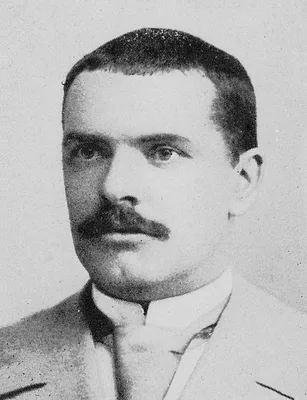
Introduction of trypan-blue in the treatment of trypanosomiasis. Second paper by Mesnil and Nicolle.
1907 CE
#5281
Chemotherapeutische Trypanosomen-Studien.
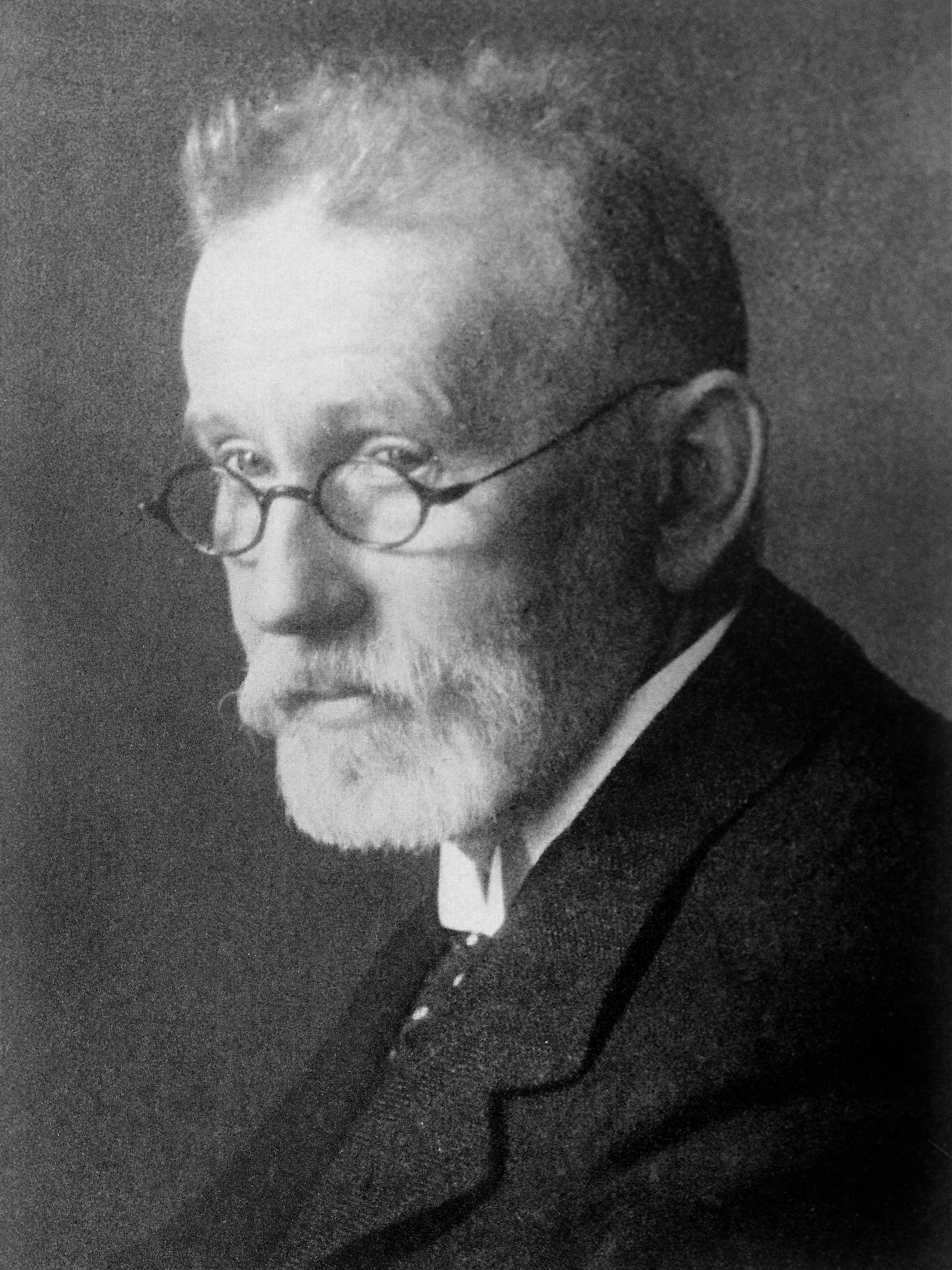
The first account of induced microbial drug resistance. Ehrlich encountered induced drug resistance in microbes while researching arsenical preparations as cures for sleeping sickness and other trypanosome-caused illn…
1908 CE
#5282
Further results of the experimental treatment of trypanosomiasis in rats.
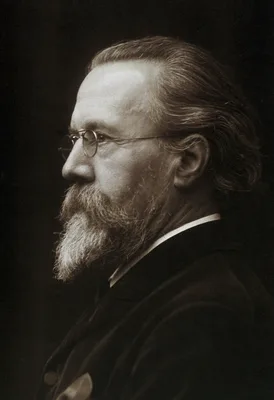

Trial of antimony in the treatment of trypanosomiasis.
1909 CE
#5283
Nova tripanozomiaze humana. Estudos sobre a morfolojia e o ciclo evolutivo do Schizotrypanum cruzi n.gen., n.sp., ajente etiolojico de nova entidade morbida do homen.
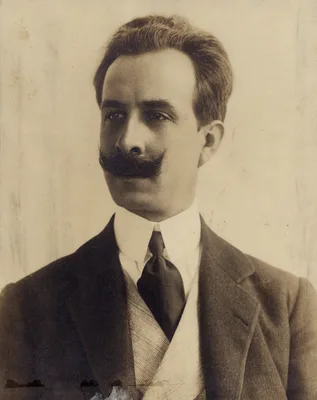
Chagas discovered T. cruzi, causal organism in American trypanosomiasis (“Chagas’s disease”). Partial English translation in Kean (No. 2268.1).
1909 CE
#5284
Le mécanisme d’action des dérivés arsenicaux dans les trypanosomiases.
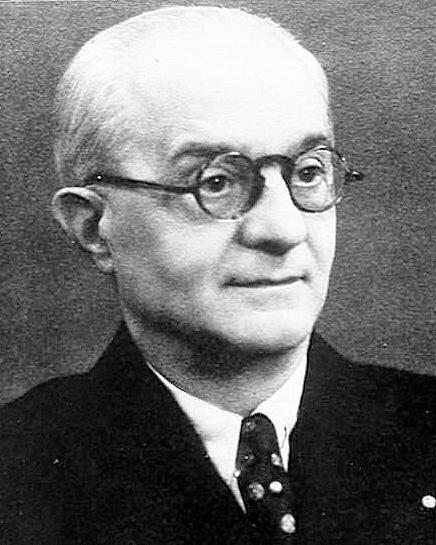
A study of the action of atoxyl and arsacétine.
1910 CE
#5285
On the peculiar morphology of a trypanosome from a case of sleeping sickness and the possibility of its being a new species.
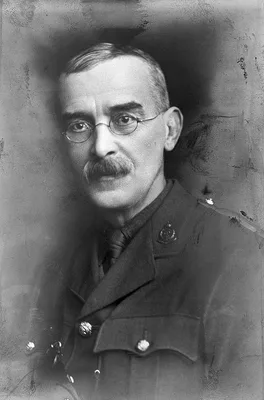
T. rhodesiense discovered.
1920 CE
#5286
Ueber chemotherapeutische Versuche mit “205 Bayer”, einen neuen trypanoziden Mittel von besonderer Wirkung.
Introduction of “Bayer 205” (germanin, suramin, naphuride).
1921 CE
#5287
Studies on the treatment of human trypanosomiasis with tryparsamide (the sodium salt of N-phenylglycineamide-p-arsonic acid).
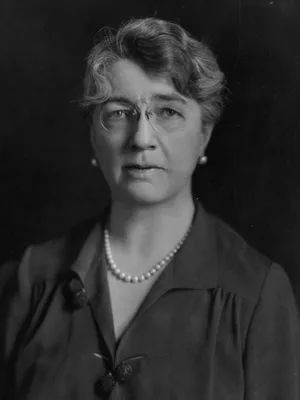
Introduction of tryparsamide in the treatment of trypanosomiasis.
1923 CE
#5288
Chimiothérapie des trypanosomiasis.
Introduction of moranyl (“Foumeau 309”).
1926 CE
#5289
Essai de prophylaxie des trypanosomiases par des dérivés phénylarsiniques administré
First attempt to induce prophylaxis by chemical means in trypanosomiasis. With S. Nicolau and I. Galloway.
1756 CE
#5290
Natural history of Aleppo and parts adjacent.
Includes (Chap, iv) a good account of “Aleppo boil”, which Russell found to be endemic in Aleppo. Digital facsimile from the Internet Archive at this link.
1829 CE
#5291
Sur la pyrophlyctide endémique, ou pustule d’Aleppo.
Important description of “Aleppo boil”, furunculosis orientalis.
1870 CE
#5292
Kala azar.
Kala azar is mentioned briefly in the Proceedings in 1869 (No. 34, p. 19) but the above is the first full description, given by Briscoe in a report dated 1 Dec 1869.
1885 CE
#5293
On the presence of peculiar parasitic organisms in the tissue of a specimen of Delhi boil.
Cunningham saw and described bodies in Delhi boil; these were almost certainly Leishman–Donovan bodies.
1898 CE
#5294
On sart sore.
First description of the protozoon later named Leishmania tropica. The paper is in Russian; for a translation, see C. A. Hoare, in Trans. roy. Soc. trop. Med. Hyg., 1938, 32, 78-90.
1903 CE
#5295
On the possibility of the occurrence of trypanosomiasis in India.
An organism found by Leishman in 1900 was later described by him as possibly a trypanosome. C. Donovan found the same organism in blood in July 1903. The name Leishmania donovani (Leishman-Donovan bodies) was later at…
1903 CE
#5296
On the possibility of the occurrence of typanosomiasis in India.
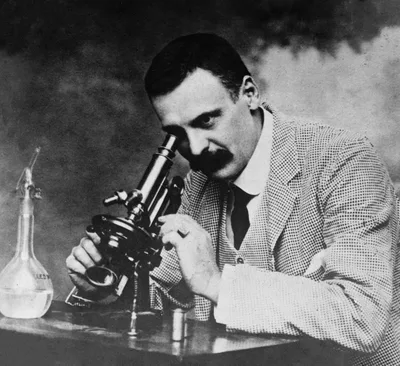
Leishimania donovani, independently discovered by two British medical officers William Boog Leishman in Netley, England, and Donovan in Madras, India, in 1903. However, the correct taxonomy was provided by Ronald Ross…
1903 CE
#5297
Protozoa in a case of tropical ulcer (Delhi sore).
Wright found Leishmania tropica in Delhi sore. He was unaware of Borovskii’s paper (No. 5294).
1904 CE
#5298
Note on the nature of the parasitic bodies found in tropical splenomegaly.
1904 CE
#5299
Note on the occurrence of Leishman–Donovan bodies in “cachexial fevers” including kala-azar.
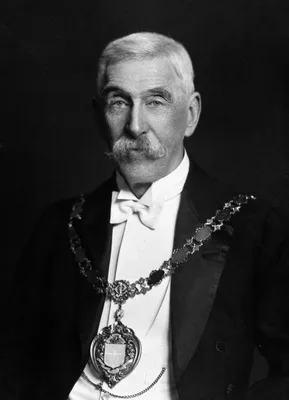
Rogers demonstrated the Leishman–Donovan bodies in kala-azar. See also the same journal, 1904, 2, 645-50. At about the same time Bentley reported similar findings in India.