
Entry Nos. 5100–5199
93 Garrison-Morton entries in this range.
1830 CE
#5153
On the glanders in the human subject.
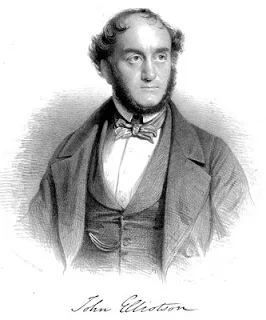
Proof that glanders in the horse is communicable to man.
1837 CE
#5154
De la morve et du farcin chez l’homme.
In this treatise on glanders and farcy in man Rayer showed that glanders is contagious, but is not a form of tuberculosis. Rayer began the work with a thoroughly documented historical chapter. Digital facsimile of the…
1886 CE
#5156
Die Aetiologie der Rotzkrankheit.
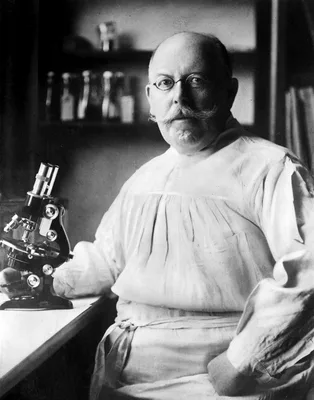
Discovery of Burkholderia mallei, causative organism of glanders. Preliminary notice in Dtsch. med. Wschr., 1882, 8, 707.
1889 CE
#5157
Sur un moyen de diagnostic rapide de la morve.
Straus reaction for the diagnosis of glanders.
1891 CE
#5158
Observations sur la morve.
Mallein reaction for the diagnosis of glanders.
1912 CE
#5159
An account of the discovery of a hitherto undescribed infective disease occurring among the population of Rangoon.

First description of melioidosis. Together with C.S. Krishnaswami, Whitmore identified Burkholderia pseudomallei, the causative agent of melioidosis (also known as "Whitmore's disease") in opium addicts in Rangoon in …
1653 CE
#5160
Thesis de carbunculo.
1681 CE
#5161
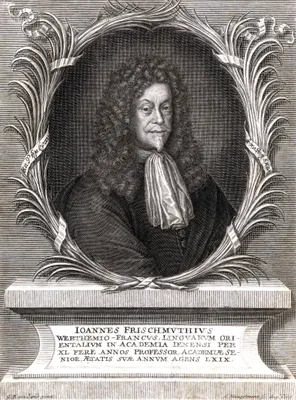
Epistola… qua simul de anthrace, carbunculo, bubone et altauna, philologice disseritur.
1780 CE
#5162
Description et traitement du charbon dans les animaux.
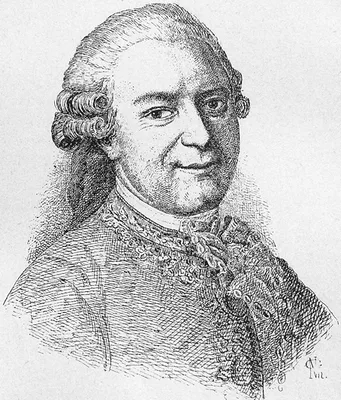
First important clinical description of anthrax. For some time after the appearance of Chabert’s short book, the condition was known as “Chabert’s disease”. Chabert was Directeur & Inspecteur g…
1850 CE
#5163
Inoculation du sang de rate.
Rayer inoculated sheep with blood of other sheep dead of anthrax. Microscopically he saw the anthrax bacillus in the blood of the inoculated sheep. Rayer was associated with Davaine, who later, in Bull. Acad. Mé…
1855 CE
#5164
Mikroskopische und mikrochemische Untersuchung des Milzbrandblutes sowie über Wesen und Kurdes Milzbrandes.
Pollender discovered the B. anthracis in 1849, but did not record this fact until 1855. He gave a more exact account of the organism than did Rayer (No. 5163).
1863 CE
#5165
Recherches sur les infusoires du sang dans la maladie connue sous le nom de sang de rate.
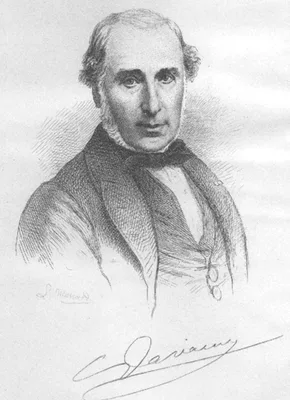
Davaine showed that anthrax could be transmitted to sheep, horses, cattle, guinea-pigs, and mice, and that in such animals the bacilli did not appear in the blood until 4-5 hours before death.
1865 CE
#5166
Recherches sur la nature et la constitution anatomique de la pustule maligne.
Davaine was the first conclusively to prove that a definite disease (anthrax) was due to a definite micro-organism (B. anthracis), and was thus one of the first to prove the germ theory of disease. He showed that the …
1876 CE
#5167
Die Aetiologie der Milzbrand-Krankheit, begründet auf die Entwicklungsgeschichte des Bacillus anthracis.
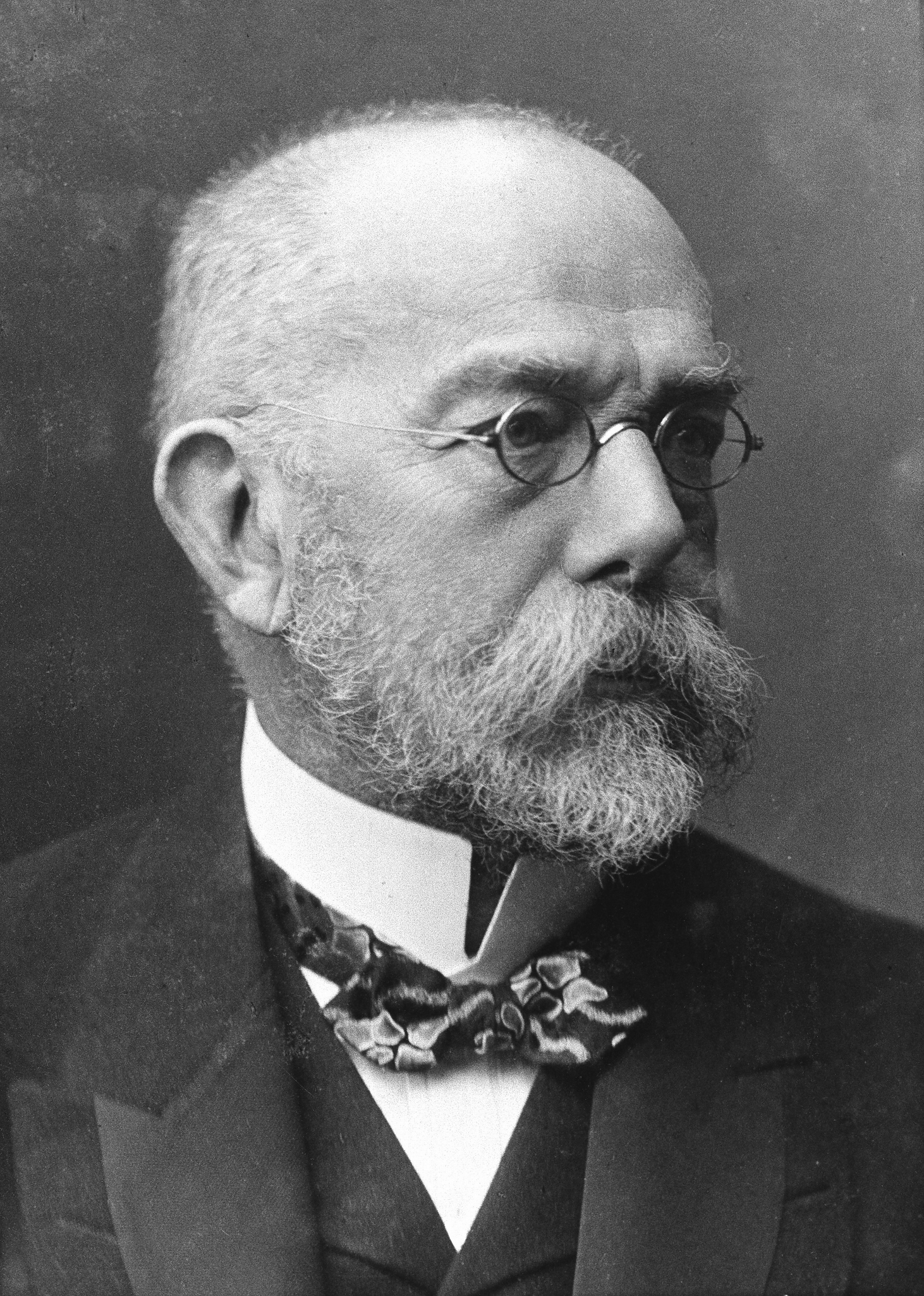
In 1876 Koch first obtained pure cultures of B. anthracis and described its complete life history. With Davaine (Nos. 5165-66) he did much to prove that infectious diseases are caused by living reproductive microorgan…
1877 CE
#5168
Étude sur la maladie charbonneuse.
Pasteur confirmed Koch’s results regarding anthrax; with Joubert he carried the bacillus through 100 generations and succeeded in producing anthrax from the last, thus disposing of the idea of a separate virus.
1880 CE
#5169
Sur l’étiologie du charbon.
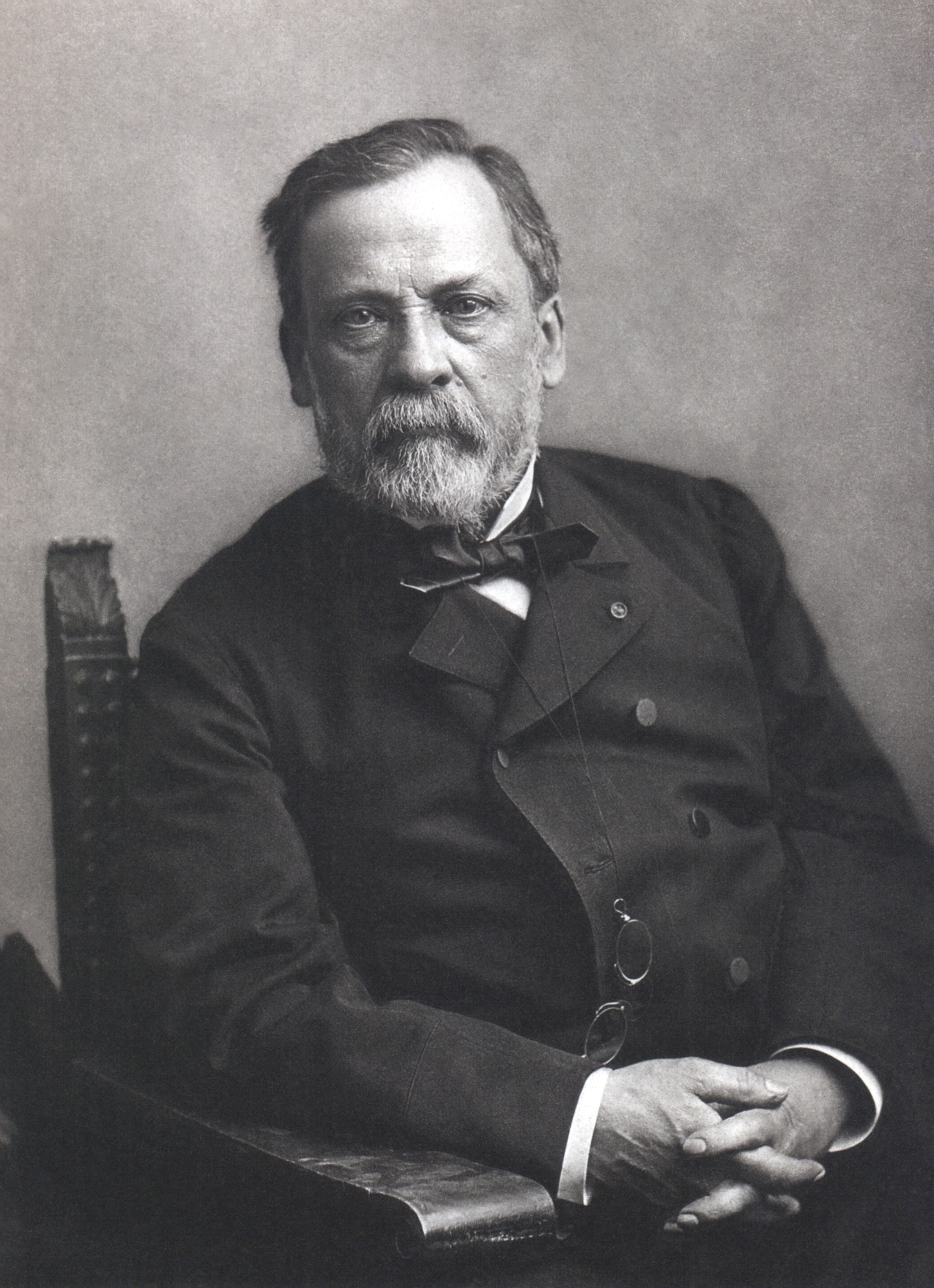
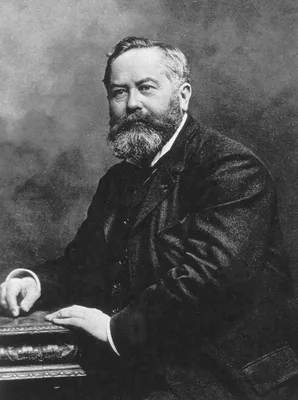
First use of attenuated bacteria for therapeutic purposes. See also the same journal, 1881, 92, 1378-83.
1895 CE
#5170
Sulla preparazione del siero anti-carbonchioso.
Specific anti-anthrax serum. German translation in Zbl. Bakt., 1895, 1 Abt., 18, 744-45.
1911 CE
#5171
La precipitina nella diagnosi del carbonchio ematico.
Ascoli’s thermoprecipitin reaction for the diagnosis of anthrax. German translation in Zbl. Bakt., 1911, 1 Abt., 58, Orig., 63-70. Preliminary note in Patbologica, 1910, 3, 101.
1911 CE
#5172
Die bakteriologische Blutuntersuchung beim Milzbrand des Menschen.
Salvarsan first used in the treatment of anthrax.
1911 CE
#5173
A plague-like disease of rodents.
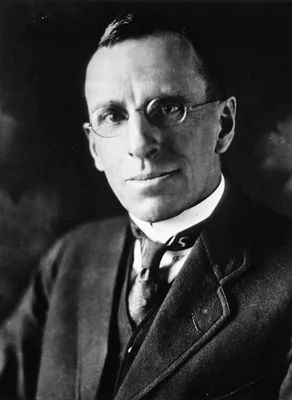
Tularemia first recorded (in rodents).
1912 CE
#5174
Further observations on a plague-like disease of rodents with a preliminary note on the causative agent, Bacterium tularense.
Isolation of Pasteurella tularensis, causal organism in tularemia.
1914 CE
#5175
Infection of man with Bacterium tularense
Wherry and Lamb were first to isolate P. tularensis from lesions in man.
1925 CE
#5176
Tularemia
Francis demonstrated the transmission of tularemia to man from rodents through insects, particularly the deerfly. He gave the disease its present name; it is also called “Francis’s disease” by some w…
1930 CE
#5177
Ueber Identität von “Yato-Byo” (Ohara’s disease) und “Tularämie”, sowie ihren Erreger.
In Japan tularemia is known as “Ohara’s disease”.
1932 CE
#5178
Tularemia: Accurate and earlier diagnosis by means of the intradermal reaction.
Skin test for the diagnosis of tularemia. Digital facsimile from Jstor at this link.
1932 CE
#5179
Serum treatment of tularemia.
Foshay devised a serum for the treatment of tularemia.
1946 CE
#5180
Streptomycin treatment of tularemia.
1698 CE
#5181
De ipecacuanha novo Gallorum antidysenterico. Resp. C[hristophe] F[riedrich] Kneussel.

There is evidence that amoebic dysentery was known to Hippocrates. The history of treatment begins with the use of ipecacuanha, the dried root of Cephaelis ipecacuanha, a plant from Brazil. This was first mentioned as…
1830 CE
#5183
Hospital facts and observations.
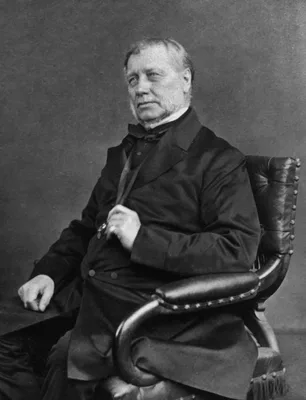
First record (p. 149) of the use of emetine in the treatment of amoebiasis.
1875 CE
#5184
Massenhafte Entwickelung von Amöben im Dickdarm.
Lösch discovered Entamoeba histolytica as the infective agent in amoebic dysentery. Before this time distinction between the different forms of dysentery had been made on purely clinical grounds. English translat…
1886 CE
#5186
Zur Aetiologie der Dysenterie in Aegypten.
Kartulis discovered amoebae in liver abscess. It was principally through the work of Kartulis that amoebae came to be considered the cause of dysentery in man.
1890 CE–1891 CE
#5187
Amoebic dysentery.
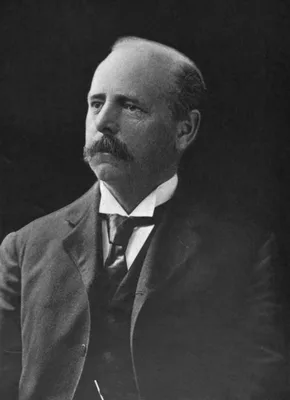
These workers introduced the term “amoebic dysentery” in their important investigation of the condition.
1893 CE
#5188
Ueber Amöben-Enteritis.
Entamoeba histolytica distinguished from Entamoeba coli. English translation in Kean (No. 2268.1).
1911 CE
#5189
Experiments undertaken to test the efficacy of the ipecac treatment of dysentery.
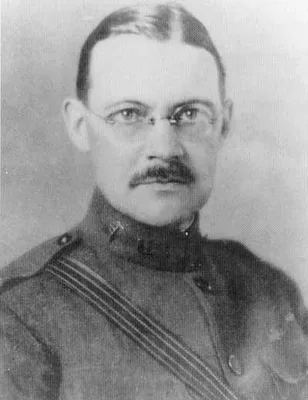
Vedder demonstrated the amoebicidal action of emetine; his work led to the general adoption of emetine in the treatment of amoebic dysentery.
1912 CE
#5190
The rapid cure of amoebic dysentery and hepatitis by hypodermic injections of soluble salts of emetine.
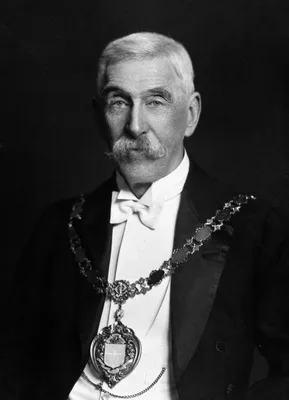
Following up the work of Vedder, Rogers showed that the soluble salts of emetine could be safely injected subcutaneously. The general use of emetine, introduced by Rogers, diminished the incidence of liver abscess &nd…
1913 CE
#5191
Experimental entamoebic dysentery.
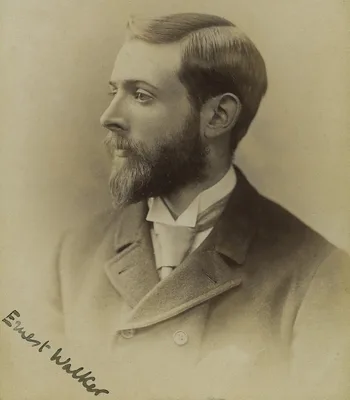
Walker and Sellards made important additions to our knowledge of amoebiasis, including the determination of the incubation period and the demonstration that E. tetragena and E. minuta are identical with E. histolytica.
1921 CE
#5192
Ueber Behandlungsversuche der chronischen Amoebenruhr mit Yatren.

Introduction of Yatren.
1923 CE
#5193
Le stovarsol guérit rapidement la dysenterie amibienne.
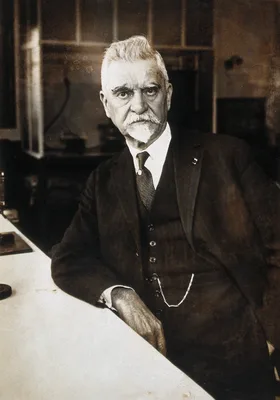
Introduction of stovarsol (oxyaminophenylarsenic acid) in the treatment of amoebiasis.
1925 CE
#5194
The cultivation of Endamoeba histolytica.
Pure cultivation of Entamoeba histolytica was first accomplished by D. W. Cutler (J. Path. Bact., 1918, 22, 22), but Boeck and Drbohlav evolved the first media upon which amoebae could be cultivated for indefinite per…
1736 CE
#5195
De morbis venereis libri sex.

A comprehensive book on the subject, including a careful review of the existing literature. Astruc stated that syphilis first appeared in Europe in 1493. The book was translated into English in 1737. Digital facsimile…
1767 CE
#5196
De gonorrhoea virulenta.
Balfour is said to have been the first to re-affirm the duality of gonorrhoea and syphilis.
1787 CE
#5198
First lines of theory and practice in venereal diseases.
First complete description of lymphatic chancre – “Nisbet’s chancre”.
1788 CE–1789 CE
#5199
Abhandlung über die venerische Krankheit. 3 vols.
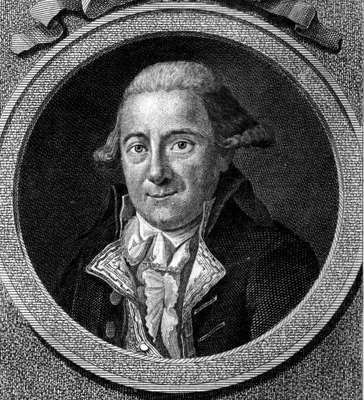
Girtanner’s important textbook on the venereal diseases contains some history.