
1920–1929
804 entries with publication dates in this decade.
1928 CE
#9516
Das Arteriensystem der Japaner von Dr. Buntaro Adachi unter Mitwirkung von Dr. Kotondo Hasebe ... mit 539 Abbildungen im Text und auf vier farbigen Tafeln sowie mit etwa 700 Tabellen.
1928 CE
#10950
De retardatione accidentium senectutis cum aliis opusculis de rebus medicinalibus. Nunc primum ediderunt A. G. Little [and] E. Withington.
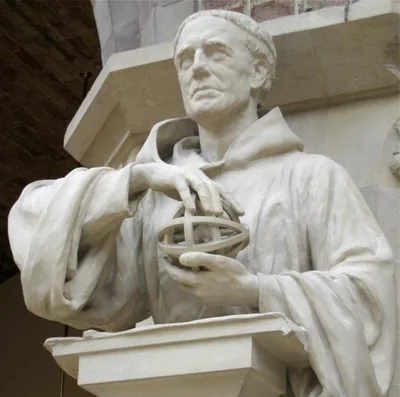
New edition edited from the 1590 printed edition in comparison with existing medieval manuscripts.
1928 CE
#3089
Demonstratie van een paar zeldzaam voorkomende typen van bloedlichaampjes en bespreking der patiënten.
See No. 3092.
1928 CE
#6728
Dictionary of American medical biography. Lives of eminent physicians of the United States and Canada, from the earliest times.
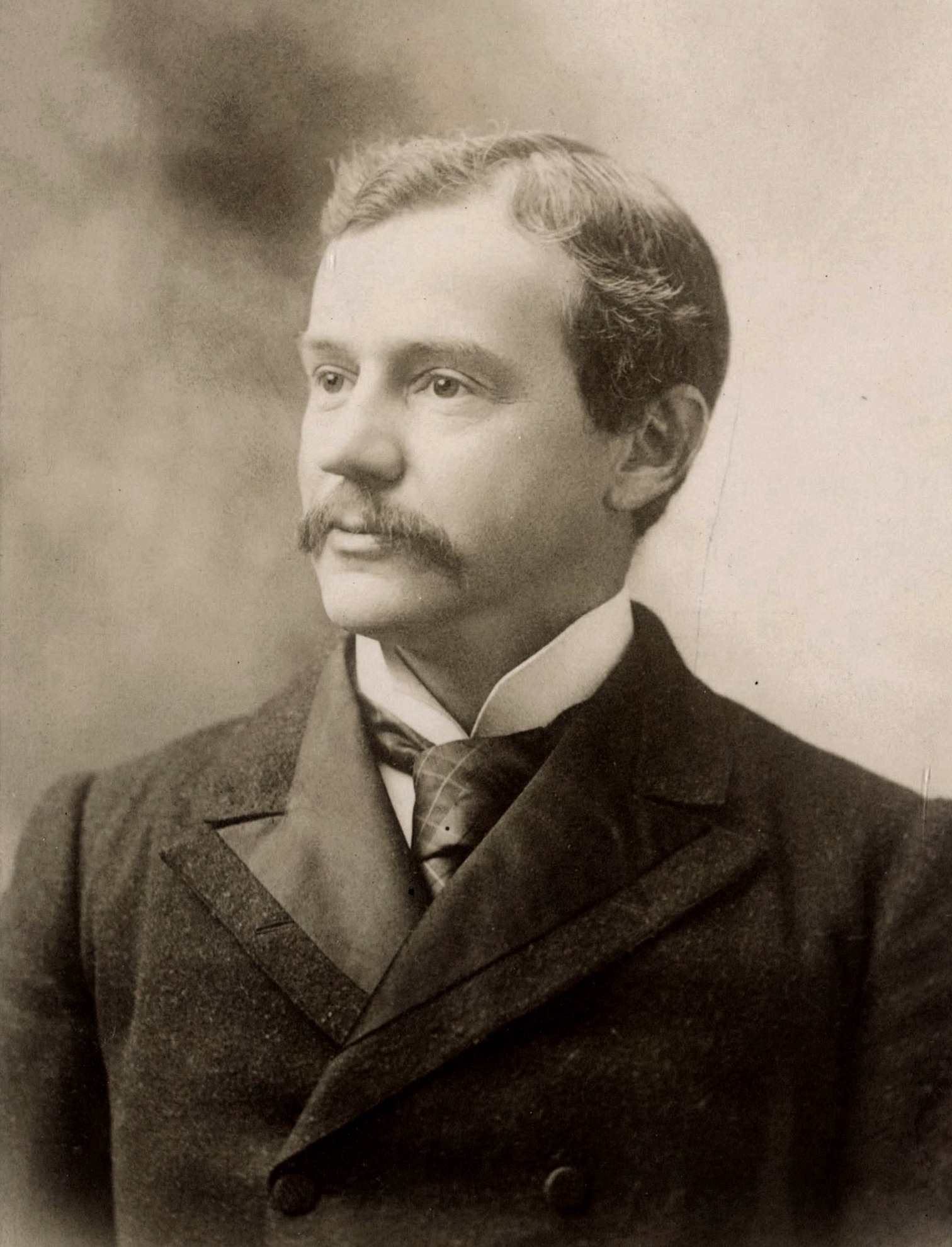
This is the revised and expanded third and final edition of Kelly's A cyclopedia of American medical biography, comprising the lives of eminent deceased physicians and surgeons from 1610 to 1910. (Philadelphia: W.B. S…
1928 CE
#966
Die Bindungsweise des Kohlendioxyds im Blute.
Carbamino reaction.
1928 CE
#3546
Die Entzündungen des Magens. In: F. Henke & O. Lubarsch: Handbuch der speziellen pathologischen Anatomie und Histologie, 4, Heft 2, 768-1116.
Konjetzny suggested that peptic ulceration is the sequel to a specific form of gastritis.
1928 CE
#798
Die Thermo-Stromuhr. Ein Verfahren zur fortlaufenden Messung der mittleren absoluten Durchfulssmengen in uneröffneten Gefässen in situ.
Introduction of the Thermostromuhr, an instrument for measuring the velocity of the blood flow.
1928 CE
#4395
Dissociation of bone growth. (Exostoses and enchondromata, of Ollier’s dyschondroplasia and associated phenomena.) In The Robert Jones Birthday Volume
Jansen’s theory of dissociation of bone growth.
1928 CE
#4897.1
Electro-surgery as an aid to the removal of intracranial tumors. With a preliminary note on a new surgical-current generator by W.T. Bovie.
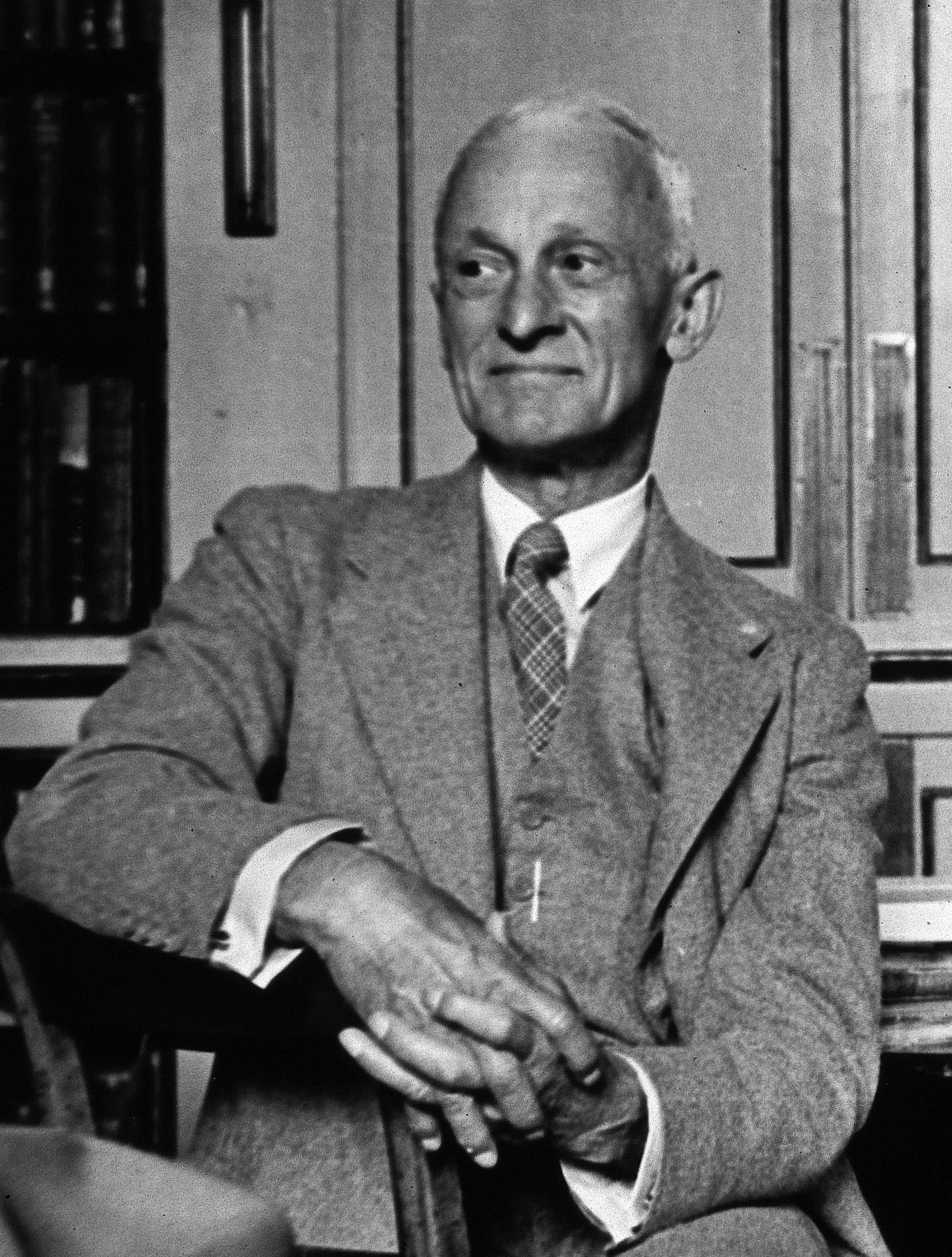
Introduction of electrocoagulation in neurosurgery.
1928 CE
#6610.1
Esculape chez les artistes.
Chapters and illustrations on deformities, infirmities, medicine, surgery, etc.
1928 CE
#9289
Ethnobotany of the Meskwaki Indians.
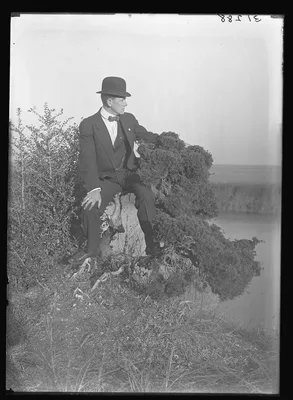
1928 CE
#5462
Experimental transmission of yellow-fever to laboratory animals.
Experimental infection of the monkey, Macacus rhesus, with the yellow fever virus. Stokes succumbed to yellow fever while investigating the disease. With J. H. Bauer and N. P. Hudson.
1928 CE
#5396.1
Experiments relating to the pathology and the etiology of Mexican typhus (tabardillo).
Mooser differentiated murine from epidemic typhus. The causative organism was later named Rickettsia mooseri.
1928 CE
#8326
Firdausu'l-Hikmat or Paradise of wisdom. Edited by M. Z. Siddiqi.
Firdous al-Hikmah is one of the oldest encyclopedias of Islamic medicine, based on Syriac translations of Greek sources (Hippocrates, Galen Dioscorides, and others). It is divided into 7 sections and 30 parts, with 36…
1928 CE
#10639
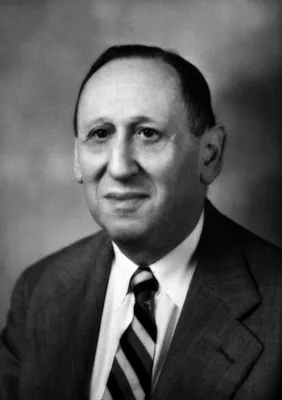
Folklore of the teeth.
1928 CE
#6583
Four centuries of medical history in Canada. 2 vols.
1928 CE
#4155
Geschichte der Dermatologie, geographische Verteilung der hautkrankheiten Nomenklatur. (Handbuch der Haut- und Geschlechtskrankheiten, Bd. 14, 2. T.)
1928 CE
#10287
History of medicine in Nebraska. Albert F. Tyler, Editor. Ella F. Auerbach, Compiler.
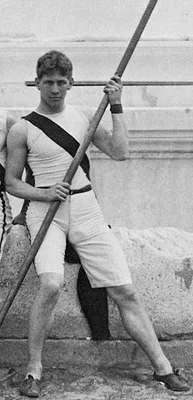
This work was edited by Tyler from the writings of 24 collaborators. Reprinted and augmented, with an index, by Bernice M. Hetzner. Omaha, NE: University fo Nebraska Medical Center, 1977. Digital facsimile of the 1977…
1928 CE
#5351
Hydatid disease. Its pathology, diagnosis and treatment.
Dew’s book remains the authoritative source. His many contributions to the knowledge of hydatid disease are summarized in it.
1928 CE
#5070
L’anatoxine diphtérique. Ses propriétés–ses applications.
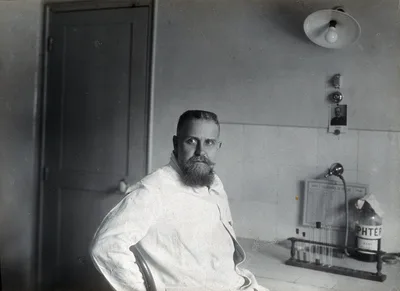
In 1923 Ramon so modified the diphtheria toxin with formaldehyde that it lost its toxic properties while retaining its antigenic virtues. This modified “anatoxin” (toxoid) superseded toxin–antitoxin …
1928 CE
#12622
Les associations microbiennes: Leurs applications thérapeutiques.
This work included a 60-page chapter on bacterial inhibition by molds and antibiosis, with several hundred historical references. It appeared one year before Fleming's landmark paper.
1928 CE
#5783
Mammectomie totale et autogreffe libre aréolomamelonnaire; mammectomie bilatérale esthétique.
The modern operation of total bilateral mammectomy, with transplantation of the nipple and areola, was especially developed by Dartigues.
1928 CE
#10820
Medical and allied topics in Latin poetry.
1928 CE
#3406
Menière’s disease; its diagnosis and a method of treatment.
Dandy’s operation for relief of Menière’s syndrome.
1928 CE
#8796
Mescal: The "divine" plant and its psychological effects. With an introduction by Macdonald Critchley.
The first study of the psychological effects of mescaline.
1928 CE
#4958
Mongolism. A study of the physical and mental characteristics of mongolian imbeciles. Revised by H. G. Brainerd.
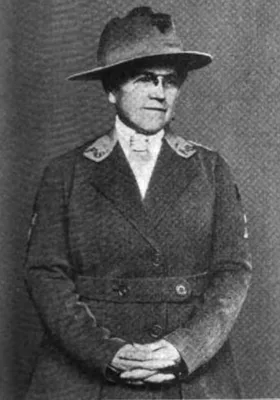
Down syndrome.
1928 CE
#1059
Observations on the function of peroxidase systems and the chemistry of the adrenal cortex. Description of a new carbohydrate derivative.
Isolation of vitamin C, ascorbic acid. In 1937 Szent-Györgyi was awarded the Nobel Prize in Physiology or Medicine "for his discoveries in connexion with the biological combustion process with special reference t…
1928 CE
#12909
Partial denture construction: A text book describing the technics of impression taking and the construction of that type of removable partial dentures which are supported and retained by external attachments.

First book form exposition of the Kennedy Classification for partially edentulous arches or partial removable dentures. The Kennedy Classification system was originally introduced by Dr. Edward Kennedy in New York in …
1928 CE
#4152
Relapsing febrile nodular nonsuppurative panniculitis.
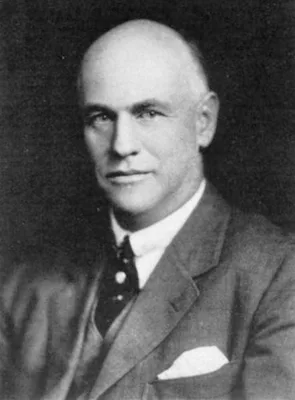
See No. 4151.
1928 CE
#5194.1
Researches on the intestinal protozoa of monkeys and man.
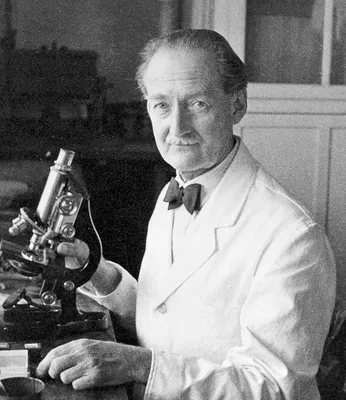
Classic account of the life-cycle of Entamoeba histolytica.
1928 CE
#6222
Schwangerschaftsdiagnose aus dem Ham (durch Hormonnachweis).
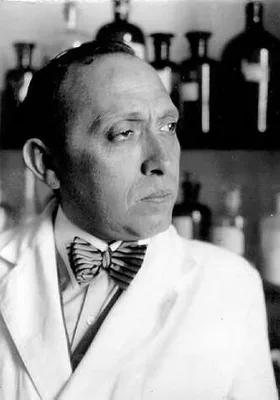
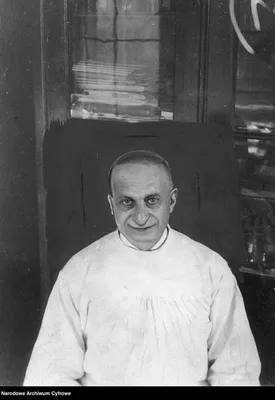
The Aschheim-Zondek test for the diagnosis of pregnancy.
1928 CE
#5256.1
Studies in malaria, with special references to treatment. Part IX. Plasmoquine in the treatment of malaria.
Clinical trials of pamaquin.
1928 CE
#2576
Studies on Bacillus typhosus toxic substances. I. Phenomenon of local skin reactivity to B. typhosus culture filtrate.
“Shwartzman phenomenon.”
1928 CE
#1168.1
The active principles of the posterior lobe of the pituitary gland. I. The demonstration of the presence of two active principles. II. The separation of the two principles and their concentration in the form of potent solid preparations.
Isolation of vasopressin and oxytocin. With T. B. Aldrich, I. W. Grote, L. W. Rowe, and E. P. Bugbee.
1928 CE
#1308
The basis of sensation. The action of the sense organs.
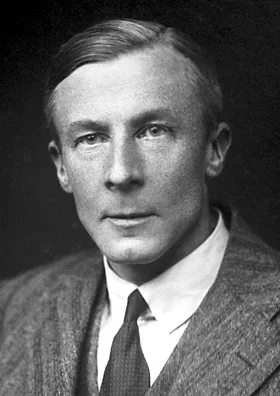
In 1932 Adrian shared the Nobel Prize in Physiology or Medicine with Charles Scott Sherrington "for their discoveries about the function of neurons." See also Nos. 1307, 1528, and 1303.
1928 CE
#5814.1
The book of the ten treatises on the eye ascribed to Hunain Ibn Is-hâq. The earliest existing systematic text-book of ophthalmology. The Arabic text from the only two known manuscripts, with an English translation and glossary by Max Meyerhof.
The earliest extant systematic textbook of ophthalmology. The Arabs were the first to make a specialty of ophthalmology.
1928 CE
#350
The brain from ape to man: A contribution to the study of the evolution and development of the human brain by Frederick Tilney. With chapters on the reconstruction of the gray matter in the primate brain stem by Henry Alsop Riley. 2 vols.
Classic study of the evolution of the central nervous system in the higher mammals. Digital facsimile from the Internet Archive at this link.
1928 CE
#7392
The development of the human eye.
The first monograph on the subject, illustrated with drawings by the author.
1928 CE
#12678
The divine origin of the craft of the herbalist.
A semi-popular account useful for its surveys of the earliest herbal literature: Egyptian, Sumerian, Assyrian, Greece, Syriac, Arabic, Coptic, Ethiopian (Abyssinian). Digital facsimile from the Internet Archive at thi…
1928 CE
#142
The history of biology: A survey. Translated by L. B. Eyre.
Previously published in Swedish and German editions. Many reprints were published.
1928 CE
#9943
The holy incense: A botanical, pharmacological, psychological and archaeological appreciation of the Bible.
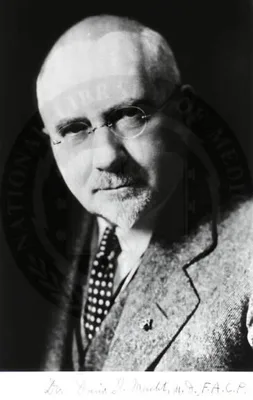
1928 CE
#799
The pressure pulses in the cardiovascular system.
Wiggers, professor of physiology at the Western Reserve University, Cleveland, contributed much to the knowledge of the circulation and devised several instruments to promote the study of this subject.
1928 CE
#6643
The quacks of old London.
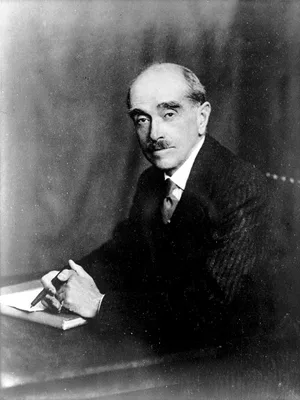
1928 CE
#5434
The reaction of the skin of the normal rabbit following intradermal injection of material from smallpox lesions: the specificity of this reaction and its application as a diagnostic test.
McKinnon’s diagnostic test.
1928 CE
#251.2
The significance of pneumococcal types.
Griffith’s experiments on transforming type II pneumococci into type III were repeated by Avery who was able sixteen years later (No. 255.3) to demonstrate that DNA was the transforming material.
1928 CE
#1060
The tripartite nature of vitamin B.
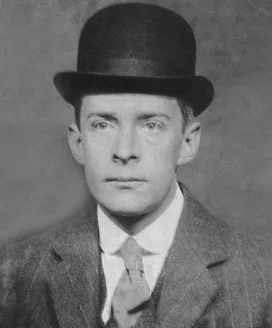
Vitamin B3.
1928 CE
#8532
The zoological section of the Nuzhatu-l-Qulūb of Hamdullāh Al-Mustaufī Al-Qazwīnī. Edited and translated by John Stephenson.
1928 CE
#3004.1
Traumatic aneurysm of the intracranial portion of the internal carotid artery. With a note by Wilfred Trotter.
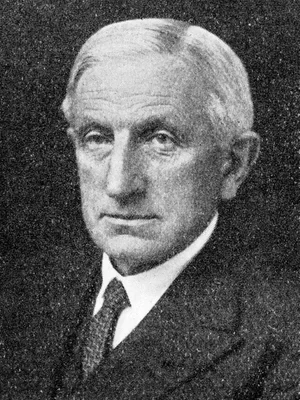
In 1924 Wilfred Trotter(1872-1939) performed the first planned operation for intracranial aneurysm diagnosed pre-operatively.
1928 CE
#13778
Tumors arising from the blood-vessels of the brain. Angiomatous malformations and hemangioblastomas.
1928 CE
#2652.1
Über ein neues Prinzip zur Herstellung höher Spannungen.
RF-powered linear accelerator.