
1560–1569
46 entries with publication dates in this decade.
1560 CE
#10728
Baderbüchlin: Gantz kurtzer Bericht von allerhand Einfachten, und 38. Componierten mineralischen Teütsches Lands wild Bädern ... ; Mit angehenckter Beschreybung, was nutz Schrepffen Bringe.
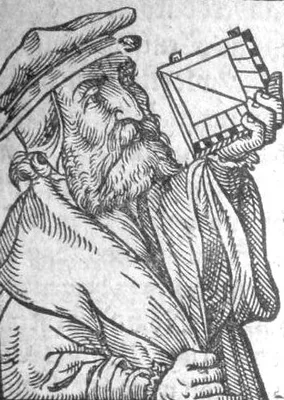
In this short treatise on balneotherapy physician, humanist , and prolific writer Georg Pictorius described 38 different bathing facilities. Digital facsimile from Bayerische StaatsBibliothek at this link
1561 CE
#8987
De habitu et constitutione corporis, quam Greci χρασιν, triviales complexionem vocant, libri duo.
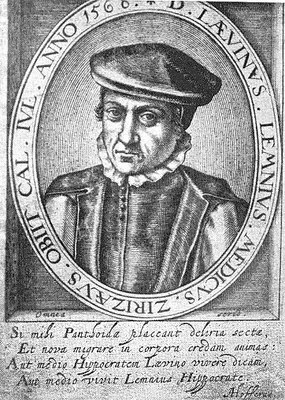
One of the earliest self-help medical guides, written by a pupil of Vesalius. Translated into English by Thomas Newton as The touchstone of complexions generallye appliable, expedient and profitable for all such, as b…
1561 CE
#1814
In hoc volumine continentur Valerii Cordi ... Annotationes in Pedacii Dioscoridis Anazarbei De medica materia libros V : longè aliae quàm ante hac sunt evulgatae. Ejusdem Val. Cordi Historiae stirpium Lib. IIII. posthumi, nunc primùm in lucem editi, adjectis etiam stirpium iconibus, & brevissimus annotatiunculis. Sylva, qua rerum fossilium in Germania plurimarum, metallorum, lapidum & stirpium aliquot rariorum notitiam brevissimè persequitur, nunquam hactenus visa. De artificiosis extractionibus liber. Compositiones medicinales aliquot, non vulgares. His accedunt Stocc-Hornii et Nessi in Bernatium Helvetiorum ditione montium, & nascentium in eis stirpium, descriptio Benedicti Aretii ... Item Conradi Gesneri De hortus Germaniae, liber recens, unà cum descriptione tulipae turcarum, chamaecerasi montani, chamaemespili, chamaenerii, & conozoidis ... Omnia summa studio atque industria ... Conr. Gesneri ... collecta, & praefationibus illustrata.
![DIOSCORIDES, Pedanius [Πεδάνιος Διοσκουρίδης] (40 – 90)](/media/portraits/2028)
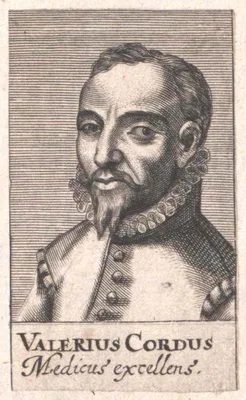
This work not only updated the species listed by Dioscorides, but also listed about 500 new species of plants. Published posthumously, the work was carefully edited by Conrad Gesner. Cordus was the inventor of phytogr…
1561 CE
#4850.3
La méthode curative des playes, & fractures de la teste humaine.
Written after the death of Paré’s patient, Henri II, who was struck in the eye by the shaft of a lance at a tournament in celebration of the marriage of Philip, King of Spain, with Elizabeth of France. Pa…
1561 CE
#1208
Observationes anatomicae.
Observationes anatomicae, a work of 232 leaves printed in the comparatively small octavo format, with no illustrations, was the only work Fallopio published before his death from tuberculosis at age thirty-nine, and i…
1561 CE
#10271
Pharmacopoeia, medicamentorum omnium quae hodie ad publica medentium munia officinis extant, tractationem & usum ex antiquorum medicorum praescripto continens, pharmacopoeis omnibus, atque etiam iis qui opus factitant medicum, valde utilis & necessaria.
Foes is credited with coining the word pharmacopeia in the title of this work. Digital facsimile from the Internet Archive at this link.
1561 CE
#1813
Semplici dell’eccellente … liquali in piu pareri à diversi nobili huomini scritti appaiono, et nuovamente da G. Marinello mandati in luce.
Anguillara was one of the best of many commentators on Dioscorides. Digital facsimile from Google Books at this link.
1561 CE
#3574
Traité des hernies... et autres excellentes parties de chirurgie assavior de la pierre, des cataractes des yeux, & autres maladies...
Greatly expanded second edition, including Franco's operations for cataract and urinary calculi. Digital facsimile from BnF Gallica at this link.
1562 CE
#14123
Bullein's bulwarke of defẽce againste all sicknes, sornes, and woundes that dooe daily assaulte mankinde, which bulwarke is kepte with Hillarius the Gardiner, Health the Phisician, with their chyrurgian to helpe the wounded soldiors. Gathered and practised frō the moste worthie learned, both old and newe: to the greate comforte of mankinde. Doen by Williyam Bulleyn, and ended this Marche, Anno Salutis 1562.
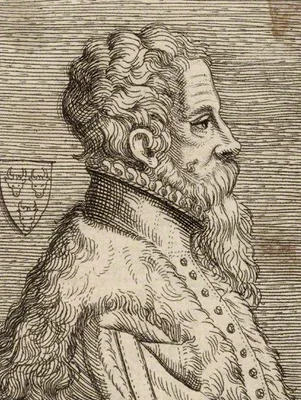
A work of medical humanism written while Bullein and his wife were in prison for debts. Bullein was the only writer of medical works in English in the sixteenth century to employ the dialogue form, allowing the physic…
1562 CE
#1818
De gradibus, de compositionibus, et dosibus receptorum ac naturalium libri septem.
Paracelsus has been called by some “the pioneer of modern chemists” and by others “uncouth, boorish, vain, ignorant and pretentious”. His De gradibus contains most of his innovations in Chemica…
1562 CE
#11404
Gli ornamenti delle donne: Tratti dalle scritture d'una reina greca per m. Giovanni Marinello et diuisi in quattro libri.
A comprehensive manual by a physician on female hygiene, beauty and adornment, containing hundreds of recommendations, advice on cosmetics, and more than two dozen recipes for dyes to bleach hair blond. Marinello reco…
1562 CE
#6814
Prologomena in Galenum, in tres partes divisa IN: volume one of Cl [audius]Galen Pergameni [Opera] Omnia quae extant, in Latinum sermonem convers.
![GALEN, [Κλαύδιος Γαληνός; Galen of Pergamon] (129 – 216)](/media/portraits/21)
Prologomena in Galenum, in tres partes divisa written by physician, naturalist, and bibliographer, Conrad Gessner (Gesner), and issued in volume one of Cl [audius] Galeni Pergameni [Opera] Omnia, quae extant, in Latin…
1563 CE
#2140
An excellent treatise of wounds made with gonneshot.
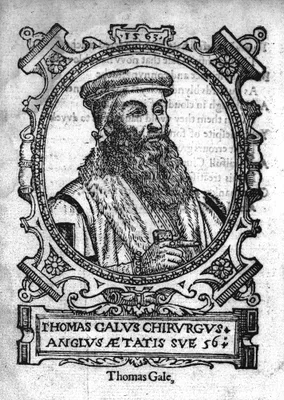
Gale, a contemporary of Paré, was surgeon in Henry VIII’s army at Montreuil. His book supported the views of Paré regarding the treatment of gunshot wounds, denying the poisonous effect of bullets;…
1563 CE
#2371
Certaine works of chirurgerie.
Includes the first mention of syphilis in the English literature. Facsimile reprint, New York, Da Capo Press, 1971.
1563 CE
#1815
Colóquios dos simples, e drogas he cousas mediçinais da Índia e assi dalgũas frutas achadas nella onde se tratam algũas cousas tocantes a medicina, pratica, e outras cousas boas pera saber.
![ORTA, Garcia de [Garcia d'Orta] (1501 – 1568)](/media/portraits/2236)
The first account of Indian materia medica and the first textbook on tropical medicine written by a European. It includes a classic account of Asiatic cholera, the first account of this disease by a European. This is …
1563 CE
#2370
De morbo gallico.
Falloppius was one of the first prominent opponents of the use of mercury in syphilis. He distinguished syphilitic and non-syphilitic condylomata.
1563 CE
#4916
De praestigiis daemonum.
Weyer was the first European physician to take an empirical, scientific approach to the study of mental illness. At the height of the witchcraft delusion he argued that witches were mentally ill women who deserved hum…
1563 CE
#5563
Practica der Wundartzney.
Würtz was a friend of Gessner and an admirer of Paracelsus; his book went through many editions and was translated into English, French, and Dutch. It describes the treatment of gunshot wounds, fractures, and dis…
1563 CE–1564 CE
#1093
Opuscula anatomica.
Eustachius is credited with several anatomical discoveries, among them the tensor tympani muscle and the Eustachian tube, published in his chapter entitled De auditus organis. In the last respect, however, he was anti…
1564 CE
#2581.99
De catarrho commentarius.
Summer catarrh (hay fever) first described. Partial English translation in No. 2241.
1564 CE
#464
De humano foetu.
According to Charles Singer, Aranzi gave the first adequate printed account of the gravid uterus, and finally dispelled the idea of a human cotyledonous placenta. He gave by far the best description of fetal anatomy u…
1564 CE
#3710
De magnis Hippocratis lienibus, Pliniique stomacace, ac sceletyrbe, seu vulgo dicto scorbuto, libellus.
Jean de Joinville was probably the first, about 1250, to describe scurvy; Vasco da Gama noted its occurrence at sea, and Jacques Cartier mentioned it. Ronsse gave an early medical account describing how sailors cured …
1564 CE
#6792
Definitionum medicarum libri xxiii.
This dictionary arranges all Greek medical terms in order of the Greek alphabet, and carefully explains them in Latin. It was widely used, and exerted much influence on modern medical terminology.
1564 CE
#6791
Dictionarium medicum.
This valuable Greek-Latin dictionary for the ancient medical writers defined and fixed a large number of anatomical terms, and exercised considerable influence on modern anatomical terminology. It was an important aid…
1564 CE
#3668.1
Dix livres de la chirurgie avec le magasin des instruments necessaires à icelle.
Paré’s first general treatise on surgery, and the most comprehensive of his treatises before his collected works (1575). Dix livres included Paré's first description of the use of the ligature in a…
1564 CE
#1816
Enchiridion, sive ut vulgo vocant dispensatorium, compositorum medicamentorum, pro Reipub. Augstburgensis pharmacopoeis.
One of the earliest pharmacopeias, and one which exerted a great influence on later pharmacopeias. Several new editions followed the first, and that of 1613 was adopted as the official pharmacopeia of Augsburg, the fa…
1565 CE
#11489
Calculorum qui in corpore ac membris hominum innascuntur, genera XII. depicta descriptaque, cum historiis singulorum admirandis.
The first treatise to specifically on urinary calculi and gallstones, with each of the 12 chapters exploring a part of the human body where such stones are found (gall bladder, kidneys, bladder, etc.). Additionally, t…
1565 CE
#6318
Cinq livres, de la manière de nourrir et gouverner les enfans dès leur naissance.
The first French work on pediatrics. Vallambert considered a wider range of diseases than any previous writer, including the first reference to syphilis in children, and gave the best commentary up to his time on infa…
1565 CE
#11490
De omni rerum fossilium genere, gemmis, lapidibus, metallis, et huiusmodi, libri aliquote, plerique nunc primum editi.
A collection of eight separate tracts, most with their own title page, by seven authors, all edited, and some with commentary by Gesner. The work is relevant for the history of "natural history" for containing Kentman…
1565 CE
#13792
De vini natura, artificio et usu deque re omni potabili.
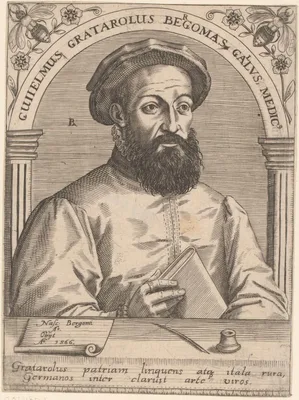
On the medical sues of wine. Digital facsimile from Google Books at this link.
1565 CE
#1817
Dos libros. El uno trata de todas las cosas que traen de nuestras Indias Occidentales, que sirven al uso de medicina, y como se ha de usar dela rayz del Mechoacan, purga excelentissima. El otro libro, trata de dos medicinas maravillosas que son contra todo veneno, la piedra Bezaar, y la yerva Escuerçonera. Con la cura de los venenados. Do veran muchos secretos de naturaleza y de medicina, con grandes experiencias.
The first treatise on Central and South American medicinal plants, and for many years the most important work on the medicinal plants of the New World. Working from Seville, Spanish doctor Nicolás Monardes mana…
1566 CE
#7223
A detection and querimonie of the daily enormities and abuses committed in physick.
Securis was a Latinized version of the English surname Hatchett.
1566 CE
#6011
Gynaeciorum, hoc est, de mulierum turn aliis, tum gravidarum, parientium et puerperarum affectibus et morbis, libri veterum ac recentiorum aliquot, partim nunc primum editi, partim multo quam antea castigatiores.
The first encyclopedia of gynecology and obstetrics, originally conceived by Conrad Gesner, who collected material for the purpose. Wolff, Gesner’s literary executor, added material and published the collection …
1566 CE
#6136
Moschionos Peri gynaikeion pathon, id est…De morbis muliebribus liber unus; cum CONARDI GESNERI… scholiis & emendationibus nun primum editus opera ac studio CASPARI WOLPHII.
The earliest text specifically for midwives, based on the teachings of Soranus, the greatest obstetrical writer of antiquity. Muscio was a pupil of Soranus. His book, the earliest copy of which is a manuscript dating …
1566 CE
#13060
Vocum, quae apud Hippocratem sunt, collectio. Cum annotationibus Bartholomaei Eustachii . . . Eiusdemque Libellus de Multitudine.
First edition in Latin edited by Eustachi of the glossary to Hippocrates by the first century Greek grammarian Erotianus. Erotianus's work contains the earliest list of the writings of Hippocrates, including some now …
1566 CE–1567 CE
#2372
De morbo gallico omnia quae extant. 3 vols.
A collection of important writings on syphilis to 1500. Boerhaave published a revision of this work in 1728, covering the period 1495-1566.
1567 CE
#12711
De podagra libellus incerti auctoris e graeco in latinum conversus. [Edited and translated by Marcus Musurus]. IN: Medicae artis principes post Hippocratum et Galenum. Graeci Latinitate donati. 2 vols.
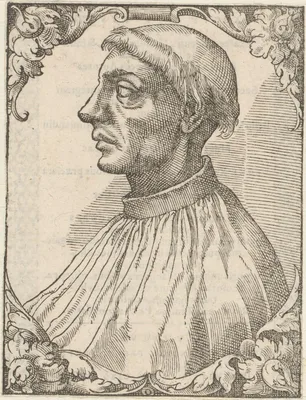
This Byzantine treatise on gout underwent several editions between the 16th and 18th centuries. The translator Musurus worked with Aldus Manutius in the preparation of several editiones principes. The translation, for…
1567 CE
#55
Medicae artis principes post Hippocratum et Galenum. Graeci Latinitate donati. Aretaeus, Ruffus Ephesius, Oribasius, Paul Aegineta, Aetius, Alex. Trallianus, Actuarius, Nic. Myrepsus. Latini, Corn. Celsus, Scrib. Largus, Marcell. Empiricus. Aliique praterea, quorum unius nomen ignoratur. Index non solum copiosus, sed etiam ordine artificioso omnia digest habens. Hippocra. aliquot loci cum Corn. Celsi interpretatione. Henr. Stephani de hac sua editione tetrastichon. Quaerere quos aegri per compita multa solebant, Hospita nunc per me est omnibus una domus. Prima salutiserae medicorum gratia dextrae: Sistenti medicos nonne secunda mihi? 2 vols.
MEDICAE ARTIS PRINCIPES
This collection of Roman, Late Antique, and Byzantine medical works, written after Hippocrates and Galen, was edited and published by Henri Estienne. The unusually worded title page states that it contains Latin trans…
1567 CE
#9053
Secretos de chirurgia, en especial de la enfermedades de morbo-galico y lamparones, y asimismo la manera como se curan los indos las llgas y heridas, y otras pasiones en las Indias, muy útil y provechoso par España, y otros muchos secretos de chirugia hasta ahora no escritos.
Arias de Benevides travelled to the New World where he observed native remedies and reported them in this book. In the book he also described his performance in Mexico City (1561) of the first neurosurgical interventi…
1567 CE
#4916.1
Von den Kranckheyten so die vernunfft berauben als da sein S. Veyts Thantz…
In this work on the “diseases that deprive man of his reason” Paracelsus anticipated the descriptive method in psychiatry, giving a purely medical account of the clinical manifestations of epilepsy, mania,…
1567 CE
#2118.1
Von der Bergsucht oder Bergkranckheiten drey Bücher…
Paracelsus’s book on the diseases of miners was the first full monograph on the diseases of an occupational group. The first section covers the diseases, mainly pulmonary affections, of miners, including the eti…
1568 CE
#9664
Deux livres des venins, ausquels il est amplement discouru des bestes venimeuses, thériaques, poisons & contre-poisons, par Jacques Grévin,... Ensemble les oeuvres de Nicandre,... traduictes en vers françois.
Grévin's work "marks the beginning of a new era in biotoxinological studies. With Grévin we see a crude attempt being made to compile systematically and evaluate the total knowledge of toxic organisms wh…
1568 CE
#9014
Noni medici clarissimi de omnium particularium morborum curatione sic ut febres quoque & tumores praeter naturam complectatur, Liber, nunc primum in lucem editus & summa diligentia conversus per Hieremiam Martium medicum physicum Augustanum. Hieronimus Wolphius Oetingensis ad lectorum.
Nonnus, a Byzantine physician, wrote an outline of medicine dedicated to Emperor Constantine Prophyrogenitus (probably Constantine VII). Digital facsimile from Google Books at this link.
1568 CE
#3164
Pro magni, et illustr. Terraenovae Ducis fistula, ex levi axilla in thoracis concavum pervia, etc. In P. Ingrassia, Quaestio de purgatione per medicamentum
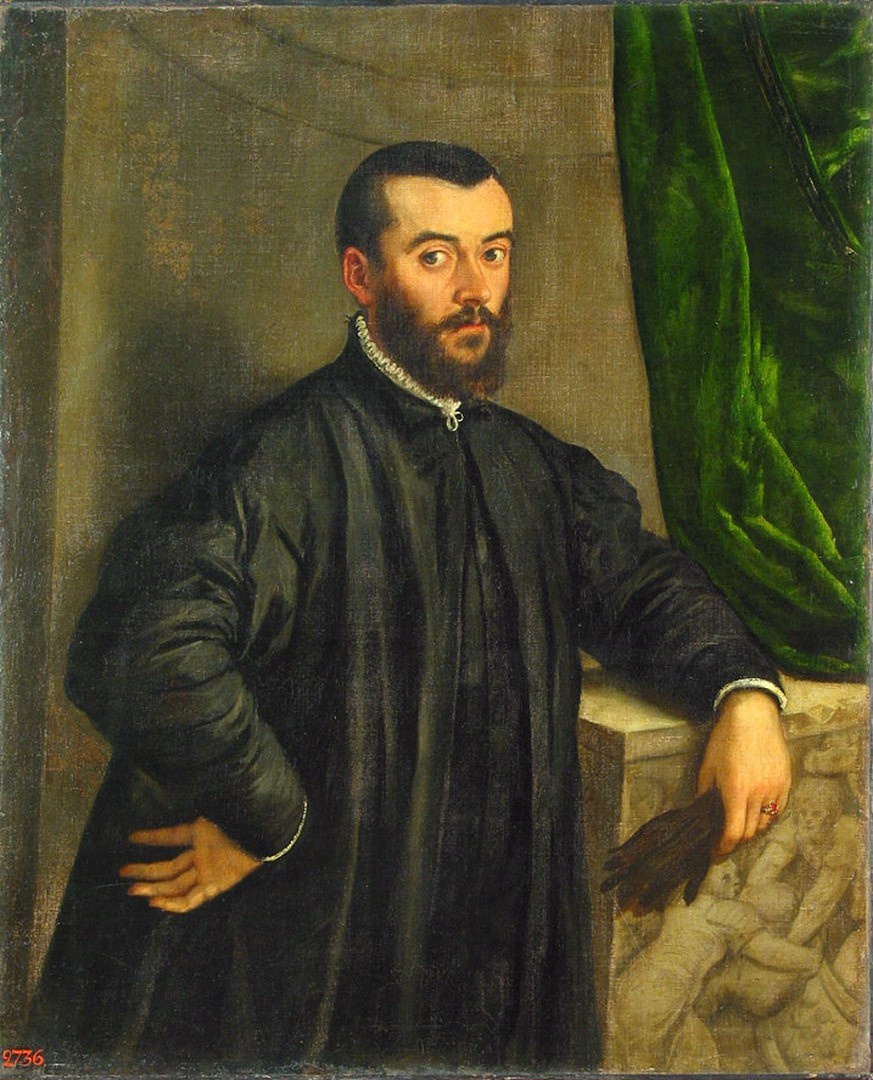
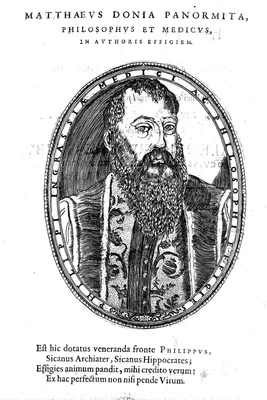
Vesalius’s consilium to Ingrassia, dated Madrid, 1562, in which he clearly described the operation for empyema (pp. 92-98). Although treatment of empyema by surgery was referred to in classical times, it became …
1569 CE
#1986.1
Artis gymnasticae apud antiquos celeberrimae, nostris temporibus ignoratae.
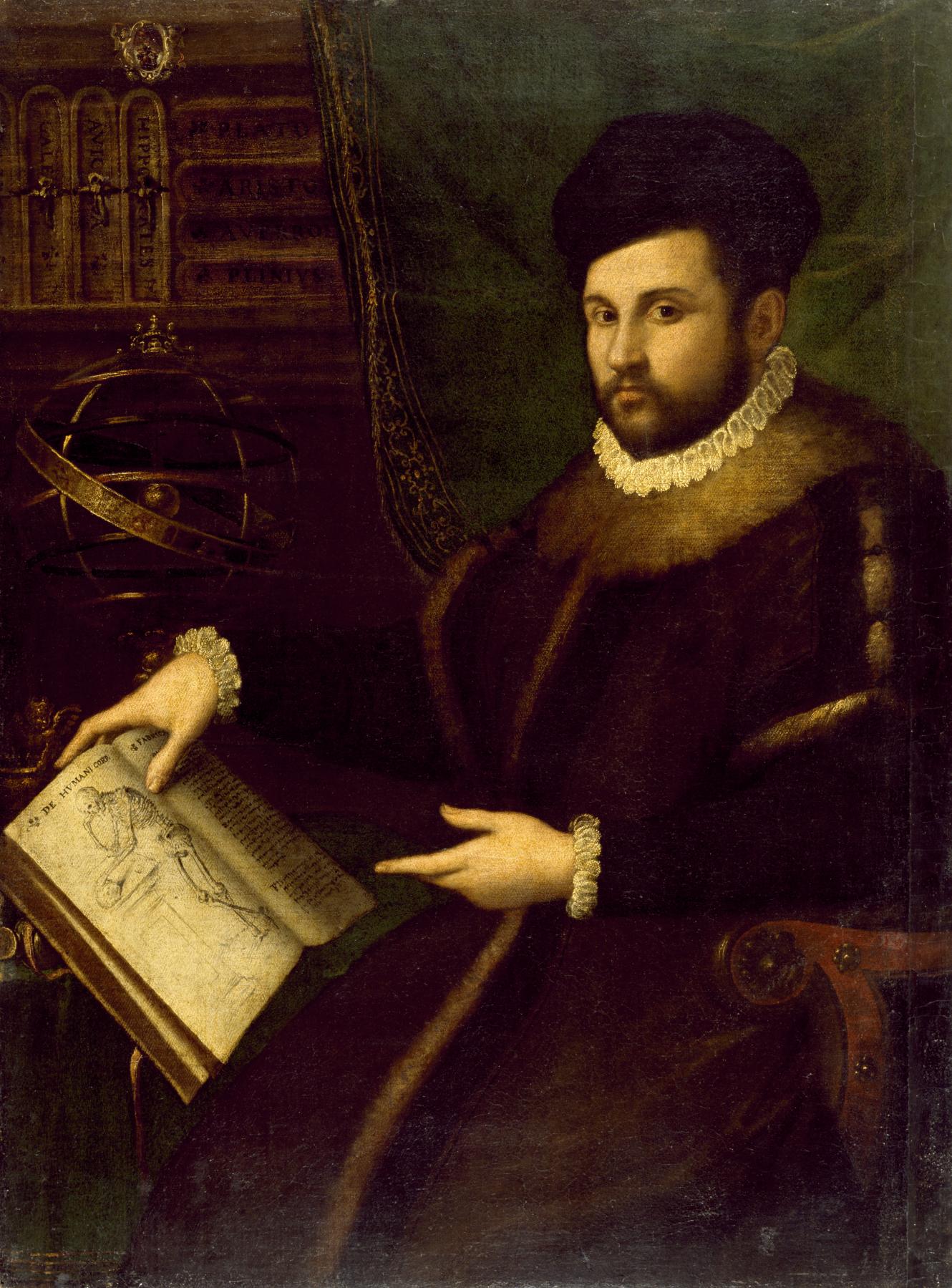
A history, based on extensive study of the classical literature, of the attitudes and practices of the Greeks and Romans concerning diet, hygiene, bathing, and exercise. This is one of the earliest books to discuss th…
1569 CE
#13117
Chirurgie françoise, avec plusieurs figures des instrumens nécessaires pour l'opération manuelle.
Daléchamp, a pupil of Guillaume Rondelet, received his doctorate in medicine from the University of Montpellier in 1547; he settled in Lyons in 1552, where he remained for the rest of his life. His Chirurgie fr…