
1540–1549
37 entries with publication dates in this decade.
1540 CE
#6959
Eyn new Wund Artznei M. Johans von Parisijs. Wie mann alle wunden, sie seien gestochen, gehawen, geschossen mit pfeil oder lot gequetzt vnd gestossen [et]c. mit salben, pflastern vnnd wundttranck, durch den gantzen leip dess menschens, vom Kopff an biss auff die füss, heylen solein kurtzer, ordenlicher Bericht M. Johan von Parisiis jtzunt am newsten auss gangen.
Johannes von Beris (or Paris) lived in the mid-15th century near Metz, and is thus the earliest identifiable German surgeon, and the first to write about gunshot wounds and wound surgery. His work, which was first pub…
1540 CE
#6139
The byrth of mankynde.
The first English treatise on midwifery, translated by Richard Jonas from the 1532 Latin translation by Roesslin the Younger (De partu hominis) of Roesslin's work (1513). The 1540 English edition was illustrated with …
1541 CE
#373.1
Des aller fürtrefflichsten…erschaffen. Das is des menchen…warhafftige beschreibung oder Anatomi…
This plagiarism of Vesalius’s Tabulae anatomicae sex contains 25 woodcuts by Hans Baldung Grien (1484/1485-1545), and represents the artist’s only contribution to medical illustration. The woodcuts include…
1541 CE
#1807
Historia plantarum et vires ex Dioscoride, Paulo Aegineta, Theophrasto, Plinio, & recentioribus Graecis, iuxta elementorum ordinem, per Conradum Gesnerum Tigurinum. Vna cum rerum & verborum locupletissimo indice.
A pocket dictionary of plants. Gesner, the “German Pliny”, produced the most encyclopedic bibliographies of his time. He attempted a Historia plantarum, which was unfinished at his death. See No. 1809.1. D…
1541 CE
#13142
Libellus de lacte, et operibus lactariis, philologus pariter ac medicus; cum Epistola ad Iacobum Avienum de montium admiratione.
The first book on Alpinism and mountaineering. Digital facsimile from the Hathi Trust at this link. English translation by H. B. D. Soulé as Conrad Gesner: On the admiration of mountains; the prefatory letter a…
1541 CE
#373
Musculorum humani corporis picturata dissectio.
The first book in which each muscle was illustrated separately, with copper-plates of the bones and muscles of the upper limb from drawings by Girolamo da Carpi, which in realism and exactitude surpassed anything betw…
1542 CE
#1808
De historia stirpium commentarii.
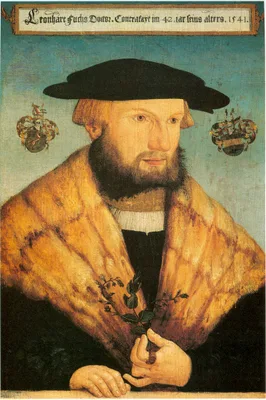
Illustrated with full-page woodcut illustrations drawn by Albrecht Meyer, copied onto the blocks by Heinrich Füllmaurer and cut by Veit Rudolf Speckle; the artists' self-portraits appear on the final leaf. Descri…
1542 CE
#572
De naturali parte medicinae libri septem.
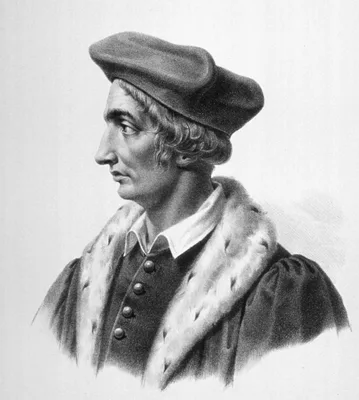
The earliest work devoted exclusively to physiology and the first to call the subject by that name. It was re-issued in 1554 as part of Fernel’s Medicina (No. 2271). Femel suggested that physicians should study …
1542 CE
#9415
Joannis Mesuae Damasceni De re medica libri tres Jacobo Sylvio medico interprete.
Dubois, better known as Sylvius, produced a new translation of the complete works of Mesue, which became the standard text, and was reprinted 21 times. Digital facsimile from Google Books at this link.
1542 CE
#374
Libro de anatomia In: Remedio de cuerpos humanos y silva de experiencias y otras cosas utilissimas: nuevamente compuesto…
Text in Spanish and Latin. Digital facsimile from Google Books at this link.
1543 CE
#375
De humani corporis fabrica libri septem.
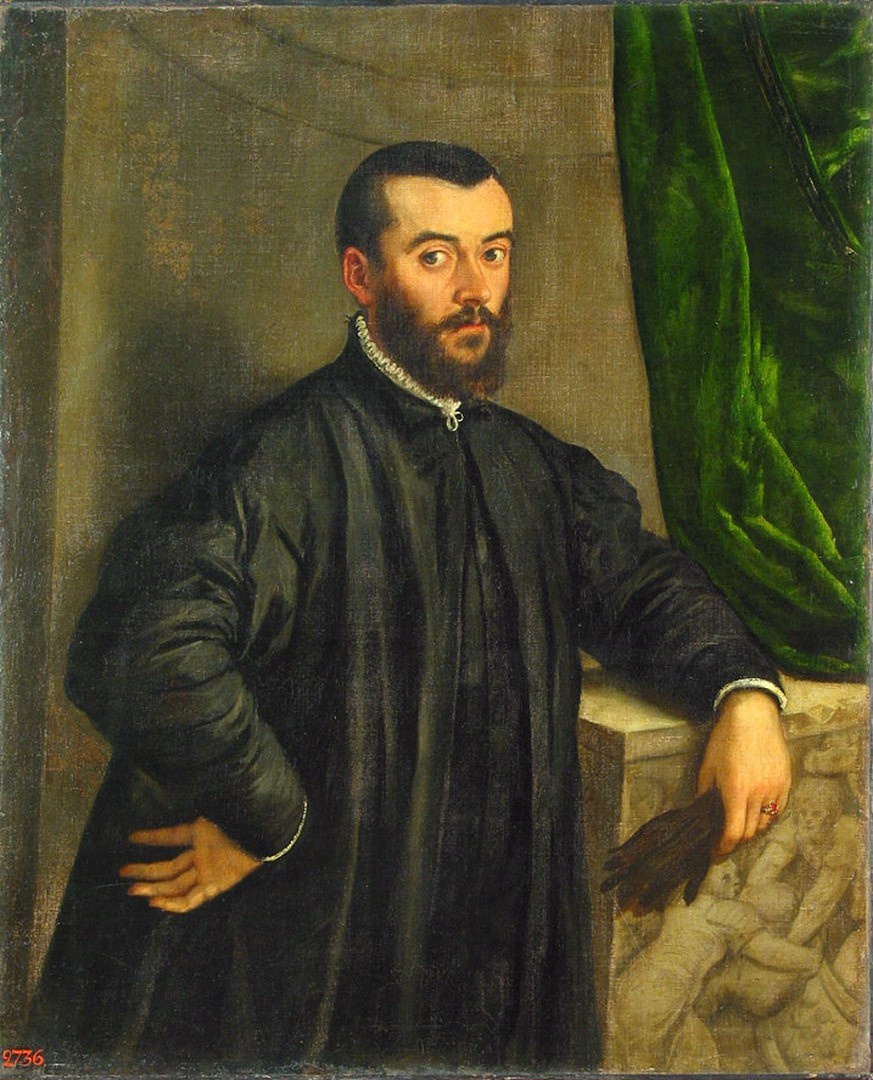
Published when the author was only 29 years old, the Fabrica revolutionized not only the science of anatomy but how it was taught. Throughout this encylopedic work on the structure and workings of the human body, Vesa…
1543 CE
#1809
Enumeratio medicamentorum purgantium.
An index of purgatives.
1543 CE
#376
Suorum de humani corporis fabrica librorum epitome.
Shortly after publishing his encyclopedic De humani corporis fabrica libri septem, Vesalius issued De humani corporis fabrica epitome, also from the press of Johannes Oporinus of Basel. This thin set of 14 unnumbered …
1544 CE
#1590
A new booke entyteled the regiment of lyfe.
Translation by John Phaer of a book by Jehan Goeurot published in 1530. Garrison states that it is a version of the Regimen Sanitatis.
1544 CE
#277
Avium praecipuarum, quarum apud Plinium et Aristotelem mentio est, brevis et succincta historia.
The first book on birds with clear descriptions of the appearance of individual birds based on the author’s own experiences and observations. Turner attempted to determine those birds named by Aristotle and Plin…
1544 CE
#4406.1
Chirurgia e graeco in latinum conversa.
This elegantly printed and illustrated small folio included 210 text woodcuts, most probably after drawings by the school of Francesco Salviati (Francesco de'Rossi). It was issued from the press operated by Pierre Gau…
1544 CE
#7820
Di Pedacio Dioscoride Anazarbeo Libri cinque della historia, et materia medicinale tradotti in lingua volgare italiana da M. Pietro Andrea Matthiolo Sanese Medico, con amplissimi discorsi, et comenti, et dottissime annotationi, et censure del medesimo interprete.
![DIOSCORIDES, Pedanius [Πεδάνιος Διοσκουρίδης] (40 – 90)](/media/portraits/2028)
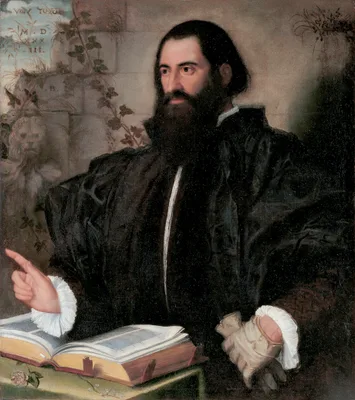
Mattioli's translation and commentary on Dioscorides provided much new botanical information. As Mattioli continued to expand the commentary, adding new botanical and pharmacological information, through editions in L…
1544 CE
#6009.1
Experimentarius medicinae. Continens Trotulae curandarum aegriudinum muliebrium ante, in & post partium lib. unicum, nusquam antea editum…[Georg Kraut]
First printed edition of the gynecological writings attributed to the woman physician, Trota, who is frequently called Trotula after the name of the collection of works with whom she is associated. Trota is said to ha…
1544 CE
#6317
The regiment of life, whereunto is added a treatise of the pestilence, with the boke of children.
The “boke of children” is the first work on diseases of children to be written by an Englishman the English language. Phaer enabled Englishmen to read and think of pediatrics in their own language. The edi…
1545 CE
#376.1
Compendiosa totius anatomie delineatio, aere exarata.
![GEMINUS, Thomas [Thomas Lambrit; Thomas Lambert] (1510 – 1562)](/media/portraits/532)
Compendiosa totius anatomie delineatio by Belgian engraver, mathematical and surgical instrument maker, Thomas Geminus (Thomas Lambert or Lambrit) was a slightly abridged version of Vesalius's Epitome illustrated with…
1545 CE
#378
De dissectione partium corporis humani.
De dissectione partium corporis humani libri tres by French physician, writer, and translator, Charles Estienne, of the Estienne printing dynasty, is one of the most interesting woodcut books of the French Renaissance…
1545 CE
#2139
La méthode de traicter les playes faictes par hacquebutes et aultres bastons à feu: & de celles qui sont faictes par fleches, dardz & semblables: assy des combustions specialement faictes par la pouldre à canon.
Paré’s first book was his treatise on gunshot wounds. He is one of the greatest of the military surgeons, and is particularly remembered for his abandonment of the practice of cauterization of gunshot wou…
1545 CE
#10734
New Kochbüch für die Krancken.
A cookbook with recipes to restore the health of convalescents.
1545 CE–1555 CE
#6743
Bibliotheca universalis, sive catalogus omnium scriptorum locupletissimus, in tribus linguis. Latina, Graeca, and Hebraica. 3 vols. and appendix.
This was one of the first attempts at a universal bibliography. Unfortunately the section on medicine (liber xxi) was never published. William Osler used the Bibliotheca universalis as one of the models for his own Bi…
1546 CE
#2528
De sympathia et antipathia rerum liber unus. De contagione et contagiosis morbis et curatione.
Though Fracastoro wrote this book more than a century before Leewenhoek invented the microscope, and could only express the theory of contagion in very general terms, this book represents a landmark in the development…
1546 CE
#1810.1
Epistola, rationem modumque propinandi radicis Chynae decocti…
In this work on the discovery and therapeutic use of the china root (Smilax china) in the treatment of syphilis, Vesalius described the first attempt to formulate methods of identification of an exotic drug. He also o…
1546 CE
#1810
Pharmacorum omnium, quae quidem in usu sunt, conficiendorum ratio: Vulgo vocant dispensatorium pharmacopolarum, ex omni genere bonorum authorum, cum veterum tum recentium collectum, & scholiis utilissimis illustratum, in quibus obiter, plurium simplicium, hactenus non cognitorum, vera noticia traditur. Authore Valerio Cordo. Item De collectione, repositione, & duratione simplicium. De adulterationibus quorundam simplicium. Simplici aliquo absolute scripto, quid sit accipiendum. Antiballomena, id est, succedanea, sive quid pro quo. Qualem virum pharmacopolam esse conveniat. Cum Indice copioso.
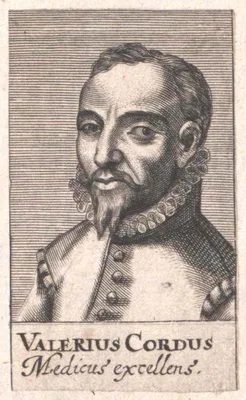
The first "real" pharmacopeia to be published. It was recognized as the official pharmacopeia of Nuremberg. Facsimile edition, 1934. Digital facsimile of the 1546 edition from Goethe Universität, Frankfurt am Mai…
1546 CE
#9865
Skøn lystig ny Urtegaard.
Smid was one of the first writers on medicine in Scandinavia who was trained in medicine, but according to Stokker, Remedies and rituals: folk medicine in Norway and the new land (2007) p. 111 "had trouble succeeding …
1547 CE
#54
Medici antiqui omnes, qui latinis literis diversorum morborum genera et remedia persecuti sunt.
MEDICI ANTIQUI OMNES
Contains selections from the writings of Celsus, Plinius Secundus, Soranus, Apuleius, Barbarus, Musa, Priscianus, Trotula, Macer, Caelius Aurelianus, Marcellus Empiricus, Scribonius Largus, Serenus Samonicus, Strabus …
1547 CE
#1591
The breviary of helthe, for all manner of syckenesses and diseases the whiche may be in man, or woman doth folowe.
This, probably the earliest “modern” work on hygiene, throws some light on the condition of that subject in the 16th century.
1548 CE
#11111
Alexandrū Trallianū Iatrū Biblia Dyokaideka. Alexandri Tralliani medici libri XII. Rhazae De pestilentia libellus ex Syrorum lingua in Graecam translatus. Edited by Jacques Goupil.
First edition of the Greek text of the works of Alexander of Tralles, together with an edition of Rhazes on the plague. Both texts were edited by Jacques Goupil. The work was issued by the distinguished scholar printe…
1548 CE
#3667.1
Nützlicher bericht wie man die Augen und das Gesicht wo das selbig magelhafft blöde dunckel oder befinstert. Scherpfen gesundt erhalten stercken und bekrefftigen soll…Mit weitterer unterrichtung. Wie man den Mundt die Zän und Biller…
This popular guide to health includes the first monograph on dentistry for the layman, encouraging the practice of oral hygiene and simple dental care. The first part of the book deals with the eyes, the second with t…
1548 CE
#1810.2
The names of herbes in Greke, Latin, English, Duche & Frenche wyth the commune names that herbaries and apotecaries use.
A much-expanded English translation of Turner’s Libellus (No. 1805). That and the above work mark the beginning of scientific botany in England. They contain the first records of the occurrence of some 238 speci…
1549 CE
#6140
Briefve collection de l'administration anatomique: avec la manière de conjoindre les os: et d’extraire les enfans tant mors que vivans du ventre de la mere, lors que nature de soy ne peult venir a son effect.
Paré’s revival of podalic version repopularized the procedure, which had been described by Soranus of Ephesus (No. 6008). English translation in The Workes of Ambroise Parey [sic], London, 1634. Digital f…
1549 CE
#4511.02
De cerebri morbis…
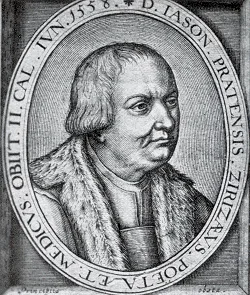
The first book devoted entirely to brain disorders, including tremor, tetanus, vertigo, epilepsy and hemicrania.
1549 CE
#8931
Dialogus de re medica compendiaria ratione, præter quædam alia, universam Anatomen humani corporis perstringens, summè necessarius omnibus Medicinæ canditatis.
The first Spanish medical book based on the writings of Vesalius, written by Vesalius’s student Pedro Jimeno, whose activities “constituted the cornerstone of the Valencian School of Anatomy and the Spanis…
1549 CE
#1793
Medicamentorum opus in sectiones quadragintaocto digestum, hactenus in Germania non uisum, omnibus tum medicis, tum seplasiarns mirum in modum utile, a Leonharto Fuchsio...
The “Antidotarium magnum” by the Byzantine physician Nicolaus Myrepsus. It was the largest strictly pharmaceutical work that had appeared up to the time of its writing (about 1270-1280); it contained more …