
1680–1689
79 entries with publication dates in this decade.
1680 CE
#3350
Didascalocophus or the deaf and dumb mans tutor, to which is added a discourse of the nature and number of double consonants: both which tracts being the first (for what the author knows) that have been published upon either of the subjects.
Dalgarno considered that the deaf had an advantage over the blind in opportunities of learning languages. He invented an alphabet for the use of deaf-mutes.
1680 CE
#3761
Esperienze del Dottor Giuseppe Zambeccari intorno a diverse viscere tagliate a diversi animali viventi.
Proof that the spleen is not essential to life. For a translation and notes on the book, see Bull. Hist. Med., 1941, 9, 144-76, 311-31 (S. Jarcho).
1680 CE
#580
Physiologia Kircheriana experimentalis.
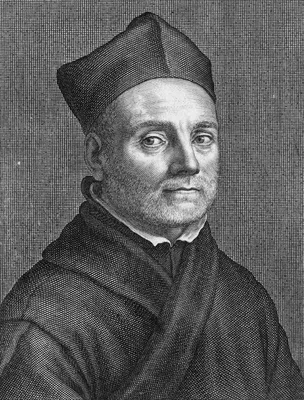
Includes the first recorded experiment in hypnotism in animals.
1680 CE
#9698
Praxis catholica: or the countryman's universal remedy wherein is plainly and briefly laid down the nature, matter, manner, place and cure of most diseases, incident to the body of man, not hitherto discovered, whereby any one of an ordinary capacity may apprehend the true cause of his distempers, wherein his cure consists, and the means to effect it : together with rules how to order children in that most violent disease of vomiting and looseness, &c. : useful likewise for seamen and travellers : also an account of an imcomparable powder for wounds or hurts which cure any ordinary ones at once dressing. Written by Robert Couch, sometime practitioner in physick and chyrurgery, at Boston in New-England. Now published with divers useful additions (for public benefit) by Chr. Pack, operator in chymistry.
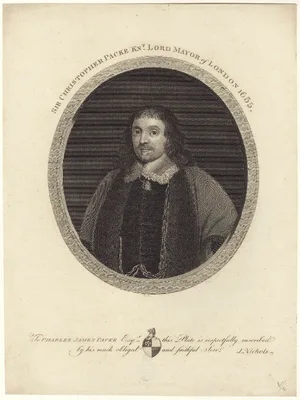
The first medical book written in the British colonies of North America. The introduction, "To all ingenious students and practitioners in physick and chyrurgery", is signed Robert Couch, but the extent of additions i…
1680 CE–1681 CE
#3669.3
De motu animalium. 2 pts.
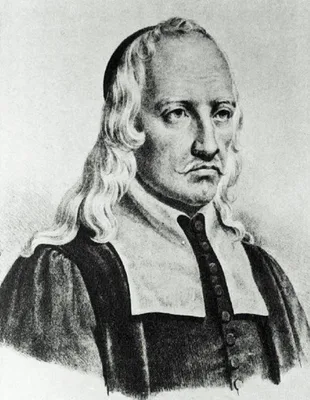
Borelli originated the neurogenic theory of the heart’s action and first suggested that the circulation resembled a simple hydraulic system. He was the first to insist that the heart beat was a simple muscular c…
1681 CE
#296
Anatome animalium, terrestrium variorum, volatilium, aquatilium, serpentum, insectorum, ovorumque, structuram naturalem, ex veterum, recentiorum, propriisque observationibus proponens, figuris variis illustrata.
“The first comprehensive manual of comparative anatomy based on the original and literary researches of a working anatomist” (Cole). Blaes anticipated Cowper in finding the Cowper’s glands, which he …
1681 CE
#5161
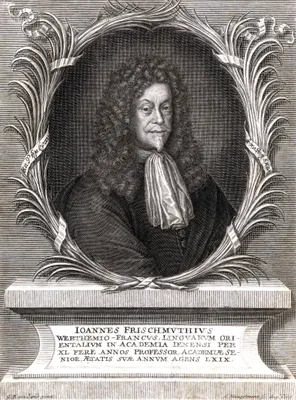
Epistola… qua simul de anthrace, carbunculo, bubone et altauna, philologice disseritur.
1681 CE
#297
Musaeum Regalis Societatis, or a catalogue and description of the natural and artificial rarities belonging to the Royal Society and preserved at Gresham College. Whereunto is subjoyned the comparative anatomy of stomachs and guts.
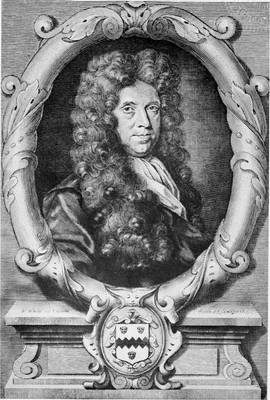
Grew, secretary to the Royal Society, compiled this illustrated catalogue of its museum, then housed at Gresham College. Published with the catalogue is Grew’s study of the stomach organs, which is the first zoo…
1681 CE
#13139
Pharmacopoea persica ex idiomate persico in latinum conversa. Tafsir-i murakkabat-i qarabadin-i parsi [-i Muzaffar b. Muhammad as-Sifa`i] ba-dast-i Angelus Karmelit.
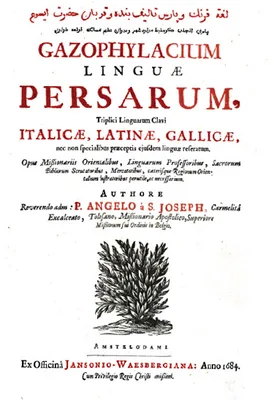
The editor, Joseph Labrosse, "was born in Toulouse in 1636 and entered a Carmelite order, taking the name of Fr. Angelus of St Joseph. In 1662 he went to Rome and studied Arabic for two years before travelling to Isfa…
1681 CE
#13752
Recreatione dell'occhio e della mente nell'osservation ' delle chiocciole, proposta a curiosi delle opere dell natura.
The first treatise devoted entirely to molluscs, and the first practical guide for shell collectors. "Bonanni's work is significant for his careful attempts to precisely describe shell morphology. Unfortunately, due t…
1682 CE
#12612
A treatise of cleanness in meats and drinks of the preparation of food, the excellency of good airs and the benefits of clean sweet beds also of the generation of bugs and their cure : to which is added, a short discourse of the pain in the teeth shewing from what cause it does chiefly proceed, and also how to prevent it.
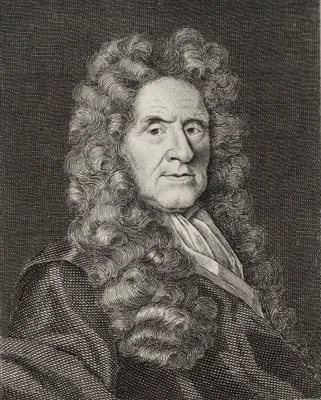
Digital text from Early English Books Online at this link.
1682 CE
#9198
Dissertatio epistolaris . . . de observationibus nuperis circa curationem variolarum confluentium nec non de affectione hysterica.
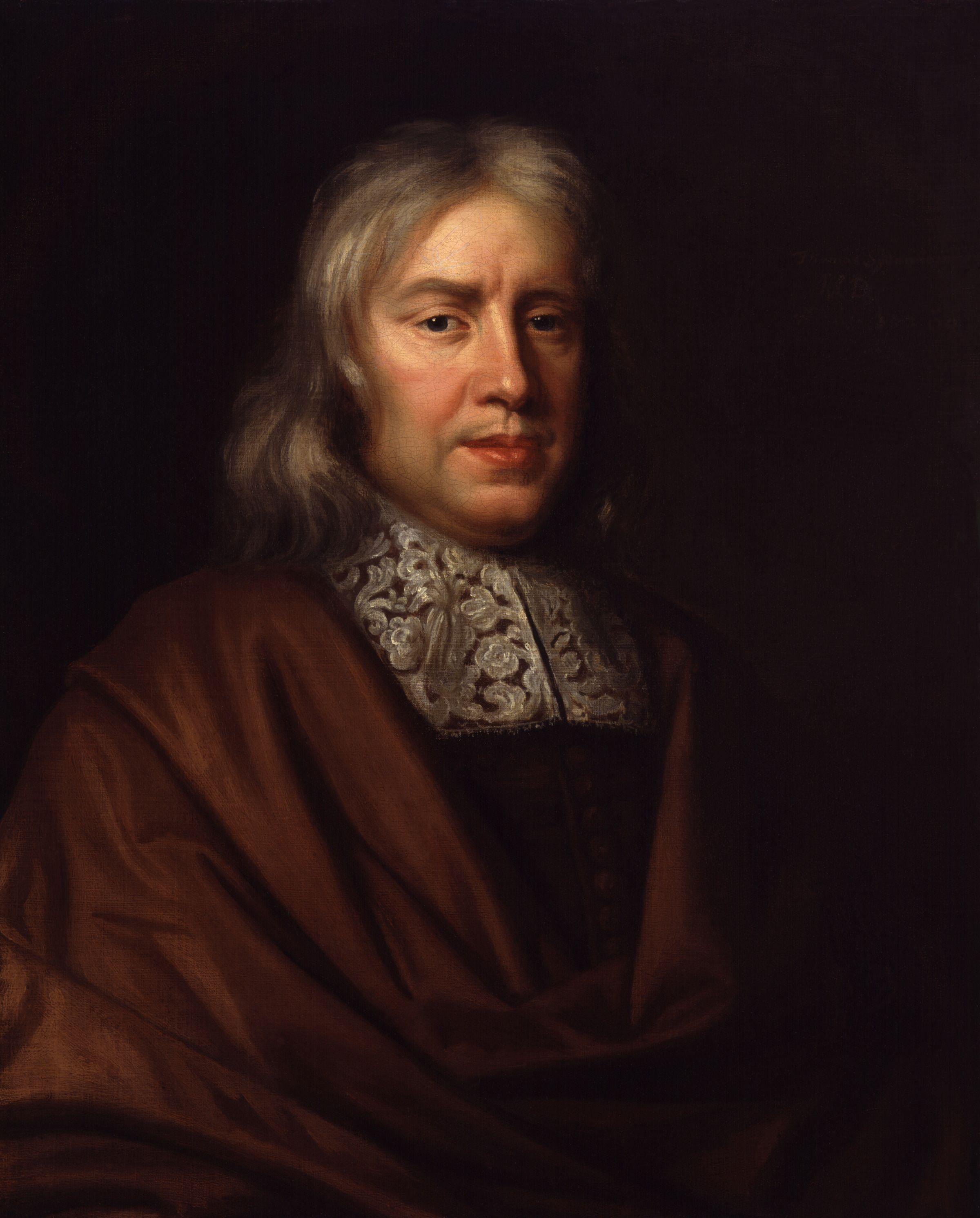
"Sydenham so precisely describes the symptoms of hysteria that even today little can be added to what he said. He maintained that is was the most common chronic disease, and he recognized that in spite of the fact tha…
1682 CE
#10017
Mercurius compitalitius, sive, Index medico-practicus.per decisiones, cautiones, animadversiones, castigationes & observationes in sugulis affectibus praeter naturam et praesidiis medicis, deaeteticis, cheirurgicis & pharmaceuticis... Accessit appendix de medici munere.
Discusses 63 topics on medical ethics and decorum, patient behavior, medical diagnosis, prognosis, and practice guidelines, including how to relate to the patient in all matters, including extreme old age and death. "…
1682 CE
#1481.3
Nova visionis theoria.
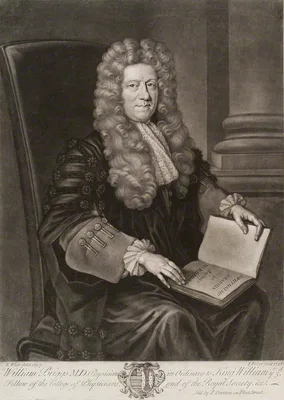
Briggs’ treatise on the physiology of vision influenced Sir Isaac Newton, who reprinted it in book form with his own introduction, London, 1685.
1682 CE
#6492
Specimen medicinae Sinicae.
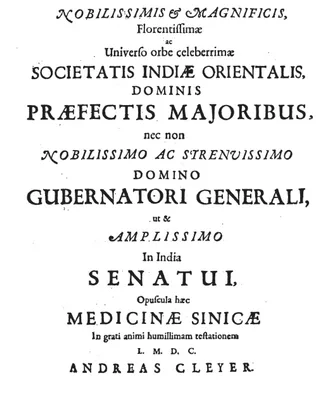
One of the earliest studies of Chinese medicine published in the West. (See also Nos. 6472.10 et seq.). Cleyer edited these translations of Chinese medical texts, reproducing a series of 30 plates dealing with Chinese…
1682 CE
#14336
Traité de la lithotomie ou de l'extraction de la pierre hors la vessie.
In Tolet's day lithotomy was one of the major and most dangerous of operations. Tollet provided explicit directions for the operation in children as well as adults of both sexes. He particularly stressed the need for …
1682 CE
#8836
Wounds of the brain proved curable, not only by the opinion and experience of many (the best) authors, but the remarkable history of a child four years old cured of two very large depressions, with the loss of a great part of the skull, a portion of the brain also issuing thorough a penetrating wound of the dura and pia mater…
Probably the first monograph in English on surgery of the head and brain. Yonge was a naval surgeon who set up in practice in Plymouth after he gave up the sea. He had just performed the operation for an injury of the…
1683 CE
#4162
De urinis et pulsibus de missione sanguinis de febribus de morbis capitis, et pectoris.
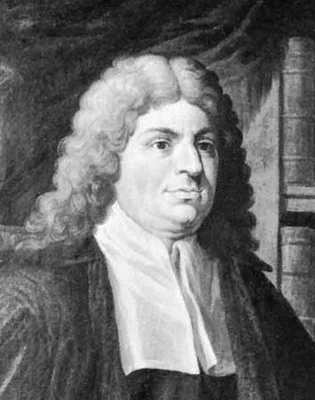
Bellini began to develop his hydraulic iatromechanics in this work, in which he considered the blood as a physical fluid with simple mechanical and mathematicizable properties. He realized the value of the urine as an…
1683 CE
#12045
Description générale de l'Hostel Royal des Invalides établi par Louis le Grand dans la Plaine de Prennelle près Paris. Avec les plans, profils & elevations de ses faces, coupes & appartemens.
A deluxe folio work with numerous full-page engravings illustrating the architecture, floor plans etc. of the Hôtel des Invalides by its administrator, who signed the dedication "L.J.D.B." Designed by Libé…
1683 CE
#6374.1
Dissertatio de arthritide: mantissa schematica: de acupunctura: et orationes tres…
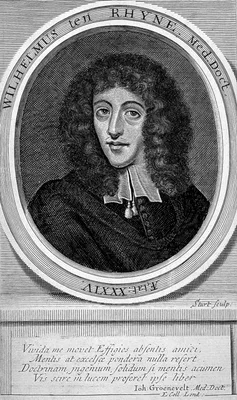
This work by the resident physician at Deshima, the Dutch East India Company’s trading station in Nagasaki Bay, Japan, contains the first detailed description of acupuncture, and the first illustration of acu-po…
1683 CE
#3927
Experimenta nova circa pancreas.
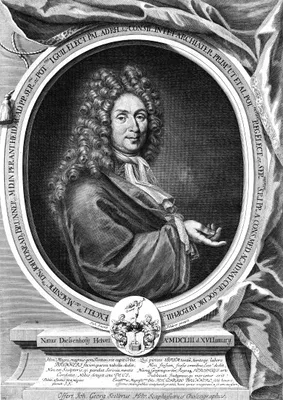
Brunner came near to discovering pancreatic diabetes. His experiments on the dog represent pioneer work on internal secretion. Following excision of the pancreas, he recorded extreme thirst and polyuria. Translated in…
1683 CE
#13076
Hortus medicus Edinburgensis, or, A catalogue of the plants in the Physical Garden at Edinburgh: Containing their most proper Latin and English names; with an English alphabetical index.
Digital facsimile from Biodiversity Heritage Library at this link.
1683 CE
#2448
Lumbricus teres, or some anatomical observations on the round worm bred in human bodies.
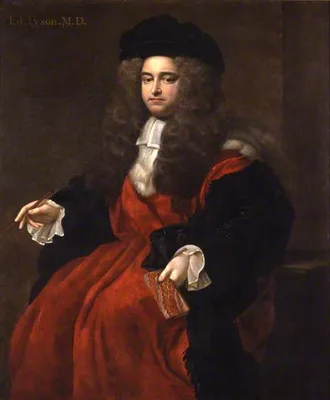
Tyson gave one of the first descriptions of the anatomy of Ascaris lumbricoides.
1683 CE
#298
The anatomy of an horse.
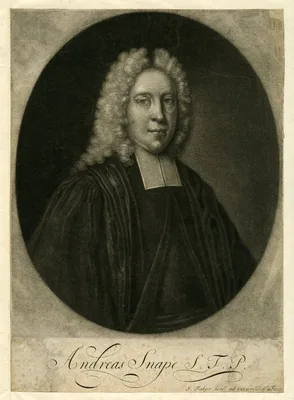
First book in English on equine anatomy, largely a translation of Ruini (No. 285).
1683 CE
#1761
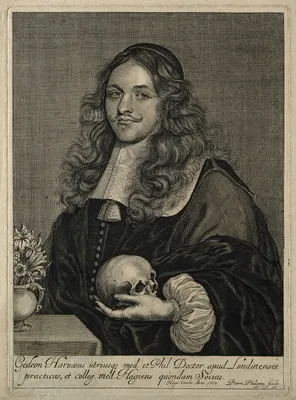
The conclave of physicians, detecting their intrigues, frauds, and plots, against their patients.
1683 CE
#9308
The way to health, long life and happiness, or, a discourse of temperance and the particular nature of all things requisit for the life of man as all sorts of meats, drinks, air, exercise, &c. with special directions how to use each of them to be the best advantage of the body and mind. Shewing from the true ground of nature whence most diseases proceed, and how to prevent them. To which is added, a treatise of most sorts of English herbs ... the like never before published / communicated to the world for a general good, by Philotheos Physiologus.
Tryon, an English merchant, was the author of popular self-help books and an early advocate of vegetarianism. Digital facsimile from the Hathi Trust at this link.
1683 CE
#4486
Tractatus de podagra et hydrope.
Of the many great works of Sydenham, this is considered his masterpiece. He clearly differentiated gout from rheumatism. For an English translation, see his Works, published by the Sydenham Society, 1850, 2, 123-84.
1683 CE
#1545
Traité de l’organe de l’ouie; contenant la structure, les usages et les maladies de toutes les parties de l’oreille.
The first scientific account of the structure, function and diseases of the ear. Du Verney showed that the bony external meatus develops from the tympanic ring and that the mastoid air cells communicate with the tympa…
1683 CE
#8934
Trattado unico das bexigas, e sarampo, offerecido a D. João de Sousa, composto por Romaõ Mõsia Reinhipo.
One of the first works on medicine practiced in Brazil, published by Mourão under the pseudonym Romaõ Mõsia Reinhipo. Mourão distinguished clearly between smallpox and measles. There was st…
1684 CE
#6797
A physical dictionary; in which all the terms relating either to anatomy, chirurgery, pharmacy, or chemistry, are very accurately explain’d.
The English translation of Blankaart’s dictionary was the first medical dictionary to be printed in the British Isles. The original Greek-Latin text was published in Amsterdam, 1679.
1684 CE
#2464.1
An abstract of a letter…Sep. 17, 1683. Containing some microscopical observations, about animals in the scurf of the teeth.
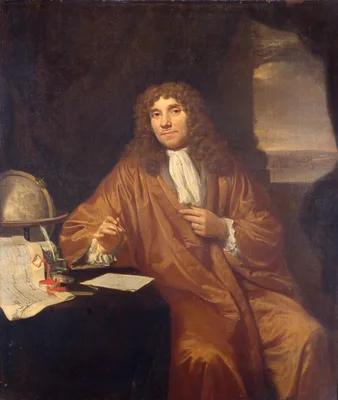
Records discovery of bacteria in the mouth, with the first illustrations of the basic types – what were much later called cocci (round or oval), bacilli (rod-shaped) and spiriillum (spiral) forms. Although Leeuw…
1684 CE
#7030
Aristoteles master-piece, or the secrets of generation displayed in all the parts thereof . . .
The first sex manual in English, neither by Aristotle or a "masterpiece", provided its readers with practical advice on copulation, conception, pregnancy and birth.This anonymous, inexpensively printed work proved to …
1684 CE
#1545.1
De auditu liber unus.
An early account of the anatomy, physics and physiology of hearing, preceded by a historical summary of earlier work.
1684 CE
#1311
Dr. Willis's practice of physick.
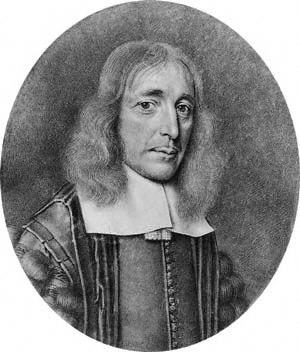
The only complete edition of Willis's works in English, translated by the poet Samuel Pordage. It contains the translations of all his works except his Affectionum quae dicuntur hystericae (1671). The collection inclu…
1684 CE
#974.2
Du ductu salivati hactenus non descriptio.
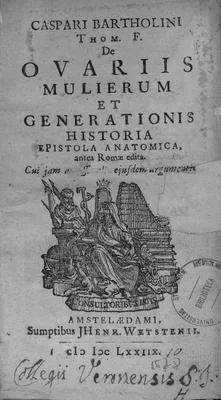
“Bartholin’s duct” and “gland”, the sublingual salivary gland and ducts.
1684 CE
#1725
La doctrine des rapports de chirurgie, fondées sur les maximes d’usage et sur la disposition des nouvelles ordonnances.
De Blégny explained the obligation of surgeons to report any suspicion of crime, and explained how to prepare expert opinion for presentation before the court.
1684 CE
#1762
Medicus peccans, sive tractatus de peccatis medicorum.
Digital facsimile from Google Books at this link.
1684 CE
#861
Memoirs for the natural history of humane blood, especially the spirit of that liquor.
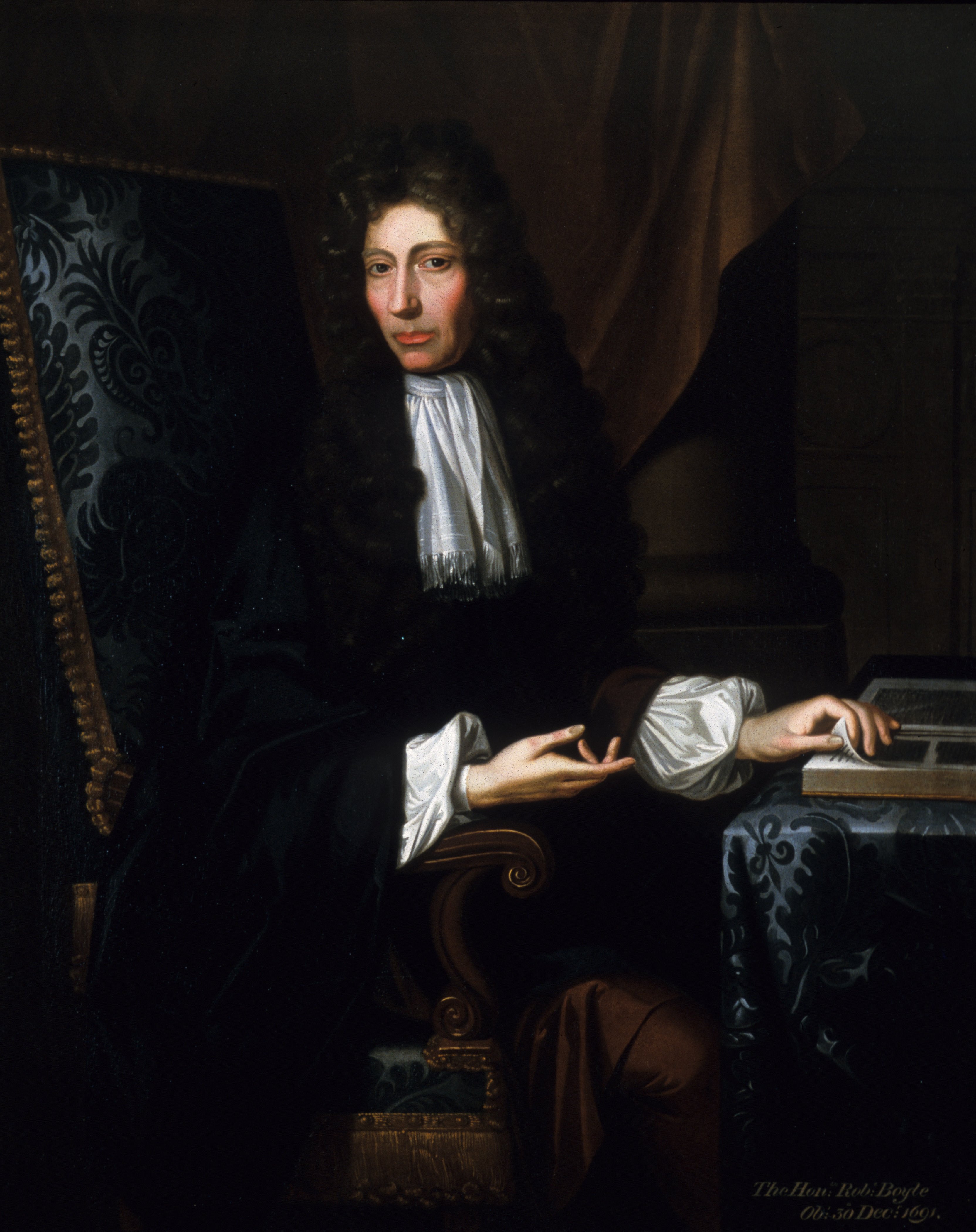
The first analysis of blood, Boyle’s Memoirs may be considered the first scientific study in physiological chemistry, exhibiting methods which have become universally adopted. This is Boyle’s most importan…
1684 CE
#11684
Myographia nova, or a graphical description of all the muscles in the human body; with one and forty copper-plates.
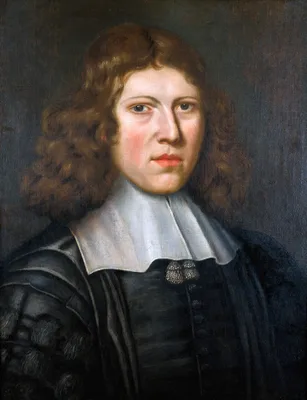
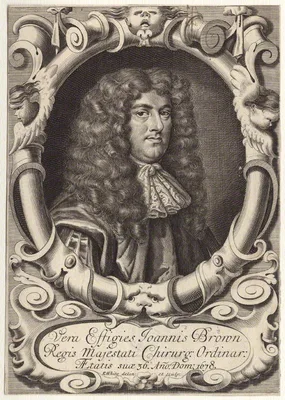
Browne's treatise on the muscles consisted of six lectures, illustrated by copperplates. It was, however, a plagiarism, as was pointed out by James Yonge: it put together text from the Muskotomia by William Molins wit…
1684 CE
#1379
Neurographia universalis.
Vieussens, professor at Montpellier, was the first to describe the centrum ovale correctly. The publication of the above work threw new light on the subject of the configuration and structure of the brain, spinal cord…
1684 CE
#1212
Observations anatomiques.
Includes a brief description of “Cowper’s glands”.
1684 CE
#2448.1
Osservazioni … intomo agli animali viventi che si trovano negli animali viventi.
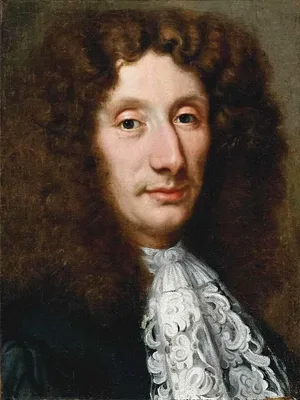
Redi was among the first of the parasitologists. He demonstrated the reproductive organs of Ascaris lumbricoides and also ascaris eggs. The results of his experiments appear in the above work, which also records his s…
1684 CE
#2375
Tuta, ac efficax luis venereae, saepe absque mercurio, ac semper absque salivatione mercuriali curando methodus.
Abercromby advanced the idea that syphilis was caused by a parasite, and promoted mercury as a treatment. Digital facsimile from Google Books at this link.
1684 CE
#5822
Two remarkable cases relating to vision.
Includes the first known description of nyctalopia.
1684 CE
#12044
Verhandelinge van de opvoedinge en ziekten der kinderen. Vertoonende op wat wyse de kinderen gezond konnen blyven, en ziek zijnde, bequamelyk konnen herstelt werden. Zeer nodig voor alle huyshoudende lieden.
A book intended for a popular audience on raising, educating, and caring for health problems of children. Blankaart offered advice and instructions to parents for treating all sorts of children's illnesses as well as …
1685 CE
#3613
A remarkable account of a liver, appearing glandulous to the eye.
First description of cirrhosis of the liver.
1685 CE
#385
Anatomia humani corporis, centum et quinque tabulis, per artificiosiss. G. de Lairesse ad vivum delineatis.
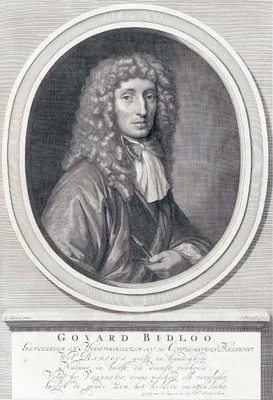
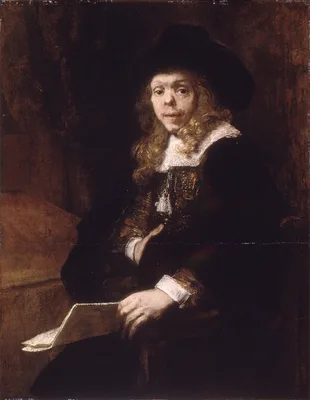
This large folio by Dutch physician, anatomist, poet, and playwright Govert Bidloo contains an engraved title, engraved portrait of Bidloo by Abraham Bloteling after Gérard de Lairesse and 105 engraved plates a…
1685 CE
#11174
Bibliotheca anatomica sive recens in anatomia inventorum thesaurus locupletissimus, in quo integra qtque absolutissima totius corporis humani descriptio, eiusdémque oeconomia è praestantissimorum quorumque anatomicorum tractatibus singularibus, tum facenus in lucem edis, tum etiam indeditis, concinnata exhiibetur....2 vols.
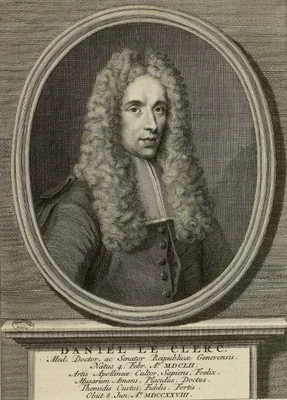
With reproductions of the original engraved plates, Bibliotheca anatomica was the most extensive compilation of anatomical treatises published in the 17th century. It was an extensive anatomical library in 2 thick vol…
1685 CE
#1101
De ductu salivali novo, saliva, ductibus oculorum aquosis, et humore oculi aqueo.
Nuck’s name has been attached to the glands and duct described by him.
1685 CE
#6148
La pratique des accouchemens soutenue d’un grand nombre d’observations.
Portal’s important treatise included his demonstration that version could be done with one foot. He also taught that face presentation usually ran a normal course. English translation, 1705.