
1760–1769
103 entries with publication dates in this decade.
1760 CE
#7060
A discourse on the nature, causes, and cure of corpulency. Illustrated by a remarkable case, Read before the Royal Society, November 1757. And now first published.
Digital facsimile from Google Books at this link.
1760 CE
#9902
An essay on the medicinal nature of hemlock.
"Störck is remembered for his clinical research of various herbs, and their associated toxicity and medicinal properties. His studies are considered to be the pioneering work of experimental pharmacology and his …
1760 CE
#13640
Caroli Linnaei ... disquisitio de qvaestione ab Academia Imperiali Scientiarum Petropol. in annvm MDCCLIX. pro praemio proposita: sexum plantarum argumentis et experimentis nouis, praeter adhuc iam cognita, vel corroborare, vel impugnare, praemissa expositione historica et physica omnium plantae partium, quae aliquid ad foecundationem et perfectionem seminis et fructus conferre creduntur, ab eadem Academia die VI. Septembris MDCCLX. in conuentu publico praemio ornata.

This work is typically referred to as Disquisitio de sexu plantarum. Translated into English as A dissertation on the sexes of plants translated from the Latin of Linnaeus by James Edward Smith. London: Printed for th…
1760 CE
#4850.5
Observations on the nature and consequences of wounds and contusions of the head, fractures of the skull, concussions of the brain, etc.
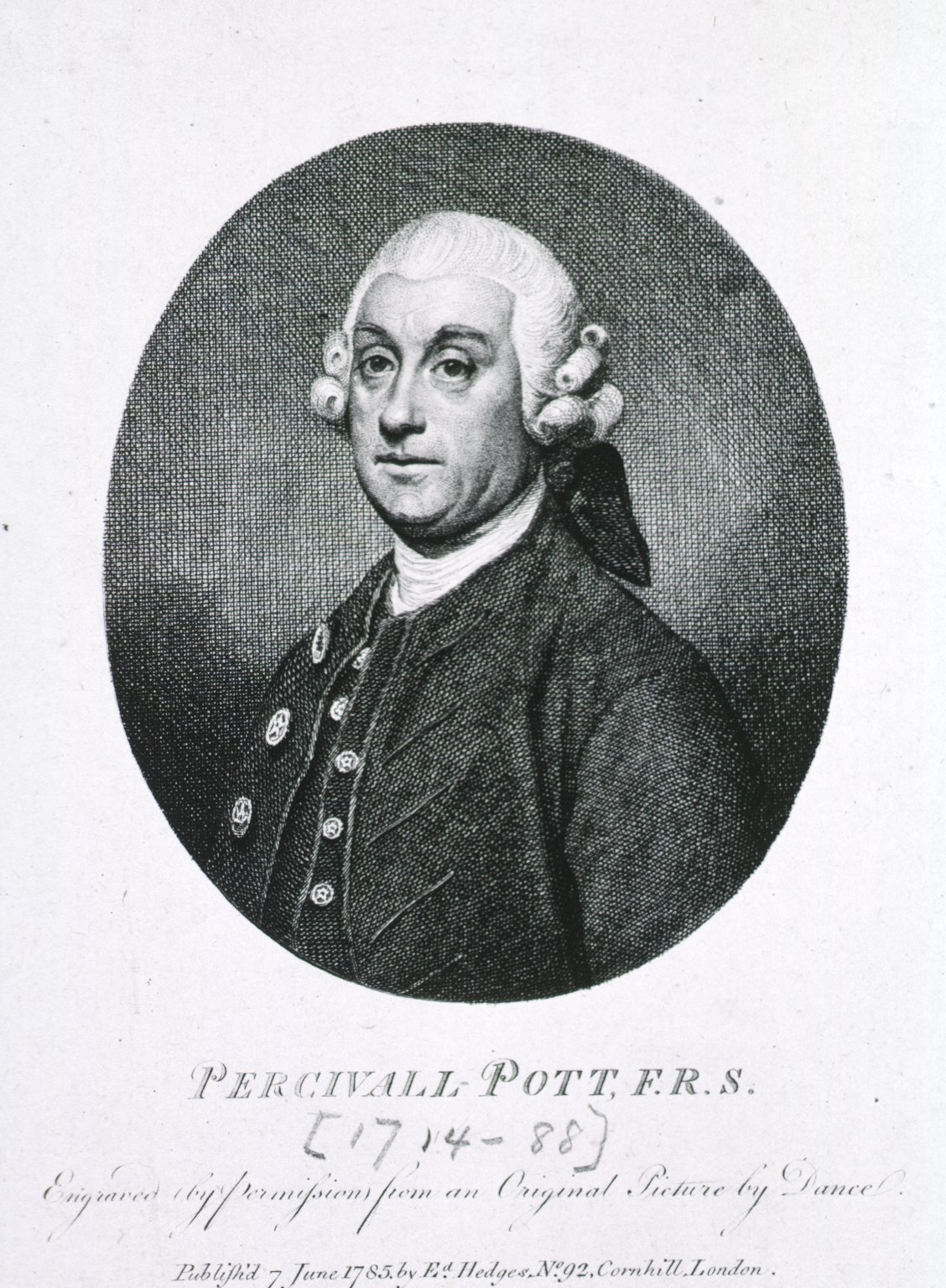
This book, which showed Pott’s extensive knowledge of surgical literature, systematized the treatment of head injuries. It shows what a variety of injuries of the head could be sustained even before the advent o…
1760 CE
#13143
Ornithologie, ou, Méthode contenant la division des oiseaux en ordres, sections, genres, especes & leurs variétés: a laquelle on a joint une description exacte de chaque espece, avec les citations des auteurs qui en ont traité, les noms quils leur ont donnés, ceux que leur ont donnés les différentes nations, & les noms vulgaires. 6 vols.
Title pages in both French and Latin. One of the earliest systematic treatises on birds by a contemporary of Linnaeus. The work treats 1336 species of which Brisson claimed to recognize more than 800 by sight. The pla…
1760 CE
#12703
Select remains of the learned John Ray, M.A. and F.R.S. with his life by the late William Derham, D. D. Canon of Windsor, and F.R.S. Published by George Scott, M.A. and F.R.S.
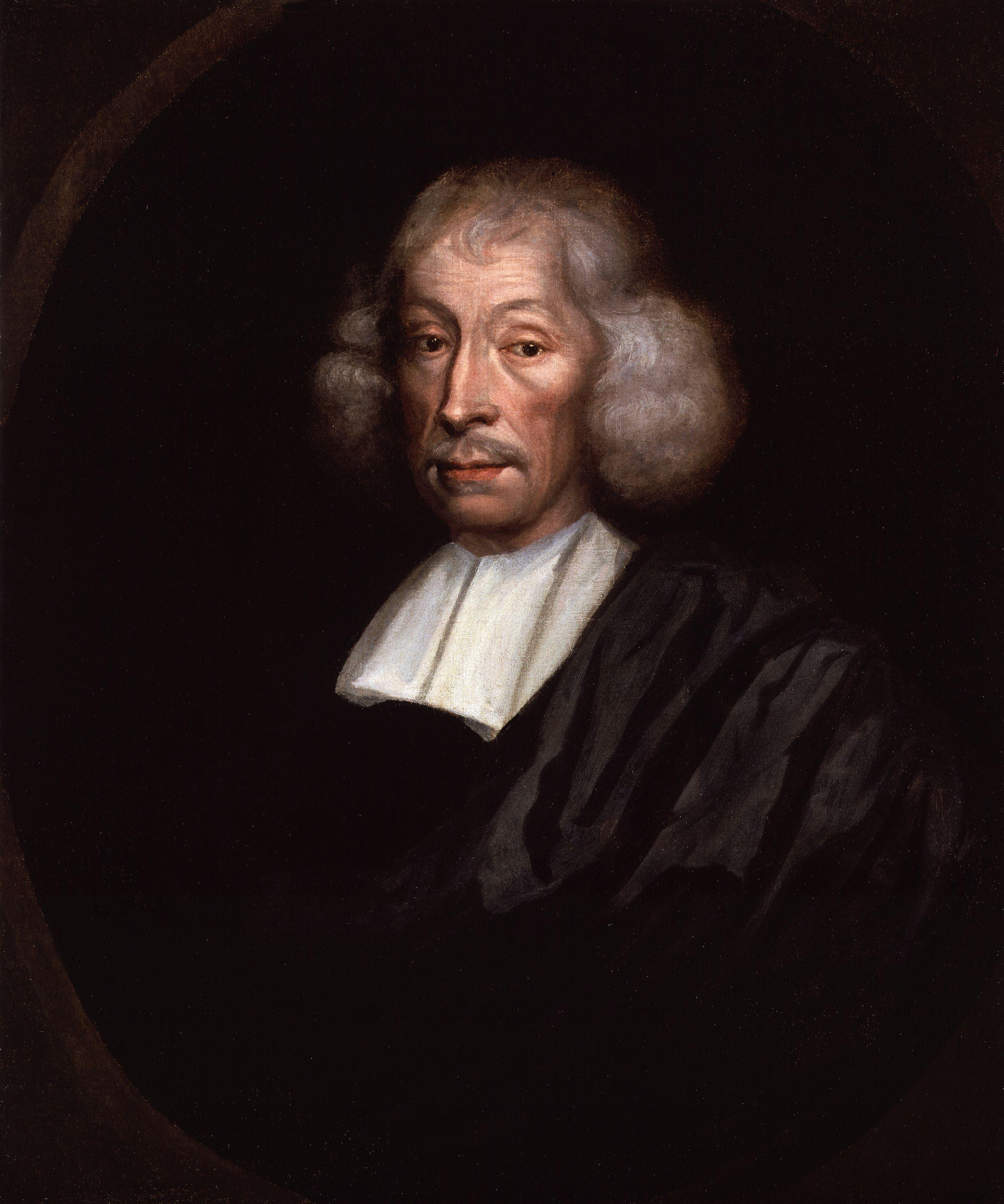
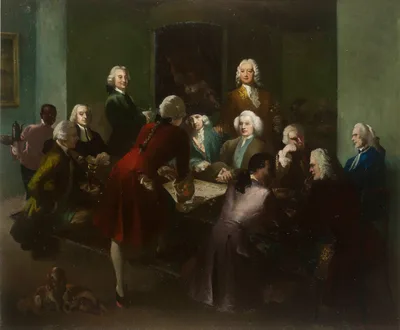
Because Derham died in 1735 this biography would have been written in the early part of the 18th century after the death of Ray in 1705. Digital facsimile from the Hathi Trust at this link.
1760 CE
#6951
Sur les mouvements du cerveau et de la dure-mere. Premier mémoire, sur le mouvement des parties contenues dans le crâne, considérées dans leur état naturel. Second mémoire. Sur les mouvements contre nature de ce viscère, & sur les organes qui sont le principe de son action.
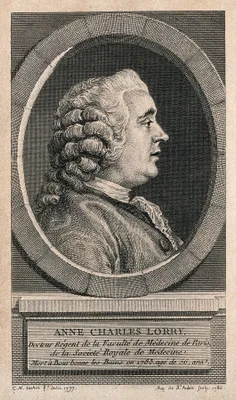
Probably the first example in the literature of a definite localization of function in the brain. In the first memoir Lorry examined the normal movements of the brain; in the second memoir he set out specifically, sys…
1760 CE
#13238
Verzeichnis der Práparaten welche auf dem anatomischen Theater der Akademie zu Greifswald befindlich sich nebst einer Vorrede von dem Einfluß der Zergliederungskunst in die glückseligkeit eines Staats.
First printed catalogue of the anatomical preparations in the Anatomical Theatre and Institute directed by the professor of anatomy, Andreas Westphal.
1761 CE
#1597
Avis au peuple sur la santé.
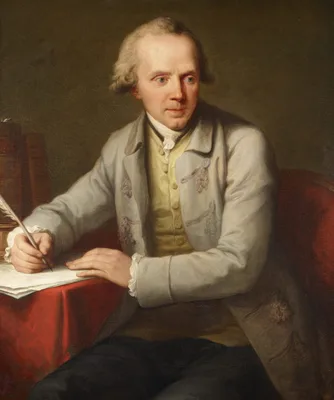
A tract on medicine written for the lay public; it ran through many editions and was translated into all European languages. It has been called "the greatest medical best-seller of the eighteenth century" (Singy, "The…
1761 CE
#2607.1
Cautions against the immoderate use of snuff. Founded on the known qualities of the tobacco Plant; and the effects it must produce when this way taken Into the body: And by instances of persons who have perished miserably of diseases, occasioned, or rendered incurable by its use,
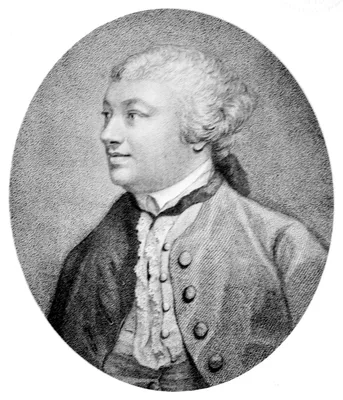
First clinical report (pp. 30-31) of an association between tobacco and cancer, in this case “polypusses” of the nose caused by taking snuff. Hill was a distinguished botanist and apothecary, although rega…
1761 CE
#7430
Continuation of the account of the Pennsylvania Hospital, from the first of May 1754, to the fifth of May 1761.
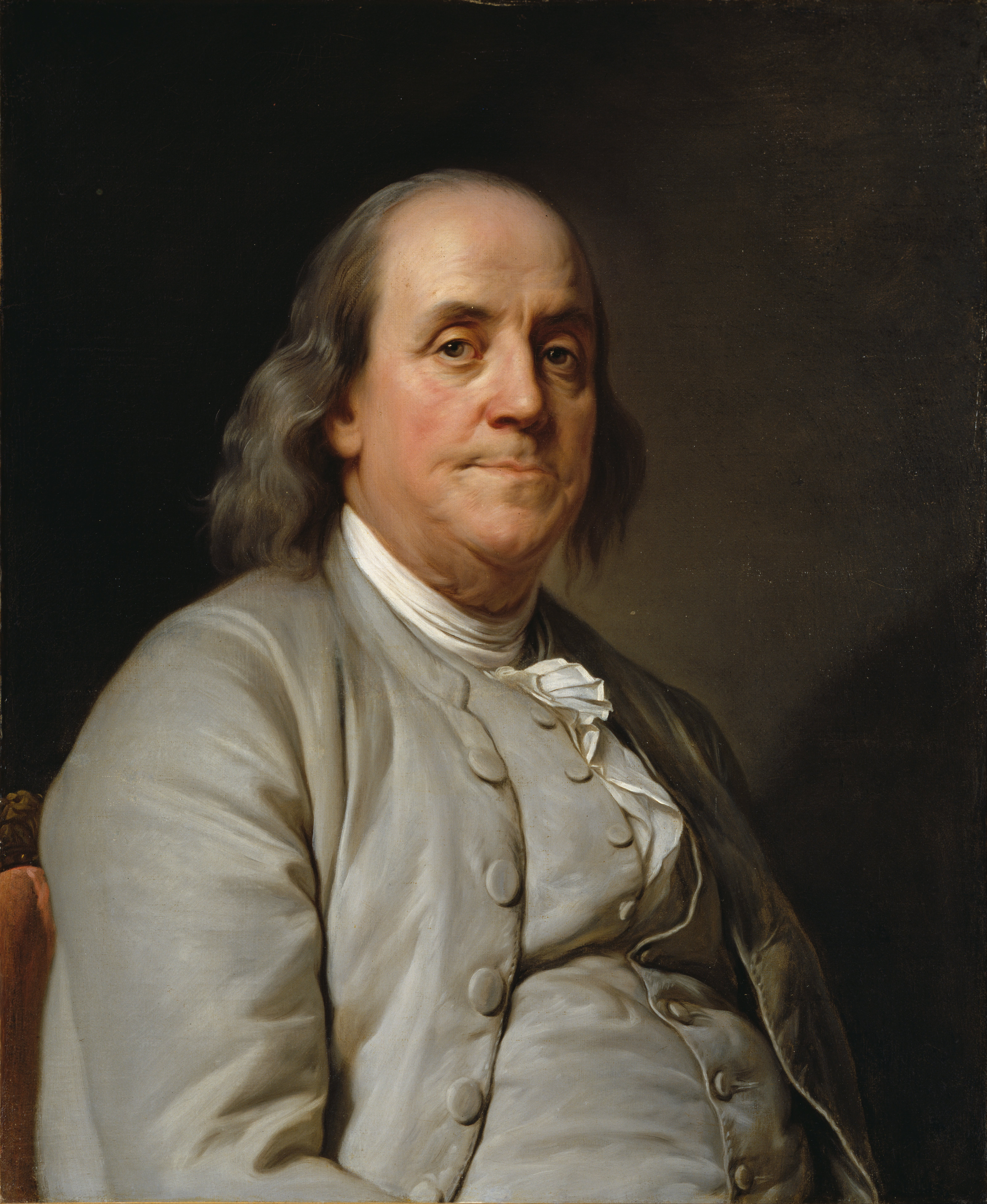
Written in Franklin's absence, this continuation was printed in the same style and format as Franklin's 1761 work. Rhoads was an American architect who served as the 59th mayor of Philadelphia.
1761 CE
#1549
De aquaeductibus auris humanae intemae.
Cotugno is sometimes accredited with the discovery of the “liquor Cotunnii”, the labyrinthine fluid, first noted by Pyl in 1742. He did, however, make important contributions to the knowledge on the struct…
1761 CE
#2276
De sedibus, et causis morborum per anatomen indagatis libri quinque. 2 vols.
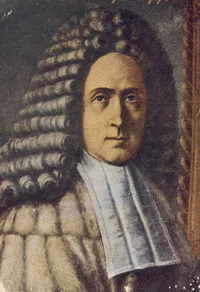
Morgagni was the founder of modern pathological anatomy. The work was completed in Morgagni’s 79th year and consists of a series of 70 letters reporting about 700 cases and necropsies. As best he could, he corre…
1761 CE
#7669
History of the travels and adventures of the Chevalier John Taylor, ophthalmiater; pontifical imperial and royal to the Kings of Poland, Denmark, Sweden, the electors of the Holy Empire, the princes of Saxegotha, Mecklenburg, Anspach, Brunswick, Parma, Modena... Addressed to his only son.
1761 CE
#2672
Inventum novum ex percussione thoracis humani ut signo abstrusos interni pectoris morbos detegendi.
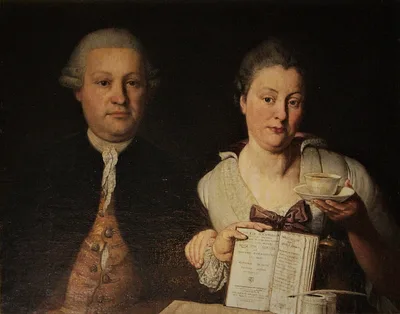
The greatness of Auenbrugger’s discovery of the value of immediate percussion of the chest as a diagnostic measure was not recognized until many years after he first published. His little book met with a cold re…
1761 CE–1762 CE
#11816
Die gottliche Ordnung in den Veranderungen des menschlichen Geschlechts, aus der Geburt, dem Tode und der Fortpflanzung desselben erwiesen. Zwote und ganz umgearbeitete Ausgabe. 2 vols.
Twenty years after publication of the first edition (No. 1691), Süssmilch published a second edition "that was so different from the earlier book that it may well be called a separate work. While maintaining his …
1761 CE–1765 CE
#6019
Traité des maladies des femmes. 6 vols.
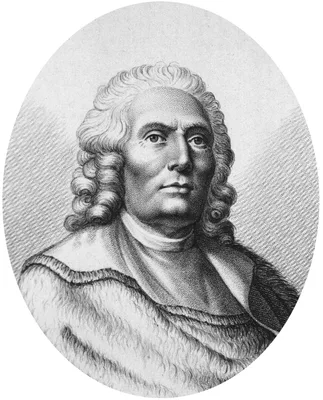
Mettler considers this “the most pretentious gynecologic work of the [eighteenth] century… chiefly useful for its historical orientation”. English translation, 3 vols., London, 1762-67.
1762 CE
#6254
A singular case of the separation of the ossa pubis.
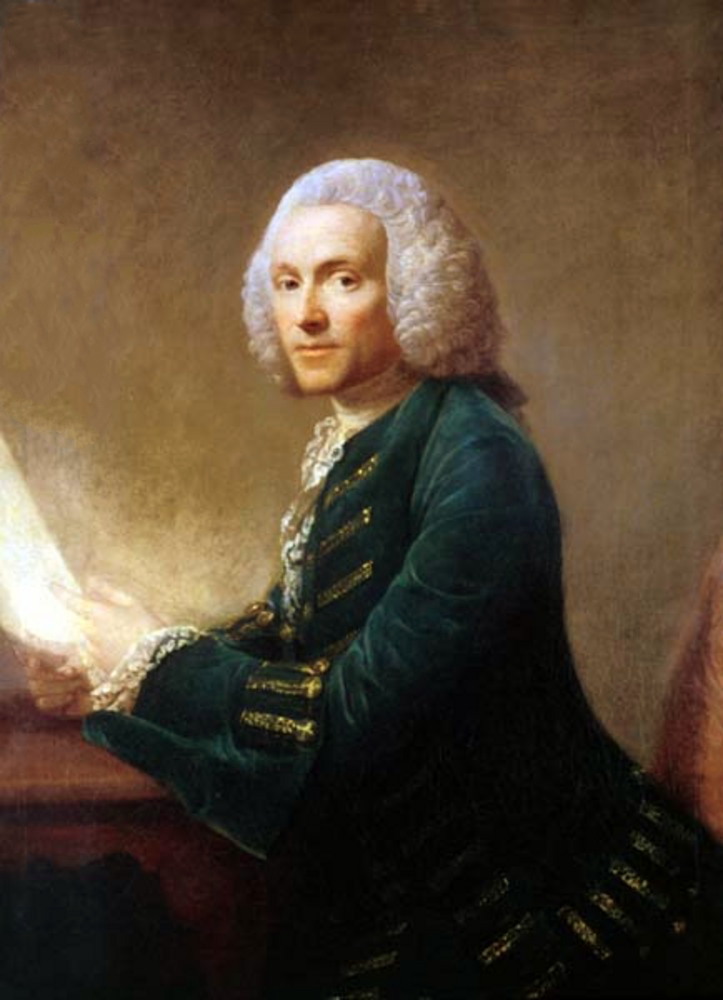
A case of osteomalacic pelvis was reported to Hunter by a country practitioner.
1762 CE
#4407
An account of a new method of reducing shoulders (without the use of an ambe) which have been several months dislocated, in cases where the common methods have proved inefficient.
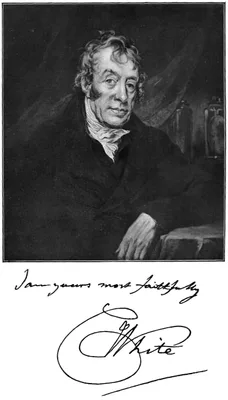
White’s method of reducing shoulder dislocations by means of suspending the patient from the affected arm. This method either reduced the dislocation entirely, or moved the head of the humerus into a position wh…
1762 CE
#472
Considérations sur les corps organisés. 2 vols.
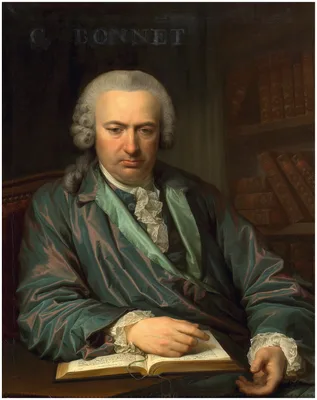
Bonnet’s theory of generation offered the best synthesis of 18th century ideas of development and remained a leading authority until von Baer. Bonnet believed in the preformation of the embryo. He used many of H…
1762 CE
#5021
De morbo mucoso.
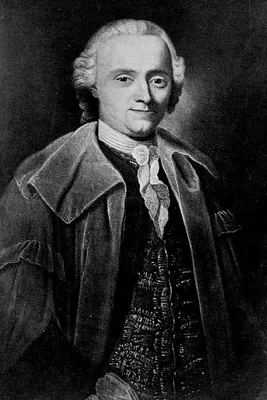
An exhaustive study of typhoid, which the writers confused with dysentery and relapsing fever.
1762 CE
#1771
Historia natural, y medica de el Principado de Asturias.
The first recognizable description of pellagra is included on pp. 327-60 of this book, which was written in 1735 but not published until 1762, after the writer’s death. He called the disease mal de la rosa. Repr…
1762 CE
#4302.1
Nouvelles observations, ou méthode certaine sur le traitement des cors.
The first formally published pamphlet (45pp.) on podiatry or chiropody. Rousselot argued that podiatry should become a specialty of surgery. Author's first name is unknown. Digital facsimile from BnF Gallica at this l…
1762 CE
#2734.1
Observations concerning the body of his late Majesty, October 26, 1760.
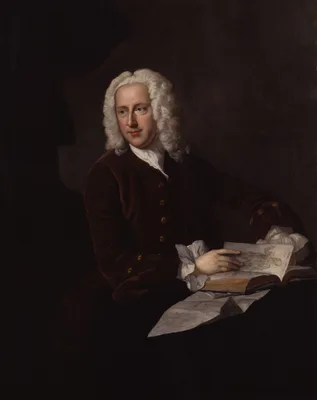
Nicholls was the first to describe dissecting aneurysm of the aorta, the patient being King George II, to whom he was physician from 1753-60. Nicholls was also the first to give a correct description of the mode of pr…
1762 CE
#5078
Opera medico-physica in quatuor tractatus digesta.
Plenciz was the first to grasp the significance of Leeuwenhoek’s animalculae for the etiology of contagious disease. Part III of the above is concerned with scarlatina.
1762 CE
#65
Opere. 7 vols.
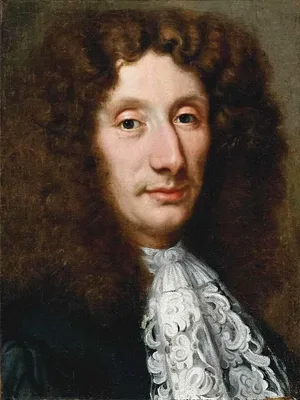
Redi was a leading physician in Italy. He is best remembered for his experiments discrediting the theory of spontaneous generation and for his pioneer work in the field of parasitology (see No. 2448.1); see also the a…
1762 CE
#4164
Practical remarks on the hydrocele or watry rupture.
Classic description of hydrocele.
1762 CE
#11523
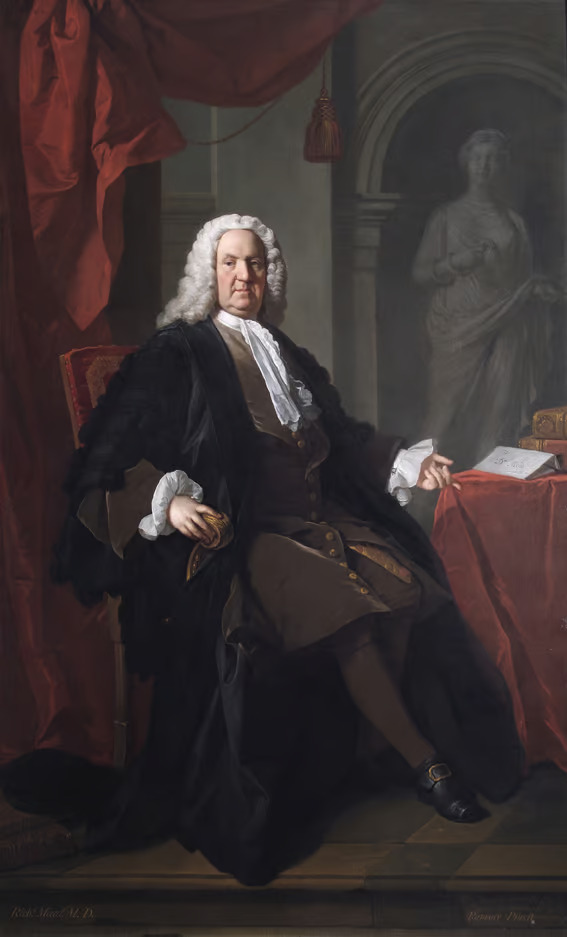
The medical works of Richard Mead.
1762 CE
#305
Traité anatomique de la chénille, qui ronge le bois de saule. Augmenté d'une explication abrégée des planches, et d'une description de l'instrument et des outils dont l'auteur s'est servi pour anatomiser à la loupe et au microscope, & pour déterminer la forcer de ses verres, suivant les règles de l'optique, & méchaniquement.
Lyonet’s monograph on the goat moth caterpillar remains a famous example of anatomical examination. It is also a thorough treatise on the microscope and lenses that Lyonet used. Digital facsimile from Biodiversi…
1763 CE
#6970
An account of the success of the bark of the willow in the cure of agues.
Stone, a vicar from Chipping Norton, Oxfordshire, discovered that the bark of the willow tree (active ingredient: salicylic acid) was effective in reducing a fever. This was the first report in the scientific literatu…
1763 CE
#8370
An essay towards solving a problem in the doctrine of chances
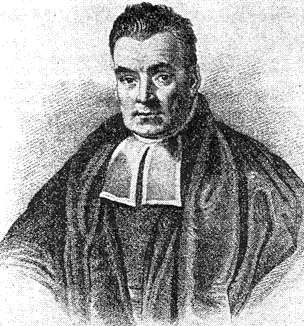
Bayes's paper enunciated Bayes's Theorem for calculating "inverse probabilities”—the basis for methods of extracting patterns from data in decision analysis, data mining, statistical learning machines, Bay…
1763 CE
#10628
Catalogue de la bibliotheque de feu M. Falconet, medecin consultant du roi, et doyen des médecins de la Faculté de Paris. 2 vols.
Of the 19,798 lots in the auction catalogue of Falconet's library, which at its peak contained around 60,000 volumes, there were 3,672 lots of medical books, including a major cross-section of significant medical work…
1763 CE
#1730
Mémoire sur une question anatomique relative à la jurisprudence; dans lequel on établit les principes pour distinguer, à l’inspection d’un corps trouvé pendu, les signes du suicide d’avec ceux de l’assassinat.
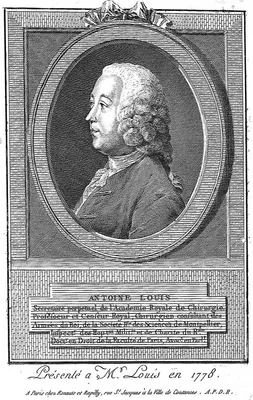
Louis was a pioneer of French medical jurisprudence. Above is a classic discussion on the differential signs of murder and suicide in cases of hanging.
1763 CE
#8288
Nicolai Josephi Jacquin Selectarum stirpium Americanarum historia, in qua ad Linneanum systema determinatae descriptaeque sistuntur plantse illae, quas in insulis Martinica, Jamaica, Domingo, aliisque, et in vicinae continentis parte, observavit rariores; : adjectis iconibus in solo natali delineatis. 2 vols.
Digital facsimile from the Internet Archive at this link.
1763 CE
#2202
Nosologia methodica sistens morborum classes, genera et species juxtà Sydenhami mentem & botanicorum ordinem. 5 vols.
Sauvages de Lacroix, a friend of Linnaeus, adopted the botanical system of Linnaeus for the classification of diseases. His classification system listed 10 major classes of disease, which were further broken down into…
1763 CE
#10989
Observations on some of the diseases of the parts of the human body. Chiefly taken from the dissections of morbid bodies.
Clossy, an Irish physician, previously at Trinity College, Dublin, gave the first anatomy classes and dissections at King’s College in New York City (now Columbia) in 1763. Clossy worked closely with other King&…
1763 CE
#7363
Travels from St. Petersburg in Russia to various parts of Asia in 1716, 1719, 1722 &c. 2 vols.
Digital facsimile from the Internet Archive at this link.
1764 CE
#6155
A case of extra-uterine foetus.
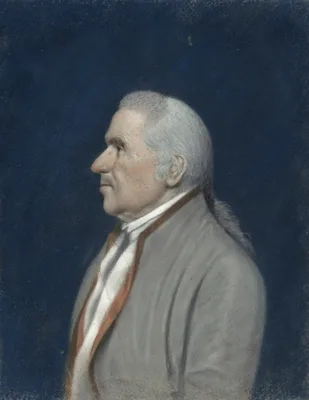
This description of an abdominal pregnancy, successfully operated on by Bard was “the first scientific paper on a surgical subject to come from the North American Colonies” (Earle). John Bard was the fathe…
1764 CE
#9205
An account of the diseases which were most frequent in the British military hospitals in Germany, from January 1761 to the return of the troops to England in March 1763. To which is added an essay on the means of preserving the health of soldiers, and conducting military hospitals.
Donald Monro was the second son of Alexander Monro (primus). Digital facsimile from the Internet Archive at this link.
1764 CE
#9509
An essay on the more common West-India diseases and the remedies which that country itself produces: To which are added some hints on the management, &c. of negroes.
Though the title suggests tropical medicine in general, this work mainly concerns the selection and medical care of slaves. Digital facsimile of the second edition (Edinburgh, 1802) expanded "with practical notes and …
1764 CE
#1382
De ischiade nervosa commentarius.
Cotugno published a classic description of sciatica, which is useful even today. He recognized two types – arthritic and nervous; the latter has been called “Cotugno’s disease”, and his book is…
1764 CE
#12817
De morbis navigantium, liber unus. Accedit observatio de effectu extracti cicutae storkiano in cancro.
Digital facsimile from the Internet Archive at this link. Translated into English as Observations on diseases incidental to seamen. Translated from the Latin edition printed at Leyden. London: T. Carnan and F. Newbery…
1764 CE
#1731
Mémoire contre la légitimité des naissances prétendues tardives.
An attempt to set the minimum and maximum time limits of duration of human pregnancy. Supplement published in 1764.
1764 CE
#2153
Oeconomical and medical observations … tending to the improvement of military hospitals, and to the cure of camp diseases, incident to soldiers.
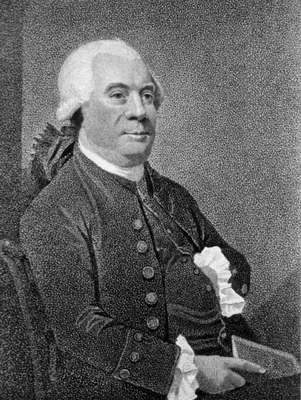
The best book of the century regarding military sanitation.
1764 CE
#74
Opera physico-medica.
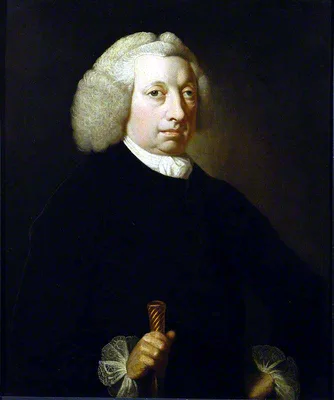
Huxham, a Devonshire man, was a pupil of Boerhaave. His most important contributions to medicine were in connection with fevers and infectious diseases.
1764 CE
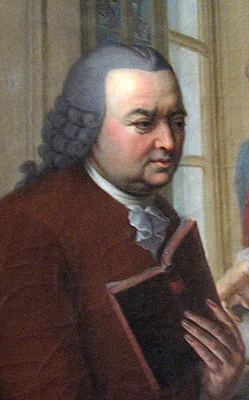
#4488
Podagra. In his Commentaria in Hermanni Boerhaave aphorismos de cognoscendis et curandis morbis, 4, 287-393
1764 CE
#6323
Underrättelser om barn-sjukdomar och deras botemedel.
Sir Frederic Still considered this work “the most progressive which had yet been written”; it gave an impetus to research which influenced the future course of pediatrics. Rosén was particularly int…
1765 CE
#1766.5
A discourse upon the institution of medical schools in America.…
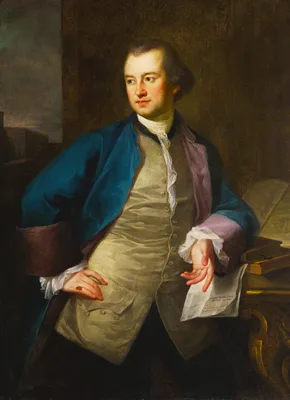
The first American publication on medical education. Morgan founded the first medical school in the United States, in connection with what is now the University of Pennsylvania.
1765 CE
#5051
An enquiry into the nature, cause, and cure of the croup.
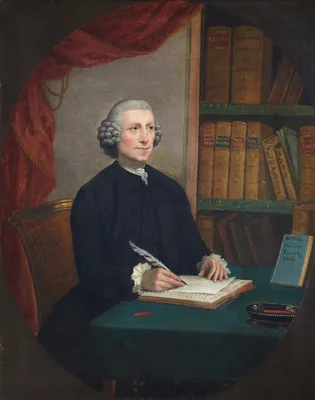
First clear and complete clinical description of diphtheria.
1765 CE
#1250
Essay on the use of the ganglions of the nerves.
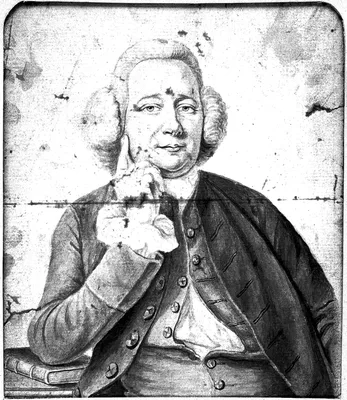
See also his supplementary papers on the subject, in Phil. Trans., (1767), 1768, 57, 118-31; (1770), 1771, 60, 30-35. Revised edition in book form, Shrewsbury, 1771.