
1690–1699
58 entries with publication dates in this decade.
1690 CE
#10055
A letter to a friend, upon occasion of the death of his intimate friend.
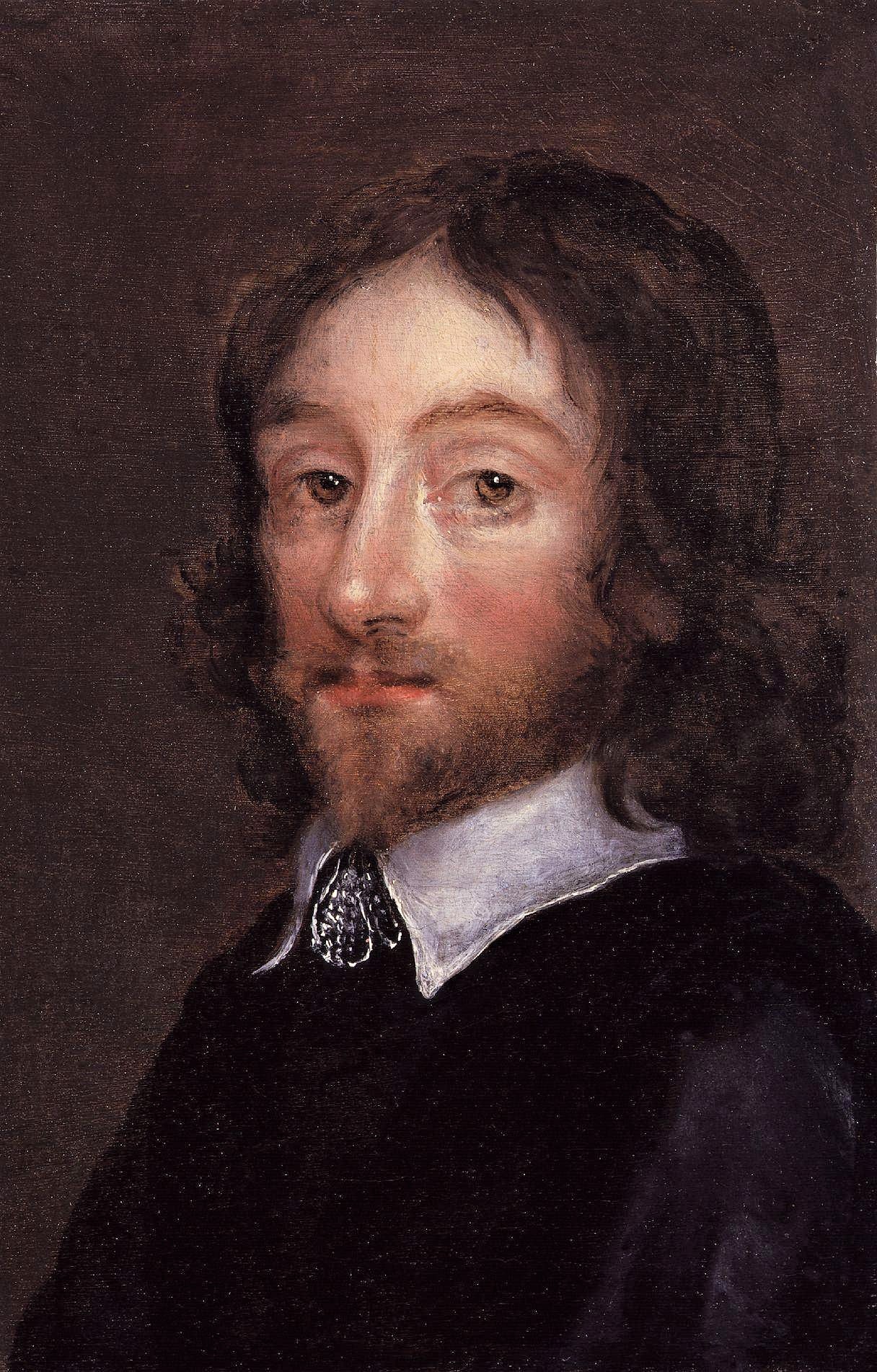
One of the most eloquent and learned discussions of death. Full annotated text from penelope.uchicago.edu at this link.
1690 CE
#4967
An essay concerning humane understanding.
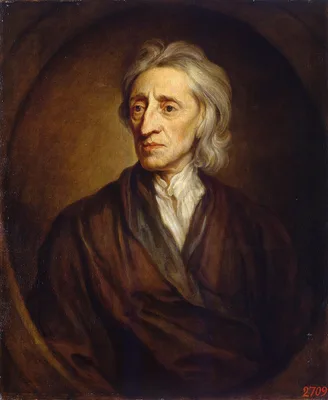
Locke, a physician, laid the foundation of modern psychology. For two centuries the principles laid down by him were unquestioned. The writing of the Essay occupied him on and off for twenty years.
1690 CE
#2146
Der rechte und warhafftige Feldscher.
Purmann was a skilful army surgeon – one of the most famous of the period. Despite this he believed in the efficacy of the weapon-salve and the sympathetic powder.
1690 CE
#6149
Die Chur-Brandenburgische Hoff-Wehe-Mutter.
With Mauriceau, Justine Siegemundin was responsible for introducing the practice of puncturing the amniotic sac to arrest hemorrhage in placenta praevia. She was midwife to the Court of the Elector of Brandenburg, and…
1690 CE
#1727
Erörterung und Erläuterung der Frage: Ob es ein gewiss Zeichen wenn, eines todten Kindes Lunge im Wasser untersincket, dass solches in MutterLeiber gestorben sey? Zu Rettung seiner Ehre in Druck befördert.
Swammerdam’s discovery that the fetal lungs will float on water if respiration has taken place was first put to practical use by Schreyer, who thereby secured the acquittal of a girl accused of infanticide.
1690 CE
#11472
Florae Lugduno-Batavae flores sive enumeratio stirpium horti Lugduno-Batavi methodo, naturae vestigiis isistente, dispositarum, & anno 1689 in lectionibus tam publicis quam privatis expositarum a Paulo Hermann. Nunc vero in gratiam botanophilorum primum in lucem editarum opera Lothari Zumbach.
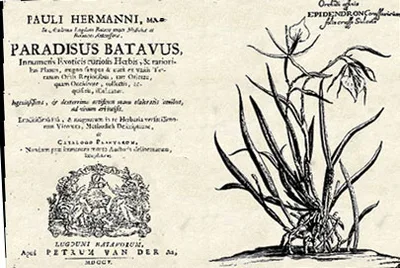
In this treatise on the flowering plants in the Hortus Botanicus Leiden Hermann coined the term Angiospermae as the name of one of his primary divisions of the plant kingdom. This division included flowering plants po…
1690 CE
#13406
Introductio generalis in rem herbariam.
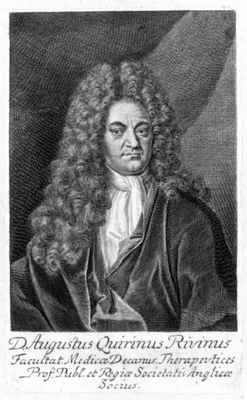
Rivinus (Bachmann) introduced the concept of classification of plants based upon the structure of the flower. He also introduced the ORDER as a distinct rank of biological classification having its own distinctive nam…
1691 CE
#1213
Adenographia curiosa et uteri foeminei anatome nova.
Description of the “canal of Nuck”.
1691 CE
#386
Anatomia per uso et intelligenza del disegno ricercata non solo su gl’ossi, e muscoli del corpo humano.
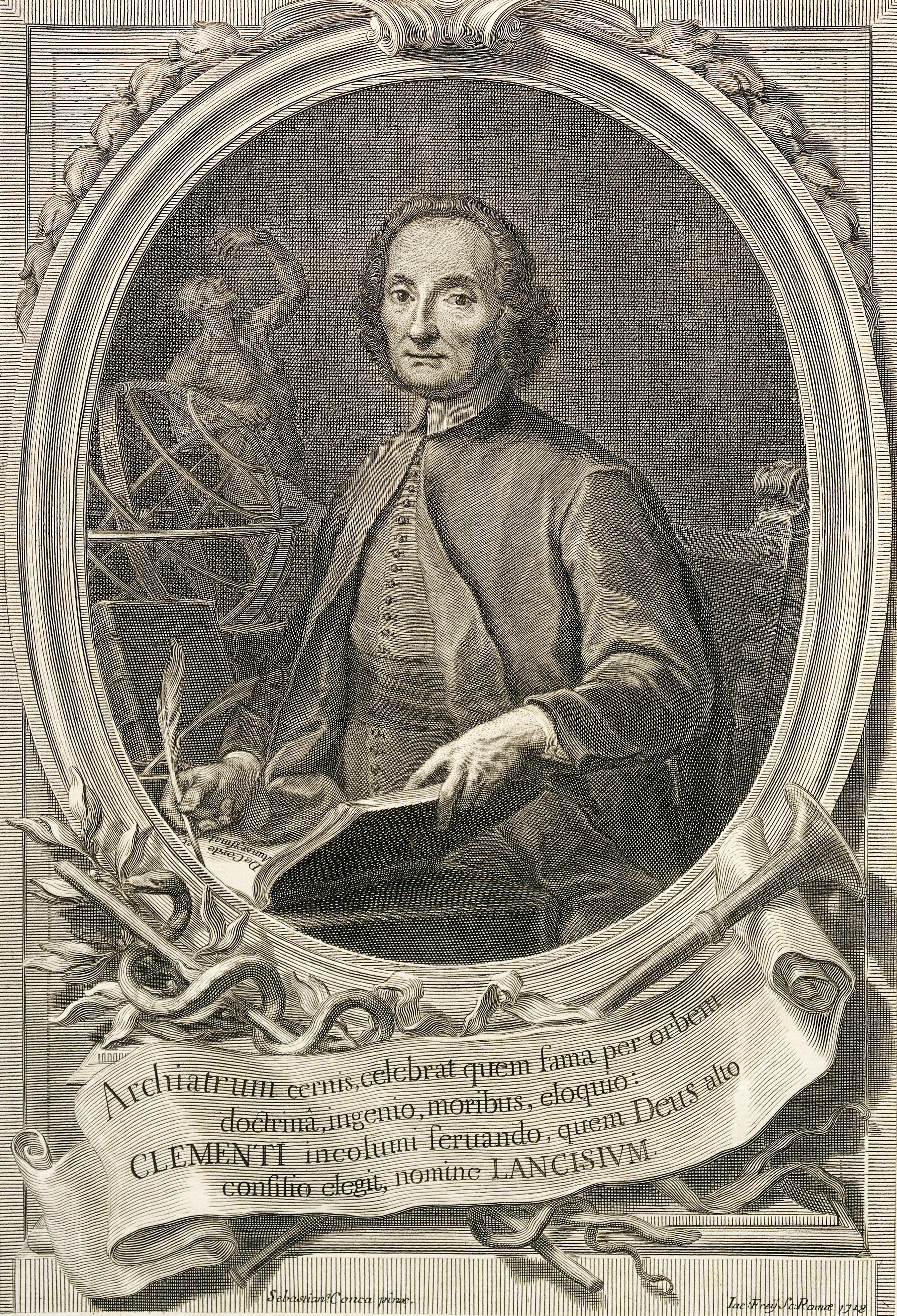
Contains 56 copper-plates, excellent anatomically and artistically, with commentary by Giovanni Maria Lancisi. This is one of the finest of all books on anatomy for artists. English translation with plates re-engraved…
1691 CE
#12692
Le vie de monsieur Descartes. [par Adrien Baillet].
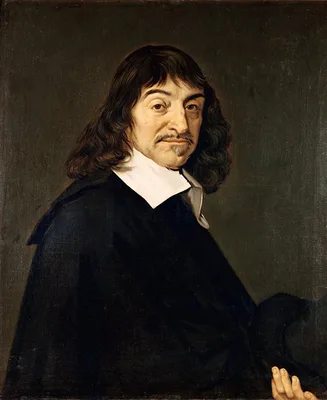
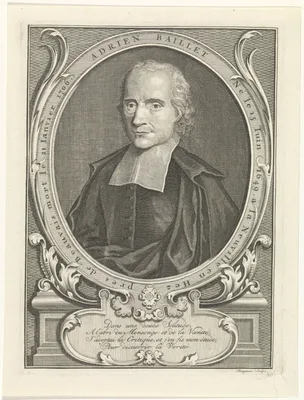
An early separately published biography of a contributor to the history of the life sciences. Digital facsimile from Google Books at this link.
1691 CE
#6798
Lexicon medicum etymologicum.
1691 CE
#264
Observationes circa viventia, quae in rebus non viventibus reperiuntur. Cum micrographia curiosa siue Rerum minutissimarum obseruationibus, quæ ope microscopij recognitæ ad viuum exprimuntur. His accesserunt aliquot animalium testaceorum icones non antea in lucem editae. Omnia curiosorum naturæ exploratorum vtilitati & iucunditati expressa & oblata.
Illustrates several early microscopes, including the famous microscopes of the Bolognese Joseph Campani. Contradicting Redi, Bonanni tried to show that spontaneous generation was possible in animals "without blood and…
1691 CE
#7579
Observationum anatomico-chirurgicarum centuria. Accedit catalogus rariorum quae in Museo Ruyschiano asservantur.
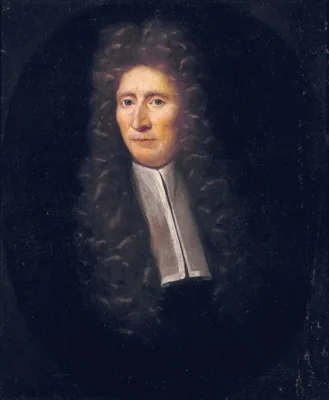
Includes Ruysch's catalogue of the extent of his medical museum in 1691. Digital facsimile from the Hathi Trust at this link.
1691 CE
#387
Osteologia nova, or some new observations of the bones.
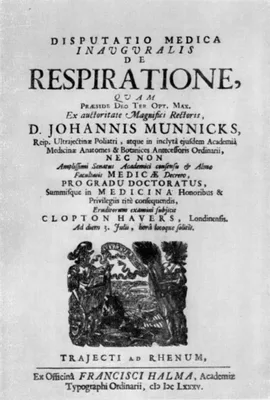
Havers discovered the Haversian canals and made important observations of the physiology of bone growth and repair. The Haversian lamellae, glands, and folds, are also named after him. The Haversian canals were observ…
1691 CE
#2728
Pulsus mira inconstantia.
First reported case of temporary cardiac arrest with syncopal attacks, the syndrome to which the names of Stokes (No. 2756) and Adams (No. 2745) were later attached.
1691 CE
#11185
The wisdom of God manifested in the works of the creation.
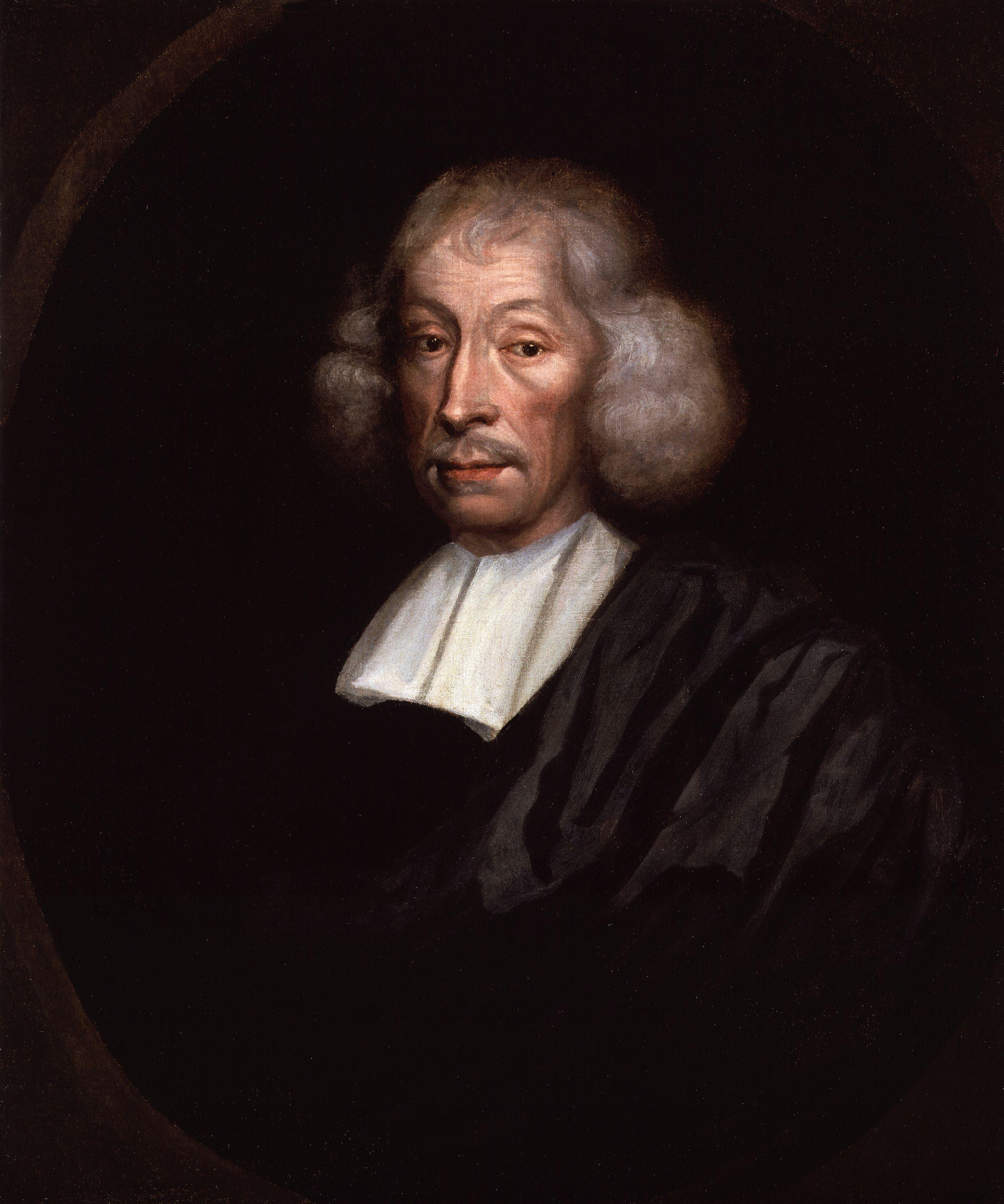
Digital facsimile of the much-enlarged 1692 second edition from the Internet Archive at this link.
1692 CE
#12982
Le cabinet de la Bibliothèque de Sainte-Geneviève. Divisé en deux parties. Contenant les antiquitez de la religion des Chrétiens, des Egyptiens, & des Romains, des tombeaux, des poids & des medailles; des monnoyes, des pierres antiques gravées, & des minéraux; des talismans, des lampes antiques, des animaux les plus rares et les plus singuliers, des coquilles les plus considérables, des fruits étrangers, & quelques plantes exquises.
Father Du Molinet's "cabinet" incorporated the major part of Fabri de Peiresc's collection. The first part of this work, extensively illustrated with engravings, described antiquities: Christian, Egyptian and Roman; f…
1692 CE
#3352
Surdus loquens; seu, methodus, quâ qui surdus natus est loqui descere possit.
English translation, 1694, by John Wallis (see No. 3348).
1693 CE
#1687
An estimate of the degrees of mortality of mankind, drawn from curious tables of the births and funerals at the city of Breslaw, with an attempt to ascertain the price of annuities upon lives.
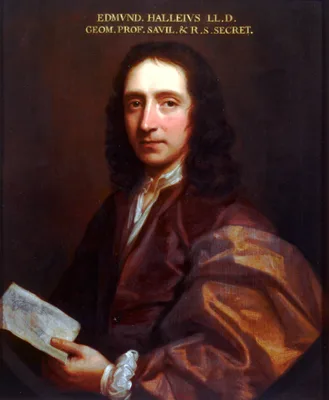
Halley, the astronomer, compiled the “Breslau tables” to show “the proportion of men able to bear arms … to estimate mortality rates, to ascertain the price of annuities upon lives, and was th…
1693 CE
#388
Anatomia corporis humani, in qua omnia tam veterum, quam recentiorum anatomicarum inventa methodo nova & intellectu facillima describuntur, ac tabulis aenis repaesentantur.
This work was widely used for some years after publication, superseding Bartholin in popularity. Second edition, with supplement, 2 vols., Louvain, 1706-12.
1693 CE
#9541
Description des plantes de l'Amerique.
Digital facsimile from Botanicus at this link.
1693 CE
#4298
Lettre écrite à Monsieur le Chevalier Guillaume de Waidegrave …contenant une dissertation physique sur la continuité de plusieurs os, à l’occasion d’une fabrique surprenante d’un tronc de squelette humain, où les vertebres, les côtes, l’os sacrum, & les os des iles, qui naturellement sont distincts & separés, ne font qu’un seul os continu & inseparable.
First description of ankylosing spondylitis. The British Museum copy of the title page of this work has been mutilated, apparently deliberately, in two places; the author’s surname may originally have appeared a…
1693 CE
#8574
Museum Spenerianum, sive Catalogus Rerum tam artificiosarum, quam naturalium, tam antiquarum, quam recentium, tam exoticarum, quam domesticarum, quas Johannes Jacobus Spener in Academia Hallensi dum viveret, singulari industria & indefesso labore paravit atque collegit. Das Spenerische Cabinet, Oder Kurtze Beschreibung Aller So wol künstlich- als natürlicher, alter, als neuer, fremder, als einheimischer curiösen Sachen. Compiled by Johann Martin Michaelis.
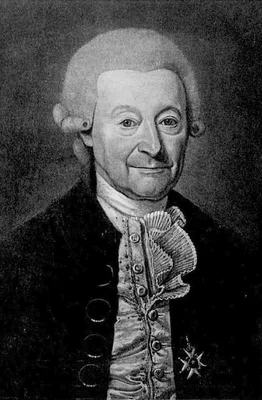
Digital facsimile from Google Books at this link.
1693 CE
#299
Synopsis methodica animalium quadrupedum et serpentini generis.
This work contains the first really systematic classification of animals. Much of its general arrangement of animals survives in modern systems of classification.
1694 CE
#98
De sexu plantarum epistola.
First experimental demonstration of the sexuality of plants. Camerer showed that in flowering plants the anthers are male organs, and that the ovary with style and stigma are female, and that pollen is required for th…
1694 CE
#10492
Dissertatio inauguralis physico-anatomica de motu musculorum.
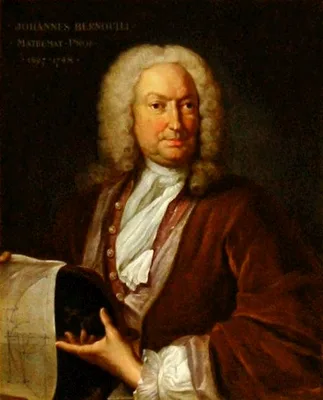
Digital facsimile from e-rara.ch at this link. Facsimile edition translated into English, with a related thesis by Bernouilli, by Paul Macquet, assisted by August Zigellar, with an introduction by Troels Kardel as Dis…
1694 CE
#11975
Elemens de botanique, ou methode pour connoître les plantes.
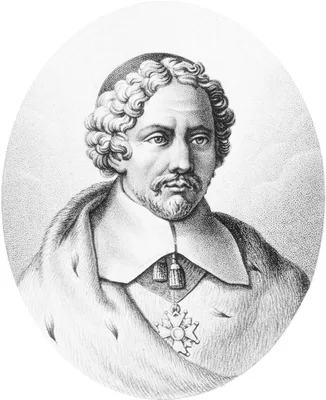
Though Tournefort's classification was completely artificial, and neglected some important divisions established by earlier botanists, and was a step backwards in systematics, the text was so clearly written and well …
1694 CE
#12767
Exercitatio anatomica, in qua de cochleis, maxime terrestribus & limacibus, agitur. Omnium dissectiones tabulis aeneis, ad ispsas res assabre incisis, illustrantur.
First anatomical supplement to the Historia conchyliorum. This was the first separate work devoted to snails. Digital facsimile from Google Books at this link.
1694 CE
#1827.1
Histoire générale des drogues….
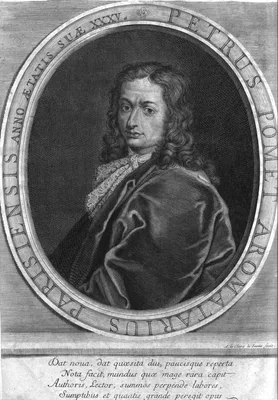
Pomet became chief druggist to Louis XIV. His work was considered the most complete materia medica of the time. It also covered non-botanical drugs. Digital facsimile from bibdigital.rjb.csic.es at this link. English …
1694 CE
#10455
Raguaglio historico del contaggio occorso nella provincia di Bari negli anni 1690, 1691 e 1692.
Arrieta published two very early disease maps in this work showing locations of plague in the province of Bari, Italy, and his employment of troops to isolate those areas. Digital facsimile from the Internet Archive a…
1694 CE
#8930
Trattado unico da constituiçam pestilencial de Pernambuco, offerecido a ElRey N.S. por ser servido ordenar por seu Governador aos Medicos da America, que assistem aonde ha este contagio, que o compusessem para se conferirem pelos Coripheos da Medicina aos dictames com que he trattada esta pestilencial febre.
The first scientific description of yellow fever in Brazil by the first European physician to treat the disease in Brazil, and perhaps in all of Latin America. It includes the description of the first autopsy of a yel…
1695 CE
#13821
Bibliotheca mathematica & medica Scarbughiana; or, the mathematical and physical parts of the famous library of Sir Charles Scarburgh, Kn.,M.D....All curiously bound. ... will be sold by auction on Monday the 18th of this instant February
1695 CE
#13151
Desvios de la naturaleza: O Tratado de el origen de los monstros. A que va anadido vn compendio de curaciones chyrurgicas en monstruosos accidentes.
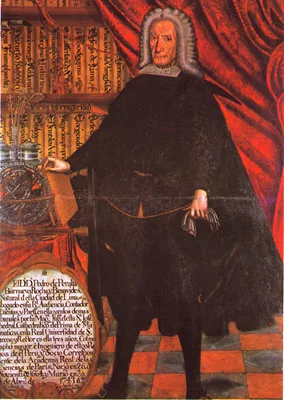
On conjoined twins, including the record of autopsy of conjoined twins in Lima in 1694. Pedro de Peralta Barnuevo edited work for publication at the request of the Viceroy, Melchor Fernandez Portocarrero. Digital facs…
1695 CE
#12768
Exercitatio anatomica altera de buccinis fluviatilibus et marinis. Issued bound with: Exercitatio medicinalis de variolis.
The first work was intended as the second anatomical supplement to Lister's Historia conchyliorum.
1695 CE
#5574
La chirurgie complète.
This “quiz-compend” passed through eighteen editions. Among other things it mentions the use of vitriol buttons for checking hemorrhage and the mode of manual compression used at the Hôtel-Dieu. Engl…
1695 CE
#1379.1
The anatomy of the brain.
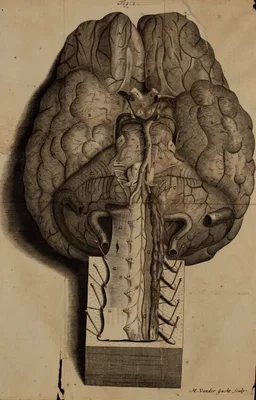
The first book on the brain in the English language, including the first account of the circular venous sinus which Ridley names, and the first English account of a pineal tumor. In it Ridley gives the first account o…
1696 CE
#2147
An account of the nature, causes, symptoms, and cure of the distempers that are incident in seafaring people. With observations on the diet of the sea-men in his Majesty’s navy.
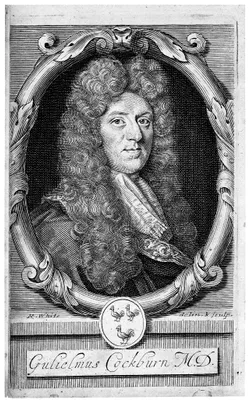
Cockburn studied medicine at Leiden; he became famous on account of his secret remedy for dysentery. The book is a record of two years spent as a ship’s doctor.
1696 CE
#9915
Catalogus plantarum quae in insula Jamaica: Sponte proveniunt, vel vulgò coluntur cum earundem synonymis & locis natalibus, adjectis aliis quibusdam quae in insulis Maderae, Barbados, Nieves, & Sancti Christophori nascuntur, seu Prodromi historiae naturalis Jamaicae pars prima.
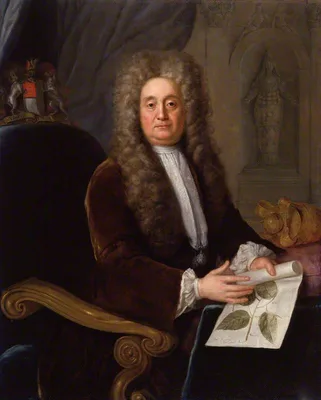
Digital facsimile from Biodiversity Heritage Archive at this link.
1696 CE
#12770
Conchyliorum bivalvium utriusque aquae exercitatio anatomica tertia, huic accedit dissertatio medicinalis de calculo humano.
Third anatomical supplement to Lister's Historia concyliorum.
1696 CE
#14002
G[othofredi]. G[uillelmi]. L[eibnitii]. Relatio ad inclytam Societatem Leopoldinam Naturae Curiosorum, de novo antidysenterico Americano magnis successibus comprobato.
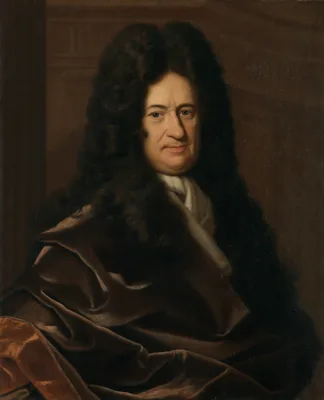
This study of the ipecacuanha root and its effects as a emetic, nauseant, expectorant and dispahoretic, Leibniz issued on what he called "the new American antidysentery drug" after reading about the root in Piso and M…
1696 CE
#7580
Museum regium, seu, Catalogus rerum tam naturalium, quam artificialium, quae in basilica bibliothecae augustissimi Daniae Norvegiaeq[ue] monarchae Christiani Quinti, Hafniae asservantur.
Catalogue of the museum of Christian V, King of Denmark by Jacobaeus, physician, traveller, and writer. Digital facsimile from Getty Research Institute, Internet Archive at this link.
1696 CE
#6703
Theatron in quo maximorum Christiani orbis pontifcum archiatros…spectandos exhibet.
The first book on the lives of papal physicians.
1697 CE
#13413
Hortus Regius Monspeliensis, sive catalogus plantarum quae in Horto Regio Monspeliensi demonstrantur.
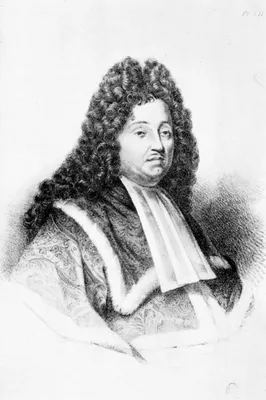
An illustrated catalogue of plants on display in the Royal Botanical Garden of Montpellier. Digital facsimile from Google Books at this link.
1697 CE–1701 CE
#7756
Horti medici Amstelodamensis rariorum tam orientalis, quam occidentalis Indiae, aliarumque peregrinarum plantarum magno studio ac labore, sumptibus civitatis Amstelodamensis, longâ annorum serie collectarum, descriptio et icones ad vivum æri incisæ. Opus posthumum, latinitate donatum, notisque & observationibus illustratum, à Frederico Ruyschio & Francisco Kiggelario. 2 vols.
In 1682 Jan Commelin helped establish the Amsterdam Botanical Garden, which introduced many new exotic plants to Europe, collected during the voyages of the Dutch East and West India Companies (VOC and WIC) in the Eas…
1698 CE
#7124
A catalogue of the library of the late learned Dr. Francis Bernard....Which will be sold by auction at the doctor's late dwelling house in Litttle Britain; the sale to begin on Tuesday, Oct. 4, 1698.
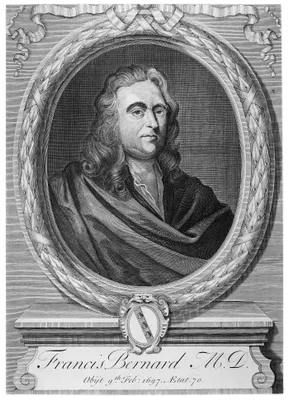
The most extensive library sold at auction in London during the seventeenth century, with almost 15,000 lots, of which only part was medical. Bernard was Physician to James II.
1698 CE
#8592
A journey to Paris in the year 1698.
Includes observations of natural history collections, estates and libraries of Parisians, and commentary on science, art, food, wine, medicine, and more. Late in 1697, William Bentinck, Lord Portland, was sent on a di…
1698 CE
#3166
A treatise of the asthma.
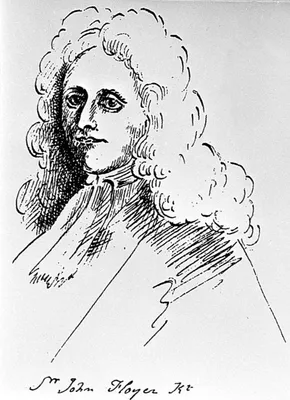
Floyer provided the first clear descriptions of cases of bronchial asthma. Floyer himself suffered from asthma for over 30 years. He recognized the influence of heredity in asthma. The above includes (p. 239) an impor…
1698 CE
#7636
Catalogus van alle de principaalste rariteiten die op de anatomie-kamer binnen de stadt Leyden vertoont werden.
This was the first published catalogue of the anatomical museum of the University of Leiden. Several later editions of this version were published in Dutch; a later edition was compiled by Franciscus Schuyl (No. 11314…
1698 CE
#5181
De ipecacuanha novo Gallorum antidysenterico. Resp. C[hristophe] F[riedrich] Kneussel.
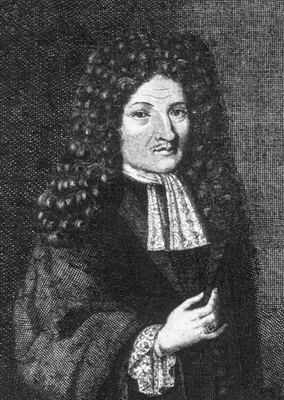
There is evidence that amoebic dysentery was known to Hippocrates. The history of treatment begins with the use of ipecacuanha, the dried root of Cephaelis ipecacuanha, a plant from Brazil. This was first mentioned as…
1698 CE
#10657
De motu cordis adversaria analytica.
In this pioneering experimental study of coronary function, describing the first experimental tying of a coronary vessel, Chirac demonstrated that cardiac arrest occurs in response to coronary ligation. “A speci…