
1880–1889
768 entries with publication dates in this decade.
1886 CE
#3790
Congenital absence of hair and mammary glands with atrophic condition of the skin and its appendages in a boy whose mother had been almost wholly bald from alopecia areata from the age of six.
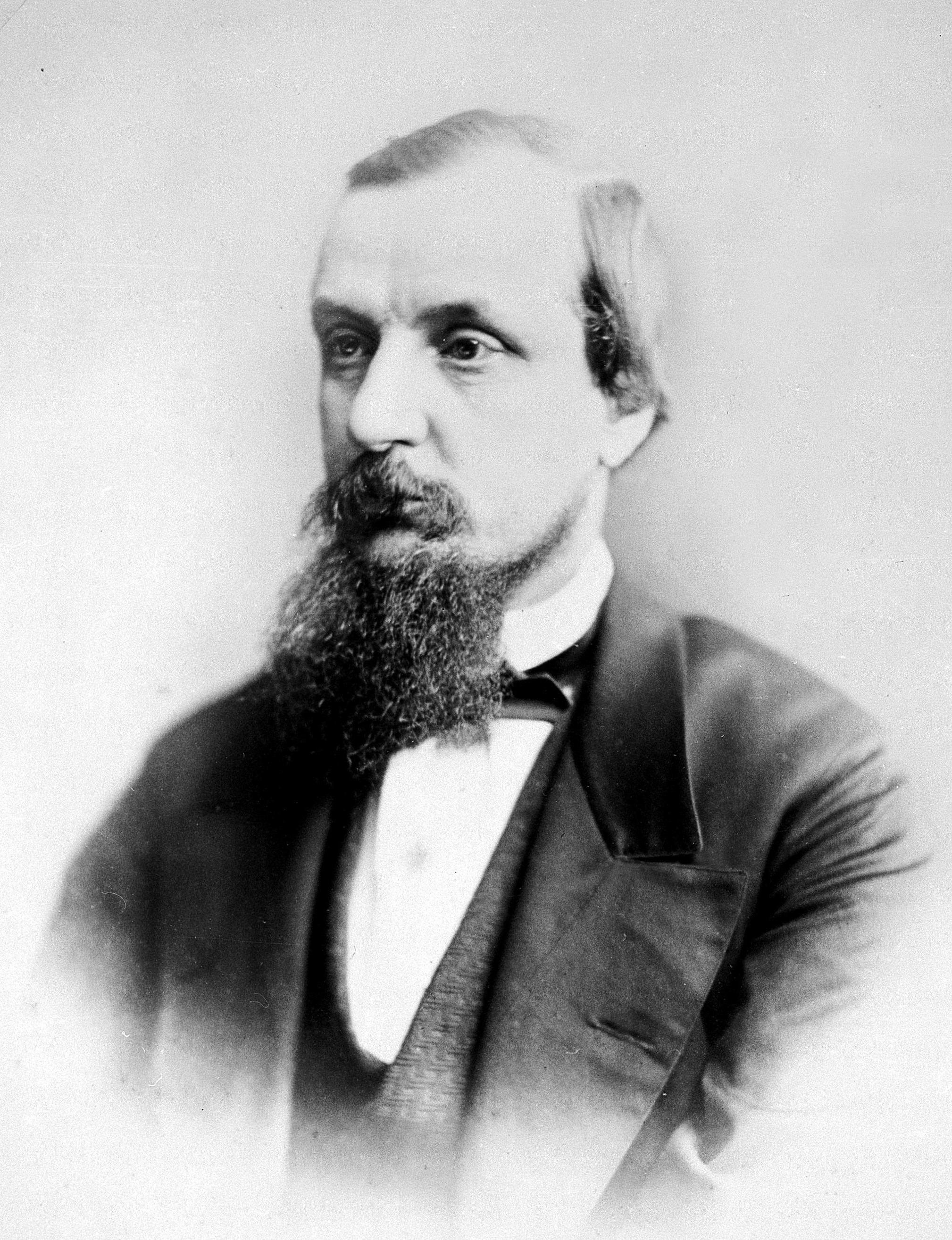
First description of progeria.
1886 CE
#4752
Contribution à l’étude de la myopathie atrophique progressive (myopathie atrophique progressive, à type scapulo-huméral).
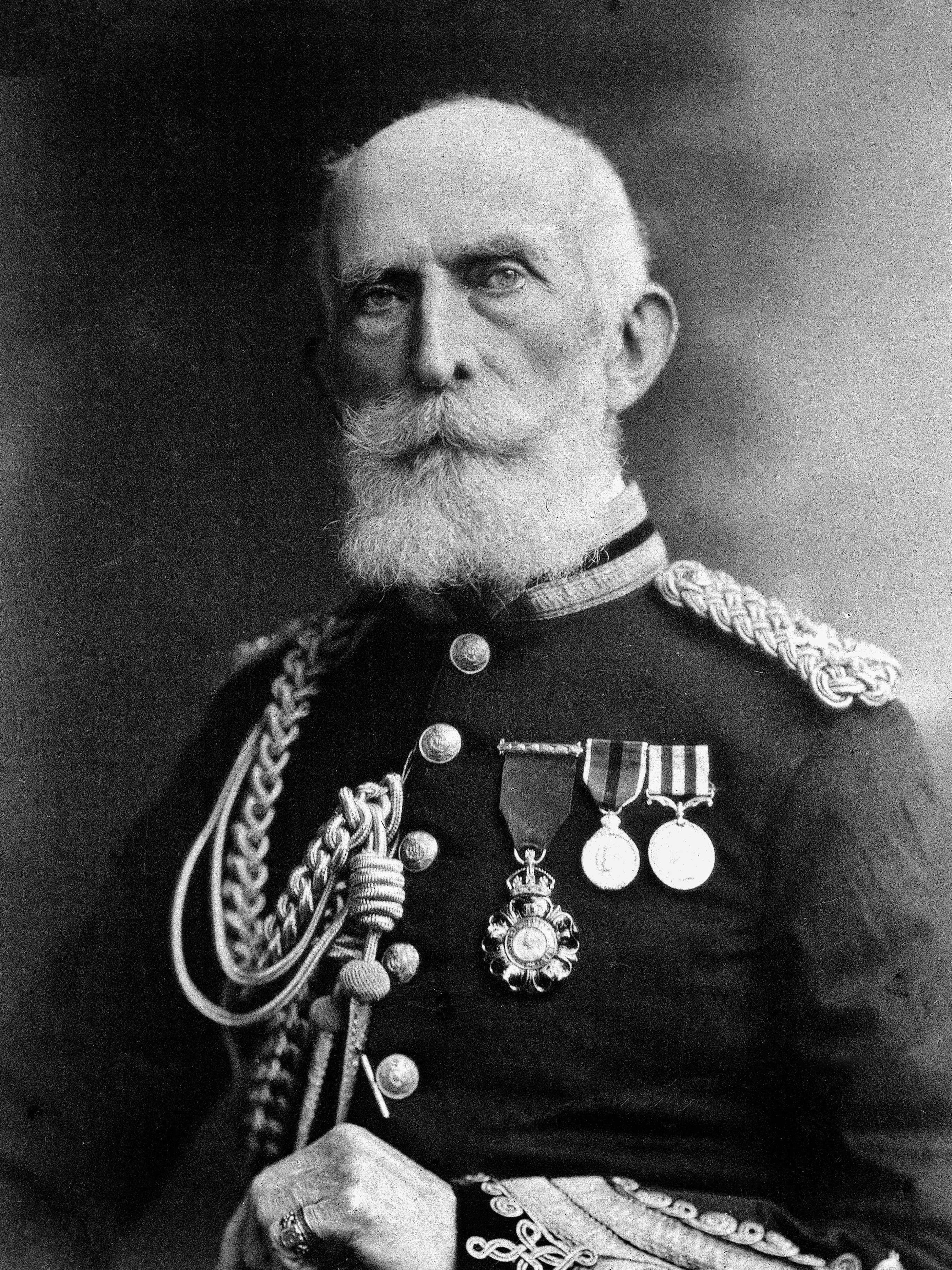
“Landouzy–Dejerine type” of progressive muscular dystrophy.
1886 CE
#4572
D’un nouveau precédé opératoire applicable au ptosis congénital et au ptosis paralytique.
An operation for congenital and paralytic ptosis was introduced by Panas.
1886 CE
#5156
Die Aetiologie der Rotzkrankheit.
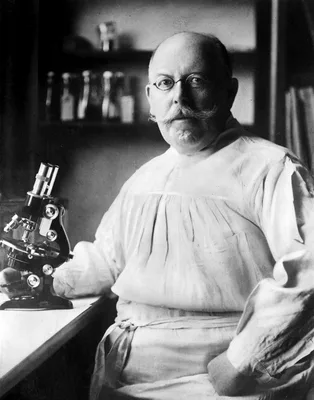
Discovery of Burkholderia mallei, causative organism of glanders. Preliminary notice in Dtsch. med. Wschr., 1882, 8, 707.
1886 CE
#9111
Die Bevölkerung der griechisch-römischen Welt.
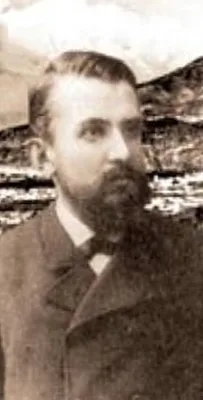
Digital facsimile from the Internet Archive at this link.
1886 CE
#1017
Die Darmbakterien des Säuglings und ihre Beziehungen zur Physiologie der Verdauung.
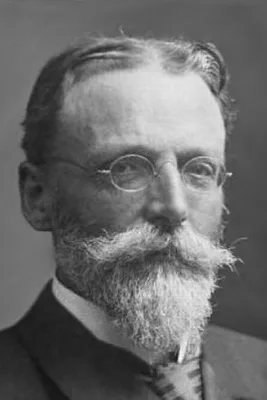
Includes the first account of Bact. coli infection. The organism was later renamed Escherichia coli (E.coli).
1886 CE
#3175
Die Mikrococcen der Pneumonie.
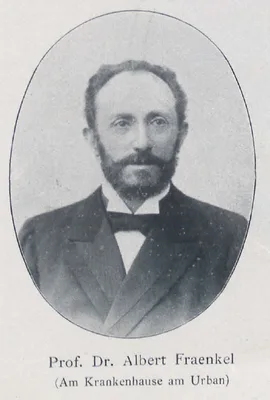
Fraenkel showed definitely that the organism found by Pasteur (No. 3172) and Sternberg (No. 3173) was a cause of pneumonia.
1886 CE
#4088
Du lichen (lichen, prurigo, strophulus).
“Vidal’s disease” – neurodermatitis.
1886 CE
#3865
Ein Fall von doppelseitigem, völlig latent verlaufenen Nebennieren-tumor und gleichzeitiger Nephritis mit Veränderungen am Circulationsapparat und Retinitis.
Pheochromocytoma first described. Republished in book form.
1886 CE
#3487
Ein Fall von Resection des carcinomatösen Oesophagus mit plastischem Ersatz des excidierten Stückes.
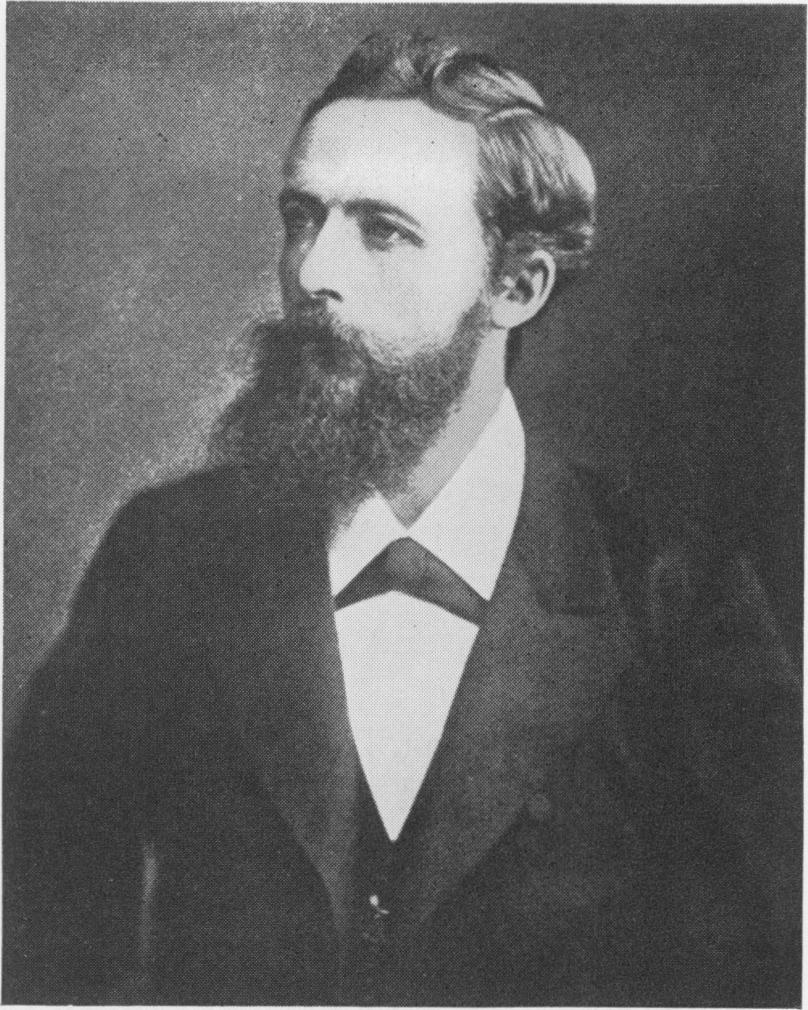
Von Mikulicz was the first to make a plastic reconstruction of the oesophagus after the resection of its cervical portion for carcinoma.
1886 CE
#1129
Functional nervous disorders due to loss of thyroid gland and pituitary body.
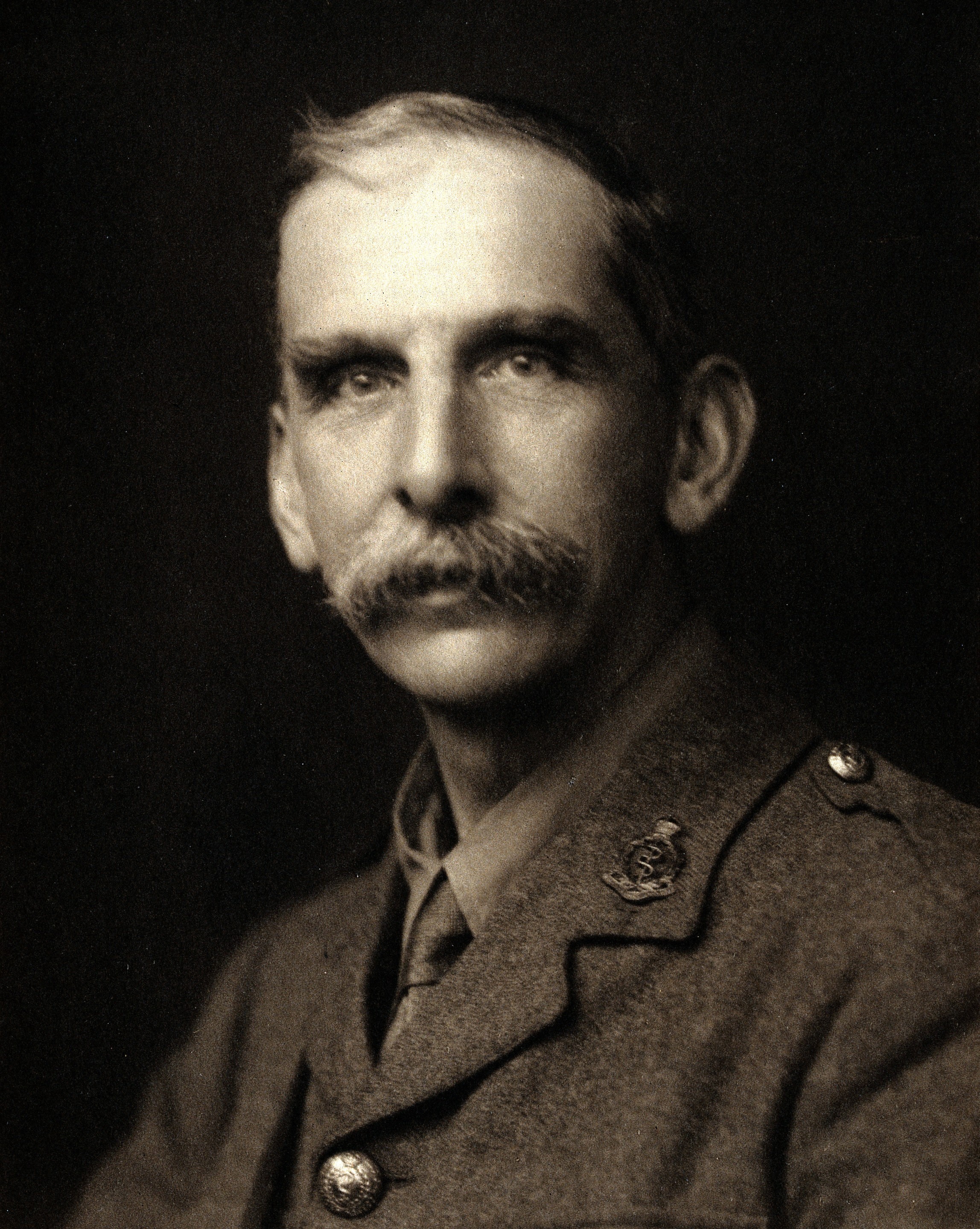
First successful experimental hypophysectomy; two dogs survived five and six months respectively after this operation.
1886 CE
#3835
Functional nervous disorders due to the loss of thyroid gland and pituitary body.
1886 CE
#1883
Ichthyol und Resorcin als Repräsentanten der Gruppe reduzierender Heilmittel.
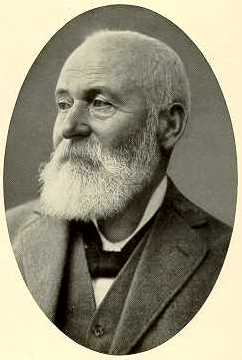
Unna introduced ichthyol and resorcinol into medicine. Supplement to Mh. prakt. Derm., No. 1.
1886 CE
#7387
Index to the periodical literature of dental science and art, as presented in the English language.
Digital facsimile from the Medical Heritage Library, Internet Archive, at this link.
1886 CE
#2393
La syphilis héréditaire tardive.
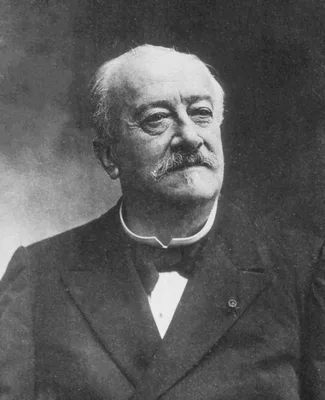
Fournier, one of the greatest syphilologists, did more than any other person to develop the knowledge regarding congenital syphilis. Through his writings, the importance of syphilis as a cause of degenerative diseases…
1886 CE
#504
Lehrbuch der Entwicklungsgeschichte des Menschen und der Wirbelthiere.
1886 CE
#10521
Leprosy in Hawaii. Extracts from reports of presidents of the board of health, government physicians and others, and from official records, in regard to leprosy before and after the passage of the “Act to prevent the spread of leprosy”, approved Jan. 3, 1865. The laws and regulations in regard to leprosy in the Hawaiian Kingdom.
1886 CE
#181
Les signalements anthropométriques.
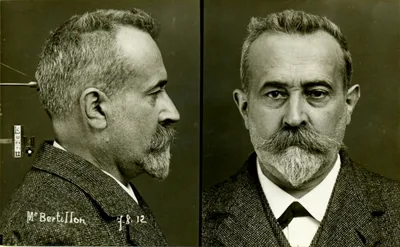
Bertillon invented a method (“Bertillonage”) of identifying persons by means of selected measurements, the five following measurements being used as the basis of his system: head length, head breadth, leng…
1886 CE
#4086
Lichen ruber monileformis – Korallen schnurartiger Lichen ruber.
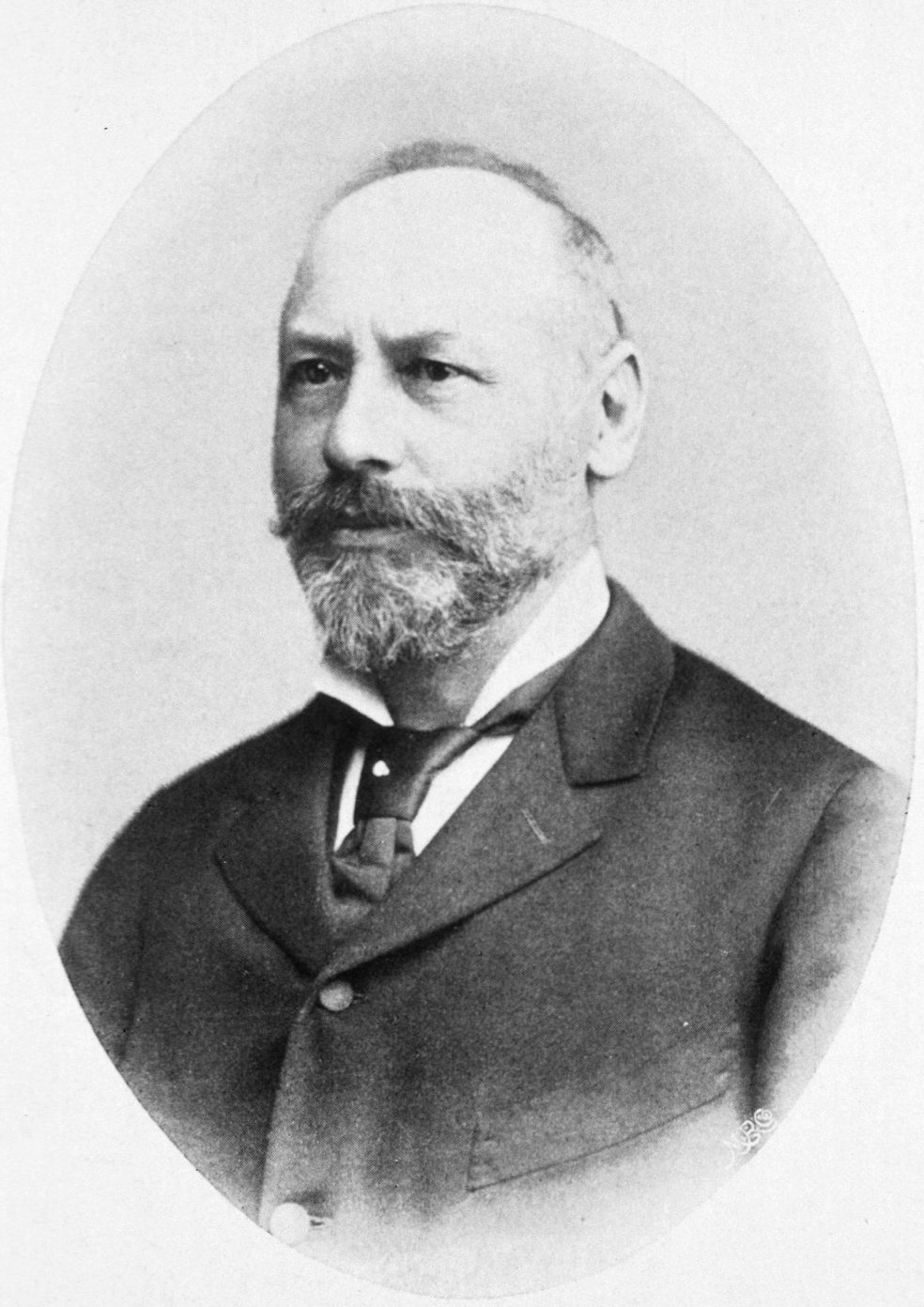
Kaposi is credited with the first description of this condition, sometimes called “Kaposi’s disease”, and probably a rare variety of lichen planus.
1886 CE
#5680.1
Local anesthesia in general medicine and surgery.
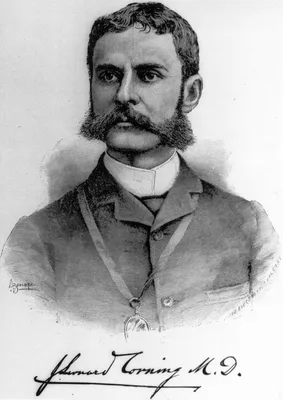
The first textbook on local anesthesia.
1886 CE
#5797
Memorials of the craft of surgery in England. From materials compiled by John Flint South. Edited by D'Arcy Power.
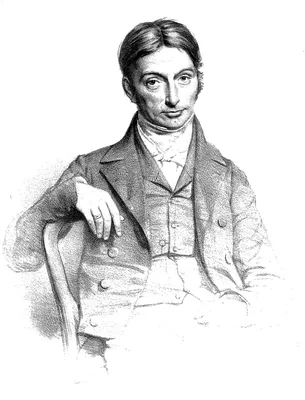
South, trained in Germany, became surgeon to St. Thomas’s Hospital. Through his efforts John Hunter’s body was reburied in Westminster Abbey and South himself wrote the inscription on the tablet there. Dig…
1886 CE
#3485
Neurasthénie et enteroptose.
Splanchnoptosis (“Glénard’s disease”).
1886 CE
#7708
Notes on the anomalies, injuries and diseases of the bones of the native races of North America.
The first American contribution to paleopathology. Digital facsimile from Google Books at this link.
1886 CE
#1883.01
Om Periodiske Depressionstilstande og deres Patogenese.
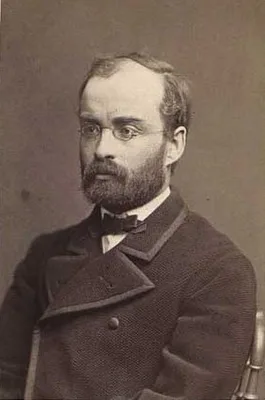
Lange was the first to use a mixture of drugs containing lithium carbonate for the preventive treatment of periodic depression. This work contains the “first unequivocal account of prophylactic drug treatment fo…
1886 CE
#13281
On certain problems in the physiology of the blood corpuscles. I. The blood-plaque or third corpuscle; II. Degeneration and regeneration of the corpuscles; III. The relation of the corpuscles to coagulation and thrombosis. The Cartwright Lectures, delivered before the Association of the Alumni of the College Physicians and Surgeons, New York, March 23d, 27th, and 30th, 1886.
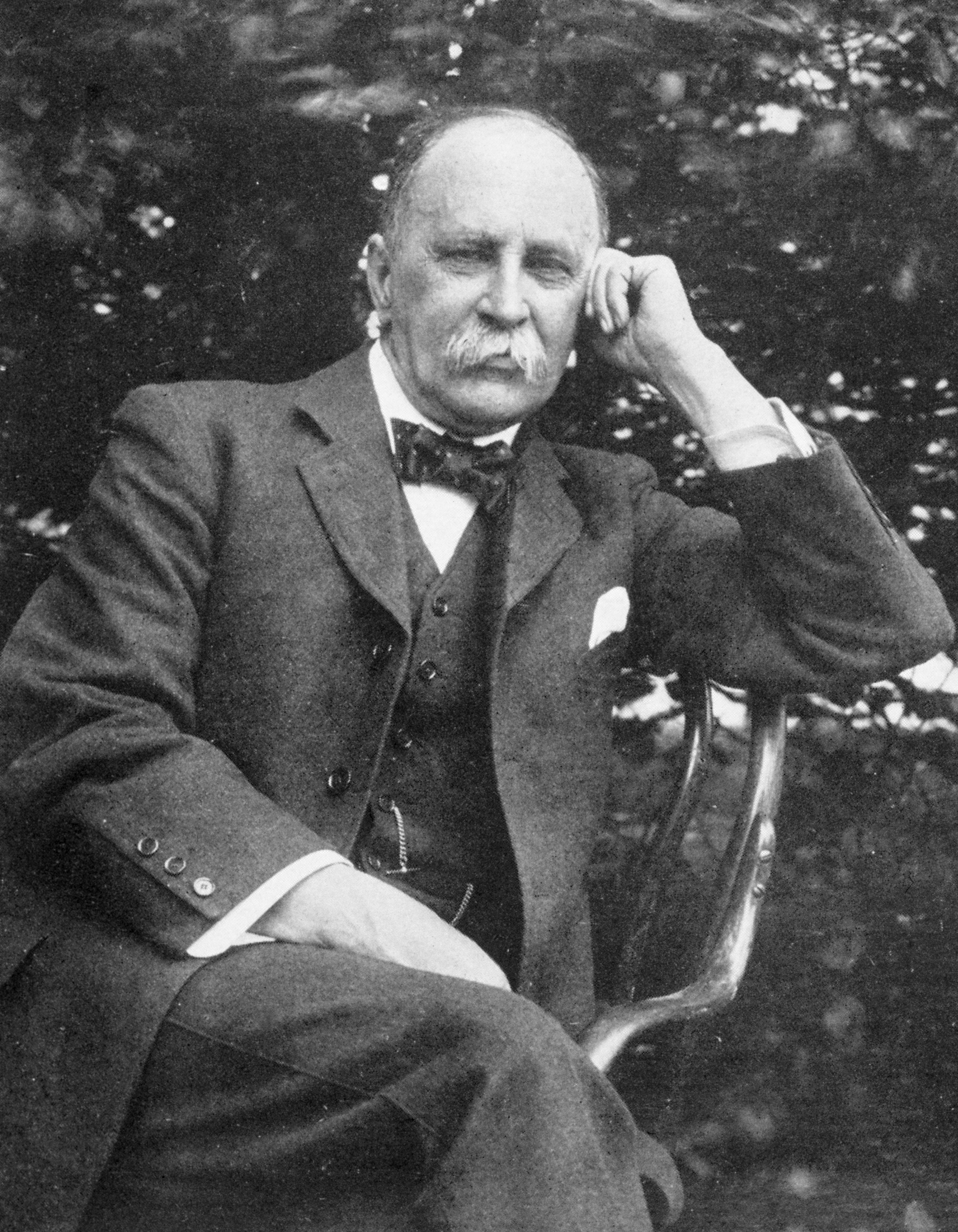
"These important lectures, based on original research, begun in 1882 on the blood - plates of Bizzozero (haematoblasts of Hayem), established Osler's reputation as an original investigator. The aggregation of blood pl…
1886 CE
#3596
On the radical cure of oblique inguinal hernia by internal abdominal peritoneal pad, and the restoration of the valved form of the inguinal canal.
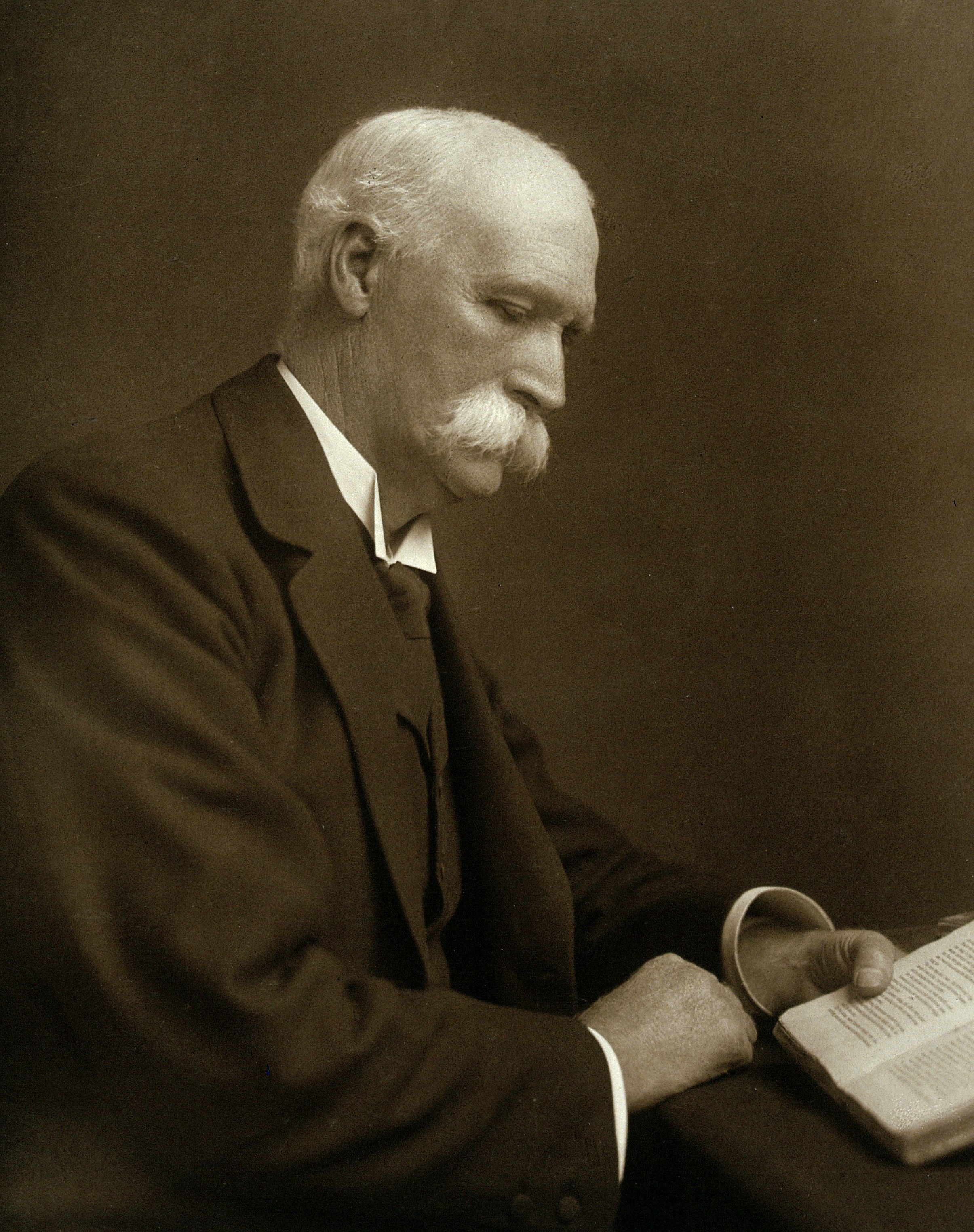
Macewen’s method for the radical cure of oblique inguinal hernia. The sac was folded into a pad and used as a plug at the internal ring, the ring being closed in layers. Reprinted in Brit. med. J., 1887, 2, 1263…
1886 CE
#1329
On the structure, distribution, and function of the nerves which innervate the visceral and vascular system.
Gaskell established the origin of the preganglionic neurons (white rami).
1886 CE
#12269
Outlines of lectures on physiology, with an introductory chapter on general biology, and an appendix containing laboratory exercises in practical physiology.
Mills, a student of Osler, became the first professional physiologist in Canada. This outline of his lectures is probably the first Canadian physiology textbook. Digital facsimile from the Internet Archive at this link.
1886 CE
#4570
Paralyses, cerebral, bulbar and spinal.
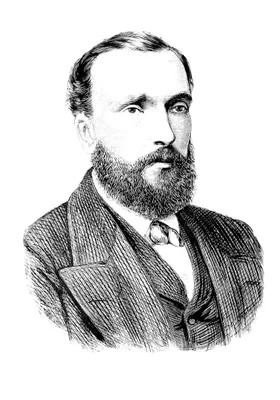
Bastian was one of the founders of English neurology. He is remembered for “Bastian’s law” (see No. 4577).
1886 CE
#3567
Perforating inflammation of the vermiform appendix, with special reference to its early diagnosis and treatment.
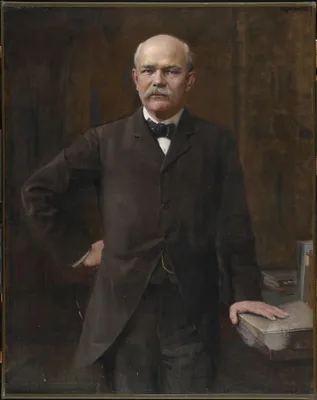
A conclusive demonstration of the pathology and symptoms of disease of the vermiform appendix. Fitz invented the term “appendicitis”; his paper, which records 25 cases collected by himself, convinced physi…
1886 CE
#7070
Physical training in American colleges and universities. Circulars of information of the Bureau of Education. No. 5-1885.
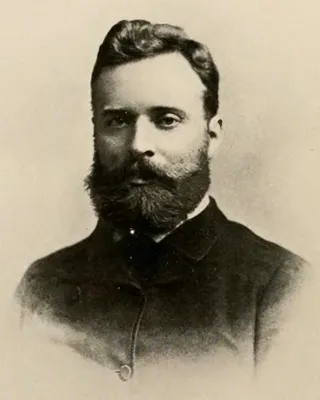
Concerns training methods and equipment, primarily for men (3 pages devoted to women) in the United States, with a chapter on training in Germany. Digital facsimile from the Hathi Trust at this link.
1886 CE
#1367
Physiological studies of the knee-jerk.
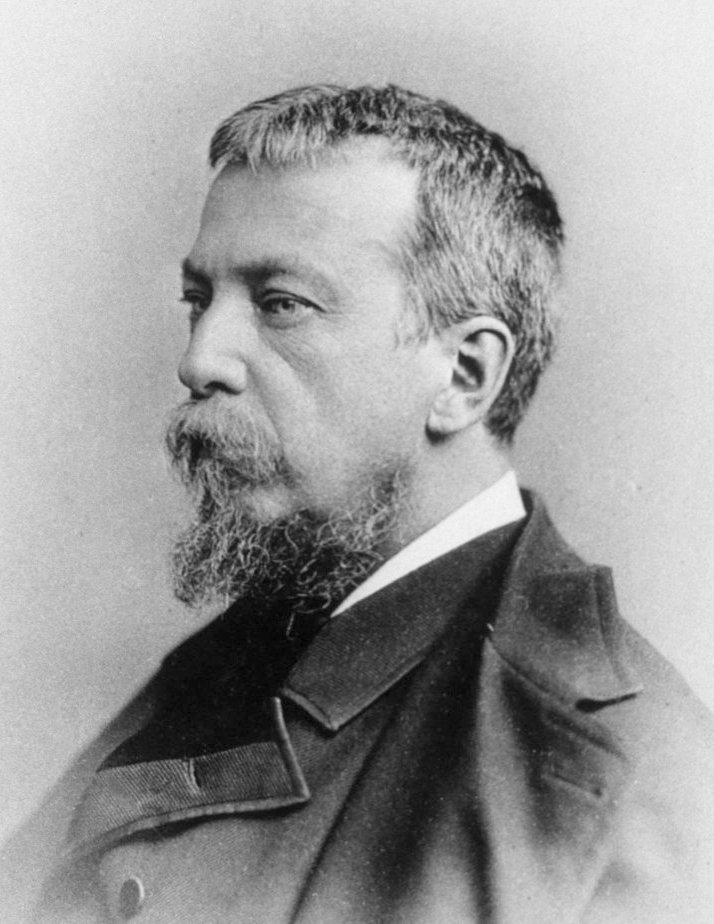
Demonstration that the knee-jerk can be reinforced by sensory stimulation.
1886 CE
#427
Plastische Anatomie des menschlichen Körpers.
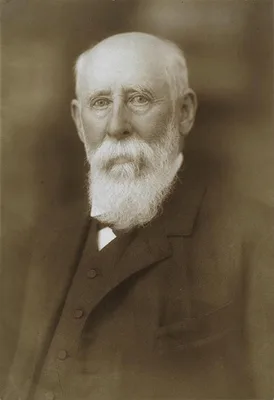
“Illustrated with lithographs from hand-drawings, photographs from the nude, ethnic studies of facial features…The text…is of unusual historic interest, and includes special chapters on the anatomy…
1886 CE
#758
Praelectiones anatomiae universalis.
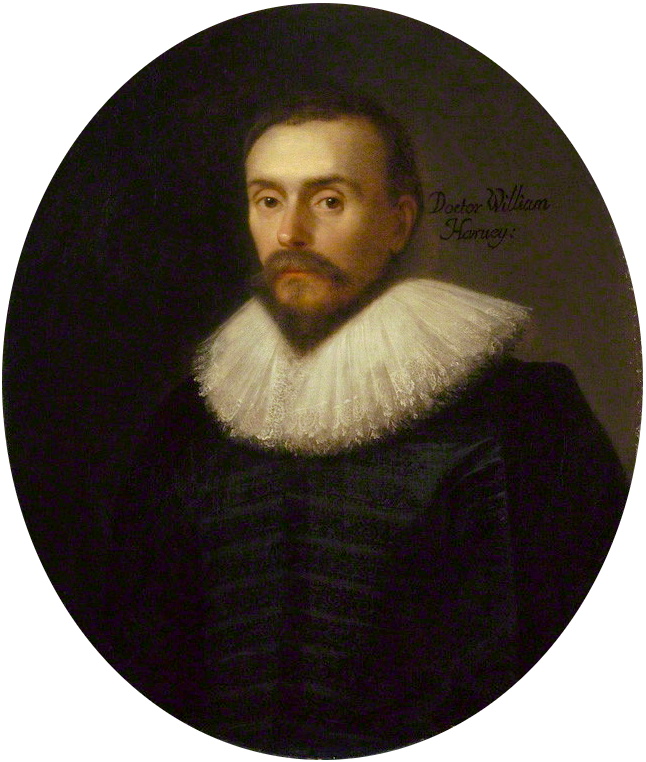
Facsimile reproduction with transliteration of Harvey’s manuscript notes for a Lumleian Lecture, 1616. These show that at that date Harvey had already completed his demonstration of the circulation of the blood.…
1886 CE
#4944
Psychopathia sexualis; eine klinisch-forensische Studie.
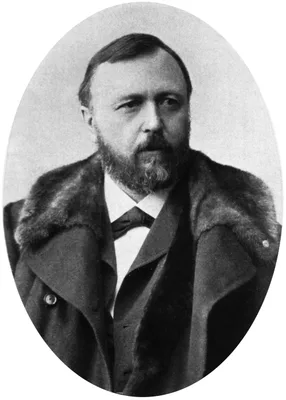
Krafft-Ebing revised the book through 12 editions. Digital facsimile of the first edition from wellcomecollection.org at this link. English translation as Psychopathia sexualis, with special reference to contrary sexu…
1886 CE
#5359
Remarks on parasites and scorpions.
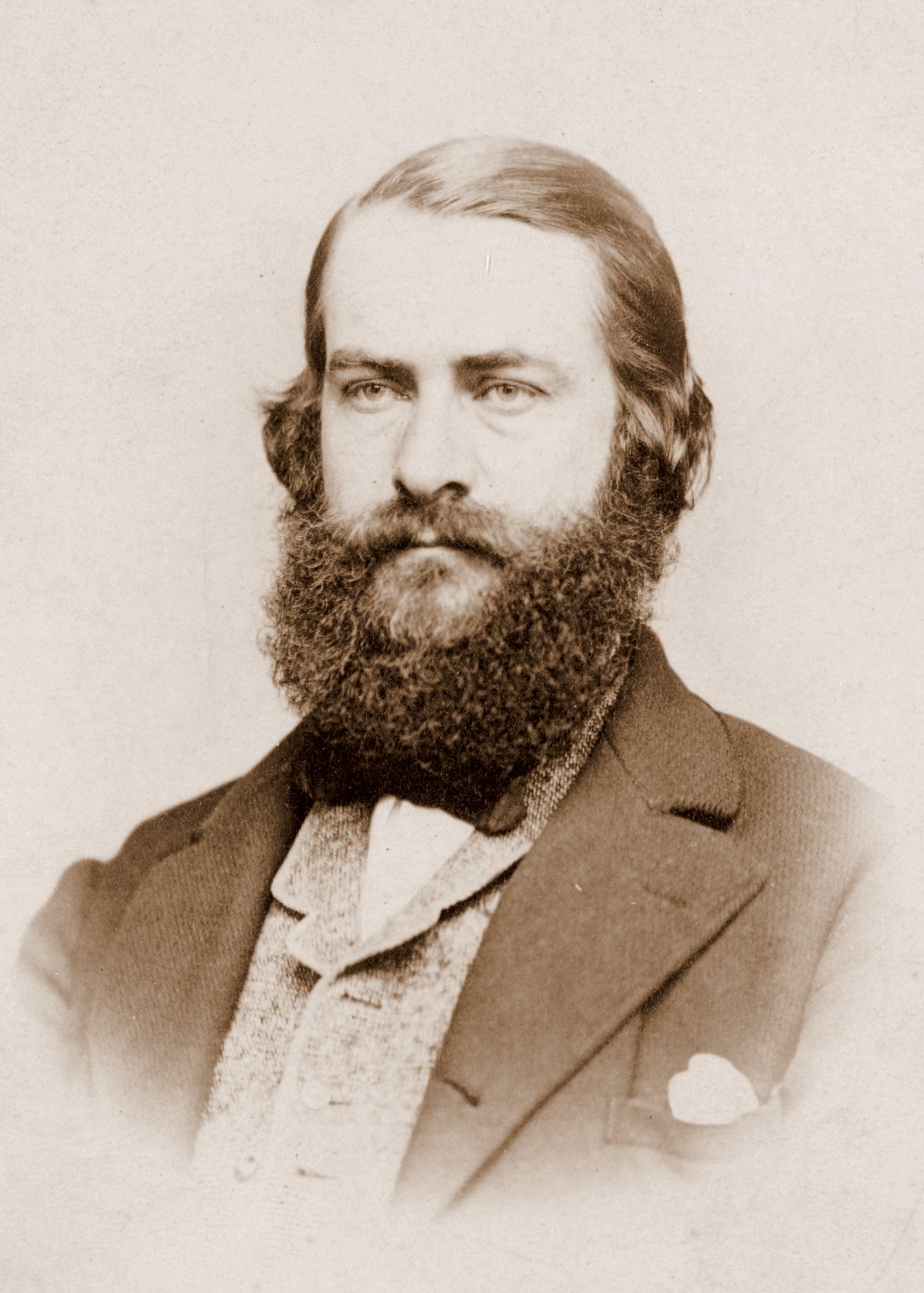
Leidy found the hookworm in the cat and suggested that it might also be found in man as a cause of pernicious anemia.
1886 CE
#5080
Report on a disease of cows prevailing at a farm from which scarlatina had been distributed along with the milk of cows.
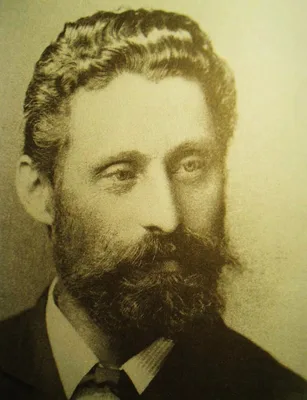
Contains the first suggestion of the streptococcal origin of scarlet fever.
1886 CE
#13108
Researches on Myohaematin and the Histohaematins.
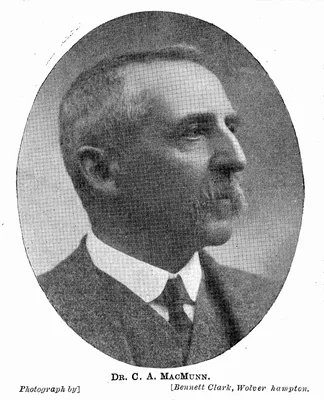
First description of the respiratory pigment in blood, known today as Cytochrome1. Digital facsimile from the Royal Society at this link.
1886 CE
#2106
Researches upon the venoms of poisonous serpents.
Mitchell (see also No. 2104) and Reichert showed that snake venom is protein, and demonstrated the presence of toxic albumins. Mitchell was one of the first to investigate snake venoms.
1886 CE
#5356
Sobre a molestia vulgarmente denominada oppilaçao ou cançaço.
Wucherer confirmed Griesinger’s conclusion that the cause of tropical anemia was hookworm infestation. See also the same journal, 1869, 3, 170-72, 183-84, 198-200. English translation in Kean (No. 2268.1).
1886 CE
#4182
Some observations on rupture of the urinary bladder, with an account of two cases of intra-peritoneal rupture successfully treated by abdominal section and subsequent suture of the vesical rent.
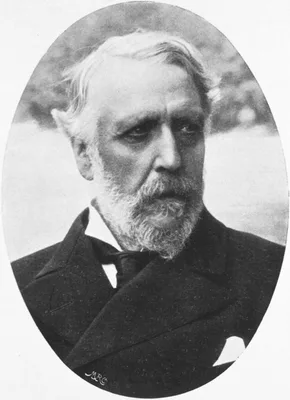
MacCormac introduced an operation for the treatment of intraperitoneal rupture of the bladder.
1886 CE
#5239
Sull infezione malarica.
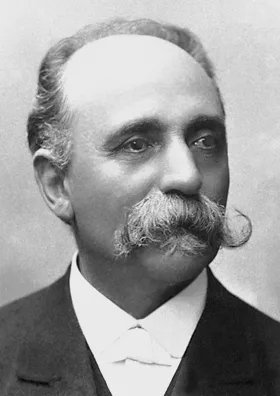
Description of the development of the parasite of quartan malaria. Golgi differentiated the tertian and quartan parasites by the periods of their respective developments.
1886 CE
#1416
Sulla fina anatomia degli organi centrali del sistema nervoso.
Golgi’s histological studies made a clear conception of the nervous system possible for the first time. He demonstrated the existence of multipolar nerve-cells (Golgi cells) by means of his silver nitrate stain,…
1886 CE
#3568
Suppurative peritonitis due to ulceration and suppuration of the vermiform appendix; laparotomy; resection of the vermiform appendix; toilette of the peritonaeum; drainage; recovery.
This is believed to be the first reported case of survival after removal of a perforated appendix. Hall worked with William Halsted during the 1880s and participated in Halsted’s experiments with cocaine as a lo…
1886 CE
#3884
Sur deux cas d’acromégalie. Hypertrophie singulière non congénitale des extrémités supérieures, inférieures et céphalique.
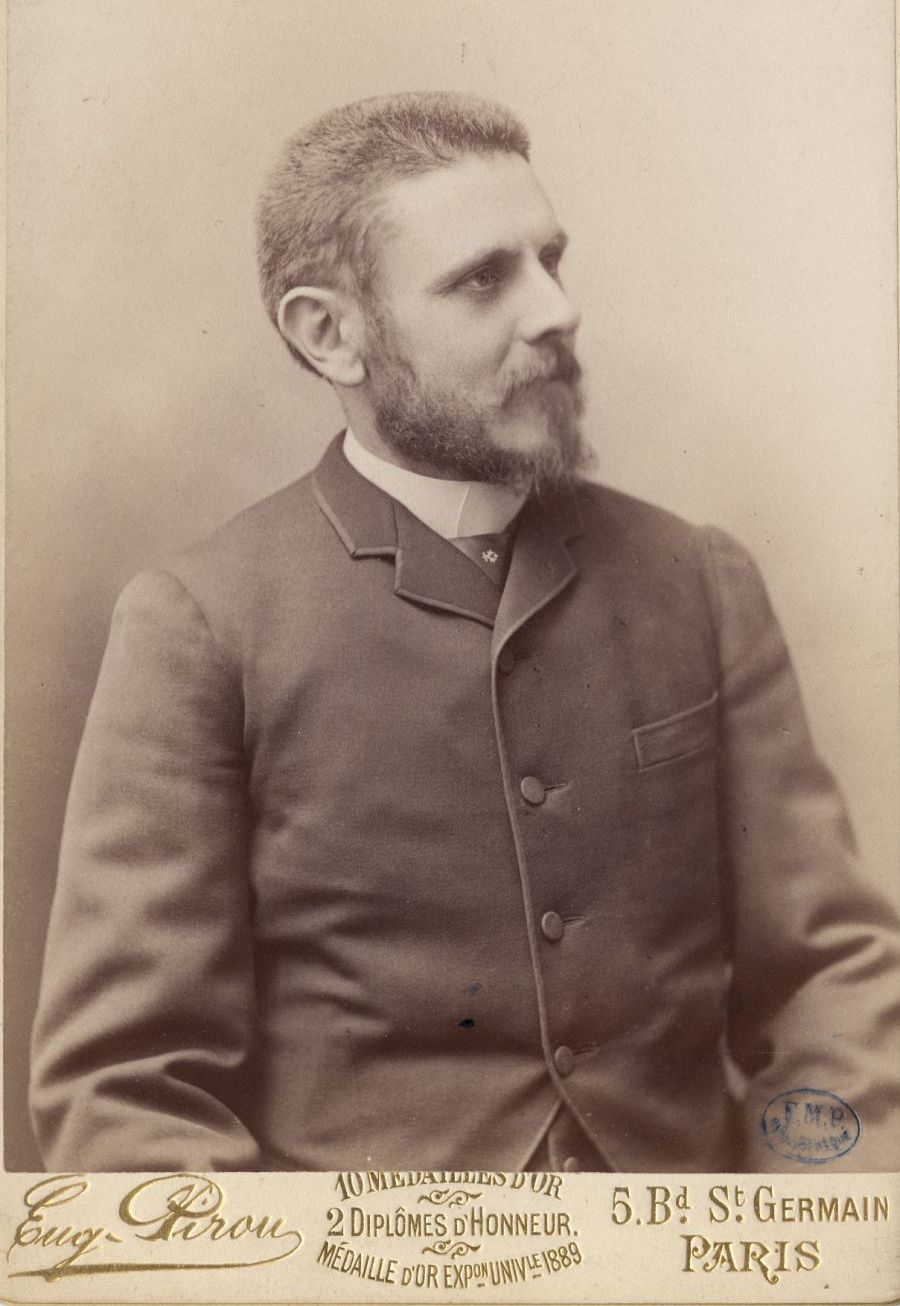
In this, the first complete clinical description of the condition, Marie suggested the name “acromegaly”. The paper excited much interest and was translated into English and published by the New Sydenham S…
1886 CE
#4749
Sur une forme particuliére d’atrophie musculaire progressive souvent familiale débutant par les pieds et les jambes et atteignant plus tard les mains.
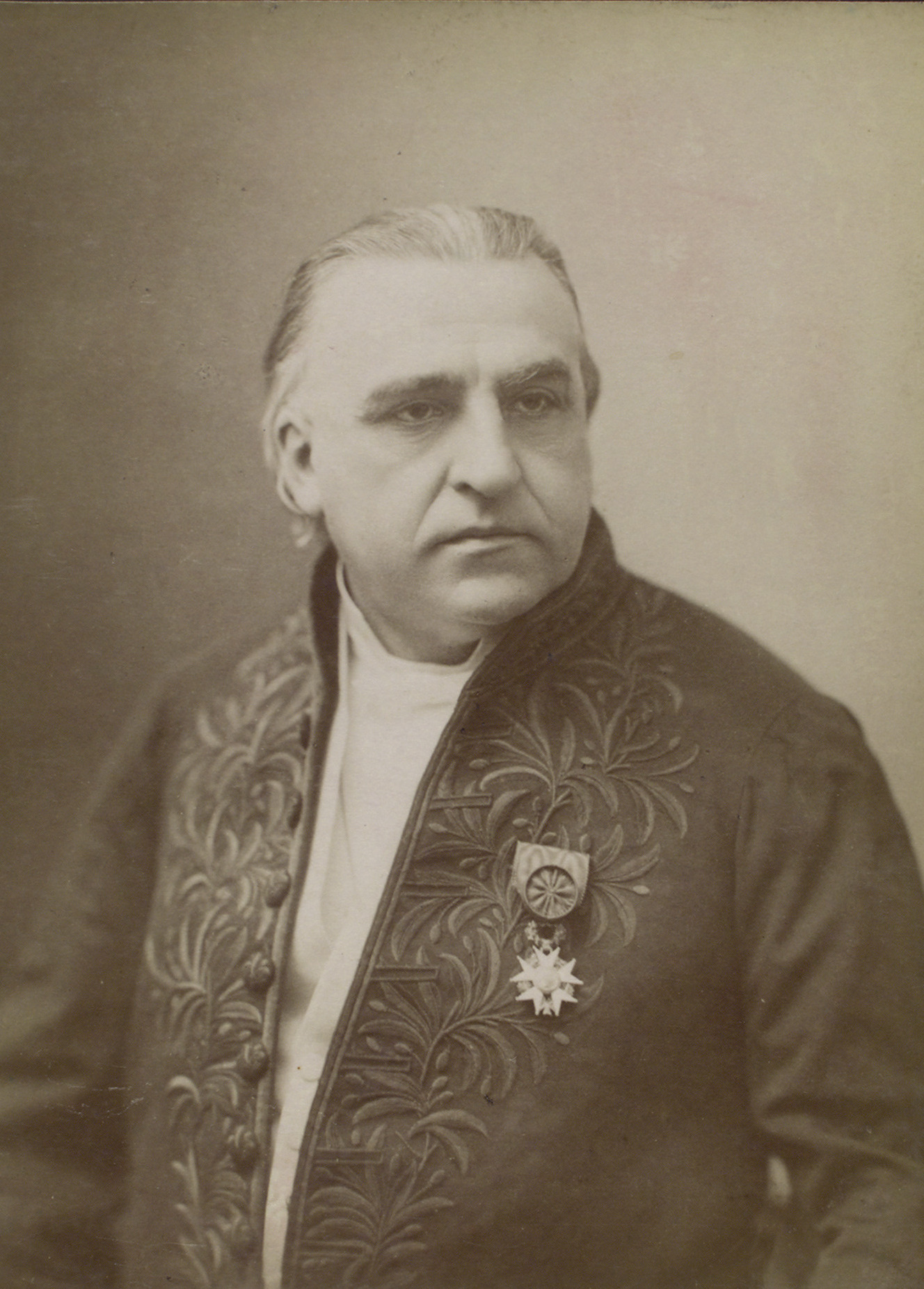
First description of the peroneal form of muscular atrophy, the so-called Charcot–Marie–Tooth type.
1886 CE
#10191
The "medicine-man"; or, Indian and Eskimo notions of medicine. Reprinted from the "Canada Medical and Surgical Journal" for March and April, 1886.
Digital facsimile from the Internet Archive at this link.
1886 CE
#5930
The bacillus of acute conjunctival catarrh or “pink eye”.
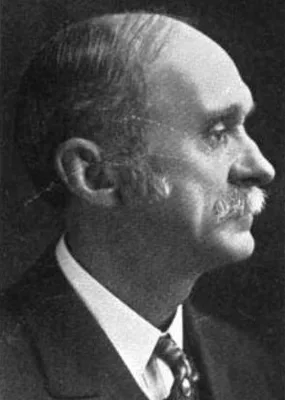
In 1883 Koch discovered the bacilli of two different forms of infectious conjunctivitis (Egyptian ophthalmia); in 1886. Weeks discovered the same organism to be the cause of “pink-eye”. The organism has be…
1886 CE
#2505
The bacterium of swine-plague.
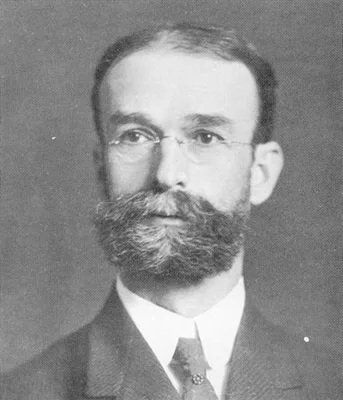
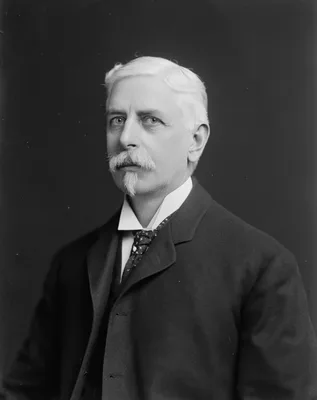
Discovery of Salmonella choleraesuis. The Salmonellae tribe was named after Salmon, even though the discovery was made by Smith. See Bibel, Milestones in immunology (1988) 31-32.
1886 CE
#5427
The life-history of the micro-organisms associated with variola and vaccinia. An abstract of results obtained from a study of smallpox and vaccination in the surgical laboratory of the University of Edinburgh.
The “Paschen elementary bodies” (No. 5430) were first recognized and demonstrated by Buist. Republished as an appendix to his Vaccinia and variola, London, 1887.