
1830–1839
385 entries with publication dates in this decade.
1838 CE
#676
Action de l’acide hydrochlorique sur la protéine.
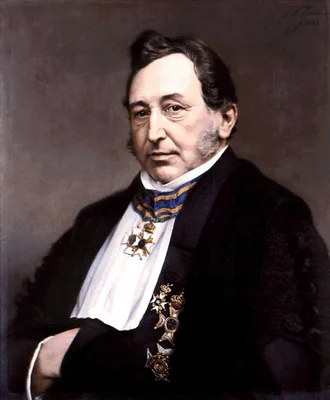
Mulder gave the name protéine (protein) to a substance which he believed to be the essential constituent of all organized bodies. Later, with Liebig, he found there was no such definite compound, but the work r…
1838 CE
#11431
Barn-Yard rhymes; showing what opinions the turkey, the cock, the goose, and the duck, enterain of allopathia, homopathia, electro-galvanism and the animalcule doctrines.
A critique of medical practice and procedures in 80 pages of rhymed couplets voiced by farmyard animals. Mary Griffith, who published these satirical poems anonymously, dedicated the work to the Philadelphia physician…
1838 CE
#4321
Beiträge zur operativen Orthopädik.
Stromeyer is the founder of modern surgery of the locomotor system. He advocated and practised subcutaneous tenotomy for all deformities of the body arising from muscular defects.
1838 CE
#112
Beiträge zur Phytogenesis.
Schleiden demonstrated that plant tissues are made up of and developed from groups of cells, of which he recognized the “cytoblast” or cell-nucleus. He observed with great accuracy certain other activities…
1838 CE
#10402
Botica general de los remedios esperimentados. Que á beneficio del público se reimprime por su original en Cadiz, en Sonoma, de la alta California: Por M. G. V.
The first medical book printed in California, a small 23-page pamphlet of folk or popular medicine. It was printed by Agustín V. Zamorano, the first printer in Alta California under Mexican rule before the regi…
1838 CE
#13150
Clinique des maladies des enfants nouveau-nes.
The first work on the diseases of newborns and the first work on child neurology and pediatric neurosurgery.
1838 CE
#1498
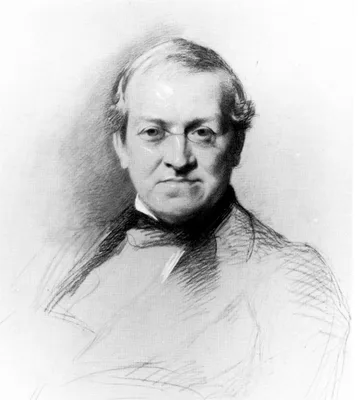
Contributions to the physiology of vision.
1838 CE
#6008
De arte obstetricia morbisque mulierum quae supersunt. Ex apographo Friderici Reinholdi Dietz, nuper fato perfuncti primum edita.
Greek editio princeps of Soranus, based on manuscripts Dietz discovered in Paris and Rome, and published after the early death of the editor. Soranus was the leading authority on the gynecology and obstetrics of antiq…
1838 CE
#13790
Des maladies les plus fréquentes à bord des navires baleiniers, et de leur traitement.
On injuries and diseases of the crews of whaling voyages in particular. This was Santy's medical dissertation; dissertation and commercially published issues appeared from the same publisher the same year. Digital fac…
1838 CE
#4798
Des maladies mentales. 2 vols. and atlas.
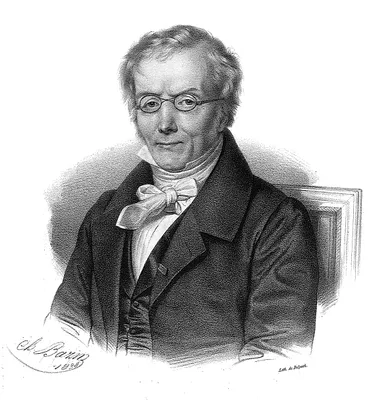
Esquirol succeeded Pinel at the Salpêtrière, and was the first lecturer on psychiatry. After Pinel he was a founder of the French School. This is the first modern textbook on psychiatry. It is notable for…
1838 CE
#6175
Die geburtshülfiche Auscultation
Pioneering work on obstetric auscultation, including the sounds of the foetal heart. English translation by C. West, London, 1839.
1838 CE
#111
Die Infusionsthierchen als vollkommene Organismen. 1 vol. and atlas of 64 hand-colored engraved plates.
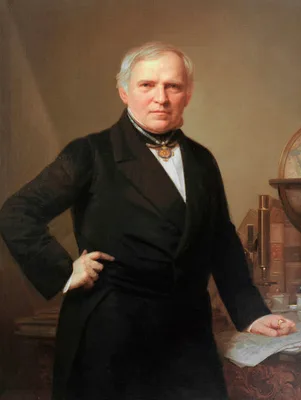
In this monumental work in folio format Ehrenberg extended Otto Friedrich Müller’s bacteriological classification. Like Müller, he made no distinction between protozoa and bacteria, classing them both …
1838 CE
#4458
Excision of the head of the femur for disease of the hip-joint. IN: S. COOPER: A dictionary of practical surgery. 7th ed., pp. 272-73
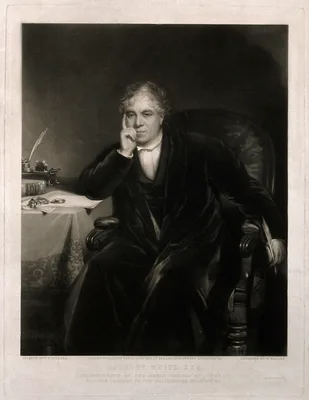
White was the first to perform this operation, April 1821.
1838 CE
#5853
Guide pratique pour l’étude et le traitement des maladies des yeux. 2 vols.
Carron du Villards taught ophthalmology in Paris; his book is one of the best of the period.
1838 CE
#5743.4
Handbuch der plastischen Chirurgie. Nebst einer Vorrede von J.F. Dieffenbach.

In this work Zeis introduced the term “plastic surgery”. The first half of the work covers the general principles of plastic surgery, and the first history of the subject. The second half describes the spe…
1838 CE
#8401
Herophilus. Ein Beitrag zur Geschichte der Medicin.
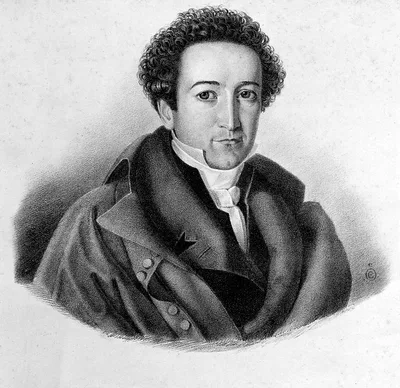
Digital facsimile from Google Books at this link.
1838 CE
#7672
Histoire des embaumements et de la préparation des pièces d'anatomie normale, d'anatomie pathologique et de l'histoire naturelle suivie de procédés nouveau.
Gannal discovered the efficacy of solutions of aluminum acetate and chloride for preserving anatomical preparations. His method of embalming involved injection of solutions of aluminum salts into the arteries. Transla…
1838 CE
#2291
Illustrations of the elementary forms of disease.
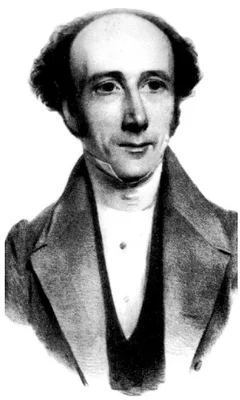
Carswell was Professor of Morbid Anatomy at University College, London, and one of the leading English pathologists of his day. A fine artist, he personally painted 2,000 water-colours of pathological specimens. His g…
1838 CE
#675
Mémoire sur la fermentation vineuse.
The earliest demonstration of the true nature of yeast was made by Cagniard-Latour in 1836. All his work on the subject is summed up in this paper. Digital facsimile from Google Books at this link.
1838 CE
#145.57
Notice sur la loi que la population suit dans son accroissement.
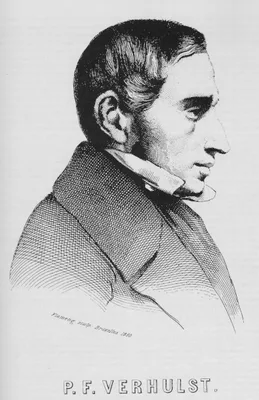
Verhulst constructed the simplest mathematical model of a continously growing population with an upper limit to its size.
1838 CE
#13036
Nouveau recueil de planches coloriées d'oiseaux, pour servir de suite et de complément aux planches enluminées de Buffon, édition en-folio et in 4to de l'Imprimerie Royale, 1770. Publié par C. J. Temminck. 5 vols.
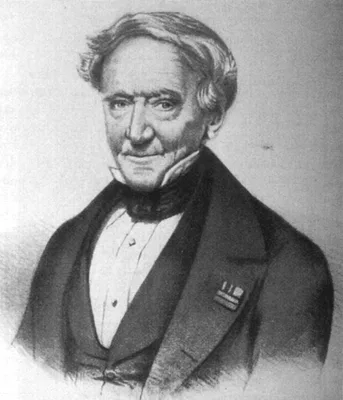
Though Baron Laugier was responsible for this publication, which was issued over a period of 18 years, but not formally published until 1838, the scientific work has been credited to Temminck. Describes about 800 spec…
1838 CE
#1262
Observationes anatomicae et microscopicae de systematis nervosi structura.
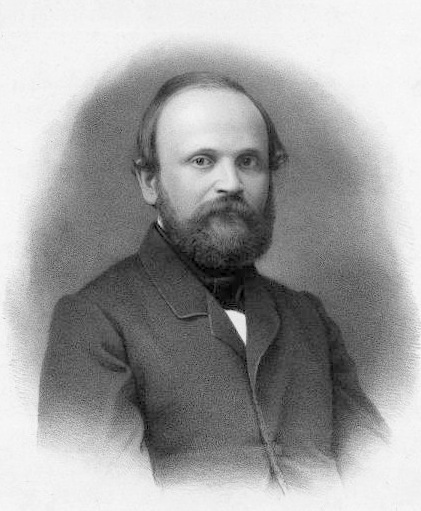
See No. 1260.
1838 CE
#6174
Recherches d’anatomie et de physiologie sur le système vasculaire sanguin de l’utérus humain pendant la gestation, et plus spécialement sur les vaisseaux utero-placentaires.
Jacquemier’s sign, diagnostic of pregnancy.
1838 CE
#605
Sur le courant électrique ou propre de la grenouille.
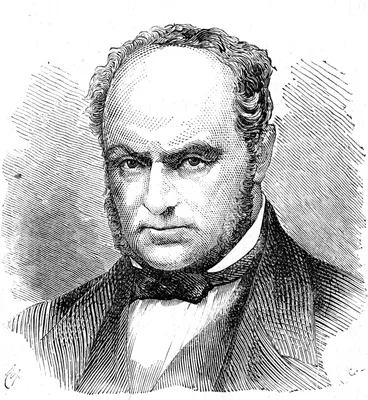
Matteucci established the difference of potential between injured nerve and its muscle.
1838 CE
#5594
Traité d’anatomie chirurgicale et de chirurgie expérimentale. 2 vols.
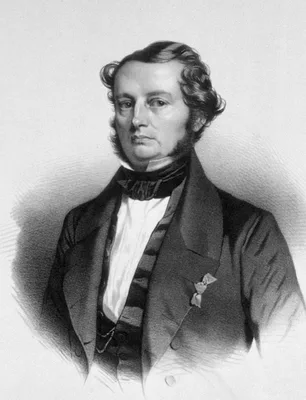
1838 CE
#2381
Traité pratique des maladies vénériennes.
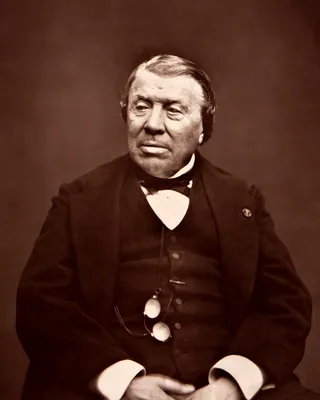
Includes the description of “Ricord’s chancre”, the initial lesion in syphilis. Ricord re-demonstrated the specific character of syphilis and divided it into the three stages, primary, secondary, and…
1838 CE
#3587
Treatise on ruptures. 5th ed.
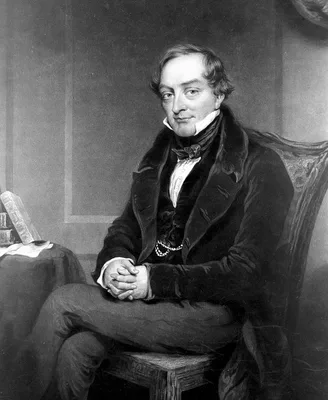
This was the standard text for many years. It first appeared in 1807 as Treatise on hernia.
1838 CE
#2612
Ueber den feinern Bau und die Formen der krankhaften Geschwülste. Lief. 1.
This classic work showed that Müller realized the necessity of the cell theory for the comprehension of the nature of cancer. He recognized cells, their nuclei and nucleoli, and could distinguish various types of…
1838 CE
#112.1
Ueber die Analogie in der Structur und dem Wachsthum der Thiere und Pflanzen.
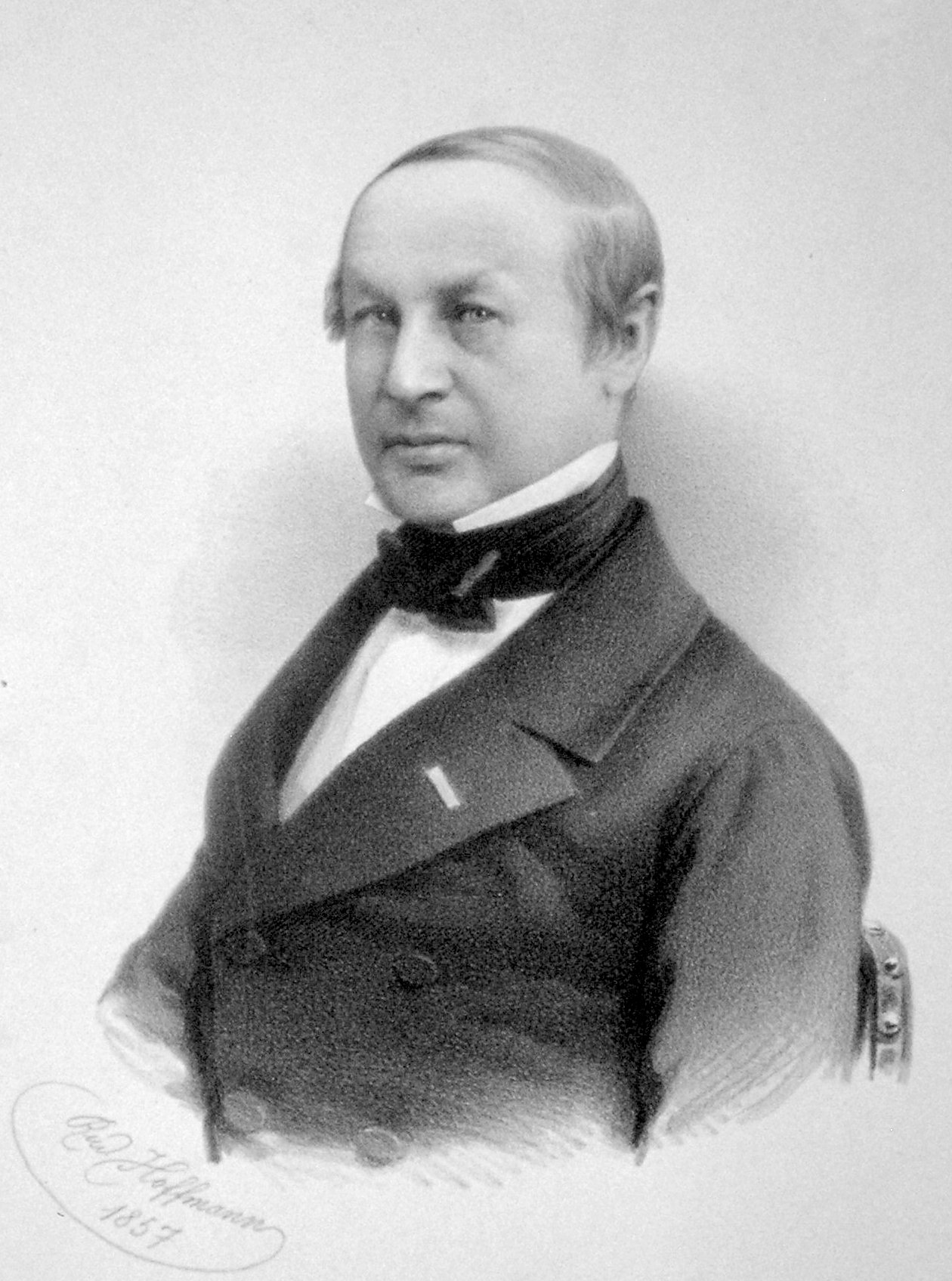
Schwann’s three-part preliminary application of Schleiden’s “watch-glass” cell theory to the genesis of animal cells. Schleiden communicated the theory to him verbally. This paper actually pre-…
1838 CE
#540
Ueber die Ausbreitung des Epithelium im menschlichen Korper.
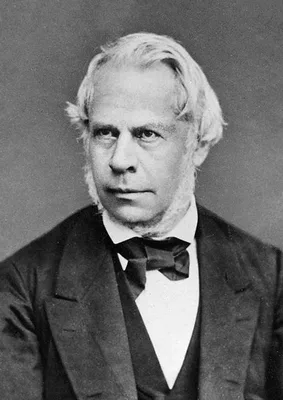
Henle broadened the scope of his study of epithelium (No. 539) to include the covering layers of the true body cavities.
1838 CE
#1156
Ueber die Entstehung der Glandula pituitaria.
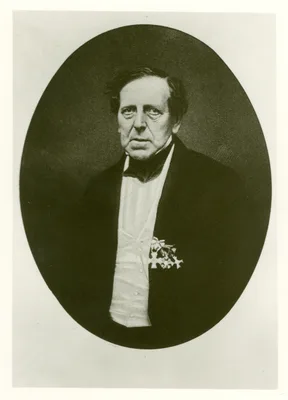
Important description of the pituitary.
1838 CE
#4415
Views and treatment of an important injury of the wrist.
“Barton’s fracture” of the radius.
1838 CE–1840 CE
#6711
Medical portrait gallery. Biographical memoirs of the most celebrated physicians, surgeons, etc. etc. who have contributed to the advancement of medical science. 4 vols.
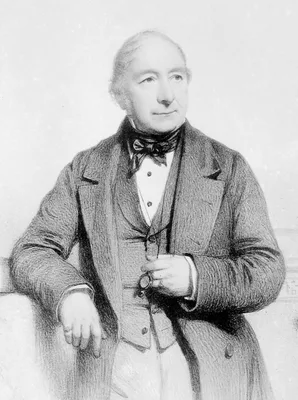
Includes engraved portraits as well as text. The text frequently contains extensively annotated bibliographies of key works of the physicians portrayed. Digital facsimile from the Internet Archive at this link.
1838 CE–1847 CE
#5852
Klinische Darstellungen der Krankheiten und Bildungsfehler des menschlichen Auges, der Augenlider und der Thränenwerkzeuge nach eigenen Beobachtungen und Untersuchungen. 4 pts.
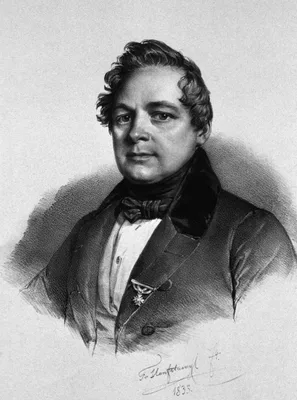
This great color-plate atlas is probably the best summary of the knowledge of diseases of the eye prior to the introduction of the ophthalmoscope.
1838 CE–1857 CE
#11117
Anatomie microscopique. Tome premier: Histologie. Atlas de cinquante-deux planches. Tome second: Histogénèse. Atlas de quarante planches. 2 vols.
This work was issued in parts over nearly 20 years. Parts concerned specific subjects and were sold separately. Digital facsimile from Google Books at this link, and at this link.
1839 CE
#11546
Recherches sur l'introduction accidentelle de l'air dans les veines, et particulièrement sur cette question: L'air en s'Introduisant spontanément par une veine blessée pendant une opération chirurgicale, peut-il causer subitement la mort?
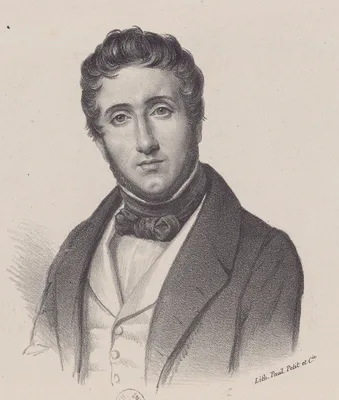
Amussat was one of the first to draw attention to the risks of the introduction of venous air embolism in surgery. Before the introduction of anesthesia surgery was particularly rapid by necessity, and veins were ofte…
1839 CE
#4259
A case of enlargement from melanoid tumour of the prostate gland, in a child of five years of age.
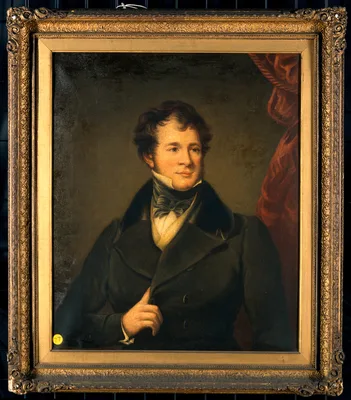
Sarcoma of the prostate was first recorded by Stafford.
1839 CE
#13013
A synopsis of the birds of North America.
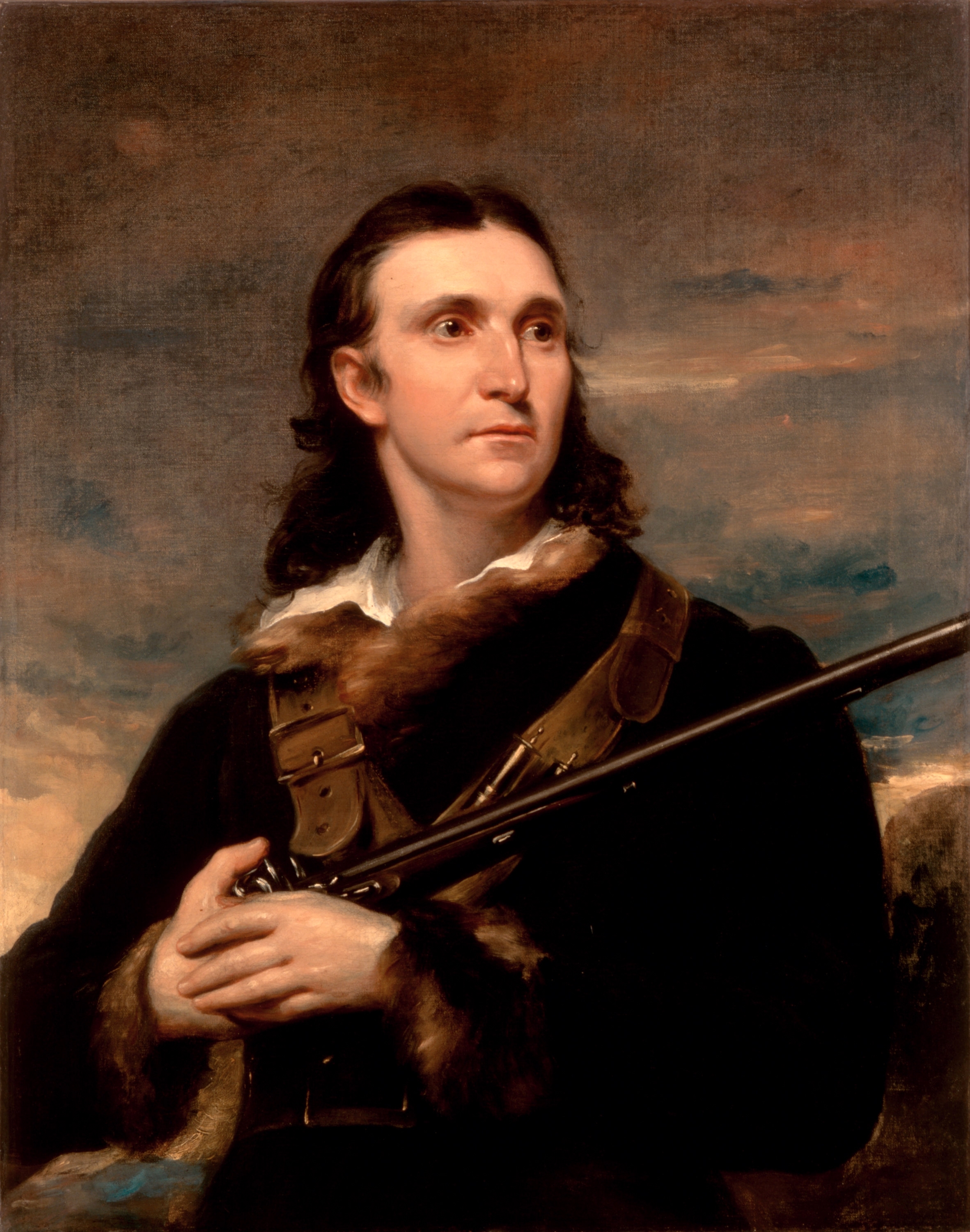
This was Audubon's extensively annotated systematic index, or a kind of scientific outline, to the double elephant folio, Birds of America. With 359 pages it amounted to a separate work, and could be studied without a…
1839 CE
#2676
Abhandlung über Perkussion und Auskultation.
Skoda classified the various sounds obtained on percussion according to their musical pitch and tone. “Skoda’s resonance” is an important diagnostic sign in pneumonia and pericardial effusion. Follow…
1839 CE
#13896
An account of the yellow fever which appeared in the city of Galveston, Republic of Texas, in the autumn of 1839, with cases and dissections,
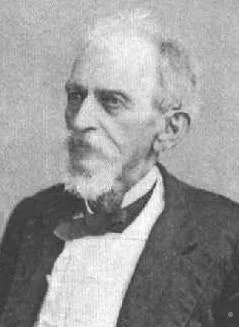
In 1839 Smith treated the victims of a yellow fever epidemic in Galveston while writing reports about the treatment of the disease in the Galveston News. As a result of this experience, he wrote the first treatise on …
1839 CE
#992
Analyses comparées des alimens consommés et des produits rendus par une vache laitière.
The first analysis of foodstuffs and fertilizers. Boussingault made a balance of intake and outgo of nutrients in food and excreta.
1839 CE
#12011
Anatomical, pathological and therapeutic researches on the yellow fever of Gibraltar of 1828, by P. Ch. A. Louis. From observations taken by himself and M. Trousseau as memebers of the French Commission at Gibraltar. Translated from the manuscript by G. C. Shattuck.
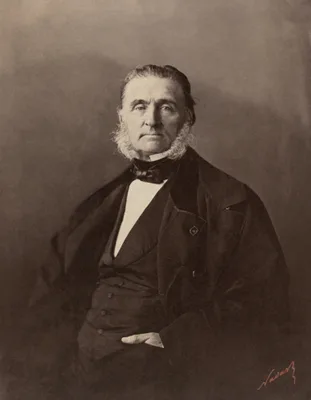
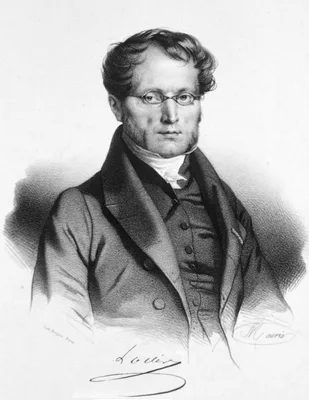
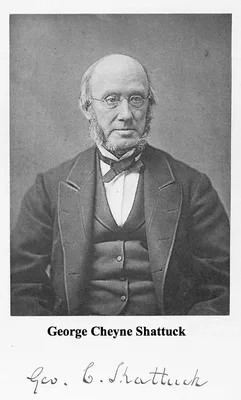
The Translator's Introduction begins as follows: "The work now presented to the public has heretofore existed in manuscript only. Circumstances have delayed its publication in France, and some years may yet elapse bef…
1839 CE
#5517
Auffindung von Pilzen auf der Schleimhaut der Speiseröhre einer Typhus-Leiche.
Discovery of Candida albicans, which Berg (No. 5518) showed to be the causal organism in thrush.
1839 CE
#6258
Beyträge zur Kenntniss der Rückgrathskrümmungen, und der mit demselben zusammentreffenden Abweichungen des Brustkorbes und Beckens.
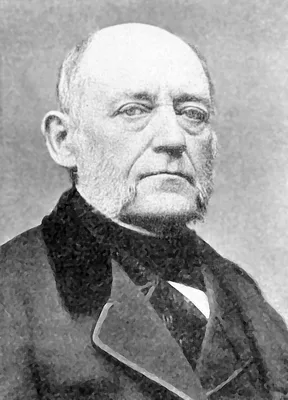
Original description of spondylolisthesis.
1839 CE
#6030
Case of vesico-vaginal fistula, successfully treated by an operation.
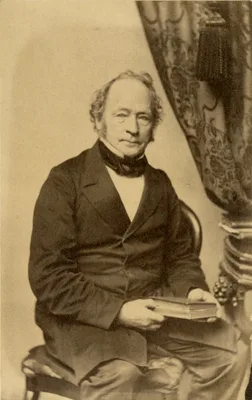
Hayward’s successful treatment of vesicovaginal fistula was performed after Mettauer’s, although reported earlier.
1839 CE
#12222
Cases of spasmodic disease accompanying affections of the pericardium.
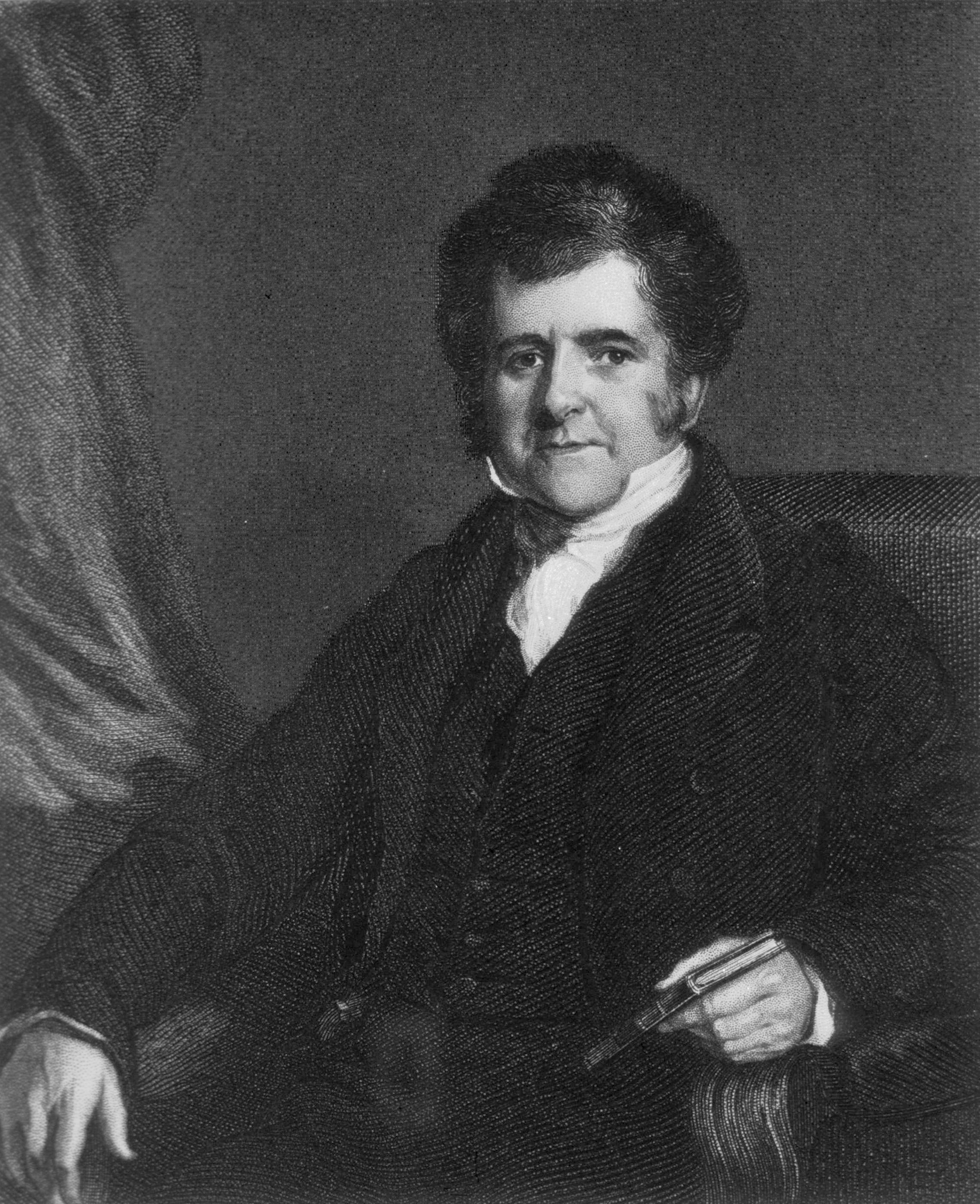
Digital facsimile of the separate offprint from wellcomecollection.org at this link.
1839 CE
#201
Crania Americana; or, A comparative view of the skulls of various aboriginal nations of North and South America. To which is prefixed an essay on the varieties of the human species.
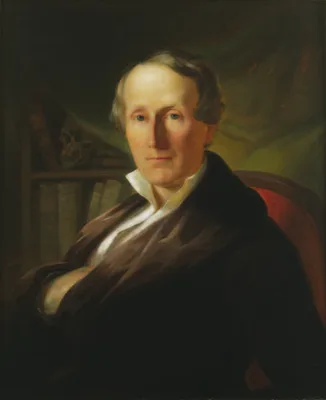
In his day Morton was the most eminent craniologist in the United States. He had a collection of nearly 1,000 skulls. In this work, which described both modern and fossil skulls, Morton described fractures and anthrop…
1839 CE
#6257
Das schräg verengte Becken nebst einem Anhange über die wichtigsten Fehler des weiblichen Beckens überhaupt.
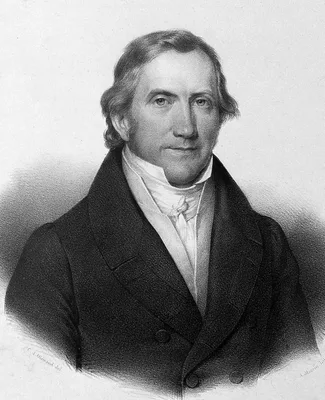
First description of the obliquely contracted pelvis, or “Naegele pelvis”. Because of its rarity and the difficulty of recognizing it clinically in living subjects, the obliquely contracted pelvis, with it…
1839 CE
#541
De formatione granulosa in nervis aliisque partibus organismi animalis.
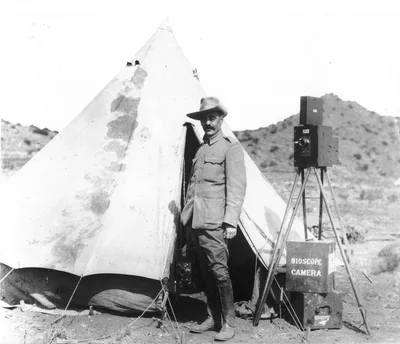
In 1839 Purkynĕ was the first to use the term protoplasma, by which he described the embryonic ground substance. This fact is recorded in the inaugural dissertation of one of his students, J. Rosenthal.
1839 CE
#1605.1
Die Krankheiten des höhren Alters und ihre Heilung. 2 vols.
Canstatt’s book is one of the most important in the history of gerontology, summarizing all previous work on the subject. Suffering from tuberculosis, Canstatt himself only lived to the age of 43. Digital facsim…