
1830–1839
385 entries with publication dates in this decade.
1831 CE
#11765
Narrative of a voyage to the Pacific and Beering's strait, to co-operate with the polar expeditions: Performed in His Majesty's Ship Blossom, under the command of Captain F. W. Beechey ... in the years 1825, 26, 27, 28.
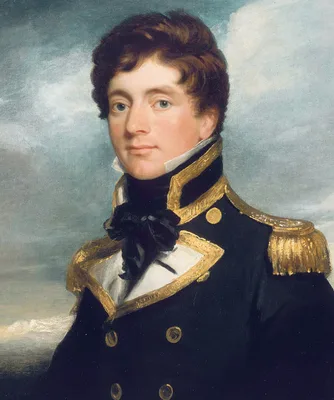
Digital facsimile from Biodiversity Heritage Library at this link.
1831 CE
#4828
Observations sur une espèce de tétanos intermittent.
Dance’s important early description of parathyroid tetany followed closely on that of Steinheim.
1831 CE
#4493
On a new practice in acute and chronic rheumatism.
First description of the neurotic spinal arthropathies.
1831 CE
#216.3
On naval timber and arboriculture.
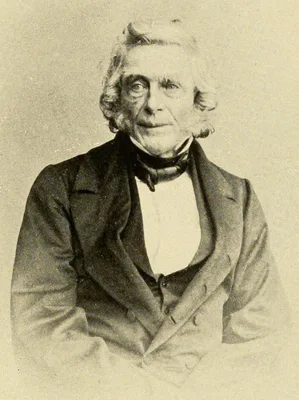
The “first clear and complete” anticipation of the Darwinian theory of evolution by natural selection. The appendix to Matthew’s work actually uses the expression, “natural process of selection…
1831 CE
#1851
Recherches sur quelques combinaisons du chlore.
Soubeiran, like Liebig and Guthrie, discovered chloroform; it is difficult to determine who was first, as each may have allowed an interval of time to elapse between discovery and publication.
1831 CE
#11759
Report of the Select Committee of the House of Representatives ... legalizing the study of anatomy.
This was the first law passed in the United States consigning the bodies of those who died in workhouses, hospitals, and similar institutions, the bodies of whom were "unclaimed," to medical schools for dissection. "S…
1831 CE
#2123
The effects of the principal arts, trades and professions, and of civic states and habits of living on health and longevity.

The first systematic publication in Great Britain on industrial disease and its prevention. For comprehensiveness, first-hand clinical experience and constructive proposals for improvements, Thackrah’s monograph…
1831 CE
#13280
The horse; with a treatise on draught; and a copious index. Published under the Superintendence of the Society for the Diffusion of Useful Knowledge.
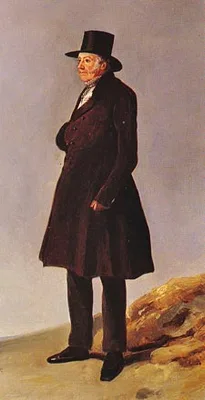
Youatt was one of the most widely published writers on veterinary medicine during the 19th century. This very practical work, originally published via the Society for the Diffusion of Useful Knowledge, underwent many …
1831 CE
#9954
Traité des exhumations juridiques, et considérations sur les changemens physiques que les cadavres éprouvent en sepourrissant dans la terre, dans l’eau, dans les fosses d’aisance etdans le fumier. 2 vols.
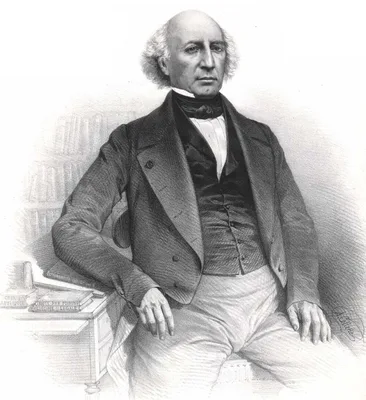
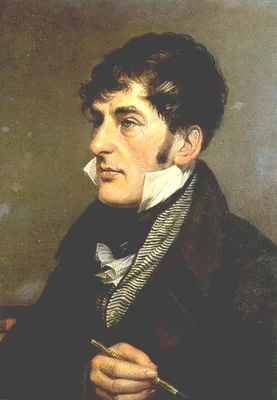
The first book devoted entirely to exhumation and decomposition of bodies. Digital facsimile from the Internet Archive at this link.
1831 CE
#9354
Traité des maladies cutanées des pieds, telles que cors, oignon, durillons, verrues, ongles, etc.
Probably the first book specifically on the skin diseases of the feet, including the functions and nature of the skin of the feet and the manner in which perspiration takes place in the feet. Nothing is known regardin…
1831 CE
#4457
Treatise on the excision of diseased joints.
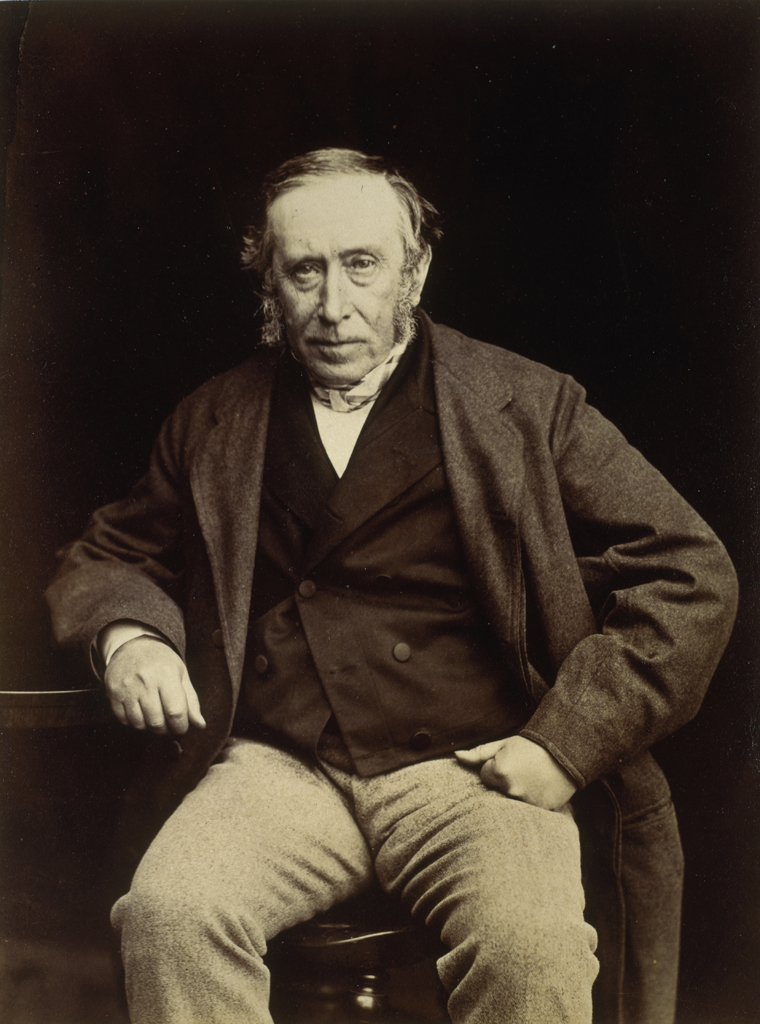
Syme, teacher and father-in-law of Lister, was one of the greatest of the Scottish surgeons. He is remembered for his method of amputation at the ankle (see No. 4459), for his speedy adoption of anesthesia and antisep…
1831 CE
#200
Über den Zwischenkiefer des Menschen und der Thiere von Goethe. Jena, 1786. Mit 5 Kupfertafeln.
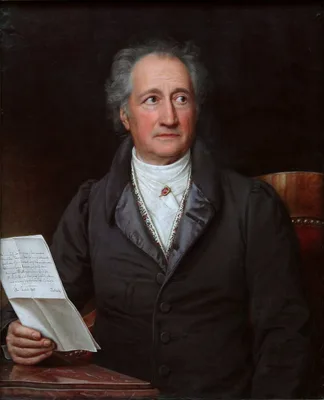
Goethe believed that in 1784 he demonstrated the presence of the intermaxillary (premaxillary) bone in man, proving an anatomical connection between man and the lower animals, and certifying to Goethe that there is no…
1831 CE–1839 CE
#12797
Ornithological biography, or an account of the habits of the birds of the United States of America; accompanied by descriptions of the objects represented in the work entitled The Birds of America, and interspersed with delineations of American scenery and manners. 5 vols.
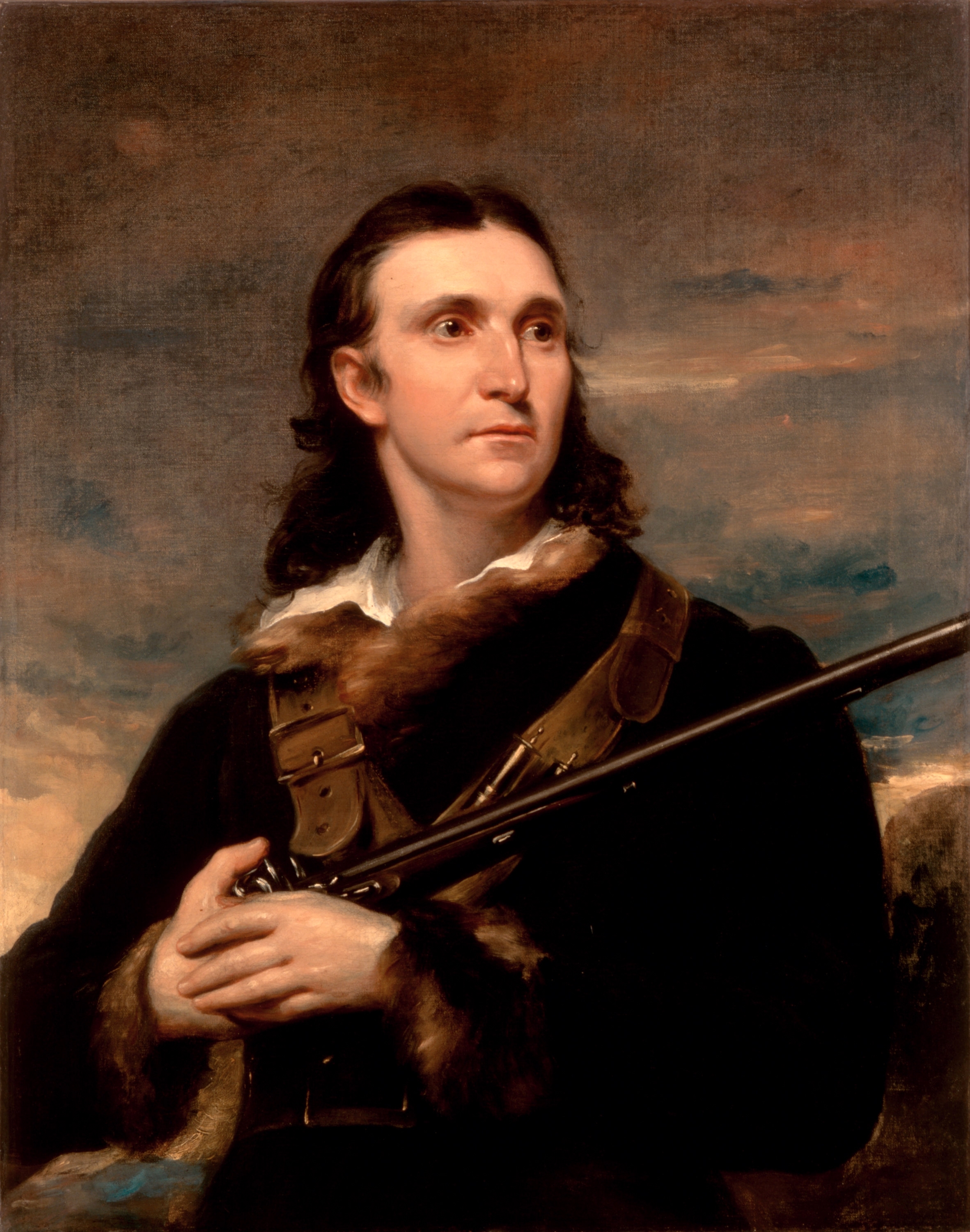
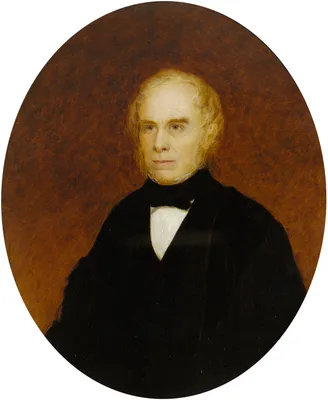
This was the text for Aububon's The birds of America. Audubon wrote it with the assistance of William Macgillivray, though he did not credit him on the title page. The text included Audubon's accounts of his travels a…
1831 CE–1849 CE
#534.59
Lehrbuch der pathologischen Anatomie der Haus-Saugethiere. 3 vols.
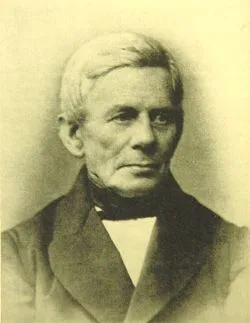
The most comprehensive treatise on malformations of domesticated animals, as well as an important contribution to general teratology. The superb atlas illustrates many rare animal terata. See also his Uber thierische …
1831 CE–1854 CE
#7246
Traité complet de l'anatomie de l'homme, comprenant la médecine opératoire. 16 vols.
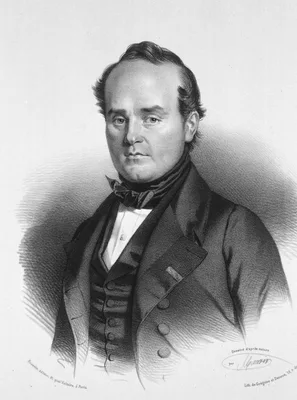
With over 2000 pages of text and 726 lithographed plates (incorporating 3604 individual figures), this work is the most comprehensive, and perhaps the most beautiful anatomical surgical atlas of the 19th century. It w…
1832 CE
#10526
A geographical and statistical account of the epidemic cholera: From its commencement in India to its entrance into the United States: Comprehended in a series of maps and tables, exhibiting the names of places visited by the pestilence, the time of its commencement, the number of cases, and deaths, and duration, at each place: Compiled from a great variety of printed and manuscript documents.
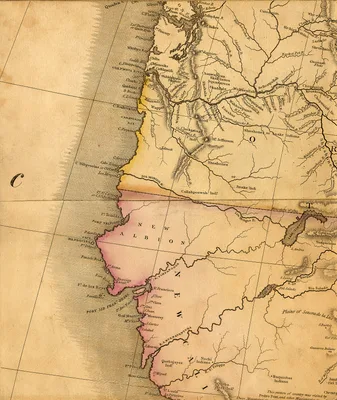
Tanner, a prolific cartographer, wished to provide a geographic account of the spread of the worldwide cholera epidemic of 1817. Statistics concerning the epidemic, he complained, were "given in such a loose and uncon…
1832 CE
#7688
A treatise on epidemic cholera; including an historical account of its origin and progress, to the present period. Compiled from the most authentic sources.
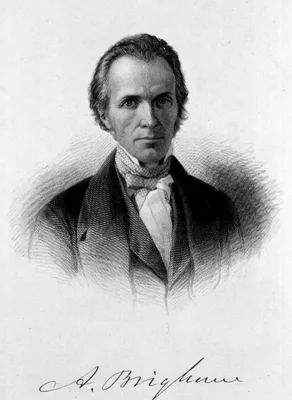
This compendium contains one of the first world charts of a disease, tracing the spread of cholera from two main sources, India (1817) and China (1820), across Asia and the Middle East via trade routes, to France and …
1832 CE
#2747
A treatise on the diseases of the heart and great vessels.
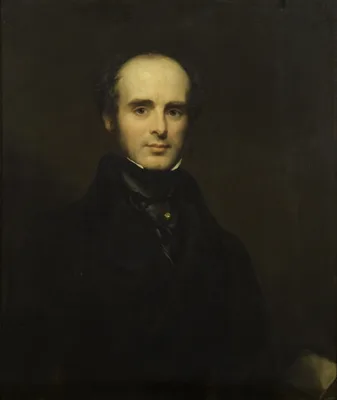
Hope did much to advance the knowledge of heart murmurs, valvular disease, and aneurysm; he described the second sound of the left side of the sternum in mitral stenosis as “altered” – losing its sho…
1832 CE
#10463
A treatise on the epidemic cholera, as it has prevailed in India; together with the reports of the medical officers, made to the medical boards of the presidencies of Bengal, Madras, and Bombay, for the purpose of ascertaining a successful mode of treating that destructive disease; And a critical examination of all the works that have hitherto appeared on the subject.
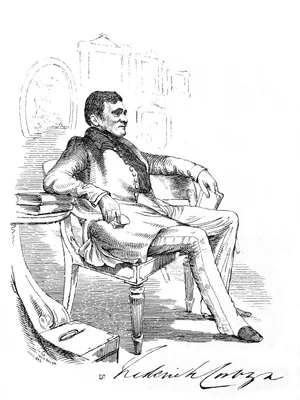
Corbyn mapped the history of cholera in India within British regimental stations. He included the date of each reported outbreak in a table of British regimental locations to describe the temporal progression of the d…
1832 CE
#8951
Aeliani de natura animalium libri septemdecim. Verba ad fidem librorum manuscriptorum constituit et annotationibus illustravit Fridericus Jacobs.
![AELIANUS, Claudius [Κλαύδιος Αἰλιανός] (175 – 235)](/media/portraits/10094)
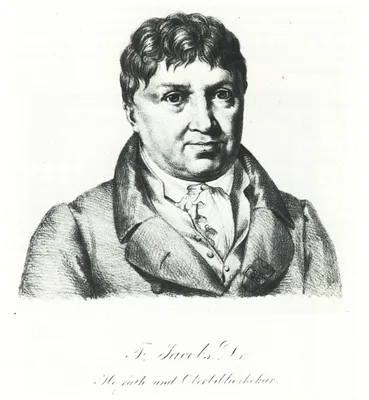
The first modern critical edition of the text, which collated medieval manuscripts against the previous printed editions. Digital facsimile of the 1832 edition from the Internet Archive at this link
1832 CE
#9993
Anatomy. Proceedings at the National Political Union, respecting legislative interference in the study of anatomy, and the supply of bodies for anatomical research.
Digital facsimile from the Internet Archive at this link.
1832 CE
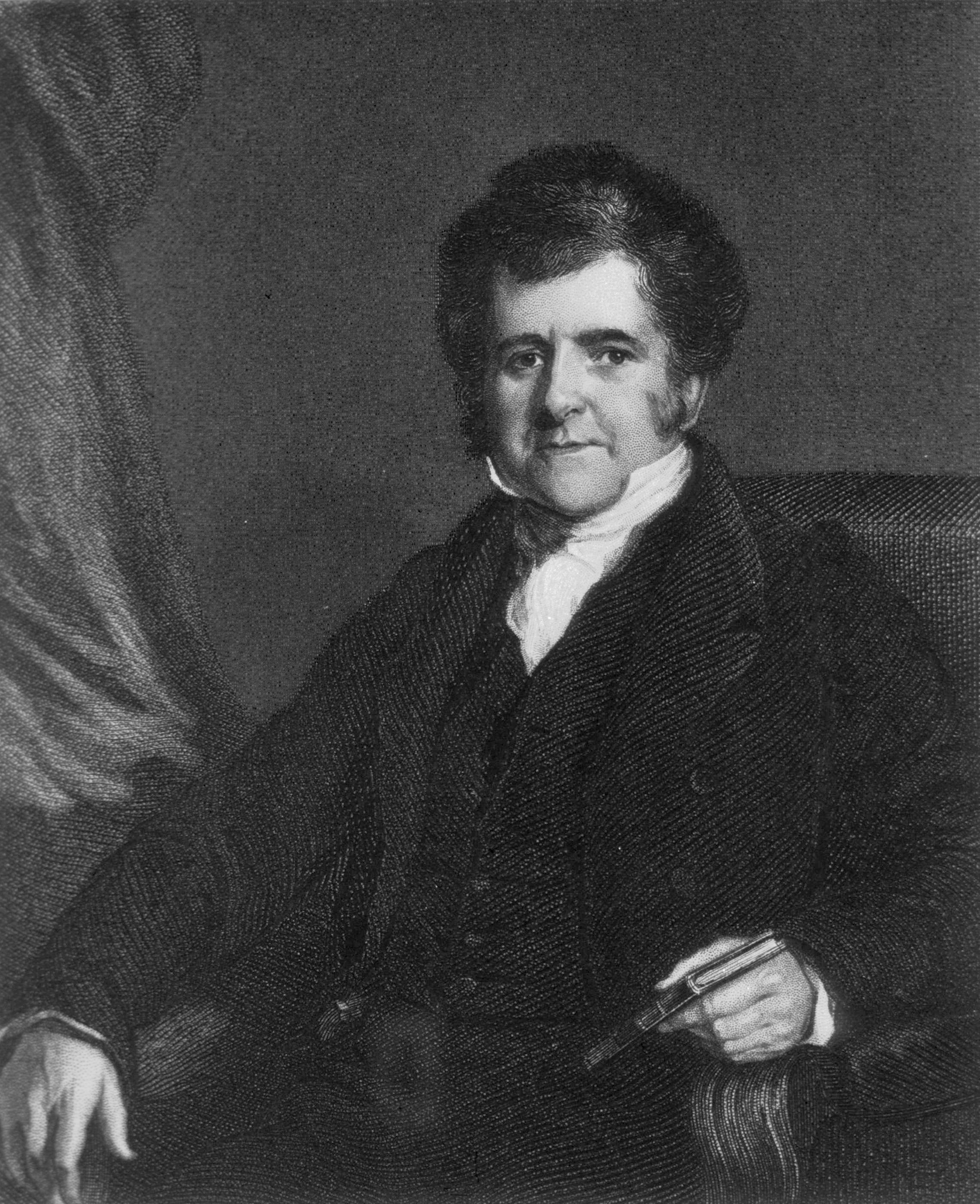
#3615
Cases and observations connected with disease of the pancreas and duodenum.
1832 CE
#8806
Clinical illustrations of the more important diseases of Bengal, with the result of an inquiry into their pathology and treatment.
Digital facsimile from the Medical Heritage Library, Internet Archive at this link.
1832 CE
#10393
Code administratif des établissemens dangereux, insalubres ou incommodes.
Trebuchet's work sets out the rules and regulations governing dangerous and unhealthy work environments (particularly those involving steam engines) and public nuisances. Pages 281-301 contain a table of businesses cl…
1832 CE
#3114
Die krankhafte Mischung des Blutes, vorzüglich bei Chlorose, Hysterie und Pneumonie, durch chemische Versuche ausgemittelt, und der Uebergang in den Darmcanal eingebrachten Eisens.
Foedisch showed chlorotic blood to be deficient in iron. See also Gaz. méd. Paris, 1837, 2 sér. 5,7.
1832 CE
#6516
Die Tanzwuth, eine Volkskrankheit im Mittelalter.
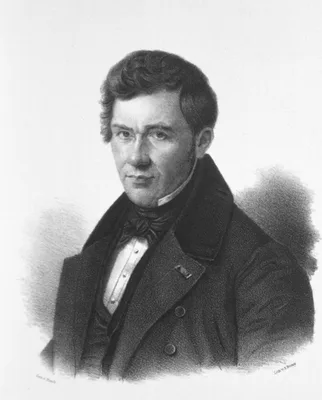
A study of the dancing mania of the Middle Ages. An English translation (see No. 1678) appeared in 1835.
1832 CE
#7036
Fruits of philosophy, or the private companion of young married people,
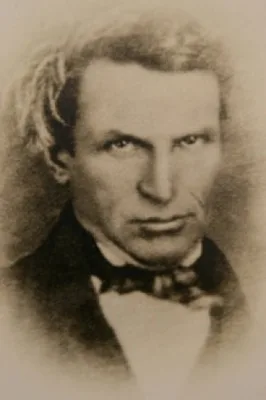
First edition published privately and anonymously. Second edition, with additions, Boston, 1833. Many times reprinted. Republished by Charles Bradlaugh and Annie Besant, 1891. Edited, with an introductory notice by No…
1832 CE
#13354
Illustrations of the family of Psittacidæ, or parrots: The greater part of them species hitherto unfigured, containing forty-two lithographic plates, drawn from life, and on stone.
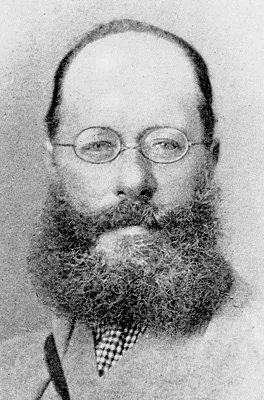
For this work Lear drew portraits of mostly live specimens directly on stone, creating artistic masterpieces that established his reputation as a natural history painter. Lear issued only 175 copies and ran out of fun…
1832 CE
#13618
Médecine navale ou nouveaux éléments d'hygiène, de pathologie et de thérapeutique médico-chirurgicales, à l'usage des officiers de santé de la marine de l'Etat et du commerce. 2 vols.
Digital facsimile from the Internet Archive at this link
1832 CE
#9680
Medical zoology, and mineralogy; or, illustrations and descriptions of the animals and minerals employed in medicine and of the preparations derived from them: Including also an account of animal and mineral poisons: With figures coloured from nature.
Includes 42 hand-colored plates. Digital facsimile from the Biodiversity Heritage Library at this link.
1832 CE
#325
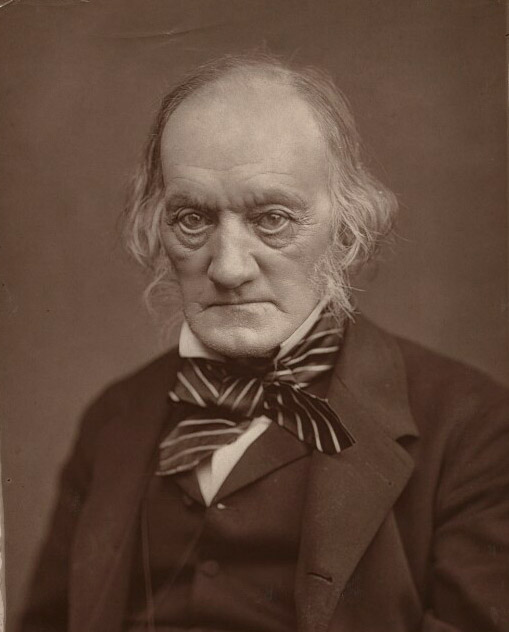
Memoir on the pearly nautilus (Nautilus pompilius, Linn.).
1832 CE
#3990.1
Monographie des dermatoses.
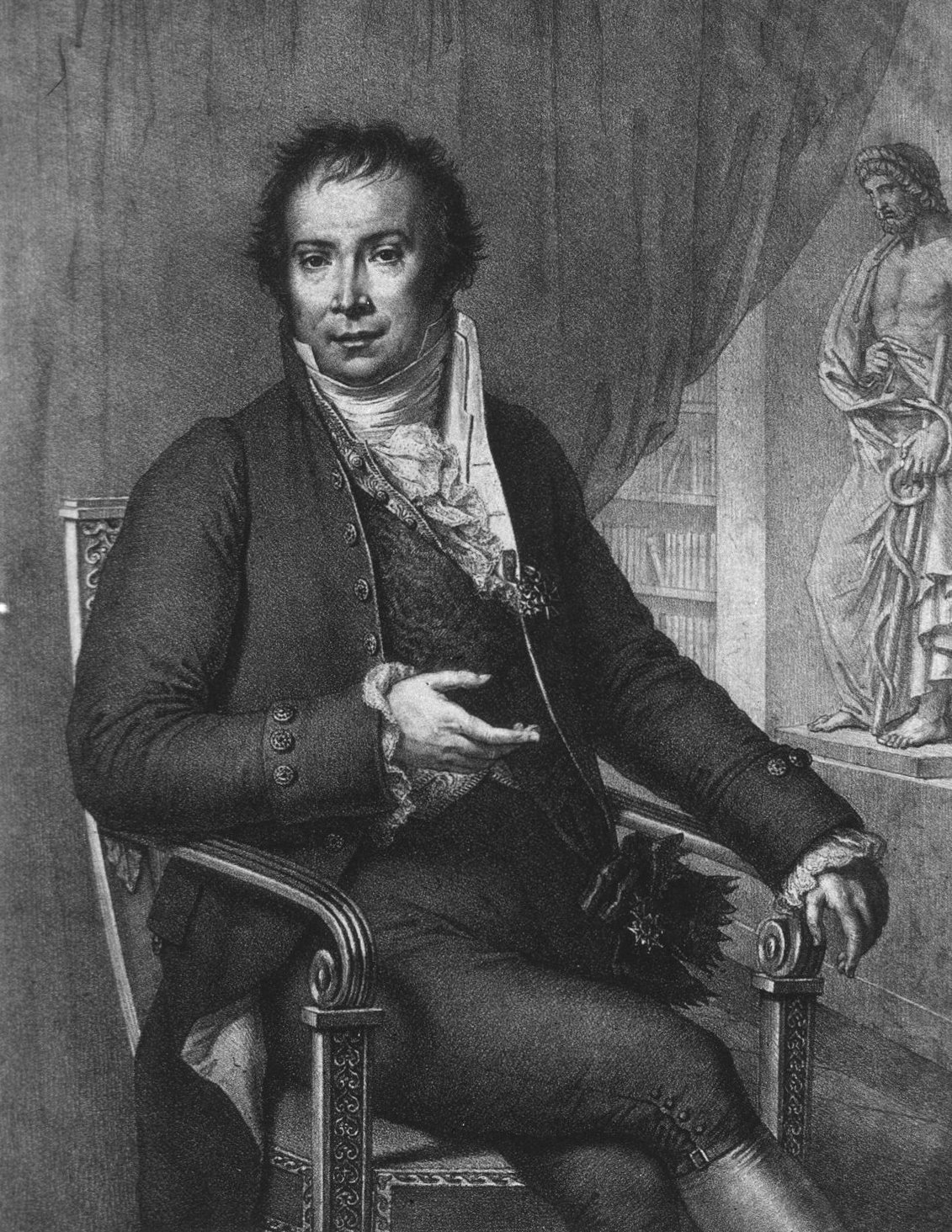
This includes the first published illustration of Alibert’s famous “family tree” for the classification of skin diseases, a concept which Alibert borrowed freely from Torti (No. 5231). This classific…
1832 CE
#672
Neues eigenthümliches stickstoffhaltiges Princip, in Muskelfleisch gefunden.
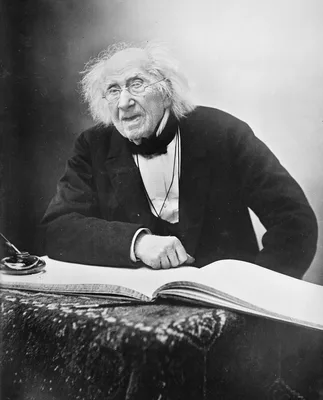
Isolation of creatine from muscle.
1832 CE
#1850
New mode of preparing a spirituous solution of chloric ether.
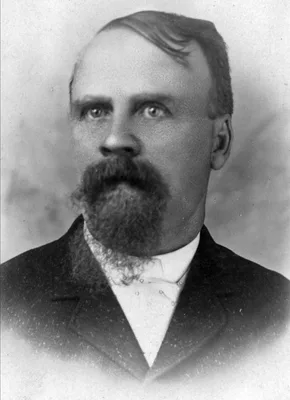
Guthrie in America, Liebig in Germany, and Soubeiran in France discovered chloroform independently of one another. Guthrie discovered the modern method of making chloroform by distilling alcohol with chlorinated lime.…
1832 CE
#5592
Nouveaux éléments de médecine opératoire. 3 vols. and atlas.
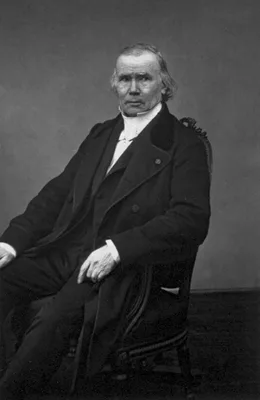
In its time this was the most comprehensive work on operative surgery in France; it contains some useful historical information. The first English translation appeared in New York, 1835. The atlas for that edition was…
1832 CE
#1853
Nouvelles observations sur les principaux produits de l’opium.
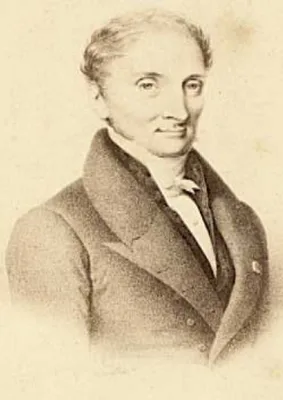
Isolation of codeine.
1832 CE
#10812
Observations on the epidemic now prevailing in the city of New-York; called the Asiatic or spasmodic cholera; with advice to the planters of the South, for the medical treatment of their slaves.
Digital facsimile from the Internet Archive at this link.
1832 CE
#1496
On a new membrane in the eye.
“Fielding’s membrane”, the tapetum of the retina.
1832 CE
#2748
On permanent patency of the mouth of the aorta, or inadequacy of the aortic valves.
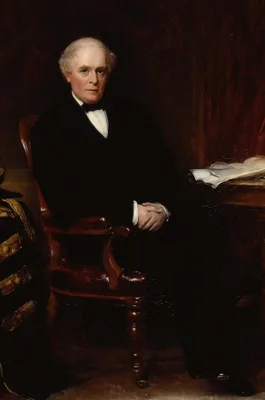
In his wonderfully clear account of aortic insufficiency, Corrigan described the “water-hammer pulse” now commonly known as “Corrigan’s pulse.” He recognized that the hypertrophy of the h…
1832 CE
#3762
On some morbid appearances of the absorbent glands and spleen.
First full description of lymphadenoma, which Wilks in 1865 referred to as “Hodgkin’s disease”. This is more typically designated as Hodgkin's lymphoma. In 1666 Malpighi had vaguely outlined the cond…
1832 CE
#1558
On the form and structure of the membrana tympani.
Description of the pars flaccida (“Shrapnell’s membrane”) of the tympanic membrane.
1832 CE
#12197
On the influence of physical agents on life, by W. F. Edwards. Translated from the French by Dr. Hodgkin and Dr. Fisher. To which are added, in the appendix, some observations on electricity by Dr. Edwards, M. Pouillet, and Luke Howard; on absorption, and the uses of the spleen, by Dr. Hodgkin; on the microscopic characters of the animal tissues and fluids, by J. J. Lister and Dr. Hodgkin, and some notes to the work of Dr. Edwards.
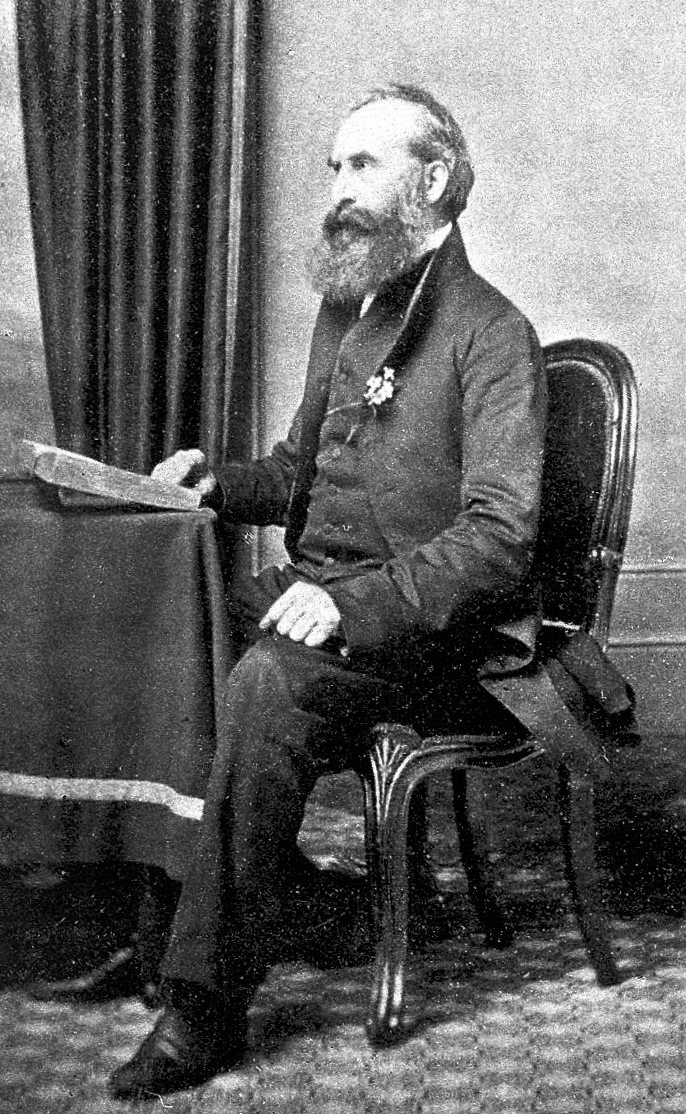
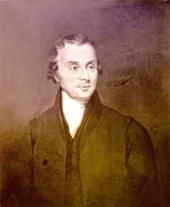
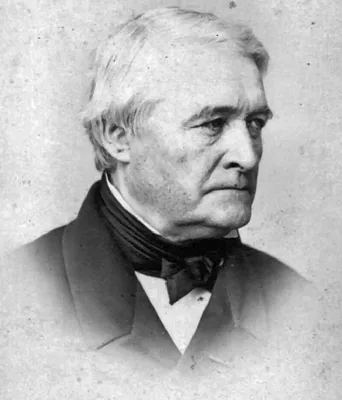
Digital facsimile from Google Books at this link.
1832 CE
#11642
Outlines of the geographical distribution of British plants; belonging to the division of vasculares or cotyledones.
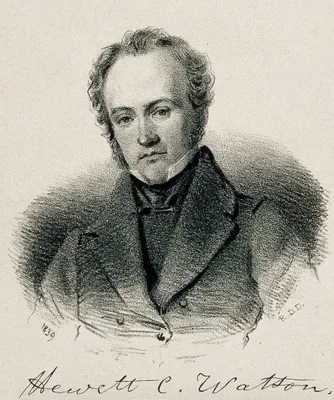
“Watson's major botanical endeavour was producing several versions of a work first entitled Outlines of the Geographical Distribution of British Plants (1832); it reached its most extensive form as Cybele Britan…
1832 CE
#2748.1
Physiologisch-chirurgische Beobachtungen bei Cholera-Kranken.
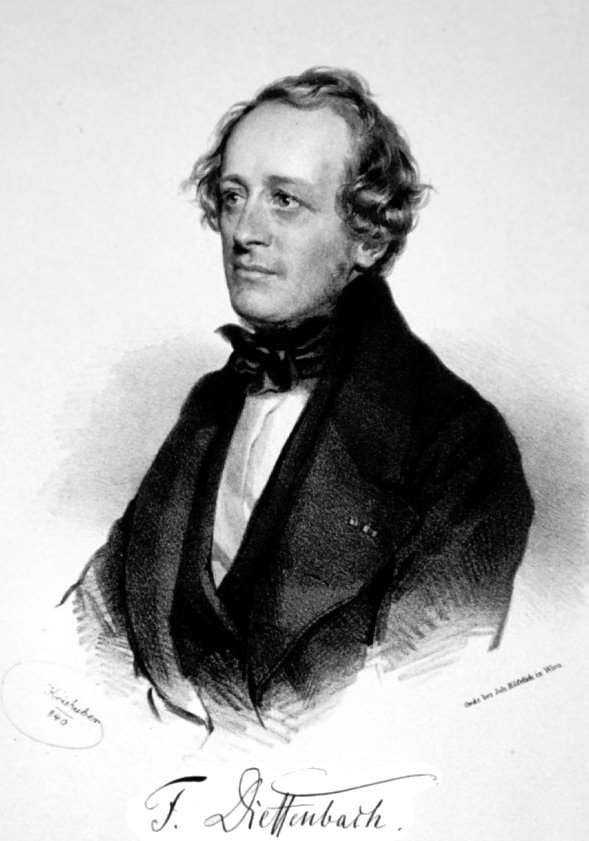
First recorded example of cardiac catheterization, performed during an unsuccessful attempt to obtain blood from a patient suffering from cholera (p. 100). Second edition as separate pamphlet with a new Foreward, G&uu…
1832 CE
#8630
Practical essays on medical education, and the medical profession, in the United States.
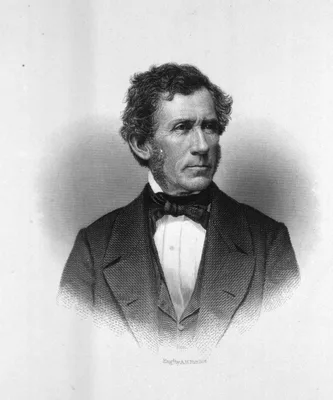
Digital facsimile from the Internet Archive at this link.
1832 CE
#10457
Relation historique et médicale du choléra-morbus de Pologne, comprenant l'apparition de la maladie, sa march, ses progrès, ses symptômes, son mode de traitement et les moyens préservatifs. Avec une carte.
In his study of the spread of cholera in Poland in 1831 Brière de Boismont used a map to show the progression of the disease from a central point through the country along a red line through principal towns and…
1832 CE
#5105
Suggestions respecting the cause, nature, and treatment of cholera.
Parkin suggested the water-born character of cholera and the use of charcoal filters for water purification.
1832 CE
#3113
Sur les maladies chlorotiques et sur un mode de traitement spécifique dans ces affections.
For the treatment of chlorosis Blaud prescribed a pill (Blaud’s pill) composed of sulphate of iron and carbonate of potassium. Preliminary report in Bull. gén. Thérap.,1832, 2,154-55.
1832 CE
#1119
The anatomy of the thymus gland.
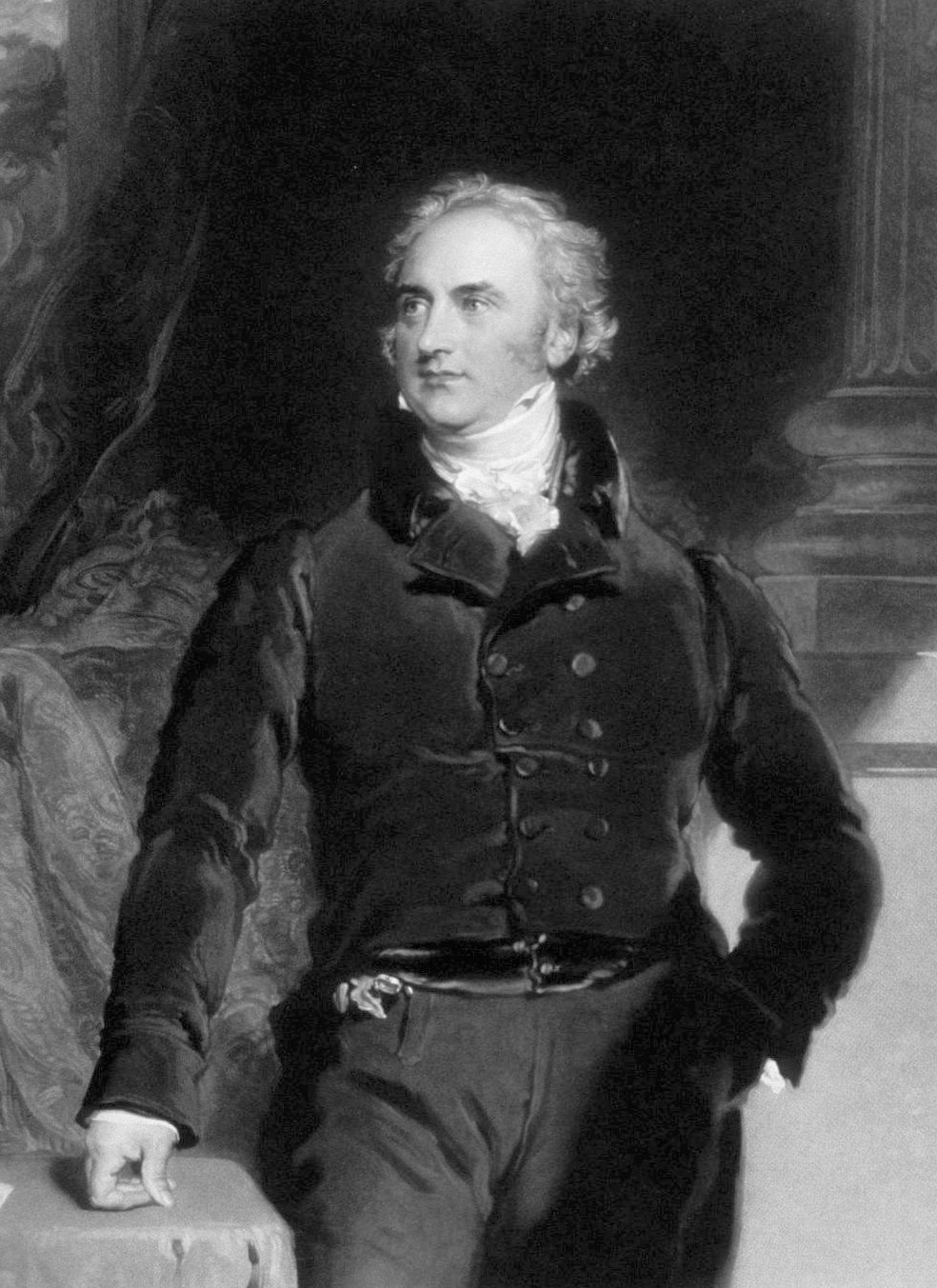
Cooper, the most popular surgeon in London during the early part of the 19th century, was connected with both Guy’s and St. Thomas’s Hospitals. Among his best works is his description of the thymus; he des…
1832 CE
#12667
![HIPPOCRATES, [Ἱπποκράτης; Hippocrates of Kos] (-460 – -370)](/media/portraits/50)