
1770–1779
145 entries with publication dates in this decade.
1774 CE
#2608
Dissertatio academica de cancro.
Peyrilhe was the first to attempt an experimental study to determine the nature of cancer. He injected fluid from human mammary cancer into a dog; however, the dog howled and aggravated his housekeeper, who drowned it…
1774 CE
#1102
Experimental inquiries: Part the second. Containing a description of the lymphatic system in the human subject and in other animals. Together with observations on the lymph, and the changes which it undergoes in some diseases.
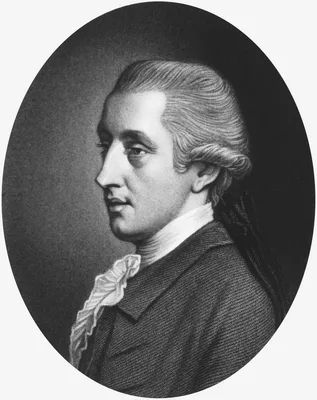
Hewson gave the first complete account of the anatomical peculiarities of the lymphatics. He divided the lymphatics into two groups – superficial and deep. He described the leucocytes as derived from the lymphat…
1774 CE
#13707
La botanique mise à la portée de tout le monde ou collection des plantes d'usage dans la médecine, dans les alimens et dans les arts. Avec des notices instructives puisées dans les auteurs les plus celebres, contenant la description, le climât, la culture, les proprietes et les vertus propres a chaque plante, precedé d’une introduction a la botanique, ou dictionnaire abregé des principaux termes emploiés dans cette science. 3 vols.
One of the most spectacular works of medical botany ever published, in 3 folio volumes with 472 hand-colored plates and 3 hand-colored engraved title pages. Many of the plates by by Genéviève de Nangis R…
1774 CE
#2376
Morborum antiquitates.
Pp. 85-100: “Lists 191 semeiological varieties of syphilis described in the period” (Garrison).
1774 CE
#9519
The seaman's medical instructor, in a course of lectures on accidents and diseases incident to seamen, in the various climates of the world. Calculated for ships that carry no surgeon. The whole delivered in a plain language and founded upon a long and successful experience.
Digital facsimile from the Hathi Trust at this link.
1774 CE
#3357
Traité des maladies chirurgicales et des opérations qui leur conviennent. 3 vols.
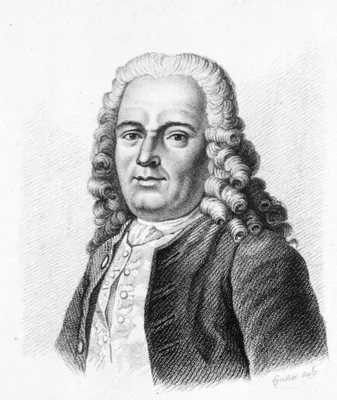
Records (Vol, 1, pp. 153, 160) the first successful operation for mastoiditis, performed by Petit in 1736. “Petit’s hernia” and “triangle” described (vol. 2, pp. 256-58). (See also No. 33…
1774 CE–1775 CE
#5789
Bibliotheca chirurgica. 2 vols
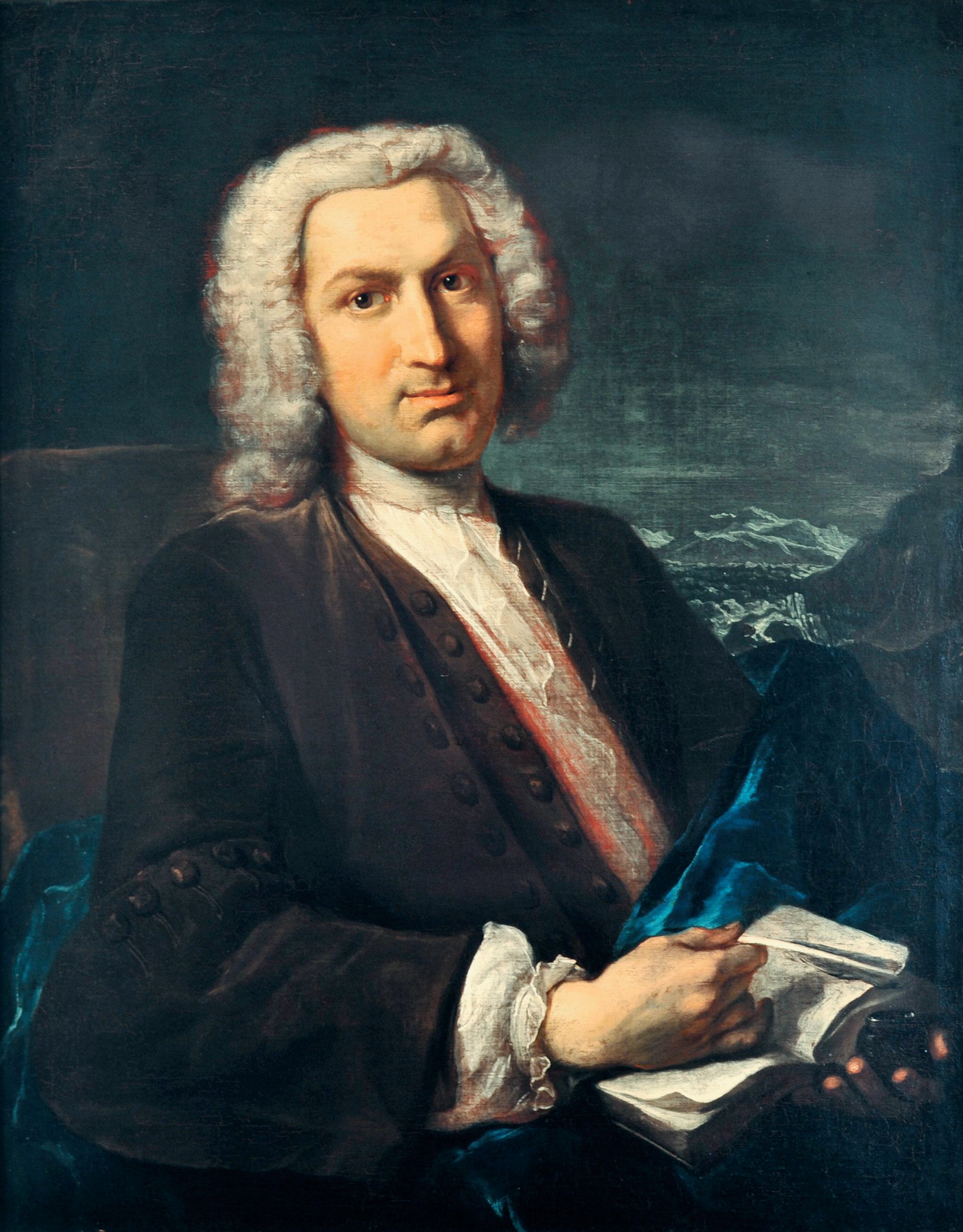
Reprinted, Hildesheim, G. Olms, 1971.
1774 CE–1777 CE
#438
Bibliotheca anatomica. 2 vols.
Haller is one of the greatest names in medical bibliography. While pursuing his monumental scientific career he found time to compile bibliographies of botany, anatomy, medicine and surgery which together form the mos…
1774 CE–1780 CE
#6374.12
Histoire de la chirurgie depuis son origine jusqu’a nos jours. 2 vols.
Dujardin seems to be the first European to discuss acupuncture within its historical context as an ancient remedy still found to be of practical value. His section on Chinese and Japanese medicine appears on pp. 75-10…
1775 CE
#6158
An essay on the uterine haemorrhage, which precedes the delivery of the full grown foetus: illustrated with cases.
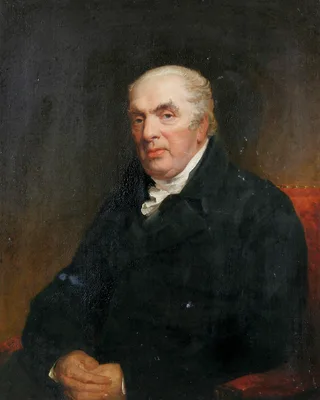
Rigby differentiated between premature separation of the normal placenta (accidental hemorrhage) and placenta praevia (unavoidable hemorrhage).
1775 CE
#7126
Bibliotheca Askeviana, sive Catalogus librorum rarissimorum Antonii Askew, M.D. quorum auctio fiet apud S. Baker & G. Leigh....
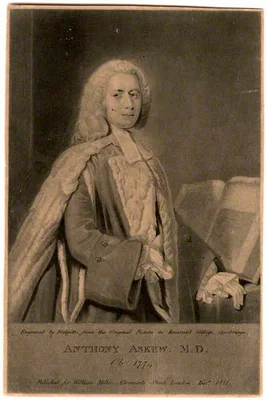
The auction catalogue of the celebrated library formed by the physician and classical scholar Askew, third owner of the famous gold-headed cane. Askew attempted to secure a complete series of all the Greek classics ev…
1775 CE
#2122
Chirurgical observations relative to the cataract, the polypus of the nose, the cancer of the scrotum, etc.
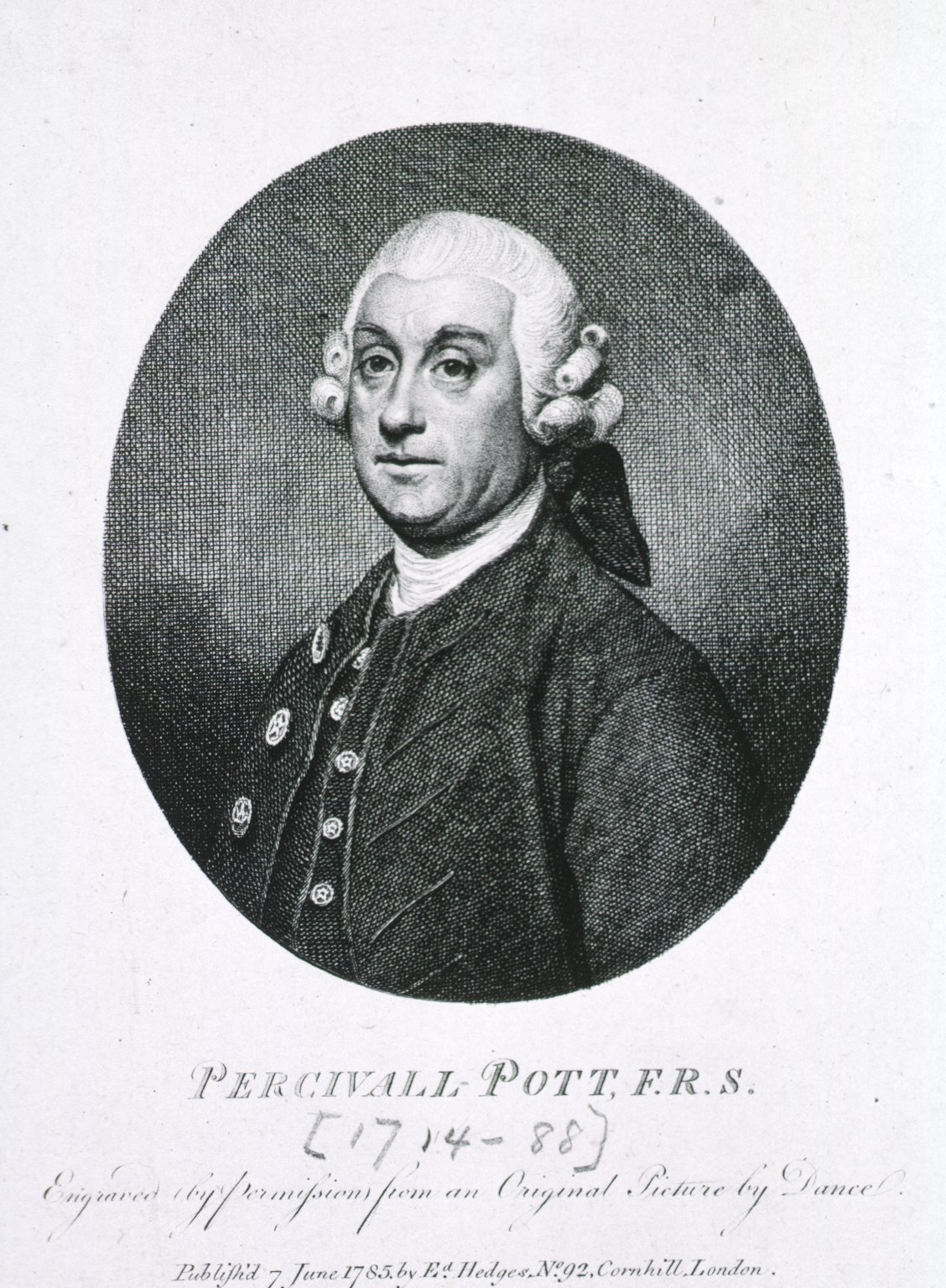
Includes the first description of occupational cancer. By describing chimney sweeps” cancer of the scrotum, Pott was the first to trace the origin of a type of cancer to a specific external cause. The above work…
1775 CE
#156
De generis humani varietate nativa.
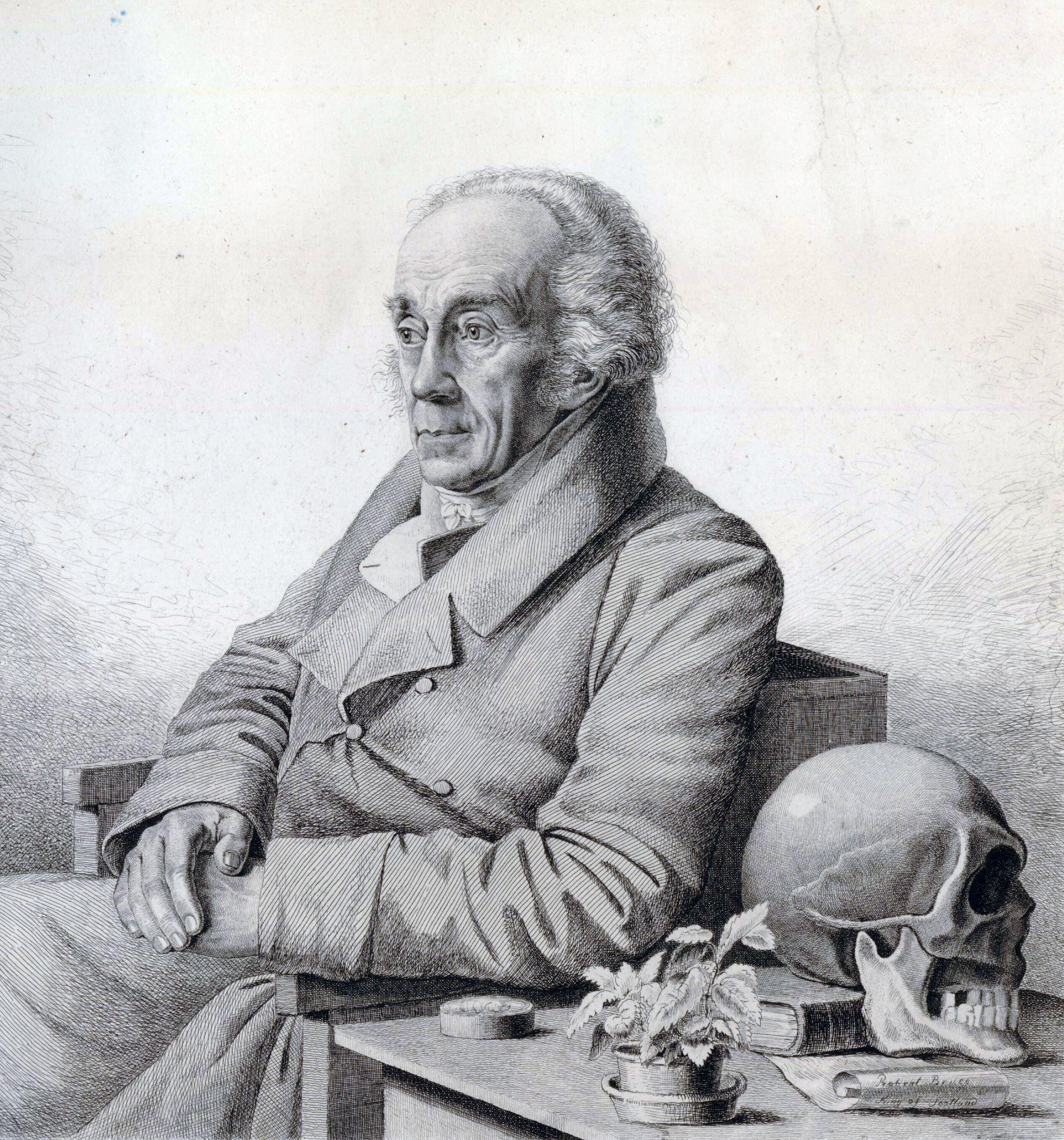
Blumenbach was the founder of anthropology. In this, his doctoral dissertation, he classified mankind into four races, based on selected combinations of head shape, skin color and hair form. In the second edition (178…
1775 CE
#10137
Dictionnaire raisonné d'hippiatrique, cavalerie, manège et maréchallerie. 4 vols.
Digital facsimile from BnFGallica at this link.
1775 CE
#590
Experiments and observations in an heated room.
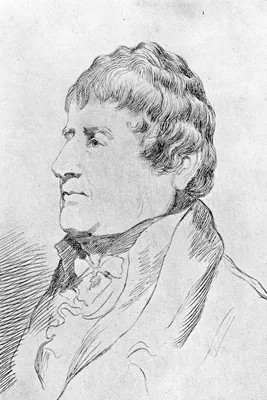
First demonstration of the importance of perspiration in the maintenance of constant body temperature.
1775 CE
#13336
Observations historical, critical, and medical, on the wines of the ancients. And the analogy between them and modern wines. With general observations and qualities of water, and in particular those of Bath.
Digital facsimile from Google Books at this link.
1775 CE
#2155
Plain, concise, practical remarks, on the treatment of wounds and fractures; to which is added an appendix, on camp and military hospitals; principally designed for the use of young military surgeons in North America.
The first surgical work written by an American and printed in North America. Jones’s work was the accepted guide to surgical practice during the American Revolutionary War.
1775 CE
#1117
Recherches sur les maladies chroniques. Vol. 1. Analyse médicinale du sang.
De Bordeu first conceived the idea of internal secretion by his hypothesis that every organ, tissue, and cell discharges into the blood products which influence other parts of the body. His work was published in a col…
1775 CE
#399.1
Septemdecim tabulae…
Santorini died before the completion of these anatomical plates which he intended to be his chef d’oeuvre. This elegantly printed volume is the only significant medical book printed by the celebrated Giambattist…
1775 CE
#7505
The history of the American Indians; particularly those nations adjoining to the Missisippi [sic] East and West Florida, Georgia, South and North Carolina, and Virginia: containing an account of their origin, language, manners, religious and civil customs, laws, form of government, punishments, conduct in war and domestic life, their habits, diet, agriculture, manufactures, diseases and method of cure... With observations on former historians, the conduct of our colony governors, superintendents, missionaries, & c. Also an appendix, containing a description of the Floridas, and the Missisippi [sic] lands, with their productions--the benefits of colonizing Georgiana, and civilizing the Indians--and the way to make all the colonies more valuable to the mother country....
The author characterized himself on the title page as "a Trader with the Indians and a Resident in their Country for Forty Years." Digital facsimile from the Internet Archive at this link.
1775 CE–1776 CE
#75
Opera medica. 3 vols.
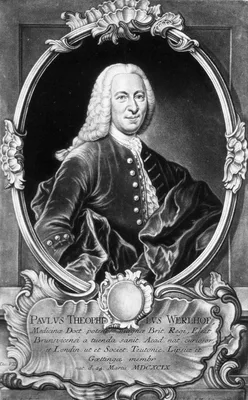
Werlhof, a contemporary and friend of Haller, is remembered for his classic description of purpura haemorrhagica (see No. 3052). He was Court physician at Hannover.
1776 CE
#1833.1
A botanical arrangement of all the vegetables naturally growing in Great Britain, with descriptions of the genera and species, according to the system of the celebrated Linnaeus. Being an attempt to render them familiar to those who are unacquainted with the learned languages. Under each species are added, the most remarkable varieties, the natural places of growth, the duration, the time of flowering, the peculiarities of structure, the common English names; the names of Gerard, Parkinson, Ray and Bauhine. The uses as medicines, or as poisons; as food for men, for brutes, and for insects. With their application in oeconomy and in the arts. With an easy introduction to the study of botany. Shewing the method of investigating plants, and directions how to dry and preserve specimens. The whole illustrated by copper plates and a copious glossary. 2 vols.
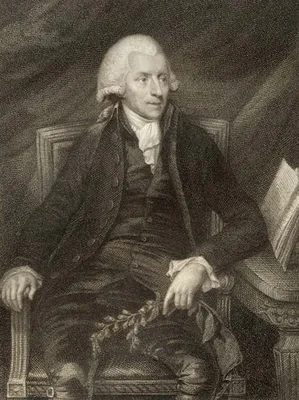
The first flora of Great Britain using Linnean binomial nomenclature, and the first complete scientific classification and description of British plants in the English language. Withering included much information on …
1776 CE
#2156
A discourse upon some late improvements of the means for preserving the health of mariners.
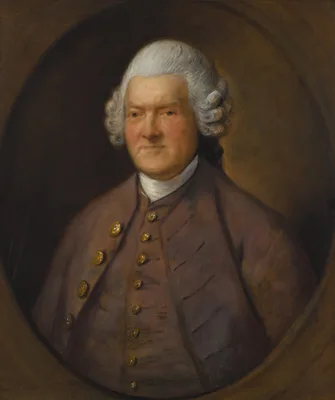
Besides his pioneer work in military medicine, Pringle did much to improve the conditions of sailors afloat. See also Nos. 2150 & 3714.
1776 CE
#1773
An account of the weather and diseases of South-Carolina. 2 vols.
Originally published in the Gentleman’s Magazine, 1751-54.
1776 CE
#11600
Case of an angina pectoris, with remarks. Farther account of the angina pectoris.
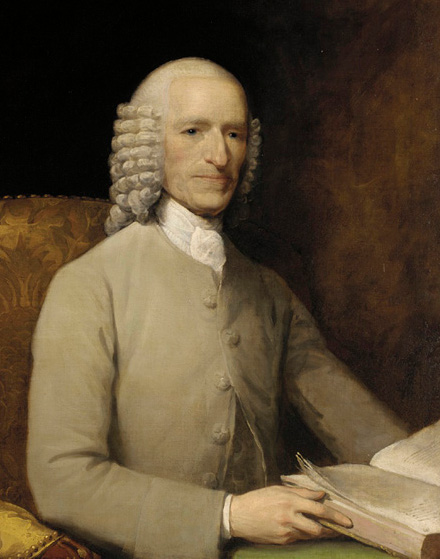
Fothergill was "the first physician to suspect on clinical grounds that the heart might be affected in this condition [angina pectoris] and he was the first to record abnormalities of the myocardium and coronary arter…
1776 CE
#12477
Characteres generum plantarum, quas in itinere ad insulas maris Australis, collegerunt, descripserunt, delinearunt, annis 1772-1775.
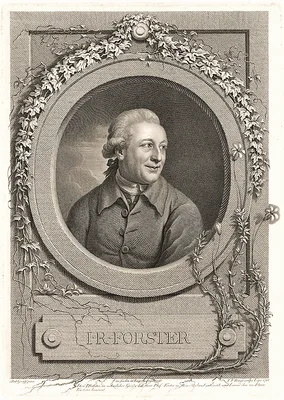
This account of botanical discoveries made by the Forsters in Australia and New Zealand on Cook's second voyage was one of the earliest scientific publications resulting from that voyage. Specimens were illustrated on…
1776 CE
#3982
Doctrina de morbis cutaneis.
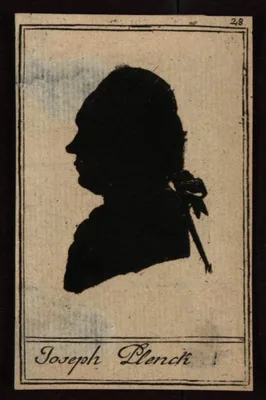
A classification of skin diseases upon the basis of their clinical appearance. Until the time of Willan, von Plenck’s book was the greatest authority on dermatology. He mentioned 115 different skin diseases, all…
1776 CE
#3928
Experiments and observations on the urine in a diabetes.
Dobson proved that the sweetish taste of diabetic urine was produced by sugar, an observation following on Willis’s discovery of the sweetness of diabetic urine. He also discovered hyperglycemia.
1776 CE
#3358
Institution des sourds et muets, par la voie des signes méthodiques.
Includes a reprint of the author’s Institution des sourds et muets; ou, recueil des exercices. Paris, 1774.
1776 CE
#13549
Medicinisch-praktischer Unterricht für die Feld- und Landwundärzte der österreichischen Staaten. 2 vols. [& Supplement:] Die in dem medicinisch-praktischen Unterrichte für die Feld-und Landwundärzte vorkommende Arzneymittel.
This work on "Practical medical lessons for field and land surgeons of the Austrian states," includes a 91-page appendix containing 319 recommended pharmaceuticals for the treatments described in the text. The formula…
1776 CE
#1382.1
Nuova esposizione della vera struttura del cervelletto umano.
The first detailed account of the anatomy of the cerebellum, which introduced the terms, “tonsil”, “pyramid”, “lingula”, and “uvula”. Reprinted in his Encefalotomia a si…
1776 CE
#10388
Observations on disorders to which painters in water colours are exposed.
Concerning lead poisoning from artists' paints.
1776 CE
#1601.1
Observations sur les maladies des nègres, leurs causes, leurs traitemens et les moyens de les prévenir.
Study of the health conditions and diseases of black slaves in the Americas. Digital facsimile of the 1776 edition from Google Books at this link. Second edition, expanded to two volumes. Paris: L'Auteur, 1792.
1776 CE
#4516
Of a painful affection of the face.
Original description of facial neuralgia. Reprinted in Med. Classics, 1940, 5, 100-06.
1776 CE
#102
Opusculi di fisica animale e vegetabile. 2 vols.
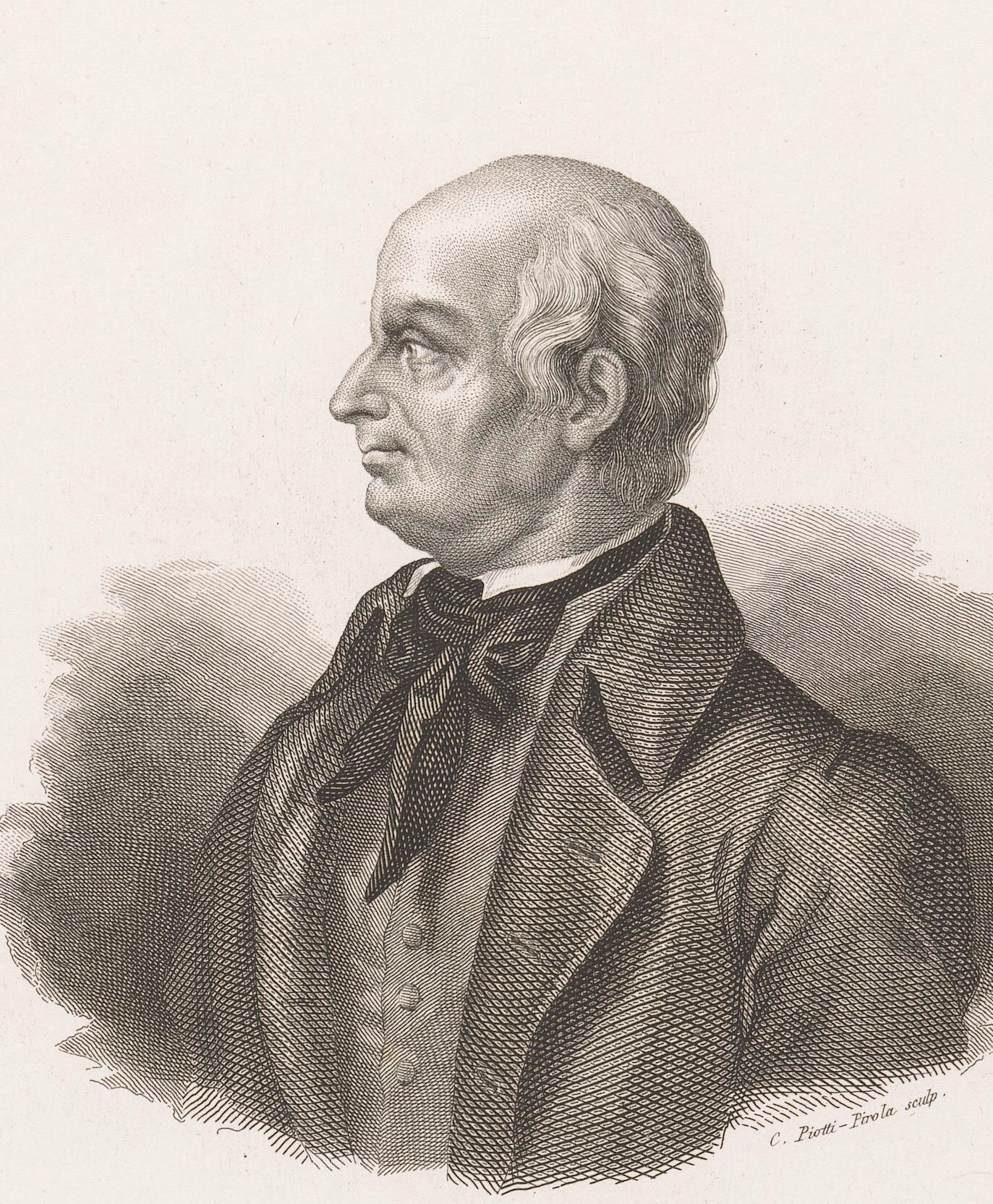
Later refutation of the theory of spontaneous generation. Spallanzani’s conclusions were similar to those expressed by Pasteur nearly a century later. His collected works were published in Milan, 2 vols., 1932-3…
1776 CE
#3714
The method taken for preserving the health of the crew of H.M.S. the Resolution during her late voyage round the world. In: Sir John Pringle, A discourse upon some late improvements in the means for preserving the health of mariners.
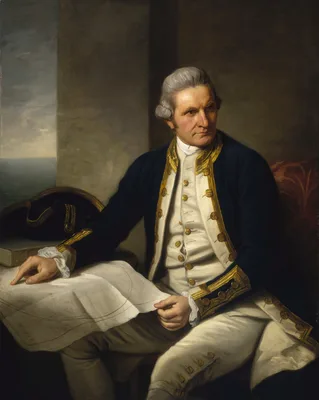
Following the scurvy-preventing suggestions of James Lind, Cook lost only one man to disease on his second voyage from 1768-1771. Reprinted in Phil. Trans., 1776, 66, 402-06. See No. 2156.
1776 CE
#9520
Thoughts on general and partial inoculations: Containing a translation of two treatises written when the author was at Petersburg, and published there in the Russian language; also outlines of two plans: One, for the general inoculation of the poor in small towns and villages. The other, for the general inoculation of the poor in London and other large and populous places.
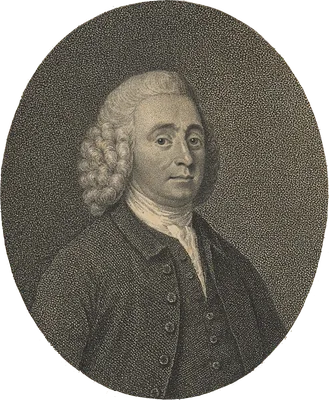
Digital facsimile from the Internet Archive at this link.
1776 CE
#13364
Traité des pians.
One of the earliest medical publications printed in Haiti. Duvivier, Bibliographie générale et méthodique d'Haiti, 2, p. 197.
1776 CE
#668
Undersökning om blasestenen.
Discovery of uric acid. English translation in his Chemical Essays, London, 1786.
1776 CE
#11996
Voyage à la Nouvelle Guinée, dans lequel on trouve la description des lieux, des observations physiques & morales, & des détails relatifs à l'histoire naturelle dans le regne animal & le regne végétal. Enrichi de cent vingt figures en taille douce.
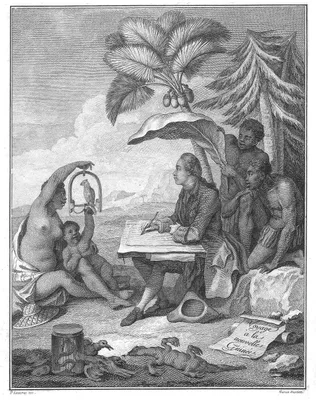
Digital facsimile from Biodiversity Heritage Library at this link.
1776 CE–1778 CE
#12272
(1) Observations sur les maladies épidemiques, Année 1770, ouvrage rédigé d'après le tableau des epidémiques d'Hippocrate, et dans lequel on indique la meilleure méthode d'observer ce genre de maladies ... Publié par ordre du gouvernement, et aux fraix du roi. (2) Collection d'observations sur les maladies et constitutions épidémiques; ouvrage qui expose une suite de quinze années d'observations, & dans lequel les épidémies, les constitutions régnantes & intercurrentes, sont liées, selon le voeu d'Hippocrate, avec les causes météorologiques, locales & relatives aux différens climats, ainsi qu'avec l'histoire naturelle & médicale de la Normandie. On y a joint un appendix sur l'ordre des constitutions épidémiques ... Pub. par ordre du gouvernement .… 3 vols.
The first title, in 1 volume, was published in 1776; the second work in 2 vols., supplementing the first work, was published in 1778. In these two bioclimatological and biogeographical studies of disease in Normandy, …
1776 CE–1788 CE
#6747
Bibliotheca medicinae practicae. 4 vols.
Haller compiled four great bibliographies dealing respectively with botany, anatomy, surgery, and medicine. They formed the most complete reference work of the time, consisting of a classified analysis of over 52,000 …
1777 CE
#5832
An account of persons who could not distinguish colours.
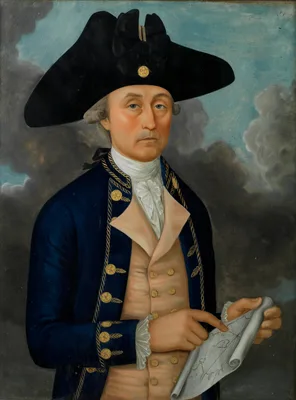
First reliable record of color blindness. Written in the form of a letter to Joseph Priestley, who communicated it to the Royal Society. Huddart was a British hydrographer, engineer and inventor.
1777 CE
#3425
An account of the diseases most incident to children, from their birth till the age of puberty.
This is an enlarged and more important (third) edition of his An essay on the diseases most fatal to infants (1767) No. 6324. Page 49: Important description of congenital hypertrophic pyloric stenosis.
1777 CE
#13764
Bref rörande en resa til Island MDCCLXXII.
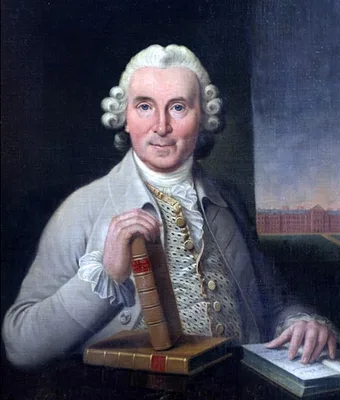
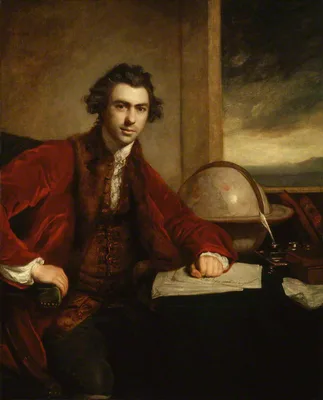
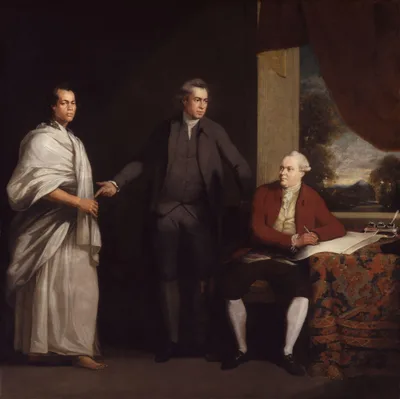
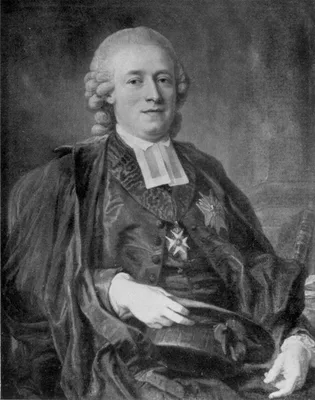
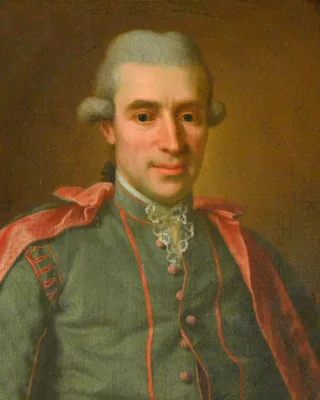
Von Troil’s compilation is the only contemporary printed book steming from Sir Joseph Banks’s pioneering scientfic expedition to Iceland, Banks's first and only expedition as indisputable leader. Having re…
1777 CE
#980
Dissertatio physiologica inauguralis de alimentorum concoctione.
First isolation of human gastric juice. Stevens was also the first successfully to perform an in vitro digestion, proving the presence in the gastric juice of the active principle necessary for the assimilation of foo…
1777 CE
#13452
Geschichte der Mission der Evangelischen Brüder auf den Caraibischen Inseln. Herausgegeben durch Johan Jakob Bossart. 2 vols.
Digital facsimile from Biodiversity Heritage Library at this link.
1777 CE
#1252
Observationes anatomicae de quinto pare nervorum encephali.
Wrisberg, Professor of Anatomy at Göttingen, is remembered for his discovery of the nervus intermedius (“nerve of Wrisberg”), described in the above treatise.
1777 CE
#10157
Règlemens pour les Écoles Royales Vétérinaires de France, divisés en deux parties; la première, contenant la police & la discipline générale: la seconde, concernant l'enseignement en général, l'enseignement en particulier & la police des études.
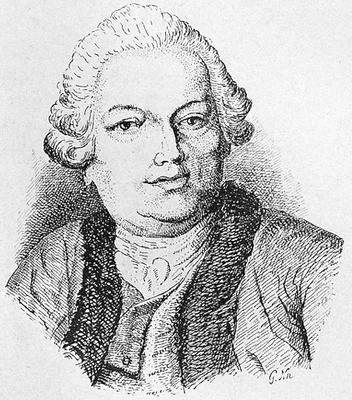
Bourgelat founded the first veterinary school in Lyon, 1761. He later developed the French system of veterinary schools. Digital facsimile from BnFGallica at this link.
1777 CE
#145.53
Specimen zoologiae geographicae, quadrupedem domicilia et migrationes sistens dedit, tabulamque mundi zoographicam adjunxit.
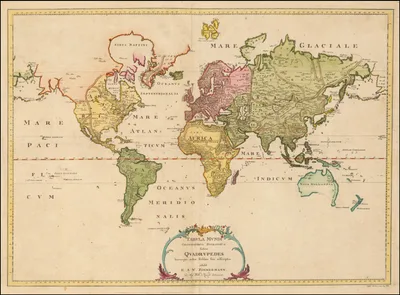
The first textbook of zoogeography, containing the first world map showing the distribution of mammals. French translation of part 1 only by Jakob Mauvillon: Zoologie géographique. Premier article, L'homme (Cas…