
Historical Bibliography Updated: April 6, 2021
A botanical arrangement of all the vegetables naturally growing in Great Britain, with descriptions of the genera and species, according to the system of the celebrated Linnaeus. Being an attempt to render them familiar to those who are unacquainted with the learned languages. Under each species are added, the most remarkable varieties, the natural places of growth, the duration, the time of flowering, the peculiarities of structure, the common English names; the names of Gerard, Parkinson, Ray and Bauhine. The uses as medicines, or as poisons; as food for men, for brutes, and for insects. With their application in oeconomy and in the arts. With an easy introduction to the study of botany. Shewing the method of investigating plants, and directions how to dry and preserve specimens. The whole illustrated by copper plates and a copious glossary. 2 vols.
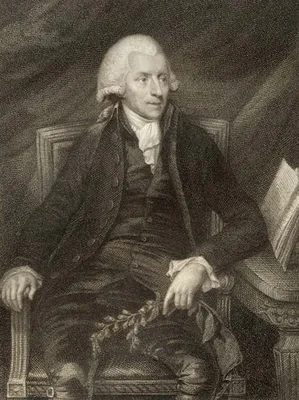
Publication Details
Birmingham: Printed by M. Swinney & London: T. Cadell, 1776 CE.
The first flora of Great Britain using Linnean binomial nomenclature, and the first complete scientific classification and description of British plants in the English language. Withering included much information on natural places of growth, time of flowering, economic uses as foods and drugs, and poisonous properties.
Withering's explanatory title page was notably verbose. Digital facsimile from Google Books at this link.
Browse Tags
Thematic Classifications
| Catalog Metadata | Reference Information |
|---|---|
| Entry Number | #1833.1 |
| Permanent Link | https://staging.historyofmedicine.com/entry/2178 |
| Author Bio Link | Wikipedia ↗ |
| External URL | a-botanical-arrangement-of-ail-the-vegetables-naturally-growing-in-great-britain |
Geographic Context
Publication places: Birmingham; London