
1870–1879
662 entries with publication dates in this decade.
1878 CE
#1276
Leçons sur l’histologie du système nerveux. 2 vols.
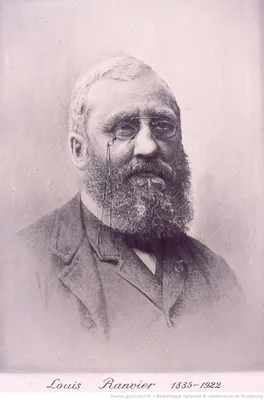
Includes his description of the “nodes of Ranvier”, interruptions of the medullary nerve sheaths.
1878 CE
#2492
Les bactéries.
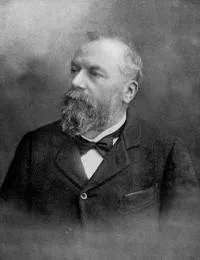
Translated into English by George M. Sternberg as The bacteria (Boston, 1880). Sternberg illustrated the American edition with 5 heliotype reproductions of his own photomicrographs.
1878 CE
#4292
Lithotrity by a single operation.
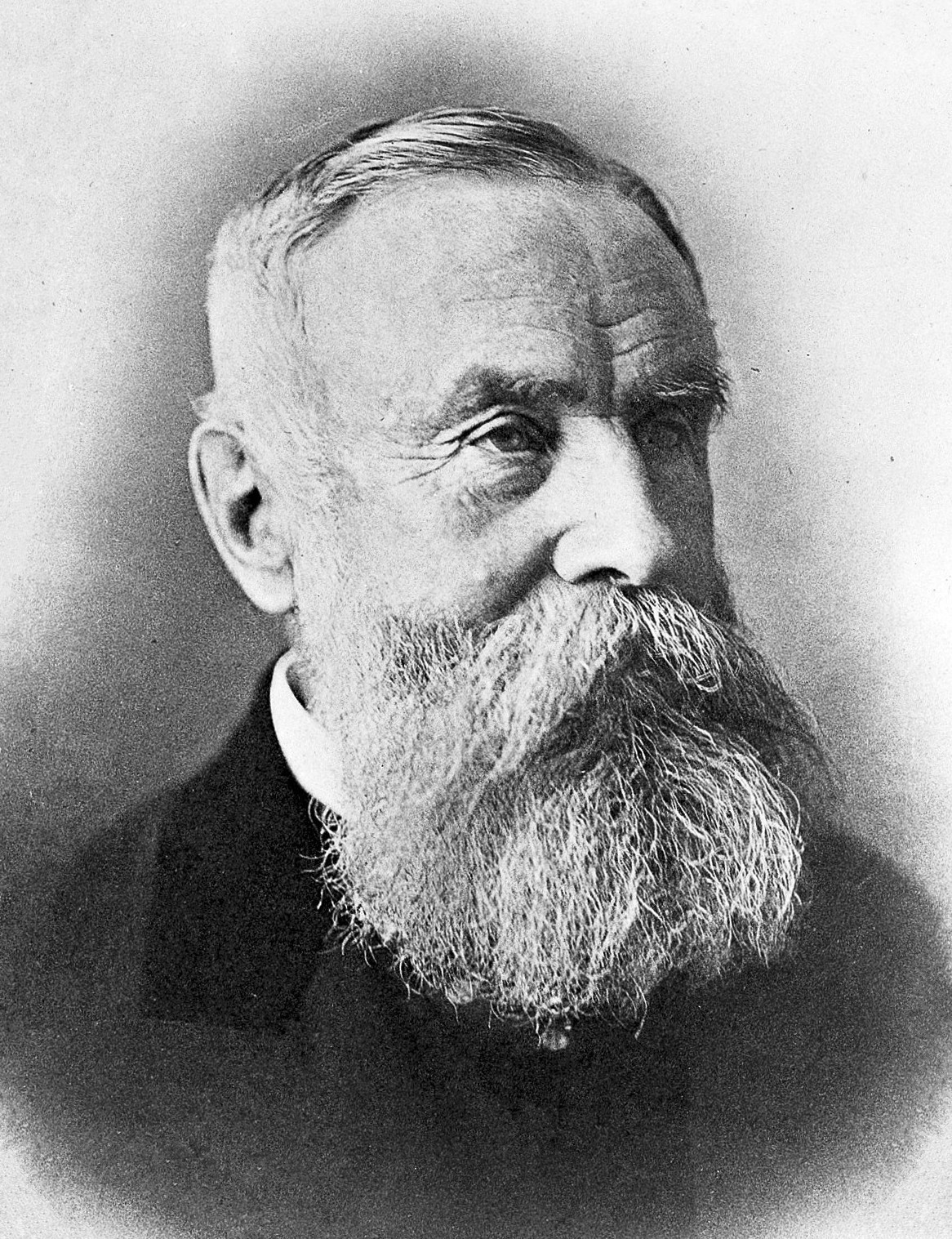
Introduction of litholapaxy at one sitting.
1878 CE
#5511
Neue Beobachtungen auf dem Gebiete der Mykosen des Menschen.
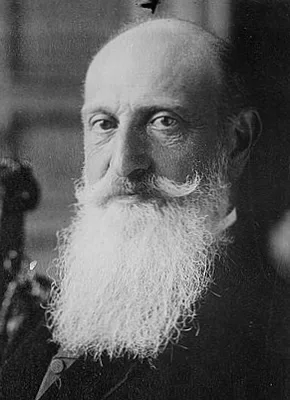
Israel contributed an important early paper on the ray fungus Actinomyces. He included some drawings made by Langenbeck in 1845 and was the first to describe a human case of actinomycosis.
1878 CE
#4559
Neuropathologische Beobachtungen.
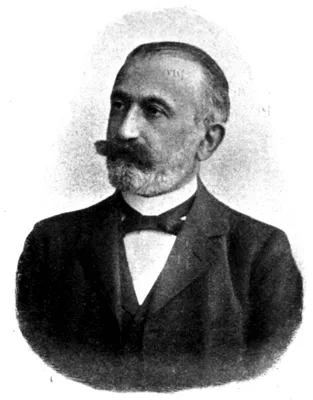
Bernhardt drew attention to meralgia paraesthetica in the leg (“Bernhardt’s disease”) due to disease of the external cutaneous nerve of the thigh.
1878 CE
#268.1
On a large-angled immersion objective, without adjustment collar; with some observations on “numerical aperture”.
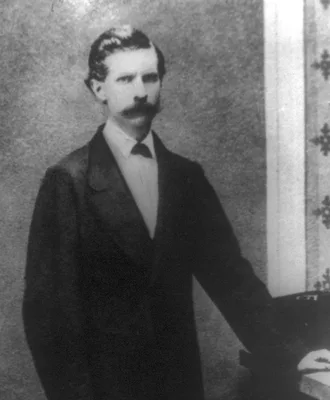
Stephenson suggested the oil immersion lens system to Abbe, who developed it.
1878 CE
#3825
On myxoedema.
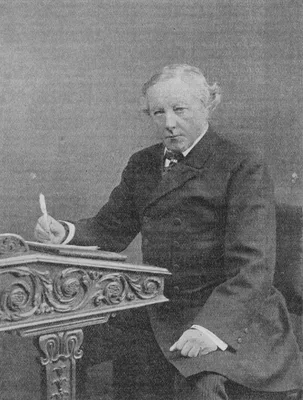
Ord coined the term “myxedema” for the condition noted earlier by Curling and Gull.
1878 CE
#1412
On the comparative structure of the cortex cerebri.
Lewis described the giant cells of the precentral convolution.
1878 CE
#4075.1
On the treatment of psoriasis by an ointment of chrysophanic acid.
Introduction of chrysarobin in dermatology.
1878 CE
#879
Recherches sur l’évolution des hématies dans le sang de l’homme et des vertébrés.
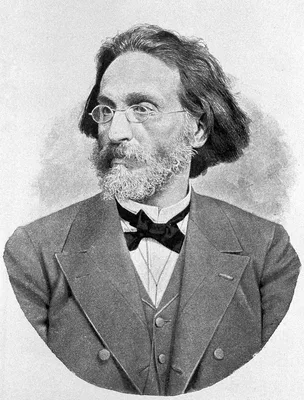
First accurate counts of the blood platelets.
1878 CE
#3625
Remarks on cholecystotomy in dropsy of the gall-bladder.
Sims’ operation of cholecystotomy.
1878 CE
#3768
Specimens illustrative of the pathology of lymphadenoma and leucocythemia
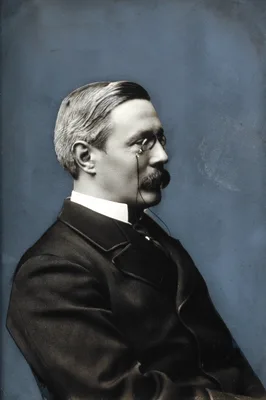
Greenfield also drew attention to the giant cells in lymphadenoma, which later became known as “Dorothy Reed’s giant cells” (see No. 3780).
1878 CE
#4074
Summer prurigo, prurigo aestivalis, seu prurigo adolescentium, seu acne-prurigo.
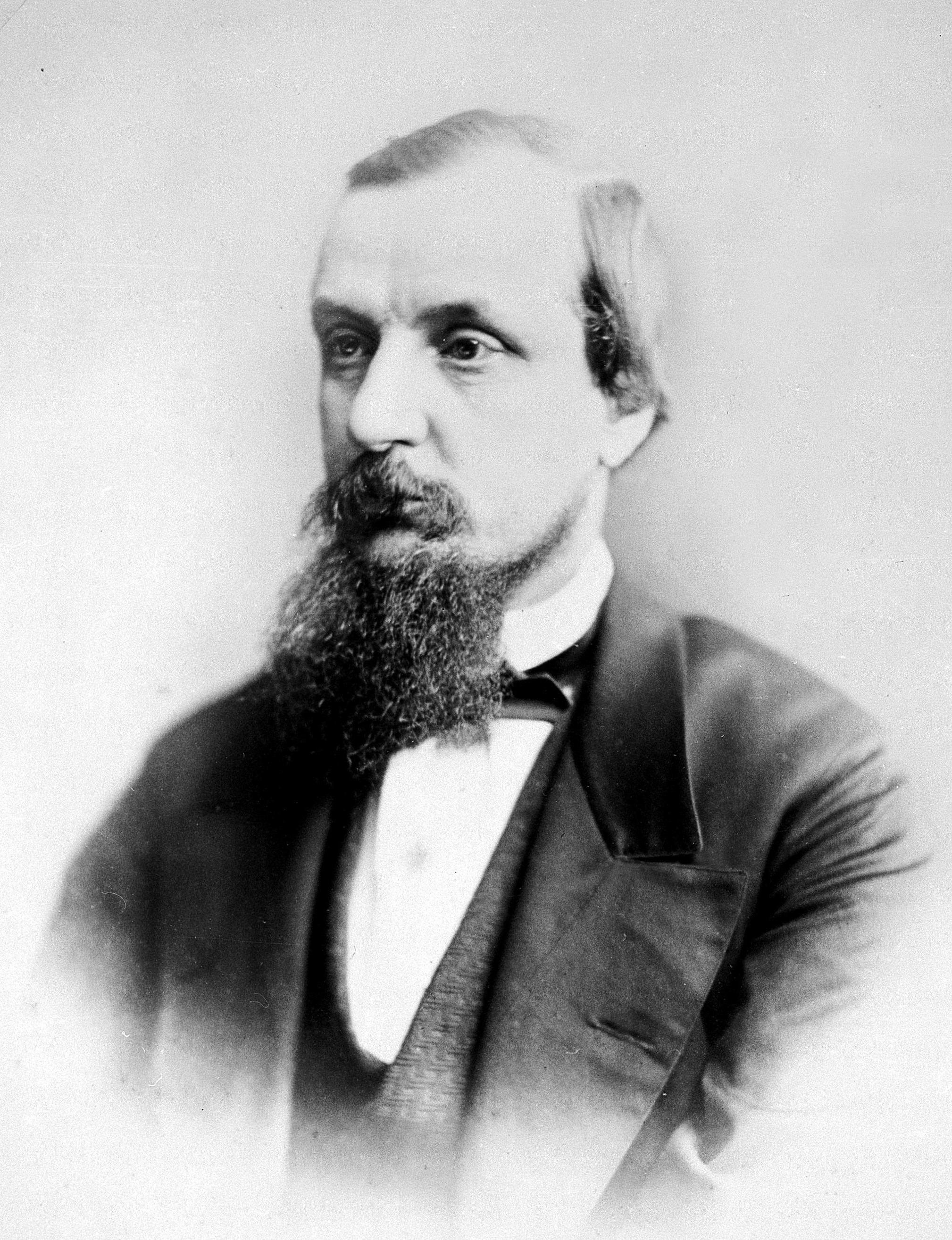
Hutchinson’s summer prurigo.
1878 CE
#11696
The action of medicines.
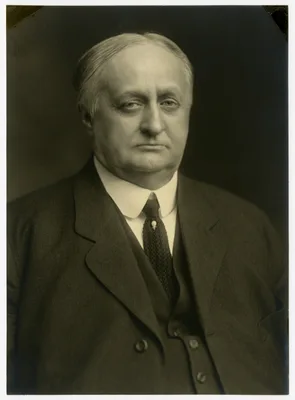
Ott founded experimental pharmacology in America; his book was the first written by an American on the action of medicines.
1878 CE
#499
The embryology of Clepsine.
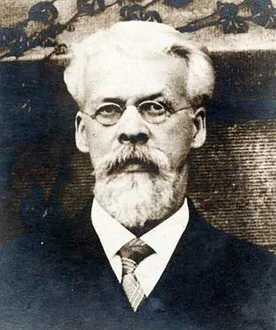
The study of cell-lineage was initiated by Whitman’s paper on Clepsine.
1878 CE
#7745
The life and education of Laura Dewey Bridgman, the deaf, dumb, and blind girl.
Biography of Laura Bridgman (1829-89, the first deaf-blind person ever to read, write, and converse in the finger alphabet. The book includes a signed holograph facsimile of Bridgman's widely circulated religious poem…
1878 CE
#5270.1
The microscopic organisms found in the blood of man and animals, and their relation to disease.
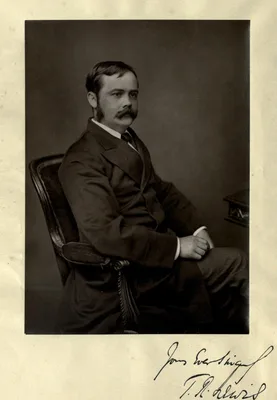
First description of a trypanosome (T. lewisi) in a mammal. Seoarate edition in book form with the same title: Calcutta: Office of the Superintendent of Government Printing, 1879.
1878 CE
#6715.1
The physicians and surgeons of the United States.
The second edition was entitled, A biographical dictionary of contemporary American physicians and surgeons. Philadelphia, D. G. Brinton, 1880. Digital facsimile from the Hathi Trust at this link.
1878 CE
#9497
The poisonous snakes of India: For the use of the officials and others residing in the Indian Empire.
Digital facsimile from the Biodiversity Heritage Library at this link.
1878 CE
#3594
The radical cure of hernia by the antiseptic use of the carbolized catgut ligature.
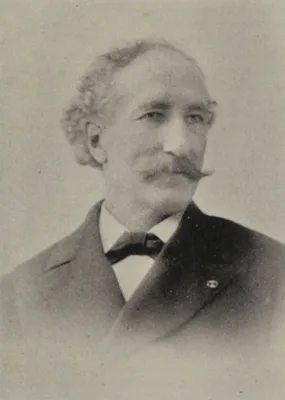
Marcy introduced antiseptic ligatures in the radical cure of hernia. See also No. 3601.
1878 CE
#3285.1
The throat and its diseases, including associated affections of the nose and ear.
1878 CE
#3719
Three cases of scurvy supervening on rickets in young children.
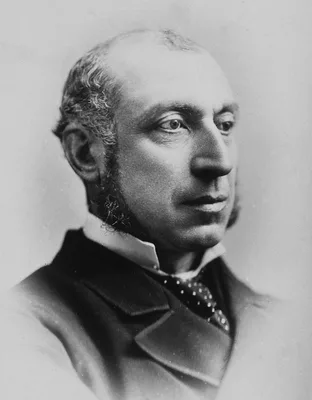
Infantile scurvy was confused with rickets until Cheadle differentiated between the two conditions.
1878 CE
#6193
Traité du palper abdominal au point de vue obstétrical.
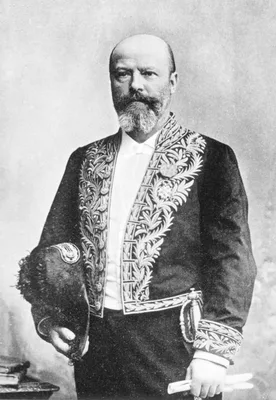
Pinard, professor of obstetrics in Paris, showed the importance of abdominal palpation as an aid to obstetrical diagnosis. English translation, 1885.
1878 CE
#9174
Tropical nature and other essays.
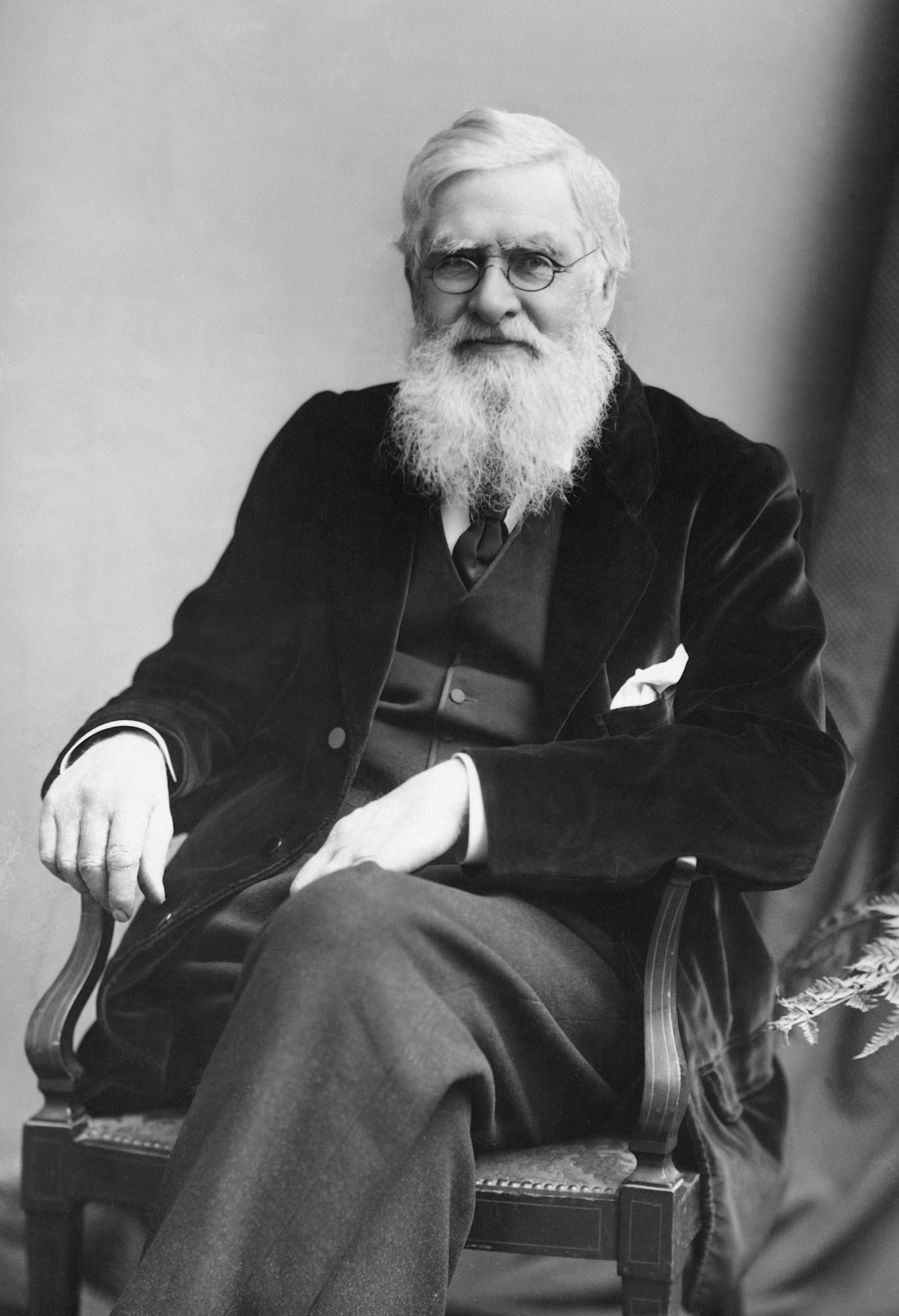
"Wallace's extensive work in biogeography made him aware of the impact of human activities on the natural world. In Tropical Nature and Other Essays (1878), he warned about the dangers of deforestation and soil erosio…
1878 CE
#3470
Ueber den Mastdarmkrebs und die Extirparlo recti.
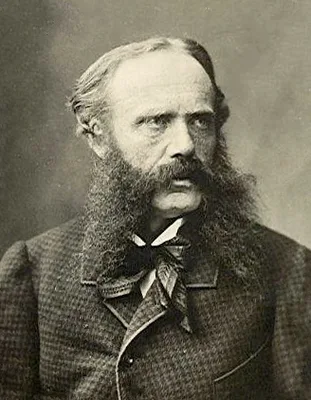
First excision of the rectum for cancer.
1878 CE
#1519
Ueber den Sehpurpur.
Kühne was Professor of Physiology at Amsterdam and Heidelberg. Among his best work is his investigation of visual purple (rhodopsin) which he was first to extract from the retina. Several other papers by him on t…
1878 CE
#1012.1
Ueber die Pepsinbildung in den Pylorusdrusen.
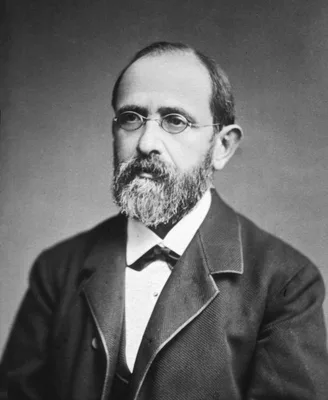
Heidenhain pouch.
1878 CE
#228.1
Ueber die Vortheile der Mimicry bei Schmetterlingen.
Bates’s theory of mimicry did not account for the superficial resemblances between two or more unpalatable species. Müller explained such mimicry, known today as “Müllerian mimicry”. A pred…
1878 CE
#3387.2
Ueber eine neue Methode der Hörprüfung mit Hülfe elektrischer Ströme.
First audiometer.
1878 CE
#5916.1
Ueber Keratoplastik.
Sellerbeck was first to use human donor corneas for transplants. He was not very successful, probably because the antiseptics employed were too strong.
1878 CE
#1120
Ueber secretorische und trophische Drüsennerven.
Investigation of the secretory and trophic nerves of glands. Heidenhain considered all secretory phenomena to be intracellular, rather than mechanical, processes.
1878 CE
#633
Ueber Wärme und Oxydation der lebendigen Materie.
1878 CE
#2536
Untersuchungen über die Aetiologie der Wundinfectionskrankheiten.
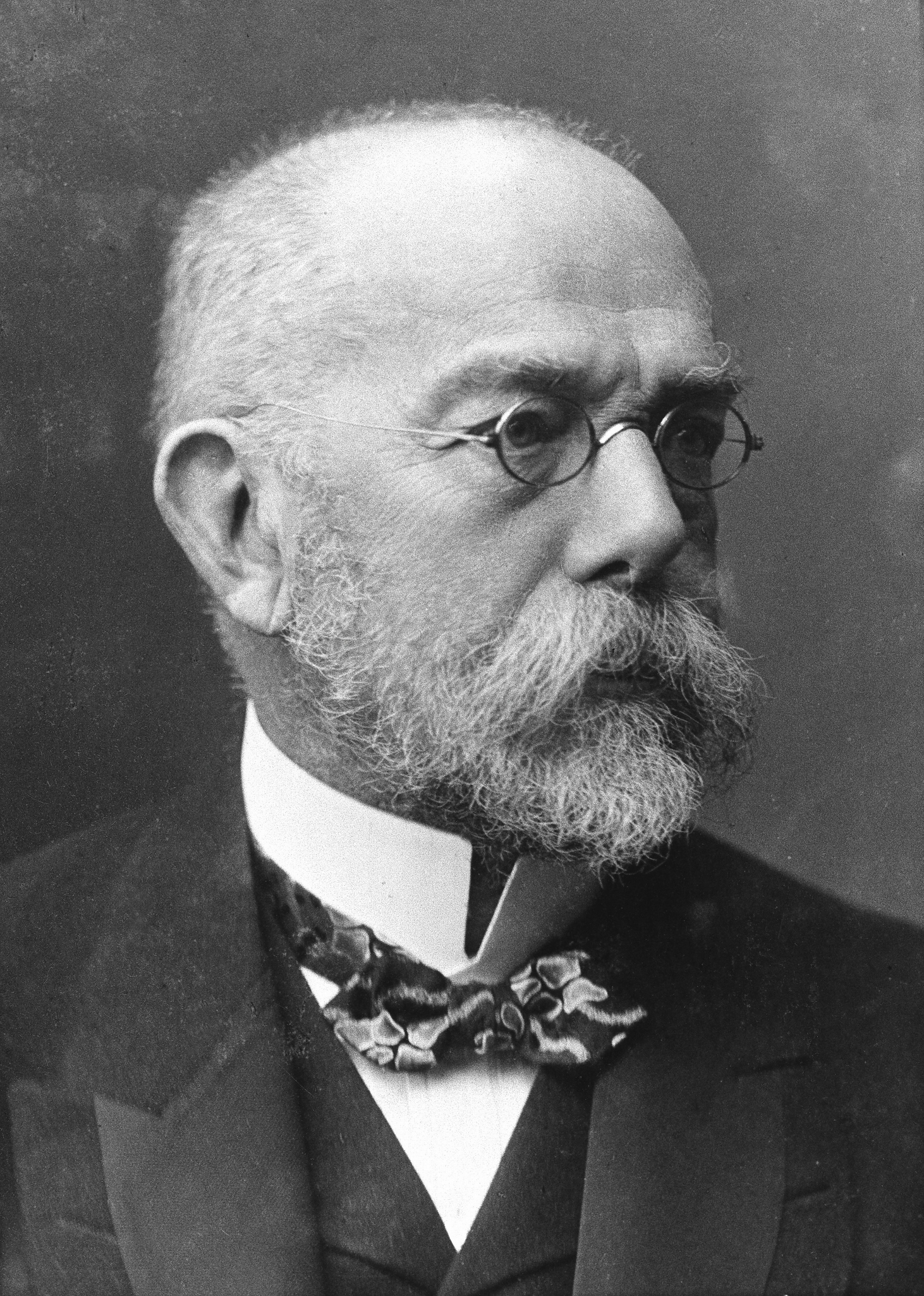
Koch’s epochal work on the etiology of traumatic infectious disease established his reputation. He inoculated animals with material from various sources and produced six types of infection, each due to microorga…
1878 CE
#12257
Weitere Beiträge zur Entstehungsgeschichte der Endocarditis.
Klebs "concluded that most cases of acute endocarditis were caused by 'monads' or by 'septic cocci' " (Bloomfield, Bibliography of internal medicine, selected diseases, 43-44). Klebs believed that all cases of endocar…
1878 CE
#12401
William Harvey: A history of the discovery of the circulation of the blood
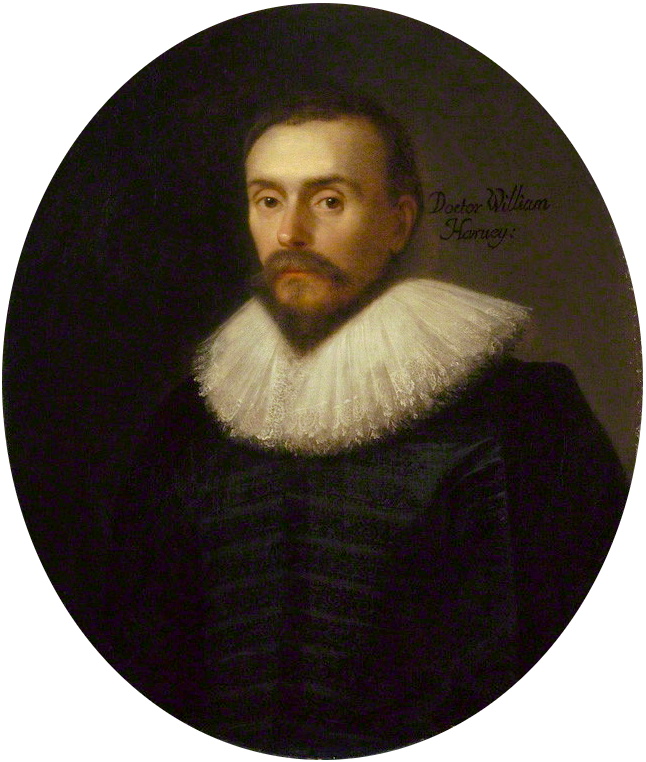
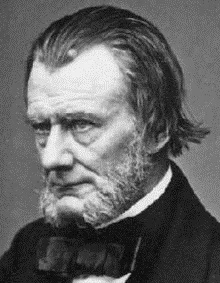
Digital facsimile from the Hathi Trust at this link.
1878 CE–1879 CE
#8966
Alexander von Tralles. Original-Text und Übersetzung nebst einer einleitenden Abhandlung. Ein Beitrag zur Geschichte der Medicin. 2 vols.
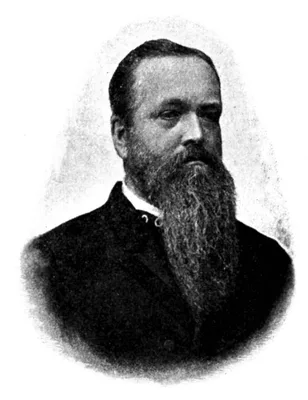
Digital facsimile from the Internet Archive at this link.
1878 CE–1879 CE
#2034
Bibliotheca therapeutica, or bibliography of therapeutics, chiefly in reference to articles of the materia medica, with numerous critical, historical, and therapeutical annotations, and an appendix containing the bibliography of British mineral waters. 2 vols.
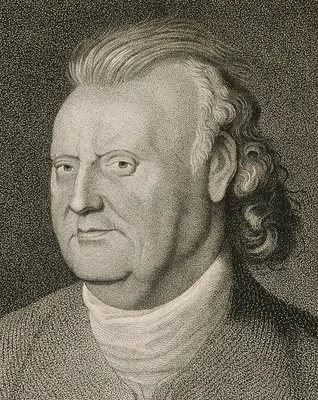
References to over 10,000 items, ‘arranged under 660 separate headings or articles,’ some with comments by the compiler. Digital facsimile from the Hathi Trust at this link.
1878 CE–1879 CE
#2392
Das Contagium der Syphilis. Eine experimentelle Studie.
Klebs inoculated syphilis into apes and probably saw the spirochete before Schaudinn and Hoffmann.
1878 CE–1879 CE
#3469
Volvulus flexurae sigmoideae coli – Laparo-colotomia – Helsa.
First recorded operation for volvulus.
1878 CE–1880 CE
#11788
American ornithological bibliography. 4 parts. (Also called "Ornithological bibliography").
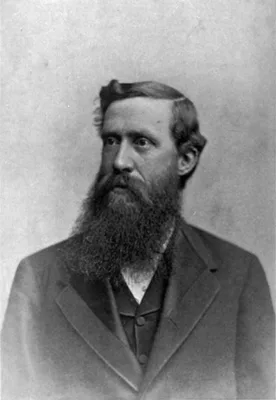
This is an exhaustive work up to time of publications, including scientific references to American birds in publications, the titles of which do not indicate any ornithological material. [Pt. 1.] Geological and Geogra…
1878 CE–1882 CE
#3387
Lehrbuch der Ohrenheilkunde. 2 pts.
Politzer was one of the greatest of all otologists. He was the first Professor of Otology in Vienna and his textbook was for many years the standard authority on the subject. English translation, 1883.
1878 CE–1883 CE
#7515
Les produits de la nature japonaise et chinoise: comprenant la dénomination, l'histoire et les applications aux arts, à l'industrie, à l'économie, à la médecine, etc. des substances qui dérivent des trois règnes de la nature et qui sont employées par les Japonais et les Chinois / Partie inorganique et minéralogique, contenant la description des minéraux et des substances qui dérivent du règne minéral.
Digital facsimile from Google Books at this link.
1879 CE
#12418
Resektion af refben vid kroniskt empyem. C. R. Sur la résection des côtes dans l'empyème chronique.
Esklander proposed a new method of surgery, involving sectioning of the ribs, to cure a condition previously considered incurable caused by chronic purulent pleurisy.
1879 CE
#4560.1
A case of partial epilepsy, apparently due to a lesion of one of the vasomotor centres of the brain.
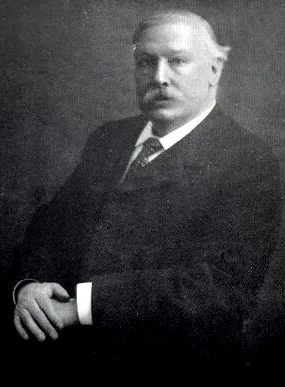
“Sturge–Weber syndrome” – association of a port-wine nevus in the skin of the face with a vascular abnormality of the meninges on the same side. See No. 4605.2.
1879 CE
#11248
Additional notes on filaria sanguinis hominis and filiaria disease.
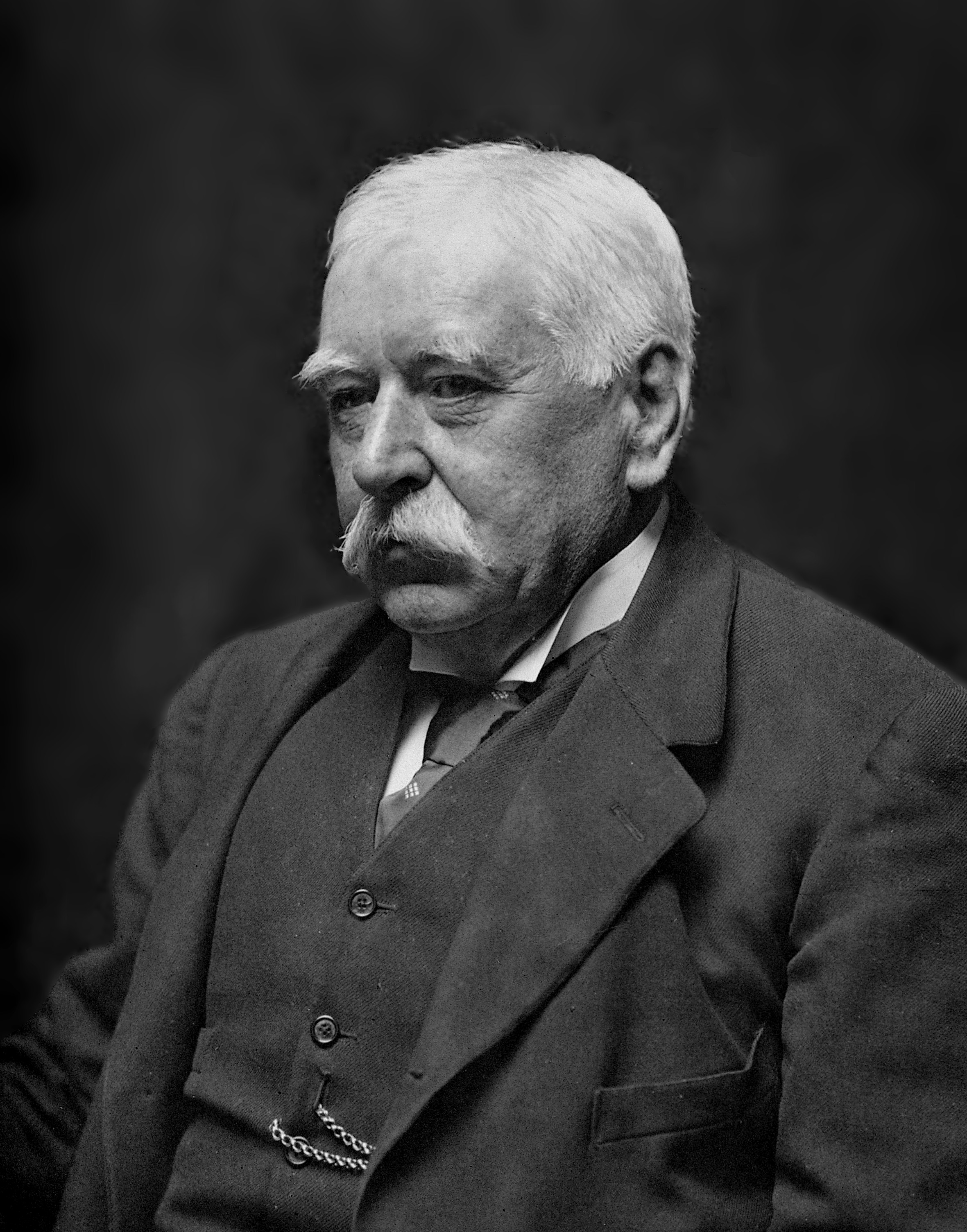
On p. 36 of this paper Manson first described nocturnal periodicity in Filaria Bancrofti, an adaptation to the nocturnal biting habits of their mosquito vector. (Thanks to Juan Weiss for this reference and its interpr…
1879 CE
#878
An apparatus for the clinical estimation of haemoglobin.
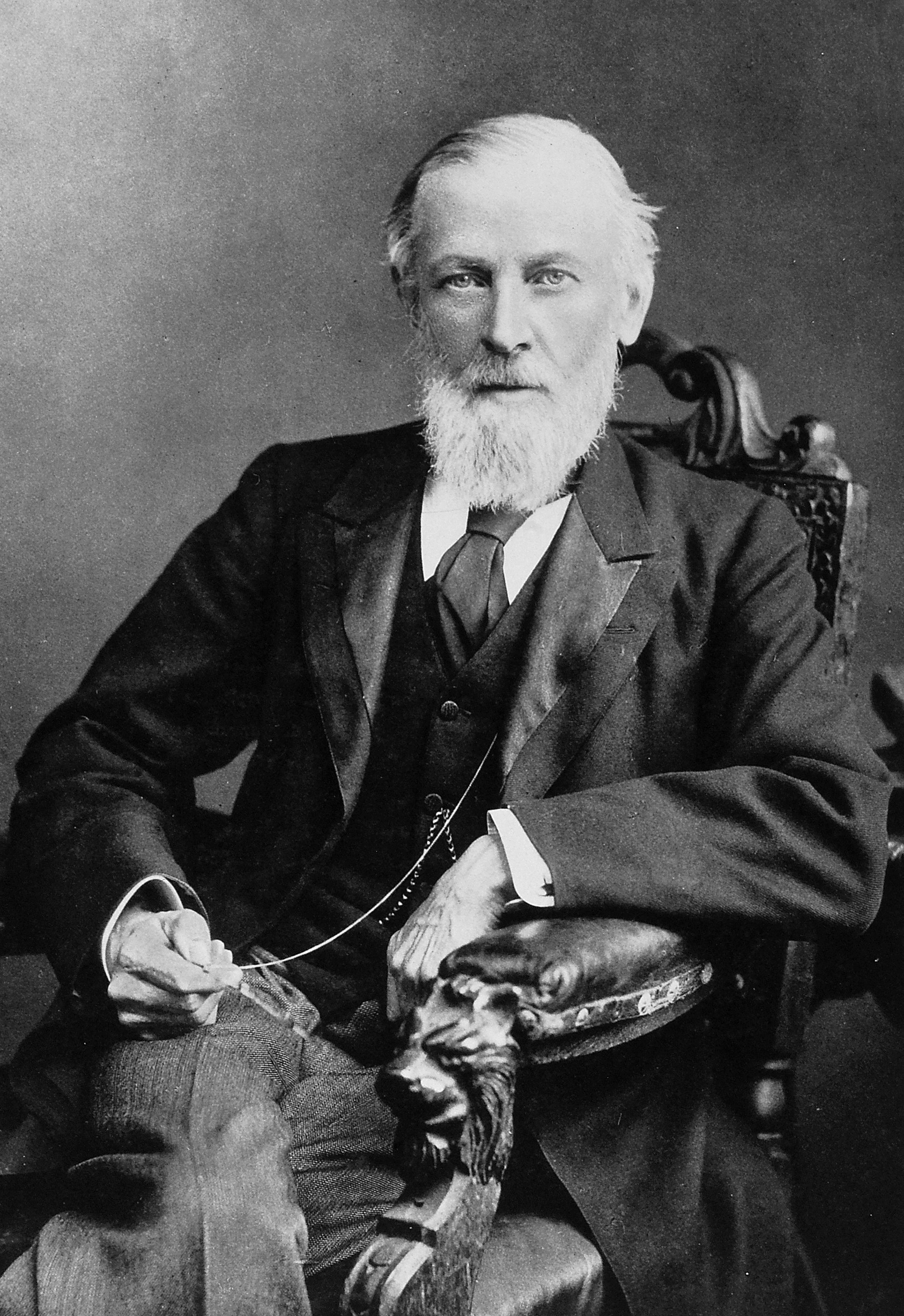
Gowers introduced the colorimetric method of estimating hemoglobin and devised a hemoglobinometer for the purpose. This was modified by Haldane (see No. 891). Previously Hoppe-Seyler had used a hematinometer.
1879 CE
#5527
Beitrag zur Frage des Pneumotyphus. (Eine Hausepidemie in Uster[Schweiz] betreffend.)
First description of psittacosis in a human.
1879 CE
#553.1
Beitrage zur Kenntniss der granulirten Bindegewebszellen und der eosinophilen Leukocyten.
Mast cells; see No. 548.1.
1879 CE
#122
Beiträge zur Kenntniss der Zelle und ihrer Lebenserscheinungen
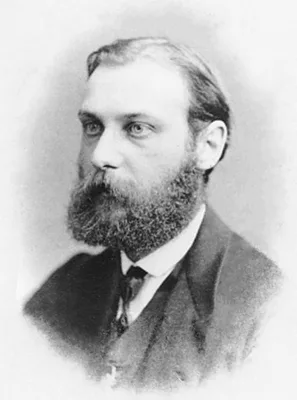
Classic account of cell division and karyokinesis. Flemming named the nuclear substance “chromatin” and gave the name “mitosis” to cell division. Translation of Part II in J. Cell Biol., 1965, …
1879 CE
#13855
Bibliotheca dermatologica. Catalogue of cutaneous literature in the library of Henry G. Piffard.
Digital facsimile from the Hathi Trust at this link.