
Tropical nature and other essays.
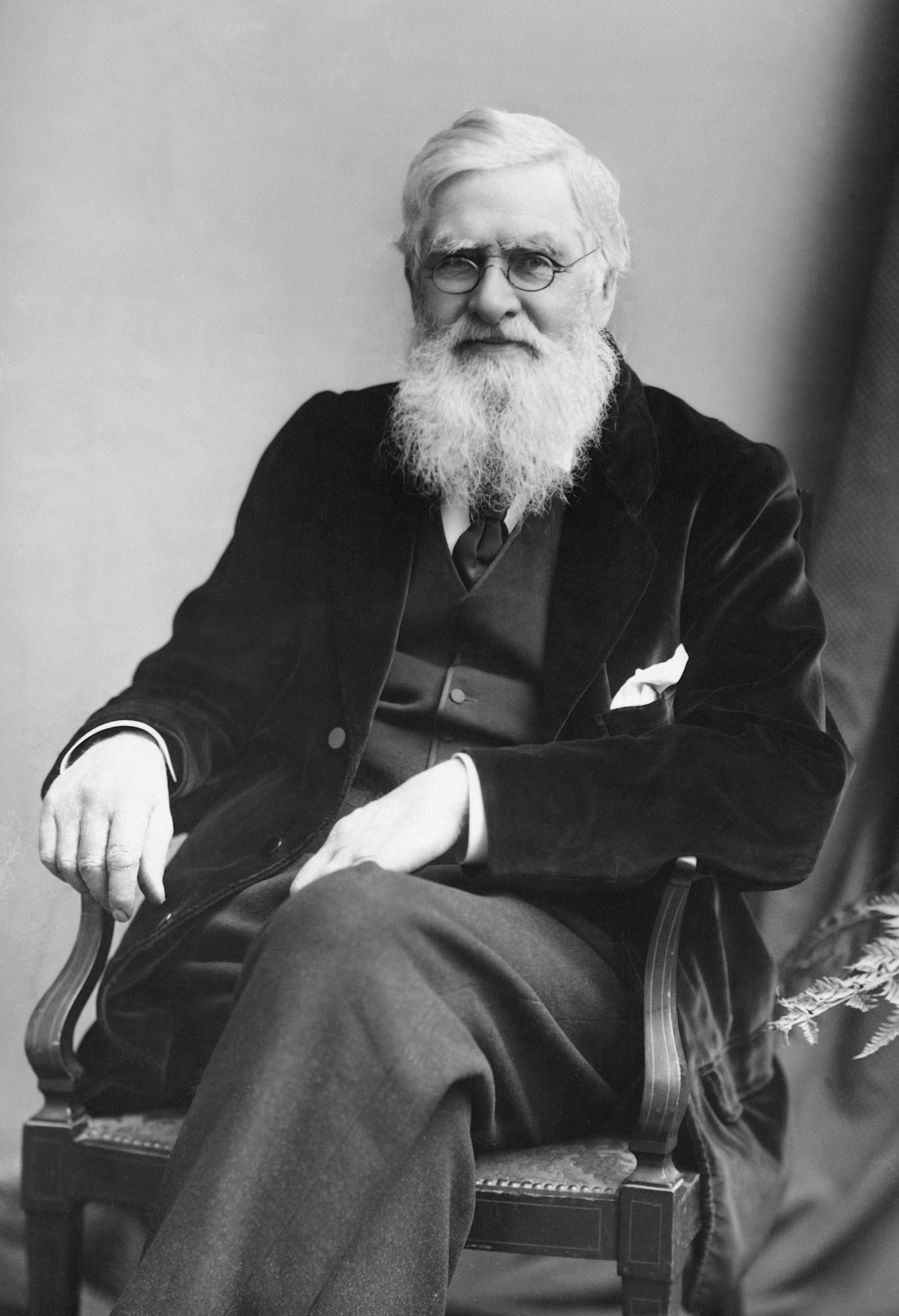
Publication Details
London: Macmillan, 1878 CE.
"Wallace's extensive work in biogeography made him aware of the impact of human activities on the natural world. In Tropical Nature and Other Essays (1878), he warned about the dangers of deforestation and soil erosion, especially in tropical climates prone to heavy rainfall. Noting the complex interactions between vegetation and climate, he warned that the extensive clearing of rainforest for coffee cultivation in Ceylon (Sri Lanka) and India would adversely impact the climate in those countries and lead to their eventual impoverishment due to soil erosion.[127] In Island Life, Wallace again mentioned deforestation and also the impact of invasive species. On the impact of European colonisation on the island of Saint Helena, he wrote:
... yet the general aspect of the island is now so barren and forbidding that some persons find it difficult to believe that it was once all green and fertile. The cause of this change is, however, very easily explained. The rich soil formed by decomposed volcanic rock and vegetable deposits could only be retained on the steep slopes so long as it was protected by the vegetation to which it in great part owed its origin. When this was destroyed, the heavy tropical rains soon washed away the soil, and has left a vast expanse of bare rock or sterile clay. This irreparable destruction was caused, in the first place, by goats, which were introduced by the Portuguese in 1513, and increased so rapidly that in 1588 they existed in the thousands. These animals are the greatest of all foes to trees, because they eat off the young seedlings, and thus prevent the natural restoration of the forest. They were, however, aided by the reckless waste of man. The East India Company took possession of the island in 1651, and about the year 1700 it began to be seen that the forests were fast diminishing, and required some protection. Two of the native trees, redwood and ebony, were good for tanning, and, to save trouble, the bark was wastefully stripped from the trunks only, the remainder being left to rot; while in 1709 a large quantity of the rapidly disappearing ebony was used to burn lime for building fortifications![128]" (Wikipedia article on Alfred Russel Wallace, accessed 02-2017).
Digital facsimile from the Internet Archive at this link.
Browse Tags
Thematic Classifications
| Catalog Metadata | Reference Information |
|---|---|
| Entry Number | #9174 |
| Permanent Link | https://staging.historyofmedicine.com/entry/11353 |
| Author Bio Link | Wallace Online ↗ |
| External URL | tropical-nature-and-other-essays |
Geographic Context
Publication place: London