
1830–1839
385 entries with publication dates in this decade.
1834 CE
#1457
De pulsu, resorptione, auditu et tactu. Annotationes anatomicae et physiologicae.
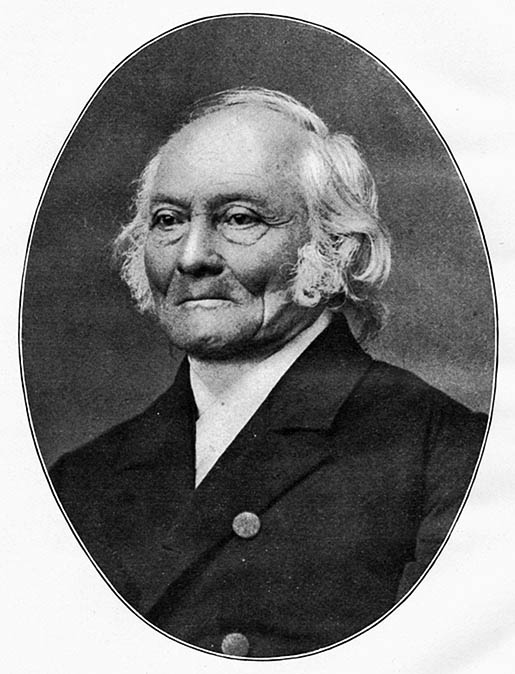
Includes Weber’s law on the relationship between stimulus and sensation. English translation of De tactu, New York Academic Press, 1978. Weber's hearing test is on p.41.
1834 CE
#14017
Graphic illustrations of abortion and the diseases of menstruation. Consisting of twelve plates from drawings engraved on stone, and coloured by Mr. J. Perry, and two copperplates from the Philosophical transactions, coloured by the same artist. The whole representing forty-five specimens of aborted ova and adventitious productions of the uterus, with preliminary observations, explanations of the figures, and remarks anatomical and physiological.
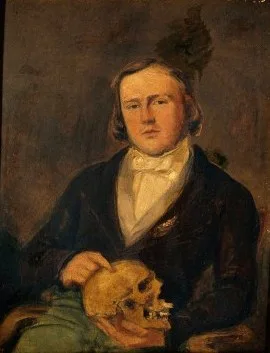
Concerns miscarriage and aberrant gestation rather than removal or expulsion of embryo or fetus. Digital facsimile from wellcomecollection.org at this link.
1834 CE
#1993
Gymnastikens allmänna grunder.
The foundation of modern gymnastics and therapeutic massage. Ling established the Swedish school of physiotherapy with his institute for training gymnastics teachers in Stockholm in 1813. He developed the ancient Gree…
1834 CE
#8662
Hortus medicus, or figures and descriptions of the more important plants used in medicine, or possessed of poisonous qualities; with their medical properties, chemical analysis, &c. &c
This materia medica, with fine hand-colored plates, also includes and illustrates poisonous plants with detailed discussion of their properties. It includes recommended dosages for pharmaceutical preparations. Digital…
1834 CE
#3222
Illustrations of pulmonary consumption.
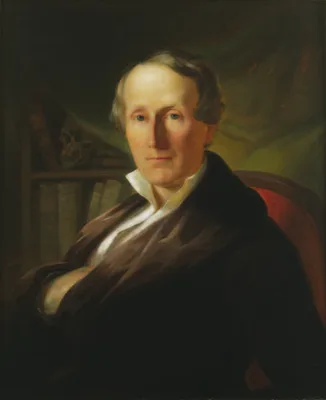
Morton published an important collection of illustrations delineating pulmonary tuberculosis which epitomized the knowledge of his time. It was also the first book on the subject published in the United States. Digita…
1834 CE
#10394
Jurisprudence de la médecine, de la chirurgie, et de la pharmacie en France, comprenant la médecine légale, la police médicale, la responsabilitié des médecins, chirurgiens, pharmaciens, etc, l'exposé et la discussion des lois, ordonnances, réglemens et instructions concernant l'art de guérir, appuyé des jugemens des cours et des tribunaux.
Digital facsimile from Google Books at this link.
1834 CE
#2748.2
Le sphygmomètre; instrument qui traduit à l’oeil toute l’action des artères.
Hérisson invented an instrument for recording blood pressure. Translated into English as The sphygmometer, an instrument which renders the action of the arteries apparent to the eye. A memoir... with an improve…
1834 CE
#5591
Manuel de médecine opératoire.
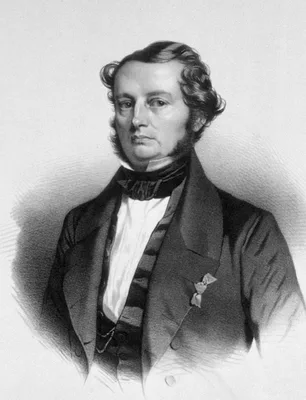
Malgaigne was a brilliant lecturer, notable also as a historian of medieval surgery. His Manuel was an important work on operative surgery, and was translated into English, German, Italian, and Arabic.
1834 CE
#13415
Mémoire comparatif sur l'histoire naturelle de l'insecte de la gale.
Raspail first described and illustrated the Sarcoptes scabei, diffrentiating it from the horse's sarcopt and the cheese moth that Galès and Patrix, followed by Alibert, had confused with the scabies parasite. R…
1834 CE
#6029
Mémoire sur la restauration du périnée chez la femme dans les cas de division ou de rupture complète de cette partie.
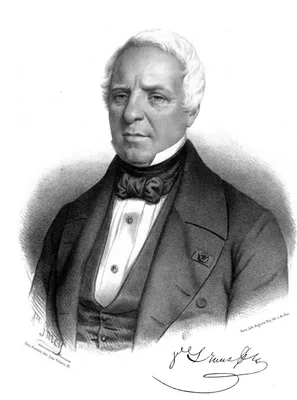
Roux was the first to suture the ruptured female perineum.
1834 CE
#4167
On the anatomy and diseases of the neck of the bladder, and of the urethra.
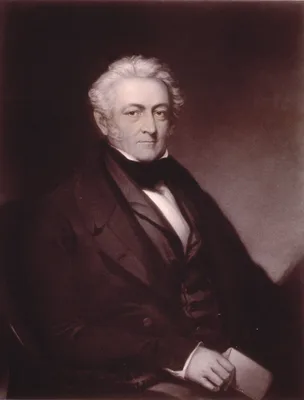
Guthrie was the first to describe non-prostatic obstruction at the neck of the bladder. On p. 252 of the above work is an account of Guthrie’s prostatic catheter for use in trans-urethral prostatectomy.
1834 CE
#13091
Pharmacopoeia Homoeopathica.
The first systematic work on homeopathy published in England. A rather late work to be published in Latin.
1834 CE
#2289
Principles and illustrations of morbid anatomy.
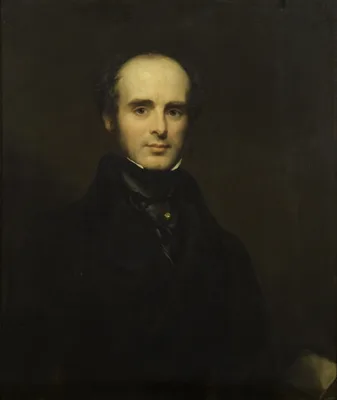
Hope left a fine pathological atlas with brilliantly hand-coloured lithographs from his own drawings. While the book does not equal the atlases of Cruveilhier and Carswell, it is important as being a great stimulus to…
1834 CE
#7480
Rapport sur la marche et les effets du choléra-morbus dans Paris et les communes rurales du département de la Seine par la commission nommée, avec l'approbation de M. le ministre du commerce et des travaux publics, par MM. les préfets de la Seine et de police; année 1832.
This work contained one of the earliest applications of spatial analysis in epidemiology—an early thematic map by geographer and cartographer Charles Picquet, in which the 48 districts of Paris were represented …
1834 CE
#10024
The anatomy and surgery of inguinal and femoral hernia.
Published in the same large folio format as Tuson's Myology (1828), this was the largest work on hernia ever published with multiple hand-colored. lift-up flats on three plates.
1834 CE
#1497
The anatomy of the human eye.
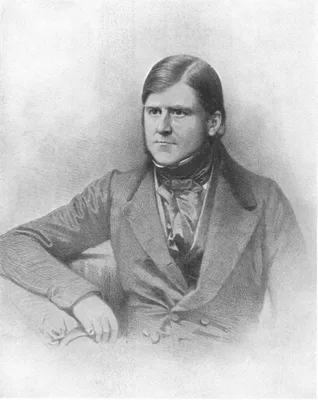
First English work on ocular anatomy.
1834 CE
#12900
The conchologist.
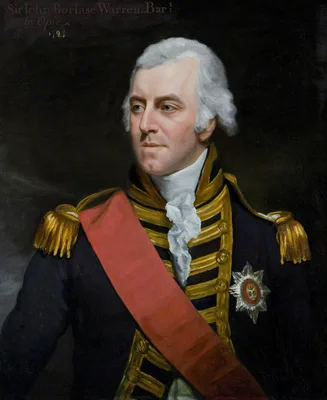
The first American manual of conchology. The author, John Warren, was an Englishman who sold shells and other collectibles in Boston as well as to other collectors in the United States. His book organized shells accor…
1834 CE
#10259
The natural history of the order Cetacea, and the oceanic inhabitants of the Arctic regions.
Characterizing himself "Surgeon-Accoucheur" on the title page, Dewhurst lectured in 1827-8 on anatomy and physiology, and served as a ship's surgeon, making voyage to Greenland and its surrounding seas in 1824. During…
1834 CE
#2163
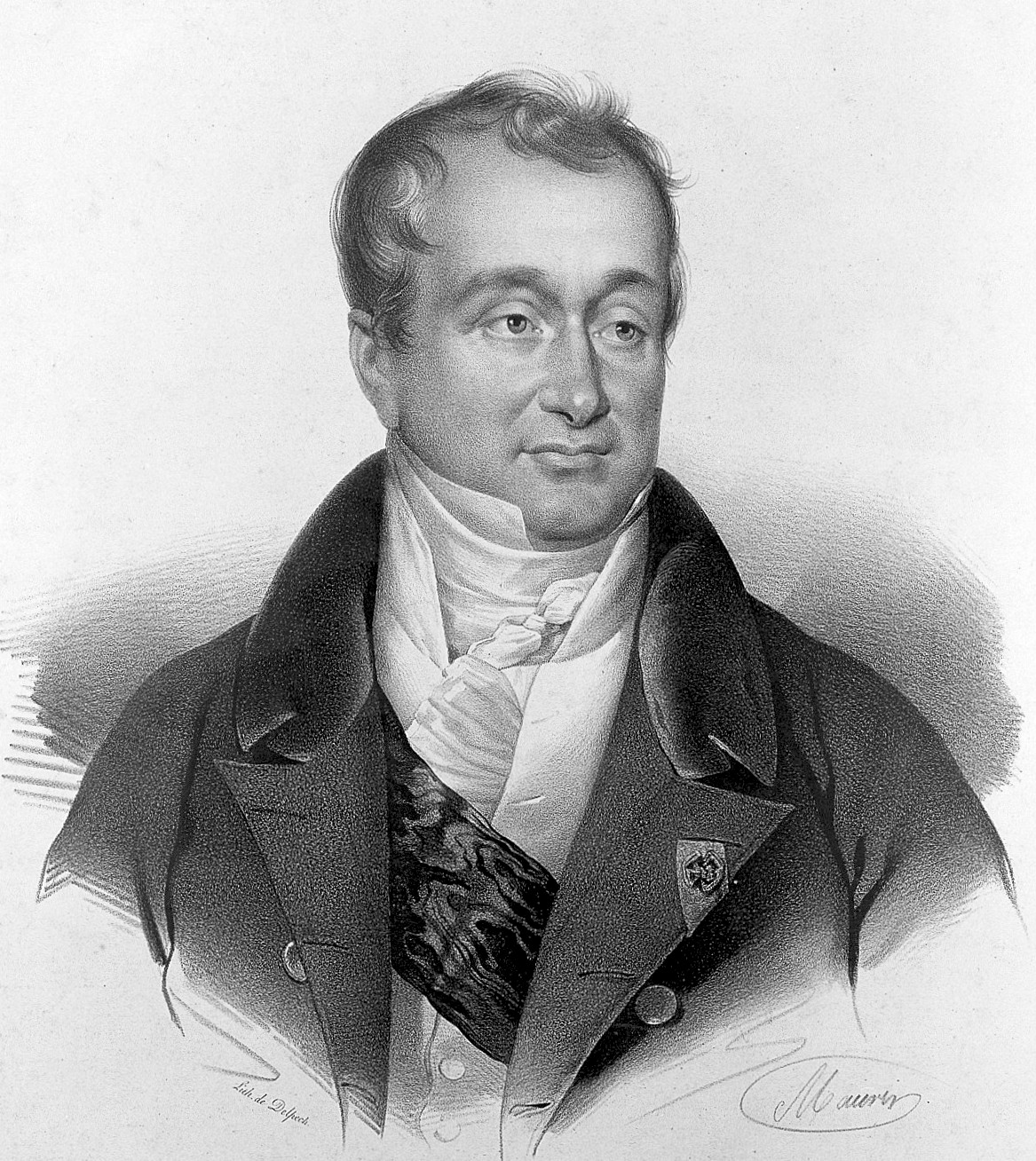
Traité théorique et pratique des blessures par armes de guerre. 2 vols.
1834 CE
#1855
Ueber einige Producte der Steinkohlendestillation.
Carbolic acid first prepared from coal-tar.
1834 CE–1840 CE
#10380
Descriptive catalogue of the preparations in the Museum of the Royal College of Surgeons in Ireland. Vol. I. (Anatomy). Vol. 2. (Pathology).
Digital facsimile from the Internet Archive at this link.
1834 CE–1840 CE
#601
Handbuch der Physiologie des Menschen.
The first modern, systematic textbook on physiology, presenting an authoritative and discerning survey of each aspect of the science. This is also one of the best reviews of physiological literature during the first p…
1834 CE–1840 CE
#12017
Histoire naturelle des crustacés, comprenant l'anatomie, la physiologie et la classification de ces animaux. 3 vols. + Atlas.
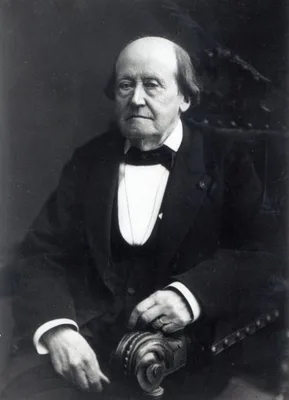
Digital facsimile from Biodiversity Heritage Library at this link.
1835 CE
#3440.1
A case of introsussception in which an operation was successfully resorted to…in December, 1831.

First operation for intussusception in the United States, performed in Rutherford County, Tennessee. The patient was a negro slave; the operation was a complete success. Reported by Wilson’s pupil, W.W. Thompson.
1835 CE
#2212
A discourse on self-limited diseases.
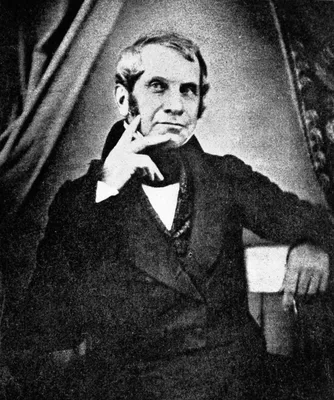
Bigelow was attached to the Massachusetts General Hospital. The above “did more than any other work or essay in our own language to rescue the practice of medicine from the slavery of the drugging system which w…
1835 CE
#6755
A manual of select medical bibliography, in which the books are arranged chronologically according to the subjects, and the derivations of the terms and the nosological and vernacular synonyms of the diseases are given. With an appendix, containing lists of the collected works of authors, systematic treatises on medicine, transactions of societies, journals, &c. &c &c.
“First serious attempt by anyone in the English-speaking world to give a subject classification for medical literature” (Fulton). This was first published in volume 4 of Cyclopaedia of practical medicine, …
1835 CE
#3738
A practical essay on the history and treatment of beriberi.
A classic account, in which the author brought together all that was known about the disease in his day.
1835 CE
#4928
A treatise on insanity and other disorders affecting the mind.
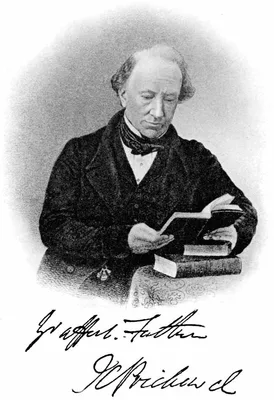
Prichard, better known for his work in the field of anthropology (No. 159), was the first to describe moral insanity. He described a syndrome he called incoherence or senile dementia. Alzheimer (No. 4956) may have des…
1835 CE
#12869
An essay on artifical teeth, obturators, & palates; with the principles for their construction and application: Illustrated by twenty-six cases and twenty-one plates.
In this work "Koecker was the first English writer to describe corectly the principle upon which artifical teeth should be applied and constructed" (Thorpe, Biographies of pioneer American dentists and their successor…
1835 CE
#439
Antiquitates anatomicae rariores, quibus origo, incrementa et status anatomes, apud antiquissimae memoriae gentes, historica fide illustrantur.
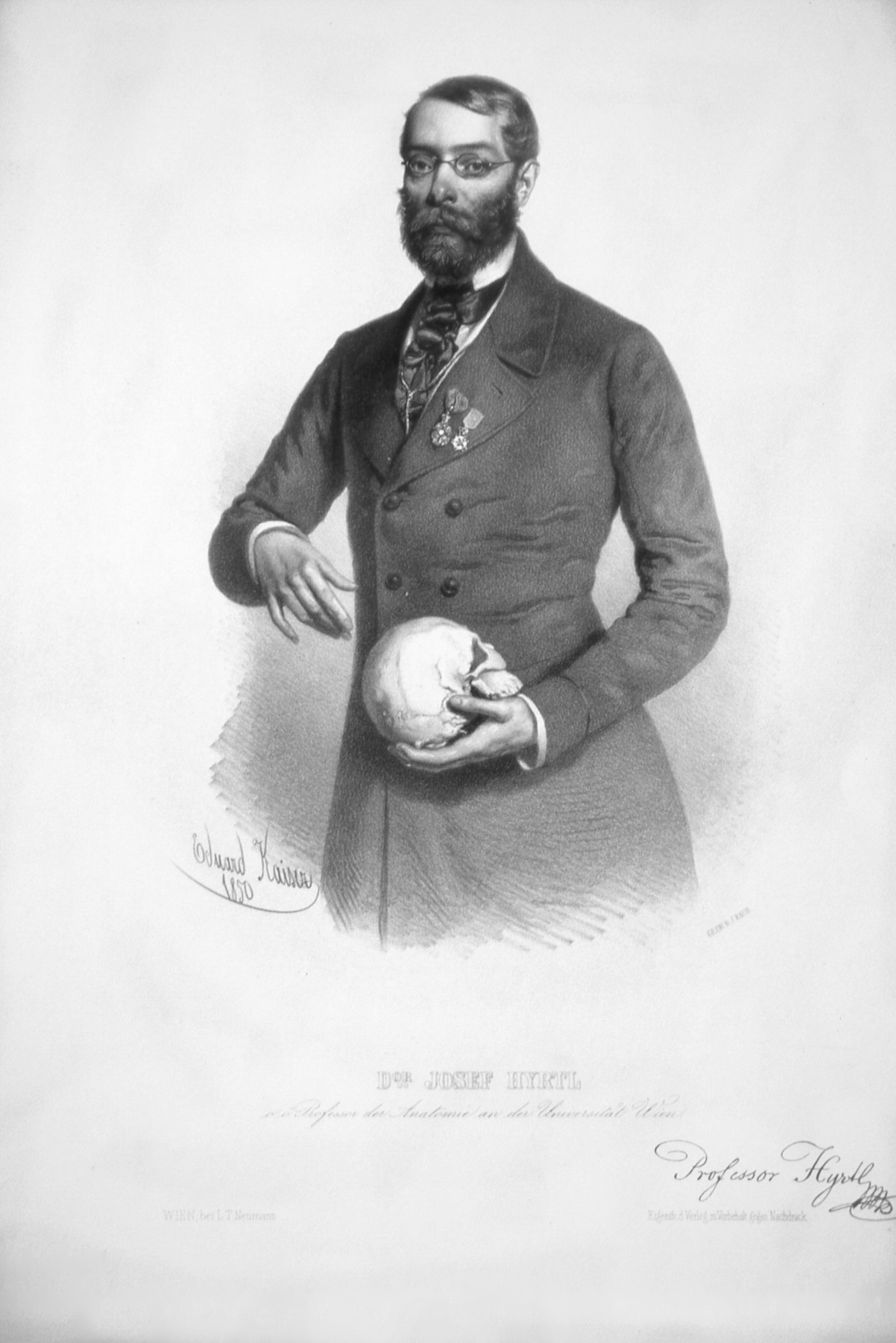
Anatomical terms used in antiquity, representing to a certain, extent a survey of the literature of ancient medicine available to Hyrtl. Digital facsimile from The Medical Heritage Library, Internet Archive, at this l…
1835 CE
#13433
Catalogue of the Library of Dr. Kloss, of Franckfort a M., Professor; including many original and unpublished manuscripts and printed books with ms. annotations by Philip Melanchthon. Which will be sold by auction, by Mr. Sotheby and Son. on Thursday, May 7th, and nineteen following days, Sundays excepted).
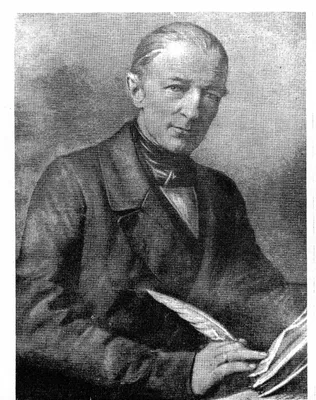
"The Kloss library was the most important collection of early printed books ever made by a medical man." (Note by William Osler in Bibliotheca Osleriana No. 7150). Digital facsimile from Google Books at this link.
1835 CE
#5850
De l’emploi de l’excision et de la cautérisation à l’aide du nitrate d’argent fondu dans l’ophthalmie blennorrhagique.
Silver nitrate for treatment of gonococcal ophthalmia. Digital facsimile from wellcomecollection.org at this link.
1835 CE
#602
De phaenomeno generali et fundamentali motus vibratorii contini in membranis.
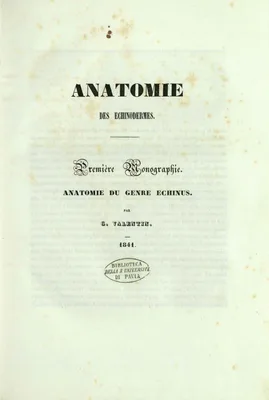
Classical paper on ciliary epithelial motion. Reprinted in Purkynĕ’s Opera omnia (No. 82), pp. 277-371, 1918. English translation in Dublin J. med. chem. Sci., 1835, 7, 279-84.
1835 CE
#5337
Description of a microscopic entozoon infesting the muscles of the human body.
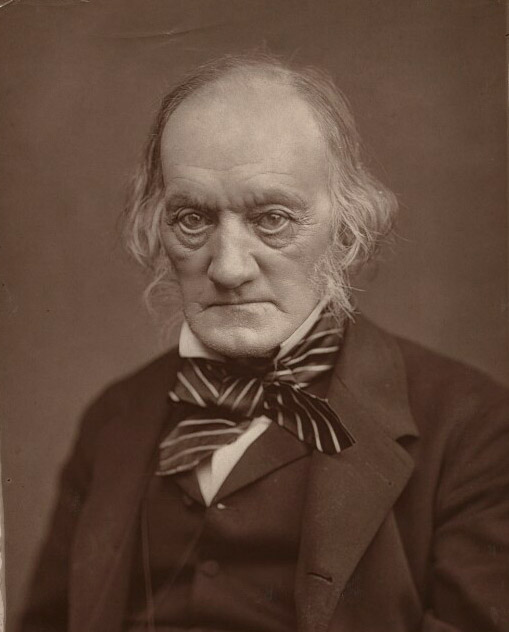
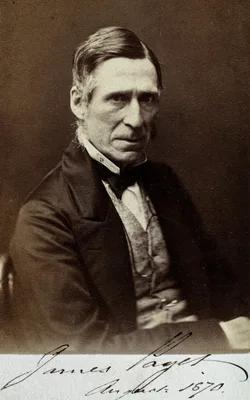
While a first-year student at St. Bartholomew’s Hospital, James Paget discovered trichina in muscle during dissection. Richard Owen, his teacher, named it Trichina spiralis and published an account, barely menti…
1835 CE
#3367
Die Erkenntniss und Heilung der Ohrenkrankheiten.
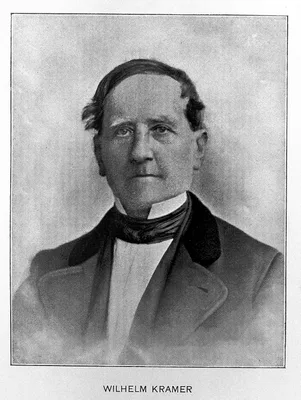
Kramer was a pioneer German otologist.
1835 CE
#109.1
Einige Bemerkungen und Fragen über das Keimbläschen (vesicula germinativa).
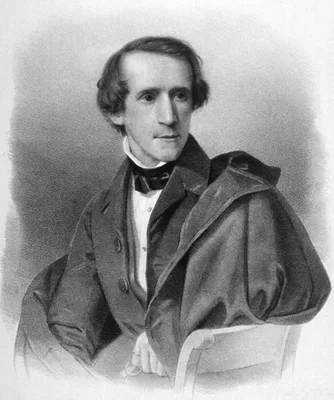
Wagner saw and described the nucleolus.
1835 CE
#8920
For private distribution. The following pages contain extracts from letters addressed to Professor Henslow by C. Darwin, Esq.
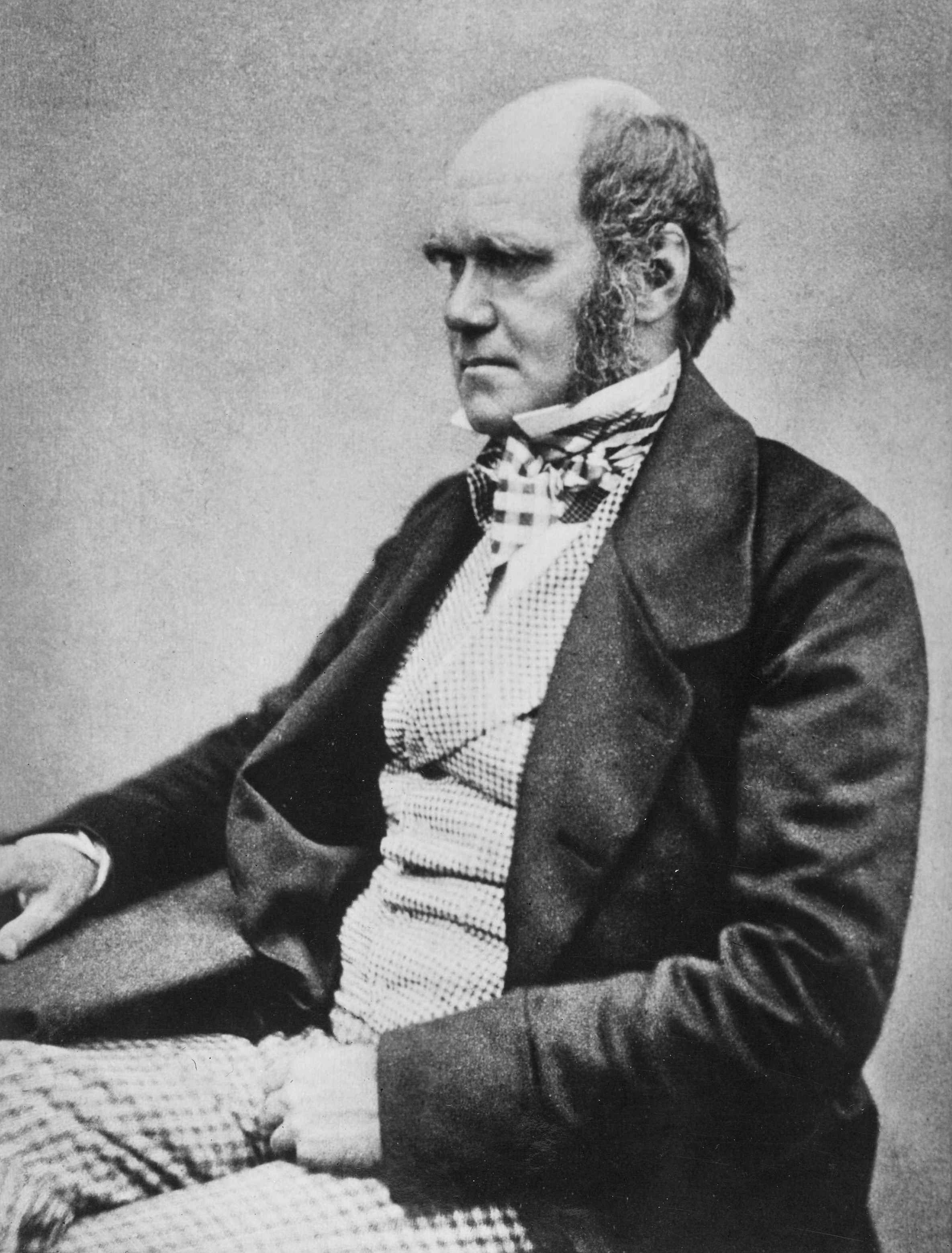
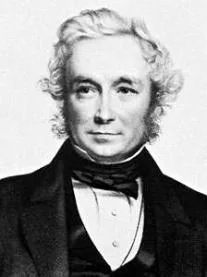
Darwin's teacher, John Stevens Henslow, had some of Darwin's letters to him published for private distribution as a pamphlet while Darwin was on the Beagle circumnavigation. Estimates of the number of copies printed v…
1835 CE
#1717
Kaiser Karl’s des Fünften Peinlich Gerichtsordnung … Hrsg. von R. Schmid.
CONSTITUTIO CRIMINALIS CAROLINA
The Constitutio Criminalis of the Emperor Charles V (circa 1533) is probably the oldest European document of any importance dealing with medical jurisprudence. It authorized judges to call expert witnesses in medico-l…
1835 CE
#3440
Lectures on diseases of the rectum. III. Preternatural contraction of the sphincter ani.
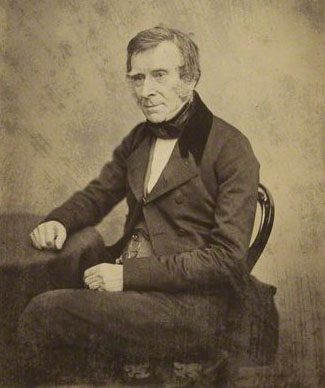
“Brodie’s pile”. Reprinted in Medical Classics, 1938, 2, 929-40.
1835 CE
#12204
Lectures on the means of promoting and preserving health, delivered at the Mechanics' Institute.
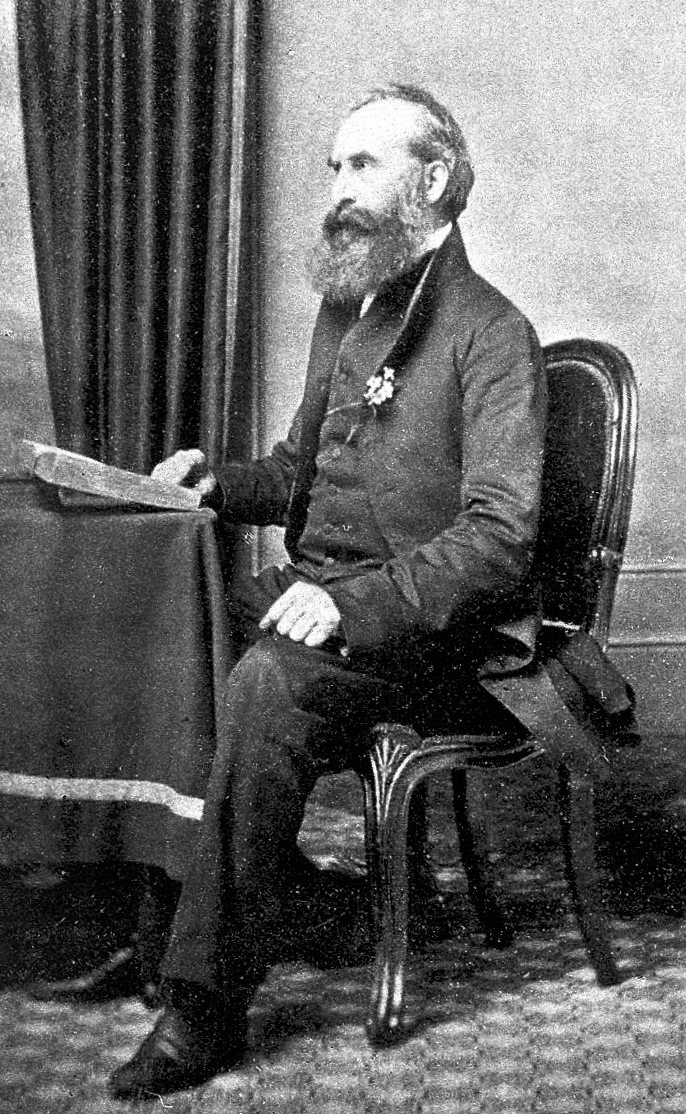
Lectures for "working men" and women on preventative medicine and self-help. Digital facsimile from Google Books at this link.
1835 CE
#12688
Memoir of James Jackson, Jr., M. D. with extracts from his letters to his father: and medical cases, collected by him.
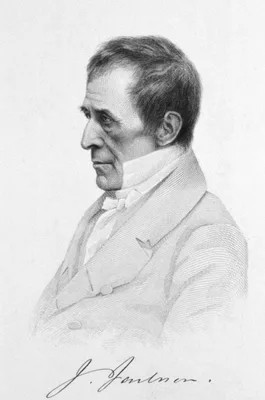
Jackson published this biography of his son, James Jackson, Jr. after his son's premature death in 1834. Digital facsimile from the Internet Archive at this link.
1835 CE
#14105
Nouvelles recherches sur la structure de la peau.
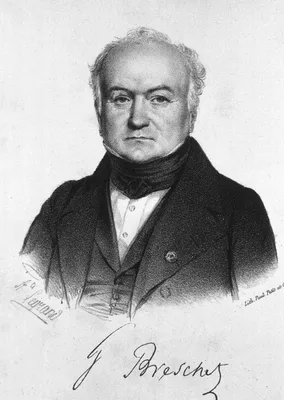
Beschet emphasized "the relevance of anatomic investigation to dermatologic problems" (Crissey and Parish, Dermatology and syphilology of the nineteenth century, 117). In this book the authors first described the anat…
1835 CE
#13744
Observations on the influence of religion upon the health and physical welfare of mankind.
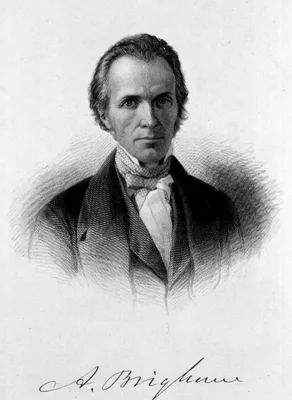
Digital facsimile from U.S. National Library of Medicine at this link.
1835 CE
#11723
On blood-letting: An account of the curative effects of the abstraction of blood; with rules for employing both local and general blood-letting in the treatment of diseases.
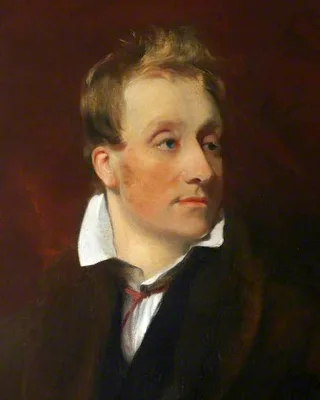
Wardrop "promoted blood-letting in an era when a few physicians, notably Pierre Louis of Paris, were discouraging the therapeutic approach" (W. Bruce Fye, "James Wardrop," Profiles in cardiology, 91.) Digital facsimil…
1835 CE
#10108
On the influence of atmosphere and locality; change of air and climate; seasons; food; clothing; bathing; exercise; sleep; corporeal and intellectual pursuits, &c. &c. on human health; constituting elements of hygiéne.
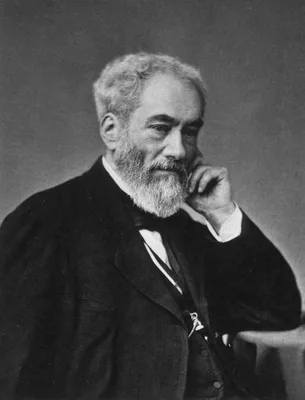
Digital facsimile from the Internet Archive at this link.
1835 CE
#14316
On the osteology of the chimpanzee and orang utan.
Owen was the first anatomist, after Petrus Camper, to distinguish decisively between the chimpanzee and the orangutan. He began studying the anatomy of non-human primates in the 1830s, when the Regent’s Park Zoo…
1835 CE
#3815
Palpitation of the heart with enlargement of the thyroid gland.
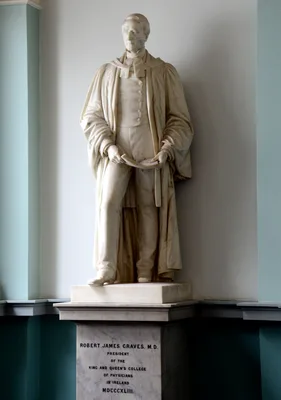
This is considered the first accurate account of exophthalmic goitre, later known as “Parry’s disease”, “Graves’s disease”, and “Basedow’s disease”. An interesting…
1835 CE
#4663
Paralysis in childhood. Four remarkable cases of suddenly induced paralysis in the extremities, occurring in children, without any apparent cerebral or cerebro-spinal lesion.
Important clinical description.
1835 CE
#1698
Recherches sur les effets de la saignée dans quelques maladies inflammatoires, et sur l’action de l’émétique et des vésicatoires dans la pneumonie.
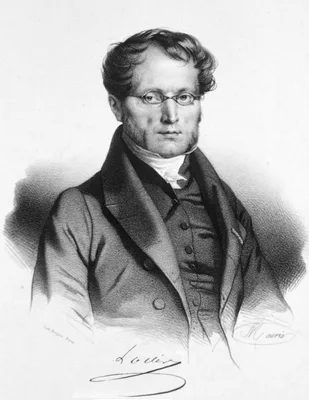
Louis refuted Broussais’s system of medicine, his “médicine physiologique.” Louis was instrumental in establishing medicine as an exact science by the introduction of the numerical or statisti…
1835 CE
#1698.1
Sur l’homme et le développement des facultés, ou essai de physique sociale. 2 vols.
Quetelet’s statistical researches on the development of the physical and intellectual qualities of man, and an exposition of his concept of the “average man”, which became the by-word of quantitative…