
1790–1799
174 entries with publication dates in this decade.
1794 CE
#1253
Tabulae nevrologicae, ad illustrandum historiam anatomicam cardiacorum nervorum, noni nervorum cerebri, glossopharyngaei et pharyngaei ex octavo cerebri.
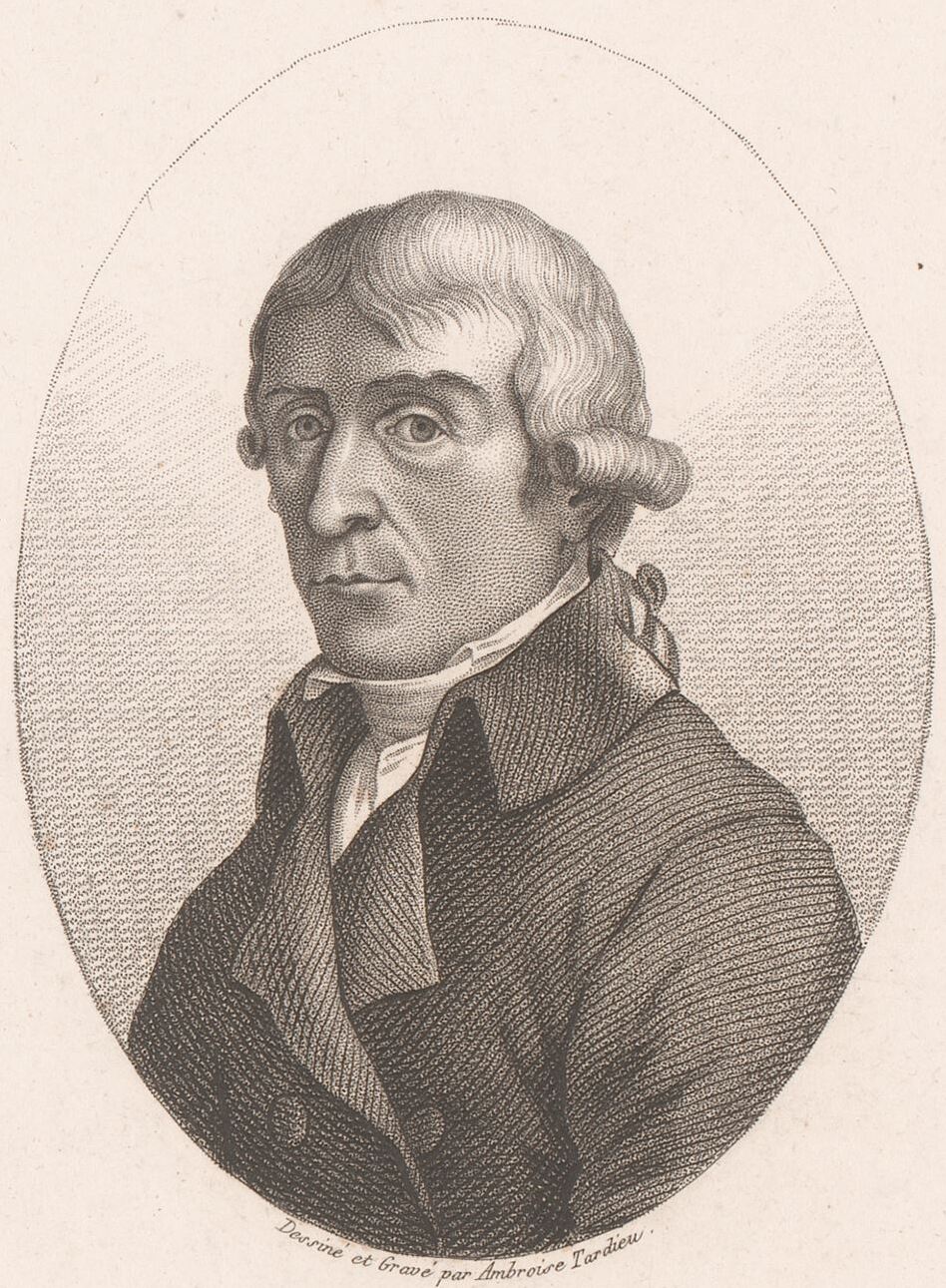
This elegantly illustrated anatomical atlas is regarded as Scarpa’s greatest work. The result of 20 years of research, it includes the first proper delineation of the glossopharyngeal, vagus, hypoglossal, and ca…
1794 CE
#12686
The life of Sir Charles Linnaeus, Knight of the Swedish Order of the Polar Star, &c. &c. To which is added a copious list of his works, and a biographical sketch of the life of his son, by D. H. Stoever. Translated from the original German by Joseph Trapp.

Digital facsimile from Google Books at this link.
1794 CE
#11830
Theophanis Nonni Epitome de cvratione morborvm graece ac latine: Ope codicvm manvscriptorvm recensvit notasqve adiecit I. O. Steph. Bernard. 2 vols.
Reprints text and translation from Martius's 1568 edition with extensive annotations by Bernard, and divergent manuscript readings based on the study of several codices. For an analysis of this Byzantine medical handb…
1794 CE–1796 CE
#105
Zoonomia; or the laws of organic life. 2 vols.
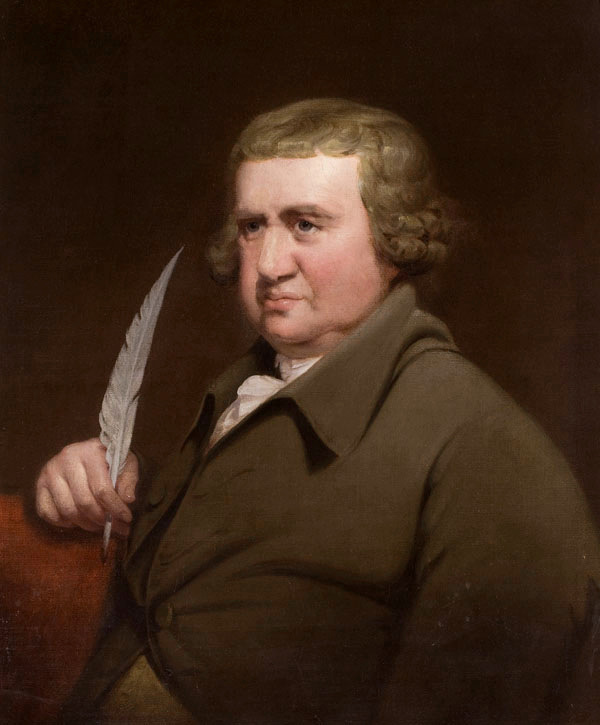
Grandfather of Charles Darwin and Francis Galton, Erasmus Darwin provided in Zoonomia, his major work in medicine and natural science, the first consistent all-embracing hypothesis of evolution. Nevertheless, his gran…
1794 CE–1819 CE
#9086
The natural history of British birds; or, a selection of the most rare, beautiful and interesting birds which inhabit this country: The descriptions from the Systema naturae of Linnaeus; with general observations, either original or collected from the latest and most esteemed English ornithologists; and embellished with figures, drawn, engraved, and coloured from the original specimens. 10 vols.
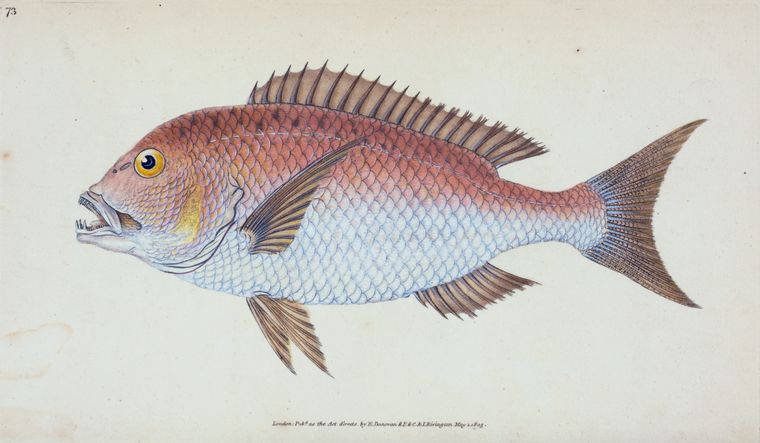
The first 5 volumes were issued in monthly parts, each consisting of 2 plates and accompanying text. A volume came out each year between 1794 and 1798; the fifth volume stated: "This work being now completed." However…
1795 CE
#6272
A treatise on the epidemic puerperal fever of Aberdeen.
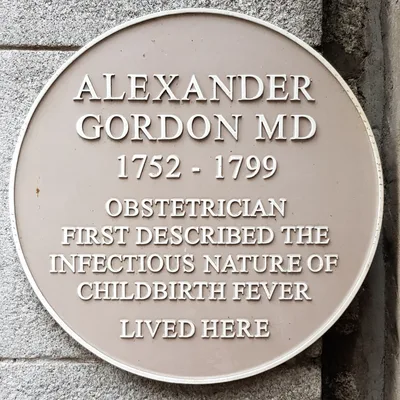
Gordon was the first to advance as a definite hypothesis the contagious nature of puerperal fever, thus preceding Holmes and Semmelweis by half a century. He also advocated the disinfection of the clothes of the docto…
1795 CE
#5336.3
An essay on the malignant pestilential fever introduced into the West Indian Islands from Boullam, on the coast of Guinea, as it appeared in 1793 and 1794.
Chisholm, "Surgeon to his Majesty's Ordnance in Grenada," was apparently the first to observe the mode of transmission of the Guinea worm, Dracunculus medinensis. Chishom was also one of the first to recognize that th…
1795 CE
#2609.1
De morbis vasorum absorbentium corporis humani.
Soemmerring noted an association between pipe smoking and cancer of the lip (p. 109).
1795 CE
#13237
Escuela española de sordo mudos, ó arte par enseñaries á escribir y hablar el idoma española. 2 vols.
Digital facsimile from the Hathi Trust at this link.
1795 CE
#595
Experiments on the insensible perspiration of the human body.
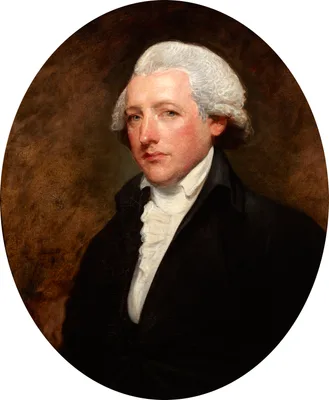
Demonstration that carbon dioxide is given off by the skin. This book was first privately printed in 1779; above is the corrected edition.
1795 CE
#3111
Hints respecting the chlorosis of boarding schools.
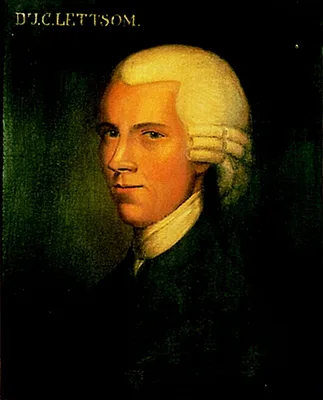
1795 CE
#10016
The history of medicine, so far as it relates to the profession of the apothecary, ... the origin of druggists, their gradual encroachments on compound pharmacy, and the evils to which the public are from thence exposed.
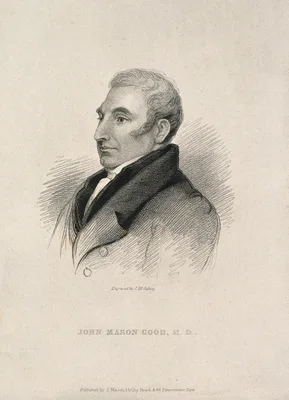
The first history of pharmacy in Britain. Good’s History was commissioned by the General Pharmaceutical Association, formed in 1794, of which the author was a prominent member. It was intended to protect the tra…
1795 CE
#13791
Tratado de las enfermedades de la boca sobre todas las partes del arte del dentista.
The first significant book on dentistry by a Spanish dentist. Digital facsimile from Google Books at this link.
1796 CE
#310
An account of Indian serpents collected on the coast of Coromandel: containing descriptions and drawings of each species, together with experiments and remarks on their several poisons.
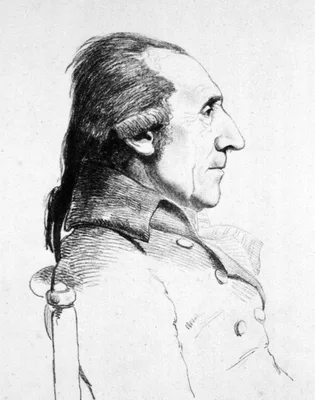
First attempt at a description of Indian serpents and serpent venoms. Includes the original description of Russell’s viper, Daboia russellii. Digital facsimile from the Linda Hall LIbrary at this link.
1796 CE
#13162
An account of the epidemic fever which prevailed in the city of New York, during part of the summer and fall of 1795.
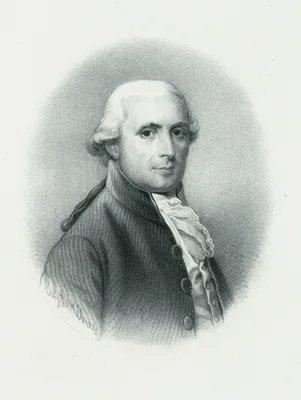
Traces the spread of yellow fever in late July, 1795, to the ship Zephyr, recently arrived from the West Indies. After spreading to nearby ships and then into the neighborhoods surrounding the port, the epidemic kille…
1796 CE
#7723
Anatomisches museum. Gesammelt von Johann Gottlieb Walter. Beschrieben von Friedrich August Walter. 2 vols.
Includes fine hand-colored plates of kidney stones and gall stones. Digital facsimile from the Internet Archive at this link.
1796 CE
#13243
De corporis humani viribus conservatricibus dissertatio.
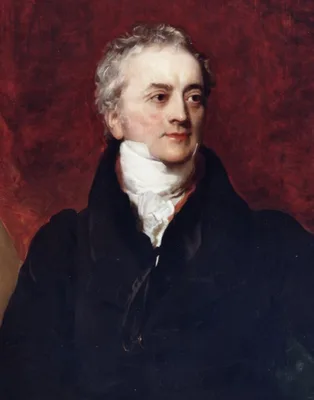
Young's thesis for his medical degree from Göttingen on the conservation of strength in the human body, which also contains, on the final four pages, the only extant fragment of Young's brief thesis on the human …
1796 CE
#1387
Exercitationum anatomicarum fasciculus primus. De structura nervorum, tribus tabulis aeneis illustratus [All published].
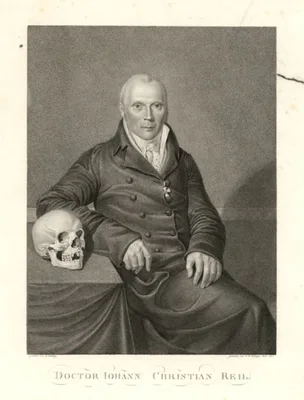
Description of the “island of Reil”. This was the first part of the surface of the cerebral hemispheres to be given a name since 1641 (No. 1377.3). See also Reil’s follow-up paper in Arch. Physiol. (…
1796 CE
#11958
Hortus cantabrigiensis, or a catalogue of plants, indigenous and foreign, cultivated in the Walkerian Botanic Garden, Cambridge.
The Walkerian Botanic Garden was the first botanical garden founded in Cambridge. It is the ancestor of the Cambridge University Botanic Garden. Digital facsimile from the Hathi Trust at this link.
1796 CE
#6849
Versuch über ein neues Prinzip zur Auffindung der Heilkräfte der Arzneisubstanzen, nebst einigen Blicken auf die bishberigan.
Hahnemann's first presentation of his new system of medicine. English translation in The Lesser Writings of Samuel Hahnemann, Collected and Translated by R. E. Dudgeon, London: W. Headland, 1851, 195-357.
1796 CE
#596
Von der Lebenskraft.
Reil advanced the doctrine of the life-force as the chemical expression of physiological function. Like Glisson and Hunter, he recognized irritability as a specific property of tissue. He founded the Archiv für d…
1796 CE–1800 CE
#7093
Catalogus bibliothecae historico-naturalis Josephi Banks, auctore Jona Dryander. 5 vols.
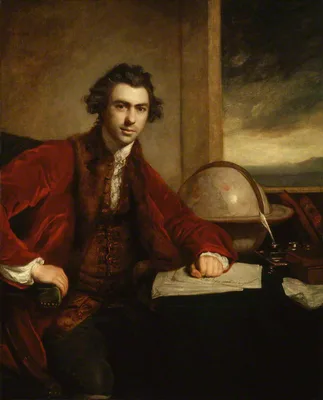
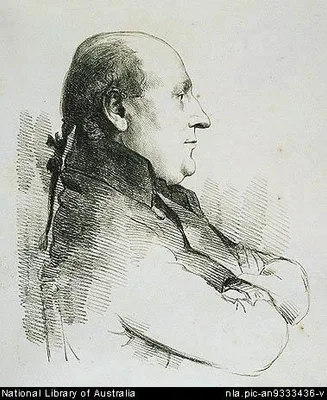
Digital facsimile of the 5 vols. from the Hathi Trust at this link.
1796 CE–1808 CE
#3985
On cutaneous diseases. Vol. 1 [All published].
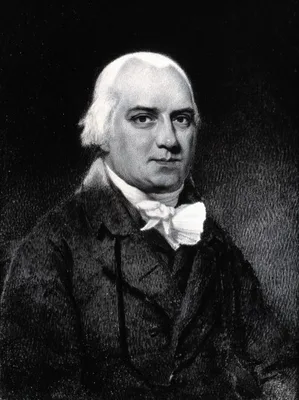
Modern dermatology may be said to start with Willan. His classification of skin diseases gained him the Fothergillian Medal of the Medical Society of London in 1790. He established a standard nomenclature which is sti…
1797 CE
#11491
A practical inquiry into disordered respiration, distinguishing the species of convulsive asthma, their causes, and indications of cure,
Bree "embodied the numerous experiments in his own case, gave a more full and complete view of asthma and dyspnœa than had hitherto appeared, and laid down some important therapeutic rules, the practical value o…
1797 CE
#3930
An account of two cases of the diabetes mellitus: With remarks, as they arose during the progress of the cure. To which are added, a general view of the nature of the disease and its appropriate treatment, including observations on some diseases depending on stomach affection; and a detail of the communications received on the subject since the dispersion of the notes on the first case....And some observations on the nature of sugar by William Cruickshank. 2 vols.
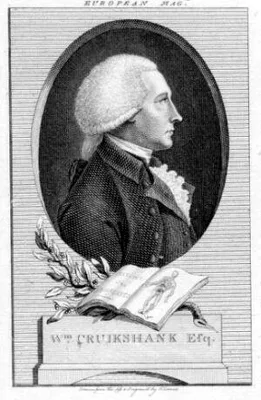
Rollo reported the success of a meat diet in the treatment of diabetes. He was the first to take Matthew Dobson's discovery of glycosuria in diabetes mellitus and apply it to managing metabolism.[He was a pioneer in t…
1797 CE
#10481
An essay on burns: Principally upon those which happen to workmen in mines from the explosions of inflammable air (or hydrogen gas)....
Digital facsimile of the 1817 edition reprinting the 1797 work and the continuation (1800): A second essay on burns : in which an attempt is made to refute the opinions of Mr. Earle, and Sir W. Farquhar, lately advanc…
1797 CE
#7687
An inquiry into the cause of the prevalence of the yellow fever in New-York.
Includes four early plot maps; Seaman was one of the first to create maps that attempted to show the spread of contagious disease.
1797 CE
#4519
De paralysi musculorum faciei rheumatici.
Facial paralysis first described.
1797 CE
#1602
Die Kunst das menschliche Leben zu verlängern
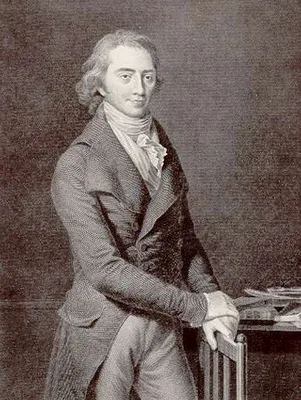
Hufeland’s “Makrobiotik”, one of the most popular books of its time on personal hygiene. It was translated into all European languages. Hufeland was court physician at Weimar. English translation, 1797.
1797 CE
#1218
Experiments in which, on the third day after impregnation, the ova of rabbits were found in the Fallopian tubes, and on the fourth day after impregnation in the uterus itself, with the first appearances of the foetus.
Cruikshank showed that the impregnated ovum stayed in the Fallopian tube for a period before implantation in the uterus.
1797 CE
#1988
Medical reports, on the effects of water, cold and warm, as a remedy in fever and febrile diseases.
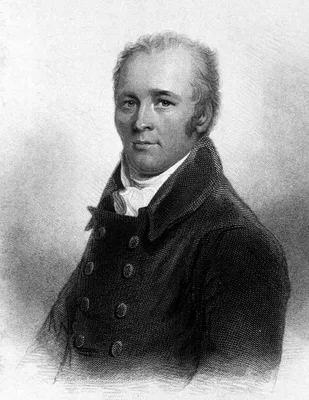
Currie was among the first in Britain to use cold water packs in the treatment of fever. He made some original observations on the clinical use of the thermometer. It was Currie who first edited Robert Burns’s C…
1797 CE
#863.1
Observations and experiments on the colour of blood.
Wells showed that the coloring matter in the blood was not iron but a complex organic substance subsequently identified as hematin.
1797 CE
#4287
On gouty and urinary concretions.
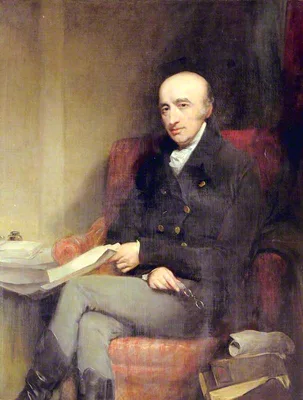
Wollaston showed that, in addition to stones consisting of uric acid, renal calculi might also consist of calcium phosphate, magnesium, ammonium phosphate, and calcium oxalate, or a mixture of these.
1797 CE
#401
Tabula sceleti feminini juncta descriptione.
Soemmerring was noted for his accuracy in anatomical illustration, and the above work is a fine example of his artistic sense. For it he selected the skeleton of a well-built girl of 20 years. Great care was taken in …
1797 CE
#2736
The morbid anatomy of some of the most important parts of the human body. 2nd ed.
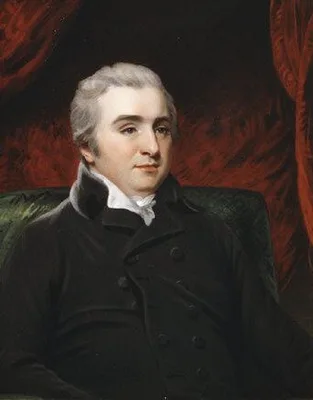
First clinical description of chronic obstructive pulmonary emphysema. The lung on which Baillie performed an autopsy before describing this condition is said to have been that of Samuel Johnson. P. 46: Baillie sugges…
1797 CE
#7768
The natural history of the rarer lepidopterous insects of Georgia. Including their systematic characters, the particulars of their several metamorphoses, and the plants on which they feed. Collected from the observations of Mr. John Abbot, many years resident in that country, by James Edward Smith.
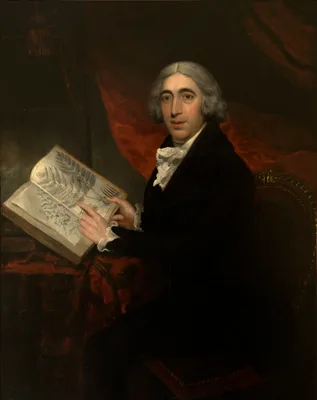
The earliest illustrated monograph on the butterflies and moths of North America. Text in English and French. 104 hand-colored plates. Digital facsimile from the Internet Archive at this link.
1797 CE
#7119
Versuche über die gereizte Muskel- und Nervenfaser: nebst Vermuthungen über den chemischen Process des Lebens in der Thier- und Pflanzenwelt. 2 vols.
Digital facsimile from The Medical Heritage Library, Internet Archive, at this link.
1797 CE–1800 CE
#11497
Histoire naturelle des singes et des makis.
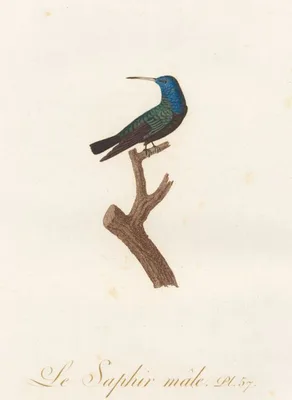
This work on monkeys and apes was published in a series of ten fascicules, with a total of 65 plates drawn and engraved by Audbert, and printed in color. Audebert was a miniaturist who developed a technique of color p…
1797 CE–1803 CE
#2159
Medicina nautica; an essay on the diseases of seamen. 3 vols.
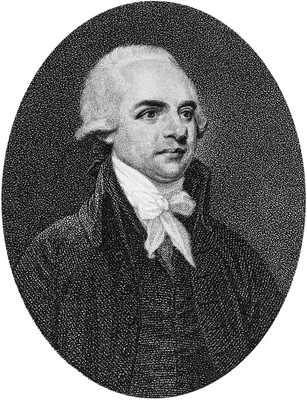
Trotter has left an excellent account of the conditions of seamen at the beginning of the 19th century. His book includes an interesting theory of the causation of fevers. He worked hard to improve the conditions of t…
1797 CE–1804 CE
#401.3
The anatomy of the human body. 4 vols.
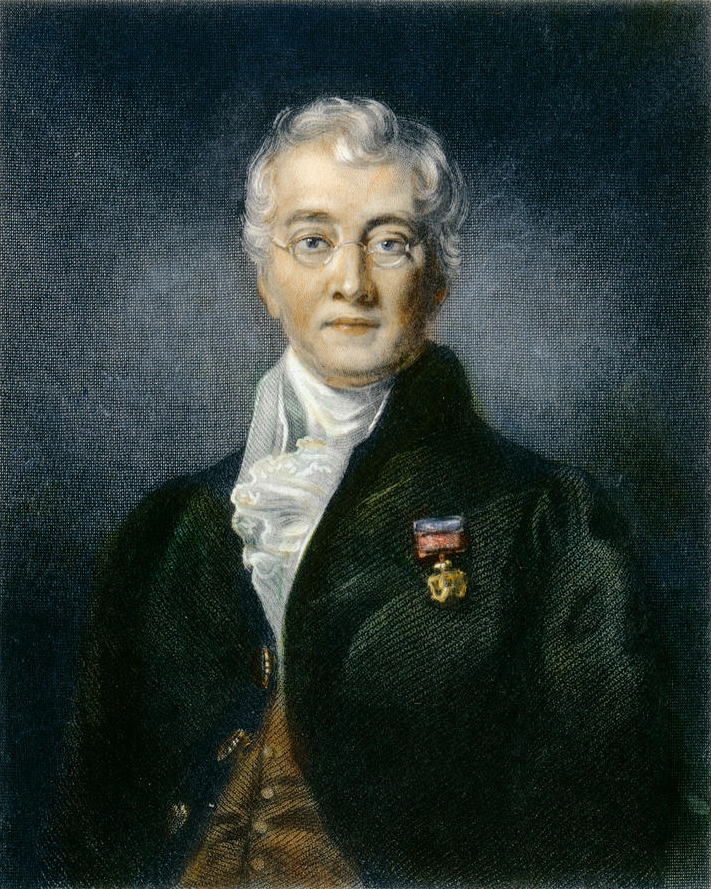
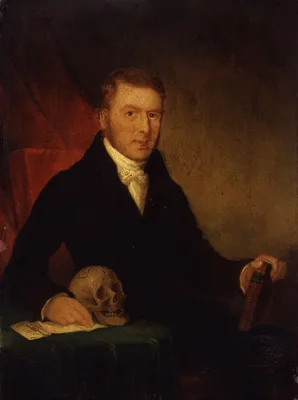
“The first great textbook contributed by the British school to modern anatomy” (Russell, No. 461).
1798 CE
#6236.1
A case of the caesarean operation performed, and the life of the woman preserved. IN: Medical records and researches selected from the papers of a private medical association, pp. 154-163.
This is apparently the first Caesarean section in England from which the mother recovered. It was performed on 27 November 1793. Barlow’s account is reproduced by Young (No. 6307), pp. 54-58. A note on Barlow is…
1798 CE
#11796
An entire new treatise on leeches, wherein the nature, properties, and use of that most singular and valuable reptile, is most clearly set forth.
Digital facsimiel from WellcomeLibrary.org at this link.
1798 CE
#9082
An epitome of the natural history of the insects of China: Comprising figures and descriptions of upwards of one hundred new, singular, and beautiful species: together with some that are of importance in medicine, domestic economy, &c. The figures are accurately, drawn, engraved, and coloured, from speciemsn of the insects; the descriptions are arranged accordig to the system of Linnaeus, with references to the writings of Fabricius, and other systematic authors.
The first work in a Western language on the insects of China, including pharmaceutical aspects. For this work Donovan obtained specimens and information from George Macartney a British envoy to China. Includes 50 colo…
1798 CE
#1693
An essay on the principle of population, as it affects the future improvement of society.
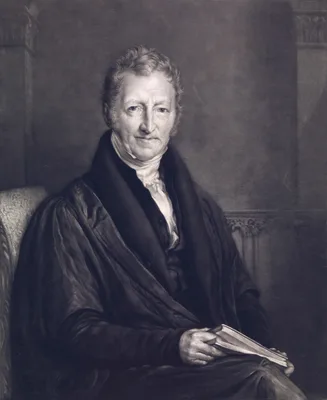
Malthus laid down the principle that populations increase in geometrical ratio, but that subsistence increases only in arithmetical ratio. He argued that a stage is reached where increase of populations must be limite…
1798 CE
#2529.3
An inquiry into the causes and effects of the variolae vaccinae.
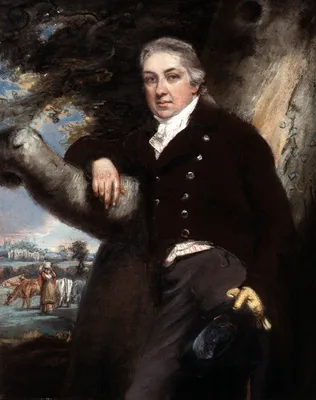
Jenner established the fact that a “vaccination” or inoculation with vaccinia (cowpox) lymph matter protects against smallpox. He performed his first vaccination on May 14, 1796. The above work, describing…
1798 CE
#7978
An inquiry into the nature and origin of mental derangement: comprehending a concise system of the physiology and pathology of the human mind, and a history of the passions and their effects. 2 vols.
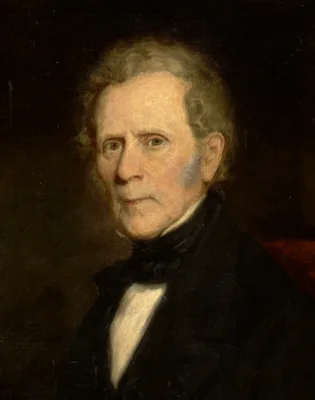
In chapter 2 of vol. 1, pp. 254-90, “On Attention and its Diseases” Crichton described a mental state much like the inattentive subtype of Attention Deficit Hyperactivity Disorder (ADHD). He did not mentio…
1798 CE
#4969
Anthropologie in pragmatischer Hinsicht abgefasst.
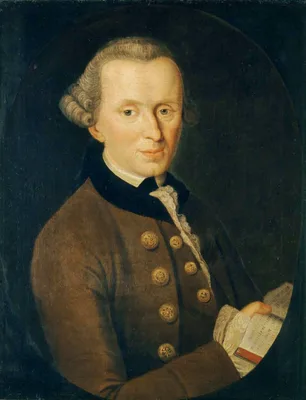
Kant attempted a classification of mental diseases.
1798 CE
#9309
Collections for an essay towards a materia medica of the United States. Read before the Philadelphia Medical Society, on the twenty-first of February, 1798.
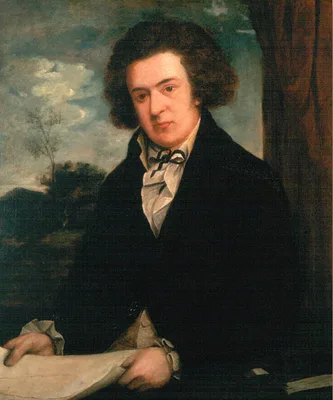
Digital facsimile of the 1798 edition from the U.S. National Library of Medicine at this link. Digital facsimile of the much-expanded third edition (1810) from Google Books at this link.
1798 CE
#5834
Extraordinary facts relating to the vision of colours.
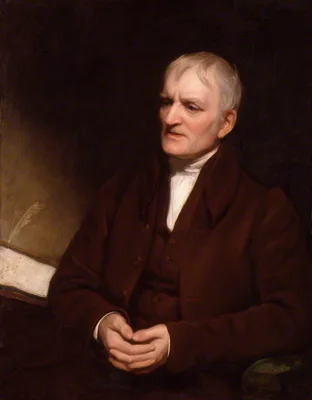
First scientific description of color-blindness, or “Daltonism”. Dalton himself suffered from red–green blindness. His paper was read to the Society in 1794.
1798 CE
#3429
Observation sur un enfant né sans anus, et auquel il a été fait une ouverture pour y suppléer.
First successful construction of artificial anus, for congenital atresia, Oct. 20, 1793.