
1900–1909
957 entries with publication dates in this decade.
1902 CE
#1373
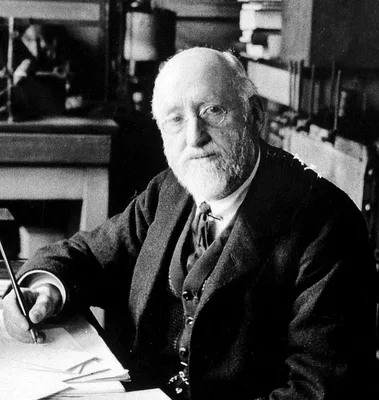
Further researches on antidromic nerve-impulses.
1902 CE
#842
Galvanometrische registratie van het menschelijk electrocardiogram IN: Herinneringsbundel Prof. S.S. Rosenstein, pp.101-106.
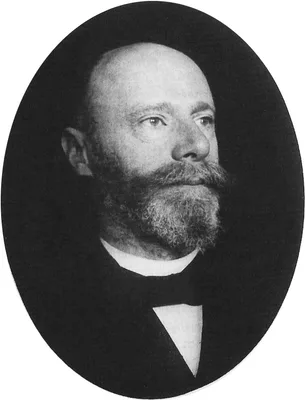
First description of Einthoven's string galvanometer that recorded electrical changes occurring in the human heart. Includes the first illustration of an EKG (ECG) recording. Modern electrocardiography became a realit…
1902 CE
#2556
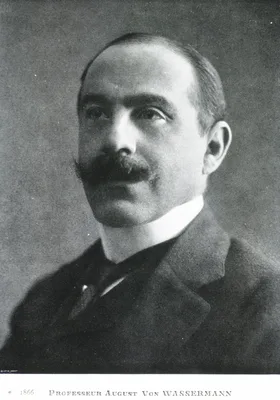
Hämolysine, Cytotoxine and Präcipitine.
1902 CE
#9955
Handbook of the medical organisations (chiefly for war) of foreign armies.
Includes short accounts of the field medical units and other details of the army medical service of 20 different states. Digital facsimile from Wellcome Library at this link.
1902 CE
#4589
Hémiasynergie, latéropulsion et myosis bulbaires avec hémianesthésie et hémiplégie croisées.
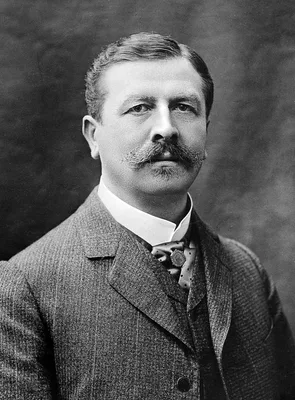
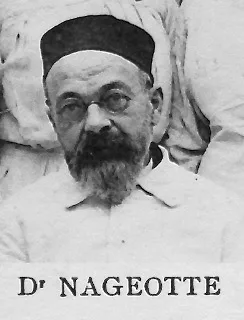
“Babinski-Nageotte syndrome”.
1902 CE
#14071
Historia de la medicina en Guatemala.
Digital facsimile from Google Books at this link. Second edition, 1958 with appendix listing physicians, surgeons and pharmacists who received degrees or taught at the University of Guatemala from1902 to 1953.
1902 CE
#6399
Iatromathematiker vornehmlich im 15. und 16. Jahrundert.
Digital facsimile from the Internet Archive at this link.
1902 CE
#6472
Keilschriftmedicin. Einleitendes zur Medicin der Kouyunjik-Collection.
Medicine preserved on cuneiform tablets, with a chronological account of discoveries in this field. Digital facsimile from the Internet Archive at this link.
1902 CE
#4591
Kritik der sogenannten “traumatischen Syringomyelie”.
Traumatic cavity formation in the spinal cord, so well described by Kienböck, is known as “Kienböck’s disease”.
1902 CE
#6607
L’art et la médecine.
1902 CE
#2909
La technique opératoire des anastomoses vasculaires et la transplantation des viscères.
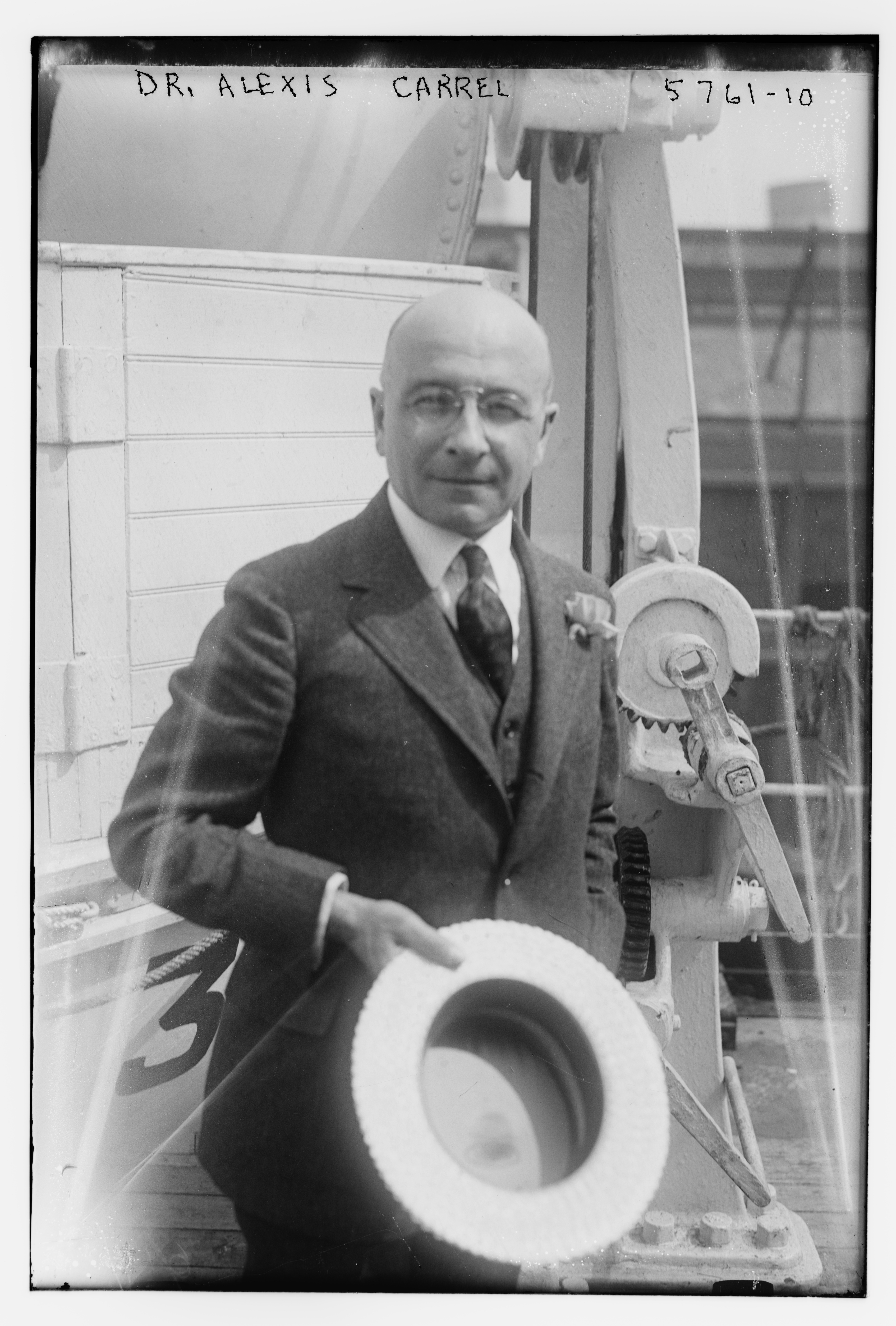
Carrel perfected the operation of arterial suture, end-to-end anastomosis of severed vessels with triple-threaded sutures. See also No. 3026.
1902 CE
#11402
Les cavernes ornées de dessins. La grotte d’Altamira, Espagne. “Mea culpa” d’un sceptique.
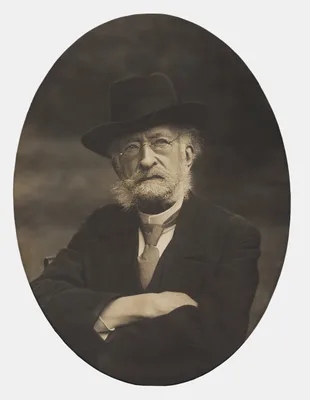
Cartailhac’s famous retraction of his opposition to the concept of paleolithic cave wall art, published over 20 years after Sanz de Sautuola’s discovery of the Altamira cave paintings in northern Spain. Ca…
1902 CE
#4135
Les parapsoriasis.
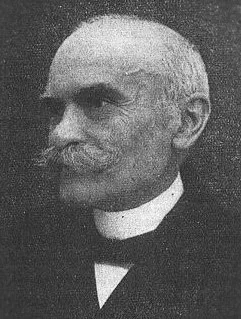
“Brocq’s disease”; he proposed the term “parapsoriasis” for the condition which had previously been described under various names and often mistaken for other dermatoses.
1902 CE
#12393
Life and correspondence of Henry Ingersoll Bowditch by his son, Vincent Y. Bowditch. 2 vols.
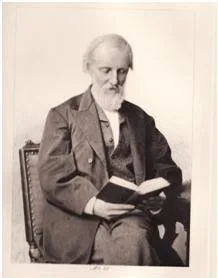
Digital facsimile from the Hathi Trust at this link.
1902 CE
#8961
Lithotherapie: Historische Studien über die medizinische Verwendung der Edelsteine.
Digital facsimile from the Internet Archive at this link.
1902 CE
#241
Mendel’s principles of heredity: A defence.
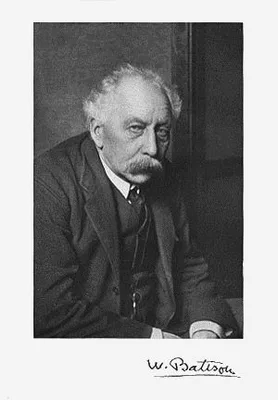
The first book on Mendelism in English, and the first English textbook of genetics. It contains a reprint of the first English translation of Mendel’s “Versuch über Pflanzen-Hybriden” from the J…
1902 CE
#9260
Mosquito brigades and how to organise them.
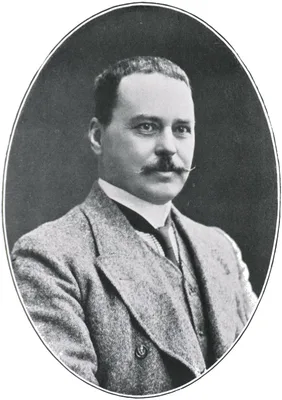
Digital facsimile from the Internet Archive at this link.
1902 CE
#12944
Napoléon et Larrey: Récits inédits de la revolution et de l’empire.
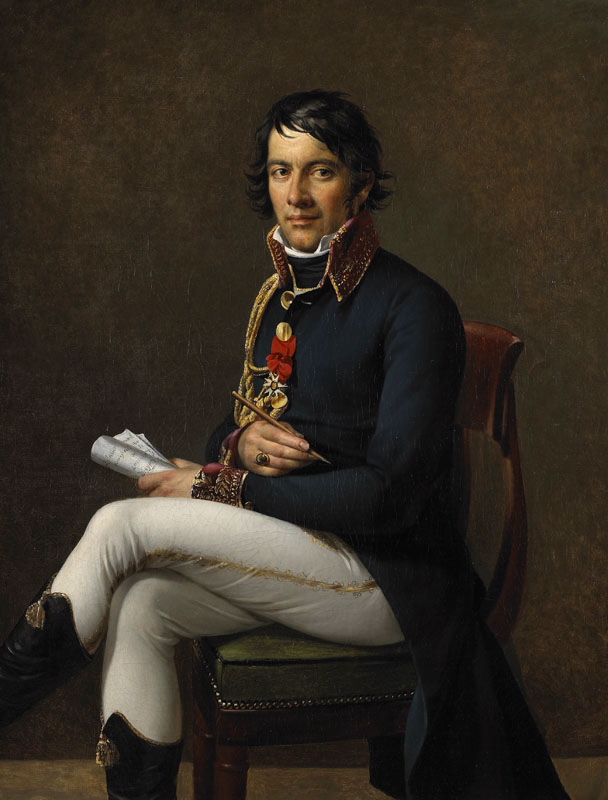
Some copies of this book include 8 of the 16 plates hand-colored; an unusual manual process for a book produced at this date.
1902 CE
#4762
On myopathy and a distal form.
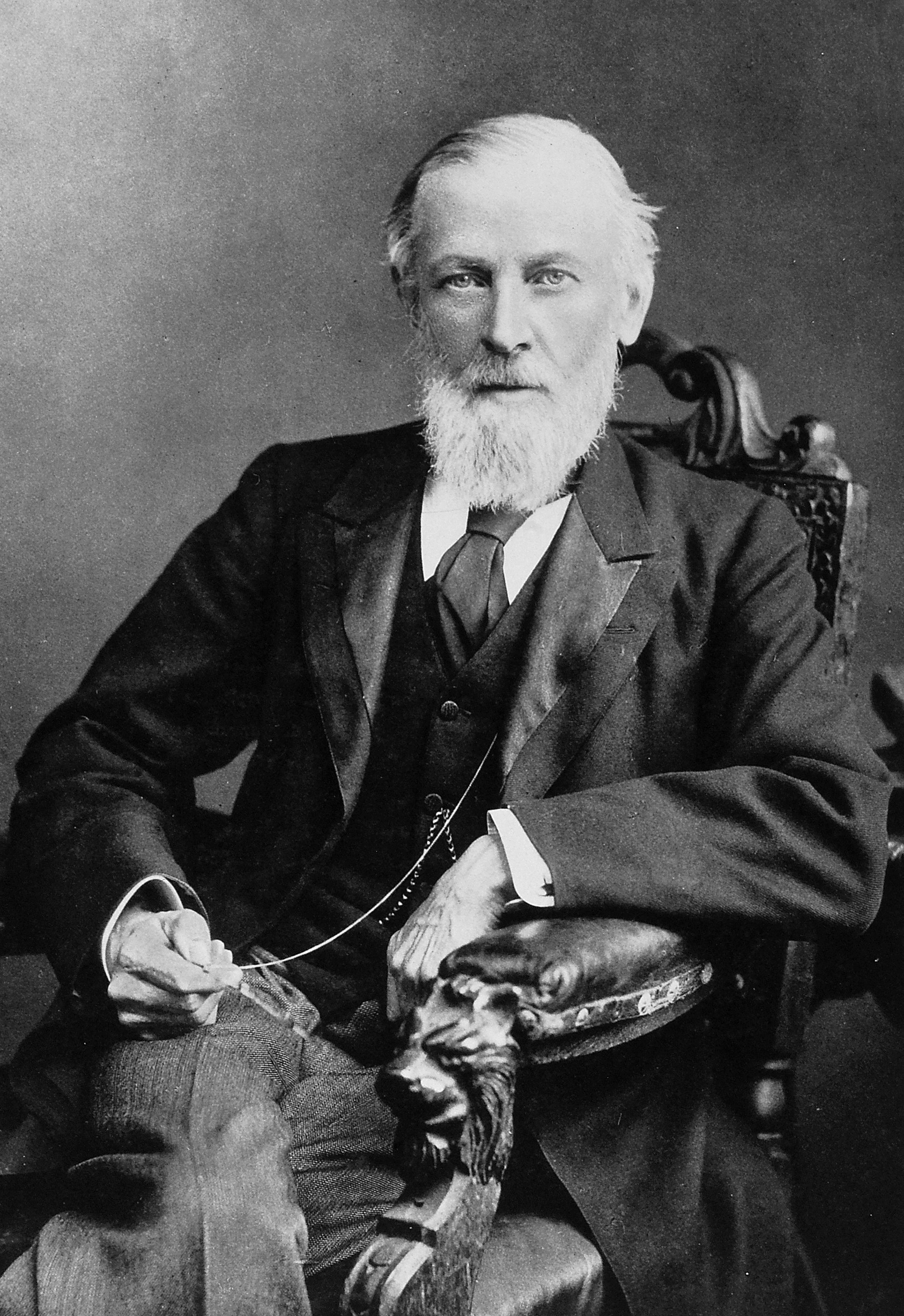
“Distal myopathy of Gowers”, a form of progressive muscular dystrophy.
1902 CE
#5689
On the avoidance of shock in major amputations by cocainization of large nerve-trunks preliminary to their division.
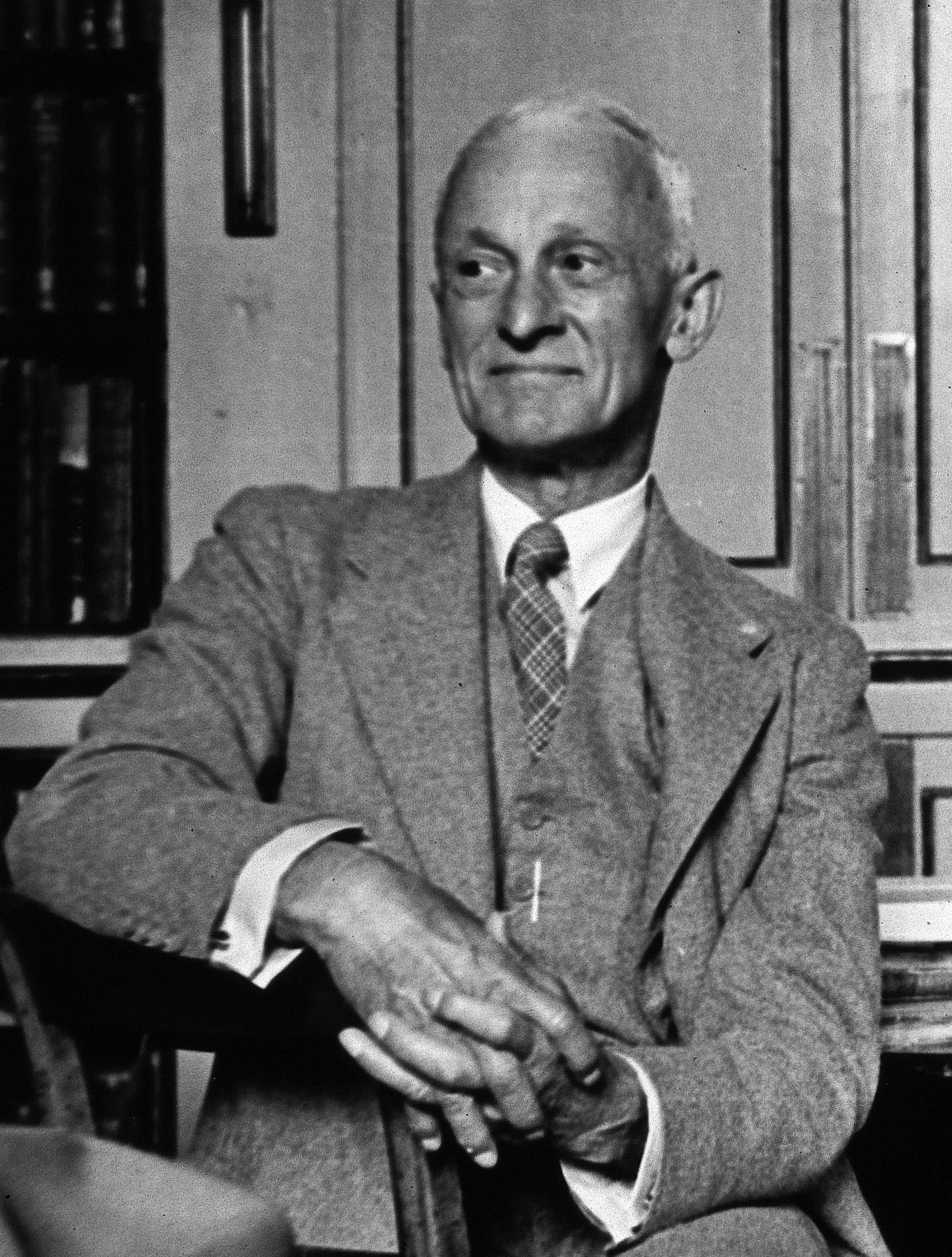
William S. Halsted was first to use infiltration anesthesia (see No. 5679) and it was later developed by Cushing.
1902 CE
#5362.1
On the causal relationship between “ground itch”, or “pani-ghao”, and the presence of the larvae of the Ankylostoma duodenale in the soil.
While a medical officer in the tea plantations in Assam, India, Bentley demonstrated the mode of entry of Ankylostoma into the body.
1902 CE
#3780
On the pathological changes in Hodgkin’s disease, with especial reference to its relation to tuberculosis.
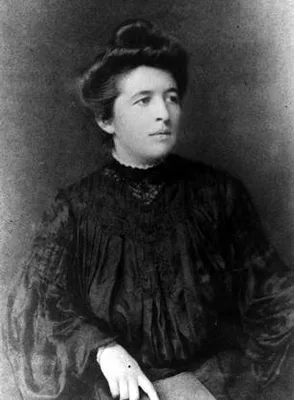
Dorothy Reed’s classic work on Hodgkin’s disease included a study of the histological picture. She described the proliferation of the endothelial and reticular cells, and the formation of lymphadenoma cell…
1902 CE
#724
Physikalische Chemie der Zelle und Gewebe.
1902 CE
#5275
Preliminary note upon a trypanosome occurring in the blood of man.
Dutton was the first to recognize human trypanosomiasis. He saw Forde’s patient (see No. 5274) and named the trypanosome T. gambiense. Sleeping sickness itself has been referred to as “Dutton’s disea…
1902 CE
#12263
Principles of sanitary science and the public health, with special reference to the causation and prevention of infectious diseases.
Digital facsimile of the 1902 first edition from the Hathi Trust at this link.
1902 CE
#11860
Recent researches concerning the etiology, propagation, and prevention of yellow fever, by the United States Army Commission.
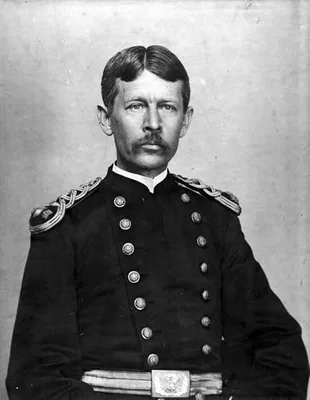
By 1902 Reed knew that the infectious agent of yellow fever was smaller than bacteria, though he did not specifically call it a virus. "In 1898, the passage of an animal pathogen through a Chamberland filter was repor…
1902 CE
#6209
Sinfisiotomia classica e taglio lateralizzato del pube.
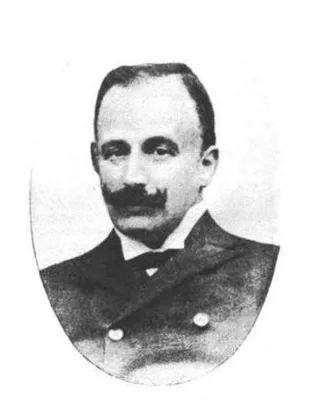
“Gigli’s operation”. Gigli substituted pubiotomy for symphysiotomy.
1902 CE
#2110
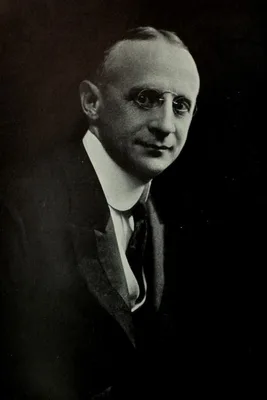
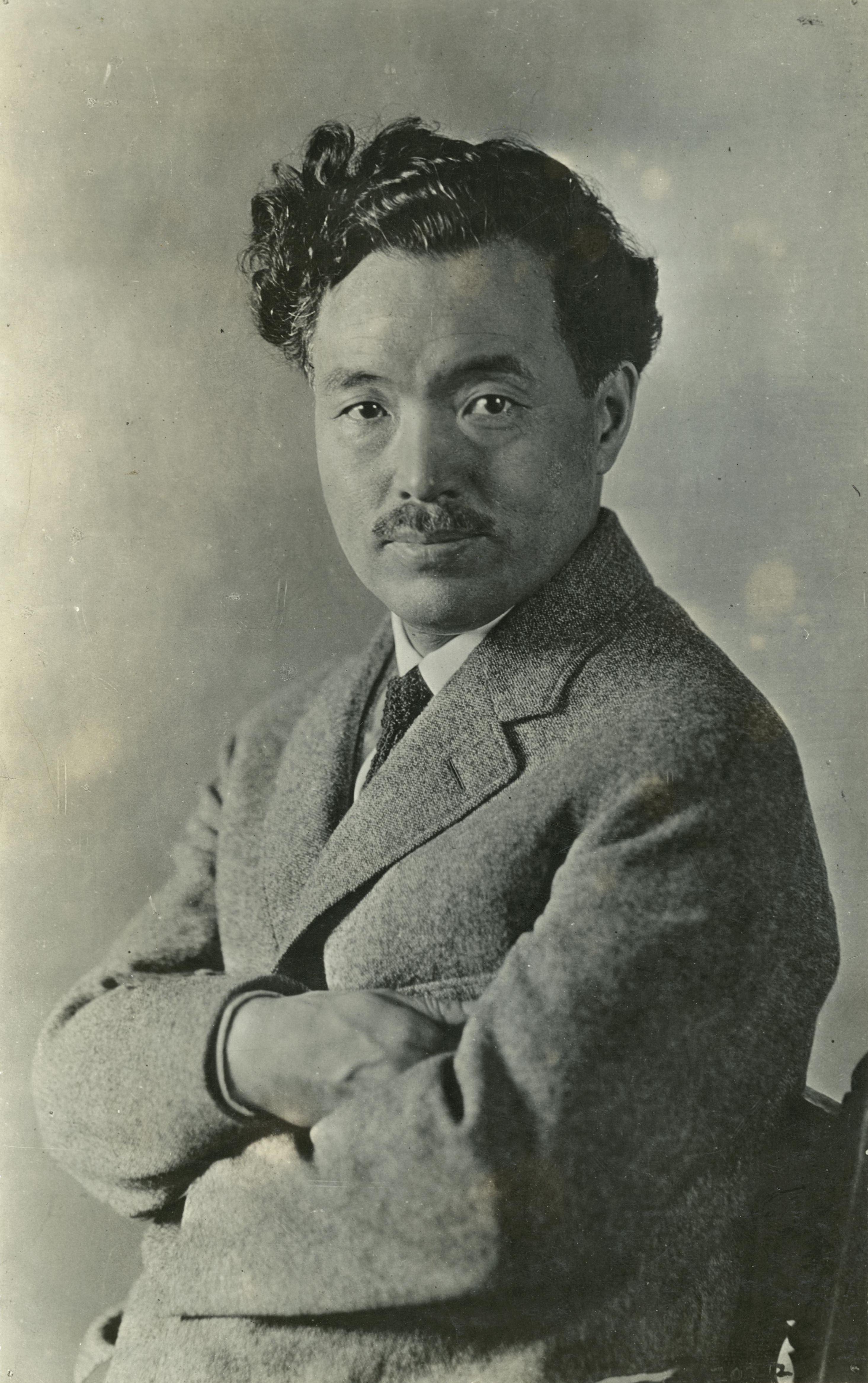
Snake venom in relation to haemolysis, bacteriolysis, and toxicity.
1902 CE
#1576
Some apostles of physiology.
Well illustrated, and finely printed, but dated history, by a pupil of Ludwig. See No. 629.
1902 CE
#5274
Some clinical notes on a European patient in whose blood a trypanosoma was observed.
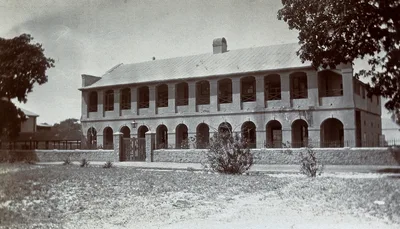
In 1901 Forde saw (but did not at first recognize as such) trypanosomes in the blood of a patient in Gambia. (See No. 5275.)
1902 CE
#11573
Some experimental and clinical observations concerning states of increased intracranial tension.
According to Theodore Janeway (No. 11572), Cushing was the first to recommend routine measurement of blood pressure during surgery using the Riva Rocci sphygmomanometer.(See No. 2804). Cushing visited Riva Rocci at Pa…
1902 CE
#1525
Some observations on the visual purple of the retina.
Edridge-Green first put forward his theories on the function of the retinal rods and of the visual purple about 1889. See also his Physiology of vision, 1920.
1902 CE
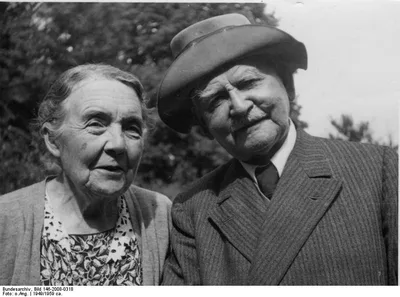
#4792
Syphilis und Nervensystem.
1902 CE
#518
The accessory chromosome; sex determination.
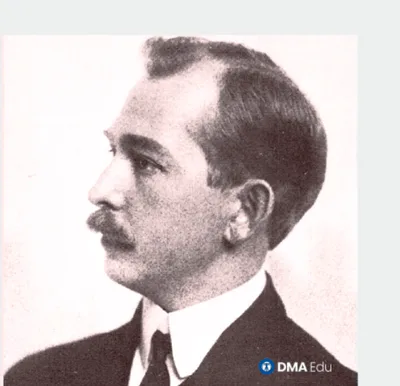
McClung showed that the accessory chromosomes are the determinants of sex.
1902 CE
#3313
The correlation of deflections of the nasal septum with a minimum of traumatism.
Improvement of Ingals’s operation (see No. 3289).
1902 CE
#7979
The Goulstonian lectures on some abnormal psychical conditions in children. Delivered before the Royal College of Physicians of London on March 4th, 6th, and 11th, 1902.
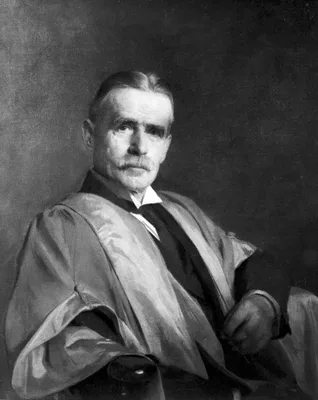
Considered by many historians to be the scientific starting point of the study of Attention Deficit Hyperactivity Disorder (ADHD). Digital facsimile of the separate offprint from the Internet Archive at this link.
1902 CE
#1024
The mechanism of pancreatic secretion.
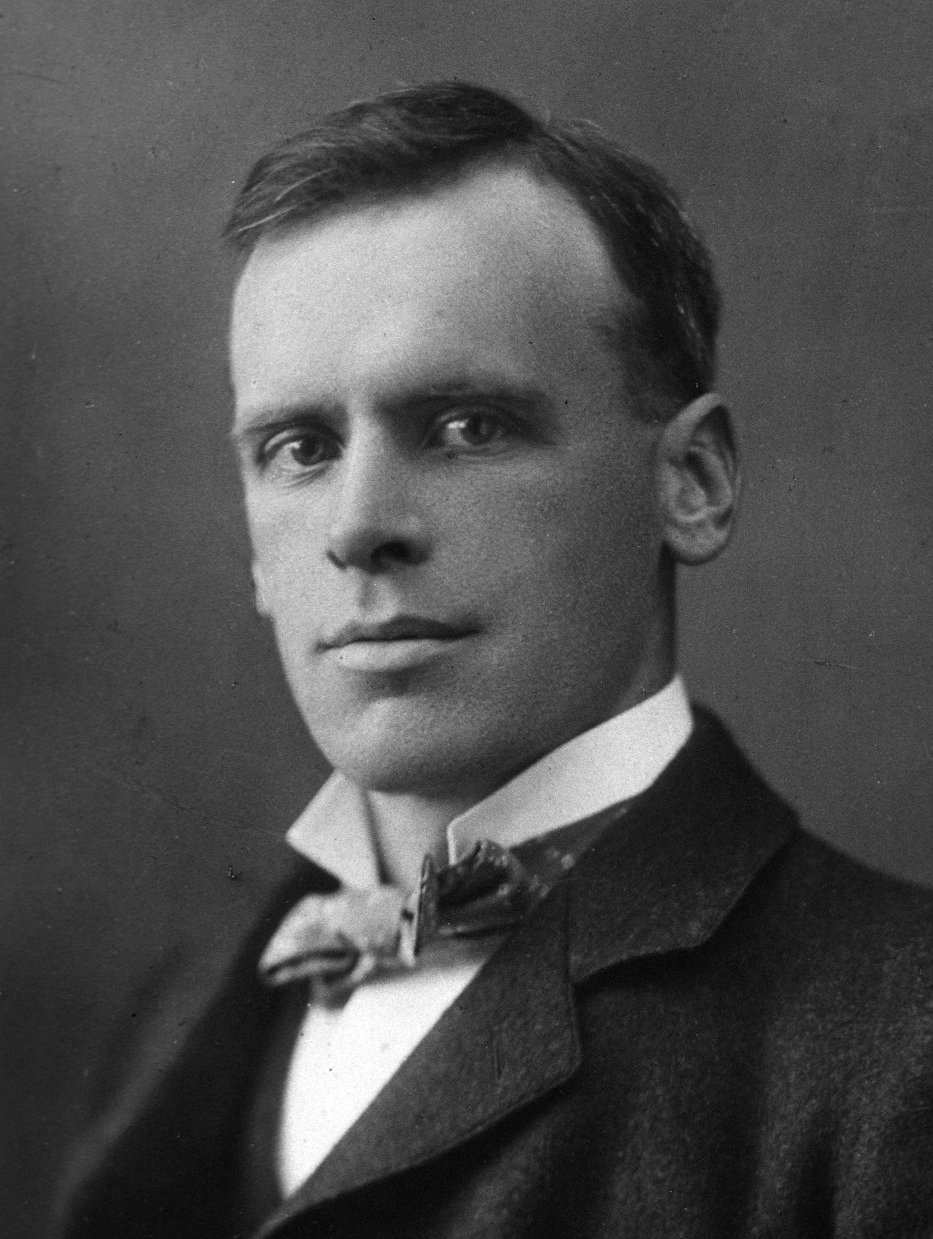
Demonstration of the existence of secretin in the duodenal secretion. Preliminary note in Lancet, 1902, 1, 813.
1902 CE
#9404
The philosophy and mechanical principles of osteopathy.
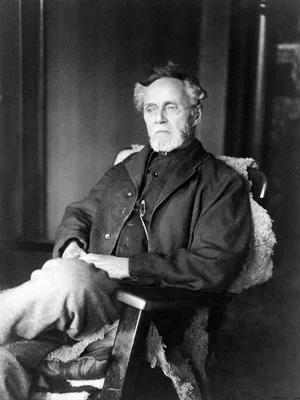
Digital facsimile from the Internet Archive at this link.
1902 CE
#12114
The significance of recent American cases of hookworm disease (Uncinariasis or Anchylostomiasis) in man.
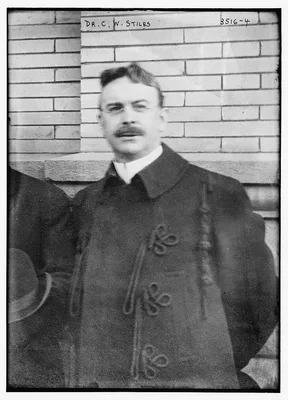
In this paper Stiles fully characterized and extensively illustrated the American hookworm parasite that he first described in No. 5363. This species and the Schistosoma are the pathogenic organisms that can penetrate…
1902 CE
#2812
The study of the pulse.
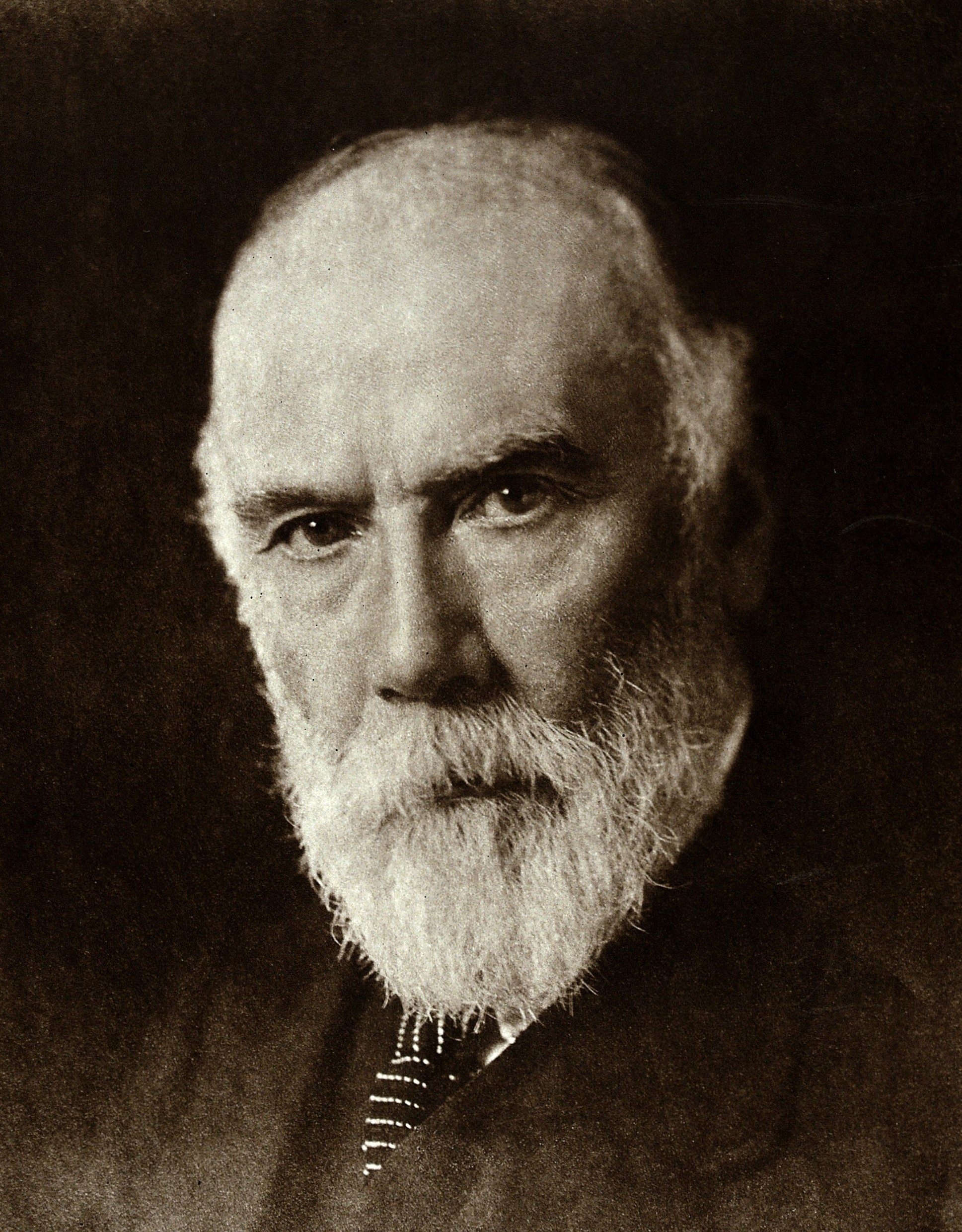
In his classic monograph Mackenzie included (p. 10) a description and illustration of his polygraph, with which he made simultaneous tracings of the pulse, apex beat, etc.
1902 CE
#12790
The surgical treatment of sterility due to obstruction at the epididymis. Together with a study of the morphology of human spermatozoa.
Martin and colleagues reported on the study of 192 sterile couples. Martin pointed out "that 33 (17%) of the men in this group were azoospermic and two more could produce no ejaculate at all. From an examination of th…
1902 CE
#12755
The varieties of religious experience: A study in human nature. Being the Gifford Lectures on Natural Religion delivered at Edinburgh in 1901-1902.
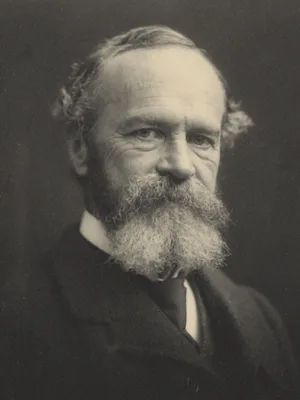
Digital facsimile of the 33rd impression (1922) from the Internet Archive at this link.
1902 CE
#4590
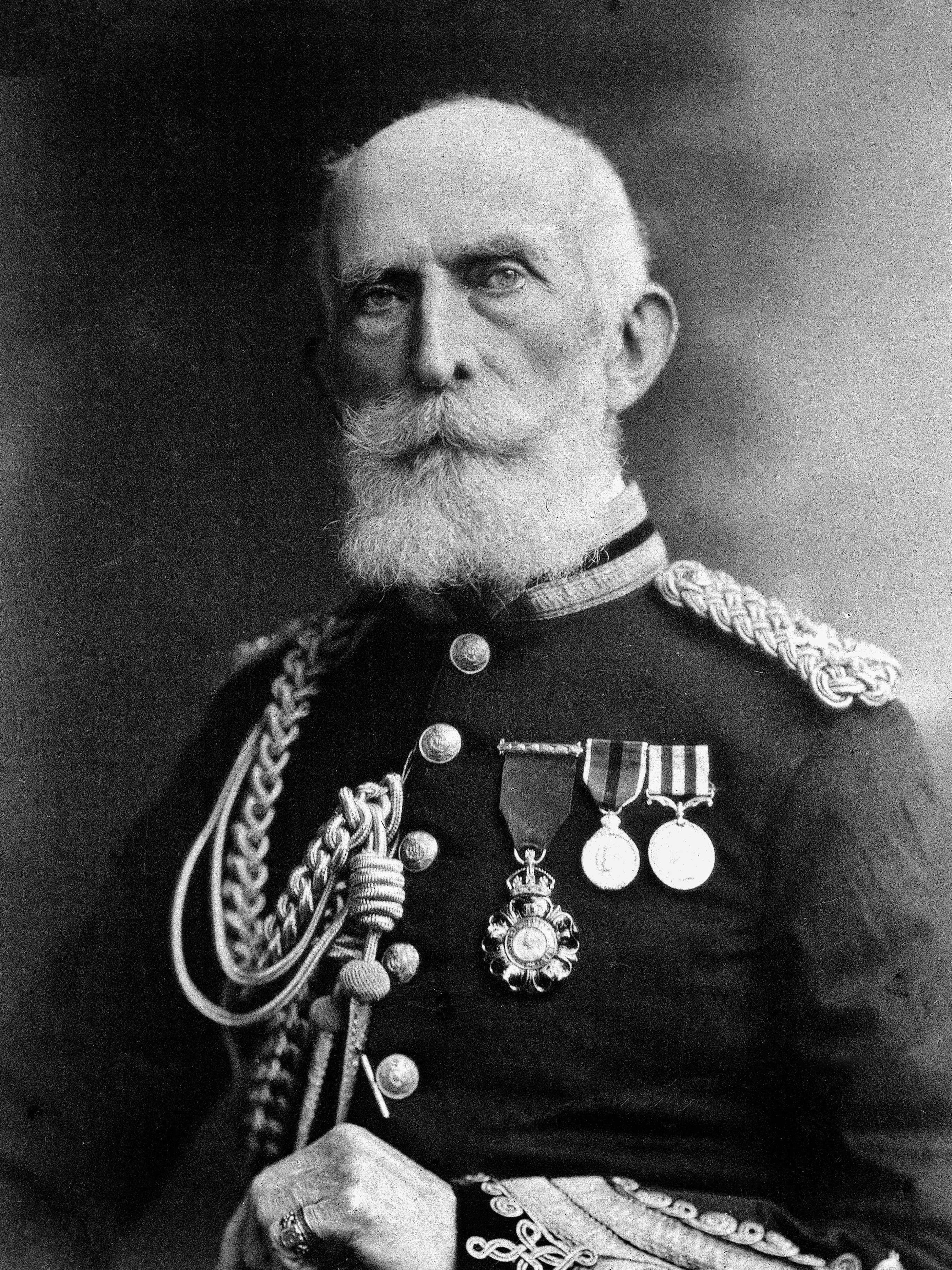
Traité des maladies de la moëlle épinière.
1902 CE
#4137
Two cases of a rare papular disease affecting the axillary region.
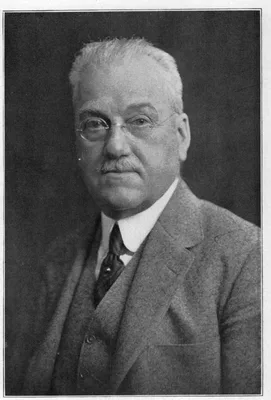
“Fox–Fordyce disease”. These writers described a papular, itchy eruption, confined to the axillae, nipples and pubes, and considered to be due to a dysfunction of the apocrine glands.
1902 CE
#892
Über ein einfaches und exactes Verfahren der klinischen Hämometrie.
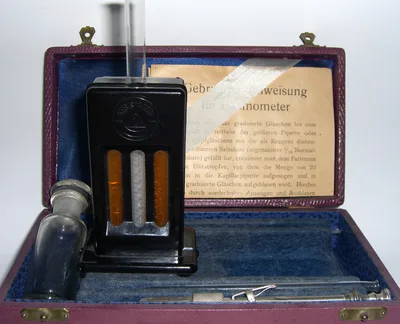
Sahli’s method for the determination of hemoglobin.
1902 CE
#4138
Ueber Acrodermatitis chronica atrophicans.
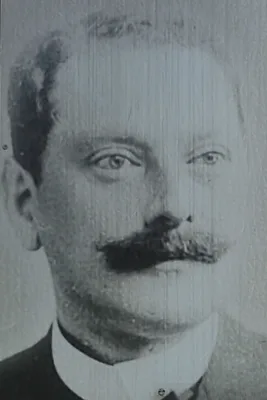
Taylor described the condition in 1876 (No. 4069) and Herxheimer and Hartmann named it, separating it from other atrophies which had been called by a number of different names.
1902 CE
#3025
Ueber chronich adhäsive Mediastino-Perikarditis und deren Behandlung.
Brauer was first to suggest the operation of cardiolysis, a procedure carried out by Petersen.
1902 CE
#841
Ueber die Entfemung der extracardialen Herznerven bei Saügethieren.
1902 CE
#893
Ueber die Isoagglutinine im Serum gesunder und kranker Menschen.
Following Landsteiner’s division of human blood into three groups (A, B and O which he named A, B, C), Decastello and Sturli discovered a fourth (the rarest) group, later named AB.
1902 CE
#2111
Ueber die Wirkungsweise des Cobragiftes.
While in Germany Kyes showed lecithin to be a complement of cobra-hemolysin. English translation in Ehrlich, Studies in immunity, 1910.