
1830–1839
385 entries with publication dates in this decade.
1839 CE
#2292
Elements of pathological anatomy. 2 vols.
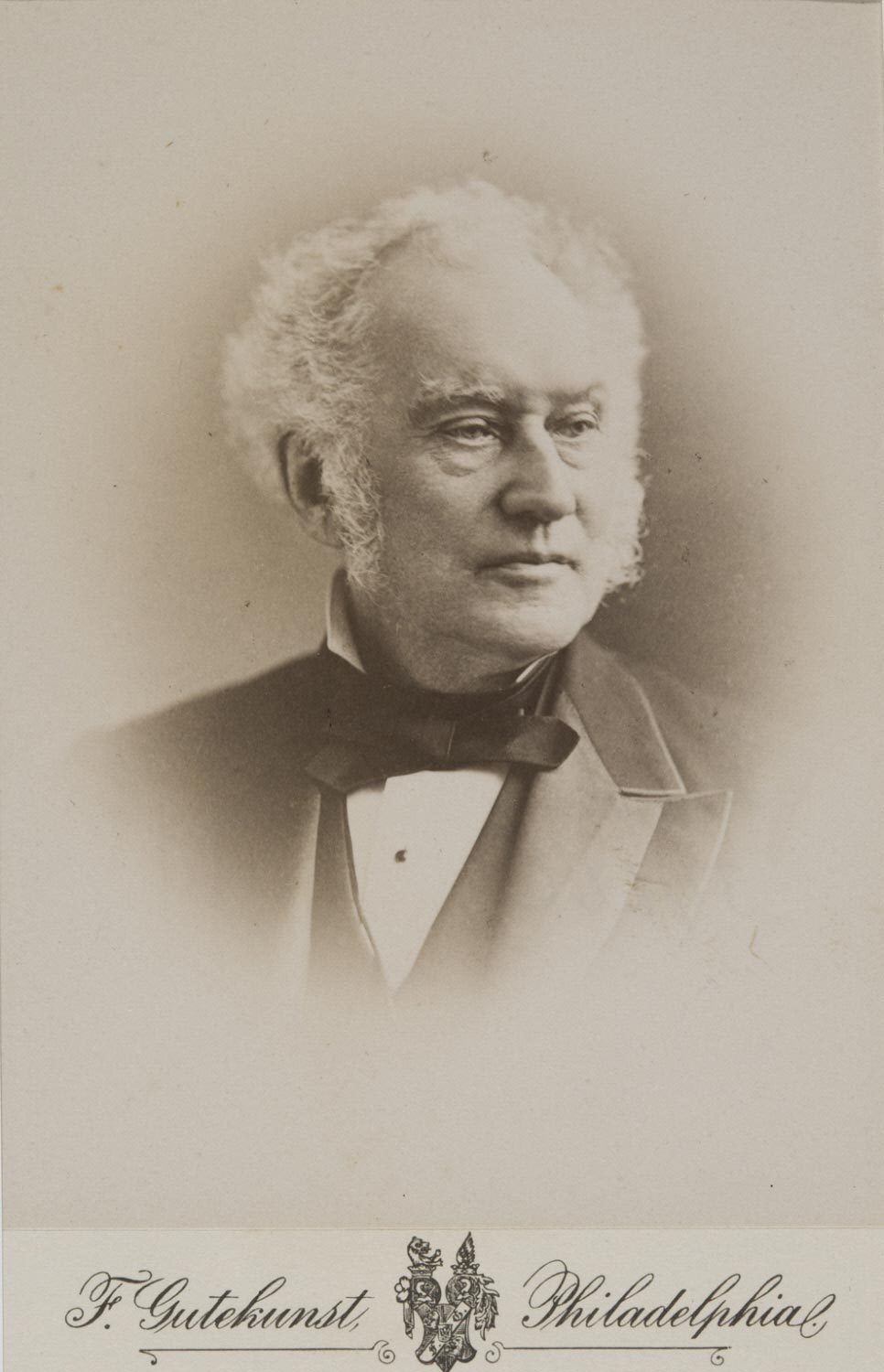
In his day Gross was the most famous surgeon in the U.S.A. He was for a time Professor of General Anatomy, Physiology, and Pathological Anatomy at Cincinnati Medical College and while there published his Elements, the…
1839 CE
#2215
Elements of the practice of medicine. Vol. 1. (All Published.)
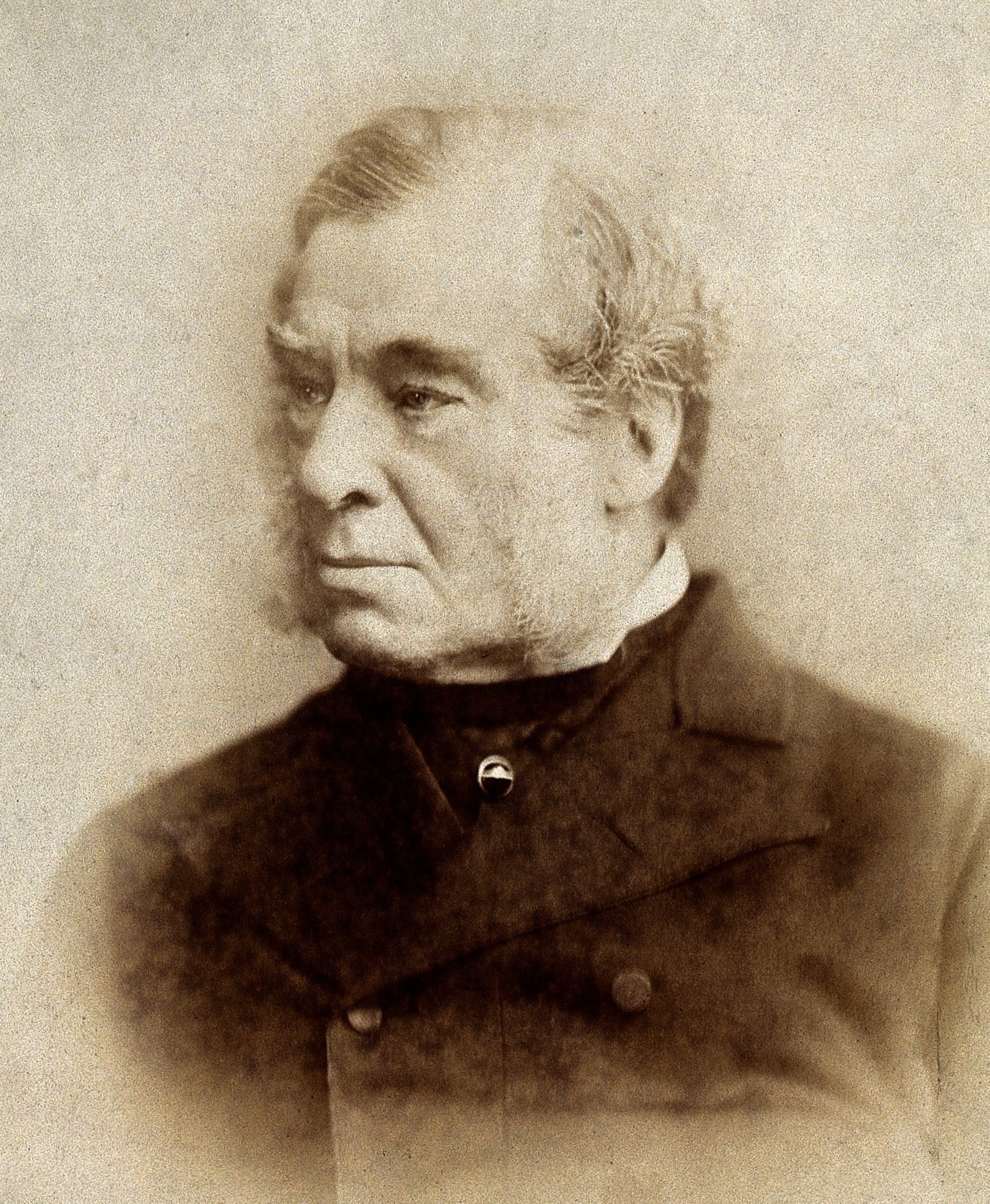
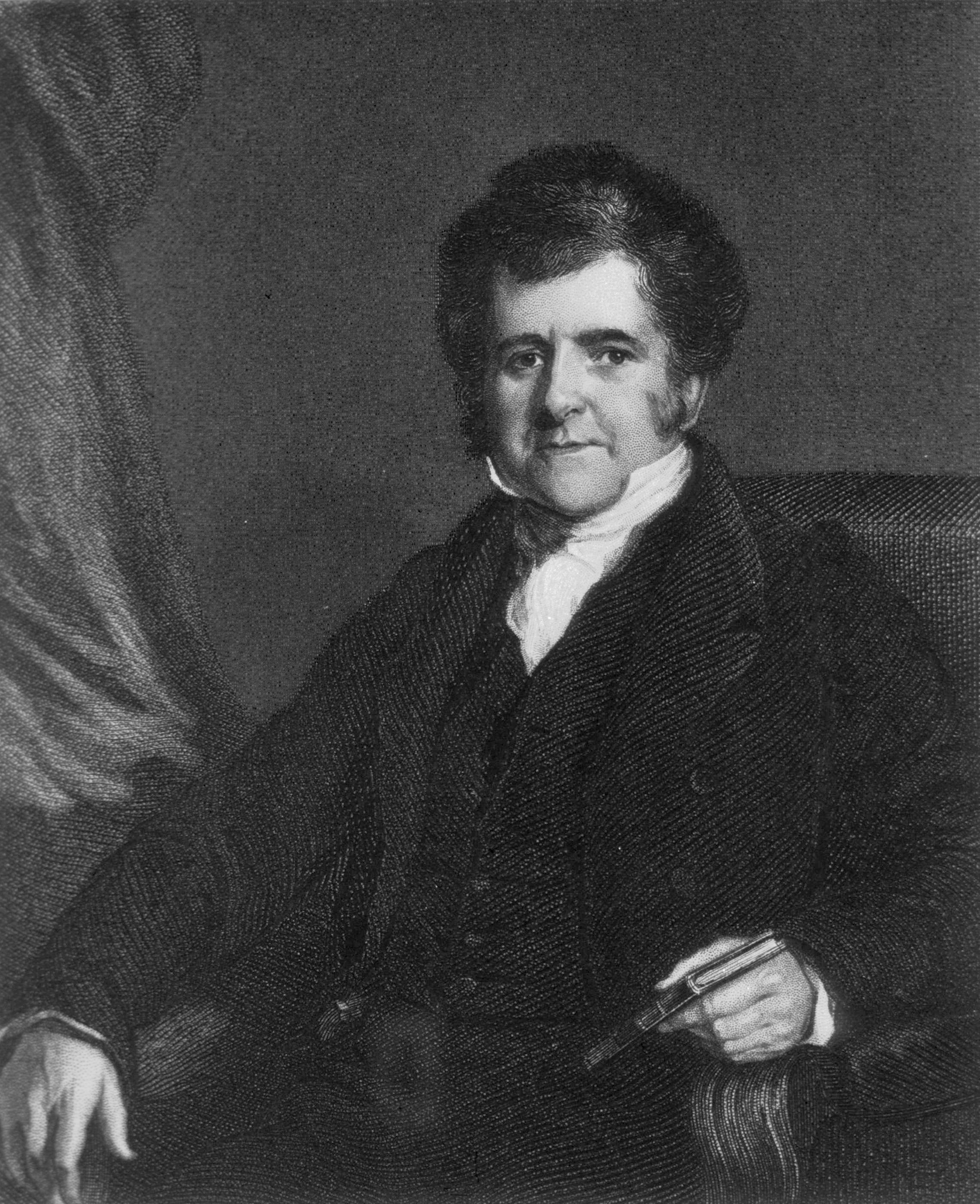
Originally issued in three parts from 1836 to 1839 when the authors were joint lecturers on medicine at Guy’s Hospital.
1839 CE
#483
Entwicklungsgeschichte der Natter (Coluber natrix).
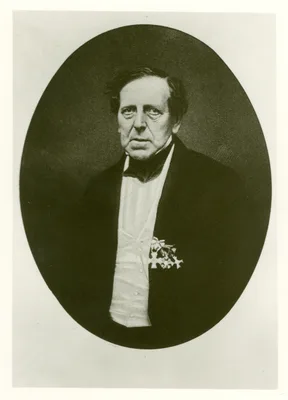
“Rathke’s pouch”, a diverticulum from the embryonic buccal cavity.
1839 CE
#12127
First annual report of the Registrar-General on births, deaths, and marriages in England.
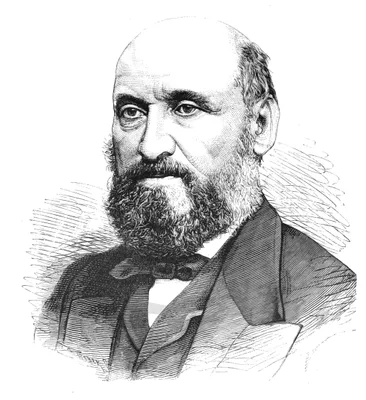
In 1836 the Births and Deaths Registration Act was passed in England with provisions for inquiry into causes of death in the population, and registration began during the following year through the General Registratio…
1839 CE
#7438
Journal of researches into the geology and natural history of the various countries visited by H. M. S. Beagle ....
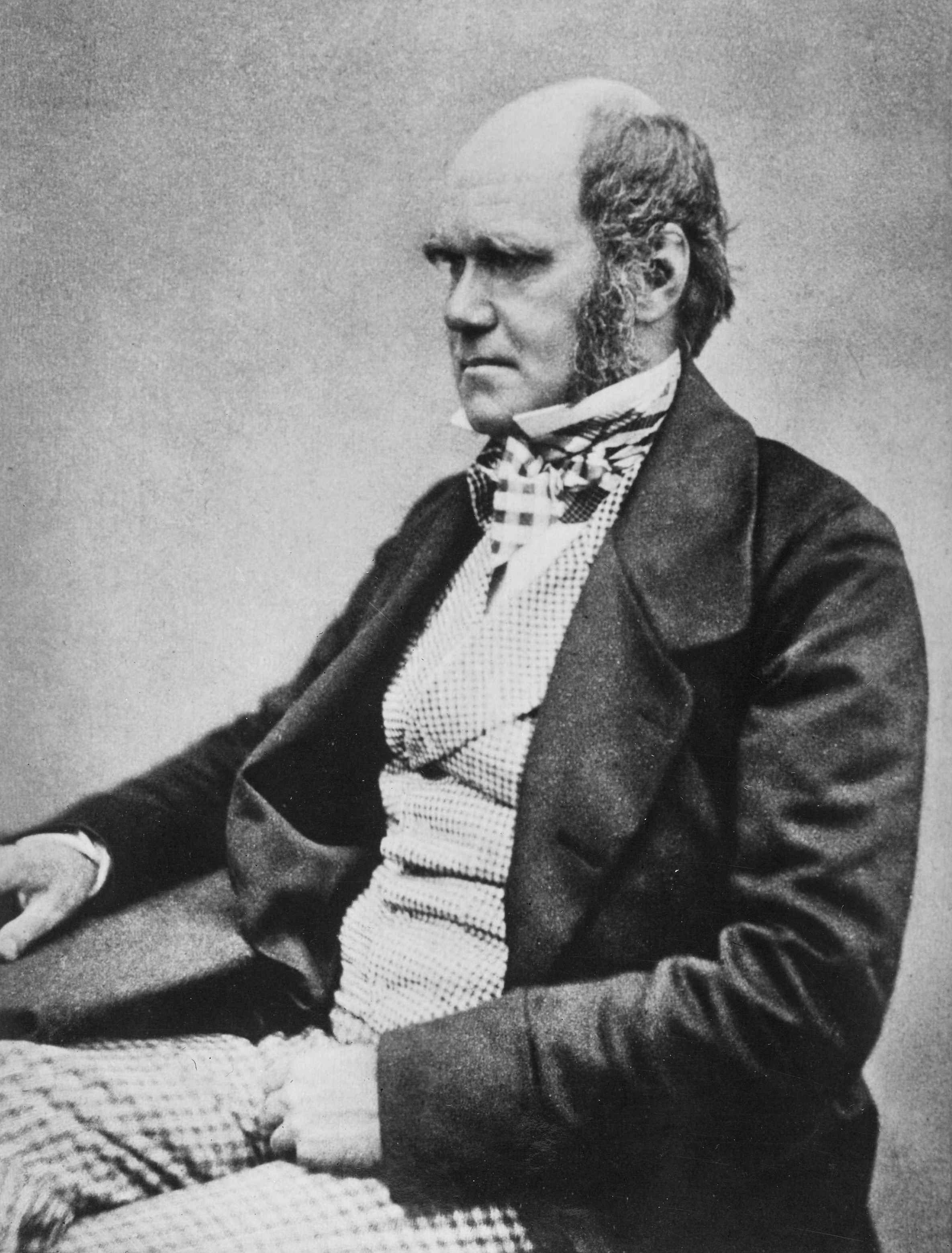
Darwin’s first published book, now universally known as The Voyage of the Beagle, is the most often read and the most often printed of all his works, after On the origin of species. Its relation to the backgroun…
1839 CE
#4322
Leçons orales de clinique chirurgicale. 2me. éd. Tom. 3.
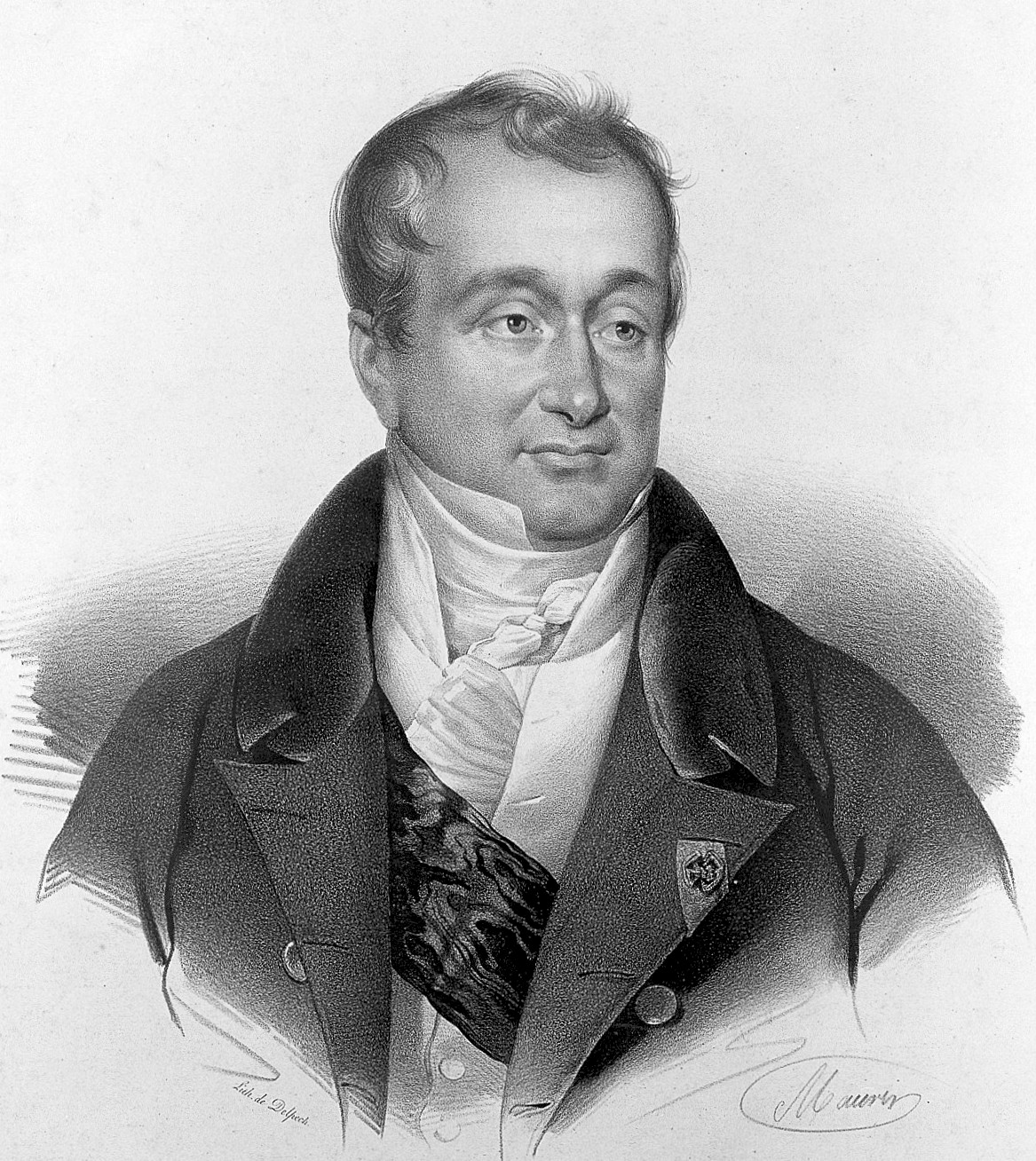
Pp. 455-61: Dupuytren was the first to treat wry neck by subcutaneous section of the sternomastoid muscle. This he did on 16 Jan, 1822. The operation was first reported in C. Averill: Short treatise on operative surge…
1839 CE
#2585
Lectures on the blood, and on the changes which it undergoes during disease: Delivered at the College of France in 1837-8.
Pp. 244-49: Magendie showed that secondary or subsequent injections of egg/albumin caused death in rabbits who had tolerated an initial injection. This was the first experiment in anaphylaxis, though Jenner in 1798 ha…
1839 CE
#9305
Lectures on the science of human life. 2 vols.
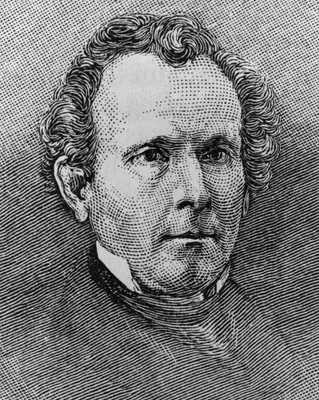
The Reverend Sylvester Graham was an American Presbyterian minister and dietary reformer known for his emphasis on vegetarianism, the temperance movement, and eating whole-grain bread. "Around 1829, Graham invented th…
1839 CE
#3442
Mémoire sur la possibilité d’établir un anus artificiel dans la région lombaire sans pénétrer dans le péritoine.
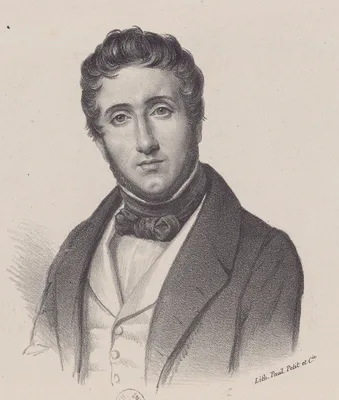
In 1839 Amussat performed the first lumbar colostomy for obstruction of the colon (“Amussat’s operation”). His work established lumbar colostomy as the method of choice. Translated in Dis. Colon. Rec…
1839 CE
#113
Mikroskopische Untersuchungen über die Uebereinstimmung in der Struktur und dem Wachsthum der Thiere und Pflanzen.
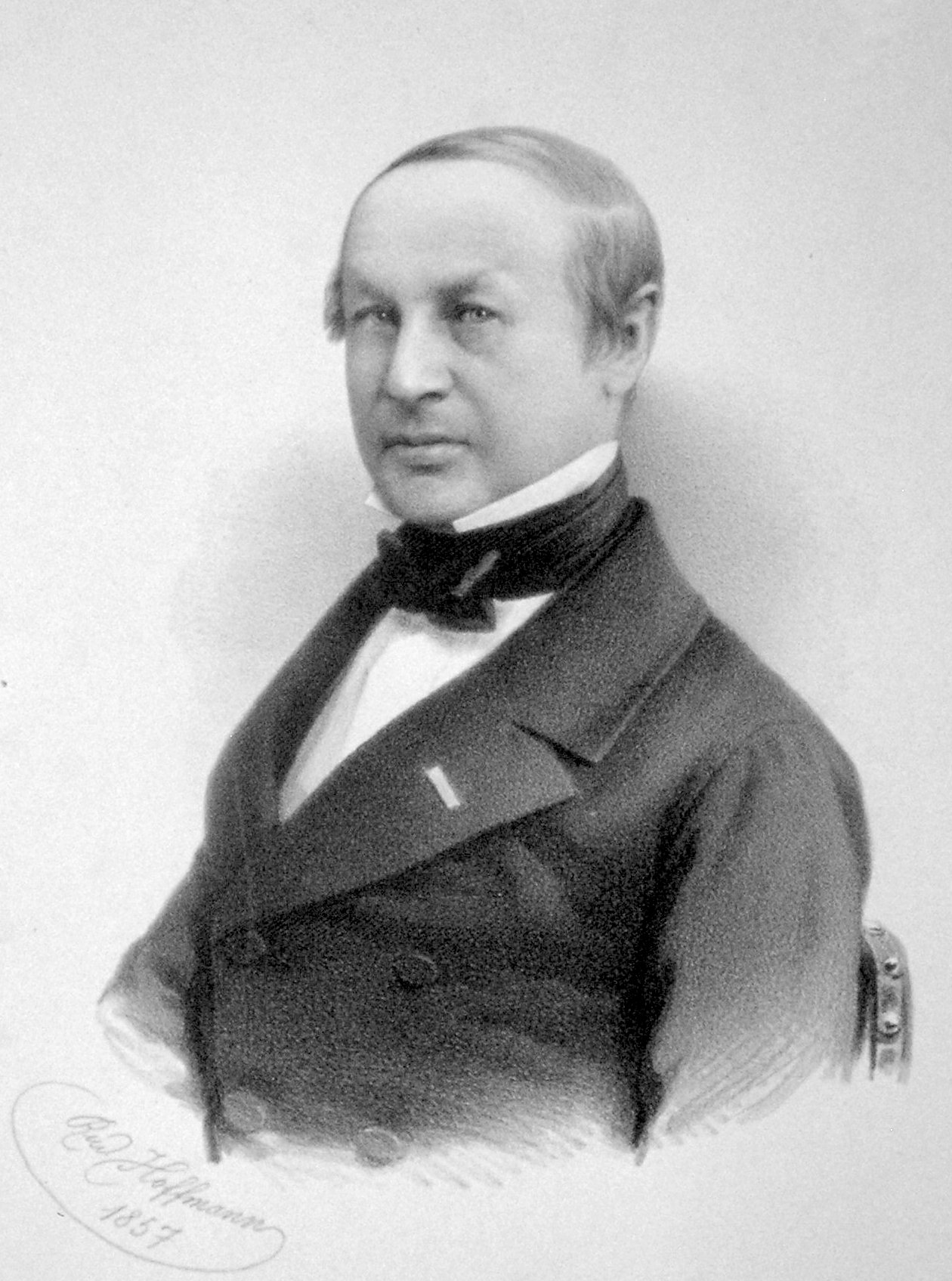
Mainly devoted to the investigation of the elementary structure of animal tissues, Schwann’s Untersuchungen had an important bearing on the development of the doctrine of the cell structure of animal tissue. In …
1839 CE
#805
Nowe spostrzezenia i badainia w przedmiocie fizyologii i drobnowidzowéj anatomii.
The “Purkinjĕ fibres”; identification of the conductor system of the heart. Reprinted in his Opera omnia, 1939, 3, 52-63. German version in Arch. Anat. Physiol, wiss. Med., 1845, 281-95; English translatio…
1839 CE
#5471
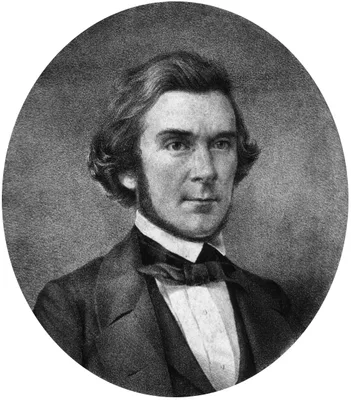
On dengue; its history, pathology, and treatment.
1839 CE
#4322.1
On the nature of club-foot and analogous distortions.
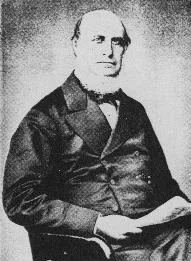
Little suffered from club-foot himself. This is the greatest English classic on the subject. See No. 4329.
1839 CE
#3681
On the structure, physiology, and pathology of the persistent capsular investments and pulp of the tooth.
“Nasmyth’s membrane”, or persistent dental capsule.
1839 CE
#3443
Opération d’anus artificiel, par la méthode de Littre, sur un homme adulte qui a survécu vingt-huit jours. In: Amussat, J. Z., Mémoire sur la possibilité d’établir un anus artificiel
Pillore performed caecostomy in 1776, the patient surviving 28 days. Amussat went to considerable trouble to find the document describing the operation. See No. 3442.
1839 CE
#4322.2
Operations on club-feet.
Brown was the first surgeon in the United States to specialize in orthopedics, founding the Orthopedic Infirmary of the City of Boston (soon renamed the Boston Orthopedic Institution) in 1838. Brown was also the first…
1839 CE
#10589
Physiognomice pathologica – Krankenphysiognomik. Text in quarto; atlas in folio with 72 hand-colored lithographs.
A second edition in octavo format with 80 small plates was published in 1842. Baumgärtner, a pupil of Friedrich Tiedemann and Leopold Gmelin at Heidelberg, taught that it was possible to make a correct diagnosis …
1839 CE
#1857
Recherches sur la salicine et les produits qui en dérivent.
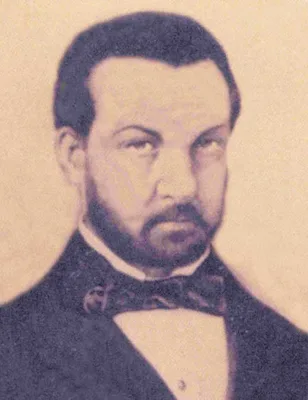
Piria made salicylic acid from salicin.
1839 CE
#2750.1
Rétrécissement avec oblitération presque complète de la portion thoracique de l’aorte.
Diagnosis of coarctation of aorta during life. Translation in Amer. J. Cardiol, 1965, 16, 253-55.
1839 CE
#3680
The dental art, a practical treatise on dental surgery.
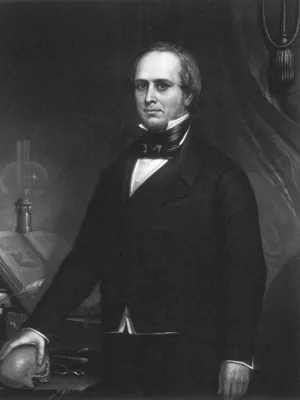
One of the most popular books on the subject ever published. It underwent 13 editions during the next 74 years! Harris was instrumental in founding the first dental college in the world, the Baltimore College of Denta…
1839 CE
#11763
The zoology of Captain Beechey's voyage; compiled from the collections and notes made by Captain Beechey, the officers and naturalist of the expedition, during a voyage to the Pacific and Behring's Straits performed in His Majesty's Ship Blossom, under the command of Captain F. W. Beechey...in the years 1825, 26, 27, and 28. By J. Richardson, N.A. Vigors, G.T. Lay, E.T. Bennett, Richard Owen, John E. Gray, Rev. W. Buckland, and G. B. Sowerby. Illustrated with upwards of fifty finely coloured plates by Sowerby.
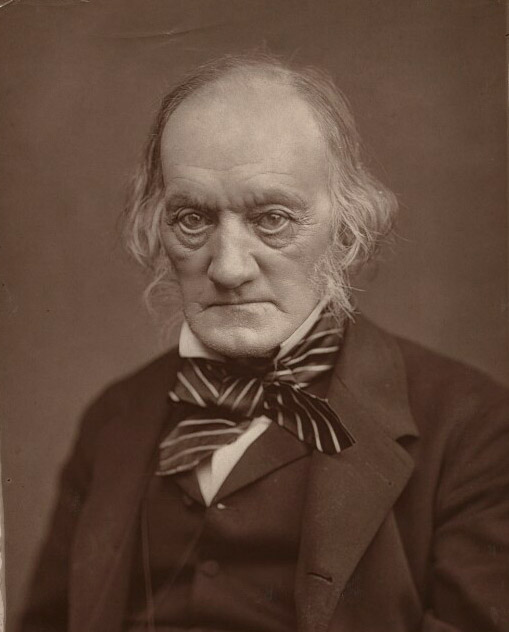
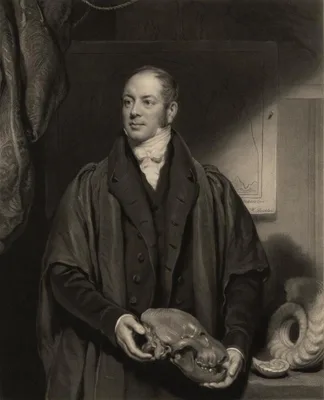
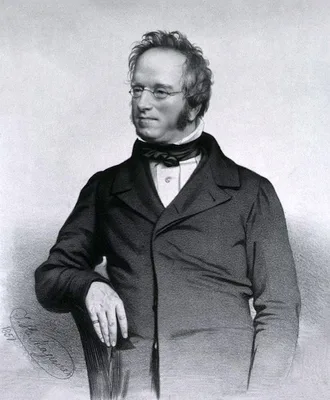
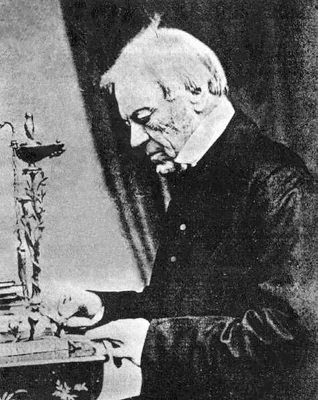
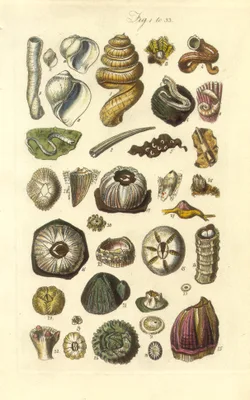
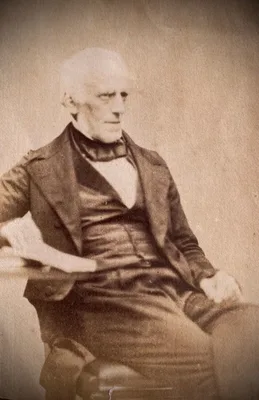
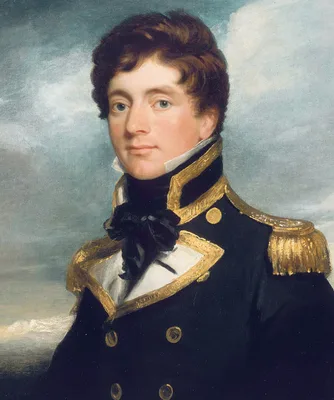
Includes 44 hand-colored plates engraved by J.C. Zeiter and Thomas Landseer after Edward Lear, J. D. C. Sowerby, and J. C. Zeitter, four hand-colored engraved maps and plans (one folding) after E. Belcher. Digital fac…
1839 CE
#2098
Traité des maladies de plomb ou saturnines. 2 vols.
Classical description of the diseases found among lead workers. Reporting on 1200 cases of lead poisoning, Tanquerel’s studies were so complete that later studies added little to knowledge of the symptoms and si…
1839 CE
#2751
Traité pratique des maladies du coeur.
1839 CE
#1458
Ueber die Compensation der physischen Kräfte am menschlichen Stimmorgan, mit Bemerkungen über die Stimme der Säugethiere, Vögel und Amphibien.
1839 CE
#1699
Vital statistics. IN: A statistical account of the British Empire: exhibiting its extent, physical capacities, population, industries, and civil and religious institutions by J[ohn] R[amsey] McCulloch, 2nd ed., 2, 52-90.
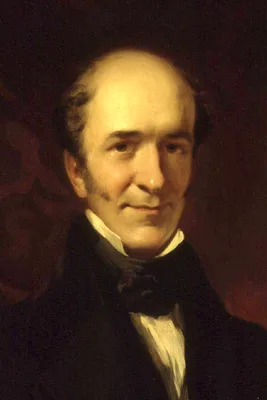
Ranks with Graunt’s Observations as an original contribution to medical statistics. Significantly expanded from the first edition (1837). Digital facsimile from Google Books at this link.
1839 CE
#4029
Zur Pathogenie der Impetigines.
The discovery of a fungus as the cause of favus (Achorion schönleinii). Schönlein communicated this important discovery in a letter of less than 200 words and one illustration. It represents the first conspi…
1839 CE–1840 CE
#4525
A case of disease in the posterior columns of the spinal cord.
Stanley was the first to describe disease of the posterior columns of the spinal cord.
1839 CE–1840 CE
#1856
The elements of materia medica, comprehending the natural history, preparation, properties, composition, effects and uses of medicines. 2 vols.
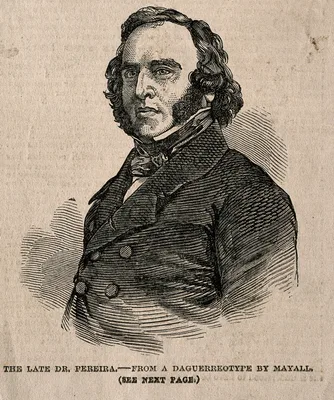
The first great English work on the subject, widely published and used in England and America. Pereira was Professor of Materia Medica at the School of Pharmacy set up by the Pharmaceutical Society of Great Britain. D…
1839 CE–1841 CE
#4208
Traité des maladies des reins. 3 vols, and atlas.
Rayer insisted on the exhaustive analysis of the urine as an aid to the diagnosis of lesions. He classified “albuminus nephritis” into six distinct forms and distinguished these from other forms of nephrit…
1839 CE–1850 CE
#12931
American Library of Dental Science. 10 vols.
This was a series of American editions, and first English translations, of then-standard or classic works, most of which remain classics in dental literature. The volumes were listed by Weinberger (1938) as follows: V…
1839 CE–1855 CE
#13838
Zbiór wiadomości do historyi sztuki lekarskiéj w Polsce od czasów najdawniejszych, aź do najnowszych. 4 vols.
Gasiorowski is considered the father of medical history in Poland. Digital facsimile from polona.pl at this link.
1839 CE–1857 CE
#1396.01
Anatomie comparée du système nerveux. 2 vols. and atlas.
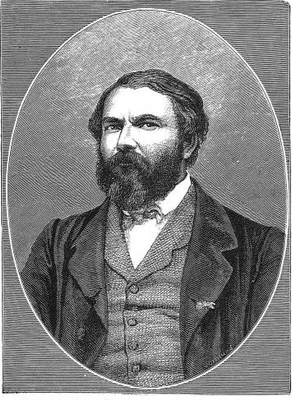
The first comprehensive systematic investigation of the mammalian brain. Leuret wrote vol. 1 without Gratiolet, who later became his collaborator, publishing vol. 2 and the atlas after Leuret’s death.
1839 CE–1861 CE
#13
Oeuvres complètes d’Hippocrate. Traduction nouvelle avec le texte grec en regard, collationné sur les manuscrits et toutes les éditions: Accompagnée d'une introduction de commentaires médicaux, de variantes et de notes philologiques; suivie d'une table générale des matières par É[mile] Littré. 10 vols.
![HIPPOCRATES, [Ἱπποκράτης; Hippocrates of Kos] (-460 – -370)](/media/portraits/50)
The above bilingual edition was the result of 22 years of continuous labor, remains the most significant edition overall. For a detailed bibliography of modern editions and translations see Paul Potter, Short handbook…
c. 1838 CE
#11310
Anatomical cabinet, belonging to R. D. Mussey, M.D., Professor of Surgery in the Medical College of Ohio. Printed for the use of pupils.
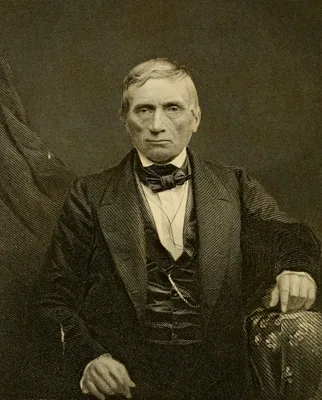
This 20-page pamphlet described Mussey's personal collection of anatomical and pathological specimens. No place of printing or date of publication is indicated in the pamphlet; because of the reference to the Medical …
c. 1839 CE
#10003
Deadly adulteration and slow poisoning unmasked; or, Disease and death in the pot and the bottle; in which the blood-empoisoning and life-destroying adulterations of wines, spirits, beer, bread, flour, tea, sugar, spices, cheese-mongery, pastry, confectionary medicines, &c. &c. &c. are laid open to the public, with tests or methods for the ascertaining and detecting the fraudulent and deleterious adulterations and the good and bad qualities of those articles: with an exposé of medical empiricism and imposture, quacks and quackery, regular and irregular, legitimate and illegitimate: and the frauds and mal-practices of the pawn-brokers and madhouse keepers. New edition
Digital facsimile from the Hathi Trust at this link.