
1790–1799
174 entries with publication dates in this decade.
1792 CE
#158
Ueber den natürlichen Unterschied der Gesichtszüge in Menschen verschiedener Gegenden und verschiedenen Alters.
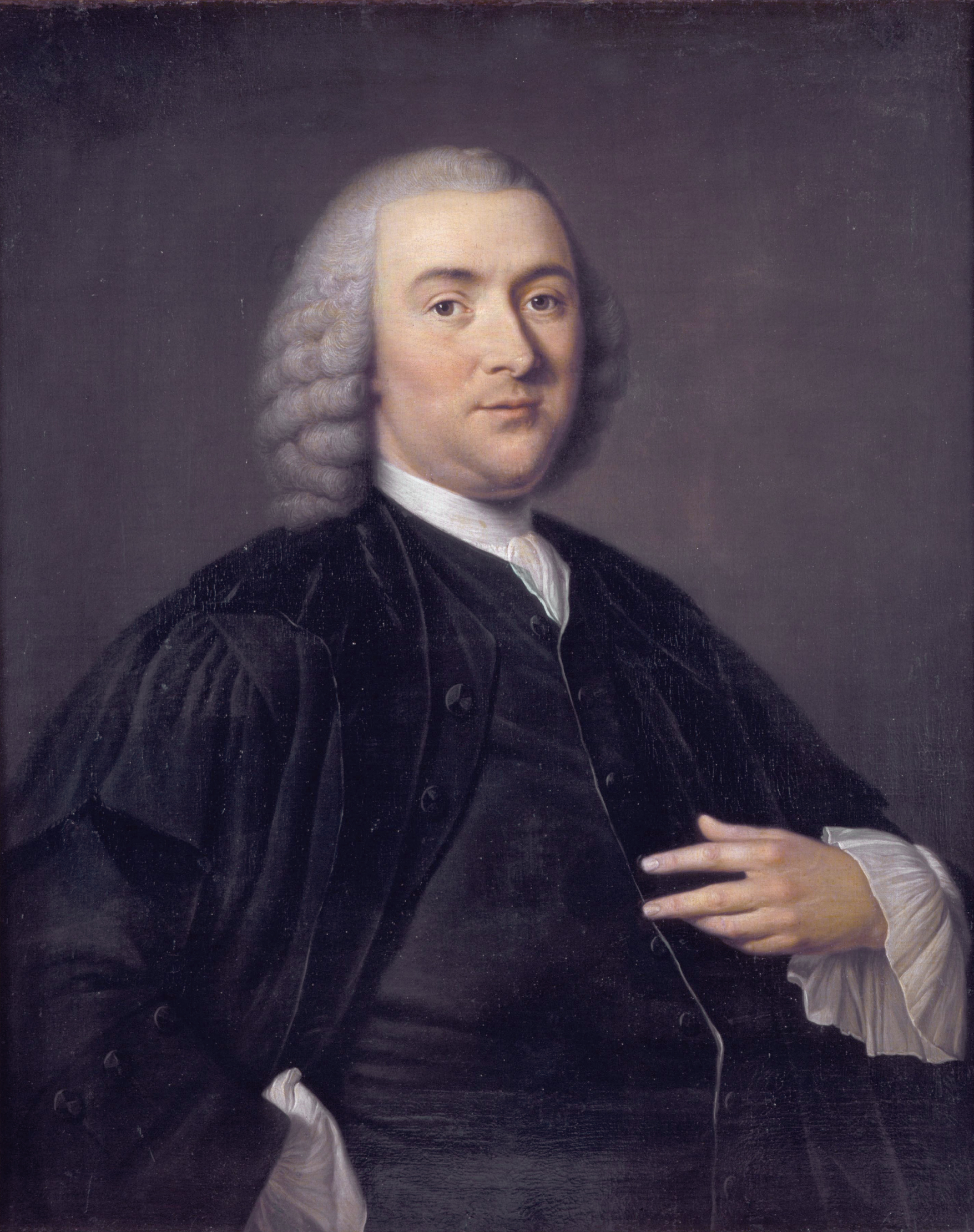
This work on physiognomy includes Camper’s description of his craniometrical methods. Camper is chiefly remembered for the “facial angle” of his own invention. The book first appeared in Dutch in 179…
1792 CE
#6358
Von Menschen ohne Haare und Zähne.
Hereditary ectodermal dysplasia first described. Digital facsimile from Google Books at this link.
1792 CE–1794 CE
#1965
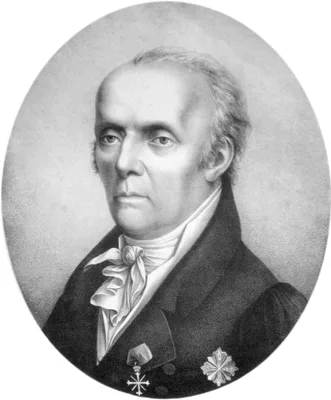
De curandis hominum morbis epitome. 6 vols.
1792 CE–1795 CE
#1776
Versuch einer allgemeinen medizinisch-praktischen Geographie, worin der historische Theil der einheimischen Völker-und Saaten-Arzeneykunde vergetragen wird. 3 vols.
The first comprehensive medical geography. See George Rosen, "Leonhard Ludwig Finke and the first medical geography," IN: Underwood, E. A. (ed.). Science and medicine in history: Essays on the evolution of scientific …
1792 CE–1803 CE
#6382
Versuch einer pragmatischen Geschichte der Arzneikunde. 5 vols.
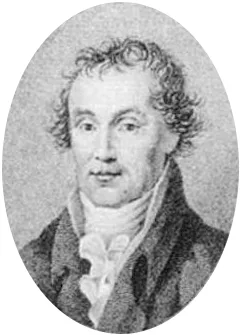
A monumental work, full of information which was of great assistance to later historians. Includes a useful chronology. Third edition, 1821-28; fourth edition of vol. 1, 1846.
1792 CE–1813 CE
#9087
The natural history of British insects; explaining them in their several states, with the periods of their transformations, their food, oeconomy, &c. Together with the history of such minute insects as require investigation by the microscope. The whole illustrated by coloured figures, designed and executed from living specimens. 16 vols.
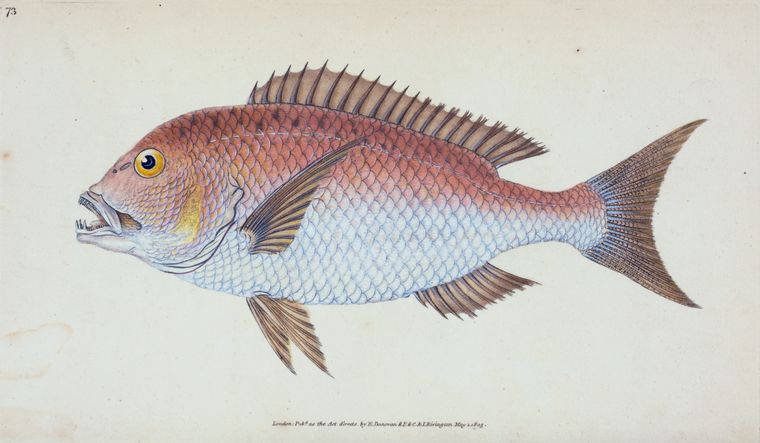
Includes a total of 576 plates, of which 568 were colored.
1793 CE
#5452
A description of the malignant, infectious fever prevailing at present in Philadelphia; with an account of the means to prevent infection, and the remedies and method of treatment, which have been found most successful.
Digital facsimile from the Internet Archive at this link.
1793 CE
#13872
A journal during a residence in France, from the beginning of August, to the middle of December, 1792. To which is added, an account of the most remarkable events that happened at Paris from that time to the death of the late king of France.
1793 CE
#13619
A paper on the prevention and treatment of the disorders of the seamen and soldiers in Bengal. Presented to the Honourable Court of East-India Directors, in the year 1791.
Murray was in the Bengal Medical Service from 1782 to 1802. This was his report to the Directors of the East-India Company. Digital facsimile from the Internet Archive at this link.
1793 CE
#5451
A short account of the malignant fever, lately prevalent in Philadelphia: With a statement of the proceedings that took place on the subject in different parts of the United States.
Carey was a Philadelphia publisher and economist rather than a physician. In this little book, which passed through four editions in a few months, Carey left a graphic description of the great yellow fever epidemic of…
1793 CE
#12950
A sketch of a tour on the Continent, in the years 1786 and 1787. 3 vols.
Includes an index to the natural history aspects that Smith recorded. Digital facsimile from the Hathi Trust at this link.
1793 CE
#2378
A treatise on gonorrhoea virulenta, and lues venerea. 2 vols.
Bell was the first to differentiate between gonorrhoea and syphilis.
1793 CE
#10590
An inquiry into the nature and properties of opium: Wherein its component principles, mode of operation, and use or abuse in particular diseases, are experimentally investigated, and the opinions of former authors on these points impartially examined.
Crumpe undertook extensive experiments to understand the effects of opium. His book provided the first detailed description of the effects of narcotic withdrawal. Digital facsimile from the Hathi Trust at this link.
1793 CE
#13435
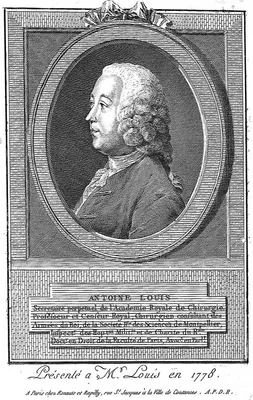
Catalogue de la bibliothèque de feu M. Louis, Secrétaire perpétuel de l'Académie de chirurgie, &c. Dont la vente se fera dans une salle du Collège de chirurgie, rue des Cordeliers, le lundi 7 janvier 1793 & les jours suivans, trois heures de relevée.
1793 CE
#104.1
Das entdeckte Geheimnis der Natur im Bau und in der Befruchtung der Blumen.

Sprengel demonstrated for the first time that the whole structure of nectar-bearing flowers is adapted for fertilization by insects. In his study of the Rose-bay Sprengel discovered dichogamy – that in some plan…
1793 CE
#9074
Elementos de cirurgia ocular offerecidos a Sua Alteza Real o Senhor D. João Principe do Brazil.
The first Portuguese book on ophthalmology. Santa Ana was the first Portuguese physician to specialize in ophthalmology. "He acknowledges (pp. vii-viii) that the section of the Elementos on anatomy and physiology is a…
1793 CE
#1386.1
Examen chimique du cerveau de plusieurs animaux.
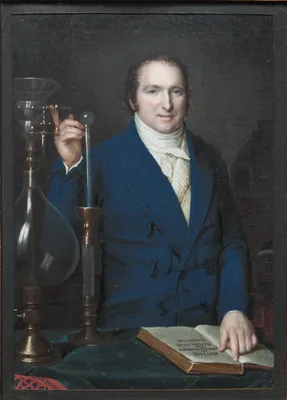
Fourcroy, French physician and chemist, made important researches on the chemistry of the brain. He noted albumen (protein) as a principal constituent.
1793 CE
#2735
History of a case in which there took place a remarkable slowness of the pulse.
Morgagni described a case of “epilepsy with slow pulse” (see No. 2734), but Adams has been given the credit for reporting the first clear case of heart block (No. 2745). There is no doubt that Spens report…
1793 CE
#9059
Medcinische Fastenpredigten, oder Vorlesungen über Körper und Seelendiätetik zur Verbesserung der Gesundheit und Sitten. 2 vols.
Digital facsimile from Google Books at this link.
1793 CE
#3579
Nuevo método de operar en la hernia crural.
Description of Gimbernat’s operation for strangulated femoral hernia. In the same work he also described the ligament in the crural arch named after him. Gimbernat was a pioneer in ophthalmology, vascular surger…
1793 CE
#1486
Observations on vision.
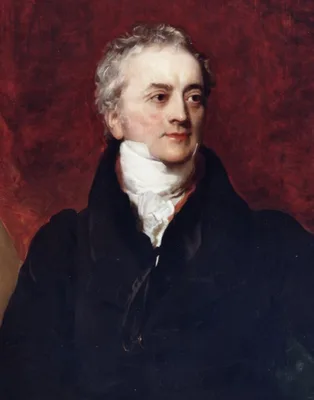
Thomas Young is regarded as one of the most versatile of all scientists. In the above work he showed that the act of accommodation is due to a change of curvature of the crystalline lens, whereby light rays of various…
1793 CE
#594
Premier mémoire sur la respiration des animaux.
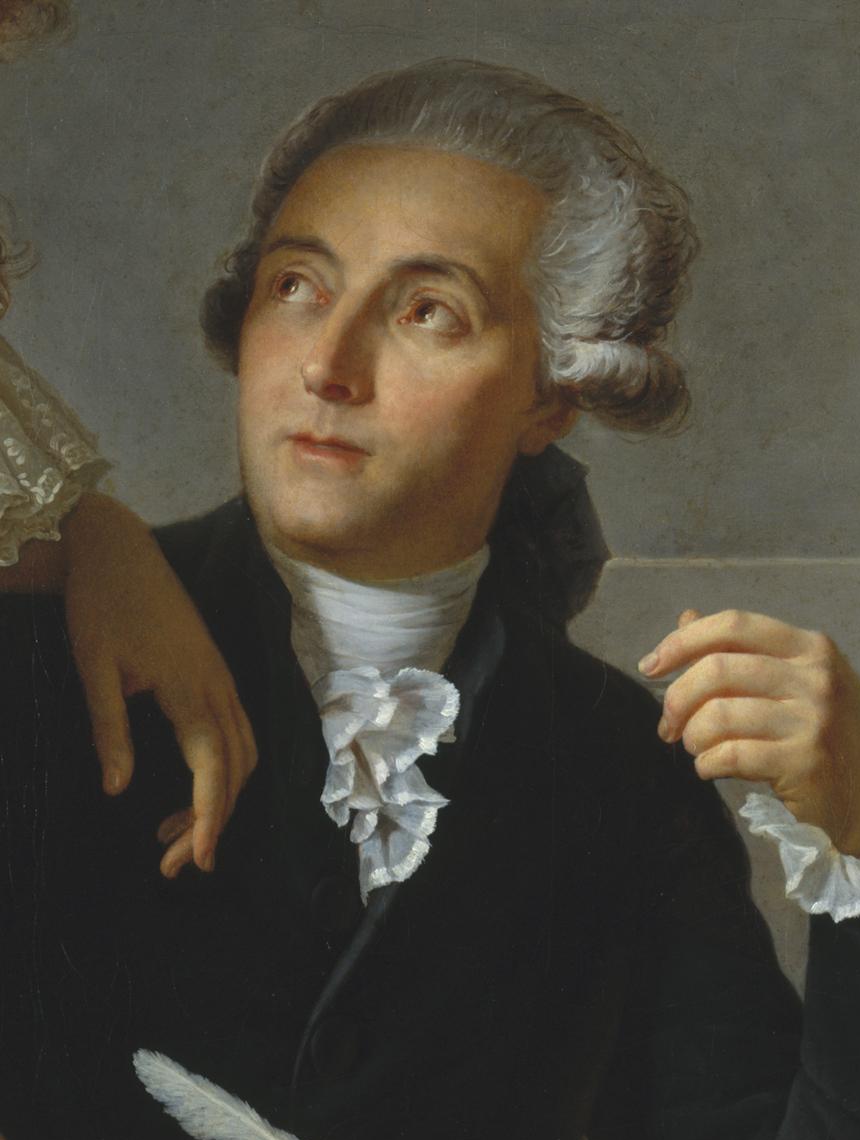
Séguin and Lavoisier measured the metabolism of a man (Séguin himself). They made three observations of fundamental importance in this respect; that the intensity of oxidation in man is dependent upon (1…
1793 CE
#3428
Saggio d’osservazioni, e memoire sopra alcuni case singolari riscontrati nell’esercizio della medicina, e della anatomia pratica.
Includes (pp. 33-56) an account of perforating duodenal ulcer.
1793 CE
#11576
Storia di un monocolo con alcune riflessioni.
A rather elegantly produced and illustrated medical monograph on a cyclops, with plates printed in sepia. Engraved headpieces allude to monsters from classical mythology Digital facsimile from Google Books at this link.
1793 CE
#13897
The family adviser, or, a plain and modern practice of physic; calculated for the use of private families, and accommodated to the diseases of America
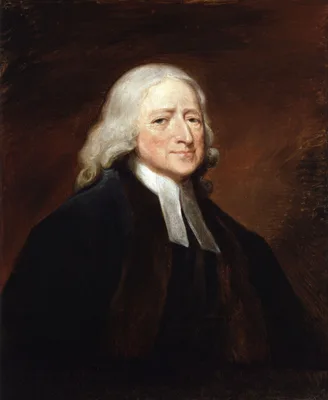
Wilkins' book intended for Methodists was issued with the 23rd edition of Wesley's work. Digital facsimile from wellcomecollection.org at this link.
1793 CE
#13041
The history of Dahomy, an inland kingdom of Africa; compiled from authentic memoirs; with an introduction and notes.
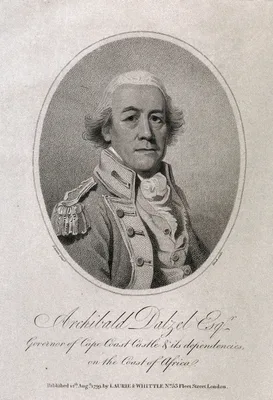
Dalzel studied medicine at Edinburgh, and served in the Royal Navy as a surgeon during the Seven Years’ War (1756–63). Discharged in 1763, he accepted a position as a surgeon in the Company of Merchants Tr…
1793 CE
#2281
The morbid anatomy of some of the most important parts of the human body.
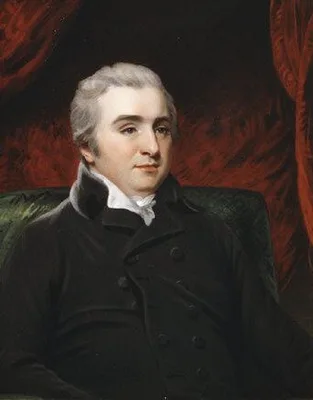
Baillie was a nephew and pupil of William Hunter. The above is the first systematic textbook of morbid anatomy, treating the subject for the first time as an independent science. See also Nos. 2736, 3167.1. Baillie wa…
1793 CE
#6022
Ueber die Wirkungen der Schnürbrüste.
Soemmerring enumerated the bad effects of tight corsets on the internal organs of women. His book created much interest and resulted in a great decline in the fad of tight lacing and hoop skirts. This is the second ed…
1793 CE–1794 CE
#4921
Della pazzia in genere, e in specie, trattato medico-analitico, con una centuri di osservatzioni. 3 vols.
Chiarugi was the first in Europe to abandon chains and fetters in a mental hospital. He required a case history for each patient, hygienic rooms with segregation of the sexes, no restraint beyond strait jacket and cot…
1793 CE–1795 CE
#12951
A specimen of the botany of New Holland
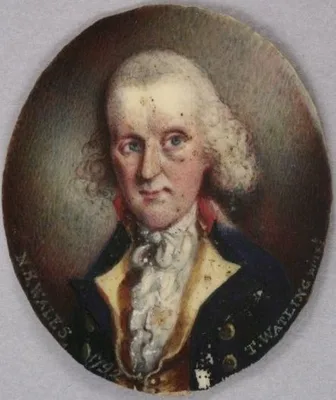
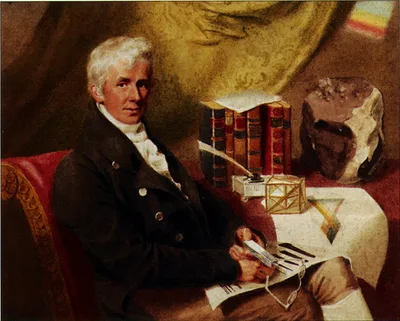
The first published book on the flora of Australia, issued by Sowerby in four parts between 1793 and 1795. It included 16 hand-colored plates reproducing paintings by Sowerby, mostly based on sketches by John White, a…
1793 CE–1797 CE
#6750
Initia bibliothecae medico-practicae et chirurgicae realis sive repertorii medicinae practicae et chirurgiae. 8 vols.
The first important classified bibliography of medical literature covering both monographic material and current periodicals.
1793 CE–1835 CE
#11312
Museum anatomicum academiae Lugduno-Batavae. 4 vols.
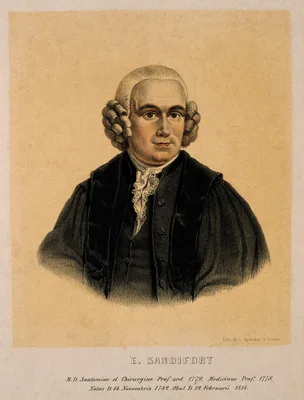
This work, complete in over 1000 pages, with hundreds of full page plates, was begun by Eduard Sandifort and completed 42 years later by his son Gerard. Many of the plates illustrate diseases of bone. Digital facsimil…
1794 CE
#5453.1
A narrative of the proceedings of the black people during the late awful calamity in Philadelphia, in the year 1793: and a refutation of some censures thrown upon them in some late publications.
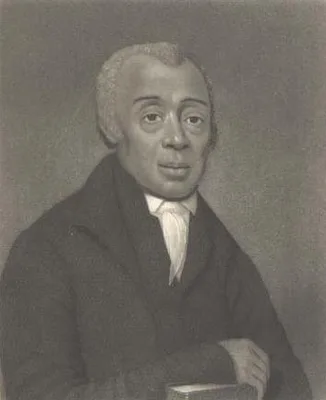
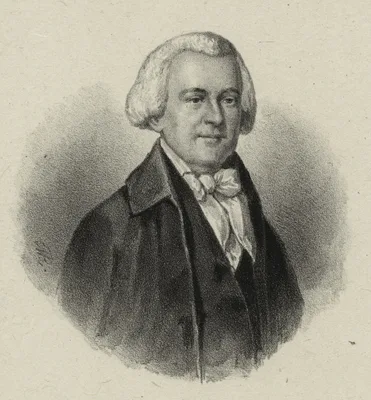
A refutation of slights by Matthew Carey in his Short account of the malignant fever, lately prevalent in Philadelphia (1793; No. 5451) to the important contributions of black people, many of whom served as nurses and…
1794 CE
#4307
A practical essay on a certain disease of the bones termed necrosis.
One of the first attempts at a complete and detailed description of necrosis. Russell was the first Professor of Clinical Surgery at Edinburgh.
1794 CE
#2283
A treatise on the blood, inflammation, and gun-shot wounds.
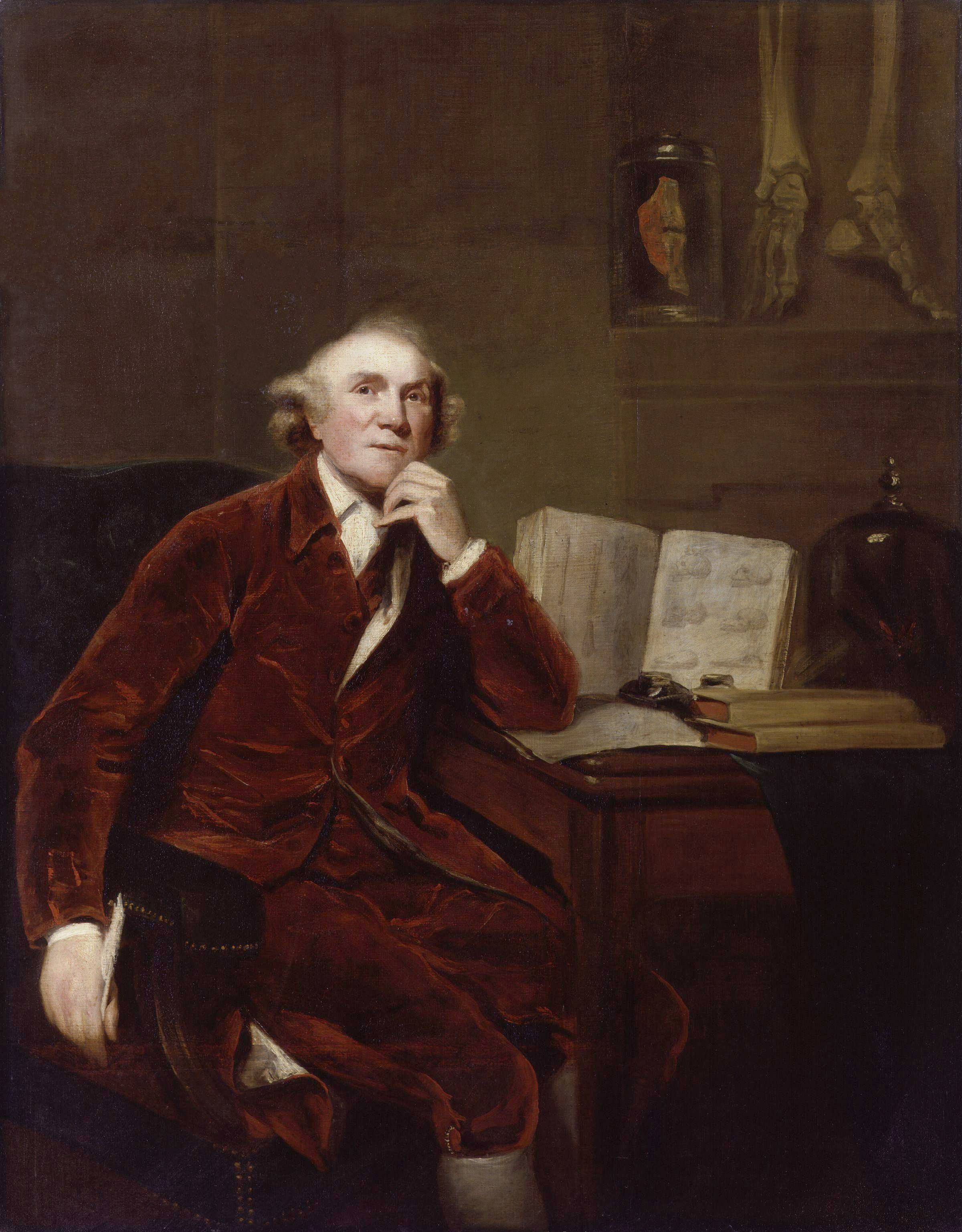
It was while serving with the army at Belle Isle during the Seven Years’ War that Hunter collected the material for his epoch-making book on inflammation and gunshot wounds. His studies on inflammation in partic…
1794 CE
#19
Aesclapiadis Bithyni fragmenta. Digessit et curavit Christianus Gottlieb Gumpert. Praefatus est Christian. Gothfridus Gruner.
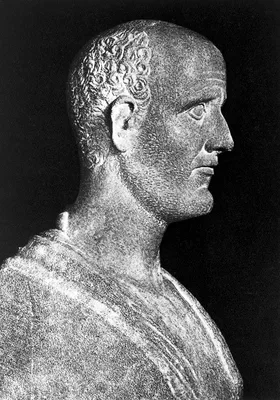
After the fall of Corinth (146 BCE), Greek physicians migrated to Rome. There, before the advent of Asclepiades, Greek physicians were despised and distrusted. Asclepiades may be said to have established Greek medicin…
1794 CE
#3428.1
An account of a singular case of obstructed deglutition.
Bayford reported a a fatal case of "obstructed deglutition" caused by compression of the oesophagus by an aberrant right subclavian artery. This he called Dysphagia lusoria. See the account by N. Asherson in Ann. roy.…
1794 CE
#5453
An account of the bilious remitting yellow fever, as it appeared in the city of Philadelphia in the year 1793.
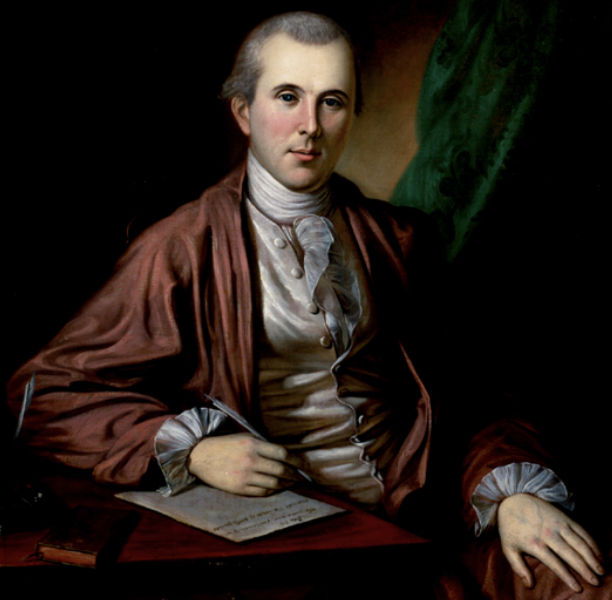
Benjamin Rush was the most eminent figure in Philadelphia medicine in his day. His description of the yellow fever epidemic of 1793 is classic. He did magnificent work in treating the sick during the epidemic and in p…
1794 CE
#6157.1
An anatomical description of the human gravid uterus and its contents.
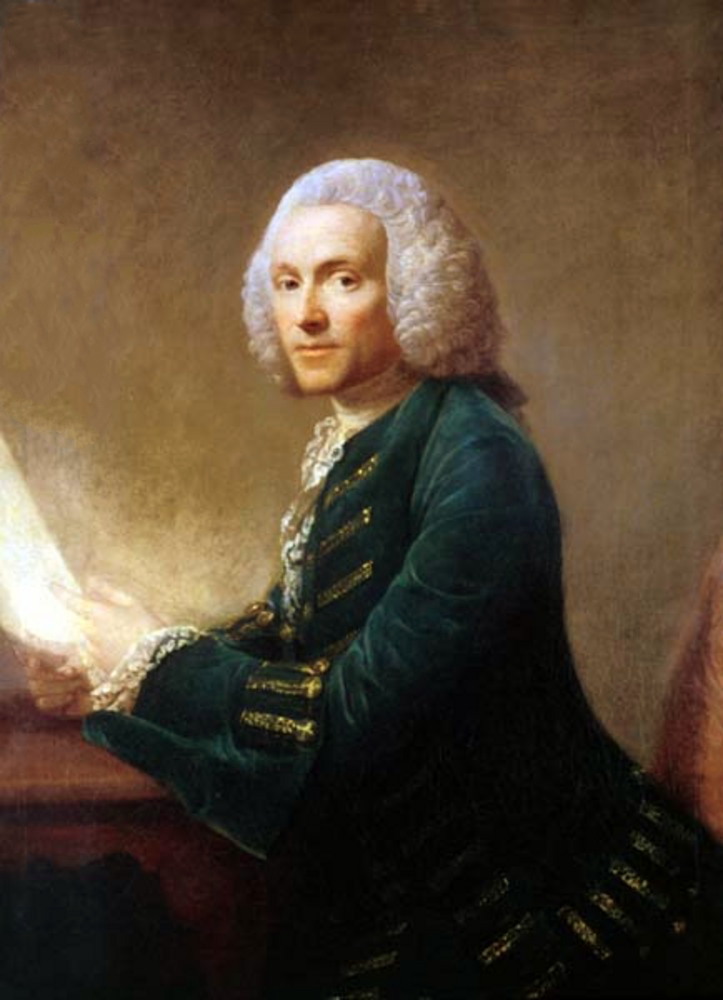
Hunter’s text for No. 6157, edited and published by Matthew Baillie after William Hunter's death. Digital facsimile from Google Books at this link.
1794 CE
#9387
An enquiry into, and observations upon the causes and effects of the epidemic disease, which raged in Philadelphia from the month of August till towards the middle of December, 1793.
Text in English and French on facing pages. Digital facsimile from the Medical Heritage Library, Internet Archive at this link.
1794 CE
#5735.1
Article on Indian rhinoplasty.
The first report published in Europe on the so-called Indian or Hindu method of rhinoplasty using a forehead flap, accompanied by an engraving of the patient, Cowasjee, with a restored nose and showing the stages of t…
1794 CE
#9526
Considerations on the medicinal use, and on the production of factitious airs and on the manner of obtaining them in large quantities: In two parts.
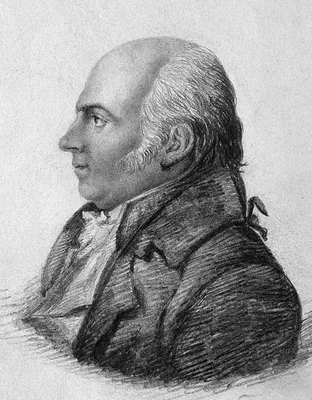
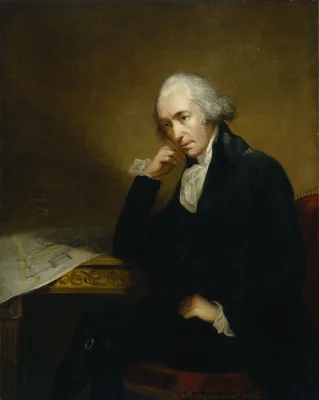
The engineer James Watt collaborated with the physician, Thomas Beddoes, in this project. This was Watt's only contribution to medicine. While much of Beddoes' work proved ineffective it did result in Humphrey Davy's …
1794 CE
#3879
De curandis hominum morbis epitome. Liber V.
Frank was the first to define diabetes insipidus (pp. 38-67).
1794 CE
#594.1
Dell’uso e dell’attività dell arco conduttore nelle contrazioni dei muscoli.
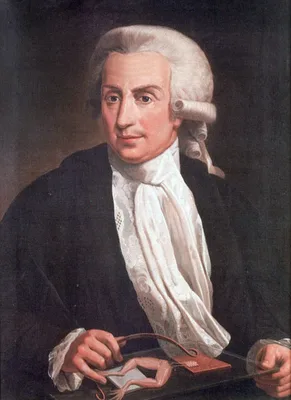
The first account of Galvani’s electrical experiments without the presence of metals, in which he demonstrated the presence of electrical energy in living tissue by showing that convulsions in frog nerve-muscle …
1794 CE
#8004
Demostracion de las eficaces virtudes nuevamente descubiertas en las raices de dos plantas de Nueva-España, especies de ágave y de begónia, para la curacion del vicio venéreo y escrofuloso ...
Balmis conducted experimental trials on the effectiveness of two Mexican plants, agave and begonia, which were believed, according to folk medicine practices in Mexico, to cure syphilis and scrofula. The trials confir…
1794 CE
#10470
Die Bleyglasur de irdenen Küchengeschirrs als eine unerkannte Hauptquelle vieler unserer Krankheiten und Mitursache der Abnahme körperlicher Kräfte der Menschen.
On the lead glaze of earthen kitchen utensils as an unrecognized source of many diseases.
1794 CE
#9833
Engravings, explaining the anatomy of the bones, muscles and joints.
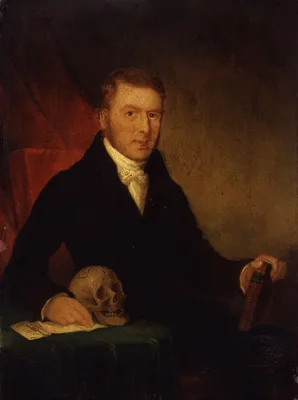
Bell’s atlas of the bones, muscles and joints was issued as a separate work a year after his text, The Anatomy of the Bones, Muscles, and Joints. Bell’s illustrations are some of the most striking in the e…
1794 CE
#9989
Hortus Americanus, containing an account of the trees, shrubs, and other vegetable productions of South-America and the West-India islands, and particularly of the island of Jamaica; interspersed with many curious and useful observations, respecting their uses in medicine, diet, and mechanics.
Digital facsimile from Biodiversity Heritage Library at this link.
1794 CE
#7659
Instructions for collecting and preserving various subjects of natural history; as animals, birds, reptiles, shells, corals, plants, &c. Together with A treatise on the management of insects in their several states; selected from the best authorities.
Digital text available from ECCO TCP Eighteenth Century Collections Online at this link.
1794 CE
#11782
Medicina theologica, ou supplica humilde, feita a todos os senhores confessores e directores, sobre o modo de proceder com seus penitentes na emenda dos peccados, principalmente da lascivia, colera, e bebedice.
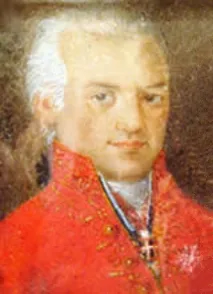
The first Portuguese work on psychosomatic medicine. The author was a Brazilian who worked in Portugal. Digital facsimile from Wellcomelibrary.org at this link.