
1670–1679
77 entries with publication dates in this decade.
1676 CE
#9511
The family physician, and the house apothecary: Containing I. Medicines against all such diseases people usually advise with apothecaries to be cured of, II. Instructions, whereby to prepare at your own houses all kinds of necessary medicines that are prepared by apothecaries, or prescribed by physicians, III. The exact prices of all drugs, herbs, seeds, simple and compound medicines, as they are sold at the druggists, or may be sold by the apothecaries, IV. That it's plainly made to appear, that in preparing medicines thus at your own houses, that it's not onely a far safer way, but you shall also save nineteen shillings in twenty, comparing it with the extravagant rates of many apothecaries.
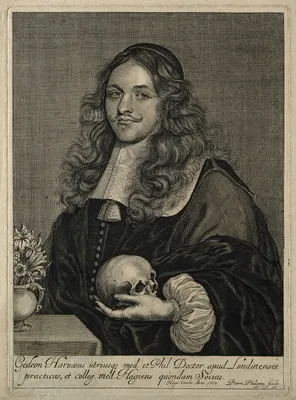
The text of the second edition (1678) is available from Early English Books Online at this link.
1676 CE–1680 CE
#62
Opera omnia. 2 vols.
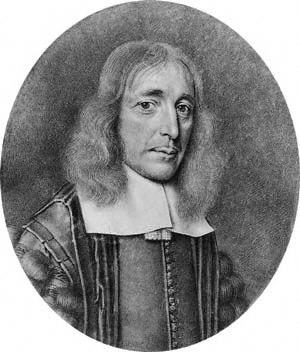
Willis was remarkable for his careful clinical observation. He was second only to Sydenham in his day. To him we owe the original descriptions of several conditions. Digital facsimile of the Lyon, 1681 edition from th…
1677 CE
#5406
A brief rule to guide the common-people of New-England how to order themselves and theirs in the small pocks, or measels.
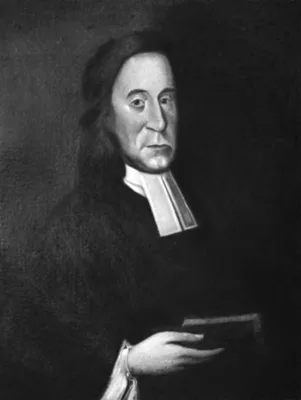
The first medical publication of North America and the only one to appear in the 17th century. Only one copy of the original printing of this broadside survived, written by Thacher, a Boston minister. The sheet was re…
1677 CE
#9394
An account of several travels through a great part of Germany: In four journeys I. From Norwich to Colen. II. From Colen to Vienna, with a particular description of that imperial city. III. From Vienna to Hamburg. IV. From Colen to London. Wherein the mines, baths, and other curiosities of those parts are treated of. Illustrated with sculptures.
Digital facsimile from the Internet Archive at this link.
1677 CE
#5122
De postrema Melitensi lue praxis historica.
This work, recording the epidemic of plague in Malta in 1675-76, was the first medical work published by a Maltese.
1677 CE
#1100
Exercitatio anatomico-medica de glandulis intestinorum, earumque usu et affectionibus.
Independently of Bartholin and Rudbeck, George Joyliffe (1621-58) observed the lymphatics. He communicated his discovery to Glisson early in 1652 and the latter included an account in the above work (Cap. xxxi). See N…
1677 CE
#10648
Laboratorium chymicum, gehouden op het voortreffelycke Eylandt Ceylon, soo in't Animalische, Vegetabilische, als Mineralische Ryck.
The first book on the animal, vegetable and mineral medicines indigenous to Sri Lanka. Grim was a physician in the service of the VOC (the East India Company). Digital facsimile from Google Books at this link.
1677 CE
#7572
Museo Cospiano: annesso a quello del famoso Vlisse Aldrovandi e donato alla sua patria dall' illustrissimo signor Ferdinando Cospi ..., fra' gli Accademici Gelati il Fedele, e principe al presente de' medesimi.
As the title indicates, the Cospi collection incorporated the earlier museum of Ulisse Aldrovandi, and Legati's catalogue is sometimes regarded as forming a 14th or supplementary volume to Aldrovandi's encyclopedic Op…
1677 CE
#12041
The astrological judgement and practice of physick, deduced from the position of the heavens at the decumbiture of a sick person.
Saunders "practised astrology and cheiromancy during the golden age of the pseudo-sciences in England." The DNB characterizes this work as "a systematic exposition of astrological therapeutics, based largely upon exam…
1677 CE
#215
The primitive organization of mankind considered and examined according to the light of nature.
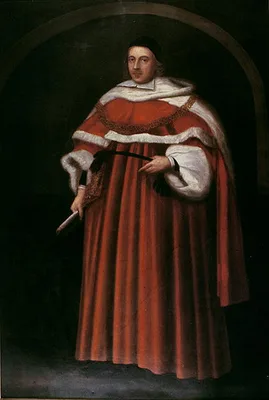
In response to Isaac de la Peyrere‘s theory of polygenesis, Hale, Chief Justice of the King’s Bench, advanced his own theory that the earth was not eternal, but rather had a spontaneous “beginning,&r…
1677 CE
#579
Tractatus de ventriculo et intestinis.

Glisson introduced the idea of irritability as a specific property of all human tissue, a hypothesis which had no effect upon contemporary physiology, but which was later demonstrated experimentally by Haller (No. 587).
1678 CE
#10158
Georgii Simonis Winteri Hippiater Expertus, Seu Medicina Equorum Absolutissima : Tribus Libris comprehensa: Quorum I. Agit de Equorum Temperamentis; Aetate cognoscenda; Morbis omnibus internis Capitis; Oculorum; Aurium; Narium; Linguae; Dentium; Oris; aliisque his similibus; II. De Affectibus internis Thoracis & Abdominis ... ; III. De omnis generis Unguentis; Oleis; Balsamis & Emplastris in genere; item de quibuscunque Morbis ac Symptomatibus externis; ut: Tumoribus, Ulceribus & Vulneribus cujuscunque generis ...
Digital facsimile from Bayerische StaatsBibliothek at this link.
1678 CE
#12766
Historia animalium angliae tres tractatus. Unus de araneis. Alter de cochleis tum terrestribus tum fluviatilibus. Tertius de cochleis marinis. Quibus adjectus est quartus de lapidibus eiusem insulae ad cochlearum quandam imaginem figuratis. Memoriae & rationi.
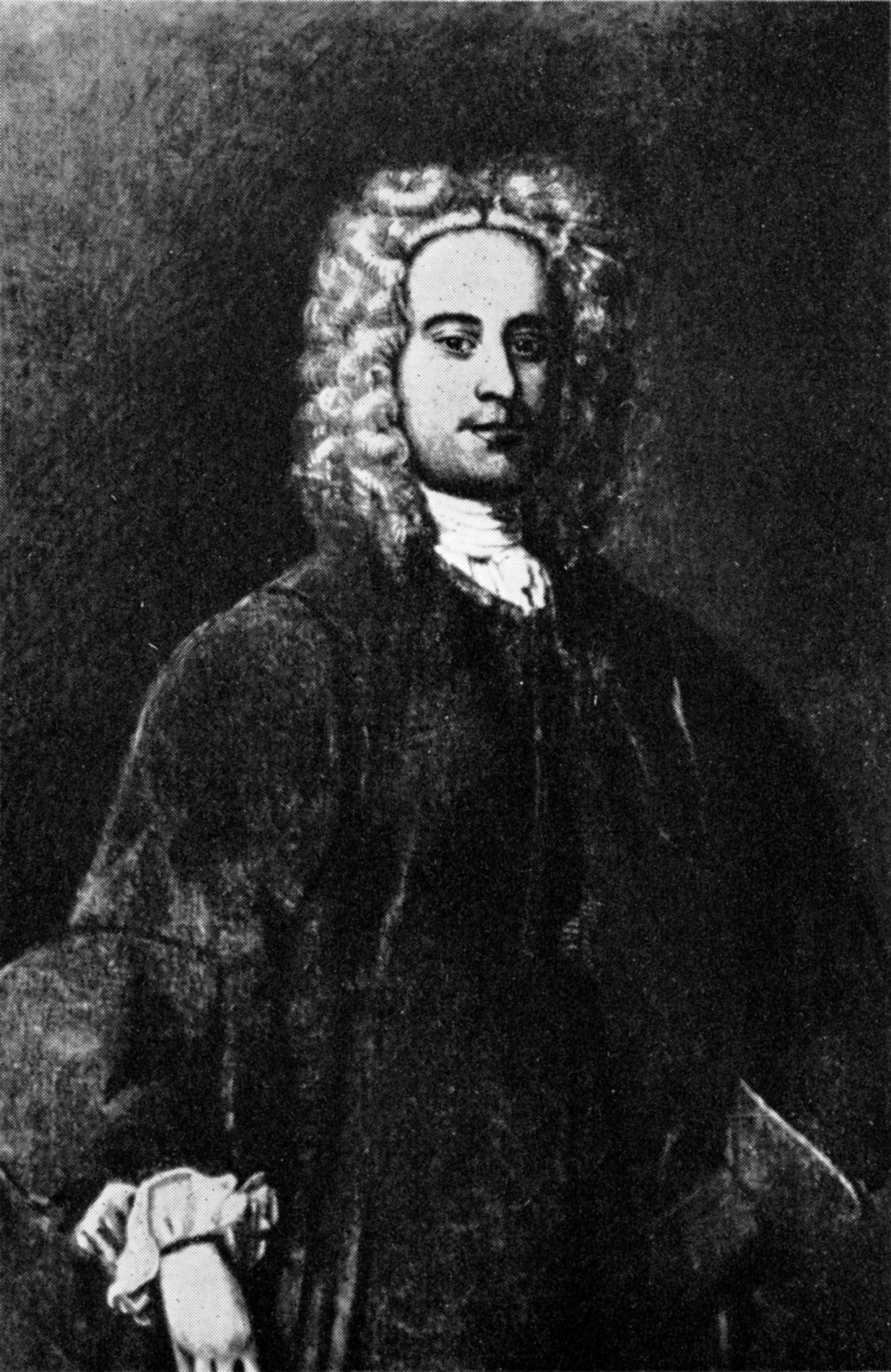
Lister was the first arachnologist and conchologist. This work was the first organized, systematic publication on shells. In spite of the wording of the title, the work contains four sections on spiders, land snails, …
1678 CE
#13233
Microscopium, or some new discoveries made with and concerning microscopes. Lectures and Collections made by Robert Hooke, Secretary of the Royal Society, pages 81-112.
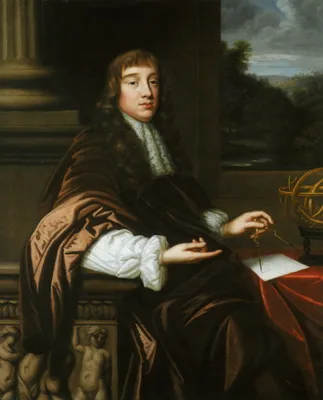
On his title page Hooke listed the contents of this section as follows: "Mr. Leeuwenhoeck's two letters concerning some late microscopical discoveries. "The author's discourse and description of microscopes, improved …
1678 CE
#13920
Romani Collegii Societatis Jesu Musaeum celeberrimum.
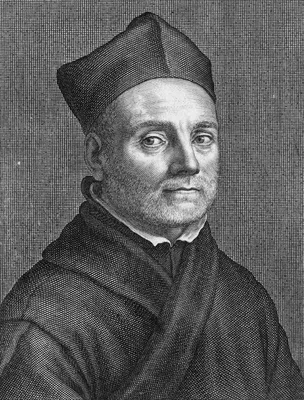
The first catalogue of Kircher's museum collected by Kircher at the Jesuit College in Rome between 1651 and 1680. Digital facsimile from the Internet Archive at this link.
1678 CE–1703 CE
#9543
Hortus Indicus Malabaricus: Continens regni Malabarici apud Indos cereberrimi onmis generis plantas rariores, Latinas, Malabaricis, Arabicis, Brachmanum charactareibus hominibusque expressas ....12 vols.

The earliest comprehensive printed work on the flora of Asia and the tropics in 12 folio volumes written and published under the supervision of van Rheede tot Drakenstein, a colonial administrator of the Dutch East In…
1679 CE
#9909
A discourse of the state of health in the island of Jamaica. With a provision therefore calculated from the air, the place, and the water: the customs and manners of living, &c.
The first English book on tropical medicine. Digital facsimile from Google Books at this link.
1679 CE
#6744.1
Bibliotheca realis medica, omnium materiarum, rerum, et titulorum, in universa medicina occurrentium.
The first large, well-printed bibliography of medicine, including twice as many authors as van der Linden (No. 6744). It represented an elaborate subject anaylsis, with entries arranged alphabetically by subjects, wit…
1679 CE
#13822
Catalogus librorum . . . Bibliothecarum . . . Stephani Watkins . . . Thomas Sherley . . . Per Gulielmum Cooperum . . .Little Britain.
1679 CE
#974.1
Cicutae aquaticae historia et noxae.
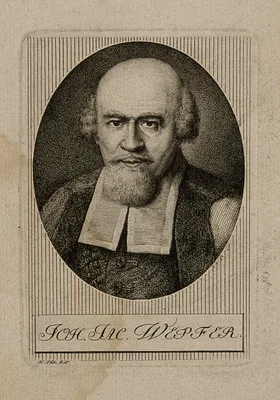
This is primarily a work on the poisonous water hemlock, its dangerous effects, its medicinal uses, and antidotes to counter the poison. However, it also contains the first description of the tiny glands in the mucosa…
1679 CE
#4436
Currus triumphalis, è terebinthô. Or an account of the many admirable vertues of oleum terebinthinae. More particularly, of the good effects produced by its application to recent wounds, especially with respect to the hemorrhagies of the veins, and arteries, and the no less pernicious weepings of the nerves, and lymphaducts. Where also, the common methods, and medicaments, used to restrain hemorrhagies, are examined, and divers of them censured. And lastly, A new way of amputation, and a speedier convenient method of curing stumps, than that commonly practised, is with divers other useful matters recommended to the military surgeon.…
Describes how Yonge used turpentine to arrest hemorrhage, and presents the first account of a flap amputation. It also shows that Yonge was familiar with tourniquets. Digital facsimile from Google Books at this link.
1679 CE
#7208
Dissertation sur les dents.
The third publication in French on dentistry, primarily plagiarized from Martinez (No. 3668.2). Martin was apothecary to Louis I, Prince of Condé, a prominent Huguenot general and founder of the House of Cond&e…
1679 CE
#10958
Les nouvelles descouvertes sur toutes les parties de la medecine. Recueillies en l'année 1679.
Blégny edited the first medical periodical published in the vernacular. To begin with it reported only the transactions of a medical society that Blégny organized. The periodical continued only until 168…
1679 CE
#2321
Opera medica.
Tuberculosis was known to the ancients only in its advanced form, and little progress was made in the knowledge of the condition until the time of Sylvius. He asserted that tubercles are often to be found in the lung …
1679 CE
#11881
Praecipuae opiniones physicae, passim recetae, breviter quidem sed accuratissime examinate, ex recension & distinctione Martini Fogelii ...cum annotationes quaedam accedunt accessit nunc primum eiusdem auctoris Harmonica & Isagoge phytoscopica.
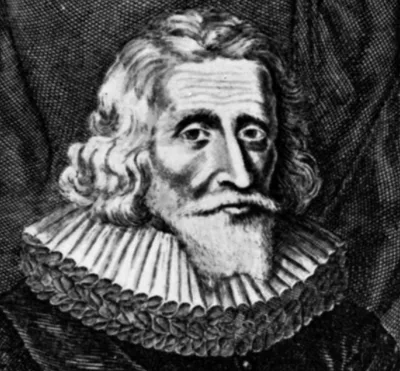
Posthumous first publication of Jungius's Isagoge phytoscopia, an expansion or supplement to his system of botanical classification first published in his Doxoscopiae physicae minores (1662). The second edition of the…
1679 CE
#2274
Sepulchretum, sive anatomia practica ex cadaveribus morbo denatis. 2 vols.
This is the first collection of systematized pathological anatomy. It contains clinical and pathological descriptions of nearly 3,000 cases selected from the literature from the time of Hippocrates, but mainly from th…
1679 CE
#10604
Tractatio med. curiosa, de ortu & occasasu transfusionis sanguins, qua haec, quae fit e bruto in brutum, a for medico penitus eliminatur; ila, quae e bruto in hominem peragitur....
The first detailed history of efforts at blood transfusion. Mercklin was one of the earliest writers to discuss the history, value, dangers, and methods of blood transfusion. He recognized and understood what we now c…