
1680–1689
79 entries with publication dates in this decade.
1685 CE
#5407
Observationes medicae circa morborum acutorum historiam et curationem. Ed. quarta.
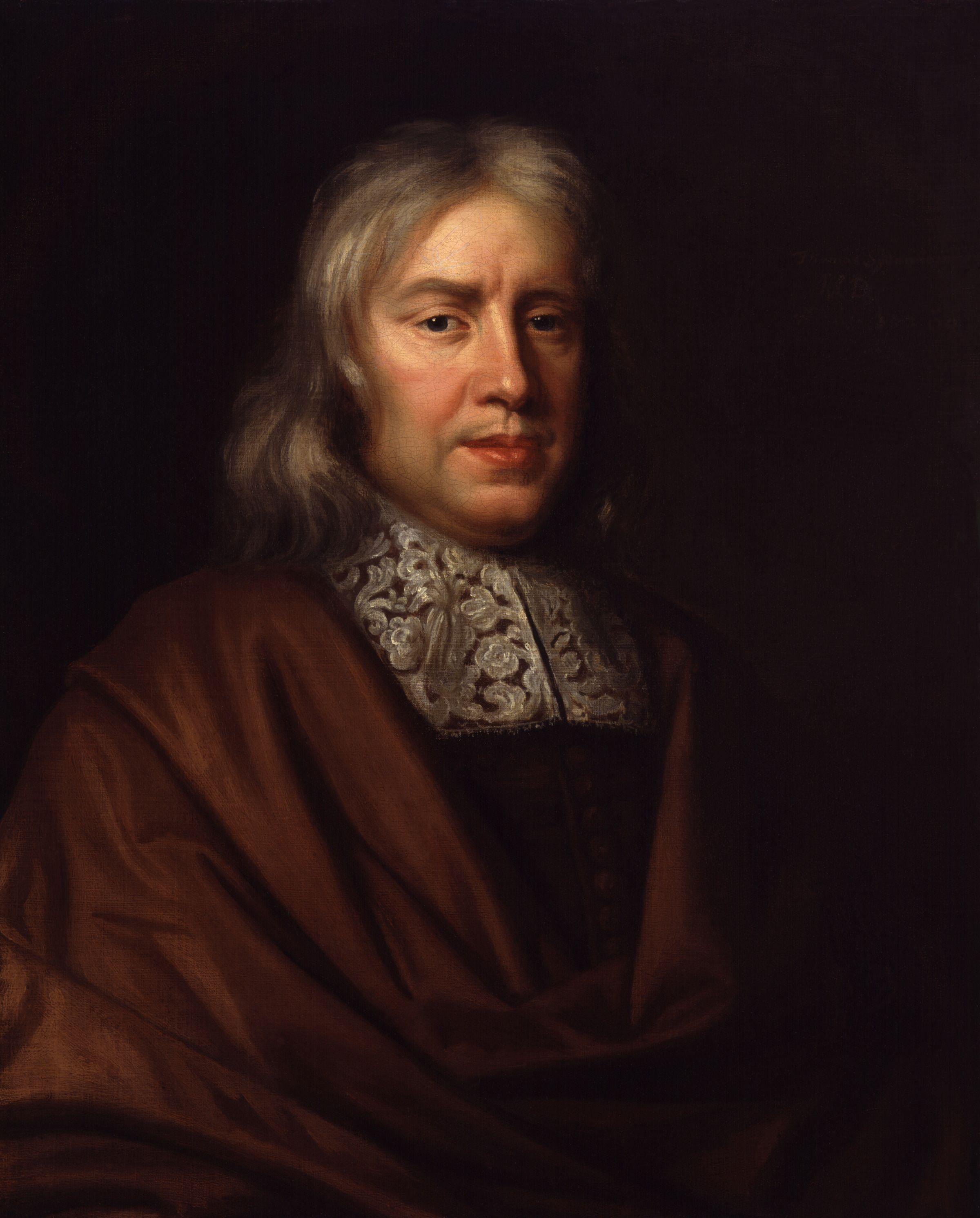
Contains (Book 3, Cap. 2; Book 5, Cap. 4) an important account of smallpox, particularly the epidemics of 1667-69 and 1674-75. Sydenham attributed smallpox to a specific inflammation of the blood; he clearly distingui…
1685 CE
#5373
Observationum medicarum Castrensium Hungaricarum.
Pp. 49-51: Cober, a German physician, reported the relationship between typhus and pediculosis.
1685 CE
#11557
Of the reconcileableness of specifick medicines to the corpuscular philosophy to which is annexed a discourse about the advantages of the use of simple medicines.
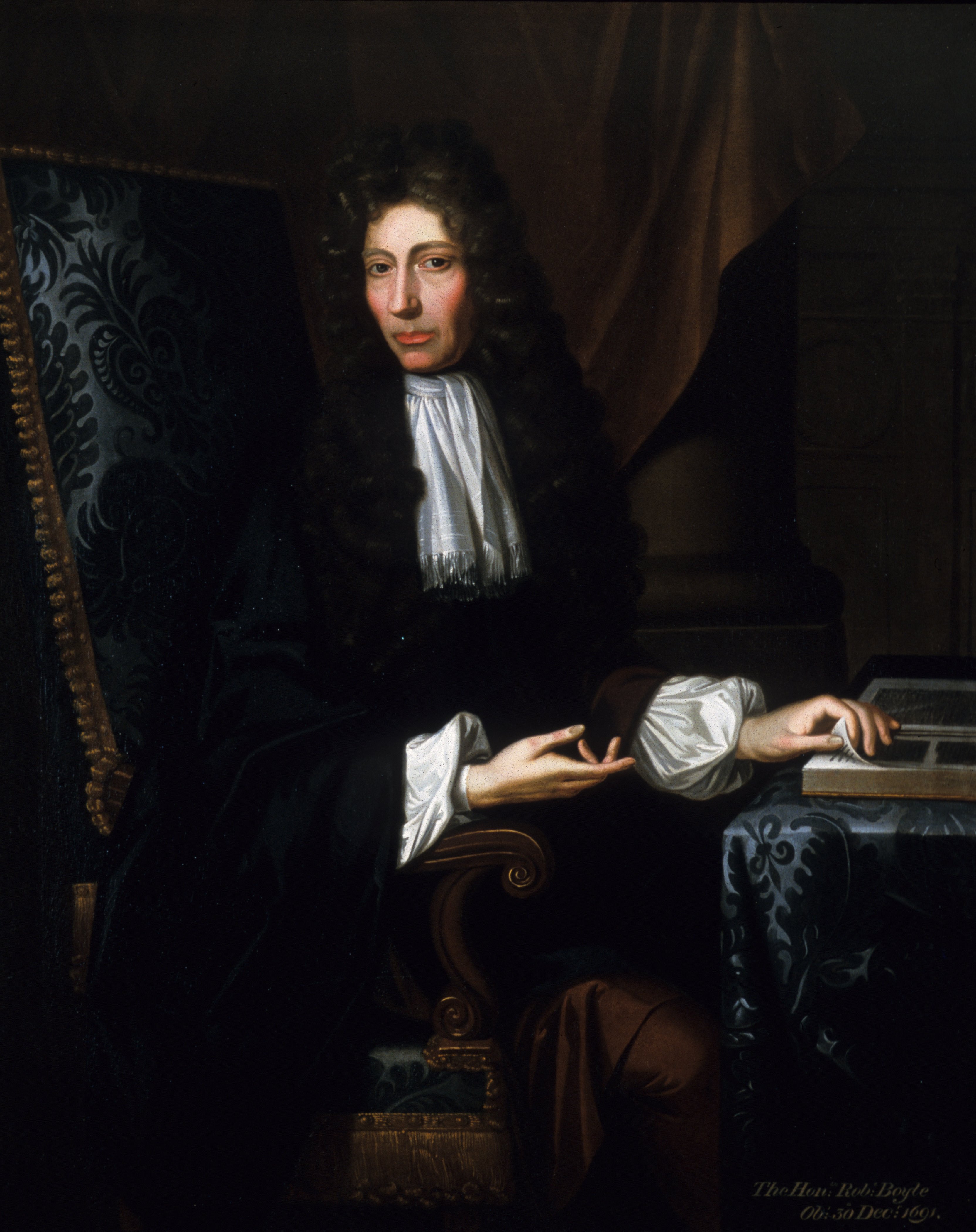
In this work on drug action or pharmacodynamics Boyle argued that remedies composed of only one or two ingredients were preferable to more complex drugs for two reasons. First, because the patient would experience few…
1685 CE
#9575
Opera omnia, anatomica et medica partim jam antea excusa, sed plurimis locis ab ipso auctore emendata, & aucta, partim nondum edita. Nunc simul collecta, & diligenter recognita, per Timannum de Diemerbroeck ... quorum elenchum sequens pagina indicabit.
Edited by the author's son.
1685 CE
#3670
The operator for the teeth shewing how to preserve the teeth and gums from all the accidents they are subject to: With particular directions for childrens teeth: As also the description and use of the polican, never published before.
The first separate British publication on dentistry, a pamphlet of 22pp. Editions were also published in Dublin, 1686, and London, 1687. The 1685 edition was reprinted by Dawson, 1969, and the Dublin edition was repri…
1685 CE
#11128
Traité des maladies particulières aux pays orientaux, et dans la route, et de leurs Remèdes. Par M.C.D.D.E.M.
At the age of 17, Dellon, who is sometimes referred to as Gabriel Dellon, embarked as second surgeon aboard the ship La Force. He arrived at Darman, in the Portuguese Indies, in 1673, where he was doctor to Luis de Me…
1685 CE
#11718
Variarum observationum liber.
Vossius, a Dutch scholar and manuscript collector, was one of the first European writers to suggest that the Chinese had anticipated William Harvey's discovery of the circulation of the blood. In his chapter on Chines…
1685 CE
#10190
Verdadera albeyteria. Divido en quatro libros....Lleva diferentes estampas, donde vàn delineadas las enfermedades que sobrevienen en el cuerpo, braços, y piernas del cavallo....
Includes both anatomical engravings and engraving that relate to astrological influences. Digital facsimile from the Hathi Trust at this link.
1685 CE–1686 CE
#263
Oculus artificialis teledioptricus sive telescopium. 3 pts.
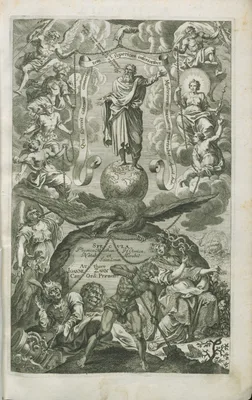
Includes the first complete history of early microscopes.
1685 CE–1692 CE
#12769
Historia sive synopsis methodicae conchyliorum quorum omnium picturae, ad vivum delineata, exhibetur.
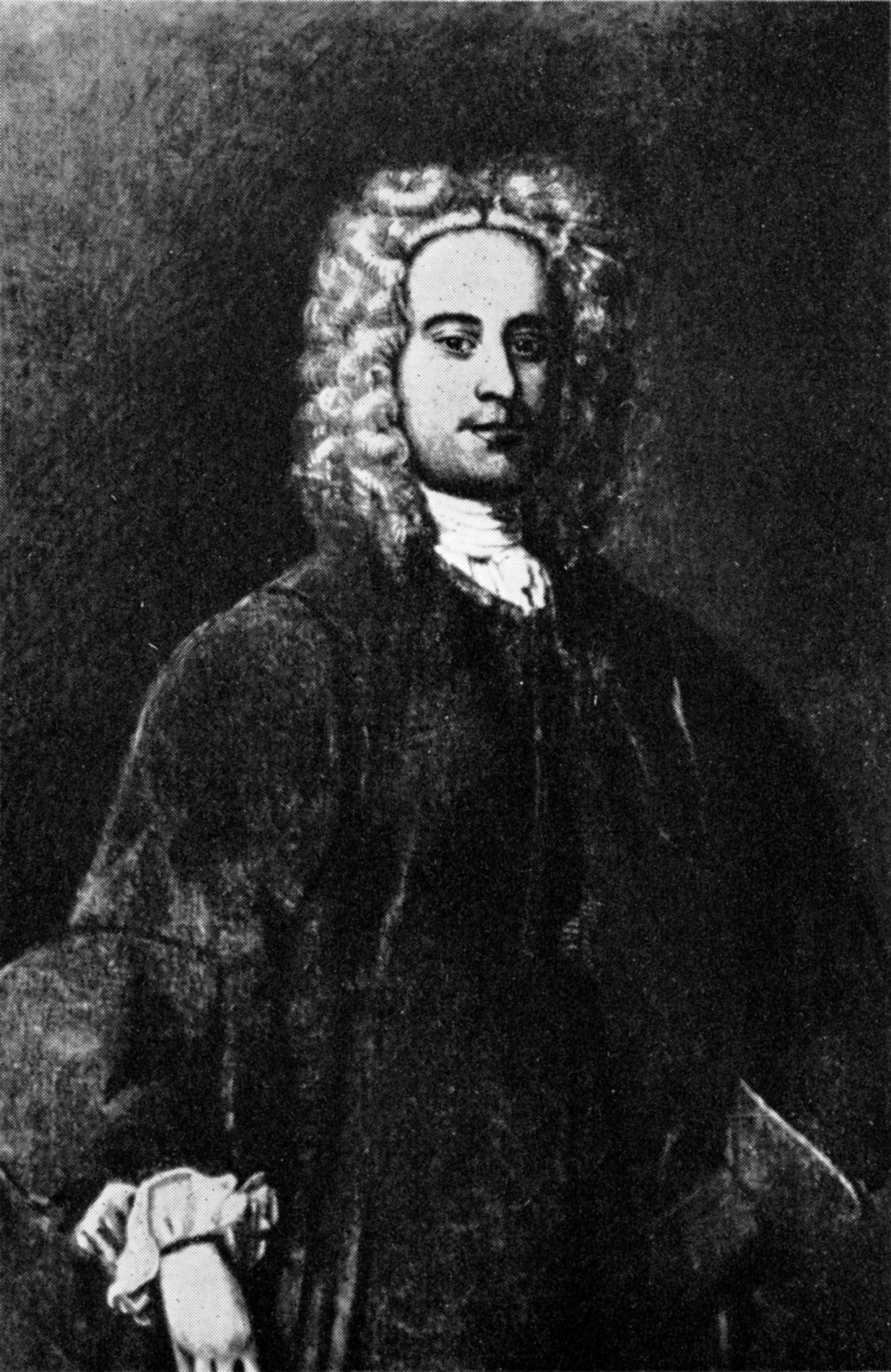
"He [Lister] had created a small version of this book for circulation to friends in 1685, but almost immediately began work on an expanded version which was produced from 1685 to 1692. This copy had 490 pages, with 10…
1686 CE
#6492.1
Clavis medica ad Chinarum doctrinam de pulsibus. Autore R.P. Michaele Boymo, e Soc. Jesu, & in China missionario. Huius operis ultra viginti annos iam sepulti fragmenta, hinc inde dispersa, collegit & in gratiam medicae facultatis in lucem Europaeam produxit Cl. Dn. Andreas Cleyerus, M.D. & Societatis Batavo-Orientalis Proto-Medicus. A quo nunc demum mittitur totius operis exemplar, e China recens allatum, & a mendis purgatum, Procuratore R.P. Philippo Copletio, Belga, e Soc. Jesu, Chinensis missionis Romam misso.
Translations of Chinese treatises on pulse medicine with illustrations of hands and wrists to illustrate pulse-taking. The texts published here are different from those published by Cleyer in No. 6492. Previously publ…
1686 CE
#1355
Circulus anatomico-physiologicus.
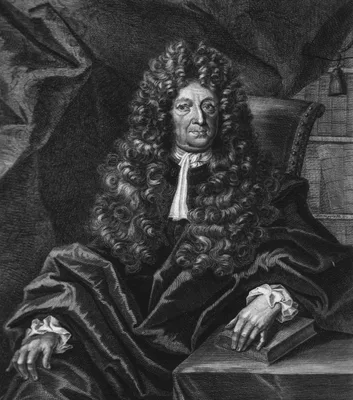
Bohn's approach was mechanistic in that he grave predominately physical interpretations of vital processes. He experimented on the decapitated frog, declaring the reflex phenomena to be entirely material and mechanica…
1686 CE
#7088
De historia piscium libri quatuor.
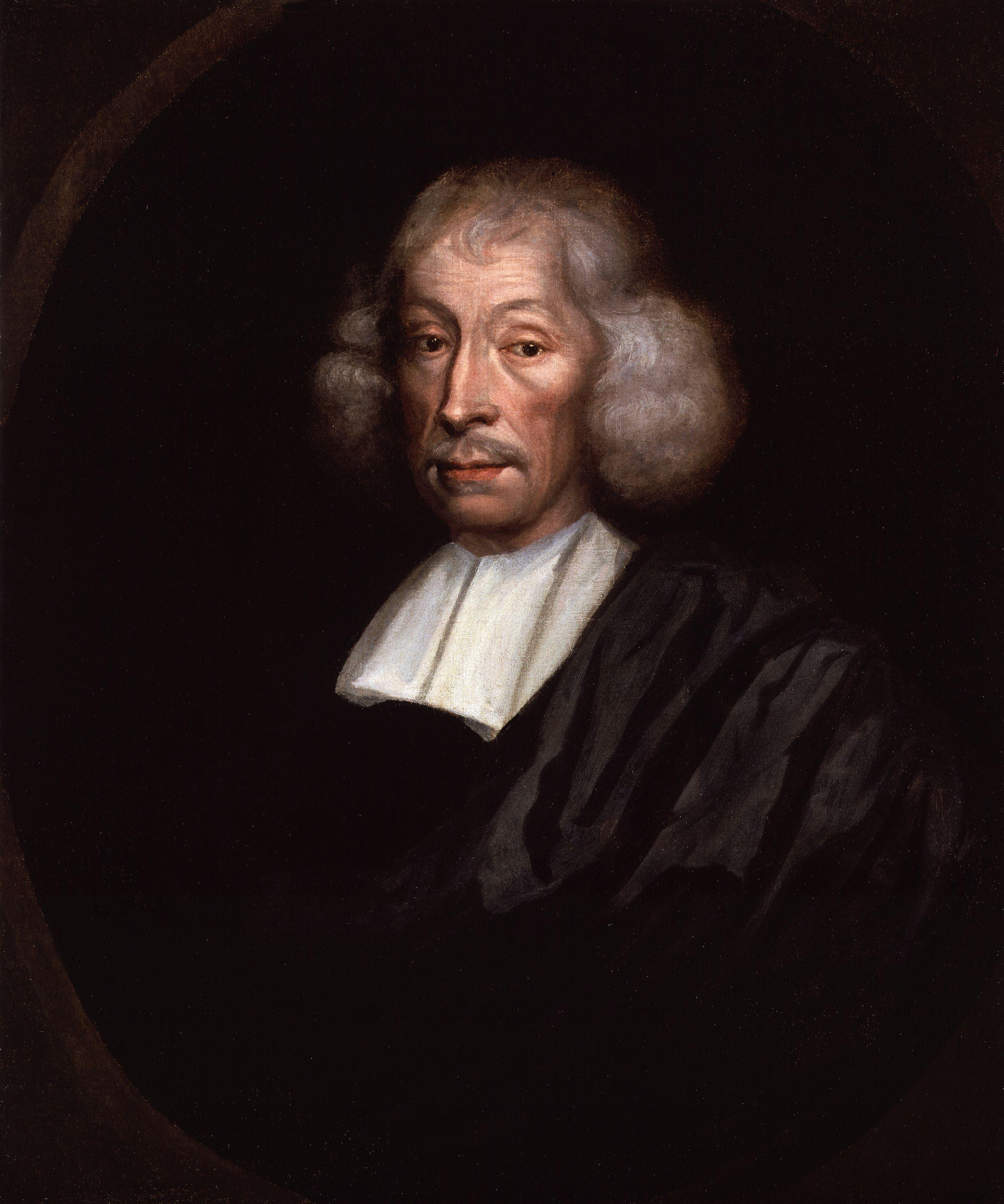
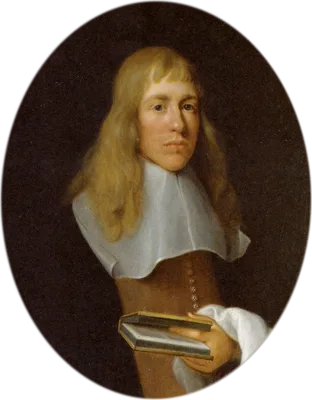
A large folio volume with 187 engraved plates considered the first modern encyclopedia on fish, this was largely the work of John Ray, prepared and expanded from Willougby's notes, more than a decade after his death. …
1686 CE
#66
Opera omnia. 2 vols.
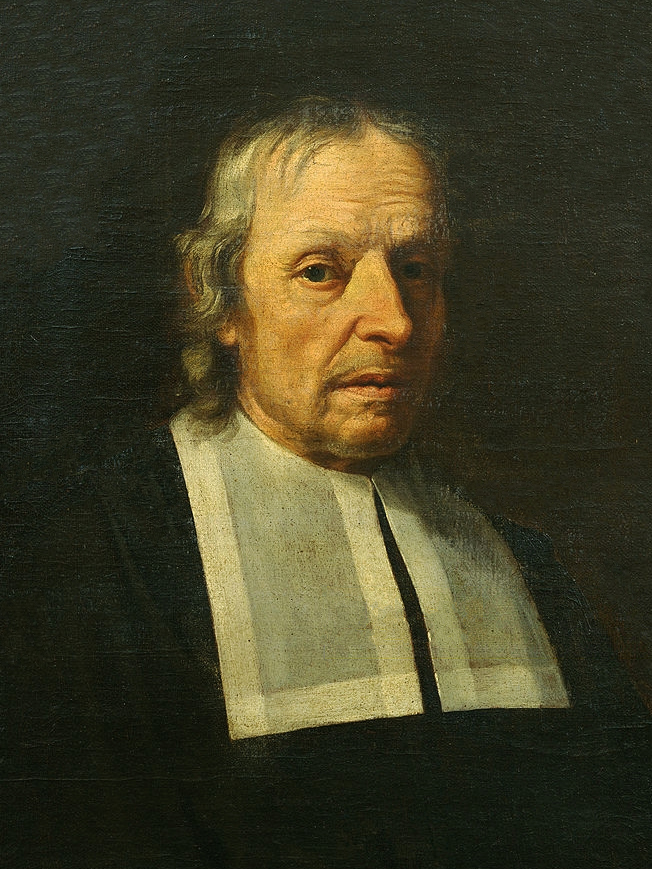
Malpighi was the founder of histology. In 1660 he was the first to see the capillary anastomosis between the arteries and the veins, thus contributing to the completion of Harvey’s work on the circulation. Malpi…
1686 CE
#4514
Schedula monitoria de novae febris ingressu.
Includes (pp. 25-28) his classic description of chorea minor (“Sydenham’s chorea”). Reprinted in Med. Classics, 1939, 4, 327-53. In the Sydenham Society translation (see No. 64) the passage occurs in…
1686 CE
#9395
Works. Containing I. Enquiries into vulgar and common errors. II. Religio medici: With annotations and observations upon it. III. Hydriotaphia; or, urn-burial: Together with the garden of Cyrus. IV. Certain miscellaneous tracts. With alphabetical tables.
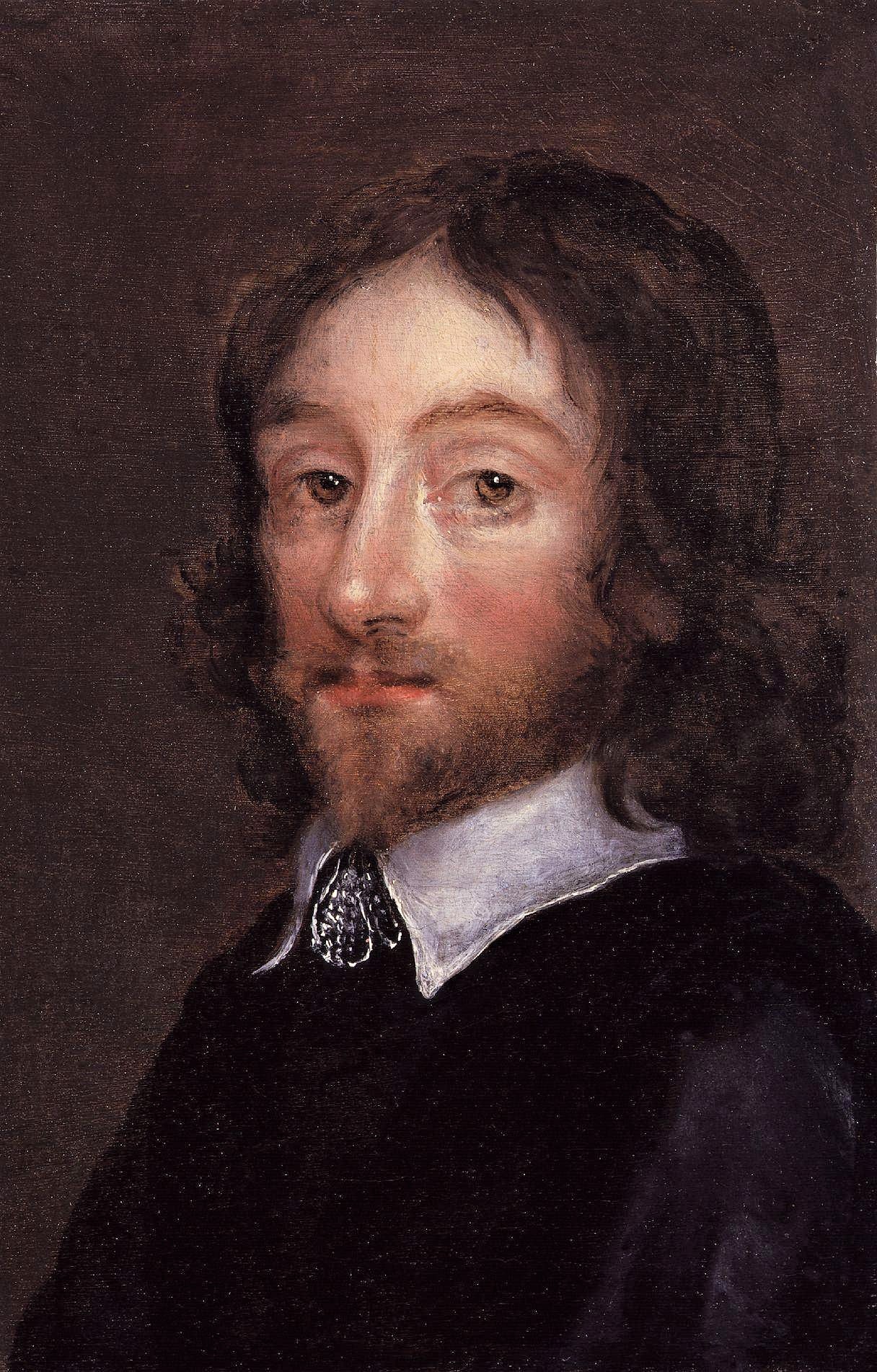
Digital facsimile from the Internet Archive at this link.
1686 CE–1704 CE
#7090
Historia plantarum.... 3 vols.
This massive catalogue begins with an extensive general botanical treatise covering plant physiology, plant nutrition and, most importantly, Ray's principles and methodology of botanical classification. Ray adopted Ju…
1686 CE–1718 CE
#265
Ontledingen en ontdekkingen.... 6 vols.
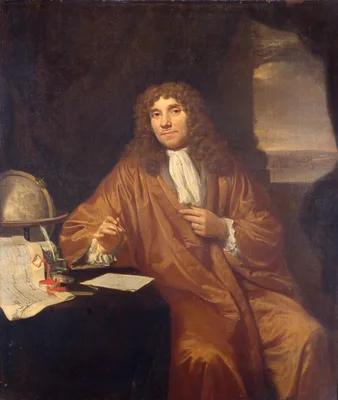
Leeuwenhoek, one of the first and also one of the greatest of the microbiologists, communicated many of his discoveries to the Royal Society in London. This set is a collection in Dutch of many contributions that van …
1687 CE
#975
De glandulis in intestino duodeno hominis detectis.
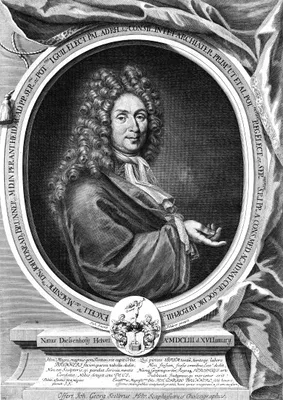
“Brunner’s glands”, earlier described by Wepfer (No. 974.1).
1687 CE
#12708
Horti Academici Lugduno-Batavi catalogus exhibens plantarum omnium nomina, quibus ab anno MDCLXXXI ad annum MDCLXXXVI hortus fuit instructus ut & plurimarum in eodem cultarum & à nemine hucusque editarum descriptiones & icones.
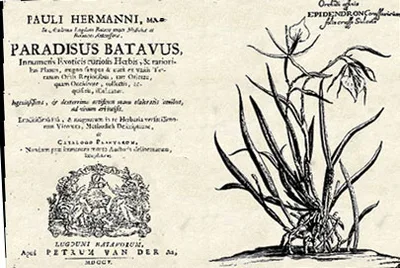
Catalogue of about 3300 plants in the botanical garden of Leiden University (106 illustrated), compiled, and with plates apparently drawn by the author. Hermann had only recently introduced many plants to Europe from …
1687 CE
#13624
Le bon usage du the, du caffe, et du chocolat pour la preservation & pour la guerison des maladies.
Digital facsimile from Biodiversity Heritage Library at this link.
1687 CE
#2529.1
Osservazioni intorno a’ pellicelli del corpo umano.
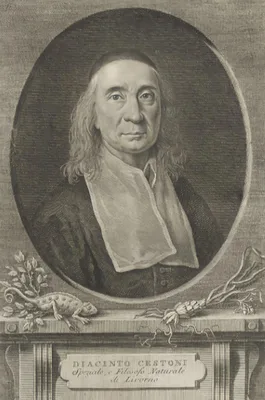
First clinical and experimental proof of infection by a microparasite. Bonomo observed Sarcoptes scabiei, the scabies mite. This gave researchers grounds to think in terms of objective, exogenous pathogenic agents as …
1688 CE
#7955
Remèdes contre les cours de ventre.
"The remedy here treated of is ipecacuanha: although its antidysenteric virtues had previously been made known in 1649 by the writings of Piso and Marggraf [No. 2263.1] it was left to Helvetius, about forty years subs…
1689 CE
#12782
Anatome ossium novis inventis illustrata.
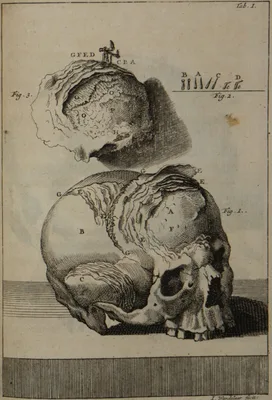
Gagliardi, a papal physician, fiirst described the lamellar structure of the bones. He also carried out some tests and comparative research between human and calf bones, and probably first described a case of bone tub…
1689 CE
#13100
Catalogus plantarum Horti Medici Amstelodamensis. Pars prior.
First published catalogue of plants of the Hortus Medicus, precursor of the Hortus Botanicus. The Hortus Medicus, founded in 1682 under Commelin's guidance, was ranked among the most comprehensive in Europe, including…
1689 CE
#6321
De morbis acutis infantum.
Harris was physician to William and Mary. His book served for nearly a century as a standard work on pediatrics. He anticipated the modern treatment of tetany by using calcium salts in infantile convulsions. For a stu…
1689 CE
#1726
De renunciatione vulnerum, seu vulnerum lethalium examen.
“The best work on fatal injuries, with frequent references of medicolegal importance” (Nemec).
1689 CE
#3216
Phthisiologia, seu exercitationes de phthisi.
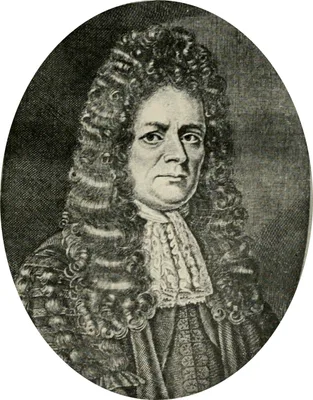
The first application of the principles of pathology to the study of pulmonary tuberculosis. Morton showed that the formation of tubercles is a necessary part of the development of this lung disease, and pointed out t…
1689 CE
#13411
Prodromus historiae generalis plantarum, in quo familiae plantarum per tabulas disponuntur.
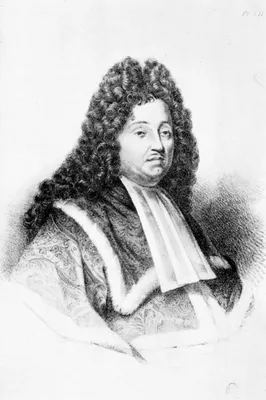
Magnol invented of the concept of plant families, a natural classification, based on combinations of morphological character. "In his Prodromus he developed 75 tables, which not only grouped plants into families but a…