1930–1939
893 entries with publication dates in this decade.
1936 CE
#7346
Quantitative und qualitative Untersuchungen über den Sympathicusstoff*. Zugleich XIV. Mitteilung über humorale Übertragung der Herznervenwirkung Ausgeführt mit Unterstützung der -Stiftung.
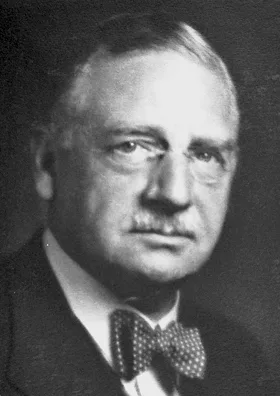
In this paper Loewi proved that the cardioexcitatory neurotransmitter of the sympathetic nerves is adrenaline, or actually noradrenaline.
1936 CE
#1353
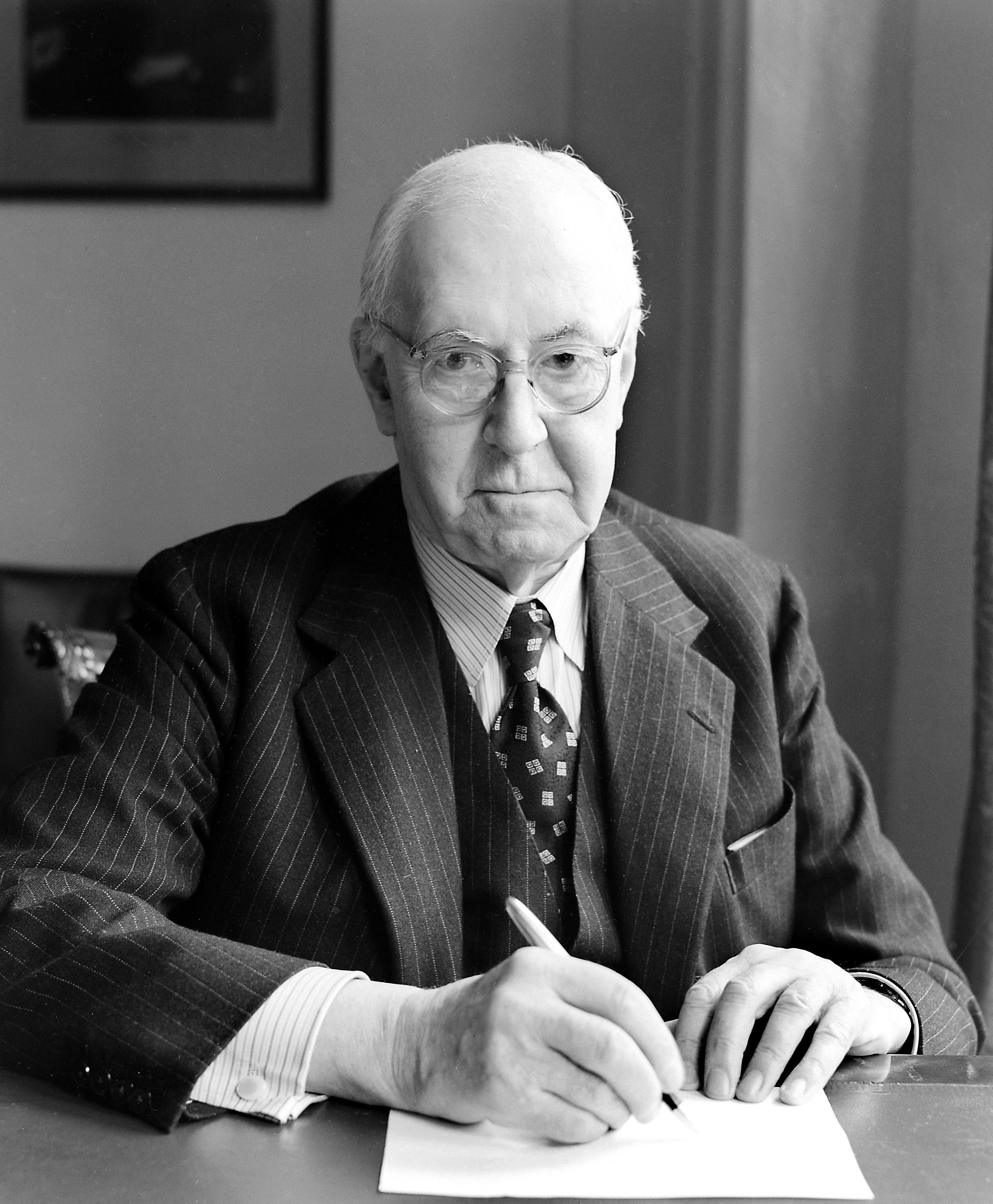
Reactions of the normal mammalian muscle to acetylcholine and to eserine.
1936 CE
#3209.1
Röntgen-photographia. Processo e apparelho de röntgen-photographia. Tuberculose pulmonar. Cadastra social. Radiographia e radioscopia. Röntgen-photographia collectiva.
Introduction of chest photofluorography or abreugraphy, also called mass miniature radiography.
1936 CE
#10640
Rumination number. Historical notes on rumination in man. The first historical monograph on the subject.
The first historical monograph on rumination syndrome or merycism.
1936 CE
#13588
Snakes of Maryland.
1936 CE
#2658
Some possible effects of nursing on the mammary gland tumor incidence in mice.
Bittner’s “milk factor,” the murine mammary tumor involved in the transmission of cancer in mice. See also Amer. J. clin. Path., 1937, 7, 430-35.
1936 CE
#1073
Synthesis of vitamin B1.
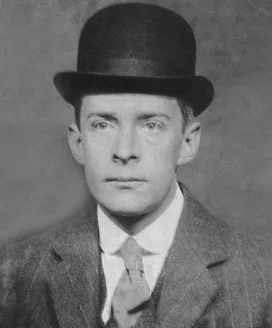
Synthesis of aneurine.
1936 CE
#1766.604
The American medical profession, 1783 to 1850.
1936 CE
#2720
The blood cyanates in the treatment of hypertension.
Barker made thiocyanate treatment a practical proposition in hypertension.
1936 CE
#14229
The comparative anatomy of the nervous system of vertebrates, including man. 2 vols.
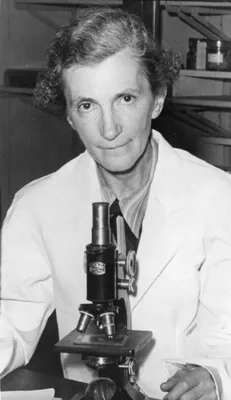
This edition and translation was so extensively reworked and expanded by Kappers, Huber and Crosby that it should be considered a new work. See No. 1247 for the original edition in German. Order of authorship as publi…
1936 CE
#6433
The development of modern medicine, an interpretation of the social and scientific factors involved.
Shryock was one of the historians who founded and shaped the technique of writing the social history of medicine. This was his most influential work. Revised edition, 1947, translated into French, German and Japanese.
1936 CE
#3909
The endocrine organs in health and disease. With an historical review.
"As a history of the subject, this work is unsurpassed in detail and accuracy" (L.T. Morton).
1936 CE
#9304
The ethnobiology of the Chiricahua and Mescalero Apache: A. the use of plants for food, beverages and narcotics. Ethnobiological studies in the American Southwest, Vol. 3. Biological series (Vol. 4, No. 5); Bulletin, University of New Mexico, whole, (No. 297).
1936 CE
#2524.6
The Feulgen reaction of the bacteriophage substance.
Schlesinger showed that the fundamental constituents of bacteriophages consist mainly of approximately equal amounts of protein and DNA.
1936 CE
#258
The great chain of being: A study of the history of an idea.
1936 CE
#1071
The isolation from wheat-germ oil of an alcohol, α-tocopherol, having the properties of vitamin E.
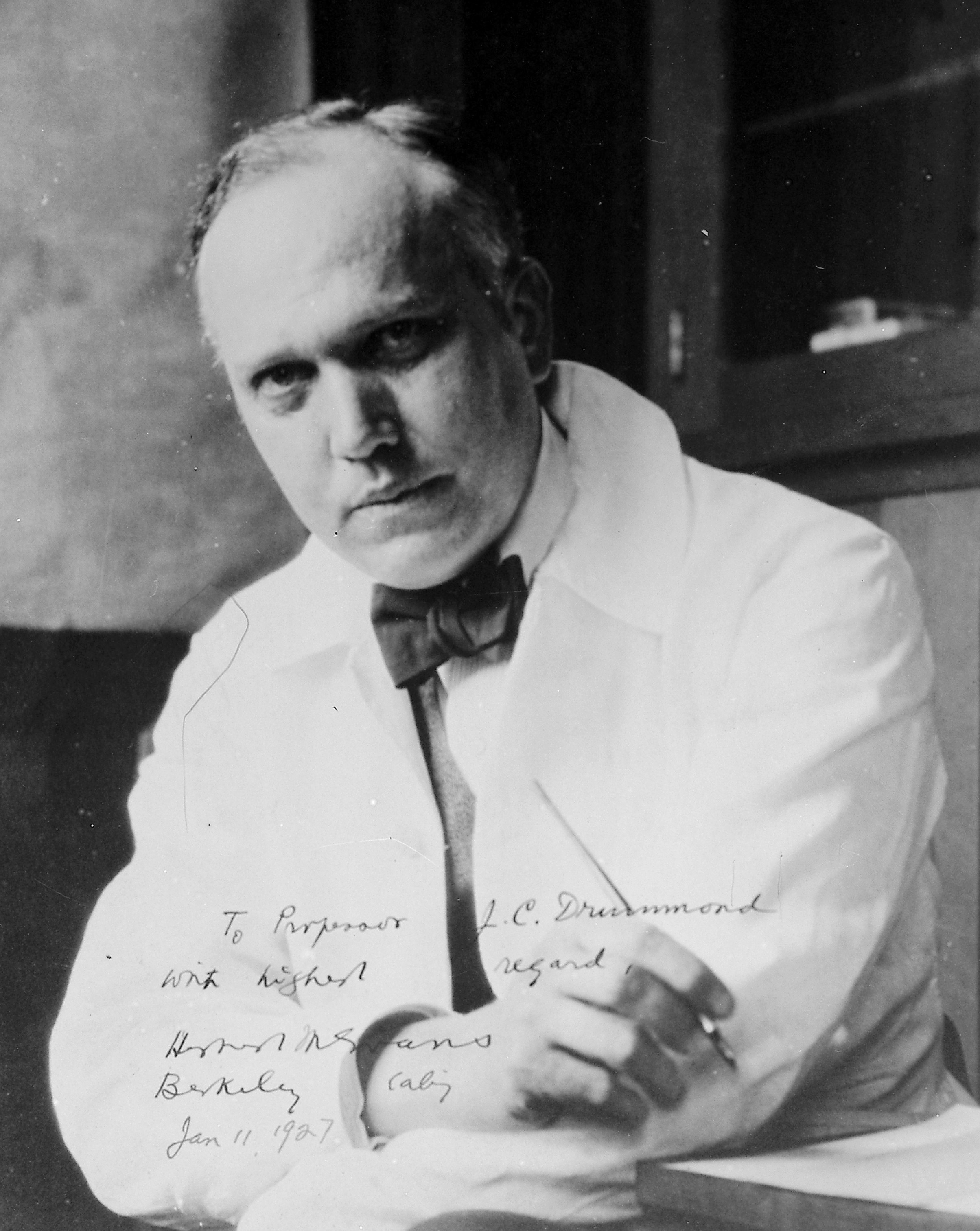
Isolation of vitamin E, named by Herbert M. Evans.
1936 CE
#1202
The isolation of the principal estrogenic substance of liquor folliculi.
Isolation of oestradiol. With S. A. Thayer and E. A. Doisy.
1936 CE
#1661
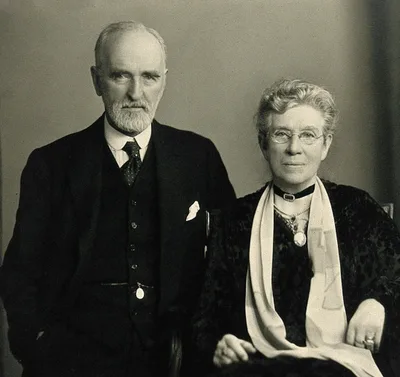
The last thirty years in public health.
1936 CE
#4907
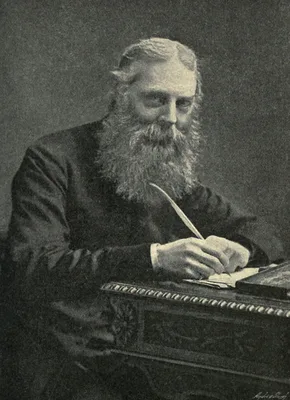
The location of cerebral tumours by electro-encephalography.
1936 CE
#1450
The motor cortex in man in the light of Hughlings Jackson’s doctrines.
In this Hughlings Jackson Lecture, Foerster published his famous cytoarchitectonic map of the human cerebral cortex.
1936 CE
#1309.1
The structure of nerve fibres in cephalopods and crustacea.
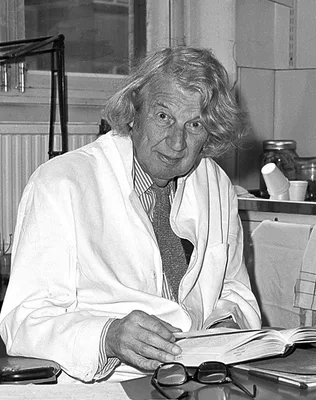
Young’s discovery of the giant nerve fibers of the squid (squid giant axon) Loglio forbesi made possible the study of the electrical phenomena of the nervous impulse in the interior as well as on the surface of …
1936 CE
#1449
The topography and homologies of the hypothalamic nuclei in man.
1936 CE
#2025
Transfusion of cadaver blood.
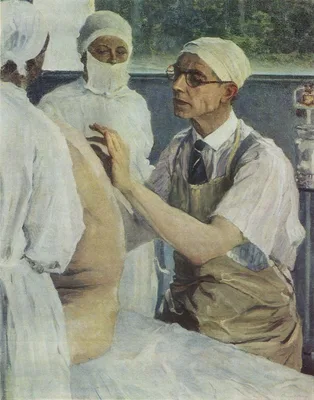
Cadaver blood used in human transfusions. Prof. Shamov of Kharkov carried out the first experimental work on transfusion of cadaver blood in 1927.
1936 CE
#6281
Treatment of human puerperal infections, and of experimental infections in mice, with prontosil.
Chemotherapeutic treatment of puerperal sepsis.
1936 CE
#8726
Truants: The story of some who deserted medicine yet triumphed.
Discusses the careers of physicians who turned their attention to other pursuits, including Rabelais, Smollett, Doyle, Mitchell, and other writers as well as Livingstone and other explorers, etc.
1936 CE
#2357
Tuberculosis.
Clio Medica series.
1936 CE
#9241
Türkische Turfan-Texte 7 [APAW 12] edited by G. R. Rachmati.
Medieval medical texts from Turfan (Turpan), Central Asia.
1936 CE
#1153
Über Bestandteile der Nebennieren-Rinde. VI. Trennungsmethoden sowie Isolierung der Substanzen Fa, H, und j.
Isolation of Compound Fa, identical with Compounds E and F. "In the mid-1930s Edward Kendall and Tadeus Reichstein succeeded in isolating and analyzing the composition of a number of similar hormones derived from the …
1936 CE
#1071.1
Über das Bios-Problem. Darstellung von krystallisiertem Biotin aus Eigelb.
Isolation of biotin (vitamin H).
1936 CE
#911
Über spontane Hämolysinbildung im Blut, unter besonderer Berücksichtigung der Physiologie der Milz.
Lysolechtin found in normal blood.
1936 CE
#1072
Vitamin P: Flavonols as vitamins.
Discovery of vitamin P (“citrin”).
1936 CE–1938 CE
#4481
Die orthopädische Weltliteratur 1903-30. Herausg von A. Blencke und H. Gocht. Ergänzungsband 1931-35 bearbeitet von Erich Witte. 3 vols.
1936 CE–1939 CE
#1172
The physiology and pharmacology of the pituitary body. 2 vols.
Includes an extensive bibliography.
1936 CE–1941 CE
#6662.1
MEDICAL CLASSICS. 1-5
Reprints of classic texts, with English translations where necessary. Includes biographical notes and full bibliographies.
1936 CE–1949 CE
#6430
Histoire générale de la médecine, de la pharmacie, de l’art dentaire et de l’art véterinaire. 3 vols.
This splendidly produced work, beautifully illustrated, was written by experts in each branch of the subject, with Laignel-Lavastine as general editor.
1936 CE–1979 CE
#6736
Dictionnaire biographique des médecins en France au moyen age.By E. Wickersheimer. 2 vols. (1936). Supplement by Danielle Jacquart (1979).
1937 CE
#5397
“Q” fever, a new fever entity: clinical features and laboratory investigation.
First account of “Q” (query) fever. See also No. 5398.
1937 CE
#11215
A bibliography of the works of Ambroise Paré: Premier chirugien & conseiller du Roy
1937 CE
#12185
A combination resuscitator and incubator for new-born infants.
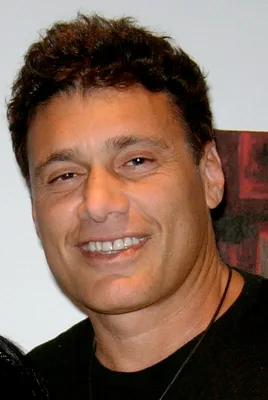
In 1931 Robert Bauer invented the first incubator to combine heat, oxygen, and humidity. Abstract: "The apparatus herein described was built in July 1931 to meet in a practical way the well established needs of the pr…
1937 CE
#1074
A crystalline vitamin A concentration.
1937 CE
#2058
A history of pharmacy.

1937 CE
#12831
A new apparatus for electrophoretic analysis of colloidal mixtures.
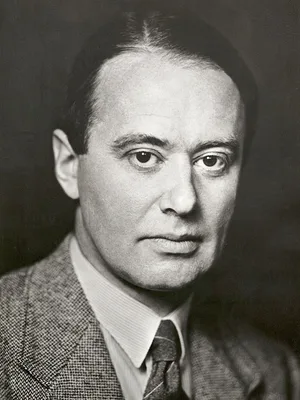
Between 1931 and 1937, with financial support from the Rockefeller Foundation, Tiselius developed his "Tiselius apparatus" for moving boundary electrophoresis. In this paper he demonstrated that electrophoresis separa…
1937 CE
#4250.1
A new plastic operation for stricture at the uretero-pelvic junction: report of 20 operations.
Foley’s operation for hydronephrosis.
1937 CE
#2348
A new tuberculin patch test.
1937 CE
#11797
A sex starved world.
A eugenic utopian fantasy, in which we accompany a doctor in his dream journey to the liberated land of Amor. Pritcher presents an impassioned argument for free universal health care, contraception, no-fault divorce, …
1937 CE
#1925
Action protectrice des éthers phénoliques au cours de l’intoxication histaminique.
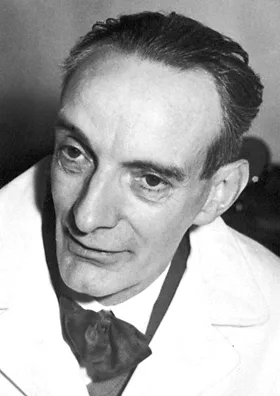
First description of structure and action of an antihistamine. In 1957 Bovet was awarded the Nobel Prize in Physiology or Medicine “for his discoveries relating to synthetic compounds that inhibit the action of …
1937 CE
#3038
Arterectomy.
Arterectomy in arterial thrombosis. With R. Fontaine and S. M. Dupertuis.
1937 CE
#1354
Autonomic neuro-effector systems.
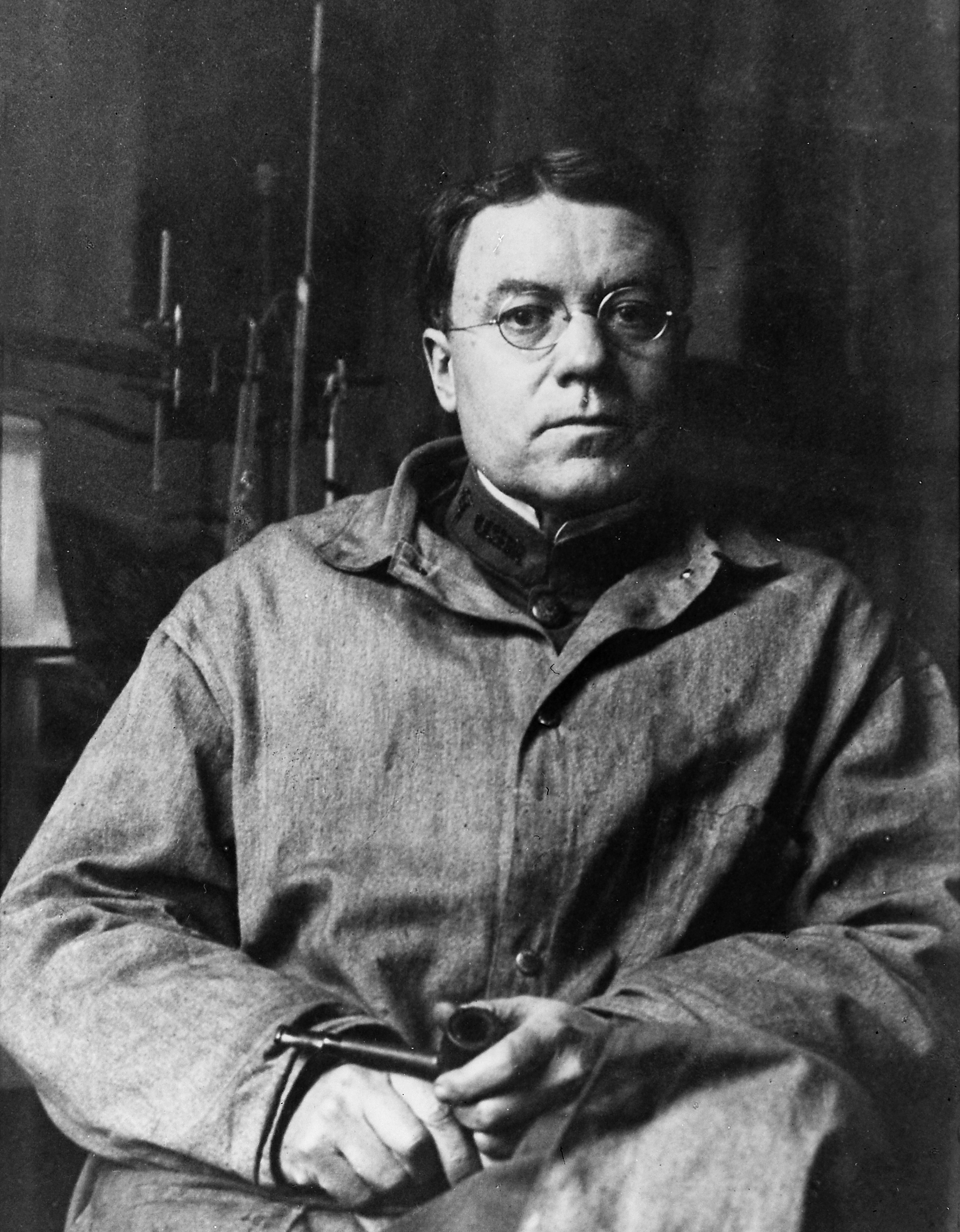
The authors hypothesized the existence of two sympathins, one excitatory and the other inhibitory, now known as epinephrine and norepinephrine. See Nos. 1144 & 1350.
1937 CE
#7980
Behavior of children receiving benzedrine.
Bradley showed that racemic amphetamine, that is, the 50:50 mixture of d- and l-amphetamine isomers (Benzedrine®), was shown to reduce the impulsivity, distractibility, and inattention characteristic of Attention …
1937 CE
#5264.1