
1870–1879
662 entries with publication dates in this decade.
1879 CE
#4746
Ueber einen eigenthümlichen bulbären (?) Symptomenkomplex.
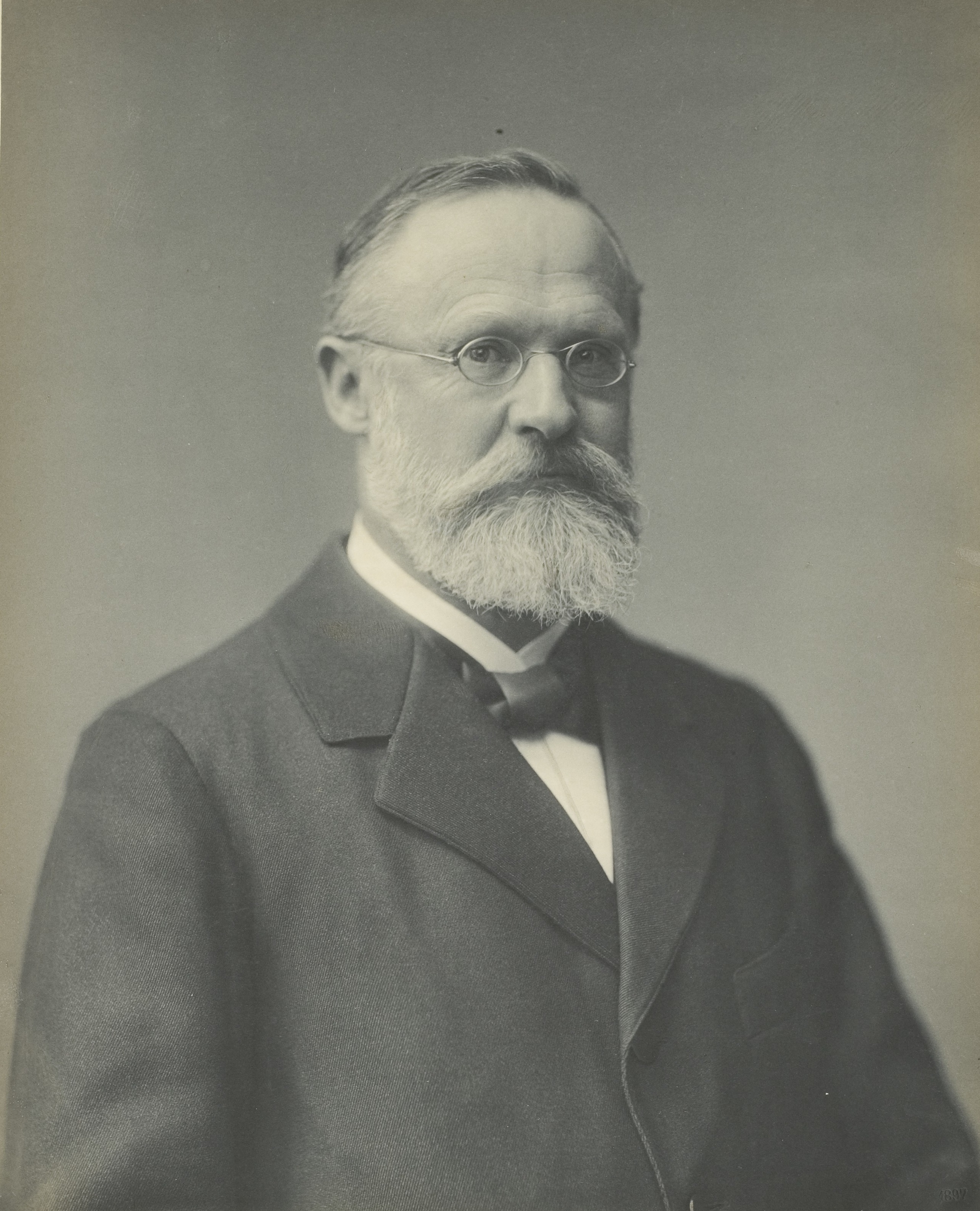
Myasthenia gravis (“Erb-Goldflam disease”; see also No. 4757). A further paper on the subject by Erb appears in the above volume, pp. 325-50.
1879 CE
#4071
Warty growths.
Original description of angiokeratoma (“Mibelli’s disease” – so named from the latter’s description of it in 1891; see No. 4105).
1879 CE–1880 CE
#4076
A case of multiple tumors of the skin accompanied by intense pruritis.
First description of prurigo nodularis. In 1909 J. N. Hyde (Diseases of the skin, Philadelphia, p. 174) was responsible for its present name and for the eponym “Hyde’s disease”.
1879 CE–1880 CE
#880
Methodologische Beiträge zur Physiologie und Pathologie der verschiedenen Formender Leukocyten.
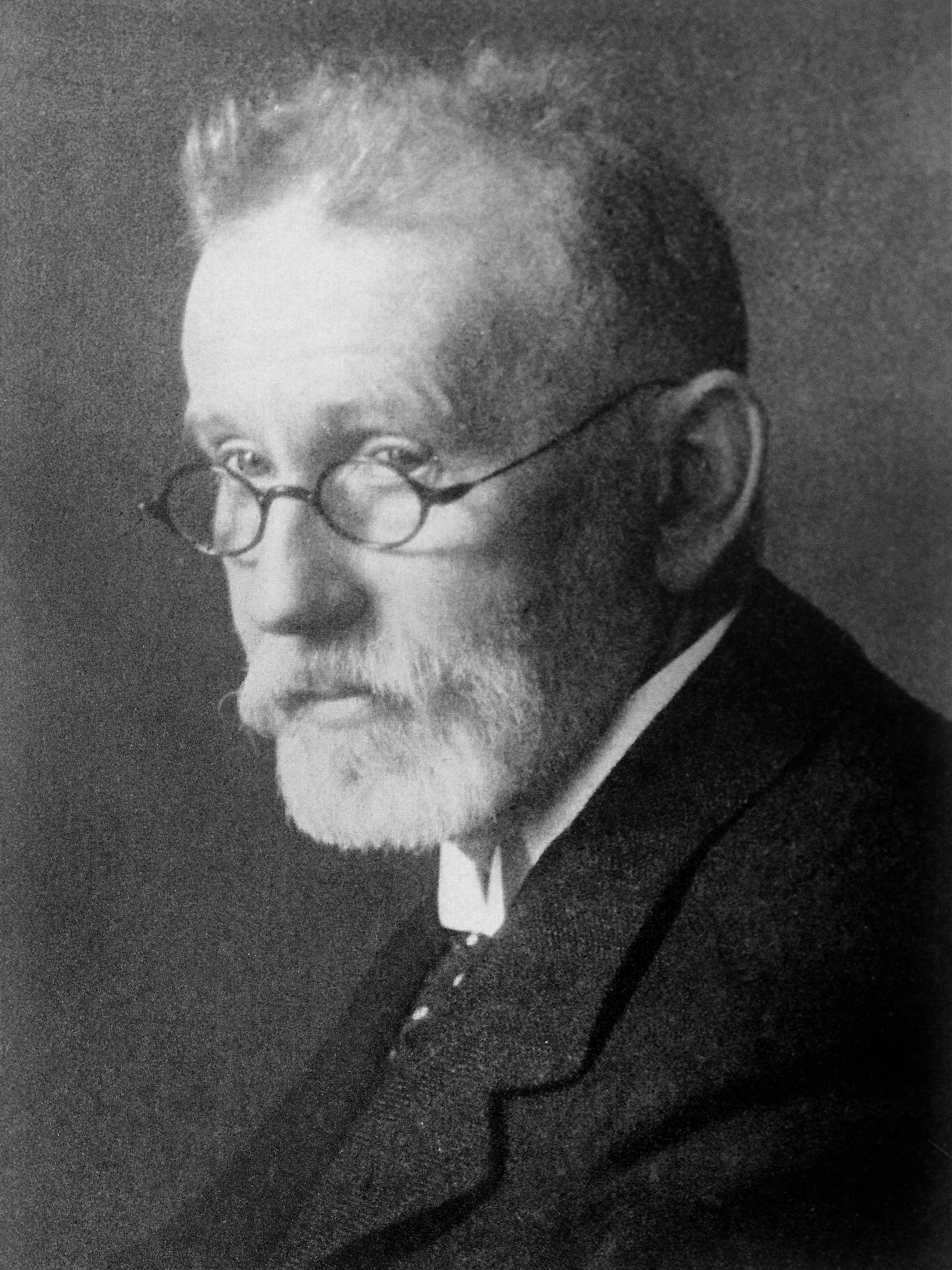
Foundation of the differential blood count technique.
1879 CE–1880 CE
#945
On the respiratory function of the internal intercostal muscles.
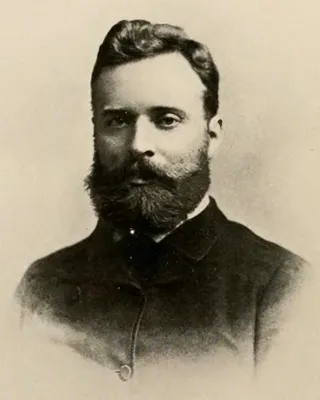
The important work of Martin and Hartwell on the intercostal muscles settled the controversy regarding their function.
1879 CE–1880 CE
#824
On the time-relations of the excitatory process in the ventricle of the heart of the frog.
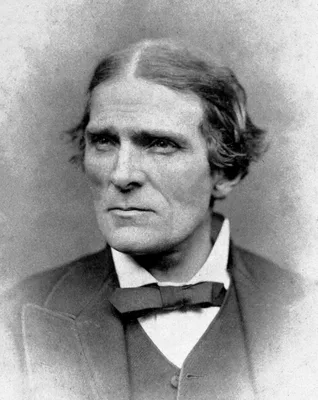
These workers were among the first to study the action currents of the heart, and made the first records (with the capillary electrometer) of the minute electrical current produced by the beating of the heart. See als…
1879 CE–1880 CE
#4666
Ueber Poliomyelitis und Neuritis.
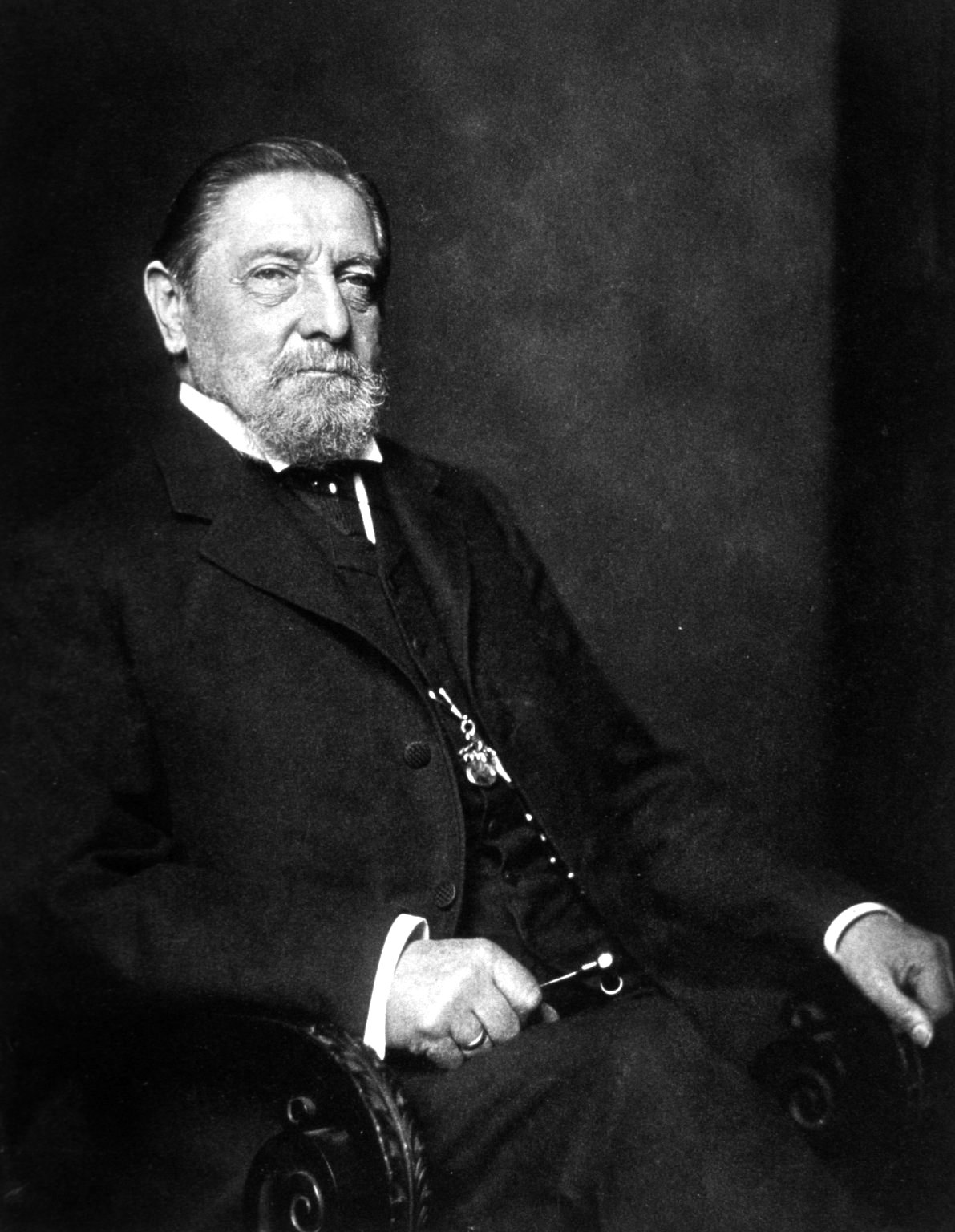
Leyden enjoyed a great reputation as a neurologist and his paper on poliomyelitis and neuritis is one of his best works. He was one of the founders of the journal in which it appeared.
1879 CE–1891 CE
#7591
Catalogue of the specimens illustrating the osteology and dentition of vertebrated animals, recent and extinct, contained in the Museum of the Royal College of Surgeons of England. 3 vols.: Part 1. Man: Homo sapiens.... Part II: Class Mammalia, other than man... Part III: Class Aves.
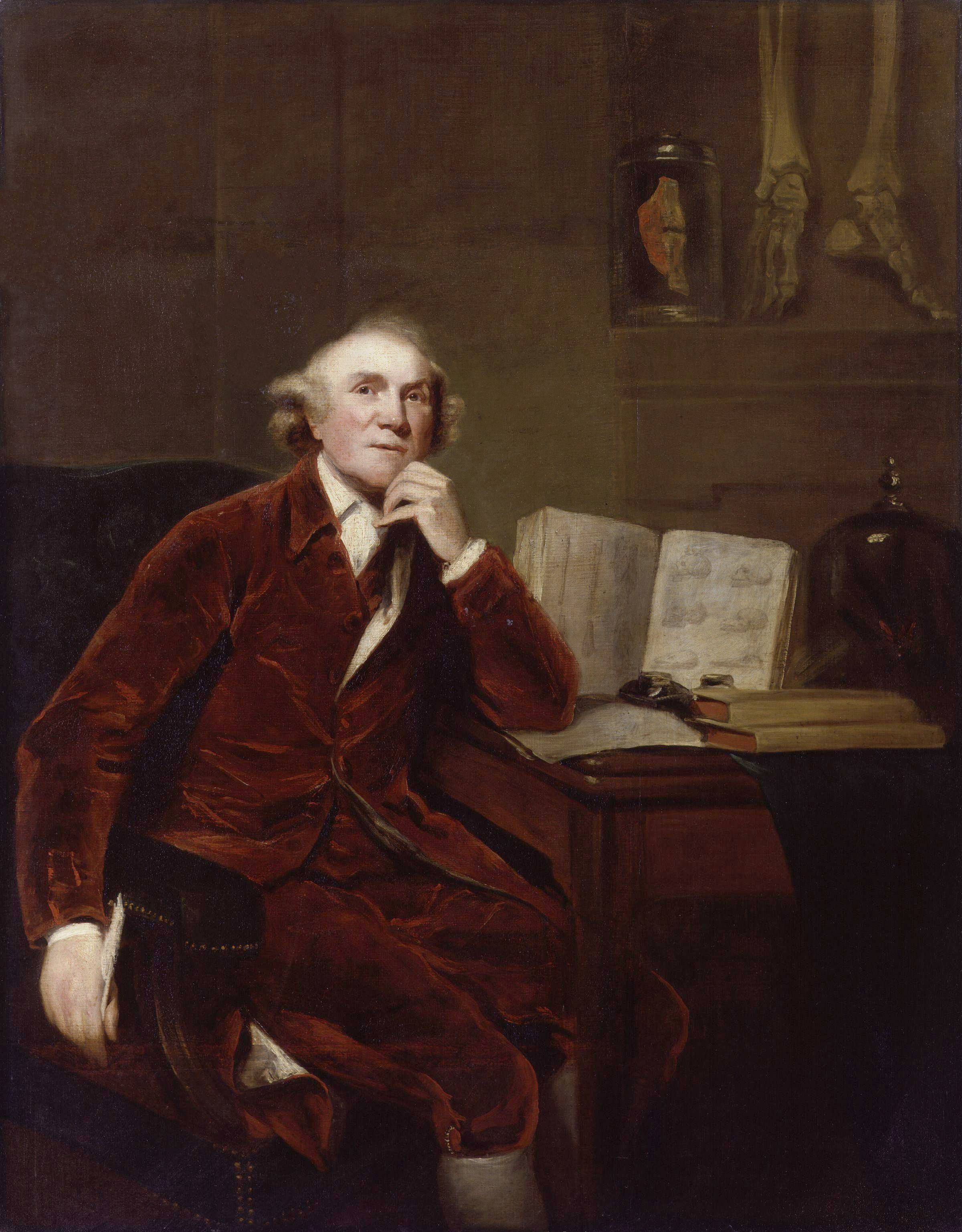
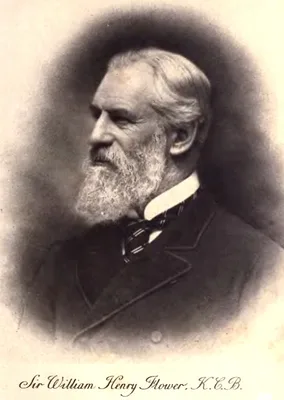
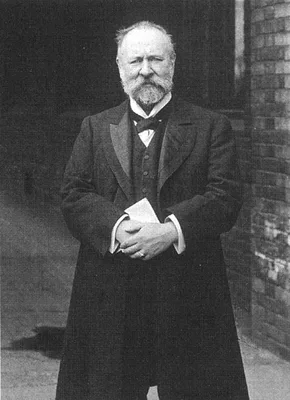
Parts 1 and 2 by Flower; part 3 by Sharpe. Digital facsimile of Part 1 from the Biodiversity Heritage Library at this link, of Part 2 at this link, and Part 3 at this link.
1879 CE–1891 CE
#6866
The guiding symptoms of the materia medica. 10 vols.
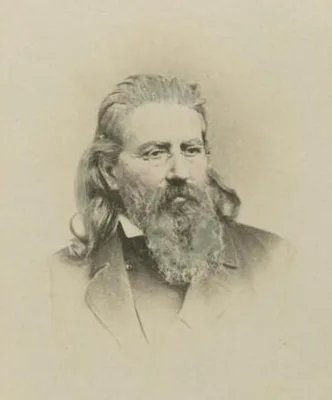
Hering was called the “father of American homeopathy.” His 10-volume work is a record of confirmed symptoms that Hering and his colleagues observed over 50 years of practice.
1879 CE–1899 CE
#6762
Index Medicus. A monthly classified record of the current medical literature of the world. Vols. 1-21.
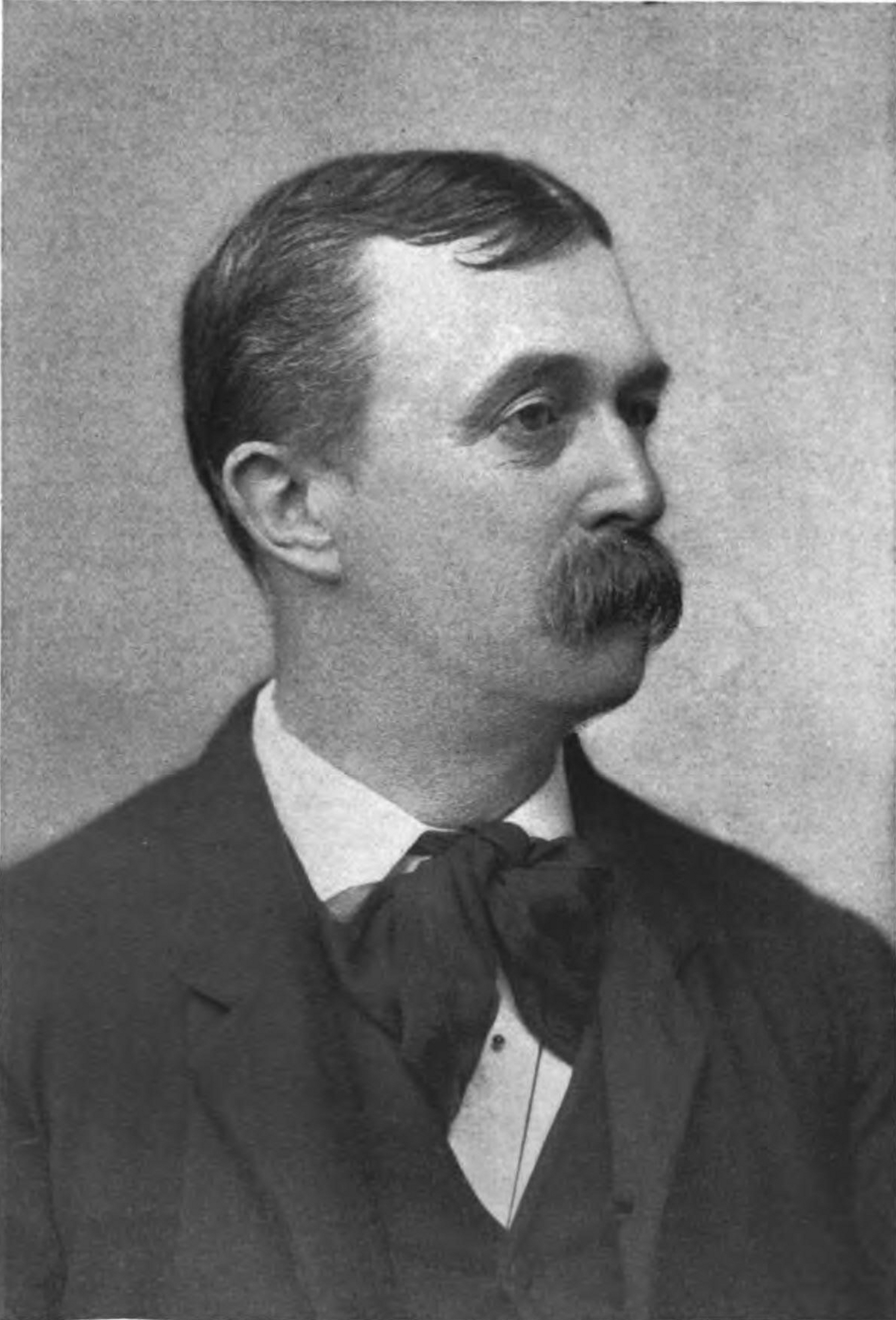
"Functionally, however, the greatest difference between the two publications [Index Medicus and the Index-Catalogue] was that the Index-Catalogue was a government publication and Index Medicus was not. For its entire …
1879 CE–1902 CE
#3471
Klinik der Verdauungskrankheiten. 3 vols.
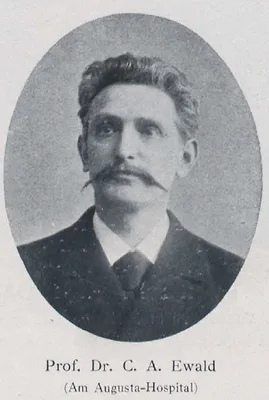
An important work on disorders of digestion. With Boas, Ewald devised the test breakfast and he utilized intubation for exploring the contents of the stomach. English translation of vols. 1-2, 1891-92.
c. 1877 CE
#11886
Catalogue or guide to the Liverpool Museum of Anatomy, 29, Paradise Street. This superb collection with all the latest additions, comprising upwards of 1000 models and diagrams, procured at the anatomical galleries of Paris, Florence, and Munich. Now forms the largest collection of anatomical preparations in England, with one exception only, namely of the Royal College of Surgeons’ Museum....
The dating and contents of this pamphlet are discussed in Hoolihan, An annotated catalogue of the Edward C. Atwater Collection of American popular medicine & health reform S-741.1.