
Facets
Browse across eight MeSH (opens in new tab) facets — era, geography, science, specialty, technology, history, culture, and reference. Select one tag per group; counts update across the others.
Clear filtersFacet filters
Geography
Specialties & Disease
- Anatomy & Pathology 37
- Cardiology & Blood 5
- Neurology & Psychiatry 5
- Obstetrics & Reproductive 0
- Infectious Disease (General) 4
- Surgery & Anesthesia 2
- Public Health 64
- Immunology & Dermatology 15
- General Clinical Medicine 12
- Military Medicine 22
- Psychology 5
- Alternative & Fringe Medicine 5
- Pediatrics 1
- Ophthalmology & Vision 0
- ENT & Hearing 1
- Urology & Nephrology 2
- Gastroenterology & Hepatology 1
- Pulmonary & Respiratory 2
- Rheumatology, Rehab & Pain 2
- Internal, Emergency & Geriatric 0
- Veterinary Medicine 2
- Epidemiology & Demography 17
- Physiology & Embryology 10
- Dentistry 3
- Plagues & Epidemics 17
- Microbiology & Virology 48
Social & Historical Studies
Institutions & Culture
Reference & Scholarly Works
767 entries match Natural History & Evolution [K01.900.500]
1978 CE
#2188.2
Naval and maritime medicine during the American revolution.
1990 CE
#11232
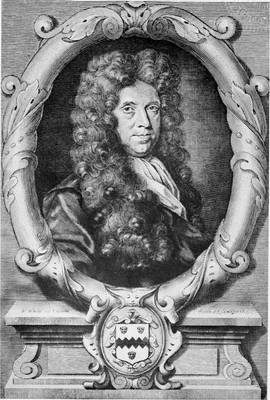
Nehemiah Grew: A study and bibliography of his writings
1878 CE
#5511
Neue Beobachtungen auf dem Gebiete der Mykosen des Menschen.
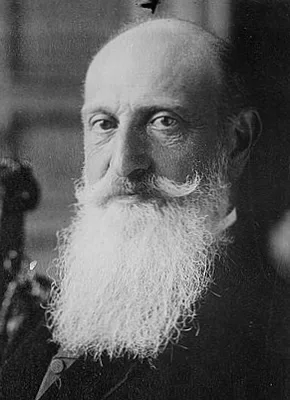
Israel contributed an important early paper on the ray fungus Actinomyces. He included some drawings made by Langenbeck in 1845 and was the first to describe a human case of actinomycosis.
1995 CE
#7278
New four-million-year-old hominid species from Kanapoi and Allia Bay, Kenya.
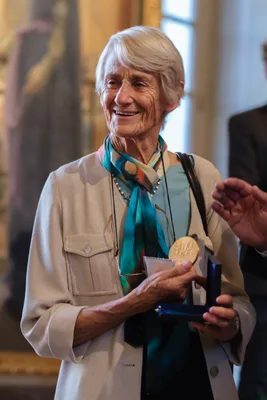
In 1965, a research team led by Bryan Patterson from Harvard University discovered a single arm bone (KNM-KP 271) of an early human at Kanapoi in northern Kenya, but without additional fossils Patterson could not conf…
2001 CE
#7279
New hominin genus from eastern Africa shows diverse middle Pliocene lineages.
In 1998 and 1999, working in the Lake Turkana region of northern Kenya, Meave Leakey and her team found a cranium and other fossil remains of a 3.5 million year old hominin with a mixture of features unseen in other e…
1672 CE
#13878
New-Englands rarities discovered: In birds, beasts, fishes, serpents, and plants of that country. Together with the physical and chyrurgical remedies wherewith the natives constantly use to cure their distempers, wounds, and sores; also A perfect description of an Indian squa, in all her bravery, with a poem not improperly conferr'd upon her; lastly, a chronological table of the most remarkable passage in that country amongst the English.
Josselyn's books give some of the earliest and most complete information on New England flora and fauna in colonial times, and his outlook was later praised by Henry Thoreau, among others. Digital facsimile from Biodi…
1656 CE
#8861
Note overo memorie del museo di Lodovico Moscardo....Nel primo si disorre delle cose antiche, le quali in detto museo si trouano. Nel secondo delle petre, minerali, e terre. Nel terzo de corali, conchiglie, animali, frutti, & altre cose in quello contenute.
Moscardo's museum contained natural history specimens, archeological remains, and ethnographic objects. Around 1642 Moscardo acquired a portion of the collection of Francesco Calceolari and added it to his museum. Dig…
1837 CE
#7311
Note sur les ossements fossiles des terrains tertiaires de Simorre, de Sansan, etc., dans le département du Gers, et sur la découverte récente d’une mâchoire de singe fossile.
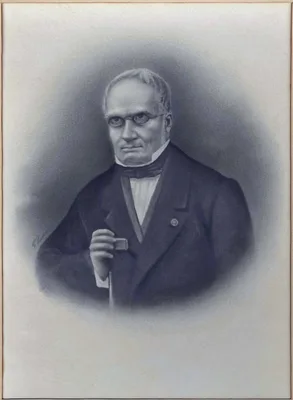
First published account of the discovery of the first anthropomorphic fossil ape. Lartet's discovery, made in 1836 at Sansan, was the first to challenge Cuvier’s assertion that both humans and apes were products…
1879 CE
#9627
Notes by a naturalist on the Challenger; being an account of observations made during the Voyage of H.M.S.Challenger round the world in the years 1872-1876. Under the Command of Capt. Sir G. S.Nares and Capt. F. T. Thomson.
Includes descriptions of the natural history of Teneriffe, St. Thomas, Bermuda; Azores, Madeira, Cape Verdes; St. Paul’s Rocks and Fernando Do Norhona; Bahia; Tristan Da Cunha, Inaccessible Island; Nightingale I…
1908 CE
#7444
Notes of a botanist on the Amazon & Andes, being records of travel on the Amazon and its tributaries, the Trombetas, Rio Negro, Uaupés, Casiquiari, Pacimoni, Huallaga, and Pastas; as also to the cataracts of the Orinoco, along the eastern side of the Andes of Peru and Ecuador, and the shores of the Pacific during the years 1849-1864. Edited and condensed by Alfred Russel Wallace..., with a biographical introduction, portrait, seventy-one illustrations and seven maps. 2 vols.
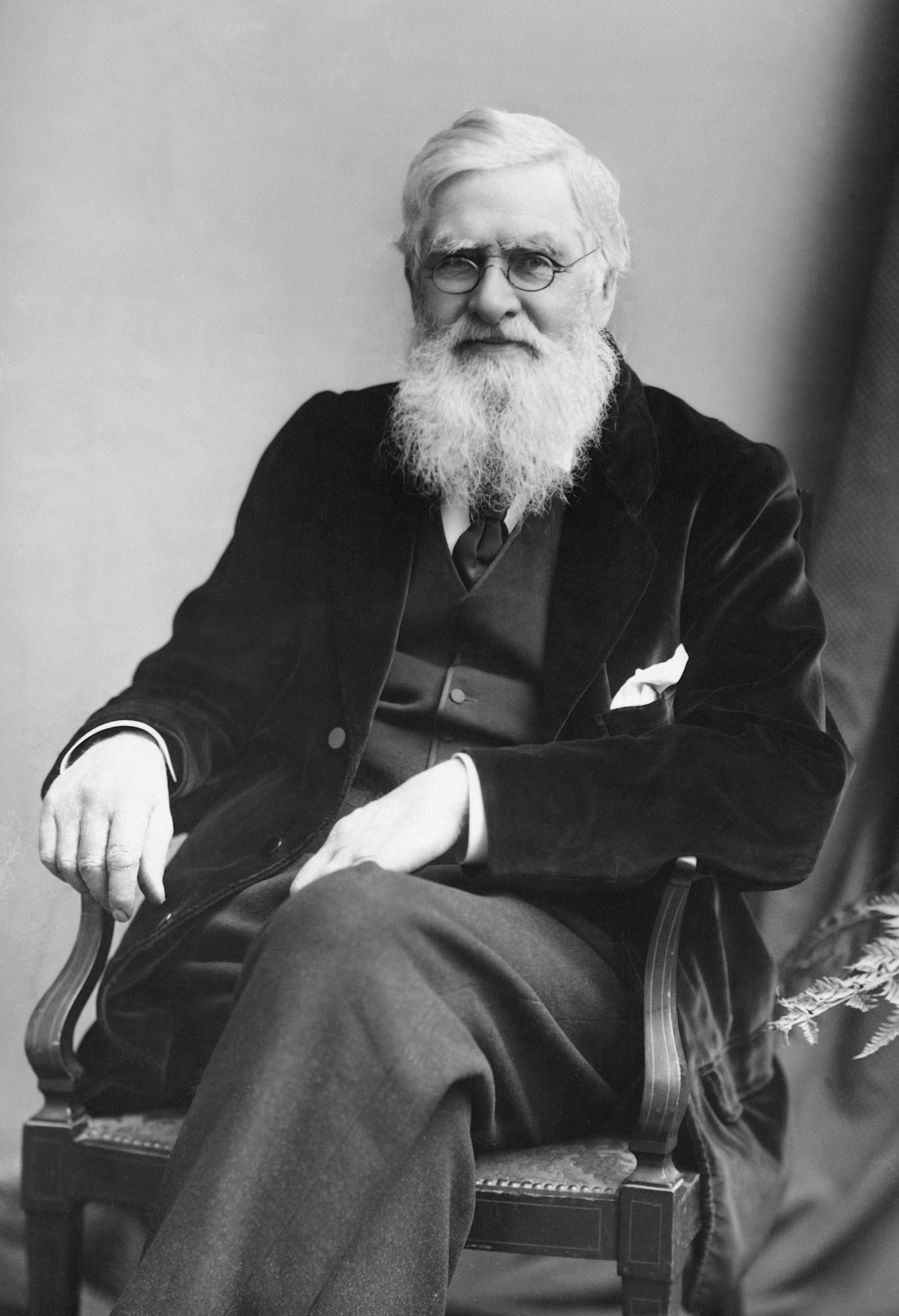
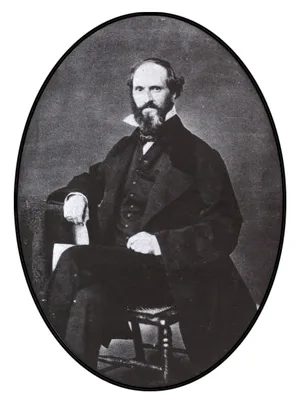
Digital facsimile from Google Books at this link.
1785 CE
#11450
Notes on the State of Virginia; written in the year 1781, somewhat corrected and enlarged in the winter of 1782, for the use of a foreigner of distinction, in answer to certain queries proposed by him.
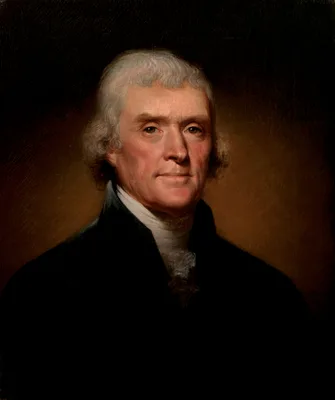
Jefferson wrote Notes on the State of Virginia in response to a series of questions sent in 1781 to various members of the Continental Congress by François Barbé-Marbois, then secretary to the French leg…
1847 CE
#7305
Notice sur des ossements humains fossiles, trouvés dans une caverne du Brésil.
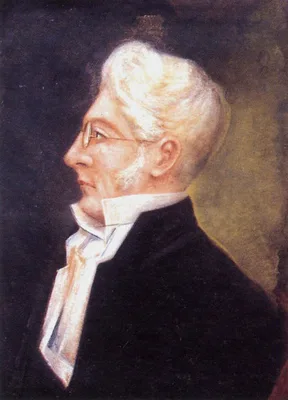
Lund, a student of Cuvier, excavated extensively in the region of Lagoa Santa, an area rich in caves and karst formations comprising the northern part of Greater Belo Horizonte in Brazil. Between 1835 and 1843 he coll…
1872 CE
#13901
Notice sur le musée d'histoire naturelle de Colmar et aperçu historique sur le musée des Unterlinden en général.
1829 CE
#7293
Notice sur les ossemens humains fossiles des cavernes du Département du Gard, présentée à l’Académie des Sciences le 29 juin 1829.
Christol excavated of the caverns of Pondres and Souvignarges, northeast of Montpellier in the department of Gard. These caverns, which showed no evidence of accidental disturbance, contained human remains intermixed …
1859 CE
#2473
Nouveaux faits pour server à l’histoire de la levure lactique.
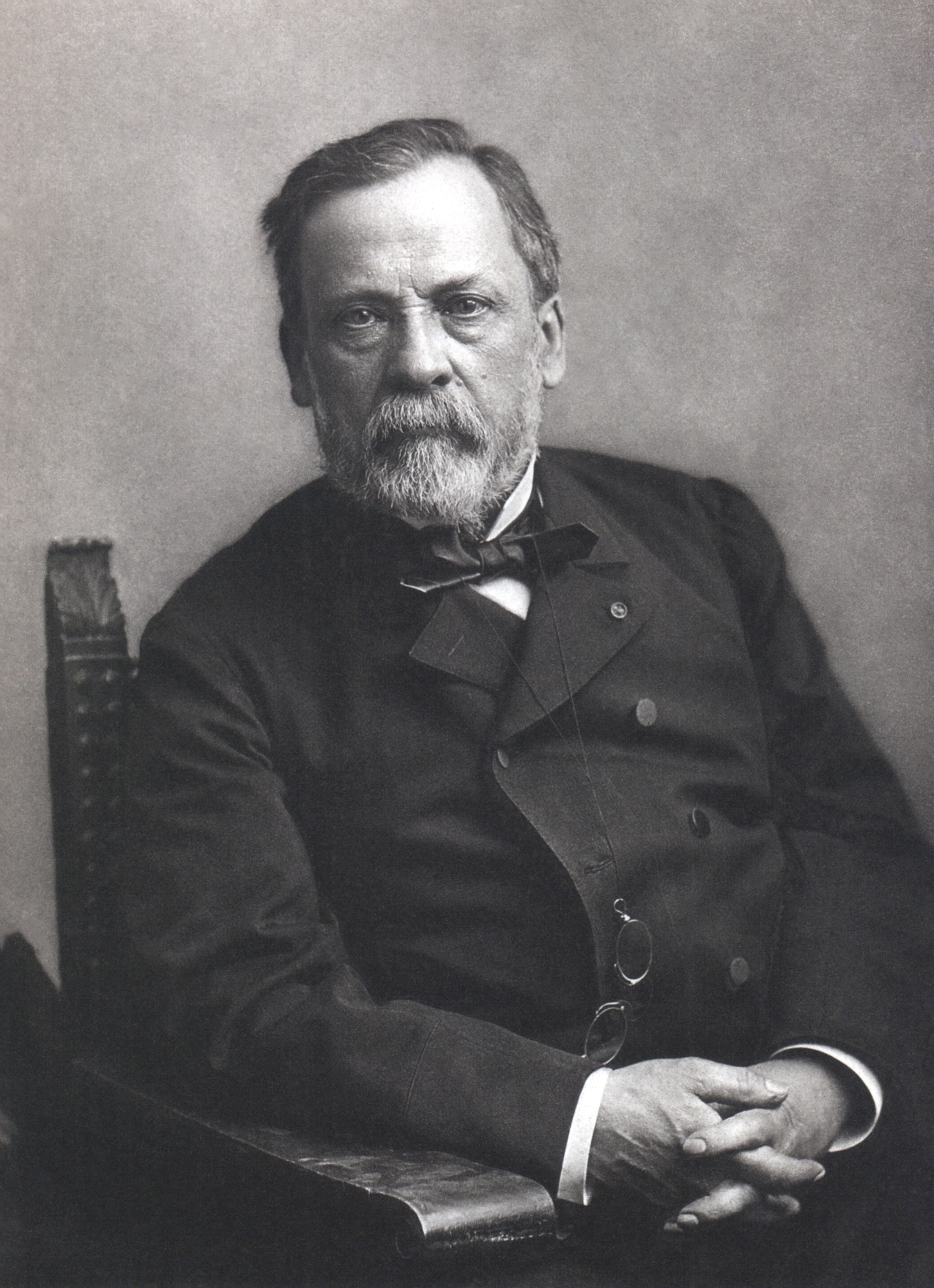
This and the preceding entry mark Pasteur’s commencement of the study of fermentation. This paper described Pasteur’s method of cultivating micro-organisms in a medium free of organic nitrogen to produce f…
1863 CE
#2476
Nouvel exemple de fermentation determinée par des animalcules infusoires pouvant vivre sans gaz oxygène libre, et en dehors de tout contact avec l’air de l’atmosphere.
Pasteur confirmed the fact, established by Schwann (No. 674) that putrefaction was a biological process.
1861 CE
#12983
Nouvelles recherches sur la coexistence de l’homme et des grands mammifères fossiles réputés caractéristiques de la dernière période géologique.
In this lengthy paper of nearly 80 pages Lartet proposed the first chronological framework into which both human skeletal and cultural remains could be fitted, based on fossil animal bones recovered from French cave s…
2017 CE
#11296
Object lessons and the formation of knowledge: University of Michigan museums, libraries and collections 1817-2017. Edited by Kerstin Barndt and Carla M. Sinopoli.
1752 CE–1770 CE
#1675
Observationes de aëre et morbis epidemicis. 3 vols.
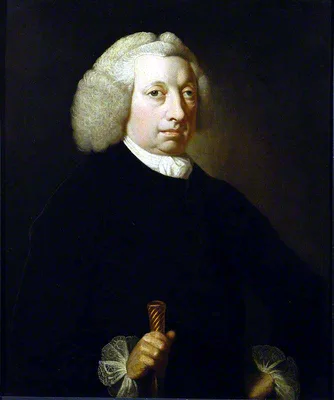
Huxham made daily records of the weather and prevailing diseases; his aim was to establish a relationship between atmospheric conditions and disease. The work was first published in 1728; vol. 1 and 2 of the edition g…
1652 CE
#3737
Observationes medicae.
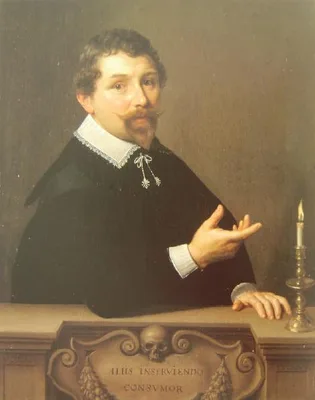
One of the earliest accounts of beri-beri is on pp. 300-05 of this work. Tulp, notable as the demonstrator in Rembrandt’s “Anatomy Lesson”, was among the first, in the same book, to describe the ileo…
1775 CE
#13336
Observations historical, critical, and medical, on the wines of the ancients. And the analogy between them and modern wines. With general observations and qualities of water, and in particular those of Bath.
Digital facsimile from Google Books at this link.
1759 CE
#1770
Observations on the changes of the air and the concomitant epidemical diseases, in the Island of Barbados.
Hillary included good accounts of lead colic and infective hepatitis, and probably the first description of sprue (celiac disease).
1751 CE
#7677
Observations on the inhabitants, climate, soil, rivers, productions, animals, and other matter worthy of notice. Made by Mr. John Bartram, in his travels from Pensilvania to Onondago, Oswego and the Lake Ontario, in Canada. To which is annex'd, a curious account of the cataracts at Niagara, by Mr. Peter Kalm....
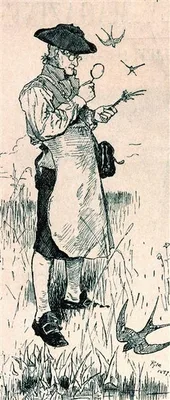
Digital facsimile from Biodiversity Heritage Library at this link.
1826 CE
#11415
Observations on the May-Bug, and its ravages on plum and other trees, and also on the means of preventing the mischief.
Griffth was probably the first American woman to publish in the sciences outside of materia medica and childcare. This article was probably her earliest non-geological publication. See Robt S. Cox, "A spontaneous flow…
1851 CE
#12086
Observations on the medical topography and diseases (especially diarrhoea) of the Sacramento Valley, California, during the Years 1849, 1850.
Stillman was personal physician to Leland Stanford, the first governor of California, and was a partner of railroad magnate Mark Hopkins from their days on board a ship to California in 1849. Stillman was also co-foun…
1844 CE
#8917
Observations on the volcanic islands, visited during the voyage of the H.M.S. Beagle, together with some brief notices on the geology of Australia and the Cape of Good Hope. Being the second part of the geology of the voyage of the Beagle.
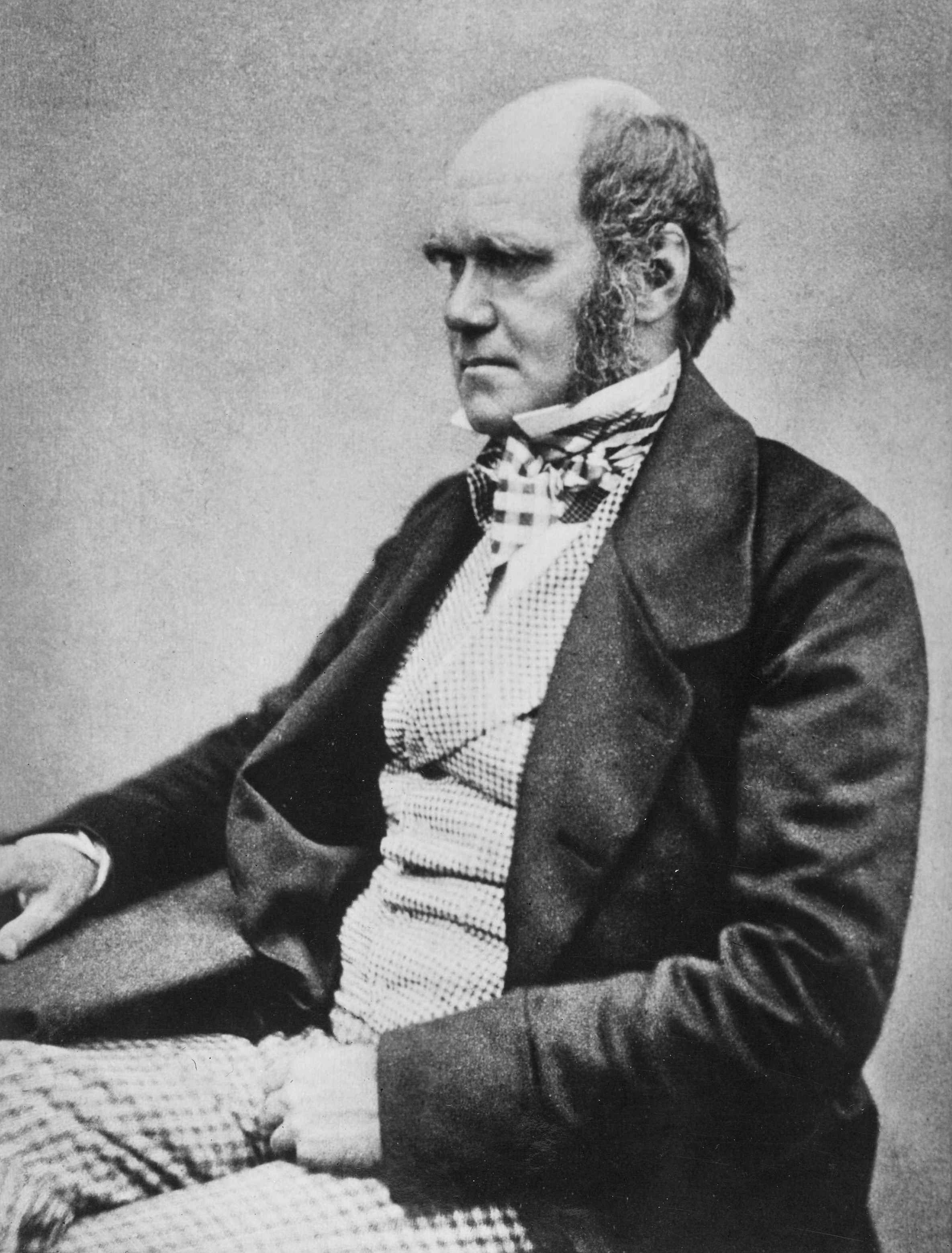
1783 CE
#1774
Observations on the weather and diseases of London. In his Works, 1, 145-240
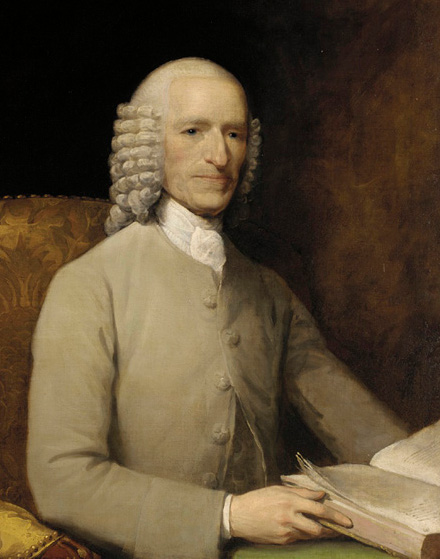
1922 CE–1939 CE
#83
Œuvres de Pasteur, réunies par Pasteur Vallery-Radot. 7 vols.
One of the founders of bacteriology, Pasteur's work on fermentation, the doctrine of spontaneous generation (which he exploded), virus diseases and preventive vaccinations, was fundamental. Digital facsimile of the co…
1986 CE
#13784
Of birds and Texas.
Inspired by Audubon's double elephant folios, the first edition was limited to 500 sets and 25 artists' copies, signed by Scott Gentling and John Graves. Folio (28 x 22 inches). 40 chromolithographed plates of birds a…
1857 CE
#11806
Omphalos: An attempt to untie the geological knot.
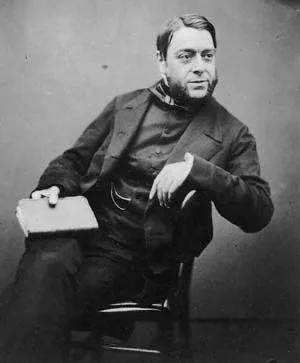
In Omphalos, published in 1857, two years before the publication of Darwin's On the Origin of Species, Gosse attempted to reconcile the paleontological record with creationist religious beliefs by arguing that the fos…
1861 CE
#4047
On a new and striking form of fungus disease, principally affecting the foot, and prevailing endemically in many parts of India.
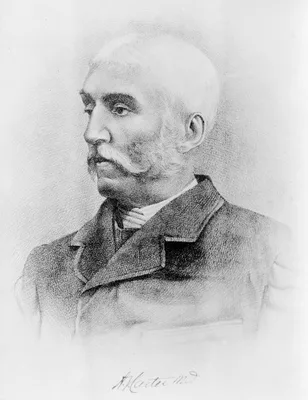
First modern description of mycetoma of the foot – “Madura foot”, “Carter’s mycetoma”. It was mentioned by E. Kaempfer in his Amoenitates exoticae, Lemgo, 1712, p. 561. Colebrook at…
1923 CE
#1767
On airs, waters, and places. IN: his [Works] with an English translation by W. H. S. Jones, 1, pp. 65-137
![HIPPOCRATES, [Ἱπποκράτης; Hippocrates of Kos] (-460 – -370)](/media/portraits/50)
“The first book ever written on medical geography, climatology, and anthropology” (Garrison). The Latin translation of this text was first published in Rhazes’ Liber ad Almansorem, Milan, 1481. See N…
1863 CE
#10894
On Australasian climates and their influence in the prevention and arrest of pulmonary consumption.
Digital facsimile from wellcomecollection.org at this link.
1874 CE
#4066
On mycetoma, or the fungus disease of India.
See No. 4047.
1831 CE
#216.3
On naval timber and arboriculture.
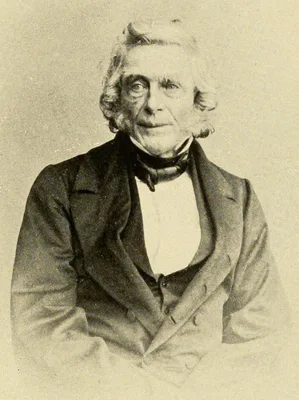
The “first clear and complete” anticipation of the Darwinian theory of evolution by natural selection. The appendix to Matthew’s work actually uses the expression, “natural process of selection…
1862 CE
#220.2
On our knowledge of the causes of the phenomenon of organic nature.
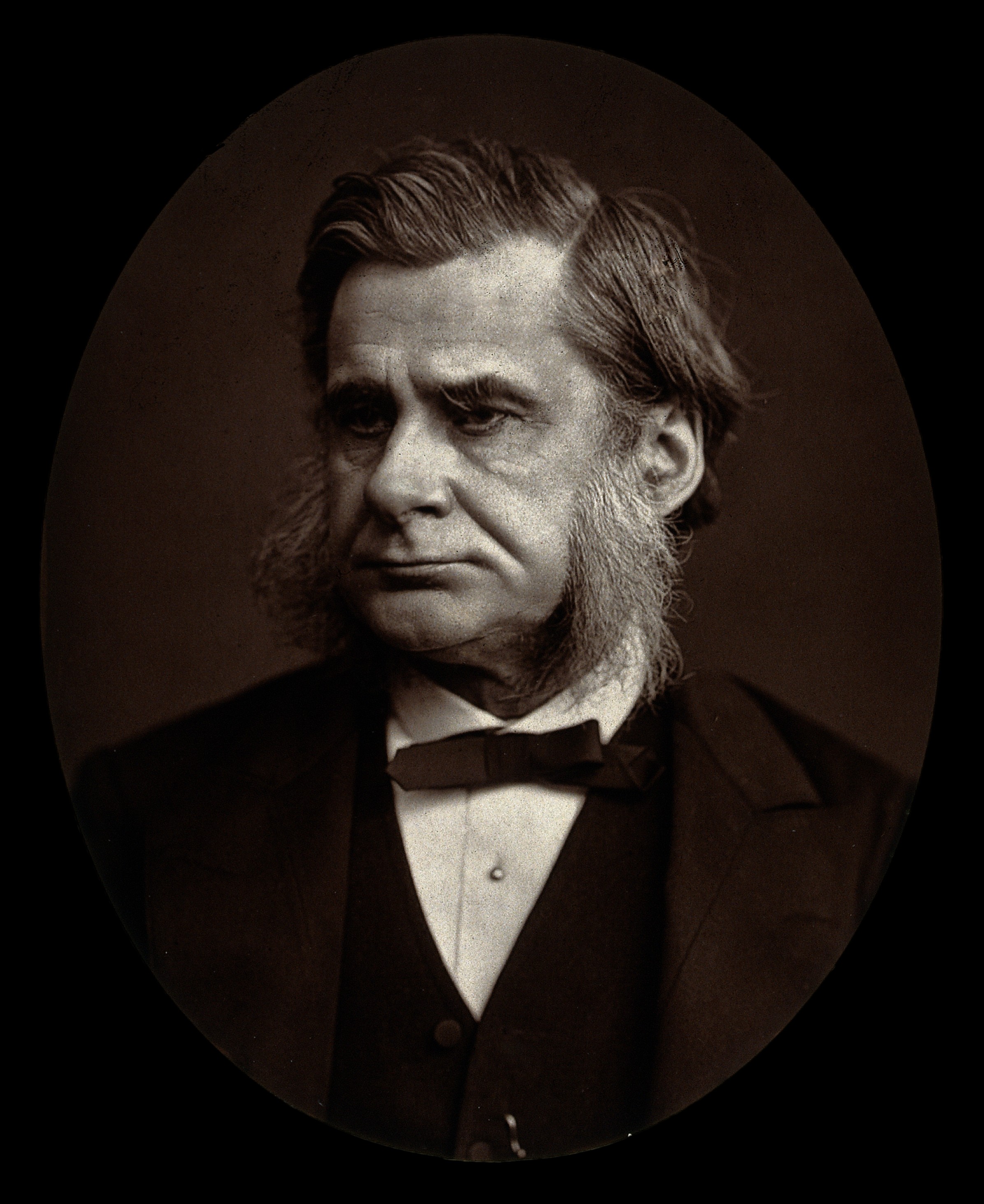
This series of six lectures delivered to “working men” in November and December, 1862 includes Huxley’s first book-form exposition of Darwin’s theories, of which he was probably the greatest po…
1898 CE
#4127
On refractory subcutaneous abscesses caused by a fungus possibly related to the sporotricha.
Schenck first described a form of sporotrichosis, due to a pathogenic fungus, which later became known as Sporotrichum beurmanni, after more thorough studies upon it by de Beurmann in 1903.
1923 CE
#5538.1
On Rhinosporidium seeberi (Wernicke, 1903), with special reference to its sporulation and affinities.
Ashworth was the first to show that Rhinosporidium was a fungus.
1866 CE–1868 CE
#336
On the anatomy and physiology of the vertebrates. 3 vols.
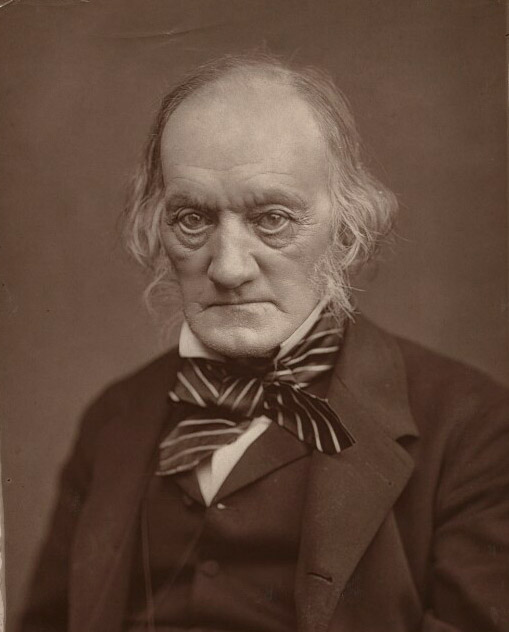
Vol. 1. Fishes and reptiles; Vol. 2. Birds; Vol. 3. Mammals. The most important work on the subject after Cuvier, based entirely on personal observations. Owen entitled his 40th and concluding chapter "Derivative hypo…
1868 CE
#9351
On the animals which are most nearly intermediate between birds and reptiles.
Huxley proposed a close relationship between birds and dinosaurs after the discovery in Germany of the primitive fossil bird Archaeopteryx. He made detailed comparisons of Archaeopteryx with various prehistoric reptil…
1929 CE
#1933
On the antibacterial action of cultures of a penicillium, with special reference to their use in the isolation of B. influenzae.
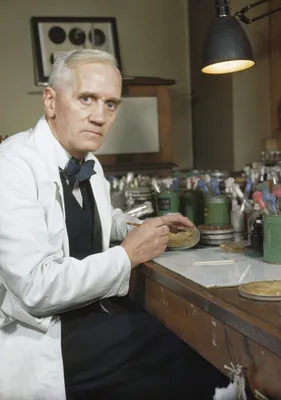
Discovery of the growth-inhibiting action of Penicillium on certain bacteria. In 1945 Fleming shared the Nobel Prize in Physiology or Medicine with Ernst Boris Chain and Sir Howard Walter Florey "for the discovery of …
1848 CE
#330
On the archetype and homologies of the vertebrate skeleton.
Owen’s vertebral theory of the origin of the skull, later refuted by Thomas Huxley and others. "Owen began working systematically on problems of transcendental morphology in 1841, as part of his curatorial task …
1913 CE
#211
On the discovery of a palaeolithic skull and mandible in a flint-bearing gravel overlying the Wealden (Hastings Beds) at Piltdown, Fletching (Sussex). With appendix by Grafton Elliot Smith.
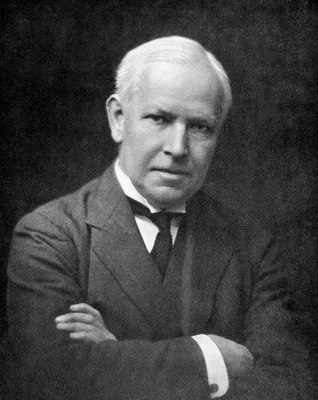
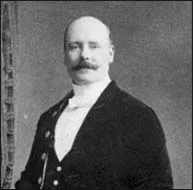
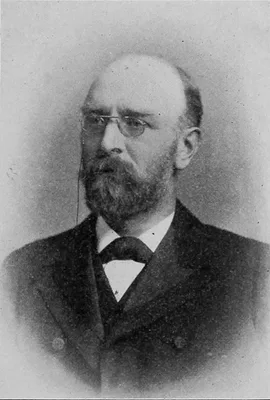
Order of authorship in the original publication: Dawson, Woodward. The first "scientific" report on “Piltdown man” (Eoanthropus dawsoni,) one of the longest-lasting and most influential hoaxes ever perpetr…
1862 CE
#14045
On the extent and aims of a national museum of natural history.
Owen was the prime mover behind the construction of the Natural History Museum, a project that occupied him for over two decades. His On the Extent and Aims of a National Museum of Natural History, containing the text…
1859 CE
#7446
On the flora of Australia, its origin, affinities, and distribution; being an introductory essay to the Flora of Tasmania. Offprint from The Botany of the Antarctic Voyage of H. M. Discovery Ships ‘Erebus’ and ‘Terror’, Vol. III (Flora Tasmaniae), part I (June, 1859).
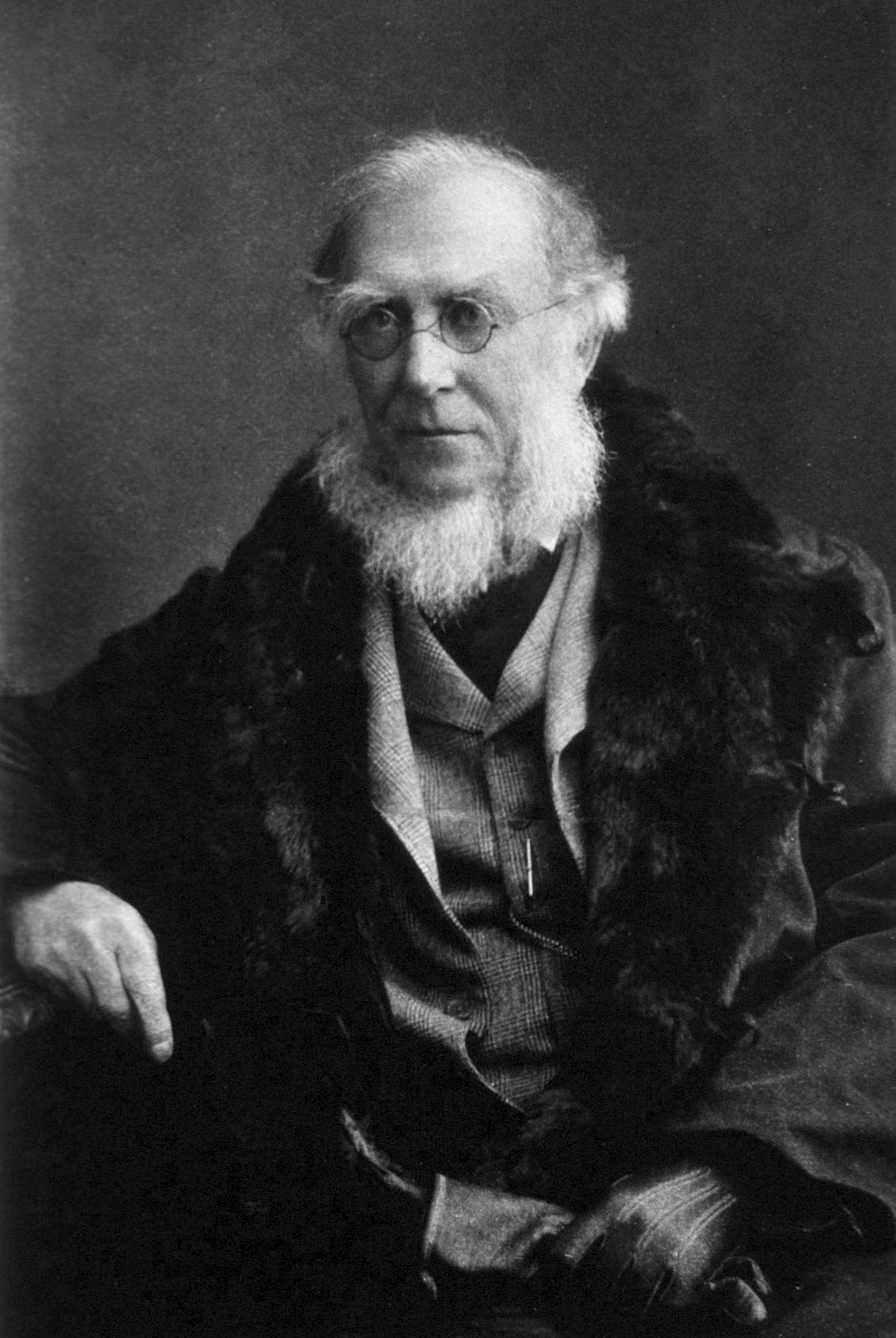
The first important botanical work by a supporter of Darwin’s theory of evolution by natural selection. Hooker, a botanist and plant geographer, had been a close friend of Darwin for many years, and was aware of…
1858 CE
#9178
On the general geographical distribution of the members of the class Aves.
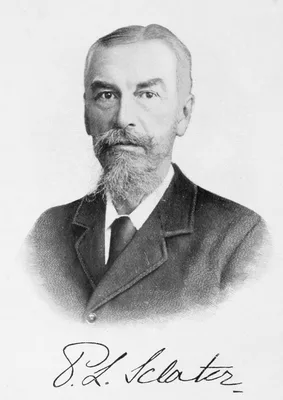
Sclater defined and named six zoological regions: the Palaearctic, Aethiopian, Indian, Australasian, Nearctic and Neotropical. With some name revision (Afrotropic for Aethiopian, and Indomalayan for Indian,) these zoo…
1835 CE
#10108
On the influence of atmosphere and locality; change of air and climate; seasons; food; clothing; bathing; exercise; sleep; corporeal and intellectual pursuits, &c. &c. on human health; constituting elements of hygiéne.
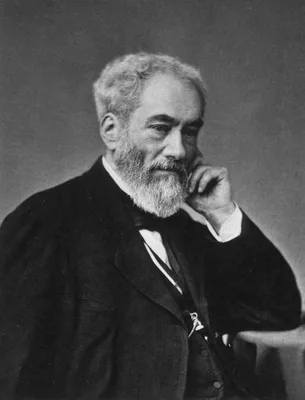
Digital facsimile from the Internet Archive at this link.
1877 CE–1878 CE
#2489
On the lactic fermentation and its bearings on pathology.
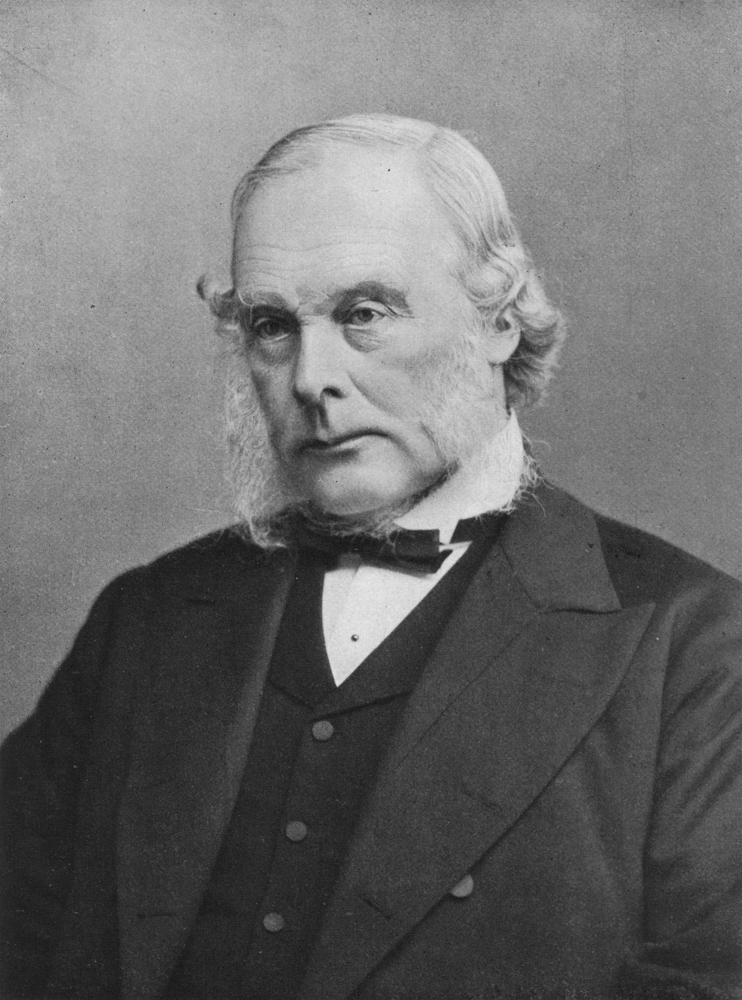
Lister was the first to obtain a pure culture of a bacterium (Bact. lactis). Lister first presented the results of this research in an address to the Royal Society on December 18, 1877. Because of its historic signifi…
1855 CE
#13712
On the law which has regulated the introduction of new species.
This paper is sometimes referred to as the Sarawak Law paper since it was written while Wallace was on a specimen collecting expedition in the province of Sarawak (East Malayasian States) on the great island of Borneo…
1865 CE
#8910
On the movements and habits of climbing plants.
Darwin's report on his discoveries concerning the adaptive value of climbing for certain plants, including the development of circumnutation. Darwin waited ten years to publish the first edition in book form (1875) wi…