
Facets
Browse across eight MeSH (opens in new tab) facets — era, geography, science, specialty, technology, history, culture, and reference. Select one tag per group; counts update across the others.
Clear filtersFacet filters
Geography
Specialties & Disease
- Anatomy & Pathology 134
- Cardiology & Blood 11
- Neurology & Psychiatry 36
- Obstetrics & Reproductive 26
- Infectious Disease (General) 5
- Surgery & Anesthesia 14
- Public Health 129
- Immunology & Dermatology 38
- General Clinical Medicine 28
- Military Medicine 11
- Psychology 16
- Alternative & Fringe Medicine 17
- Pediatrics 5
- Ophthalmology & Vision 2
- ENT & Hearing 3
- Urology & Nephrology 4
- Gastroenterology & Hepatology 4
- Pulmonary & Respiratory 3
- Rheumatology, Rehab & Pain 0
- Internal, Emergency & Geriatric 7
- Veterinary Medicine 11
- Epidemiology & Demography 12
- Physiology & Embryology 94
- Dentistry 10
- Plagues & Epidemics 44
- Microbiology & Virology 92
Social & Historical Studies
Institutions & Culture
Reference & Scholarly Works
1,480 entries match Zoology & Animal Sciences [K01.900.500.750]
1962 CE
#12034
The concept of a bacterium.
Order of authorship in the original publication: Stanier, Niel. For much of the 20th centurty prokaryotes were regarded as a single group of organisms, classified on the basis of their biochemistry, morphology and met…
1834 CE
#12900
The conchologist.
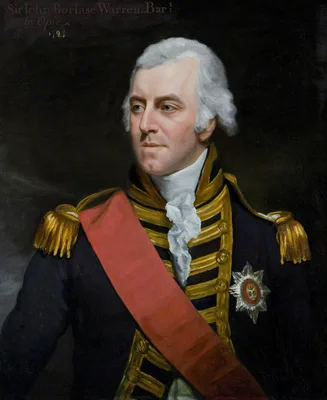
The first American manual of conchology. The author, John Warren, was an Englishman who sold shells and other collectibles in Boston as well as to other collectors in the United States. His book organized shells accor…
1977 CE
#12031
The construction of molecular cloning vehicles. II. A multipurpose cloning system.
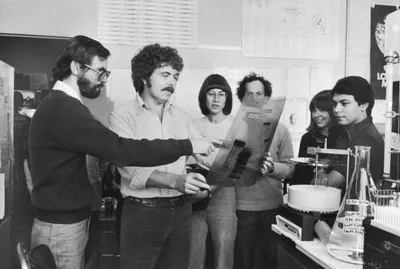

Order of authorship in the original publication Bolivar, Rodriguez, Betlach...Boyer...The authors describe the composition and molecular construction of pBR-322 (named after Bolivar and Rodriguez) and call it "the mos…
2002 CE
#10078
The copedologist's cabinet: A biographical and bibliographical history.
"Copepod crustaceans are the most numerous multicellular animals on earth. They occur in every free-living and parasitic aquatic niche. Copepods have been known since the time of Aristotle, yet there has never been a …
2015 CE
#11807
The coral reef era: From discovery to decline. A history of scientific investigation from 1600 to the anthropocene epoch.

1955 CE
#6928
The crystal structure of the hexacarboxylic acid derived from B12 and the molecular structure of the vitamin.
The final structure of vitamin B12. With J. Pickworth, J.H. Robertson, K.N. Trueblood, R.J. Prosen, J. G. White. In 1964 Hodgkin was awarded the Nobel Prize in Chemistry "for her determinations by X-ray techniques of …
1981 CE
#14224
The crystallization of ribsomal proteins from the 50 S subunit of the Escherichia coli and Bacillus stearothermophilus ribosome.
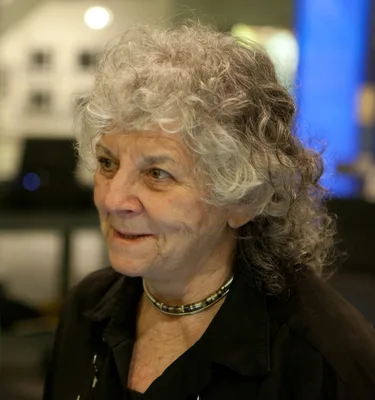
The authors crystallized fragments of the 50S subunit of a thermophile bacterium’s ribosome to 3 angstroms resolution. Order of authorship in the original publication: Appelt, Dyck, et al., Yonath. Digital facsi…
1993 CE
#9301
The cultural relations of classification: An analysis of Nuaulu animal categories from central Seram.
The Nuaulu or Naulu are a tribe located in Seram, Maluku, Indonesia.
1987 CE
#12211
The Cuvier-Geoffroy Debate: French biology in the decades before Darwin.
"...no event better represents the contest between form and function as the chief organizing principle of life as the debate between Georges Cuvier and Etienne Geoffroy Saint-Hilaire. This book presents the first comp…
1835 CE–1859 CE
#603
The cyclopaedia of anatomy and physiology. Edited by Robert Bentley Todd. 5 vols.
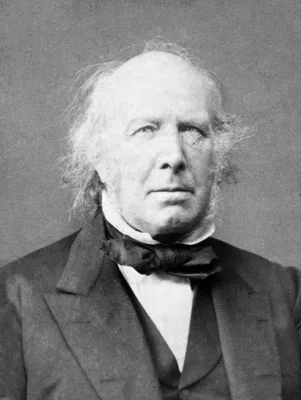
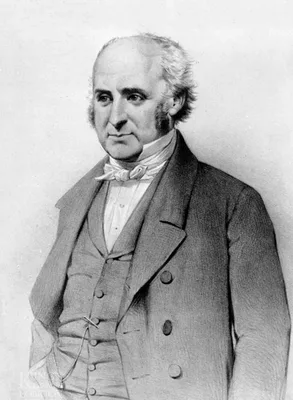
Contributors included Richard Owen and Thomas Huxley, and physicians James Paget, James Young Simpson, and William Bowman.The discoveries of Purkynĕ and Valentin, together with additional observations by William Sharp…
1907 CE
#7226
The dancing mouse: A study in animal behavior.
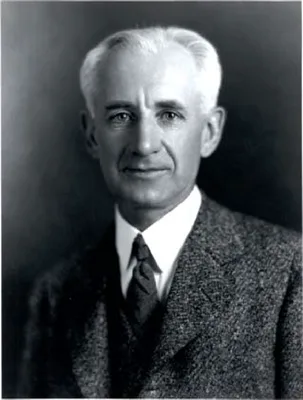
The first work to examine the characteristics of deaf mice, which became the most important model for the study of genetic deafness. Digital facsimile from the Biodiversity Heritage Library, Internet Archive at this l…
1974 CE
#10551
The Darwin correspondence project.
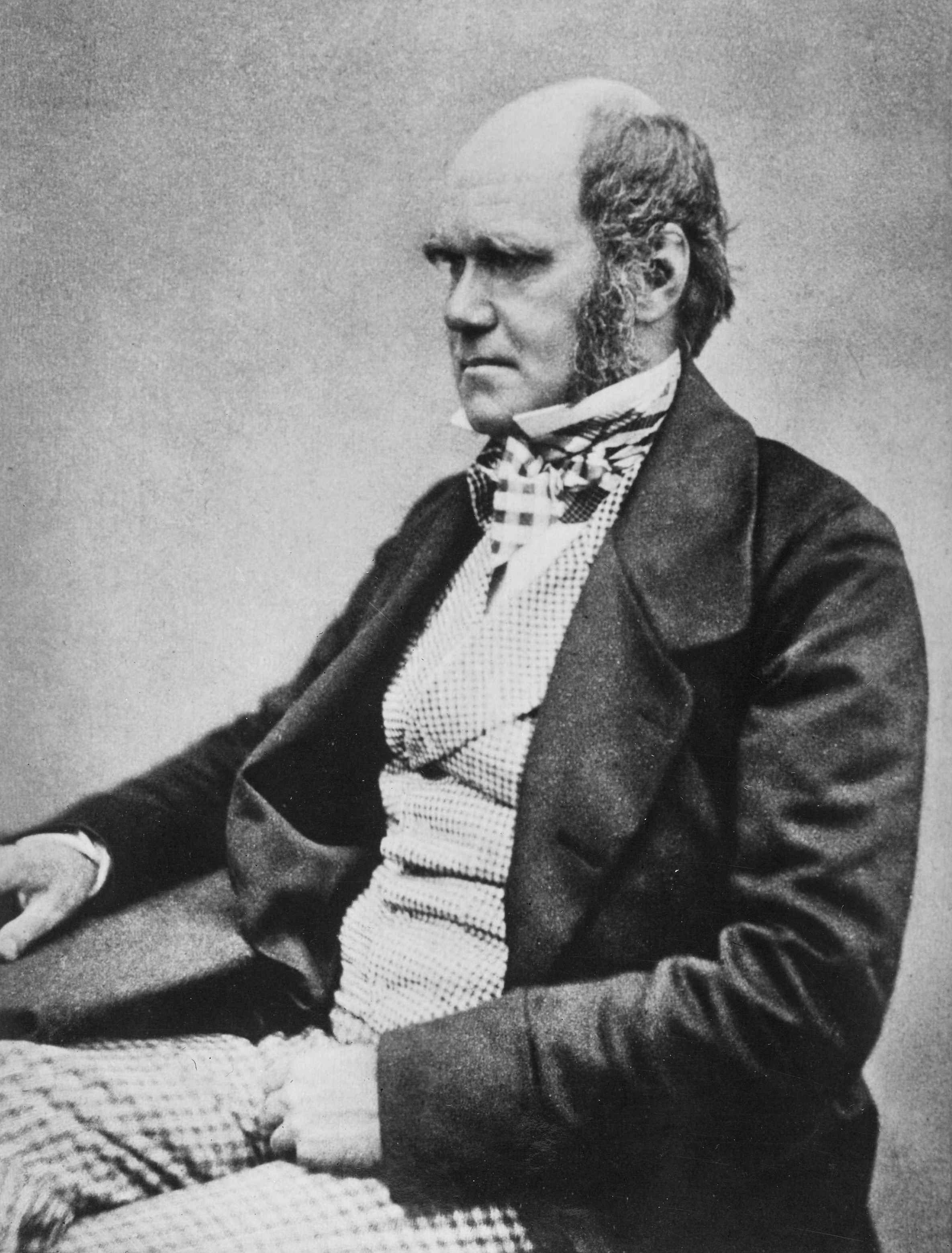
http://www.darwinproject.ac.uk/" "Search over 12000 letters and articles..."
1980 CE
#7970
The death of nature: Women, ecology and the scientific revolution.
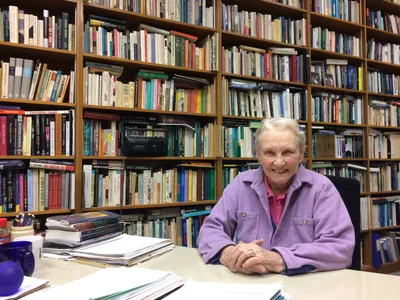
Reprinted with addition of a new preface, 1990.
1912 CE
#7482
The depths of the ocean. A general account of the modern science of oceanography based largely on the scientific researches of the Norwegian Steamer Michael Sars in the North Atlantic.
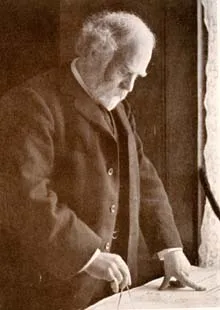
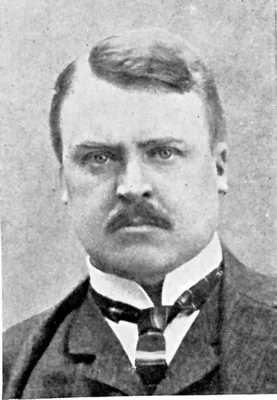
Digital facsimile from the Biodiversity Heritage Library, Internet Archive at this link.
1873 CE
#7483
The depths of the sea. An account of the general results of the dredging cruises of H. M. SS. 'Porcupine' and 'Lightning during the summers of 1868, 1869, and 1870, under the scientific direction of Dr. Carpenter, F.R.S., J. Gwyn Jeffreys, F.R.S., and Dr. Wyville Thomson, F.R.S.
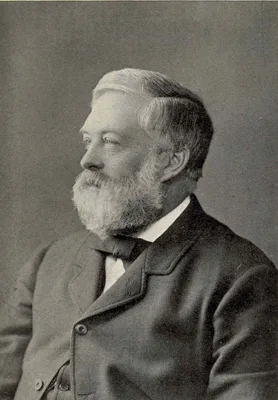
Digital facsimile from the Internet Archive at this link.
1871 CE
#170
The descent of man, and selection in relation to sex. 2 vols.
This is really two works. The first demolished the theory that the universe was created for humans while in the second Darwin presented a mass of evidence in support of his earlier hypothesis regarding sexual selectio…
1953 CE
#256.2
The detection of chromosomal sex in hermaphrodites from a skin biopsy.

Sex chromatin demonstrated in humans.
1947 CE
#10822
The diagnosis of the acute abdomen in rhyme by Zeta.
Cope published this humorous version of his Early diagnosis of the acute abdomen under the pseudonym Zeta.
1909 CE
#6845
The differentiation and specificity of corresponding proteins and other vital substances in relation to biological classification and organic evolution: The crystallography of hemoglobins.
This massive work with 100 plates including 600 images, was the first large-scale investigation of species differences at the molecular level. Digital facsimile from the Internet Archive at this link.
1916 CE
#14094
The differentiation of cells as a criterion for cell identification, considered in relation to the small cortical cells of the thymus.
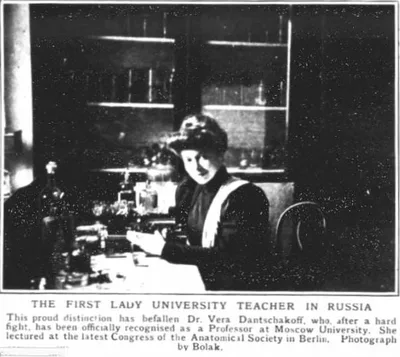
First use of the term "stem cells" in English. Digital facsimile from rupress.org at this link.
1913 CE
#6919
The diffraction of short electromagnetic waves by a crystal.
At the age of 22, Bragg discovered that the regular pattern of dots produced on a photographic plate by an X-ray beam passing through a crystal could be regarded as a reflection of electromagnetic radiation from plane…
1999 CE
#12516
The diffusion of Greco-Roman medicine into the Middle East and the Caucasus. Edited by J.A.C. Greppin, E. Savage-Smith, and J. L. Gueriguian.
1989 CE
#9733
The discovery of the art of the insane.
"This pioneering work, the first history of the art of the insane, scrutinizes changes in attitudes toward the art of the mentally ill from a time when it was either ignored or ridiculed, through the era when major fi…
1699 CE
#7965
The dispensary: A poem. In six cantos.
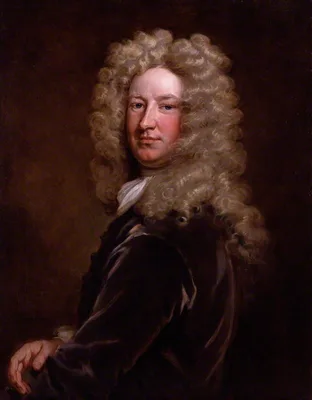
An aggressive criticism of quack medicines, apothecaries who produced them, and physicians who prescribed them.
1963 CE
#12428
The distribution of colony-forming cells among spleen colonies.
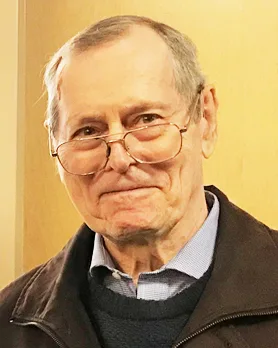
Evidence that stem cells are capable of self-renewal. (Order of authorship in the original publication: Siminovitch, McCullch, Till). Digital facsimile from tspace.library.utoronto.ca at this link.
1955 CE
#1207
The disulphide bonds of insulin.
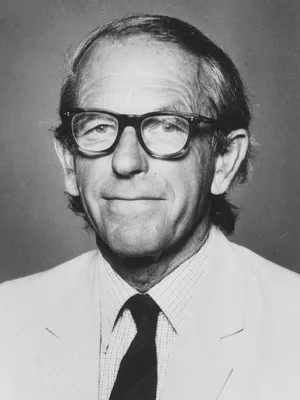
Sanger sequenced the amino acids of insulin, the first of any protein. His work “revealed that a protein has a definite constant, genetically determined sequence—and yet a sequence with no general rule for…
1981 CE
#9728
The DNA story: A documentary history of gene cloning.
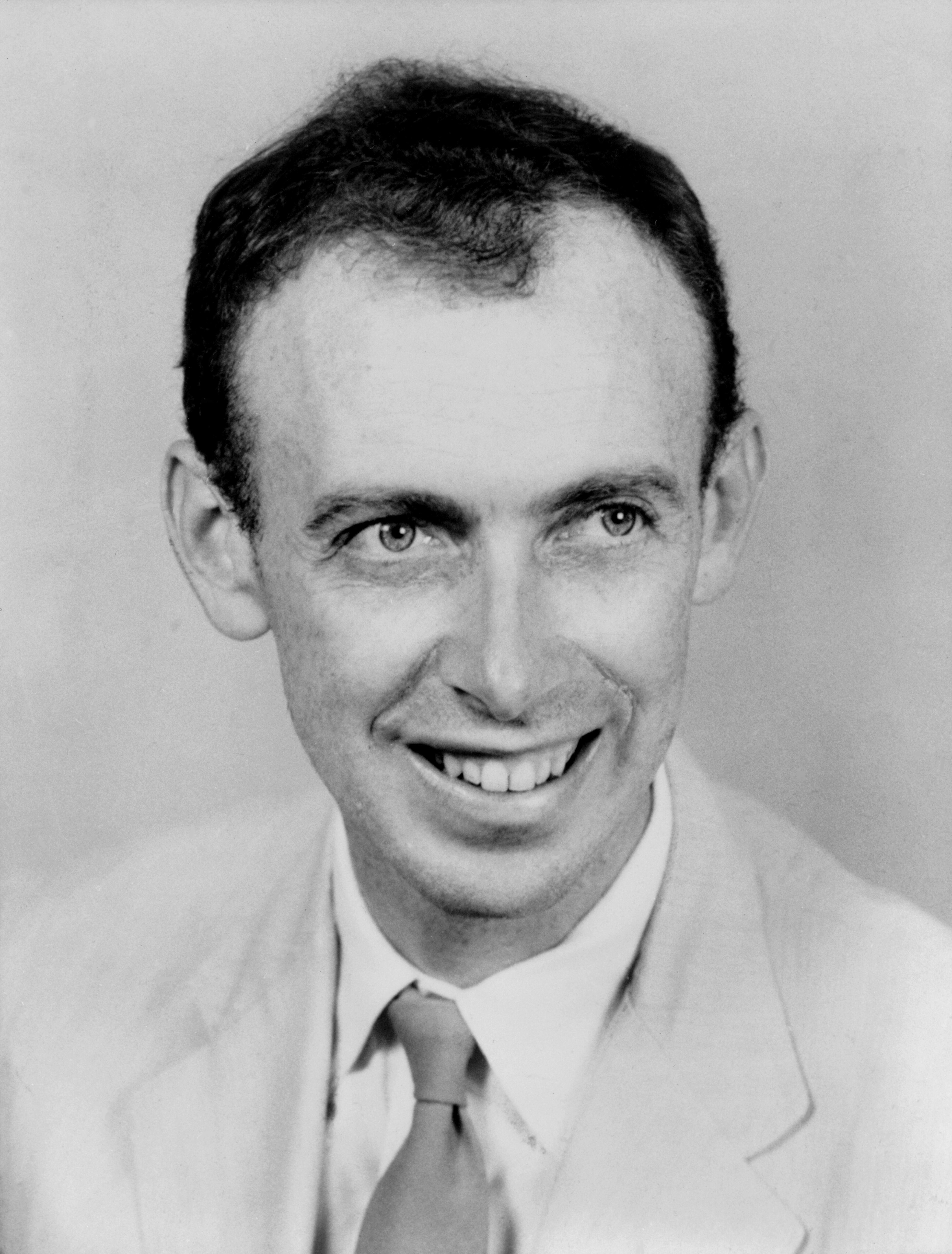
1953 CE
#6623.01
The doctor and the devils.
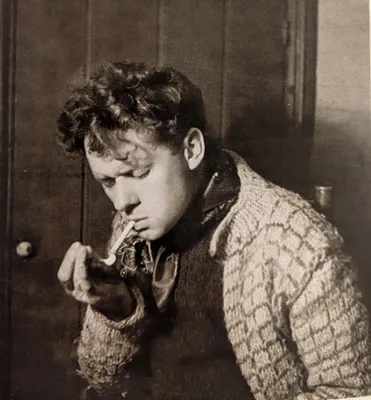
The great lyric poet’s screenplay based on the notorious career of Robert Knox, the anatomist who purchased bodies for dissection from the resurrectionists/murderers, Burke and Hare. This was the first screenpla…
1967 CE
#9741
The doctor on the stage: Medicine and medical men in seventeenth-century England.
1911 CE
#11661
The doctor's dilemma, getting married, & The shewing-up of Blanco Posnet.
"Historian John Crellin opens his essay on William Osler and George Bernard Shaw with a quotation about this 1911 book that the compilers of the catalogue of Osler's library wrote: 'With a cynical 'Preface on Doctors'…
1848 CE
#10176
The dodo and its kindred; Or, the history, affinities, and osteology of the dodo, solitaire, and other extinct birds of the islands Mauritius, Rodriguez and Bourbon.
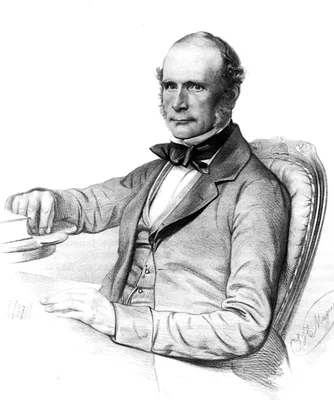
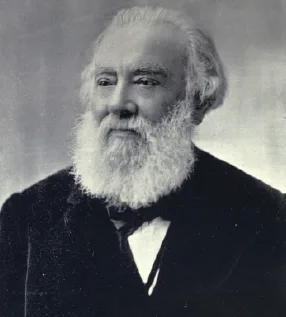
The first separate monograph on the dodo, an extinct flightless bird that was endemic to the island of Mauritius, east of Madagascar in the Indian Ocean. "The closest genetic relative to the dodo was the also extinct …
1968 CE
#12027
The double helix.
Portions of Watson's famous memoir appeared in the January and February issues of the Atlantic Monthly prior to their publication in book form in the Spring of 1968. (Thanks to Juan Weiss for this reference.)
1968 CE
#7139
The double helix. A personal account of the discovery of the structure of DNA.
Vivid first hand account of the discovery, renowned for its candor. See also the Norton Critical Edition of The double helix with supporting material, edited by Gunther Stent (1980), and The annotated and illustrated …
1979 CE
#258.11
The eighth day of creation. Makers of the revolution in biology.
1878 CE
#499
The embryology of Clepsine.
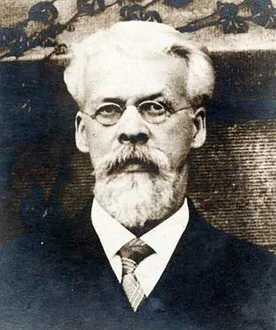
The study of cell-lineage was initiated by Whitman’s paper on Clepsine.
2000 CE
#9192
The emergence of life on earth. An historical and scientific overview.
1982 CE
#11769
The emergence of ornithology as a scientific discipline.
1936 CE
#9304
The ethnobiology of the Chiricahua and Mescalero Apache: A. the use of plants for food, beverages and narcotics. Ethnobiological studies in the American Southwest, Vol. 3. Biological series (Vol. 4, No. 5); Bulletin, University of New Mexico, whole, (No. 297).
1935 CE
#9303
The ethnobiology of the Papago Indians. Ethnological Studies in the American Southwest II.
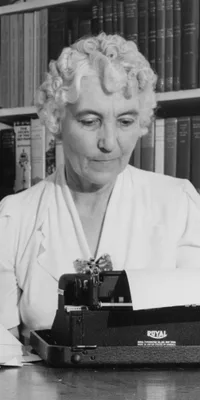
"The Tohono O’odham ... are a Native American people of the Sonoran Desert, residing primarily in the U.S. state of Arizona and the Mexican state of Sonora. Tohono O’odham means "Desert People." The federa…
2002 CE
#9565
The evolution of the conservation movement, 1850-1920.
https://memory.loc.gov/ammem/amrvhtml/conshome.html "documents the historical formation and cultural foundations of the movement to conserve and protect America's natural heritage, through books, pamphlets, government…
1997 CE
#7463
The eye of the artist.
1929 CE
#7186
The female sex hormone. Part I: Biology, pharmacology and chemistry. Part II: Clinical investigations based on the female sex hormone blood test.
The first handbook on female sex hormones. Digital facsimile from the Hathi Trust at this link.
1936 CE
#2524.6
The Feulgen reaction of the bacteriophage substance.
Schlesinger showed that the fundamental constituents of bacteriophages consist mainly of approximately equal amounts of protein and DNA.
1939 CE
#6594
The first Negro medical society. A history of the Medico-Chirurgical Society of the District of Columbia.
A detailed history of the “first American Negro medical society formed in America and probably in the world”. Cobb was the first black American medical historian of note.
2002 CE
#12661
The flight of the Emu: A hundred years of Australian ornithology 1901-2001.
1881 CE
#8913
The formation of vegetable mould through the action of worms, with observations on their habits.
Darwin's last book, published only 6 months before his death, but reporting on a subject that he had studied for more than 50 years. "He showed the services performed by earthworms in eating leaves and grinding earth …
1907 CE
#87
The fragments of Empedocles. Translated into English verse by William Ellergy Leonard.
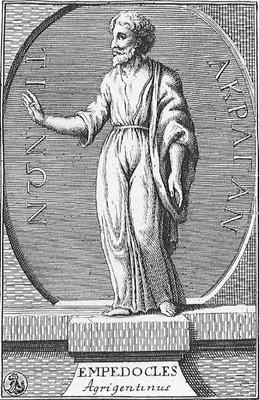
Empedocles was a Greek philosopher, statesman, physician and reformer. His poem on Nature originally ran to 5,000 lines, of which only 400 are now left. He believed in four ultimate elements—fire, air, water and…
2015 CE
#11368
The genealogy of a gene: Patents, HIV/AIDS, and race.
"Myles Jackson uses the story of the CCR5 gene to investigate the interrelationships among science, technology, and society. Mapping the varied “genealogy” of CCR5—intellectual property, natural sele…
1963 CE
#14305
The genetic control of tertiary protein structure studies with mode systems.
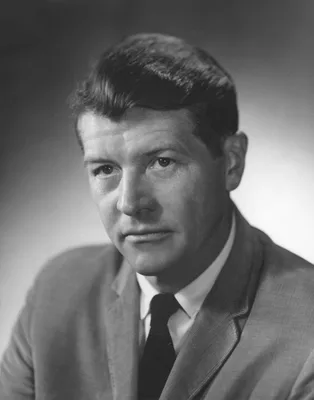
In 1972 Anfinsen shared half of the Nobel Prize in Chemistry with Stanford Moore and William H. Stein for "for his work on ribonuclease, especially concerning the connection between the amino acid sequence and biologi…
1974 CE
#9941
The genetics of CAENORHABDITIS ELEGANS.
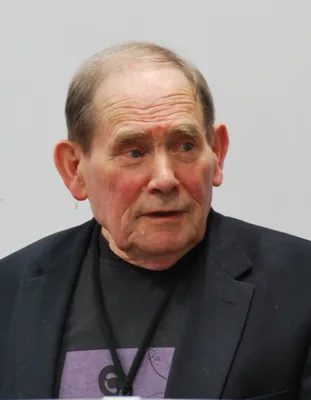
In 2002 Brenner shared the Nobel Prize in Physiology or Medicine in Physiology or Medicine with H. Robert Horvitz and John Sulston "for their discoveries concerning genetic regulation of organ development and programm…