
France
1,132 entries published in France. 8 publication places.
1558 CE
#8984
Les remonstrances sur le default du labour et culture des plantes, et de la cognoissance d'icelles, contenant la maniere d'affranchir et appriuoiser les arbres sauuages.
![BELON, Pierre [Pierre Belon du Mans; Petrus Bellonius Cenomanus] (1517 – 1564)](/media/portraits/9632)
The first work on agriculture written in French. As an apothecary, Belon was especially interested in the pharmaceutical value of plants. Having learned about them on his travels, he introduced numerous foreign plants…
1561 CE
#1814
In hoc volumine continentur Valerii Cordi ... Annotationes in Pedacii Dioscoridis Anazarbei De medica materia libros V : longè aliae quàm ante hac sunt evulgatae. Ejusdem Val. Cordi Historiae stirpium Lib. IIII. posthumi, nunc primùm in lucem editi, adjectis etiam stirpium iconibus, & brevissimus annotatiunculis. Sylva, qua rerum fossilium in Germania plurimarum, metallorum, lapidum & stirpium aliquot rariorum notitiam brevissimè persequitur, nunquam hactenus visa. De artificiosis extractionibus liber. Compositiones medicinales aliquot, non vulgares. His accedunt Stocc-Hornii et Nessi in Bernatium Helvetiorum ditione montium, & nascentium in eis stirpium, descriptio Benedicti Aretii ... Item Conradi Gesneri De hortus Germaniae, liber recens, unà cum descriptione tulipae turcarum, chamaecerasi montani, chamaemespili, chamaenerii, & conozoidis ... Omnia summa studio atque industria ... Conr. Gesneri ... collecta, & praefationibus illustrata.
![DIOSCORIDES, Pedanius [Πεδάνιος Διοσκουρίδης] (40 – 90)](/media/portraits/2028)
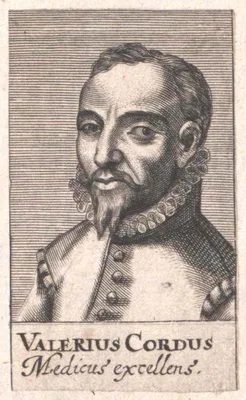
This work not only updated the species listed by Dioscorides, but also listed about 500 new species of plants. Published posthumously, the work was carefully edited by Conrad Gesner. Cordus was the inventor of phytogr…
1561 CE
#4850.3
La méthode curative des playes, & fractures de la teste humaine.
Written after the death of Paré’s patient, Henri II, who was struck in the eye by the shaft of a lance at a tournament in celebration of the marriage of Philip, King of Spain, with Elizabeth of France. Pa…
1561 CE
#3574
Traité des hernies... et autres excellentes parties de chirurgie assavior de la pierre, des cataractes des yeux, & autres maladies...
Greatly expanded second edition, including Franco's operations for cataract and urinary calculi. Digital facsimile from BnF Gallica at this link.
1564 CE
#2581.99
De catarrho commentarius.
Summer catarrh (hay fever) first described. Partial English translation in No. 2241.
1564 CE
#6792
Definitionum medicarum libri xxiii.
This dictionary arranges all Greek medical terms in order of the Greek alphabet, and carefully explains them in Latin. It was widely used, and exerted much influence on modern medical terminology.
1564 CE
#3668.1
Dix livres de la chirurgie avec le magasin des instruments necessaires à icelle.
Paré’s first general treatise on surgery, and the most comprehensive of his treatises before his collected works (1575). Dix livres included Paré's first description of the use of the ligature in a…
1569 CE
#13117
Chirurgie françoise, avec plusieurs figures des instrumens nécessaires pour l'opération manuelle.
Daléchamp, a pupil of Guillaume Rondelet, received his doctorate in medicine from the University of Montpellier in 1547; he settled in Lyons in 1552, where he remained for the rest of his life. His Chirurgie fr…
1572 CE
#13547
Instruction sur l'herbe petum ditte en France l'herbe de la Royne ou Medicée: Et sur la racine MECHIOCAN principalement (avec quelques autres simples rares et exquis) exemplaire à manier philosophiquement tous autres vegetaux.
The earliest treatise in French on tobacco, including its usage in medicine, and probably the earliest separate treatise on tobacco in any language. Digital facsimile from the Internet Archive at this link. See Bowen,…
1573 CE
#534.51
Deux livres de chirurgie. I. De la generation de l’homme… II. Des monstres tant terrestres que marins avec leurs portraits.
Many reports of real malformations are intermixed with mythical accounts. English translations, 1634, and later. Recent English translation, Chicago, University of Chicago Press, 1982. Digital facsimile of the 1573 ed…
1575 CE
#5565
Les oeuvres de M. Ambroise Paré.
Paré was the greatest of the army surgeons before Larrey. Born in poor circumstances, he became the most famous surgeon in France. He is particularly remembered for his abandonment of boiling oil and the cauter…
1578 CE
#5372.1
De febre purpura epidemiali et contagiosa libri duo.
Coytard distinguished between petechial typhus and typhoid.
1580 CE
#13731
Les statutz et ordonnances royalles faictes par les roys de France, sur l'estat de barbier-chirurgien part tout le royaume de France, et confirmé par le roy Henry III de ce nom, roy de France et de Pologne [Mai 1575-13 août 1578].
The first regulations for barber surgeons published in France. https://catalogue.bnf.fr/ark:/12148/cb338125216
1581 CE
#6236
Traitte nouveau de l’hysterotomotokie, ou enfantement caesarien.
Rousset records 15 successful Caesarean sections carried out by various persons during the preceding 80 years.
1582 CE
#3668.3
Recherche de la vraye anathomie des dents, nature et propriété d’icelles.
The first French book on dentistry.
1585 CE
#5818
Traité des maladies de l’oeil.
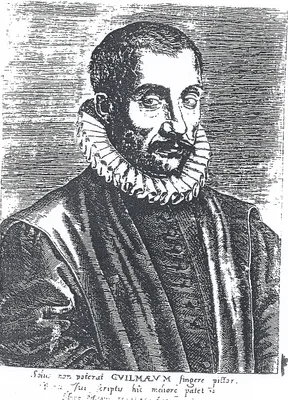
The first French work on ophthalmology. Guillemeau was a pupil and son-in-law of Ambroise Paré; his book was an epitome of the existing knowledge on the subject, chiefly from Greek and Arabian sources. English …
1586 CE–1587 CE
#13118
Historia generalis plantarum. In libros XVIII. per certas classes artificiose digesta, Haec, plusquam mille imaginibus plantarum locupletior superioribus, omnes propemodum quae ab antiquis scriptoribus Graecis, Latinis, Arabibus, nominantur : necnon eas quae in Orientis atque Occidentis partibus, ante seculum nostrum incognitis, repertae fuerunt, tibi exhibec. Habes etiam earundem plantarum peculiaria diuersis nationibus nomina: habes amplas descriptiones, è quibus singularum genus, formam, vbi crescant & quo tempore vigeant, natiuum temperamentum, vires denique in medicina proprias cognosces. Adiecti sunt Indices, non solùm Graeci et Latini, sed aliarum quoque linguarum, locupletissimi. 2 vols.
The "most complete botanical compilation of its time and the first to descrbie much of the flora peculiar to the region around Lyons" (DSB). Digital facsimile from Bibloteca digital, Real Jardín Botanico at thi…
1594 CE
#10373
Alphabet anatomic, auquel est contenue l'explication exacte des parties du corps humain: Réduites en tables selon l'ordre de dissection ordinaire, avec l'ostéologie et plusieurs observations particulières. Avec l'osteologie, & plusieurs observations particulieres.
This innovative didactic work divided the study of anatomy into 91 tables, set in type, but without images. It was unusually popular, with eleven editions in the seventeenth century as well as translations into Latin …
1594 CE
#3669
La chirurgie françoise recueillie des antiens médecins et chirurgiens.
Guillemeau was Paré’s son-in-law. His splendidly illustrated work is of special importance for dentistry and for surgery for cleft lip. It describes pyorrhea alveolaris for the first time and is also the …
1597 CE
#437
Anatomica corporis virilis et muliebris historia.
1597 CE
#802
Opusculum physiologum & anatomicum in duos libellos distinctum: In quibus primùm, de integritatis & corruptionis virginum notis, deinde, de grauiditate & partu naturali mulierum in quo ossa pubis & ilium distrahi, dilucidè tractatur ....
In 1595 Pineau demonstrated the vestigial foramen ovale in the adult heart, settling the question of the perviousness of the septum of the heart. His work was first published in 1597. He published this study in a fran…
1599 CE
#13240
Hippostologie, c’est a dire, discours des os du cheval.
The first work on equine anatomy published in France. Héroard wrote the work in 1579 and the manuscript was preserved in the library of Château de Chantilly, but it was not published until 1599, one year …
1608 CE
#13205
Le Jardin du Roy tres chrestien Henry IV Roy de France et de Navarre dedie a la Royne.
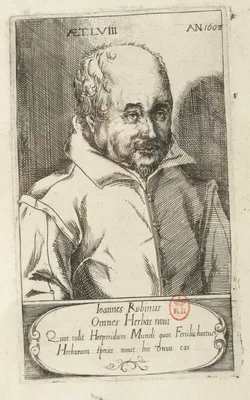
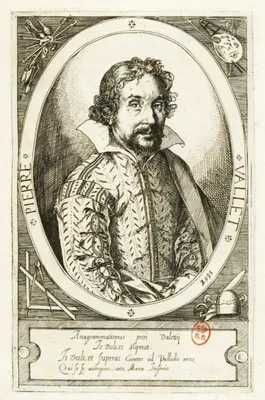
Text by Robin, illustrations by Vallet. "The first important florilegium," (Blunt, The art of botanical illustration, 89-91). Digital facsimile from BnF Gallica at this link.
1609 CE
#6145.1
De l’heureux accouchement des femmes.
Actual origin of the so–called “Mauriceau” manoeuvre, usually credited to Mauriceau (No. 6147). Guillemeau was not only responsible for this technique for delivery of the after coming head so importa…
1609 CE
#3806
De mirabili strumas sanandi.
An early historical record of goitre which du Laurens maintained was contagious. Du Laurens was at one time physician to Henri IV.
1609 CE
#6145
Observations diverses sur la sterilité, perte de fruict, foecondité, accouchements, et maladies des femmes, et enfants nouveaux naiz.
The first book on obstetrics published by a midwife. Louise Bourgeois was accoucheuse to the French court. She was one of the pioneers of scientific midwifery; her Observations was the vade mecum of contemporary midwi…
1614 CE
#13381
Discours sur les hermaphrodits. Où il est demonstré contre l'opinion commune, qui'il n'y a point de vrays hermaphrodits.
Digital facsimile from BnF Gallica at this link.
1617 CE
#13780
Discursus medico-philosophicus de casu adolescentis [...]: qui [...] mortuus in quodam paternarum aedium loco, adjacente ipsi serpente, à domesticis inventus fuit.
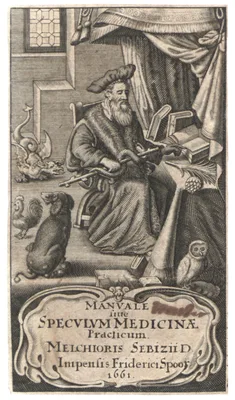
An extensively illustrated work on death from snake bites and species of venomous snakes instigated by the sudden death from snake bite of an otherwise healthy young man. Digital facsimile from the Hathi Trust at this…
1620 CE
#3244.1
Question chirurgicale par laquelle il est demonstré que le chirurgien doit assurément practiquer l’opération de la bronchotomie, vulgairement dicte Laryngotomie ou perforation de la fluste tuyau du polmon.
Four successful cases. Scott Stevenson and Guthrie (see No. 3342) state that Brasavola performed laryngotomy (in 1546) and that Sanctorius also did so.
1622 CE
#12529
La fleur des remèdes contre le mal des dents.
Digital facsimile of the second editiion "reveue corrigée & augmentée de nouveau" also printed in 1622 from BnF Gallica at this link. Translated into English by Jacques R. Fouré, edited by Milton …
1624 CE
#2971
De tumoribus praeter naturam libri quinque. Ex instructissima Bibliotheca Ranchiniana eruti, & publici iuris facti, cura & studio Henric Gras...Accessit Ioannis Saportae Tractatus de lue venerea.
IN 1554 Saporta gave the earliest description of an aortic aneurysm. Many years after Saporta's death Henri Gras of Lyon discovered the manuscript of Saporta's book, and edited it for publication. Digital facsimile fr…
1627 CE
#2196
De febribus libri iv. Accessit ad calcem; ejusdem de dysenteria tractatus.
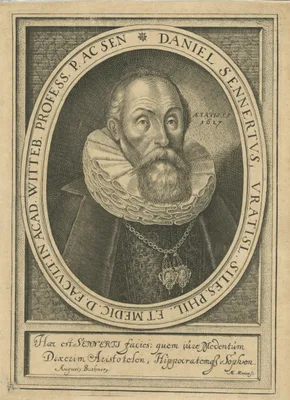
An important monograph on fevers.
1634 CE
#12611
Opuscula medica senilia in quatuor libros tributa, quorum I. De dentibus. II. De rationali curandi ratione. III. De facultatibus medicamentorum, praecipud purgantium. IV. De morbo regio. Omnia nunc primum ex MS. Bibliotheca Romana in lucem data: ad singulare philiatrorum, omniumque sane philosophantium emolumentum, adiectis indicibus necessariis.
![CARDANO, Girolamo [Gerolamo; Hieronymus Cardanus] (1501 – 1576)](/media/portraits/7679)
1635 CE
#8953
Canadensium plantarum, aliarúmque nondum editarum historia.
First description of the Canadian Flora. Cornut was a French botanist and physician who never visited North America, but instead received the majority of his plant specimens from the Robins family, who supervised the …
1638 CE
#1824
Codex medicamentarius seu pharmacopoeia Parisiensis .
PHARMACOPOEIA
First Paris pharmacopoeia. SEE J. Bergounioux, "Les éditions du Codex Medicamentarius de l'ancienne Faculté de Médecine de Paris," Rev. d'Hist. Pharm, 54 (1927) 376-389
1639 CE
#6796
Definitionum medicinarum liber.
A glossary of Hippocratic terms.
1640 CE
#1673
Epidemiorum et ephemeridum libri duo.
A pupil of Fernel, De Baillou was a follower of Hippocrates in his advancement of the doctrine of “epidemic constitutions”. Crookshank regards him as the first modern epidemiologist. This work includes the…
1640 CE
#13346
L'ouverture du Jardin Royal de Paris, pour la demonstration des plantes medecinales.
La Brosse founded the Jardin des Plantes (originally Jardin du Roi), the first botanical garden in Paris. It was the second garden of this type in France, after the Jardin des plantes de Montpellier founded in 1593. D…
1642 CE
#8956
La presence des absens; ou facile moyen de rendre présent au médecin l'estat d'un malade absent. Dressé par les docteurs en médecine consultans charitablement à Paris pour les pauvres malades.
Renaudot, physician, philanthropist and journalist, published this self-diagnostic handbook so that charity patients could communicate with their physicians by correspondence. Digital facsimile from biusante.paris.des…
1642 CE
#4485
Liber de rheumatismo et pleuritide dorsale.
De Baillou is usually credited with introducing the term “rheumatism”. He was court physician in Paris at the time of Henri IV. His book, the first on rheumatism, was translated into English by C. C. Barna…
1643 CE
#6014
De virginum et mulierum morbis liber.
1644 CE
#11581
Two treatises in the one of which the nature of bodies, in the other, the nature of mans soule is looked into in way of discovery of the immortality of reasonable soules.
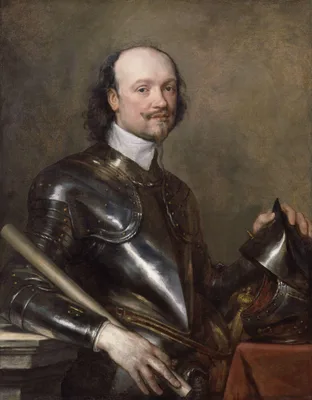
"Digby's Two Treatises was intended to prove the immortality of the rational soul and its distinction from the material body, a dualistic view shared by many of his contemporaries. the work is noteworthy on several co…
1647 CE
#12808
De proprietatibus ac virtutibus medicis animalium, plantarum, ac gemmarum tractatus triplex. Auctore Habdarrahmano Asiutensi Aegyptio. Nunc primum ex Arabico idiomate Latinate donatus ab Abraham Ecchellensi Maronita, Syracae, & Arabicae linguae Christianissimi Regis intreprete, & earundem in Academia Parisensi professore. Ex MS. Codice biblothecae eminentissimi Cardinal Mazarini.
First Latin translation of a three-part pharmaceutical treatise on the properties and effects of medicines derived from animals, plants, and minerals, attributed to the medieval Egyptian polymath Abd Al-Rahman Al-Suyu…
1648 CE
#11609
Encheiridium anatomicum, et pathologicum, in quo naturali constitutione partium, recessus a naturali statu demonstatur.
In book III, chapter 8 Riolan discusses the heart and presents his views on the circulation of the blood. "Riolan's opinion of the blood movement seems to have arisen from his attempt to reconcile strict Galenic belie…
1651 CE
#1095
Experimenta nova anatomica, quibus incognitum chyli receptaculum, et ab eo per thoracem in ramos usque subclavis vasa lactea deteguntur.
Pecquet discovered the thoracic duct in dogs and its relation to the lacteals. Using a dog that was digesting, he described the thoracic duct, its entry into the subclavian veins, and the receptaculum chyli or chyle r…
1654 CE
#12810
Bibliotheca chimica. Seu catalogus liborum philosophicorum hermeticorum. In quo quatuor millia ciciter, authorem chimicorum vel de transmutatione metallorum, re minerali & arcanis, tam manuscriptorum, quam in lucem editorum, cum eorum editionibus, usque ad annum 1653 continentur.
The first independent bibliography of chemistry and alchemy, citing 4000 books and manuscripts, including authors or titles now lost or obtainable today only with great difficulty. Digital facsimile from Google Books …
1658 CE
#152
Metoposcopia libris tredecim et octingentis faciei humanae eiconibus complexa.
Contains 800 illustrations of the human face. Cardan, Professor of Medicine at Padua as well as a celebrated mathematician and scientist, claimed to be able to draw horoscopes from the appearance of the face. A French…
1660 CE
#802.1
Opera omnia medica et chirurgica.
“Botallo’s duct”, the ductus arteriosus; “Botallo’s foramen”, the foramen ovale interauriculare; and “Botallo’s ligament”, the ligamentum arteriosum, are described…
1663 CE
#9576
Opera omnia: Tam hactenus excusa, hîc tamen aucta & emendata, quàm nunquam aliàs visa ac primùm ex auctoris ipsius autographis eruta curâ Caroli Sponii .... 10 vols.
Digital facsimile from the Università degli Studi di Milano at this link.
1664 CE
#4485.1
Traité de la maladie vénérienne, de ses causes et des accidens provenans du mercure, ou vif-argent.
First to describe gonococcal arthritis.