
North America
3,302 entries published in North America.
#13767
FDA Notices of Judgment Collection, 1908-1966.
https://fdanj.nlm.nih.gov/ "The FDA Notices of Judgment Collection is a digital archive of the published federal notices of judgment (a summary of the final outcome of a court case) for manufacturers and products pros…
#12486
Medicine's moving pictures: Medicine, health, and bodies in American film and television. Edited by Leslie J. Reagan, Nacy Tomes, and Paula A. Treichler.
#13766
Profiles in science.
https://profiles.nlm.nih.gov/ "Explore digitized archival collections to learn about prominent scientists, physicians, and other 20th-century leaders in biomedical research and public health."
1667 CE
#6823
Gods terrible voice in the city of London wherein you have the narration of the two late dreadful judgements of plague and fire, inflicted by the Lord upon that city; the former in the year 1665. The latter in the year 1666
This edition of a plague tract by English puritan minister Thomas Vincent was the first medical or biological publication in North America. It was issued by printer Samuel Green, using a press in Cambridge, Massachuse…
1677 CE
#5406
A brief rule to guide the common-people of New-England how to order themselves and theirs in the small pocks, or measels.
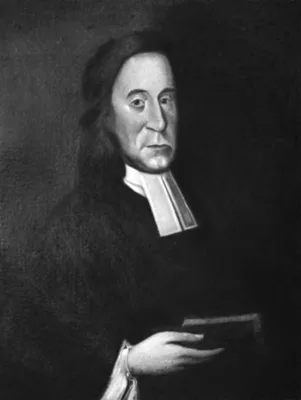
The first medical publication of North America and the only one to appear in the 17th century. Only one copy of the original printing of this broadside survived, written by Thacher, a Boston minister. The sheet was re…
1708 CE
#1828.1
The English physician.
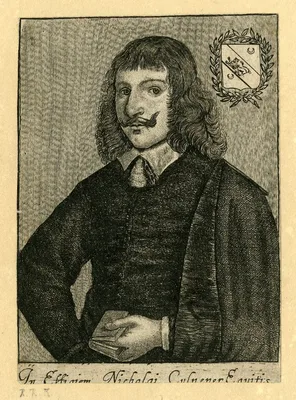
This reprint of Culpeper’s popular work on herbal remedies was the first medical book (94pp.) printed in North America.
1720 CE
#1828.2
Pharmacopoeia Londinensis; or the London dispensatory…
The first herbal printed in North America, and the first full-length medical book published in North America. From the 1653 London edition.
1721 CE
#5410.1
Some account of what is said of inoculating or transplanting the small pox by the learned Dr. Emmanuel Timonius, and Jacobus Pylarinus. With some remarks theron. To which are added, a few queries in answer to the scruples of many about the lawfulness of this method.
An abridgement of Nos. 5409 & 5410 together with Boylston’s remarks. From internal evidence this 24-page pamphlet would appear to be the first North American publication on inoculation. See No. 5415. Digital fac…
1721 CE
#5411
Some observations on the new method of receiving the smallpox by ingrafting or inoculating.
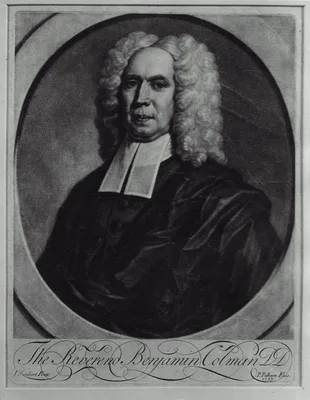
This work offers general support for the practice of Zabdiel Boylston, detailing some of Boylston’s cases, including accounts of occasions when patients died. Reprinted with additional material by Daniel Neal, a…
1722 CE
#5412
Inoculation of the smallpox as practised in Boston.
1722 CE
#5413
The abuses and scandals of some late pamphlets in favour of inoculation of the small-pox.
Douglass at first opposed inoculation for smallpox, but by 1730 he had changed his views and had become an advocate of inoculation.
1734 CE
#9675
Every man his own doctor: or, The poor planter's physician. Prescribing plain and easy means for persons to cure themselves of all, or most of the distempers, incident to this climate, and with very little charge, the medicines being chiefly of the growth and production of this country.
The first medical hand-book for lay persons written and published in America. It is probable that this book was first published in 1734, though the earliest recorded copy or copies appear to be the "second edition" wi…
1736 CE
#5076
The practical history of a new epidemical eruptive miliary fever, with an angina ulcusculosa, which prevailed in Boston New England in the years 1735 and 1736.
Douglass left the first adequate clinical description of scarlet fever, which he called angina ulcusculosa, in his account of New England’s first scarlet fever epidemic. He was one of the first American physicia…
1744 CE
#9341
M. T. Cicero's Cato major, or his course of old-age: with explanatory notes.
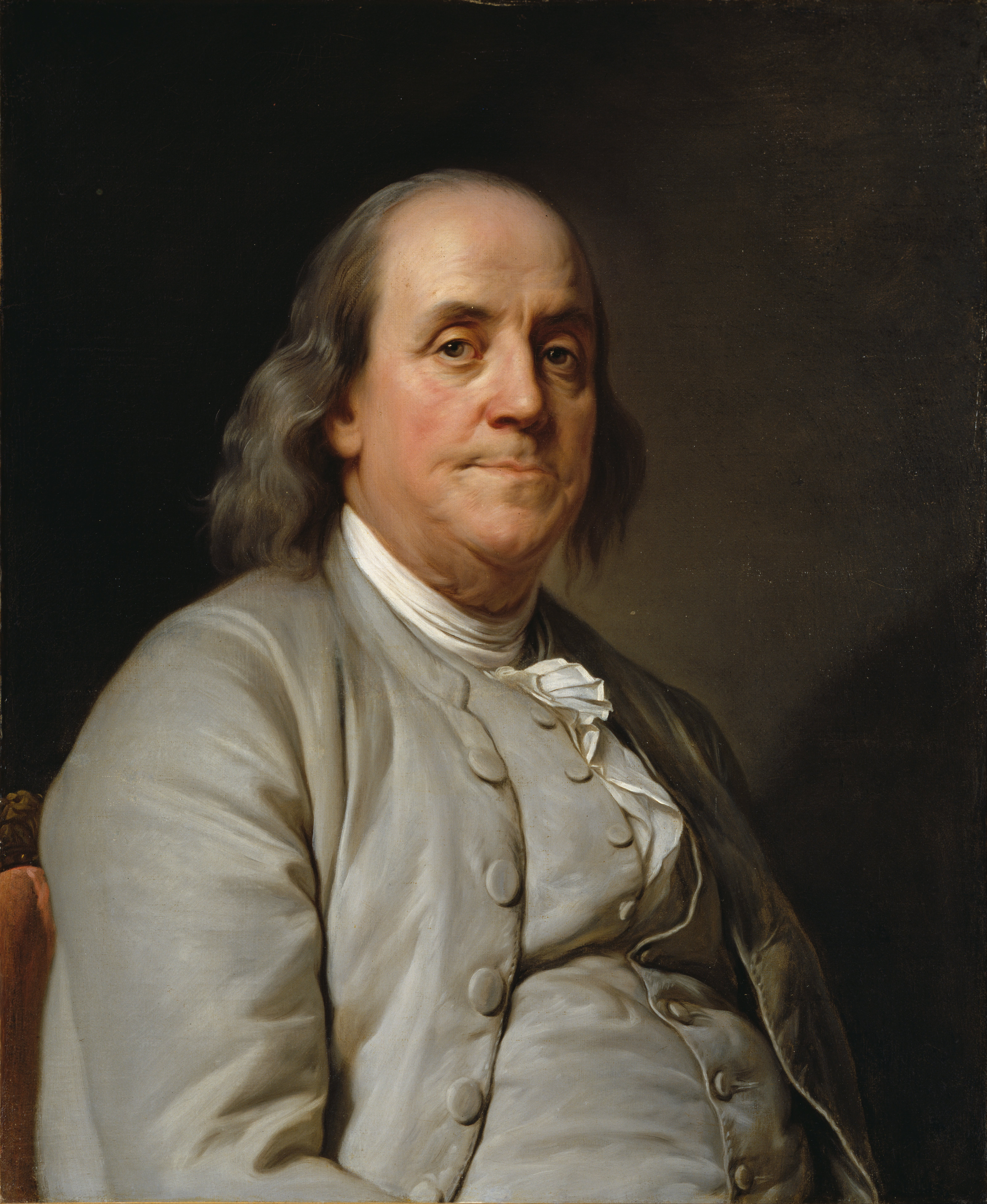
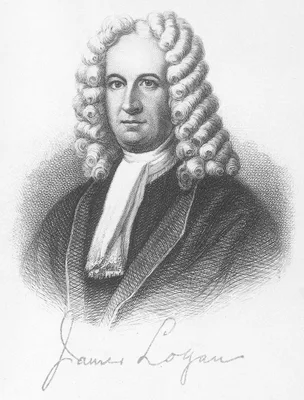
This work was Banjamin Franklin's personal favorite of the works printed by him, and is one of the finest books to emanate from a Colonial American press. It was the first classical text printed in North America, and …
1745 CE
#2094
An essay on the West-India dry-gripes… to which is added, an extraordinary case in physick.
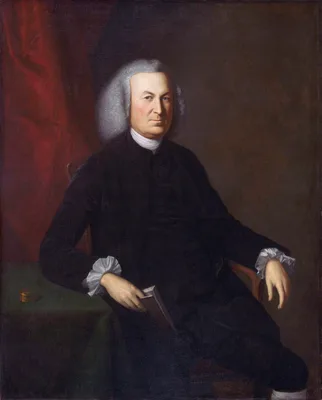
Cadwalader, an American pupil of Cheselden, left a classical account of lead colic and lead palsy. This was later shown by Benjamin Franklin, printer of the above work, to be due to the consumption of Jamaica rum whic…
1750 CE
#5418
A discourse on the preparation of the body for the small-pox; and the manner of receiving the infection.
Thomson, a physician in Philadelphia, was the originator of the American method of inoculation against smallpox. Printed by Benjamin Franklin. Digital facsimile from dla.library.upenn.edu at this link.
1751 CE
#1832
Descriptions, virtues, and uses of sundry plants of these northern parts of America, and particularly of the newly discovered Indian cure for the venereal disease.
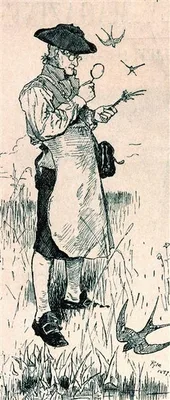
Bartram founded one of the first botanical gardens in America (at Kingsessing). Linnaeus referred to him as the “greatest natural botanist in the world”. A few copies of this 7-page work printed by Benjami…
1754 CE
#7429
Some account of the Pennsylvania Hospital, from its first rise, to the beginning of the fifth month, called May 1754.
Franklin was a prime mover in establishing the Pennsylvania Hospital, the first permanent hospital built in the future United States. This publication included the text of most of the founding documents of the hospita…
1761 CE
#7430
Continuation of the account of the Pennsylvania Hospital, from the first of May 1754, to the fifth of May 1761.
Written in Franklin's absence, this continuation was printed in the same style and format as Franklin's 1761 work. Rhoads was an American architect who served as the 59th mayor of Philadelphia.
1765 CE
#1766.5
A discourse upon the institution of medical schools in America.…
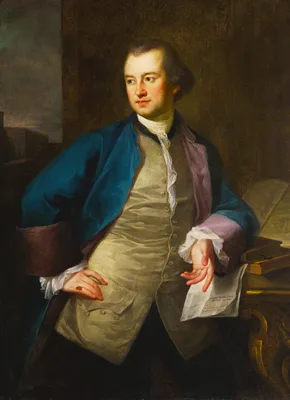
The first American publication on medical education. Morgan founded the first medical school in the United States, in connection with what is now the University of Pennsylvania.
1769 CE
#1763
A discourse upon the duties of a physician, with some sentiments, on the usefulness and necessity of a public hospital: Delivered before the president and governors of King's College, at the commencement, held on the 16th of May, 1769. As advice to those gentlemen who then received the first medical degrees conferred by that university.
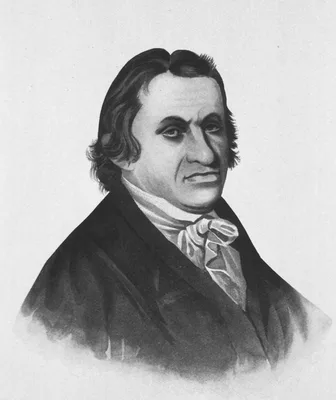
The first American treatise on medical ethics, and the first treatise on medical ethics published in the English language. Samuel Bard was one of the founders of King’s College, New York. Digital facsimile from …
1769 CE
#6380
A medical discourse, or an historical inquiry into the ancient and present state of medicine: The substance of which was delivered at opening the medical school, in the city of New York. Printed by Desire.
The first American publication on medical history. Digital facsimile from U.S. National Library of Medicine at this link.
1770 CE
#9204
Syllabus of a course of lectures on chemistry.
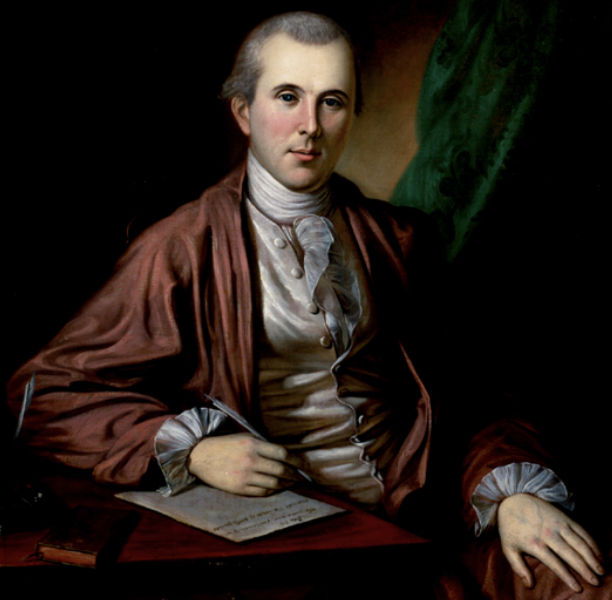
Rush inaugurated the first regular course of lectures on chemistry taught in America, at the College of Philadelphia. Includes much on pharmaceutical chemistry. Facsimile reprint with an introduction by L. H. Butterfi…
1771 CE
#5052
An enquiry into the nature, cause and cure of the angina suffocativa, or sore throat distemper, as it is commonly called by the inhabitants of this city and colony.
One of the earliest accurate descriptions of diphtheria. Osler considered the book “an American classic of the first rank”. Bard was personal physician to George Washington.
1774 CE
#6451.90
An oration…containing an enquiry into the natural history of medicine among the Indians in North-America; and a comparative view of their diseases and remedies, with those of civilized nations.
Rush was the first American physician to publish a detailed study of native American medicine. Digital facsimile from the Medical Heritage Library, Internet Archive, at this link.
1775 CE
#2155
Plain, concise, practical remarks, on the treatment of wounds and fractures; to which is added an appendix, on camp and military hospitals; principally designed for the use of young military surgeons in North America.
The first surgical work written by an American and printed in North America. Jones’s work was the accepted guide to surgical practice during the American Revolutionary War.
1778 CE
#2157
Directions for preserving the health of soldiers: recommended to the consideration of the officers of the Army of the United States. Published by order of the Board of War.
A reprint from the Philadelphia Packet, No. 284. The pamphlet was reprinted by the Massachusetts Temperance Alliance in Boston, 1865, for distribution to the Union soldiers.
1778 CE
#1834
Pharmacopoeia simpliciorum et efficaciorum.
The first original pharmacopeia published in the USA. Reproduced in facsimile, with translation, in The Badger Pharmacist, 1938. No. 22-25.
1781 CE
#5422
The new method in inoculating for the small pox.
1785 CE
#1836.1
Arbustrum Americanum: the American grove, or, an alphabetical catalogue of forest trees and shrubs…
Like his cousin, John Bartram (No. 1832), Marshall maintained a private botanical garden. According to W. Darlington the above work is “the first truly indigenous botanical essay published in the Western Hemisph…
1786 CE
#10266
Idées sur les secours à donner aux pauvres malades dans une grande ville.
Dupont proposed replacing large city hospitals with smaller institutions similar to those then being tried in England. Du Pont studied medicine before devoting himself to political economy. Digital facsimile from BnF …
1786 CE
#11534
The first American edition, An abridgement of the practice of midwifery: and a set of anatomical tables.
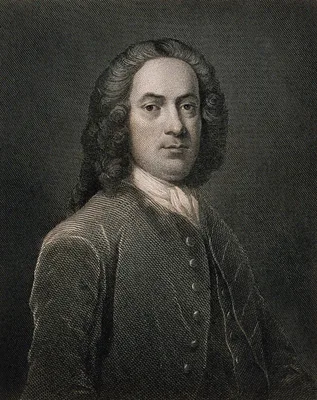
An abridgement of Smellie's obstetrical writings, with plates engraved by the editor and publisher, John Norman, was the first medical book with engraved illustrations published in North America, and also the first bo…
1787 CE
#7214
A Discourse before the Humane Society, ... Delivered on the Second Tuesday of June, 1787.
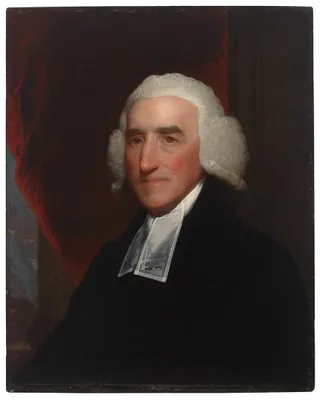
The first separate work on resuscitation published in the United States. A list of “Methods of Treatment to be used with Persons apparently dead from drowning, &c.” appears on p. iv; these methods included…
1787 CE
#156.1
An essay on the causes of the variety of complexion and figure in the human species.
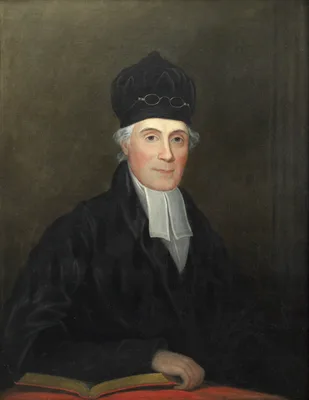
In the first significant anthropological work produced in America, Smith argued that racial differences were produced by environment, contradicting the prevalent theories of separate creations of discrete and differen…
1788 CE
#13366
Les eaux minérales et thermales de Saint-Dominique. Tome 1 (All Published).
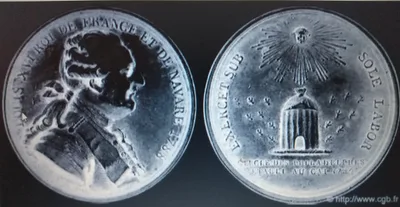
One of the earliest medical publications printed in Haiti. Duvivier, Bibliographie générale et méthodique d'Haiti, 2, p. 206.
1788 CE
#9896
Recherches, mémoires et observations sur les maladies épizootiques de Saint-Dominique, recueillis & publiés par le Cercle des Philadelphes du Cap-François.
The Cercle des Philadelphes, of which Charles Arthaud was president, was an academic scientific society in Saint-Domingue, in existence between 1784 and 1791. It was the most prominent academic society in the Americas…
1789 CE
#5470
An account of the bilious remitting fever. In his Medical inquiries and observations, 1, 104-21
One of the first important accounts of dengue (“breakbone fever”). Rush described the Philadelphia outbreak of 1780.
1789 CE
#10348
Observations on the duties of a physician, and the methods of improving medicine. Accommodated to the present state of society and manners in the United States. Delivered in the University of Pennsylvania, February 7, 1789, at the conclusion of a course of lectures upon chemistry and the practice of physic.
Full text available from quod.lib.umich.edu at this link.
1789 CE–1793 CE
#80
Medical inquiries and observations. 2 vols.
Rush was considered the ablest American clinician of his time. He was a friend of Benjamin Franklin and one of the signers of the Declaration of Independence. His many writings are distinguished for their classical st…
1790 CE
#3677.1
Remarks on the diseases of the teeth.
The first "scientific" paper on dentistry to appear in an American periodical. Trained in France, Gardette accepted a commission as a surgeon in the French navy and went to America in 1778 when France sent her ships t…
1791 CE
#8580
Return of the whole number of persons with the several districts of the United States, according to "An Act Providing for the Enumeration of the Inhabitants of the United States," passed March the first, one thousand seven hundred and ninety-one.
The first Census of the United States was conducted on August 2, 1790. The results were used to allocate Congressional seats (congressional apportionment), electoral votes, and funding for government programs.The fede…
1791 CE
#7770
Travels through North & South Carolina, George, East & West Florida, the Cherokee country, the extensive territories of the Muscogulges, or Creek confederacy, and the country of the Chactaws [sic]...
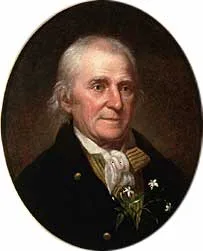
Digital facsimile of London, 1794 second edition from the Internet Archive at this link.
1792 CE
#1775
An historical account of the climates and diseases of the United States of America, and of the remedies and methods of treatment, which have been found most useful and efficacious, particularly in those diseases which depend upon climate and situation: collected pricipally from personal observation, and the communications of physicians of talents and experience, residing in the several states.
Digital facsimile from the Medical Heritage Library, Internet Archive, at this link.
1793 CE
#5452
A description of the malignant, infectious fever prevailing at present in Philadelphia; with an account of the means to prevent infection, and the remedies and method of treatment, which have been found most successful.
Digital facsimile from the Internet Archive at this link.
1793 CE
#5451
A short account of the malignant fever, lately prevalent in Philadelphia: With a statement of the proceedings that took place on the subject in different parts of the United States.
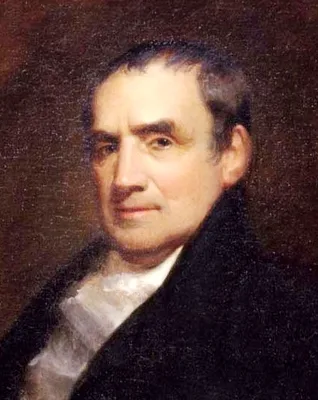
Carey was a Philadelphia publisher and economist rather than a physician. In this little book, which passed through four editions in a few months, Carey left a graphic description of the great yellow fever epidemic of…
1793 CE
#13897
The family adviser, or, a plain and modern practice of physic; calculated for the use of private families, and accommodated to the diseases of America
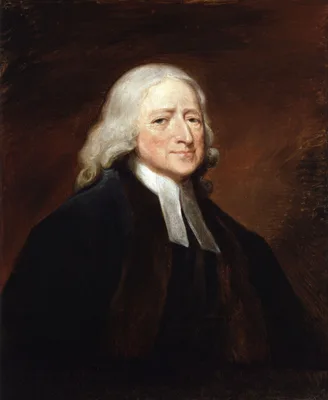
Wilkins' book intended for Methodists was issued with the 23rd edition of Wesley's work. Digital facsimile from wellcomecollection.org at this link.
1794 CE
#5453.1
A narrative of the proceedings of the black people during the late awful calamity in Philadelphia, in the year 1793: and a refutation of some censures thrown upon them in some late publications.
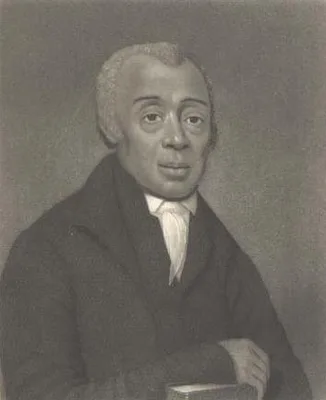
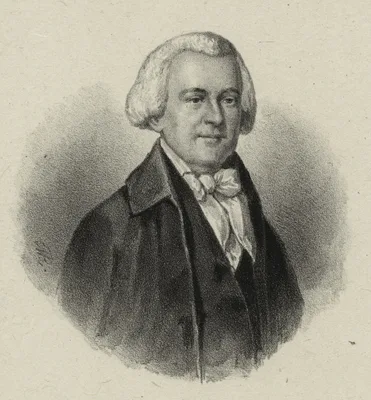
A refutation of slights by Matthew Carey in his Short account of the malignant fever, lately prevalent in Philadelphia (1793; No. 5451) to the important contributions of black people, many of whom served as nurses and…
1794 CE
#5453
An account of the bilious remitting yellow fever, as it appeared in the city of Philadelphia in the year 1793.
Benjamin Rush was the most eminent figure in Philadelphia medicine in his day. His description of the yellow fever epidemic of 1793 is classic. He did magnificent work in treating the sick during the epidemic and in p…
1794 CE
#9387
An enquiry into, and observations upon the causes and effects of the epidemic disease, which raged in Philadelphia from the month of August till towards the middle of December, 1793.
Text in English and French on facing pages. Digital facsimile from the Medical Heritage Library, Internet Archive at this link.
1794 CE
#9989
Hortus Americanus, containing an account of the trees, shrubs, and other vegetable productions of South-America and the West-India islands, and particularly of the island of Jamaica; interspersed with many curious and useful observations, respecting their uses in medicine, diet, and mechanics.
Digital facsimile from Biodiversity Heritage Library at this link.