
Facets
Browse across eight MeSH (opens in new tab) facets — era, geography, science, specialty, technology, history, culture, and reference. Select one tag per group; counts update across the others.
Clear filtersFacet filters
Geography
Specialties & Disease
- Anatomy & Pathology 765
- Cardiology & Blood 914
- Neurology & Psychiatry 1,256
- Obstetrics & Reproductive 550
- Infectious Disease (General) 147
- Surgery & Anesthesia 1,551
- Public Health 1,129
- Immunology & Dermatology 1,404
- General Clinical Medicine 480
- Military Medicine 436
- Psychology 202
- Alternative & Fringe Medicine 383
- Pediatrics 247
- Ophthalmology & Vision 412
- ENT & Hearing 293
- Urology & Nephrology 309
- Gastroenterology & Hepatology 316
- Pulmonary & Respiratory 233
- Rheumatology, Rehab & Pain 188
- Internal, Emergency & Geriatric 123
- Veterinary Medicine 165
- Epidemiology & Demography 397
- Physiology & Embryology 923
- Dentistry 259
- Plagues & Epidemics 1,279
- Microbiology & Virology 1,080
Social & Historical Studies
Institutions & Culture
Reference & Scholarly Works
1,080 entries match Microbiology & Virology [C01.748]
1936 CE
#5480
Cultivation of the viruses of sandfly fever and dengue fever on the chorioallantoic membrane of the chick-embryo.
Cultivation of the virus of phlebotomus fever. With R. S. Rao and C. S. Swaminath.
1928 CE
#5434.1
Cultivation of vaccinia virus without tissue culture.
Introduction of “Maitland’s medium”.
1966 CE
#11918
Cultivation of viruses from a high proportion of patients with colds.

"The history of human coronaviruses began in 1965 when Tyrrell and Bynoe found that they could passage a virus named B814. It was found in human embryonic tracheal organ cultures obtained from the respiratory tract of…
1938 CE
#5449
Culture “in vitro” du virus de la rougeole.
Successful cultivation of measles virus.
2006 CE
#11982
Culture of T. whipplei from the stool of a patient with Whipple's disease.

Order of authorship in the original publication: Raoult, Fenollar, Birg. Raoult and colleagues cultured the infectious agent of Whipple's disease from the stool of a patient with the disease. In the process the author…
1910 CE
#2636
Cultures de sarcome en dehors de l’organisme.
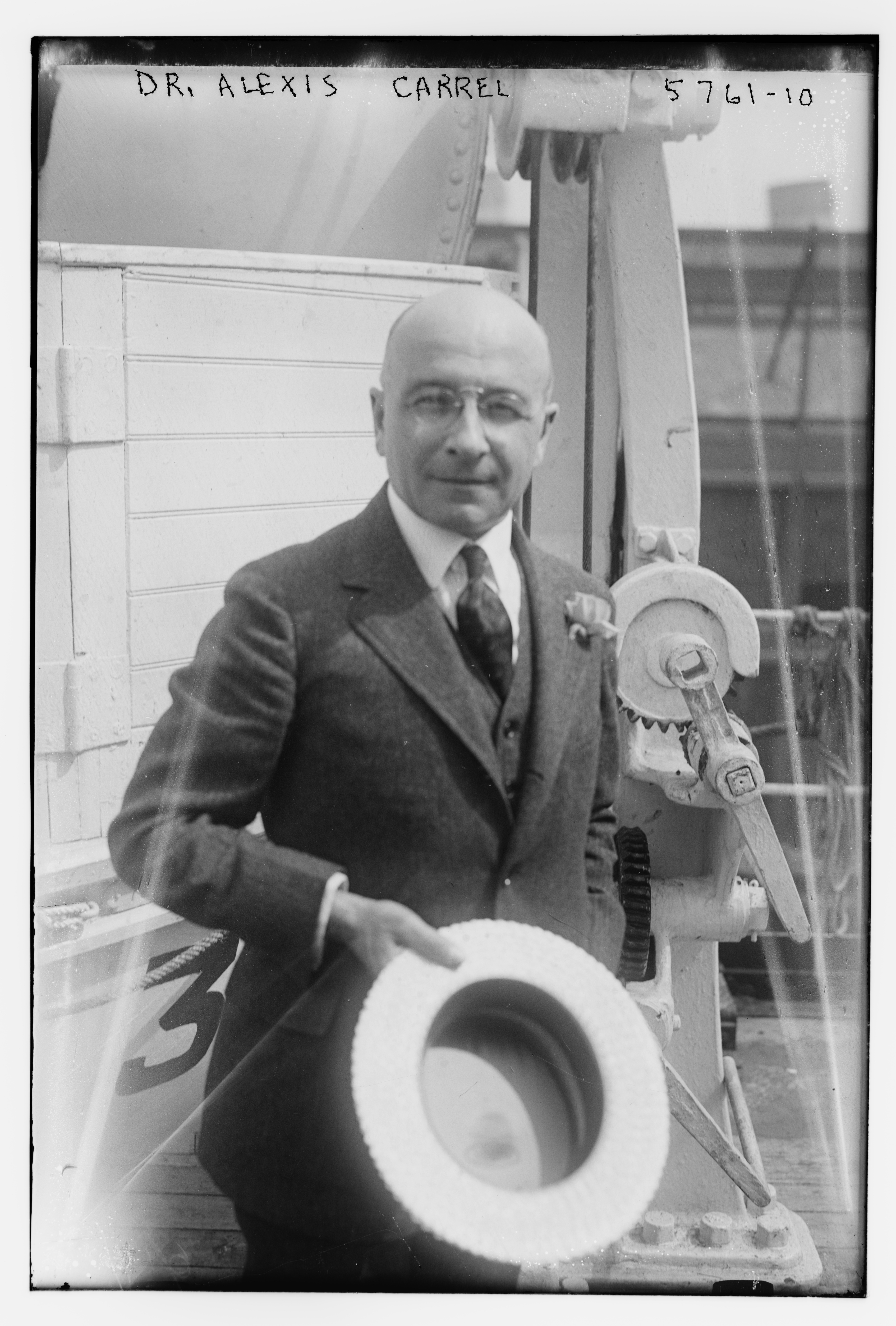
Using the Rous chicken sarcoma, Carrel and Burrows were the first to grow tumor tissue in vitro.
1993 CE
#12435
Cyclospora species - A new protozoan pathogen of humans.
Ortega and colleagues identified a novel parasite resembling C. muris in the feces of Peruvian patients and 2 U.S. patients, with symptoms resembling those of infections with Cryptosporidium. The parasite infected bot…
1892 CE
#5439.1
Das Auftreten von Varizellen unter eigentümlichen Verhältnissen.
Bokay was the first to suggest an etiological relationship between varicella and herpes zoster. See also his paper in Wien. klin. Wschr., 1909, 22, 1323-26.
1879 CE
#5376.1
Das japanische Fluss- oder Ueberschwemmings-fieber, eine acute Infectionskrankheit.
Early scientific account of tsutsugamushi fever.
1869 CE
#1618
Das Kanal- Oder Siel-System in München.
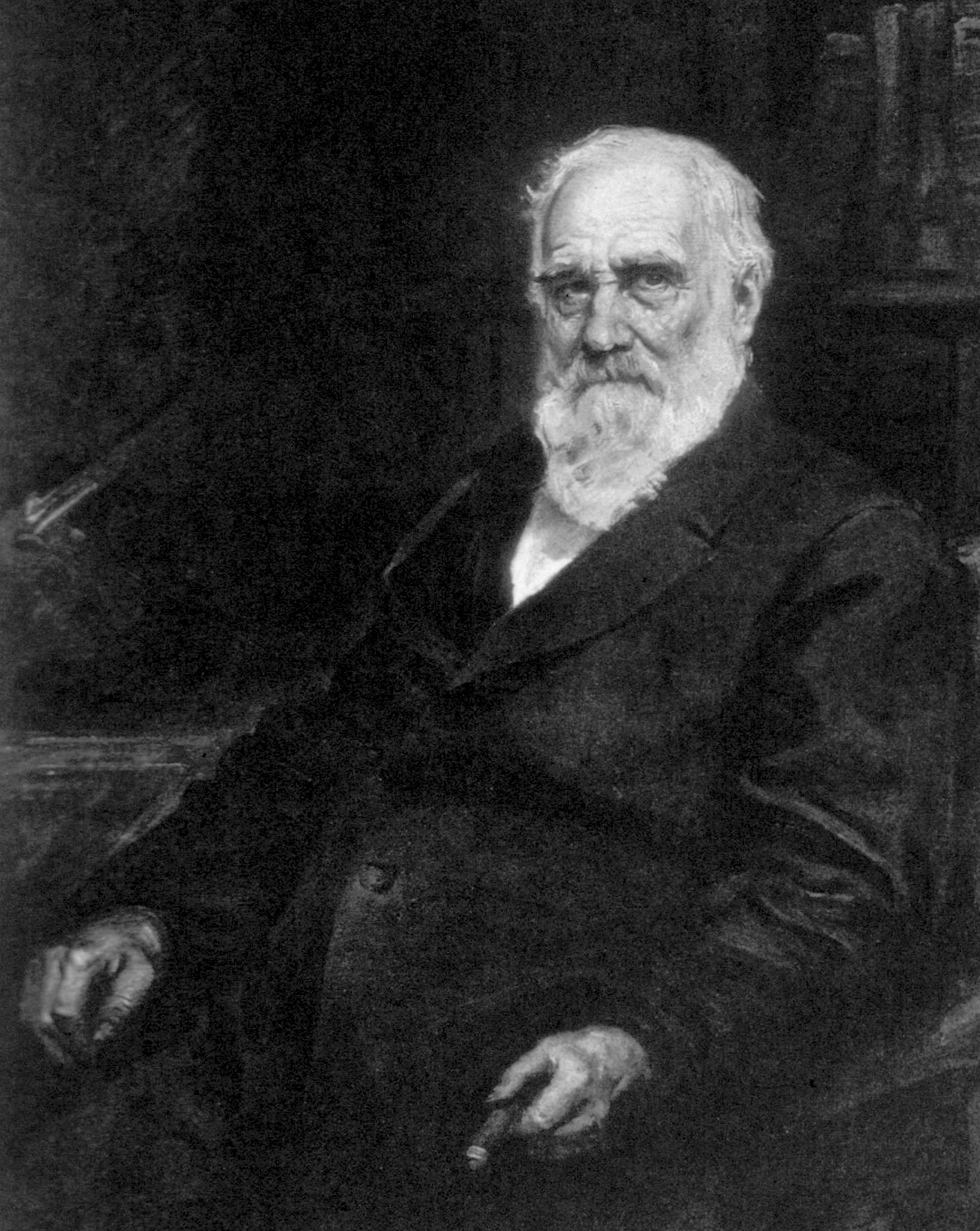
Pettenkofer was responsible for the installation of the modern system of sewage disposal in Munich, and thus succeeded in almost completely ridding that city of typhoid.
1912 CE
#5367
Das Oleum chenopodii anthelmintici gegen Ankylostomiasis im Vergleich zu anderen Wurmmitteln.
Schüffner and Vervoort introduced oil of chenopodium for the treatment of ankylostomiasis as early as 1900.
1909 CE
#5479
Das Pappatacifieber.
An Austrian military commission consisting of R. Doerr, K. Franz, and S. Taussig proved that the causal organism of pappataci fever was a virus and that Phlebotomus papatasii was the vector.
1863 CE
#118
Das Protoplasma der Rhizopoden und der Pflanzenzellen.
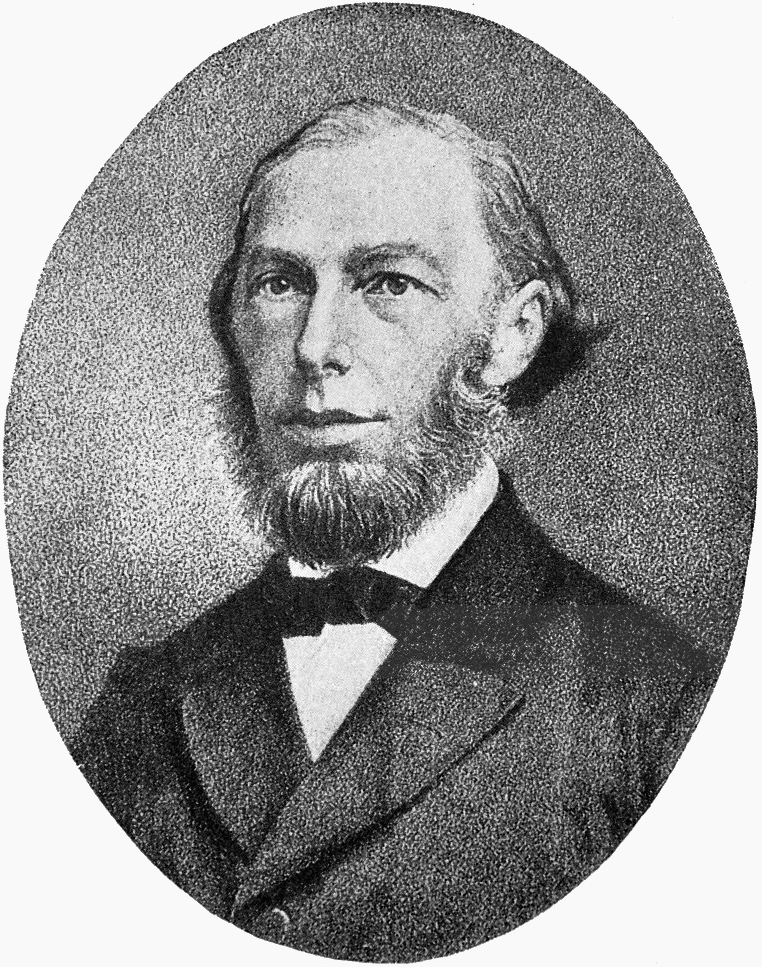
Schultze showed that protoplasm is practically identical in all living cells.
1892 CE
#6279
Das Scheidensekret und seine Bedeutung für das Puerperalfieber.
Döderlein's study of the vaginal secretion in relation to puerperal fever includes the first description of “Döderlein’s bacillus” (Lactobacillus). Döderlein introduced the concept of …
1578 CE
#5372.1
De febre purpura epidemiali et contagiosa libri duo.
Coytard distinguished between petechial typhus and typhoid.
1698 CE
#5181
De ipecacuanha novo Gallorum antidysenterico. Resp. C[hristophe] F[riedrich] Kneussel.
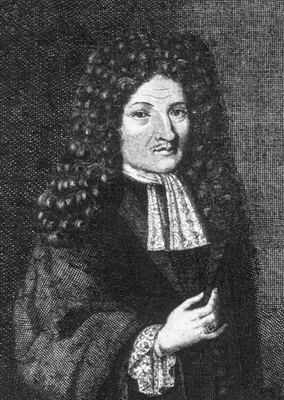
There is evidence that amoebic dysentery was known to Hippocrates. The history of treatment begins with the use of ipecacuanha, the dried root of Cephaelis ipecacuanha, a plant from Brazil. This was first mentioned as…
1883 CE
#14211
De l'Atténuation des virus, avec la collaboration de MM. Chamberland, Roux et Thuillier. Quatrième Congrès international d'hygiène et de démographie. Séance du 5 Septembre 1882.
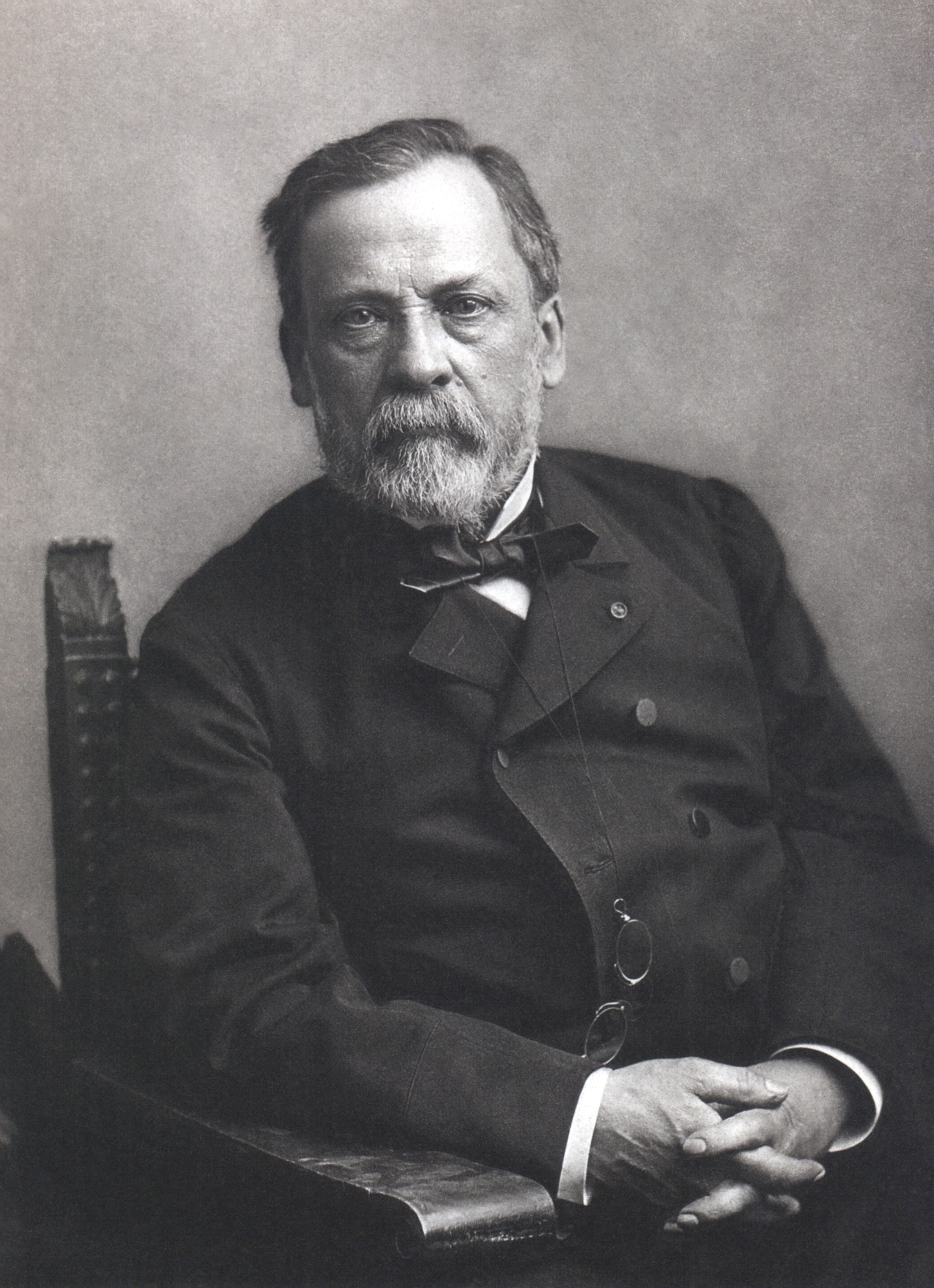
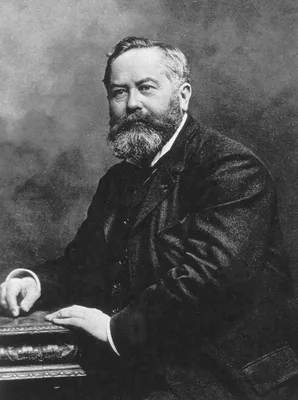
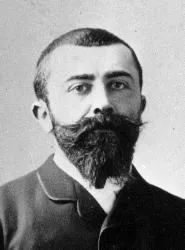
In his seminal 1880 paper, Sur les maladies virulentes, et en particulier sur la maladie appelée vulgairement choléra des poules, GM-2537, Pasteur developed the idea of a protective inoculation by attenu…
1878 CE
#11078
De l'influence des découvertes de M. Pasteur sur les progrès de la chirurgie.
Sedillot, a surgeon, first used the word "microbe" on p. 634, third paragraph, of this paper. He coined the term after consulting with lexicographer Émile Littré, to ascertain etymological appropriatenes…
1880 CE
#2492.1
De l’extension de la théorie des germes à l’étiologie de quelques maladies communes.
In this study of furunculosis (“boils”) and osteomyelitis Pasteur left the first recognizable descriptions of staphylococcus and streptococcus. The term streptococcus had been coined by Billroth in 1874; h…
1888 CE
#5034
De l’immunité contre le virus de la fièvre typhoöde conférée par des substances solubles.
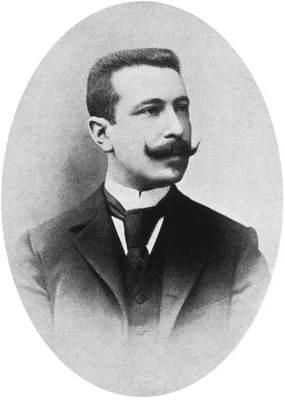
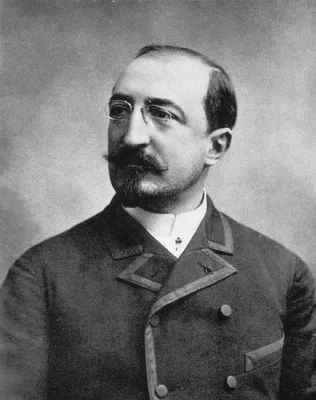
Experimental antityphoid inoculation.
1700 CE
#2448.2
De la géneration des vers dans le corps de l’homme.
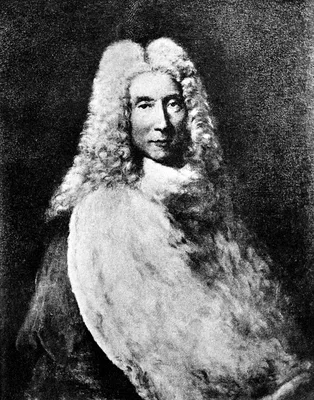
The first medical parasitology text– an exhaustive study of the parasites of man, the diseases associated with them and their treatment. Andry’s views were often ahead of his time. Unlike most of his conte…
1837 CE
#5154
De la morve et du farcin chez l’homme.
In this treatise on glanders and farcy in man Rayer showed that glanders is contagious, but is not a form of tuberculosis. Rayer began the work with a thoroughly documented historical chapter. Digital facsimile of the…
1934 CE
#5336
De leptospiroses bij den hond, en de beteekenis der Leptospira canicola.
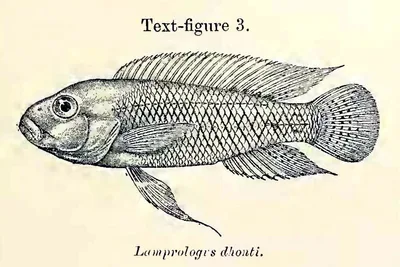
First reported cases of human infection with L. canicola. With A. Klarenbeek, W. A. P. Schüffner, and J. Voet.
1762 CE
#5021
De morbo mucoso.
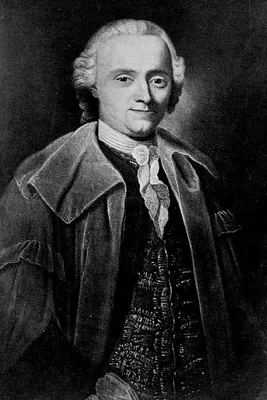
An exhaustive study of typhoid, which the writers confused with dysentery and relapsing fever.
1661 CE
#760
De pulmonibus observations anatomicae.
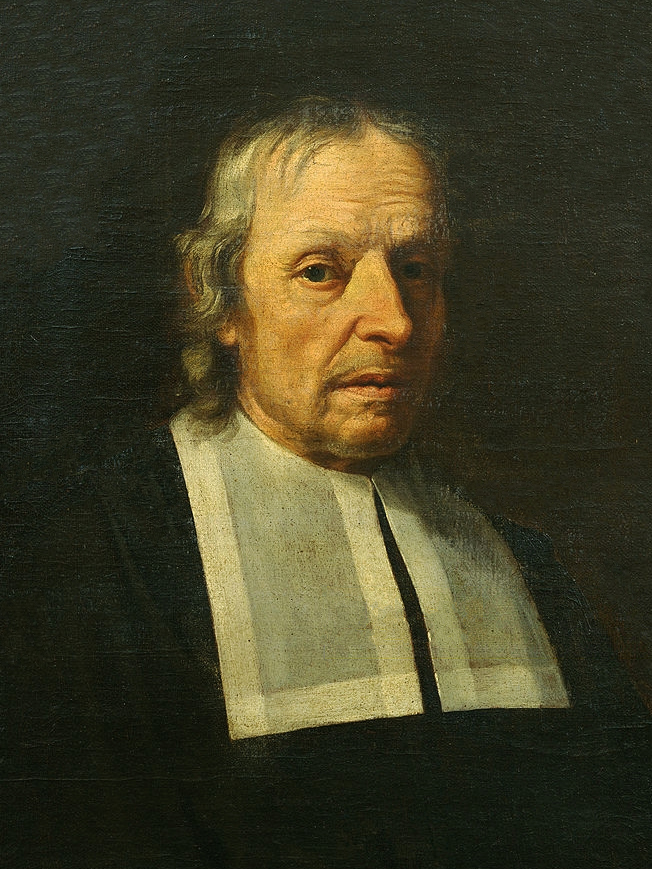
Discovery of the capillary circulation. Malpighi demonstrated that the pulmonary tissues are vesicular in nature and showed that the trachea ends in bronchial filaments. His De pulmonibus includes his demonstration of…
1546 CE
#2528
De sympathia et antipathia rerum liber unus. De contagione et contagiosis morbis et curatione.
Though Fracastoro wrote this book more than a century before Leewenhoek invented the microscope, and could only express the theory of contagion in very general terms, this book represents a landmark in the development…
2007 CE
#11348
Deadly companions: How microbes shaped our history.
1998 CE
#11998
Deciphering the biology of Mycobacterium tuberculosis from the complete genome sequence.
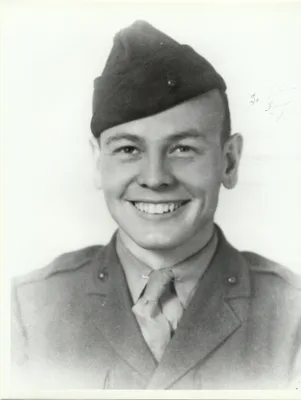
Abstract: "Countless millions of people have died from tuberculosis, a chronic infectious disease caused by the tubercle bacillus. The complete genome sequence of the best-characterized strain of Mycobacterium tubercu…
1957 CE
#4729.1
Degenerative disease of the central nervous system in New Guinea. The endemic occurrence of “Kuru” in the native population.
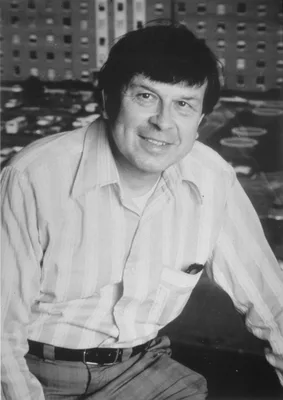
First description of Kuru, a disease occurring in natives of New Guinea. Cause of the disease was unknown. "It is now widely accepted that kuru was transmitted among members of the Fore tribe of Papua New Guinea via f…
1835 CE–1836 CE
#2532
Del mal del segno calcinaccio o moscardino malattia che affligge i bachi da seta e sul modo di liberarne le bigattaje anche le piu infestate. 2 vols.
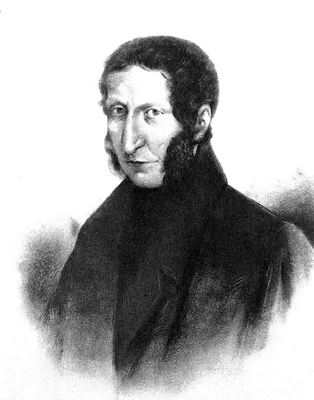
Bassi preceded Louis Pasteur in the discovery that microorganisms can be the cause of disease (the germ theory of disease). He discovered that the muscardine disease of silkworms--a disease that was destroying the sil…
1938 CE
#5308.1
Demonstratión de un treponema en el borde activo un caso de pinto de las manos y pies y en la linfa de ganglios superficiales (reporte preliminar).
B. Saenz, J. Grau Triana, and J. Alfonso Armenteros indicated that pinta is caused by a treponeme, T. carateum.
1794 CE
#8004
Demostracion de las eficaces virtudes nuevamente descubiertas en las raices de dos plantas de Nueva-España, especies de ágave y de begónia, para la curacion del vicio venéreo y escrofuloso ...
Balmis conducted experimental trials on the effectiveness of two Mexican plants, agave and begonia, which were believed, according to folk medicine practices in Mexico, to cure syphilis and scrofula. The trials confir…
1976 CE
#11104
Deoxyribonucleic acid polymerase from the extreme thermophile Thermus aquaticus.

The authors showed that the heat resistant bacteria Thermus aquaticus discovered by Thomas Brock contained a vital polymerase enzyme that had evolved in this bacteria to allow it to metabolize and survive in exception…
1881 CE
#5031
Der Bacillus des Abdominaltyphus und dertyphöse Process.
Klebs probably saw the typhoid bacillus before Eberth, reporting it later.
1931 CE
#5044.1
Der heutige Stand der Paratyphusforschung.
Kauffmann–White classification of Salmonella based on antigenic structure. For historical note, including the part played by P. B. White, see J. Hyg. (camb), 1934, 34, 335.
1885 CE
#5209
Der Mikro-Organismus der gonorrhöischen Schleimhaut-Erkrankungen, Gonococcus-Neisser.
Bumm cultured the gonococcus. By human inoculations he demonstrated its pathogenicity in pure culture.
1914 CE
#5350.2
Der Zwischenwirt des Schistosomum japonicum Katsurada.
Miyairi and Suzuki confirmed that snails are the intermediate hosts of S. japonicum, and their paper completed the description of the life cycle from ova to snail intermediate host. Translation in Kean (No. 2268.1), p…
1909 CE
#5533
Descripción de elementos endo-globulares hallados en las enfermos de fiebre verrucosa.
The causal organism of Oroya fever and verruga peruana, endemic in Peru, was named Bartonella bacilliformis after Barton, who was one of the first to observe it.
1835 CE
#5337
Description of a microscopic entozoon infesting the muscles of the human body.
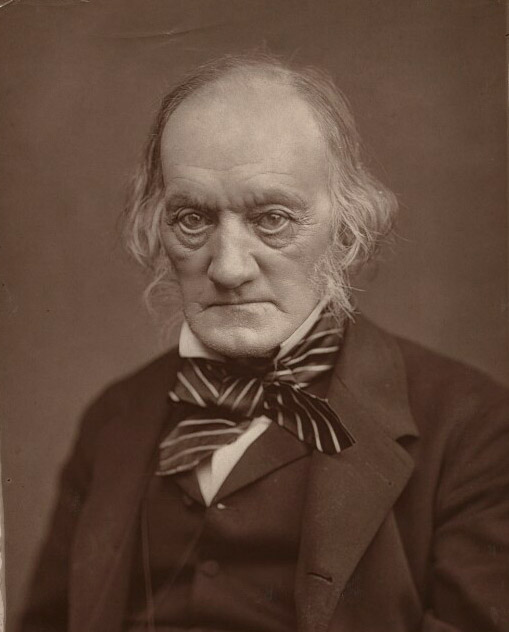
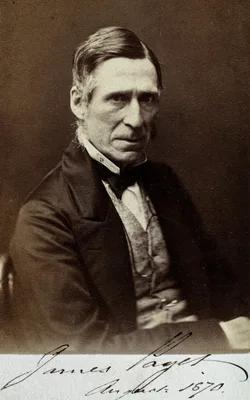
While a first-year student at St. Bartholomew’s Hospital, James Paget discovered trichina in muscle during dissection. Richard Owen, his teacher, named it Trichina spiralis and published an account, barely menti…
1980 CE
#11057
Detection and isolation of type C retrovirus particles from fresh and cultured lymphocytes of a patient with cutaneous T-cell lymphoma.
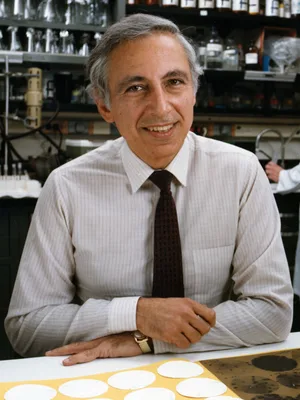
Order of authorship in the original publication: Poiesz, Ruscetti,... Gallo. Gallo and associates announced the discovery of a human retrovirus with type C morphology causing a cutaneous T-cell lymphoma. Gallo named t…
1995 CE
#10881
Detection of herpesvirus-like DNA sequences in Kaposi's sarcoma in patients with and those without HIV infection.

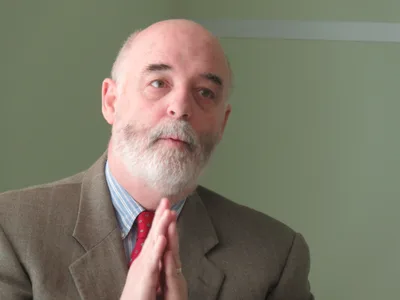
Dated May 4, 1995. Order of authorship in the original publication was Moore, Chang. That the virus causing Kaposi's sarcoma appeared in healthy as well as HIV patients suggested that this virus causes cancer only in …
1984 CE
#6997
Detection, isolation, and continuous production of cytopathic retroviruses (HTLV-III) from patients with AIDS and pre-AIDS.
Gallo, Popovic, and colleagues demonstrated that a retrovirus they had isolated, called HTLV-III, was the cause of AIDS. M. G. Sarngadharan, and E. Read. Bibcode:1984Sci...224..497P. doi:10.1126/science.6200935. PMID …
1987 CE
#11246
DF-2 bacteremia following cat bites. Report of two cases.
Order of authorship in the original paper: Carpenter, Heppner, Gnann. Report of two cases of infection from cat bites by the bacterium then identified by the CDC as DF-2 (later called Capnocytophaga canimorsus) in non…
1921 CE
#11010
Diagnosis of protozoa and worms parasitic in man.
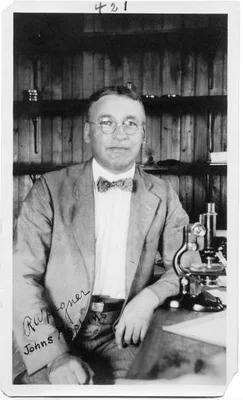
1935 CE
#5544
Diagnosis of psittacosis in man by means of injections of sputum into white mice.
1659 CE
#2464
Diatribae duae medico-philosophicae, quarum prior agit de fermentatione sive de motu intestino particularum in quovis corpore, altera de febribus sive de motu earundum in sanguine animalium.
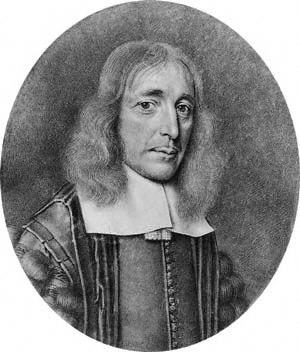
Includes (De febribus, cap. X, XIV) first description of epidemic typhoid. English translation in his Practice of physick, 1684, Treatise II, 83-98, 1111-18. Contains the earliest suggestion that fermentation is an in…
1876 CE
#5167
Die Aetiologie der Milzbrand-Krankheit, begründet auf die Entwicklungsgeschichte des Bacillus anthracis.
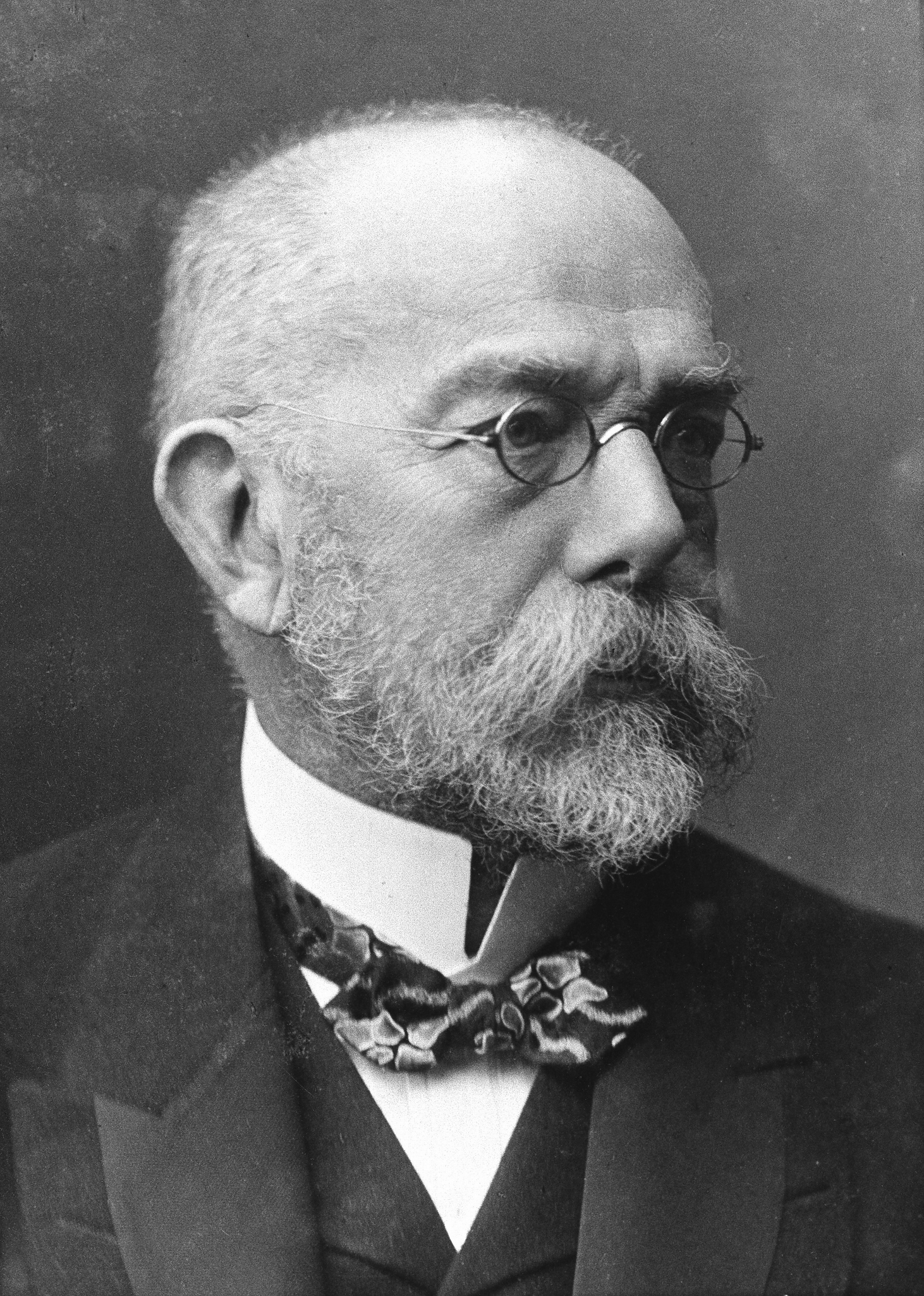
In 1876 Koch first obtained pure cultures of B. anthracis and described its complete life history. With Davaine (Nos. 5165-66) he did much to prove that infectious diseases are caused by living reproductive microorgan…
1886 CE
#5156
Die Aetiologie der Rotzkrankheit.
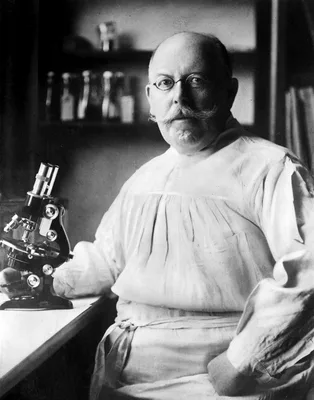
Discovery of Burkholderia mallei, causative organism of glanders. Preliminary notice in Dtsch. med. Wschr., 1882, 8, 707.
1882 CE
#2331
Die Aetiologie der Tuberkulose.
Discovery of the tubercle bacillus announced March 24, 1882. This paper also contains a statement of “Koch’s postulates”. See also Nos. 2536 and 5167. Koch published a fuller account as "Die Aetiolog…
1897 CE
#5099
Die Aetiologie des seuchenhaften (“infectiösen”) Verwerfens.
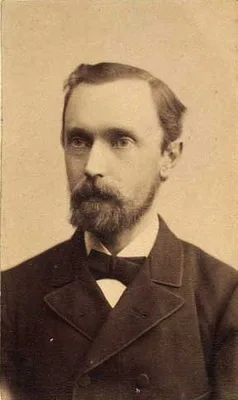
Discovery of Brucella abortus.