
Facets
Browse across eight MeSH (opens in new tab) facets — era, geography, science, specialty, technology, history, culture, and reference. Select one tag per group; counts update across the others.
Clear filtersFacet filters
Geography
Specialties & Disease
- Anatomy & Pathology 765
- Cardiology & Blood 914
- Neurology & Psychiatry 1,256
- Obstetrics & Reproductive 550
- Infectious Disease (General) 147
- Surgery & Anesthesia 1,551
- Public Health 1,129
- Immunology & Dermatology 1,404
- General Clinical Medicine 480
- Military Medicine 436
- Psychology 202
- Alternative & Fringe Medicine 383
- Pediatrics 247
- Ophthalmology & Vision 412
- ENT & Hearing 293
- Urology & Nephrology 309
- Gastroenterology & Hepatology 316
- Pulmonary & Respiratory 233
- Rheumatology, Rehab & Pain 188
- Internal, Emergency & Geriatric 123
- Veterinary Medicine 165
- Epidemiology & Demography 397
- Physiology & Embryology 923
- Dentistry 259
- Plagues & Epidemics 1,279
- Microbiology & Virology 1,080
Social & Historical Studies
Institutions & Culture
Reference & Scholarly Works
1,404 entries match Immunology & Dermatology [C19 / C20 / C17]
1854 CE
#4042
On the keloid of Alibert, and on true keloid.
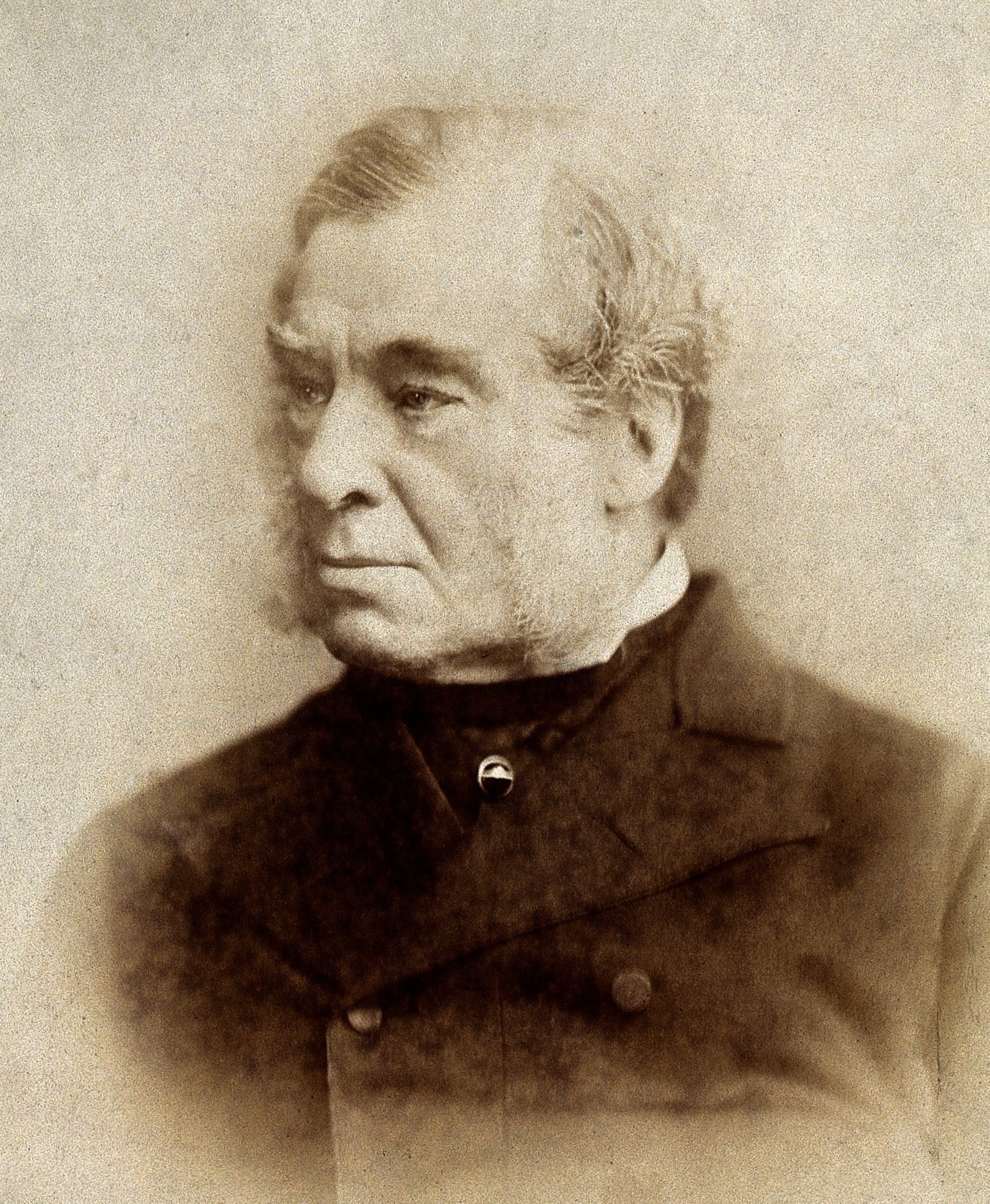
Addison described two forms of keloid, that described by Alibert, and the “true keloid” (the skin disease morphoea, “Addison’s keloid”).
1846 CE
#4325.1
On the microscopical character of mollifies ossium.
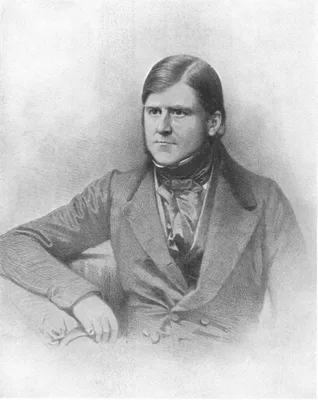
Report of the histological examination of bone material containing multiple myeloma from the patient described by Macintyre (No. 4327).
1940 CE
#10706
On the occurrence of a factor in human serum activating the specific agglutination of sheep blood corpuscles.
Discovery of the Rheumatoid factor.
1963 CE
#5308.2
On the origin of the human treponematoses (pinta, yaws, endemic syphilis and venereal syphilis).
“Perhaps the most scholarly investigation of the origin of syphilis” (Wesley Spink).
1861 CE
#3993
On the parasitic affections of the skin.
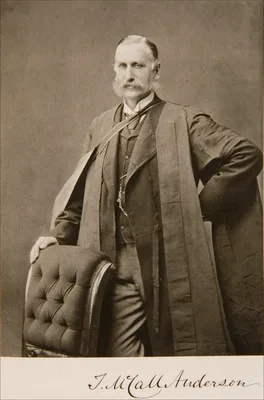
Anderson was Professor of Clinical Medicine at Glasgow. Digital facsimile of the second edition (1868) from the Internet Archive at this link.
1902 CE
#3780
On the pathological changes in Hodgkin’s disease, with especial reference to its relation to tuberculosis.
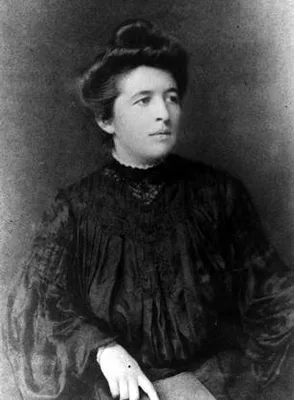
Dorothy Reed’s classic work on Hodgkin’s disease included a study of the histological picture. She described the proliferation of the endothelial and reticular cells, and the formation of lymphadenoma cell…
1896 CE
#13072
On the pigment of the negro's skin and hair.
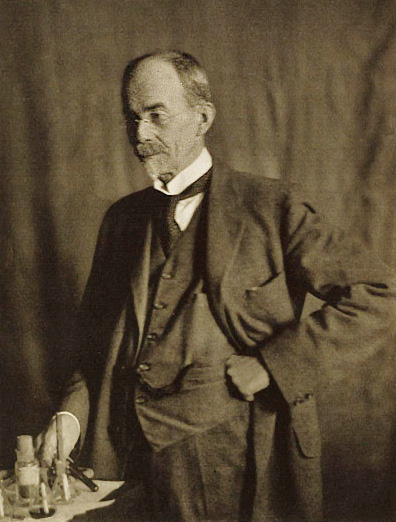

"In the present state of our knowledge we can only say that it seems highly probable that the pigment of the negro's hair is not different from the dark pigment found in the hair of the white races, and we may infer t…
1885 CE
#5293
On the presence of peculiar parasitic organisms in the tissue of a specimen of Delhi boil.
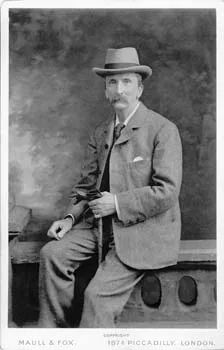
Cunningham saw and described bodies in Delhi boil; these were almost certainly Leishman–Donovan bodies.
1900 CE–1901 CE
#3955
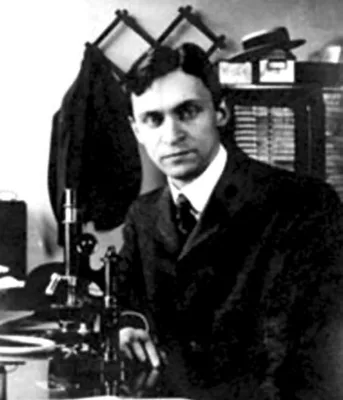
On the relation of chronic interstitial pancreatitis to the islands of Langerhans and to diabetes mellitus.
1909 CE
#3859
On the relation of tetany to the parathyroid glands and to calcium metabolism.
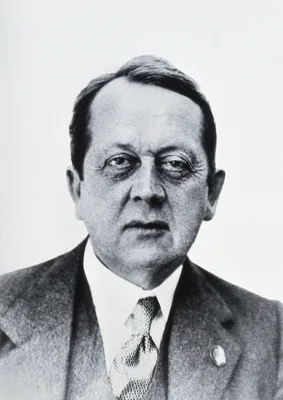
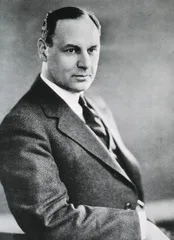
Proof that the parathyroids control calcium metabolism. MacCallum and Voegtlin were able to demonstrate the removal of post-parathyroidectomy tetany by administration of calcium.
1909 CE
#3962
On the relation of the islands of Langerhans to glycosuria.
MacCallum suggested a relationship between lesions of the islands of Langerhans and the glycosuria of diabetes.
1905 CE
#3867
On the relation of the suprarenal capsules to the sex organs.
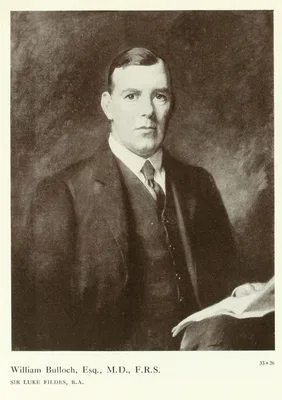
First recognition of the “adrenogenital syndrome”. This paper showed a relationship to exist between the adrenals and the sex organs.
1895 CE
#2108
On the rendering of animals immune against the venom of the cobra and other serpents; and on the antidotal properties of the blood serum of the immunised animals.
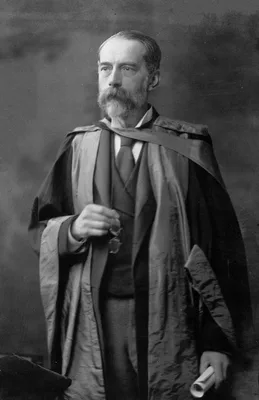
Fraser investigated the possibilities of immunization against cobra venom and obtained “antivenene”, an antivenom serum.
1880 CE
#177
On the skin-furrows of the hand.
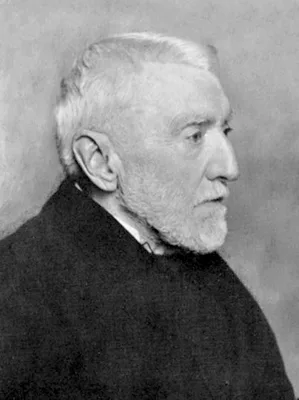
Faulds’s fingerprint method of identification.
1853 CE
#3263
On the surgical treatment of morbid growths within the larynx, illustrated by an original case and statistical observations, elucidating their nature and forms.
Thyrotomy for removal of cancer of the larynx. The operation took place in May 1851, and the patient died in 1852.
1896 CE
#5778.1
On the treatment of inoperable cases of carcinoma of the mamma: suggestions for a new method of treatment, with illustrative cases.
Öophorectomy in the treatment of breast cancer.
1878 CE
#4075.1
On the treatment of psoriasis by an ointment of chrysophanic acid.
Introduction of chrysarobin in dermatology.
1919 CE
#2440
On the value of a skin reaction to a suspension of leprous nodules.
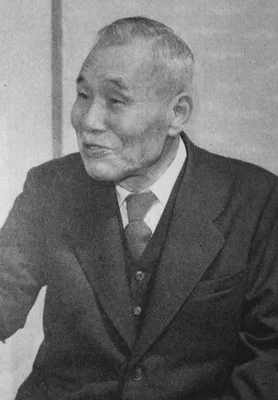
Mitsuda (lepromin) reaction. English translation by the author in Int. J. Leprosy, 1953, 21, 347-58.
1895 CE
#4121
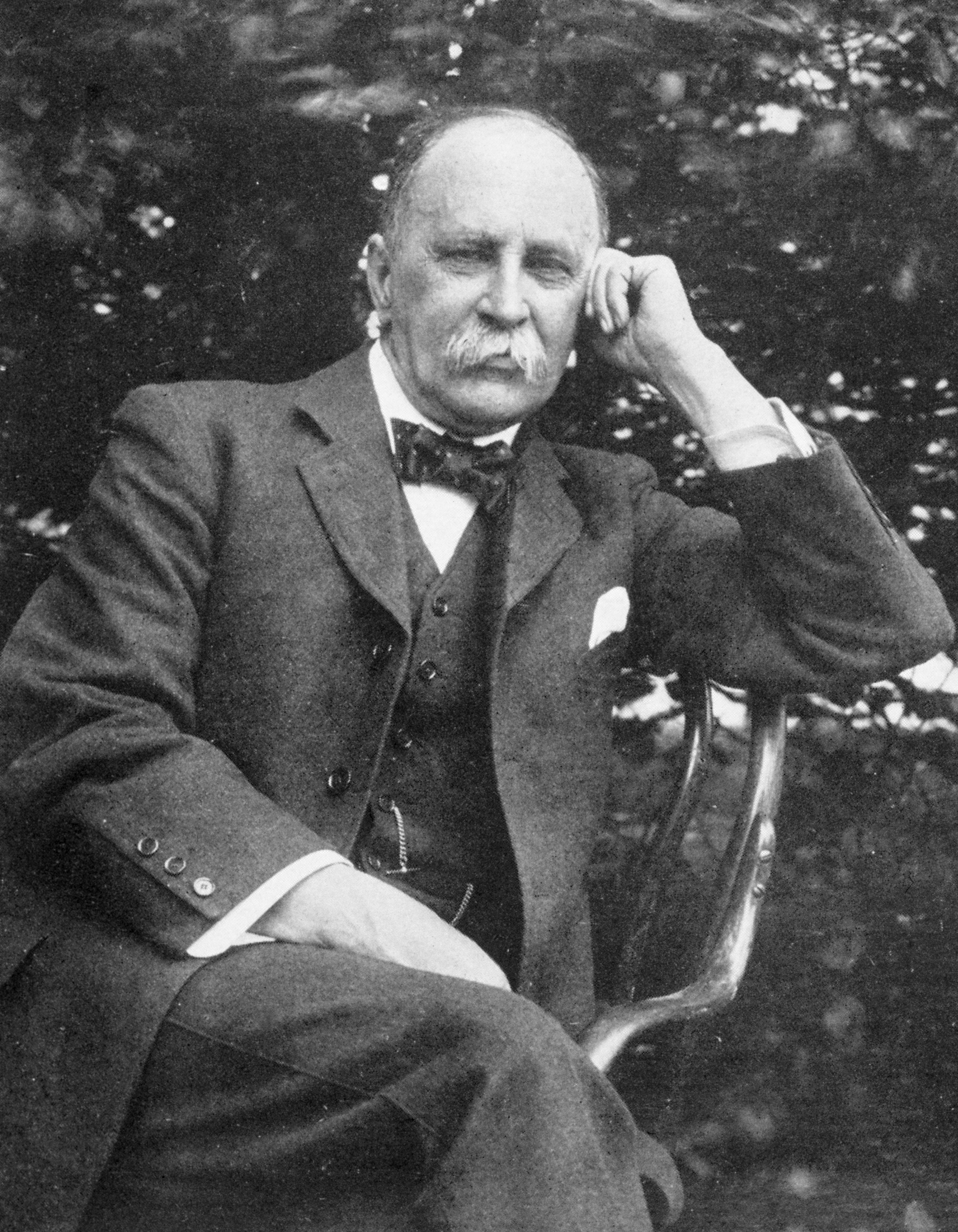
On the visceral complication of erythema exudativum multiforme.
1901 CE
#2624.1
On transplantation of tumours.
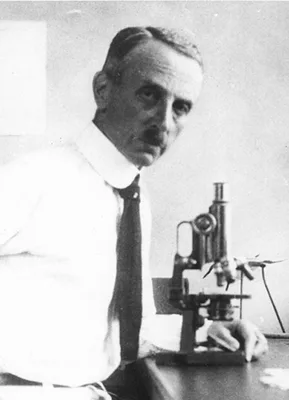
Loeb successfully transplanted cystic sarcoma of the thyroid in rats. He established the fact that growth of the transplant occurred through proliferation of its peripheral cells.
1884 CE
#4180
On tumours of the bladder.
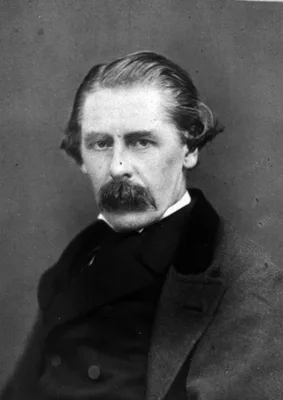
Includes description of Thompson’s operation for tumors of the bladder.
1768 CE
#534.54
Operum anatomici argumenti minorum tomus tertius, De Monstris.
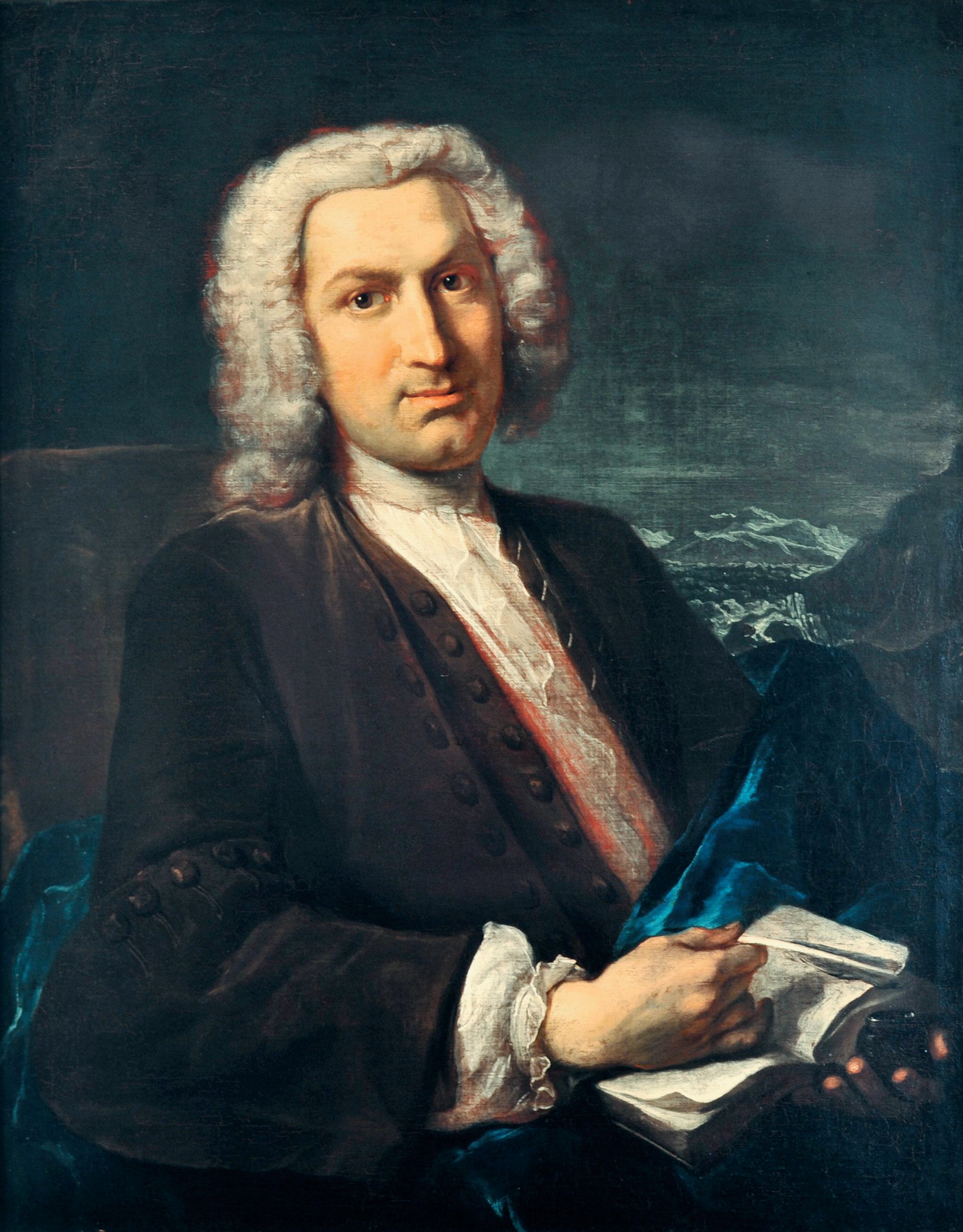
Reprints and updates Haller’s earlier essays on various malformations. This work marks the beginning of scientific teratology, placing it on a foundation of sound anatomical description.
1563 CE–1564 CE
#1093
Opuscula anatomica.
Eustachius is credited with several anatomical discoveries, among them the tensor tympani muscle and the Eustachian tube, published in his chapter entitled De auditus organis. In the last respect, however, he was anti…
1687 CE
#2529.1
Osservazioni intorno a’ pellicelli del corpo umano.
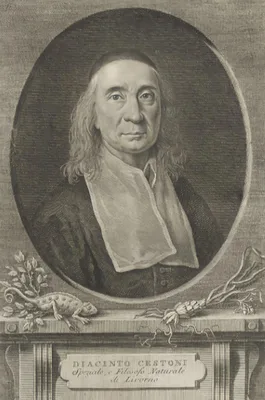
First clinical and experimental proof of infection by a microparasite. Bonomo observed Sarcoptes scabiei, the scabies mite. This gave researchers grounds to think in terms of objective, exogenous pathogenic agents as …
1915 CE
#11753
Outline of common skin diseases including eruptive fevers. Also diet plans for children in use in the Department of Pediatrics, the Johns Hopkins Hospital.
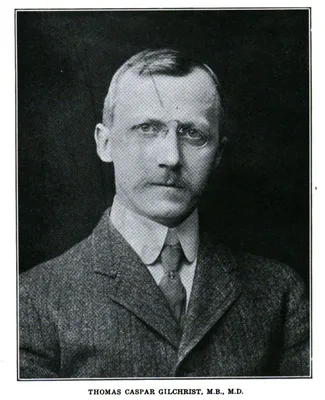
Gilchrist was the first professor to concentrate on dermatology at Johns Hopkins, joining the faculty in 1898. His guide to the common skin diseases, published for the use of medical students at Hopkins, was printed l…
1917 CE
#6125
Översikt över resultaten av kräftbehandling vid Radiumhemmet i Stockholm 1910-1915.
The Stockholm method of radium treatment of cancer of the uterus, as carried out at the Radiumhemmet, Stockholm, follows the technique devised by Forssell.
1835 CE
#3815
Palpitation of the heart with enlargement of the thyroid gland.
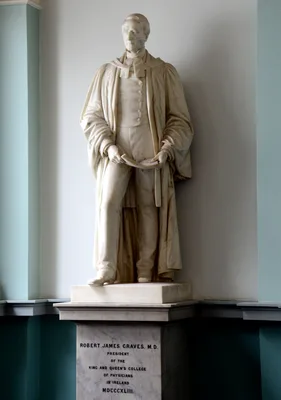
This is considered the first accurate account of exophthalmic goitre, later known as “Parry’s disease”, “Graves’s disease”, and “Basedow’s disease”. An interesting…
1922 CE
#3968
Pancreatic extracts in the treatment of diabetes mellitus.
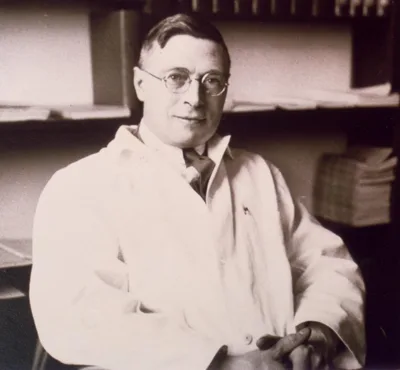
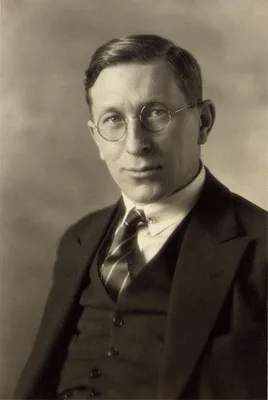
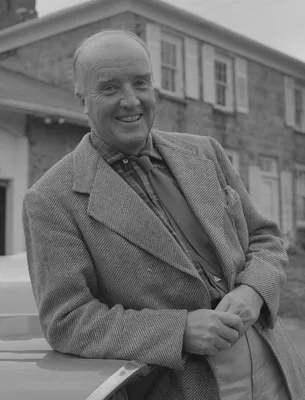
The first clinical application of insulin in the treatment of diabetes. Co-authored by W. R. Campbell, and A. A. Fletcher. Digital facsimile from PubMedCentral at this link.
2008 CE
#7266
Pantheon der Dermatologie. Herausragende historische Persönlichkeiten.
Probably the largest and most comprehensive history of a medical specialty published in the 21st century. Expanded and revised English translation: Pantheon of Dermatology: outstanding historical figures by Löser…
1932 CE
#3552
Papers relating to the pituitary body, hypothalamus, and para-sympathetic nervous system.
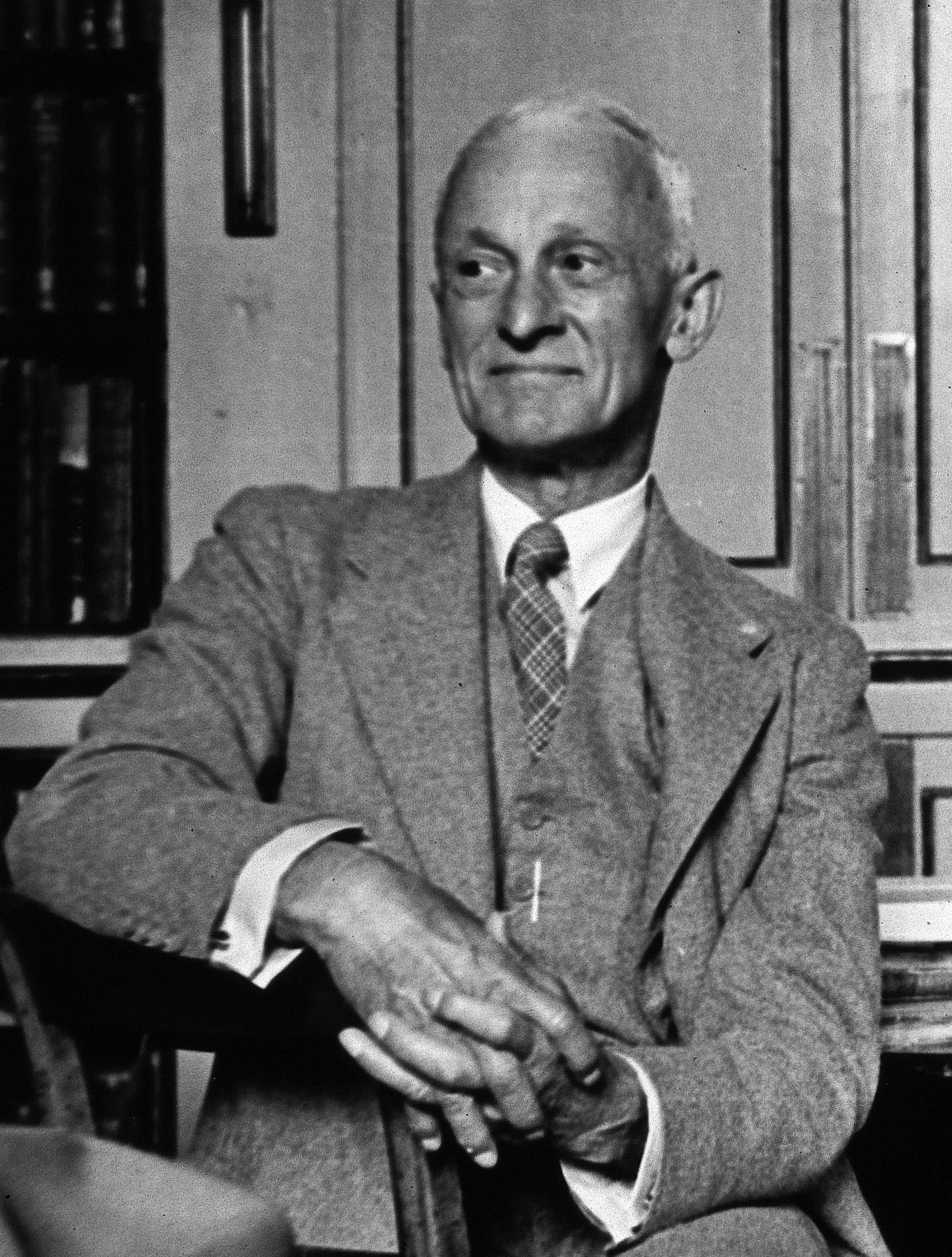
Cushing advanced the theory that the hypothalamus is responsible for the development of peptic ulcer (see p. 175 et seq.). This work contains his four principal contributions to pituitary-hypothalamic interrelationshi…
2009 CE
#12665
Papillomavirus vaccines. US Patent US7476389B1.

Frazer and Zhou invented and patented the first Papillomavirus vaccine. In 2020 it was marketed as Gardasil and Cervarix. Developed beginning in 1991, about 20 years after Blumberg and Millman's vaccine against viral …
1922 CE–1933 CE
#57
Paracelsus: Sämtliche Werke…Herausg. von K. Sudhoff und W. Mathiessen. 14 vols.
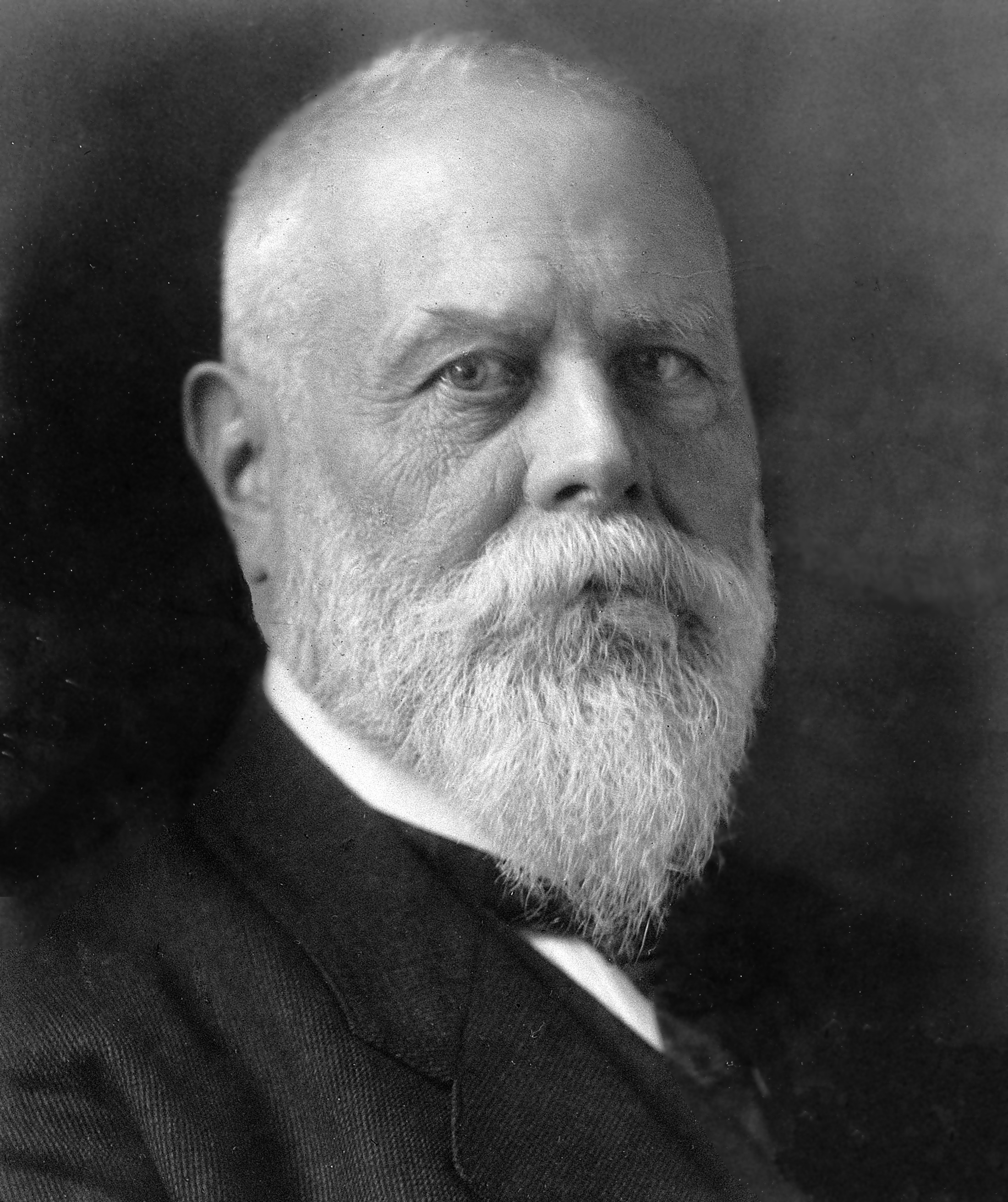
Paracelsus, a much-travelled man, was one of the most remarkable figures in medicine. He was first to write on miners’ diseases, to establish the relationship between cretinism and endemic goitre and to note the…
1876 CE
#2127.1
Paraffin epithelioma of the scrotum.
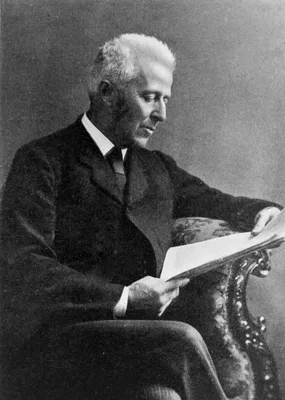
Shale oil shown to be a cause of skin cancer. A teacher of Sir Arthur Conan Doyle, Bell was the model for the character of Sherlock Holmes.
1927 CE
#12266
Paroxysmal hypertension with tumor of retroperitoneal nerve. Report of a case.
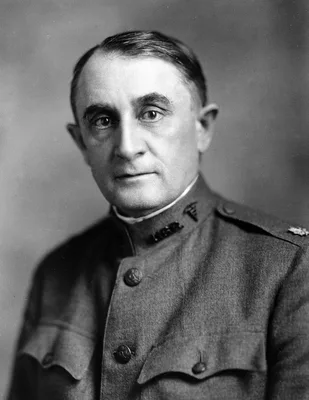
First resection of a pheochromocytoma in America, and the second in the world, by the co-founder of the Mayo Clinic. In 1926 César Roux of Lausanne did the first resection of this rare type of tumor.
1968 CE
#6840
Particles associated with Australia antigen in the sera of patients with leukemia, Down's syndrome and hepatitis.
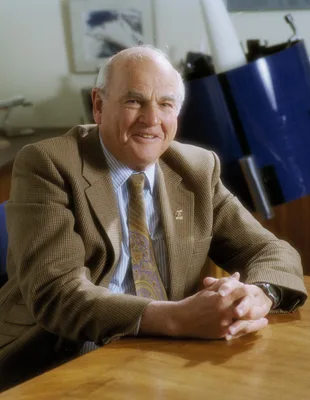

Particles with the appearance of a virus were detected by electron microscopy in the serum of individuals with Au. These were subsequently shown to be the surface antigen particles, different from the whole virus part…
1846 CE
#3062.1
Particulars of a case in which enormous enlargement of the spleen and liver, together with dilatation of all the blood vessels of the body, were found coincident with a peculiarly altered condition of the blood.
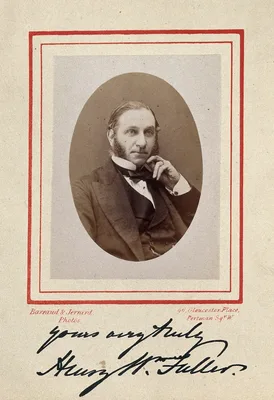
Leukemia diagnosed during life as the result of a blood examination.
1954 CE
#2578.15
Passive transfer of transplantation immunity.
Preliminary notice in Nature (Lond.), 1953, 171, 267-68.
1880 CE
#3995
Pathologie und Therapie der Hautkrankheiten.
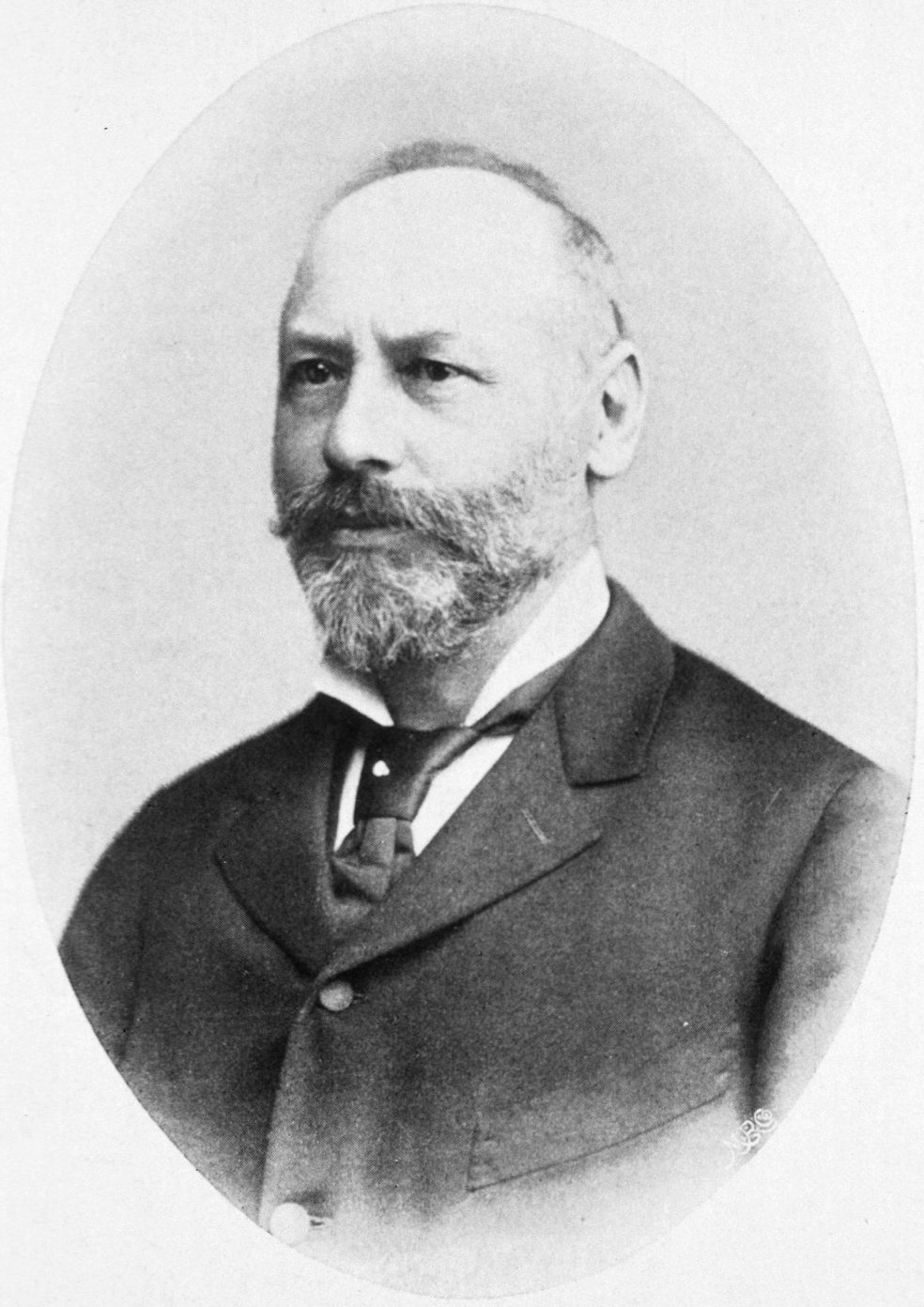
English translation by J. C. Johnston in 1895.
2002 CE
#11417
Paul Ehrlich's receptor immunology: The magnificent obsession.
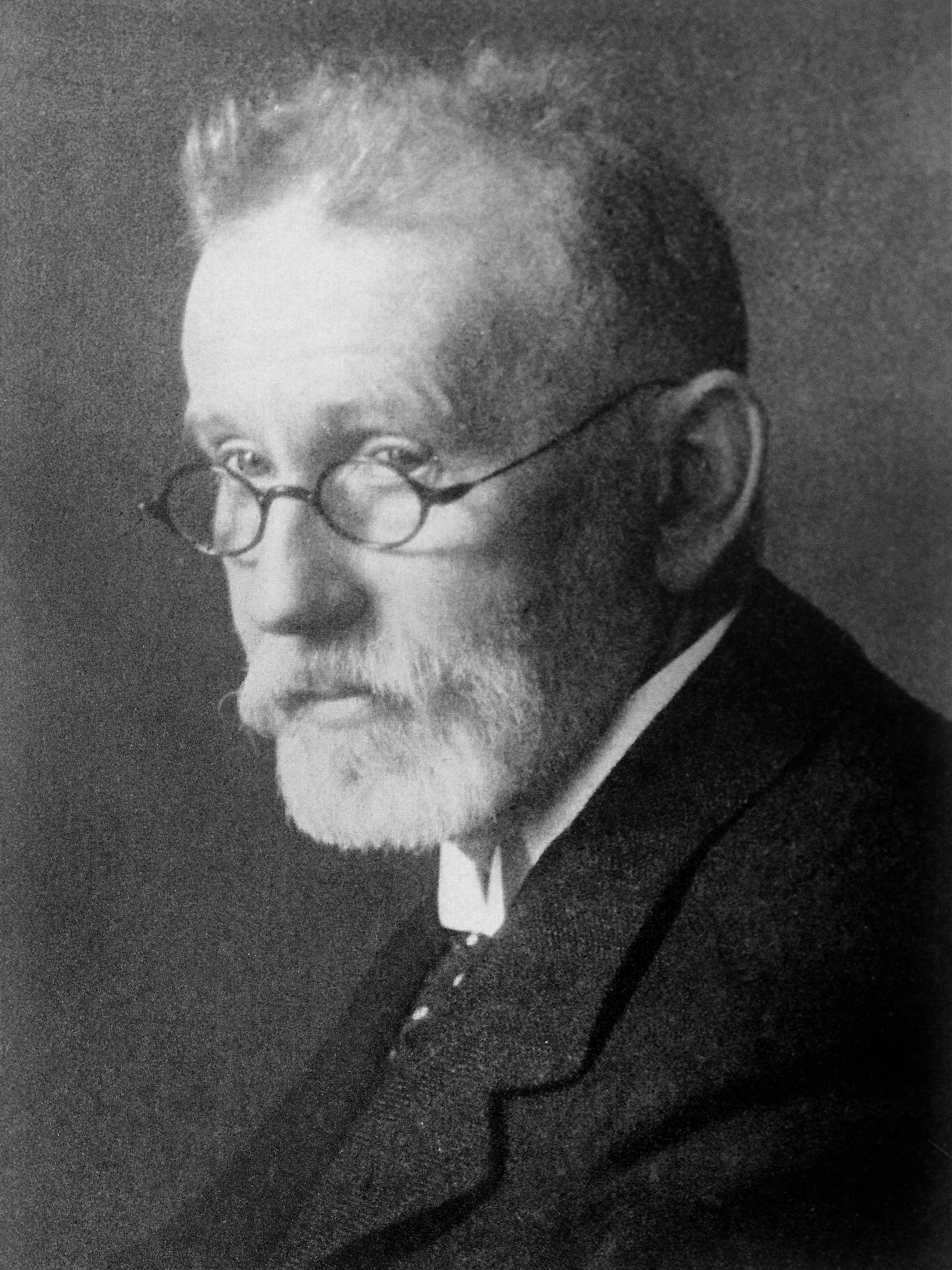
1844 CE
#4037
Pemphigus chronique, générale; forme rare de pemphigus foliacé; mort: autopsie; altération du foie.
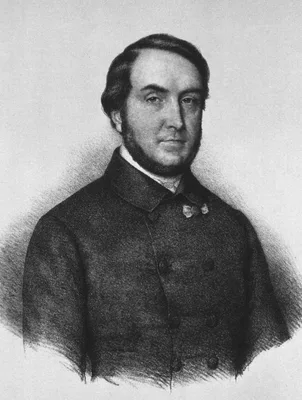
First description of pemphigus foliaceus, “Cazenave’s disease”. The article is unsigned.
1944 CE
#2605.2
Penetration of allergens into the human skin.
Proof that allergens that produce urticarial reactions can penetrate the skin from external contact and thus produce the reaction that the authors named “contact urticaria.” With F. Herrmann and R. Baer.
1908 CE
#3080
Per la patogenesi e per la diagnosi delle malattie del sangue e degli organi emopoietici. Puntura esplorativa del midollo osseo.
Introduction of bone marrow biopsy by puncturing the shaft of the tibia.
1937 CE
#1173
Permanent experimental diabetes produced by pituitary (anterior lobe) injections.
Anterior pituitary diabetogenic hormone.
1674 CE–1675 CE
#3926
Pharmaceutice rationalis sive diatriba de medicamentorum operationibus in humano corpore. 2 vols.
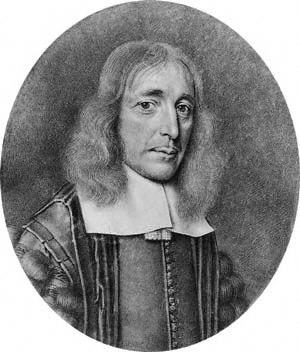
Willis’s last work deals with the anatomy and physiology of the thoracic and abdominal organs, and contains the first description of the superficial lymphatics of the lungs, the first clinical and pathological a…
1820 CE
#2073
Pharmacologia; or the history of medicinal substances, with a view to establish the art of prescribing. 3rd ed.
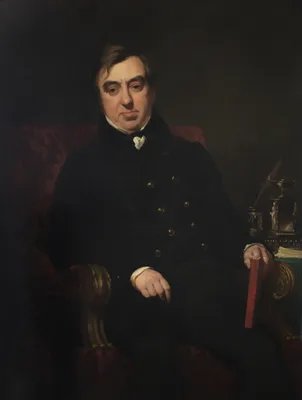
First description of cancer caused by arsenic (p. 133).
1957 CE
#3978.3
Pharmacological studies of a new oral hypoglycemic drug.
Phenformin, a biguanide formerly used in diabetes. With L. Freedman and S. L. Shapiro. Clinical report on pp. 193-4.
1818 CE–1822 CE
#534.57
Philosophie anatomique. Tome Premier. Des organes respiratoires sou le rapport de la détermination et de l'identité de leur pièces osseuses. Avec figures de 116 nouvelles preparations d'anatomie. [Tome Deuxième]. Des monstruosités humaines, ouvrage contenant une classification des monstres; la description et la comparaison des principaux genres; une histoire raisonnée des phénomènes de la monstruosité et des faits primitifs qui la produisent; des vues nouvelles touchant la nutrition du foetus et d'autres circonstrances de son développement....Avec figures des détails anatomiques. 2 vols.
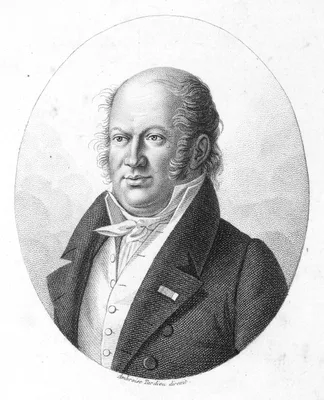
The elder Geoffroy Saint-Hilaire is credited with coining the word teratology, and was the first seriously to attempt the experimental production of anomalies, by manipulating chick eggs. See T. Cahn, La vie et l'oeuv…
1897 CE
#9567
Photographic atlas of diseases of the skin. A series of eighty plates comprising one hundred illustrations photographed from life and colored by hand.
Large folio, issued in 16 parts, each image hand-colored and signed by Fox. This was physically the largest work and presumably the most expensive work issued by Fox.
1880 CE
#3996
Photographic illustrations of skin diseases.
Fox, who was Professor of Dermatology in New York, produced a valuable atlas of skin diseases.
1871 CE–1872 CE
#10585
Photographic review of medicine and surgery. A bi-monthly illustration of interesting cases, accompanied by notes. Edited by F.F. Maury [and] L.A. Duhring. Vols. 1 & 2 (All published).
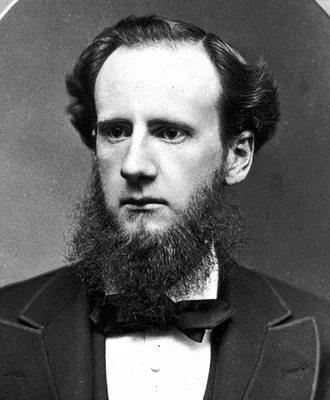
The leading 19th century American publication of artistic medical photography. Each of the two volumes includes 24 mounted photographs. The photographs ilustrate cases of unusual and extreme disease, such as gross def…