
Facets
Browse across eight MeSH (opens in new tab) facets — era, geography, science, specialty, technology, history, culture, and reference. Select one tag per group; counts update across the others.
Clear filtersFacet filters
Geography
Specialties & Disease
- Anatomy & Pathology 765
- Cardiology & Blood 914
- Neurology & Psychiatry 1,256
- Obstetrics & Reproductive 550
- Infectious Disease (General) 147
- Surgery & Anesthesia 1,551
- Public Health 1,129
- Immunology & Dermatology 1,404
- General Clinical Medicine 480
- Military Medicine 436
- Psychology 202
- Alternative & Fringe Medicine 383
- Pediatrics 247
- Ophthalmology & Vision 412
- ENT & Hearing 293
- Urology & Nephrology 309
- Gastroenterology & Hepatology 316
- Pulmonary & Respiratory 233
- Rheumatology, Rehab & Pain 188
- Internal, Emergency & Geriatric 123
- Veterinary Medicine 165
- Epidemiology & Demography 397
- Physiology & Embryology 923
- Dentistry 259
- Plagues & Epidemics 1,279
- Microbiology & Virology 1,080
Social & Historical Studies
Institutions & Culture
Reference & Scholarly Works
1,256 entries match Neurology & Psychiatry [C10 / F04]
2015 CE
#8159
NeuroTribes: The legacy of autism and the future of neurodiversity. Foreward by Oliver Sacks.
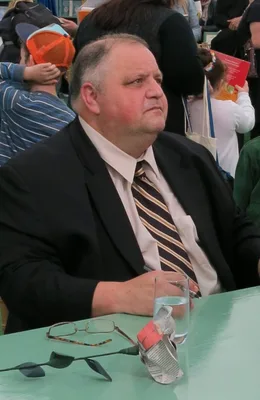
A very well written semi-popular historical account of autism.
1903 CE
#4877
Névralgie faciale; présentation de malade.
Alcohol injection of the Gasserian ganglion for treatment of trigeminal neuralgia. See also pp. 91-96 of the same volume. Digital facsimile from Google Books at this link.
1871 CE–1872 CE
#4855
New operation for the relief of persistent facial neuralgia.
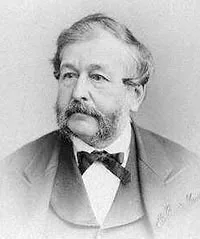
Pancoast devised the operative procedure of sectioning the second and third branches of the fifth pair of nerves as they emerge from the base of the brain. Reported by F. Woodbury.
1987 CE
#1588.24
Nineteenth century origins of neuroscientific concepts.
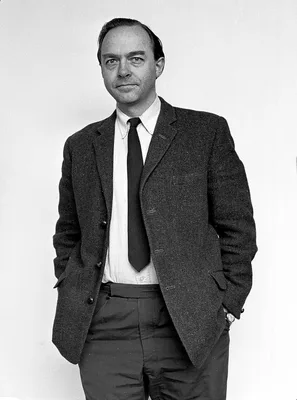
Detailed analysis, emphasizing first half of 19th century, with detailed bibliographies, and bibliographical notes.
1885 CE
#1281
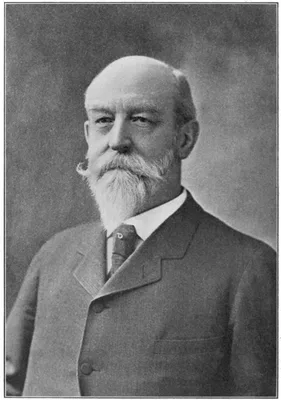
Note on the nature of nerve-force.
1854 CE
#1325
Note sur la découverte de quelques-uns des effets de la galvanisation du nerf grand sympathique au cou.
1859 CE
#4639
Note sur la paralysie ascendante aiguë
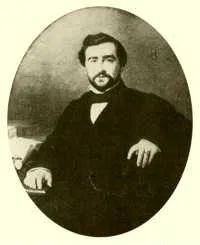
“Landry’s paralysis” – acute infective polyneuritis, more commonly known as Guillain-Barré syndrome. It is difficult to assess the claim of Landry as first to record this condition, sinc…
1858 CE
#4533
Note sur une paralysie peu connue de certains muscles de l’oeil, et sa liaison avec quelques points de l’anatomie et la physiologie de la protubérance annulaire.
“Foville’s syndrome”– crossed paralysis of the limbs on one side of the body and of the face on the other side, together with loss of ability to rotate the eyes to that side. English translatio…
1866 CE
#7378
Notes bibliographiques pour servir à l'histoire du magnétisme animal: Analyse de tous les livres, brochures, articles de journaux publiés sur le magnétisme animal, en France et à l'étranger, à partir de 1766 jusqu'en 1866.
Later issue: Paris: chez l'auteur, Joubert, 1869.
1892 CE
#1288
Notes on the arrangement of some motor fibres in the lumbo-sacral plexus.
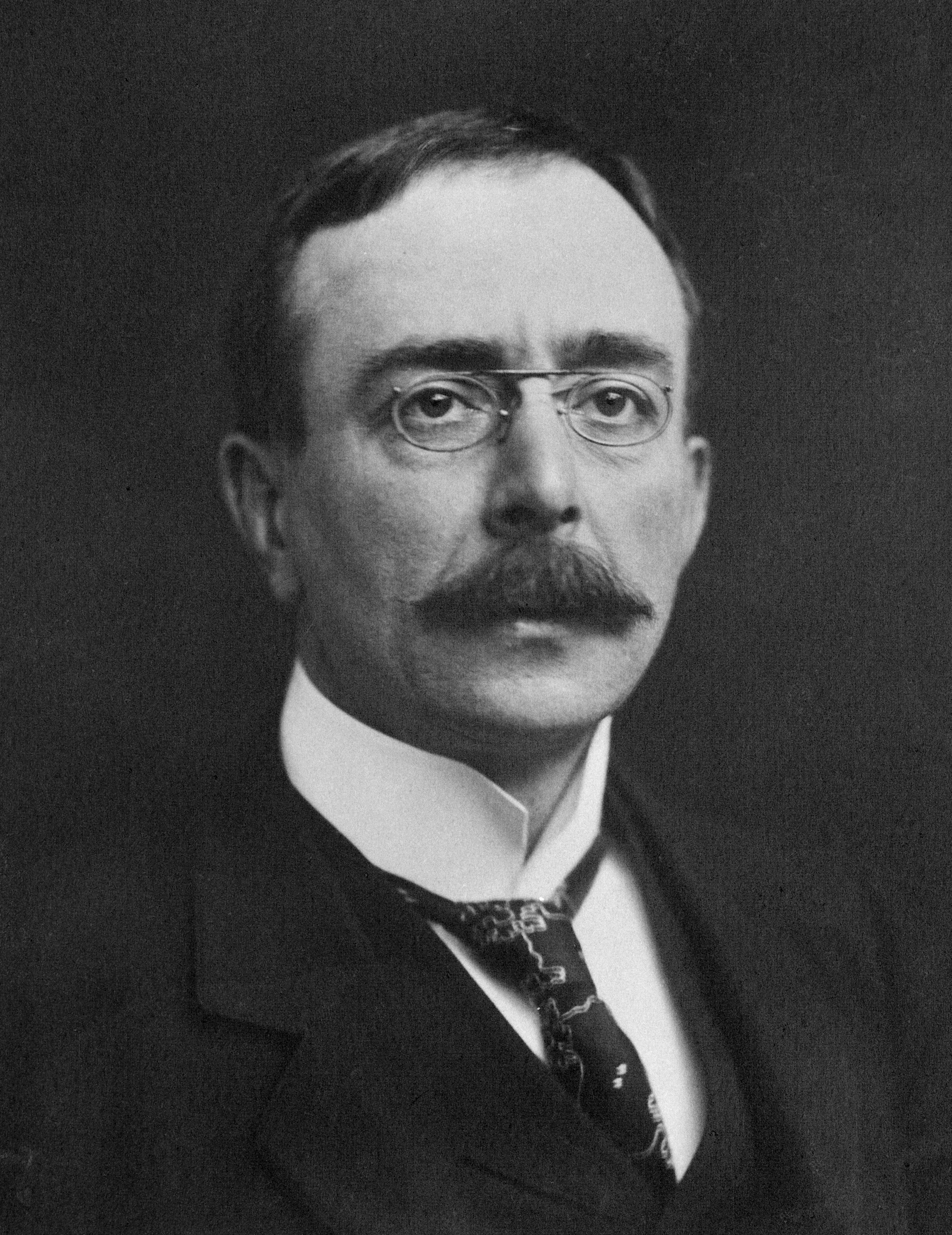
An analysis of the distribution of the ventral nerve roots. Sherrington showed the association of the lateral horn cells with the sympathetic outflow.
1866 CE
#4621
Notes on the physiology and pathology of language.
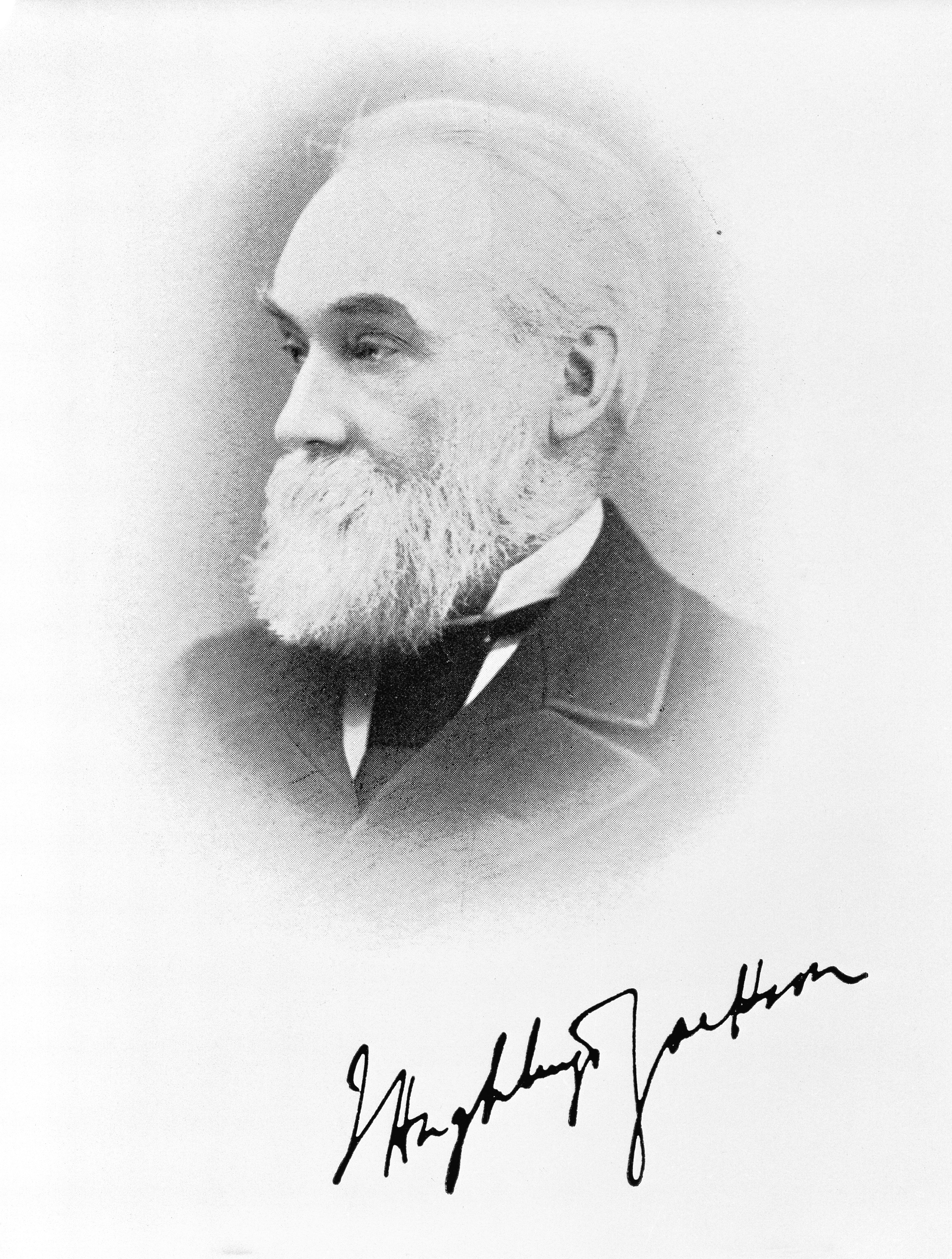
1816 CE
#4826
Notes on the swelling of the tops of the hands and feet, and on a spasmodic affection of the thumbs and toes, which very commonly attends it.
In his early account of chronic tetany, Kellie referred to carpo-pedal spasm and spasms of the glottis as part of the syndrome.
1876 CE
#13103
Nouveau traité élémentaire et pratique des maladies mentales. Suivi de considérations pratiques sur l'administration des asiles d'aliénés.
The first psychiatric textbook to utilize photographic illustrations of patients. This was the second edition of Dagonet's Traité élémentaire et pratique des maladies mentales (1862). The second e…
1888 CE–1918 CE
#4575
NOUVELLE Iconographie de la Salpêtriere. 28 vols.
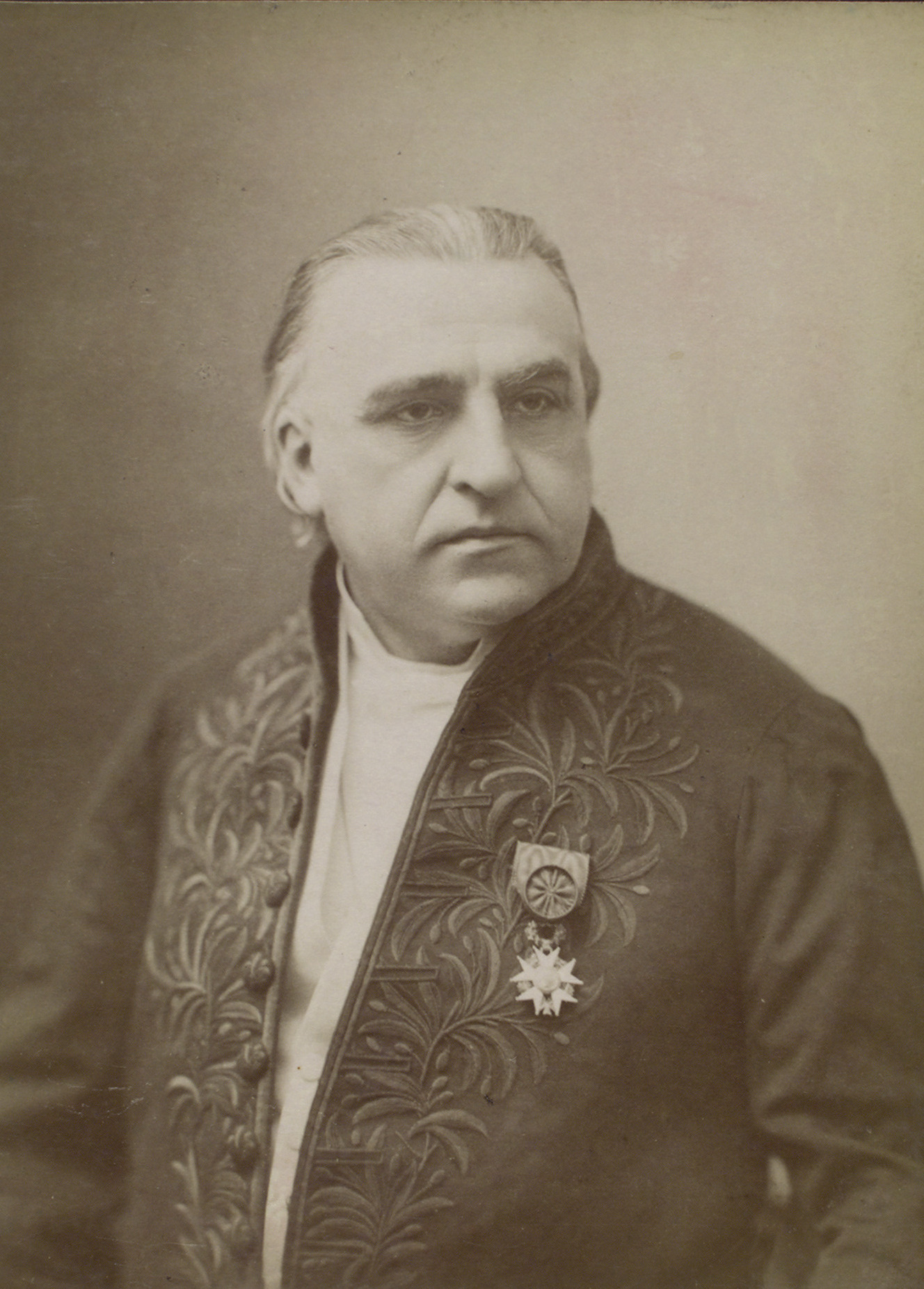
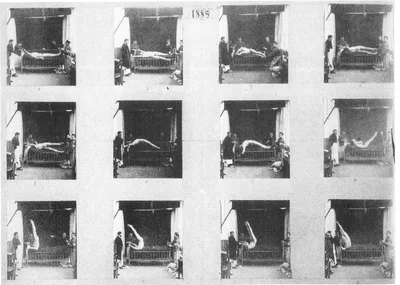
Henry Meige, Richer, and other pupils of Charcot published many valuable studies of the constitutional aspects of nervous diseases in the above work, a series unique in the history of medicine and of great value for t…
1769 CE
#13008
Nouvelle méthode facile et curieuse pour connoitre le pouls par les notes de la musique, par feu M.F.N. Marquet. Seconde édition, augmentée de plusieurs observations et réflexions critiques, & d'une dissertation en forme de thèse sur cette méthode; d'un mémoire sur la manière de guérir la mélancholie par la musique, & de l'éloge historique de M. Marquet. Par Pierre-Joseph Buc'hoz.
Buc'hoz applied his father-in-laws theories of music therapy to the treatment of depression. Digital facsimile from loc.gov at this link.
1673 CE
#12972
Nova medicina spirituum: Curiosa scientia & doctrina, unanimiter hucusque neglecta, & à nemine meritò exculta, medicis tamen & physicis utilissima. In quâ Primo Spirituum naturalis constitutio, vita, sanitas temperamenta, ingenia, calidum innatum, phantasiae vires, ideae, astrorum influentiae, μετεμψύχωσις, rerum magnetissimi, sympatiae & antipatiae, qualitates hactenus occultae, aliaq; caeteroquin abstrusa & paradoxa; Dehinc spirituum praeternaturalis seu morbosa Dispositio, causae, curationes per naturam, per diaetam, per arcana majora, palingenesiam, magnetissimum seu sympatheismum, transplantationes, amuleta, ingenuè & dilucidè demonstrantur.
”A very curious work, attributing the causes of many diseases to spirits and basing their cure on this theory. There is a great deal on insanity. The methods of treatment are partly chemical, partly magnetical, …
1982 CE
#10140
Novel proteinaceous infectious particles cause Scrapie.
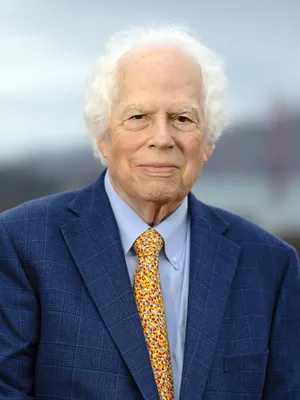
In 1997 Prusiner was awarded the Nobel Prize in Physiology or Medicine "for his discovery of Prions - a new biological principle of infection." In his 1982 paper Prusiner proposed a completely novel explanation for th…
1892 CE
#1287
Nuevo concepto de la histologia de los centros nerviosos.
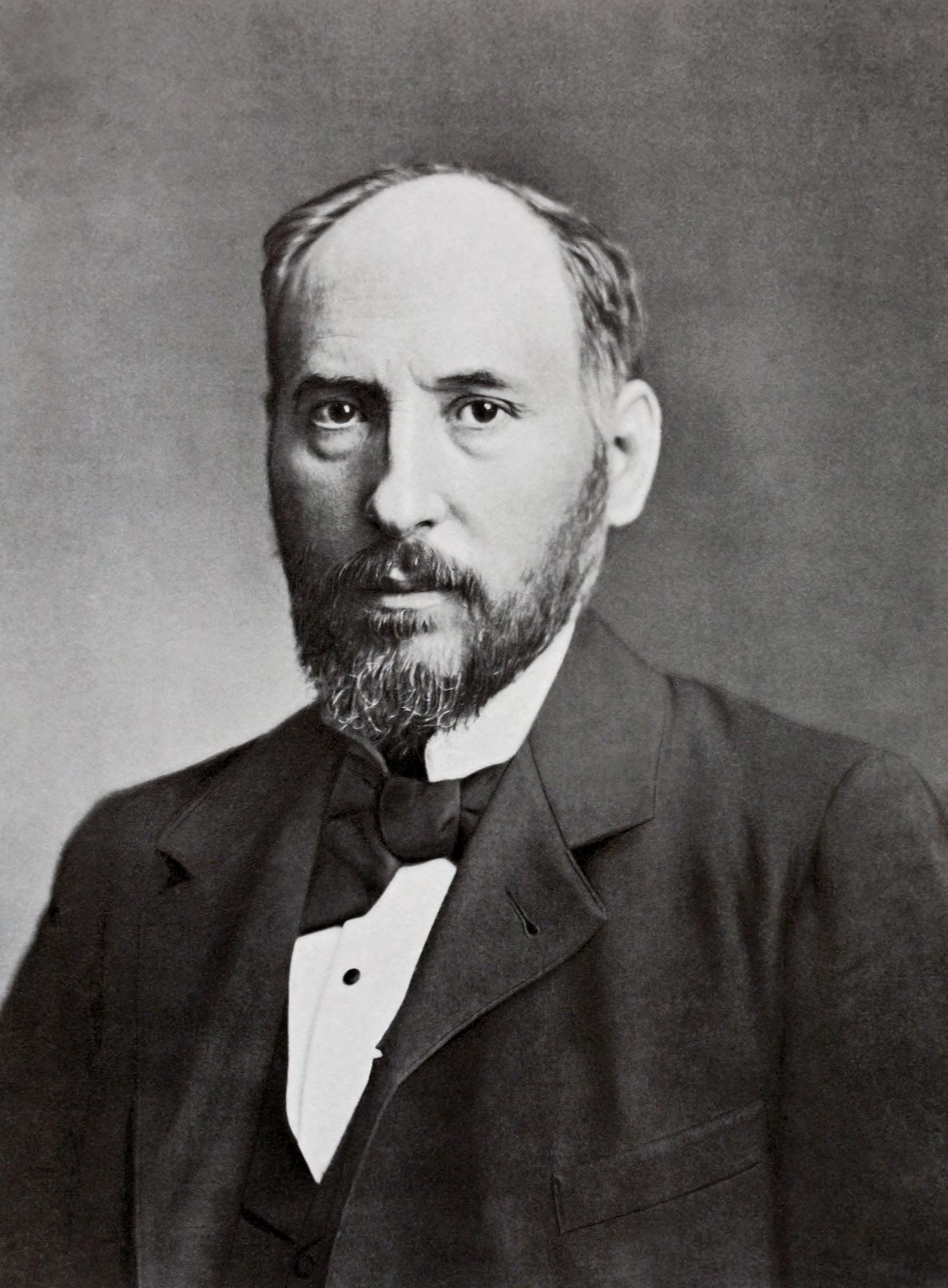
Ramón y Cajal, son of a struggling Aragonese doctor, lived to become one of the greatest of all histologists. He devised many staining methods for nervous tissue and did work of fundamental importance to neuroa…
1776 CE
#1382.1
Nuova esposizione della vera struttura del cervelletto umano.
The first detailed account of the anatomy of the cerebellum, which introduced the terms, “tonsil”, “pyramid”, “lingula”, and “uvula”. Reprinted in his Encefalotomia a si…
1845 CE
#7330
Nuove ricerche microscopiche sulla tessiture intima della retina nell’ uomo, nei vertebrati, nei cefalapodi, e negli insetti precedute da alcune riflessioni sugli elementi morfologici globulari del sisteme nervoso.
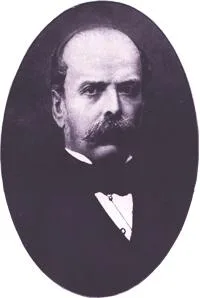
Pacini was the first to provide an accurate description of all the layers of the retina. Digital facsimile of the separate (offprint) edition from the Internet Archive at this link.
1840 CE
#1263
Nuovi organi scoperti nel corpo humano.
“Pacini’s corpuscles”, end organs of sensory nerves, earlier described by Vater in 1717.
1782 CE–1786 CE
#4920
Observation on the nature, kinds, causes and prevention of insanity, lunacy, or madness. 2 vols.
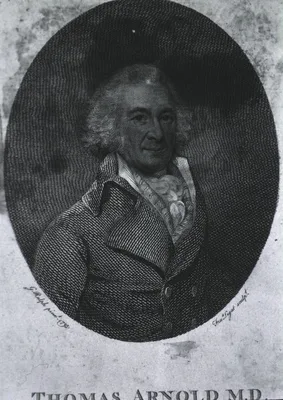
Best historical account to the time. 2nd ed., 1806.
1777 CE
#1252
Observationes anatomicae de quinto pare nervorum encephali.
Wrisberg, Professor of Anatomy at Göttingen, is remembered for his discovery of the nervus intermedius (“nerve of Wrisberg”), described in the above treatise.
1838 CE
#1262
Observationes anatomicae et microscopicae de systematis nervosi structura.
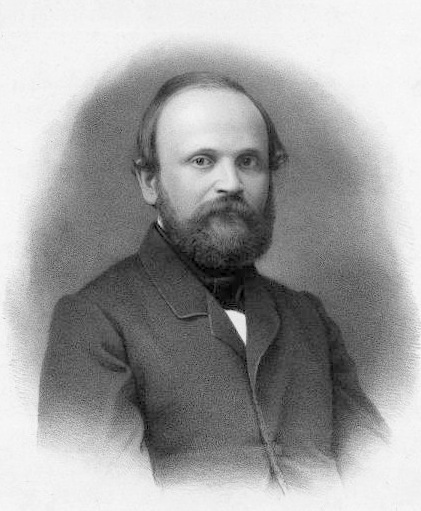
See No. 1260.
1658 CE
#2703
Observationes anatomicae, ex cadaveribus eorum, quos sustulit apoplexia.
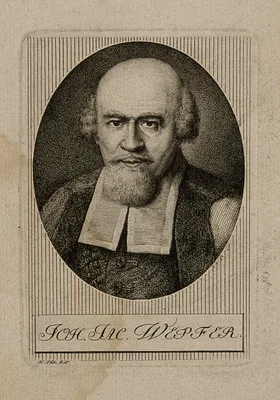
Wepfer showed apoplexy to be a result of hemorrhage into the brain. He described four cases, with clinical and post mortem findings. He preceded Willis (No. 1378) in describing the “circle of Willis”. Part…
1584 CE
#12946
Observationes medicae de capite humano: Hoc est, exempla capitis morborum , causarum signorum, evetuum, curationum, ut singularia, sic abdita & monstrosa, ex clariss. medicorum, veterum simul & recentiorum scriptis.
This work Schenck described his personal observations of language disorders, along with the observations of other physicians. He has been called a pioneer of neurolinguistics. Digital facsimile from Google Books at th…
1768 CE
#4015.1
Observations on cancers.
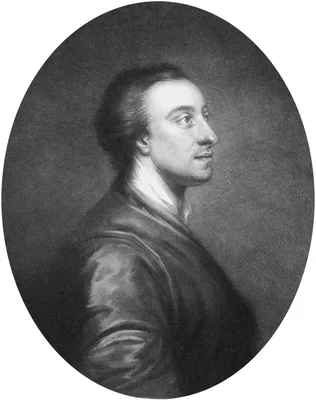
First recorded description of multiple neurofibromatosis. Akenside was better known as a poet; he was caricatured as the republican doctor of Tobias Smollett's The Adventures of Peregrine Pickle.
1863 CE–1865 CE
#4537
Observations on defects of sight in brain disease.
In this work Jackson showed the importance of the ophthalmoscope in the investigation of diseases of the nervous system. Reprinted in Med. Classics, 1939, 3, 918-26.
1798 CE
#4794
Observations on insanity.
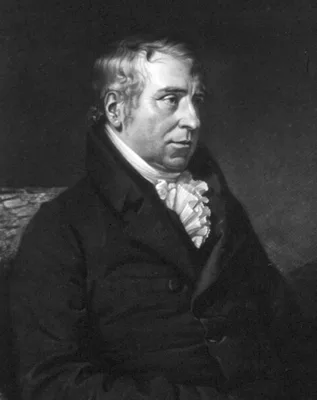
Haslam was among the first to describe general paralysis; he recorded three cases (pp. 64, 67, 92, 120).
1828 CE–1829 CE
#4523
Observations on neuroma.
Neuroma first described.
1768 CE
#4634
Observations on the dropsy in the brain.
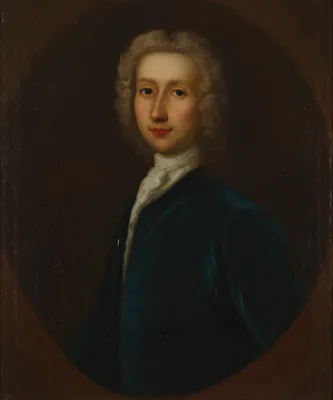
The first account of the clinical course of tuberculous meningitis in children. This work is notable for its fullness of detail and its accuracy. Whytt divided the disease into three stages, according to the character…
1801 CE
#8372
Observations on the increase and decrease of different disease, and particularly of the plague.
Heberden observed that the number of deaths from dysentery sharply decreased over the 18th century, but that deaths attributed to apoplexy increased. Digital facsimile from the Internet Archive at this link.
1765 CE
#4841
Observations on the nature, causes, and cure of those disorders which have been commonly called nervous hypochondriac, or hysteric, to which are prefixed some remarks on the sympathy of the nerves.
“First important English work on neurology after Willis” (Garrison).
1783 CE
#1385
Observations on the structure and functions of the nervous system.
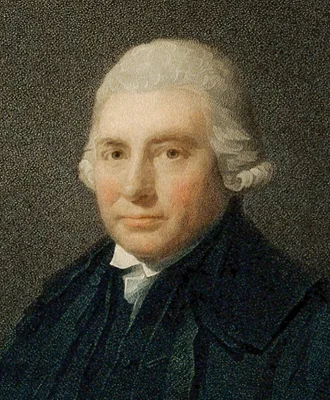
Monro discovered the communication between the lateral ventricles of the human brain with each other and with the third ventricle, the “foramen of Monro”. Alexander secundus was the greatest of the three M…
1831 CE
#4828
Observations sur une espèce de tétanos intermittent.
Dance’s important early description of parathyroid tetany followed closely on that of Steinheim.
1614 CE
#3789
Observationum in hominis affectibus plerisque, corpori & animo, functionum laesione, dolore, aliave molestia & vitio incommodantibus, libri tres.
First known report of a case of death from hypertrophy of the thymus, in an infant, is reported on p. 172; it is reproduced on p. 239 of J. Ruhräh’s Pediatrics of the past, New York, 1925. Platter first des…
1934 CE
#12046
Oeuvre scientifique. Recueil des principaux travaux publié par les soins de J. A. Barré.
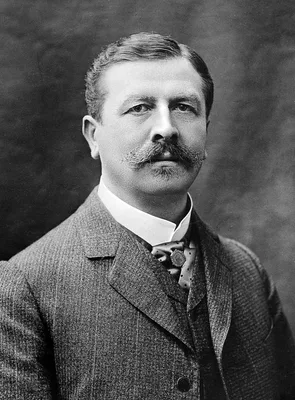
Collected edition of Babinski's previously published works edited by Barré and numerous other editors. Contents: La méthode en sémiologie. - Sémiologie. - Tumeurs cérébrales e…
1886 CE–1891 CE
#84
Œuvres complètes ed J.-M. Charcot. Recueillies et publiées par D. M. Bourneville [and others]. 9 vols.
Charcot, famous teacher at La Salpêtrière, created there the greatest neurological clinic of his time. He was a pioneer of psychotherapy and left many memorable descriptions of nervous disorders. Pierre M…
1805 CE
#313
Oeuvres de Vicq-d'Azyr recueillie et publiées avec des notes et un discours sur sa vie et ses ouvrages par Jacq[ues] L[ouis]- Moreau [de la Sarthe]. 6 vols. and atlas.
Vicq d’Azyr has been called the greatest comparative anatomist of the 18th century. The mammillo-thalamic tract is named the “bundle of Vicq d’Azyr”. See No. 401.2. Digital facsimile of from th…
1776 CE
#4516
Of a painful affection of the face.
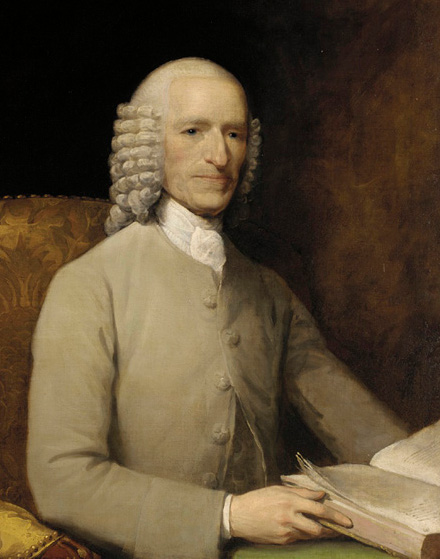
Original description of facial neuralgia. Reprinted in Med. Classics, 1940, 5, 100-06.
1886 CE
#1883.01
Om Periodiske Depressionstilstande og deres Patogenese.
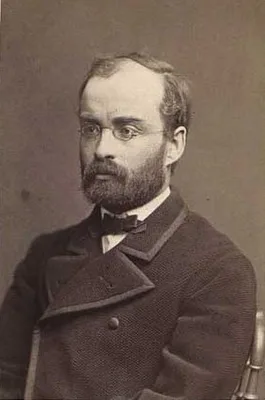
Lange was the first to use a mixture of drugs containing lithium carbonate for the preventive treatment of periodic depression. This work contains the “first unequivocal account of prophylactic drug treatment fo…
1867 CE
#4697
On a case of muscular atrophy, with disease of the spinal cord and medulla oblongata.
First important account of syringomyelia.
1872 CE
#4547
On a case of paralysis of the tongue from haemorrhage in the medulla oblongata.
Jackson here described the syndrome consisting of paralysis of half the tongue, the same half of the palate, and of one vocal cord – “Jackson’s syndrome”.
1822 CE
#4521
On a peculiar disease resulting from the use of ardent spirits.
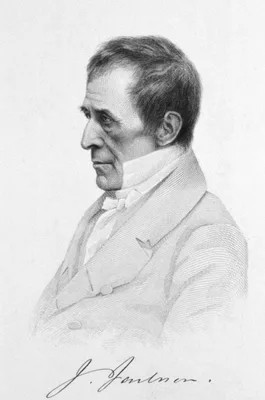
Jackson drew attention to alcoholic neuritis – arthrodynia a potu. Jackson was professor at Boston Medical School.
1869 CE
#4540
On an interesting series of eye symptoms in a case of spinal disease, with remarks on the action of belladonna on the iris.
“Argyll Robertson pupil” first described. See also his later paper in the same journal, 1869, 15, 487-93. Reprinted in Med. Classics, 1937, 1, 851-76.
1887 CE
#4705
On arrested cerebral development, with special reference to its cortical pathology.
Sachs described the cerebral changes in amaurotic familial idiocy. Earlier, Tay (No. 5918) had recorded the ocular manifestations of this condition, which became known as “Tay-Sachs’s disease”. Two f…
1879 CE
#5917
On astigmatism as a cause for persistent headache and other nervous symptoms.
Thomson was a pioneer in the study of refraction. He was much interested in color-blindness and modified Holmgren’s wool-skein test. Himself affected with hypermetropia, he made important investigations on this …
1877 CE
#4745
On cerebritis, hysteria, and bulbar paralysis, as illustrative of arrest of function of the cerebro-spinal centres.
The case of “bulbar paralysis” (pp. 45-55) is believed to be the first definite record of myasthenia gravis.
1911 CE
#3319.1
On certain clinically obscure malignant tumours of the naso-pharyngeal wall.
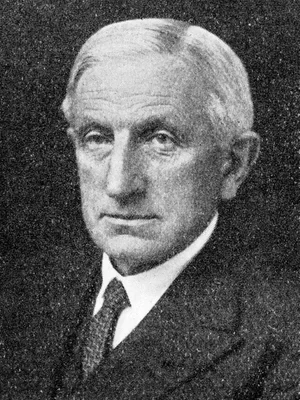
“Trotter’s syndrome”; deafness, palatal paralysis, and facial neuralgia, usually due to a nasopharyngeal carcinoma.
1894 CE
#11273
On chorea and choreiform affections.
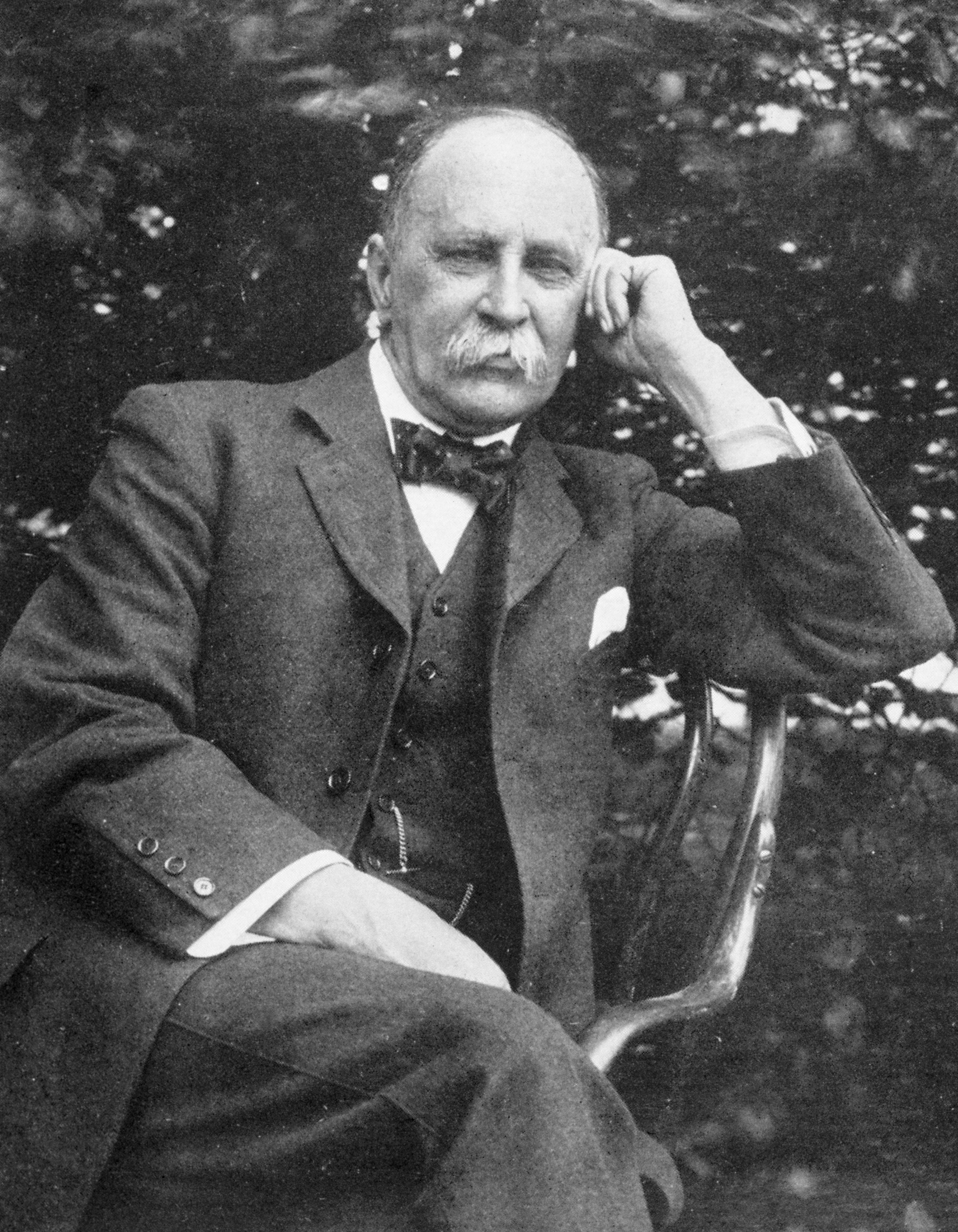
"One year after Charcot's death, Osler published On Chorea and Choreiform Affectations (1894), and in this pithy monograph, Osler offered a particularly useful evaluation of Charcot's neurological contributions. Where…