Facets
Browse across eight MeSH (opens in new tab) facets — era, geography, science, specialty, technology, history, culture, and reference. Select one tag per group; counts update across the others.
Clear filtersFacet filters
Geography
Specialties & Disease
- Anatomy & Pathology 765
- Cardiology & Blood 914
- Neurology & Psychiatry 1,256
- Obstetrics & Reproductive 550
- Infectious Disease (General) 147
- Surgery & Anesthesia 1,551
- Public Health 1,129
- Immunology & Dermatology 1,404
- General Clinical Medicine 480
- Military Medicine 436
- Psychology 202
- Alternative & Fringe Medicine 383
- Pediatrics 247
- Ophthalmology & Vision 412
- ENT & Hearing 293
- Urology & Nephrology 309
- Gastroenterology & Hepatology 316
- Pulmonary & Respiratory 233
- Rheumatology, Rehab & Pain 188
- Internal, Emergency & Geriatric 123
- Veterinary Medicine 165
- Epidemiology & Demography 397
- Physiology & Embryology 923
- Dentistry 259
- Plagues & Epidemics 1,279
- Microbiology & Virology 1,080
Social & Historical Studies
Institutions & Culture
Reference & Scholarly Works
914 entries match Cardiology & Blood [C14 / C15]
1812 CE
#2740
On rheumatism of the heart.
David Pitcairn is accredited with the first reference to rheumatism as a cause of cardiac disease, in a lecture given in 1788. Jenner read a paper on the same subject in 1789, but the first clinical report on the subj…
1852 CE
#2758
On some of the principal effects resulting from the detachment of fibrinous deposits from the interior of the heart, and their mixture with the circulating blood.
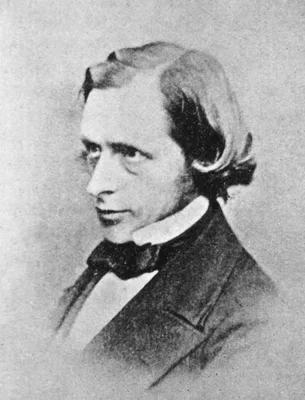
A classic description of embolism resulting from intracardiac coagula. Reprinted in Willius & Keys: Cardiac classics, 1941, pp. 474-82.
1896 CE
#647
On the absorption of fluids from the connective tissue spaces.
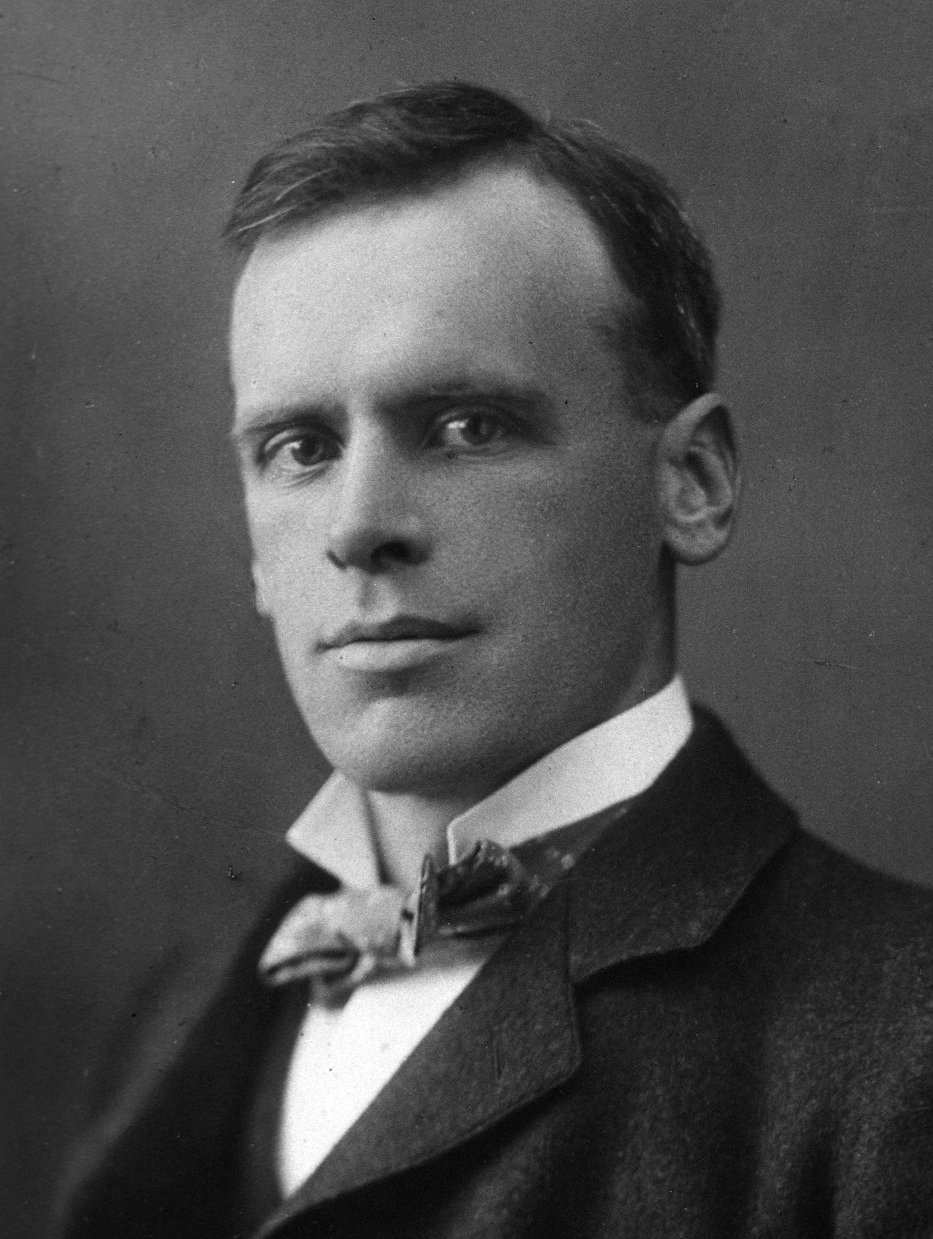
Starling discovered the functional significance of the serum proteins.
1903 CE
#895
On the appearance and significance of certain granules in the erythrocytes of man.
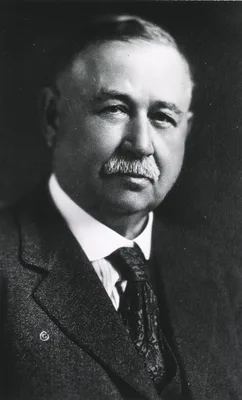
Reticulocytes described.
1902 CE
#5689
On the avoidance of shock in major amputations by cocainization of large nerve-trunks preliminary to their division.
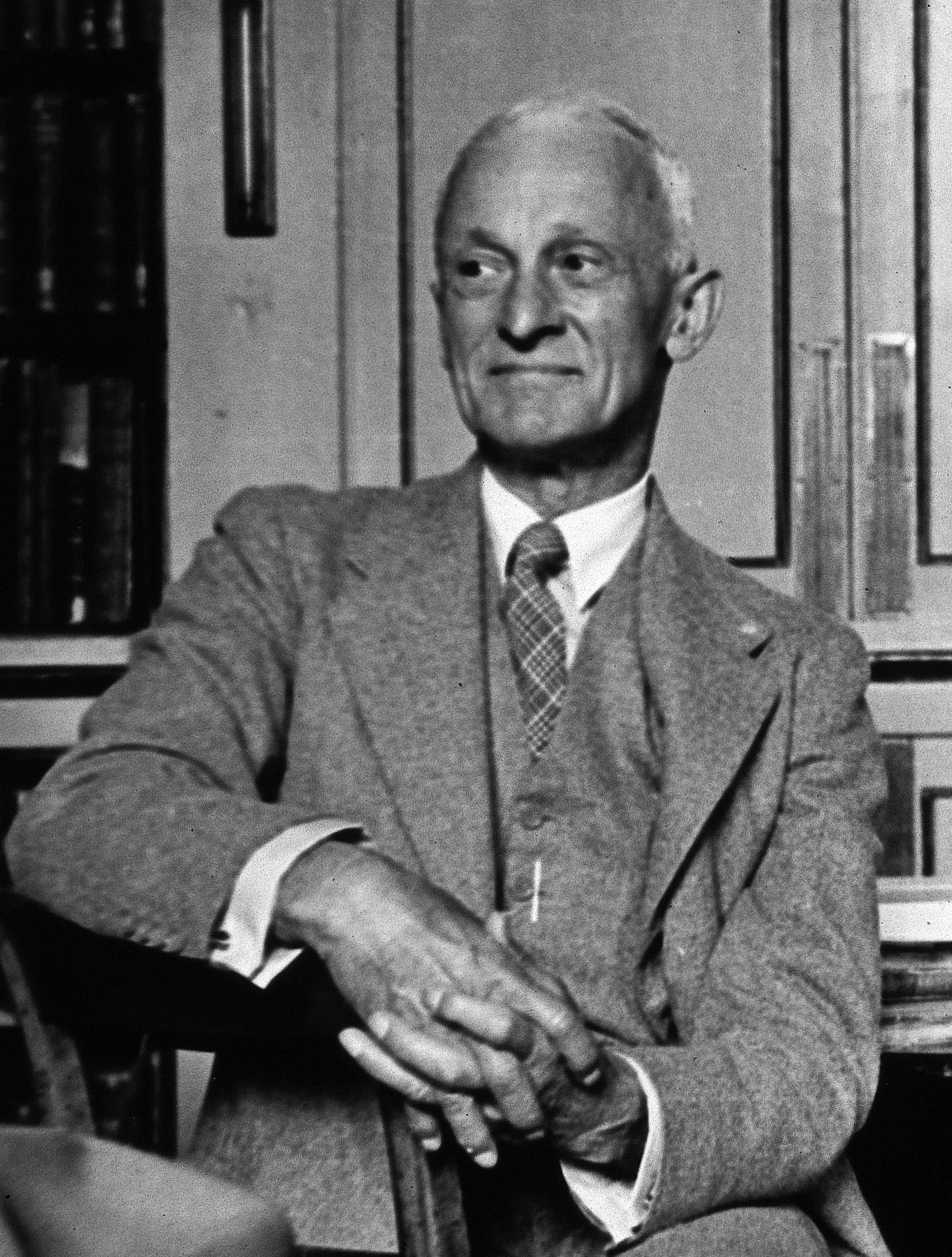
William S. Halsted was first to use infiltration anesthesia (see No. 5679) and it was later developed by Cushing.
1845 CE
#865
On the coagulation of blood and other fibriniferous liquids.
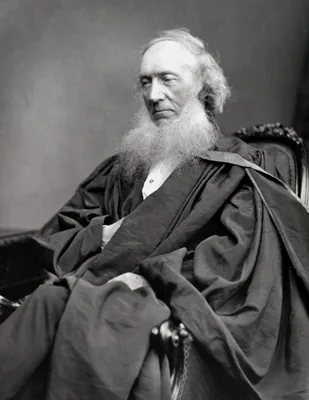
Buchanan extracted the fibrin ferment of blood. He showed that it was capable of coagulating blood and other serous fluids not in themselves coagulable.
1863 CE
#871
On the coagulation of the blood.
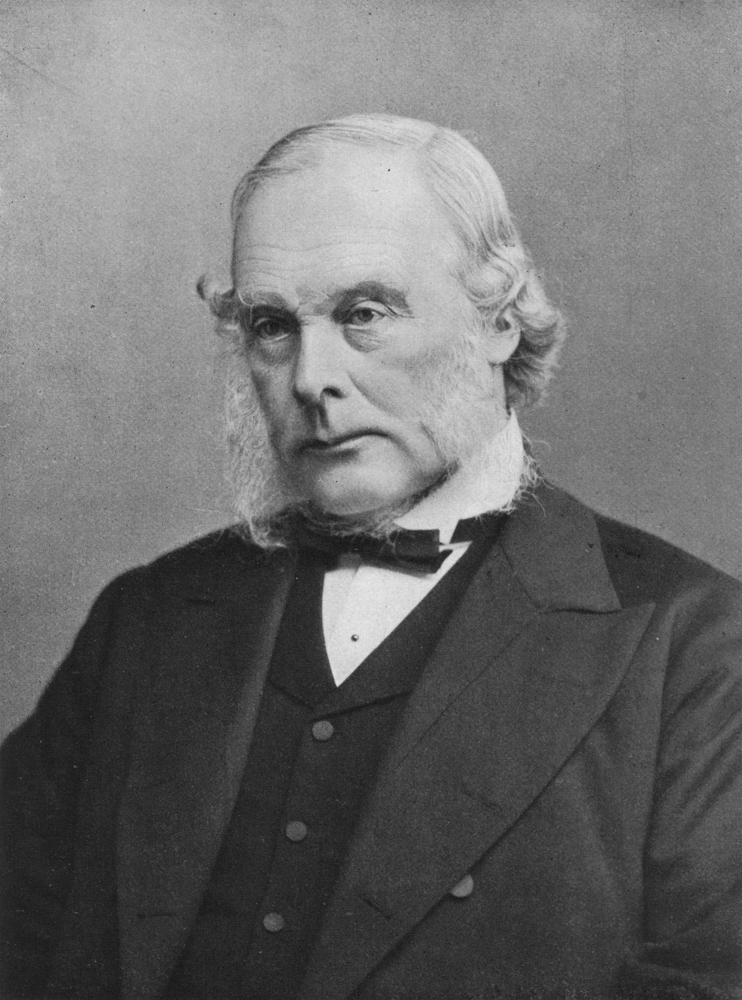
In his Croonian Lecture Lister exploded the theory that blood coagulation is due to ammonia and showed that, in the blood vessels, it depends upon their injury. He further showed that by carrying out the strictest pre…
1855 CE
#3864
On the constitutional and local effects of disease of the supra-renal capsules.
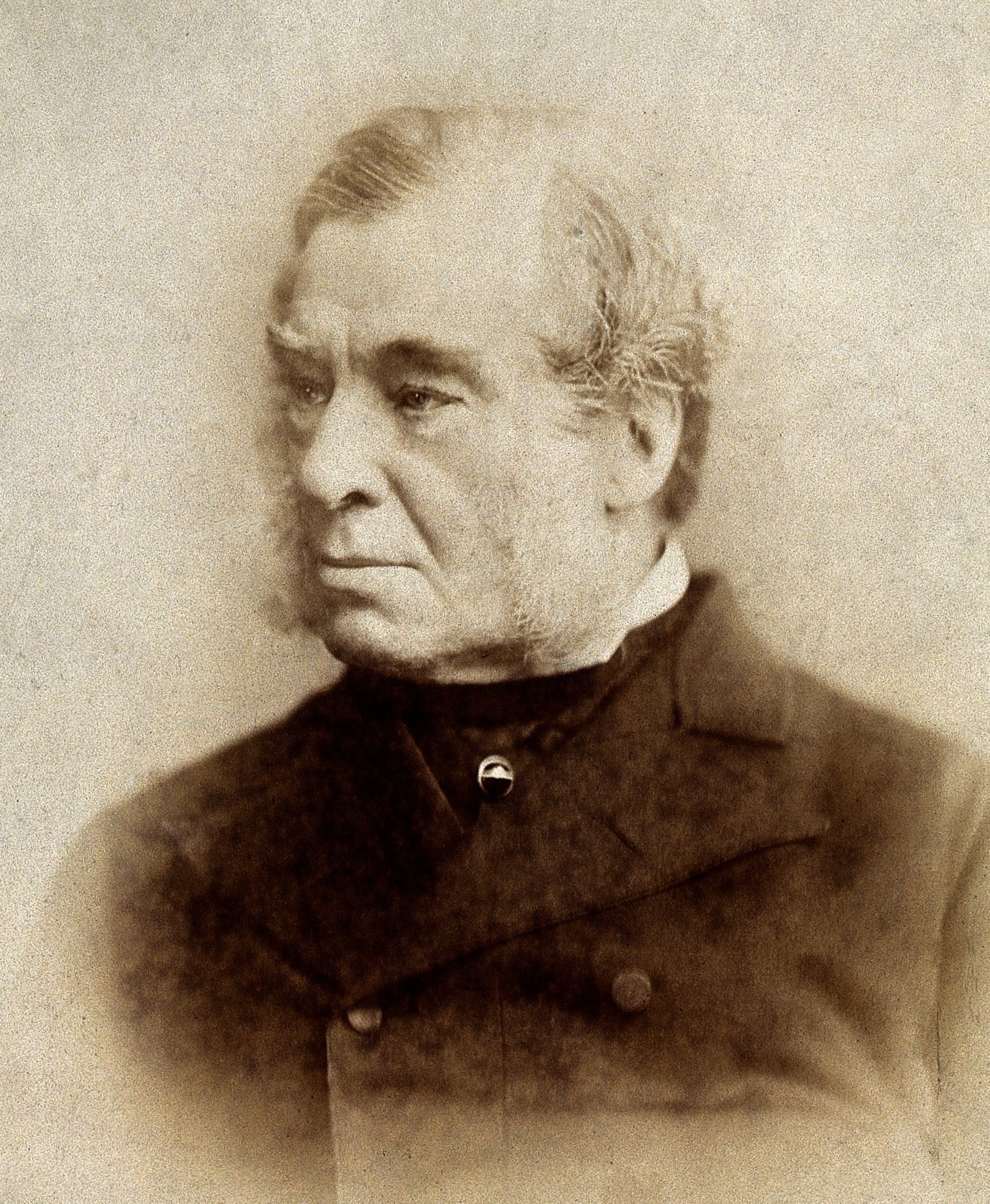
Addison was the first to draw attention to the importance of the adrenals in clinical medicine. The above work first appeared in the Lond. med. Gaz., 1849, 43, 517-18, and was later expanded into book form. It describ…
1870 CE
#2768
On the etiology and prevalence of diseases of the heart among soldiers.
First description of “Da Costa’s syndrome” – the “effort syndrome” of Sir Thomas Lewis.
1923 CE
#3136.2
On the existence of more than four isoagglutinin groups in human blood.
First genetic study of sickling.
1875 CE
#12235
On the interpretation of cardiographic tracings, and the evidence which they afford as to the causation of the murmurs attendant upon mitral stenosis.
"The first case of heart block in a human documented graphically was reported in 1875 by British physician Alfred Galabin. He published an apical pulse tracing from a 34-year-old man with a two-year history of lighthe…
1871 CE
#2771
On the murmurs attendant on mitral contraction.
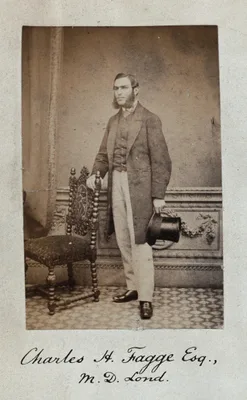
Important and exhaustive account of the knowledge of presystolic murmurs. Fagge’s paper also includes many clinical observations relating to the rhythm of heart murmurs and the state of the sounds of the heart i…
1863 CE–1864 CE
#872
On the reduction and oxidation of the colouring matter of the blood.
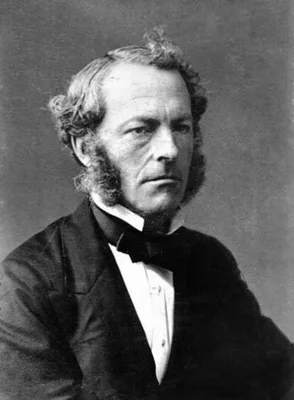
Discovery that oxygen can be removed from hemoglobin by reducing agents.
1893 CE
#786
On the results of ligation of the coronary arteries.
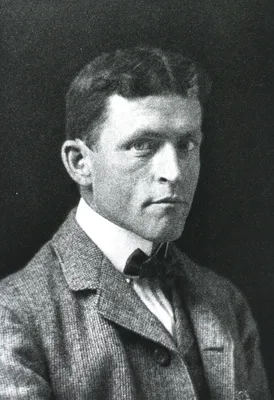
“Following coronary ligation Porter noted that the procedure frequently resulted in fibrillary contractions of the heart and sudden death. However, death did not always occur and this led him to conclude that Co…
1828 CE–1829 CE
#2746
On the retroversion of the valves of the aorta.
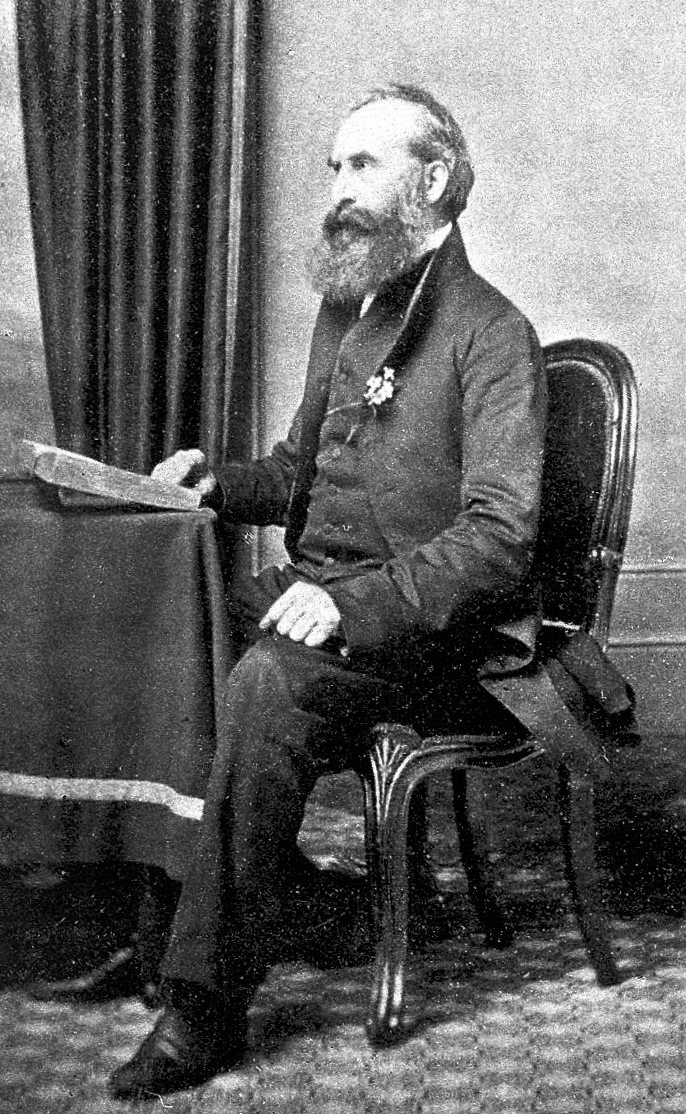
Aortic insufficiency is usually associated with the name of Corrigan, but Hodgkin’s account antedates Corrigan by three years.
1882 CE
#829
On the rhythm of the heart of the frog, and on the nature of the action of the vagus nerve.
Croonian Lectures, 1881. Gaskell’s classical memoir on the muscles and nerves of the heart included a description of “Gaskell’s nerves”, the accelerator nerves of the heart. He showed that the …
1867 CE
#2890
On the use of nitrite of amyl in angina pectoris.
Lauder Brunton was responsible for the introduction of amyl nitrite for the alleviation of angina. Reprinted in F. A. Willius & T. E. Keys: Cardiac classics, 1941, pp. 561-64.
1817 CE
#9701
On transfusion of blood in extreme cases of haemorrhage.
In 1816 Leacock, from Barbados, reported systematic experiments in Edinburgh on dogs and cats that established that donor and recipient must be of the same species, and recommended inter-human transfusion; he then ret…
1674 CE
#2727
Opera medica universa.
Riverius was the first to note aortic stenosis (p. 638 of the above).
1775 CE–1776 CE
#75
Opera medica. 3 vols.
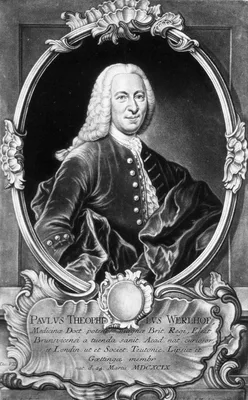
Werlhof, a contemporary and friend of Haller, is remembered for his classic description of purpura haemorrhagica (see No. 3052). He was Court physician at Hannover.
1645 CE
#61.2
Opera quae extant omnia. Ex recension Joh. Antonidae vander Linden.
Spieghel succeeded Casseri in the chair of anatomy at Padua. This edition of his collected writings contains the second printing of the 97 copperplates first printed in Casseri’s Tabulae anatomicae (No. 381) plu…
1929 CE
#2989
Operative decompression of aortic aneurysm by carotid-jugular anastomosis.
Babcock’s operation for aortic aneurysm.
1948 CE
#12359
Orally administered penicillin in patients with rheumatic fever.
Massell and colleagues demonstrated that rheumatic fever could be prevented by penicillin treatment of streptococcal throat infections. (Order of authorship in the original publication: Massell, Dow, Jones.) See also:…
1824 CE
#11599
Original cases with dissections and observations illustrating the use of the stethoscope and percussion in the diagnosis of diseases of the chest: Also commentaries on the same subjects selected and translated from Auenbrugger, Corvisart, Laennec and others
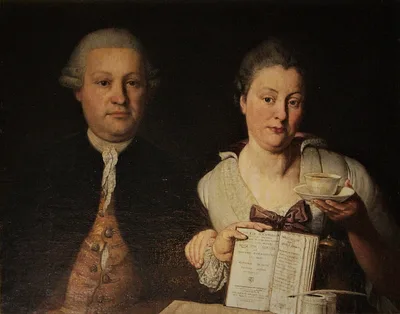
This is the earliest English work on the stethoscope. It "includes the first English translation of Auenbrugger's book on percussion, selected sections from Laennec's book on auscultation, and detailed reports from 39…
1933 CE
#2028.41
Origine e vicende della trasfusione del sangue. Considerazioni storico-critche.
1931 CE
#3092
Over een familiaire anomalie der leucocyten.
Pelger–Huët anomaly of the nuclei of the leucocytes; see also No. 3089. German translation in Klin. Wschr., 1932, 11,1264-66.
1964 CE
#11672
Parasites of the human heart.
1922 CE
#2896
Paravertebrale Novokaininjektionen zur Differentialdiagnose intra-abdomineller Erkrankungen.
First paravertebral injection for the treatment of angina pectoris.
1906 CE
#2822
Paroxysmal irregularity of the heart and auricular fibrillation.
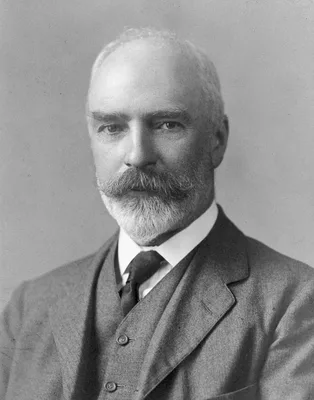
First recognition of auricular fibrillation in man. Cushny and Edmunds had a case under their care in 1901. Hering described the condition in man in Prag. med. Wschr.,1903, 28, 377. The Cushing & Edmunds paper was als…
1846 CE
#3062.1
Particulars of a case in which enormous enlargement of the spleen and liver, together with dilatation of all the blood vessels of the body, were found coincident with a peculiarly altered condition of the blood.
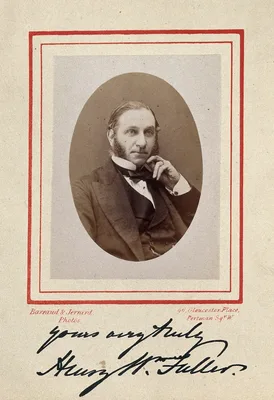
Leukemia diagnosed during life as the result of a blood examination.
1887 CE
#2984
Pathogenese (Histogenese und Aetiologie) der Aneurysmen einschliesslich des Aneurysma equi verminosum.
1814 CE
#2740.1
Pathological researches. Essay I. On malformations of the human heart. [All published.]
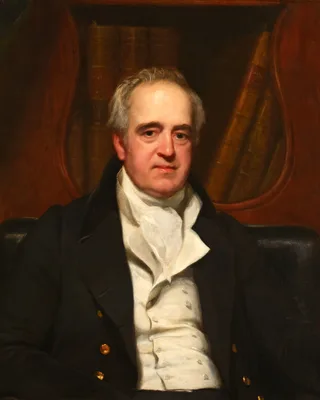
The first monograph on congenital defects of the heart.
1905 CE
#3077
Pathologie der Primärerkrankungen des lymphatischen und hämatopoetischen Apparates.
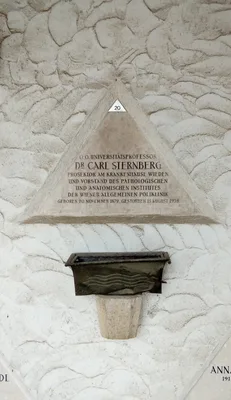
Includes (p. 151) Sternberg’s description of lymphogranulomatosis, which was given the eponym “Sternberg’s disease”.
1910 CE
#3133
Peculiar elongated and sickle-shaped red blood corpuscles in a case of severe anemia.
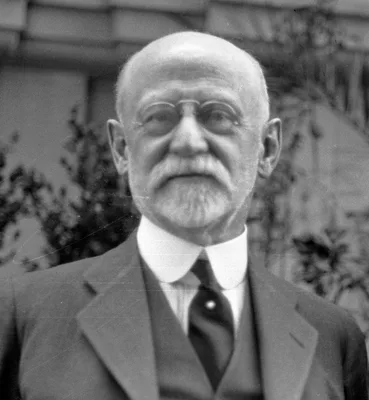
Identification of the sickle-cell type of anemia. Abstract "This case is reported because of the unusual blood findings, no duplicate of which I have ever seen described. Whether the blood picture represents merely a …
1837 CE
#3058
Peliosis rheumatica. In his Allgemeine und specielle Pathologie und Therapie, 2, 48-49.
“Schönlein’s disease” (purpura) first described. English translation in No. 2241.
1948 CE
#2880
Penicillin in subacute bacterial endocarditis. Report to the Medical Research Council on 269 patients treated in 14 centres appointed by the Penicillin Clinical Trials Committee.
1908 CE
#3080
Per la patogenesi e per la diagnosi delle malattie del sangue e degli organi emopoietici. Puntura esplorativa del midollo osseo.
Introduction of bone marrow biopsy by puncturing the shaft of the tibia.
1929 CE
#3018
Phlébites, thromboses et embolies post-opératoires.
1863 CE
#11690
Physiologie médicale de la circulation du sang basée sur l'étude graphique des mouvements du coeur et du pouls artériel avec application aux maladies du l'appareil circulatoire.
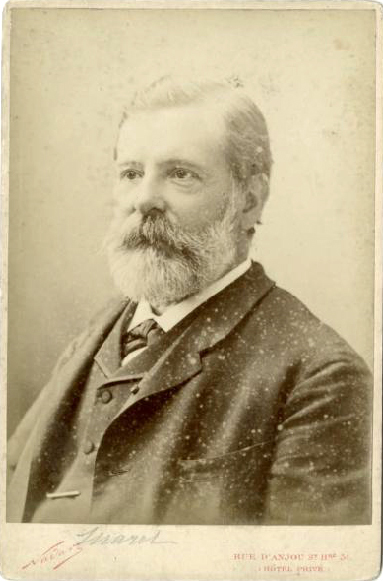
Marey first recorded atrial fibrillation in this work work in which he used pulse tracings to establish the interelationship of heart rate and blood pressure. The work also includes the first detailed description of t…
1832 CE
#2748.1
Physiologisch-chirurgische Beobachtungen bei Cholera-Kranken.
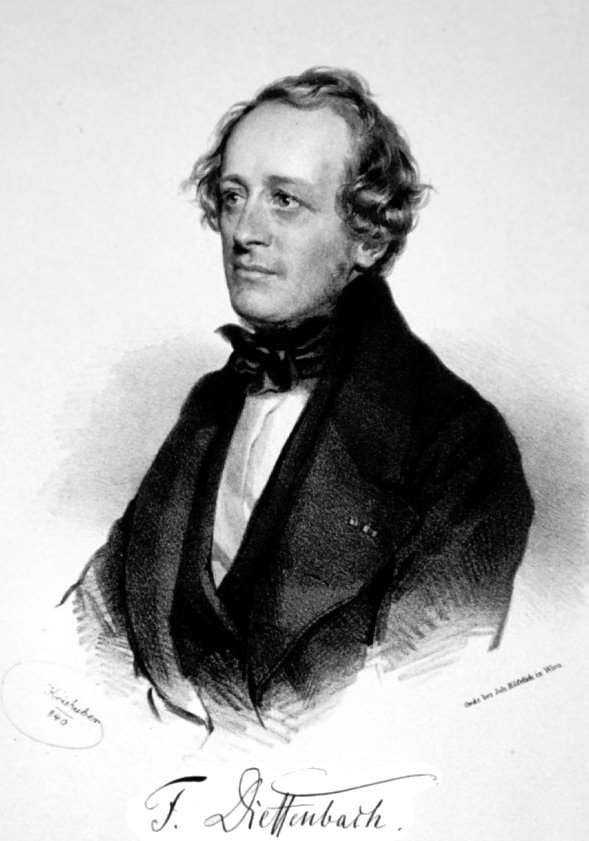
First recorded example of cardiac catheterization, performed during an unsuccessful attempt to obtain blood from a patient suffering from cholera (p. 100). Second edition as separate pamphlet with a new Foreward, G&uu…
1988 CE
#11507
Pioneers of cardiology in Canada 1820-1970.
1896 CE
#2802
Practical aids in the diagnosis of pericardial effusion, in connection with the question as to surgical treatment.
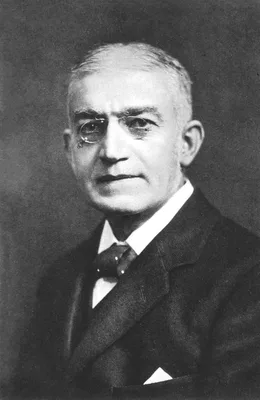
Pulmonary collapse at the left base in pericardial effusion – “Ewart’s sign”.
1938 CE
#2868
Praecordial leads in electrocardiography. A joint memorandum of a committee of the Cardiac Society of Gt. Britain and Ireland and the Committee of the American Heart Association.
PRECORDIAL LEADS
Also in Amer. Heart J.,1938, 15,107-08, 235-39. Precordial leads are also called unipolar leads.
1963 CE
#2883.6
Preliminary studies of an acute coronary care area.
Hughes is credited with inventing the coronary care unit, and the "crash cart"
1948 CE
#1092
Presence of cobalt in the anti-pernicious anaemia factor.
Independently of Rickes et al., Lester Smith isolated vitamin B12 in Britain. See also Nature (Lond.), 1948, 161, 638.
1950 CE
#2028.1
Prevention of haemolysis during freezing and thawing red blood-cells.
Demonstration that human blood diluted with equal volumes of 30% glycerol in Ringer’s lactate solution could be frozen at -79° C and thawed after eight weeks without damage.
1867 CE
#9869
Prize essay. Ancient transfusion and infusion compared with modern transfusion, infusion, and hypodermic or subcutaneous injections. Translated by Charles F. Wittig.
A comprehensive review, for the time, of the historical literature on these subjects. Digital facsimile from Google Books at this link.
1935 CE
#2022
Procedure and apparatus for preservation in “lyophile” form of serum and other biological substances.
2005 CE
#10593
Profiles in cardiac pacing and electrophysiology.
2003 CE
#8674