
Facets
Browse across eight MeSH (opens in new tab) facets — era, geography, science, specialty, technology, history, culture, and reference. Select one tag per group; counts update across the others.
Clear filtersFacet filters
Geography
Specialties & Disease
- Anatomy & Pathology 1
- Cardiology & Blood 1
- Neurology & Psychiatry 0
- Obstetrics & Reproductive 0
- Infectious Disease (General) 0
- Surgery & Anesthesia 0
- Public Health 5
- Immunology & Dermatology 7
- General Clinical Medicine 3
- Military Medicine 0
- Psychology 0
- Alternative & Fringe Medicine 0
- Pediatrics 0
- Ophthalmology & Vision 0
- ENT & Hearing 1
- Urology & Nephrology 1
- Gastroenterology & Hepatology 1
- Pulmonary & Respiratory 1
- Rheumatology, Rehab & Pain 0
- Internal, Emergency & Geriatric 0
- Veterinary Medicine 0
- Epidemiology & Demography 0
- Physiology & Embryology 16
- Dentistry 1
- Plagues & Epidemics 0
- Microbiology & Virology 2
Social & Historical Studies
Institutions & Culture
Reference & Scholarly Works
Drugs & Technology
76 entries match Professions & Education [M01 / N02] · Chemistry & Biochemistry [K01.900.200]
1974 CE
#14315
"Conformational Coupling in Biological Energy Transductions." In L. Ernster et al. (eds.), Dynamics of Energy-Transducing Membranes, pp. 289-301.
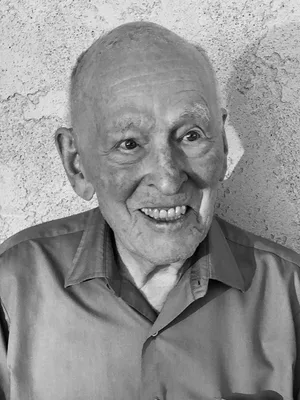
In 1997 Boyer shared the Nobel Prize in Chemistry with John Walker and Jens C. Skou “for their elucidation of the enzymatic mechanism underlying the synthesis of adenosine triphosphate (ATP).” The Nobel Pr…
1977 CE
#6926
A new method for sequencing DNA.
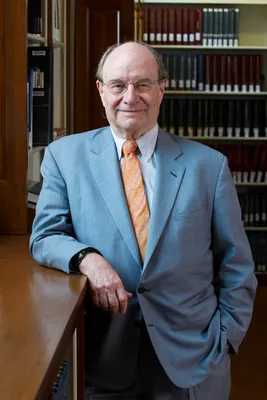
The Gilbert-Maxam method for sequencing DNA. This paper is available from PNAS at this link. In 1980 Gilbert shared the 1980 Nobel Prize in Chemistry with Frederick Sanger and Paul Berg. Berg received half of the priz…
2012 CE
#11844
A programmable dual RNA-guided DNA endonuclease in adaptive bacterial immunity.
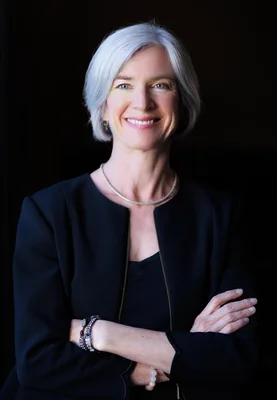
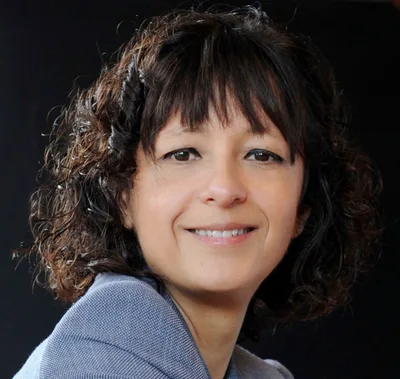
Order of authorship in the original publication: Jinek, Chylinski, Fonfar, Hauer, Doudna, Charpentier. Doudna, Charpentier and colleagues showed for the first time that the CRISPR evolutionary immune tool of bacteria …
1958 CE
#6911
A three-dimensional model of the myoglobin molecule obtained by x-ray analysis.
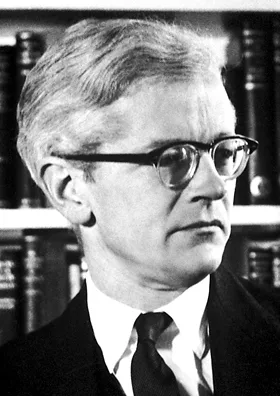
Initial paper on the first solution of the three-dimensional molecular structure of a protein. Computing the molecular structure in 3 dimensions was possible through the use of the Cambridge EDSAC stored-program elect…
1945 CE
#14284
Acetylation of sulfanilamide by liver homogenates and extracts.
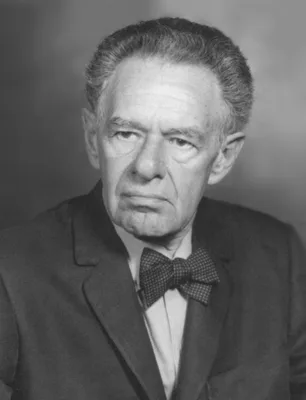
Discovery of co-enzyme A and its importance for intermediary metabolism. This discovery illuminated “the process by which cells make available the energy to drive their manufacturing processes” (Judson, p.…
1897 CE
#719.1
Alkoholische Gärung ohne Hefezellen.
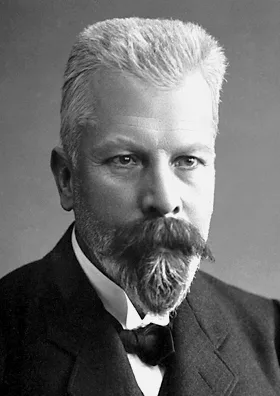
Discovery of cell-free fermentation, the turning point in the study of enzymes. In 1907 Buchner was awarded the Nobel Prize in Chemistry "for his biochemical researches and his discovery of cell-free fermentation."
2000 CE
#13982
Architecture of RNA polymerase II and implications for the transcription mechanism.
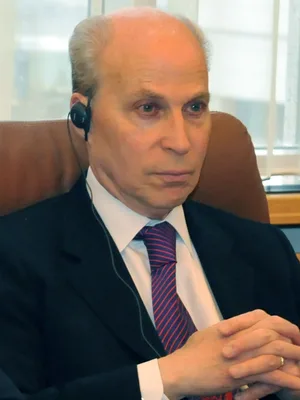
Kornberg devoted two decades to the development of methods to visualize the atomic structure of RNA polymerase and its associated protein components. Initially, Kornberg took advantage of expertise with lipid membrane…
1895 CE
#14310
Argon, a new constituent of the atmosphere.
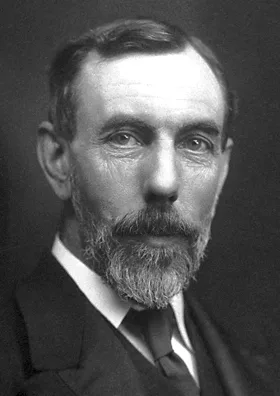
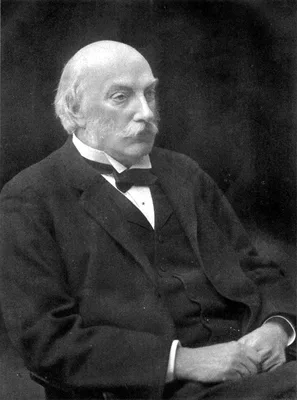
Discovery of argon, the first discovery of an inert gas. In 1904 Ramsay was awarded the Nobel Prize in Chemistry "in recognition of his services in the discovery of the inert gaseous elements in air, and his determina…
1972 CE
#257.3
Biochemical method for inserting new genetic information into DNA of simian virus 40: Circular SV40 DNA molecules containing Lambda phage genes and the galactose operon of Escherichia coli.
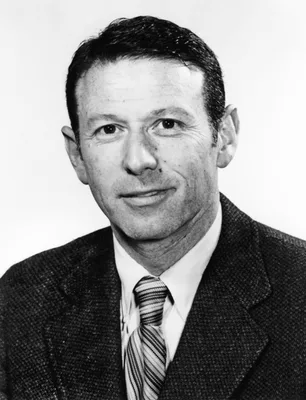
First recombinant DNA molecules generated. Digital facsimile from PubMedCentral at this link. In 1980 Berg was awarded half of the Nobel Prize in Chemistry "for his fundamental studies of the biochemistry of nucleic a…
2000 CE
#14293
Cell surface engineering by a modified Staudinger reaction.
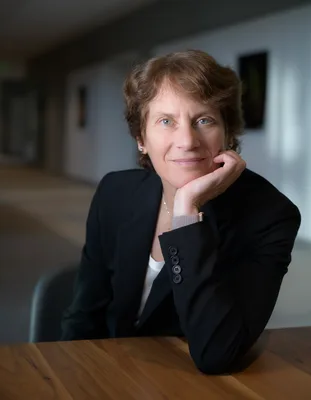
In 2022 Carolyn Bertozzi shared the Nobel Prize in Chemistry with Barry Sharpless and Morten Meldal for discovery of click chemistry. Bertozzi invented a biorthogonal variation of Sharpless and Meldal reactions. In th…
1937 CE
#751.1
Citric acid in intermediate metabolism in animal tissues.
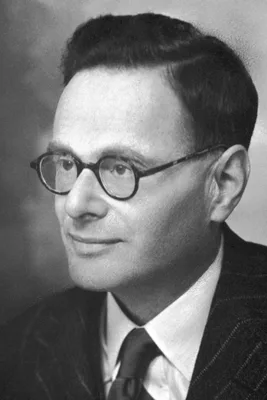
Citric acid cycle (CAC) of aerobic carbohydrate metabolism (Krebs cycle). Three months after his initial publication on CAC Krebs published a supplementary paper aimed at the medical audience, rather than the biochemi…
2001 CE
#14291
Click chemistry: Diverse chemical function from a few good reactions.
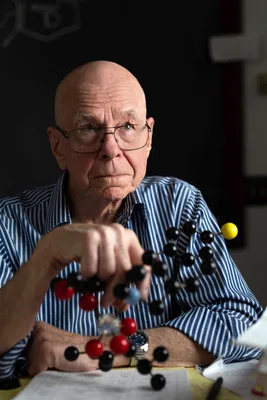

In 2022 Barry Sharpless shared the Nobel Prize in Chemistry with Carolyn Bertozzi and Morten Meldal for "the discovery of click chemistry." "Barry Sharpless coined the concept of click chemistry, where molecular build…
1981 CE
#14183
Computer averaging of electron micrographs of the 405 ribosomal subunit.
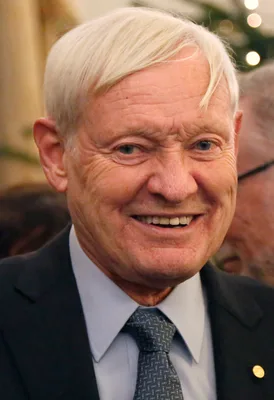
Frank and colleagues developed a method that allows sorting of particle images into classes based on their orientation, as well as their structural features. Specifically Frank developed mathematical tools used for im…
2002 CE
#14333
Crystal structure and mechanism of a calcium gated potassium channel.
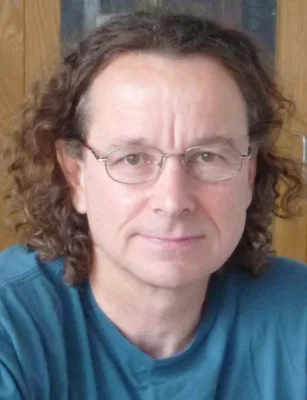
The authors first obtained the crystal structure of a Ca2+ - gated K+ ion channel and then deciphered how ion channels open and close, a process called "gating" in response to cues in their environment. They determine…
1996 CE
#13565
Crystal structure of Aequorea victoria green fluorescent protein.
Tsien and colleagues published the crystal structure of the 238 A.A. long green fluorescent protein (GFP). With this data, the authors could determine what had to be modified within the protein in such a way that the …
2011 CE
#14134
Crystal structure of the β2 adrenergic receptor–Gs protein complex.
Kobilka and colleagues published the crystal structure of a beta-2 receptor forming a complex with the G protein coupled receptor. This was the first time that a complete complex of an active receptor and it's Gs prot…
1930 CE
#1038.1
Crystalline pepsin.
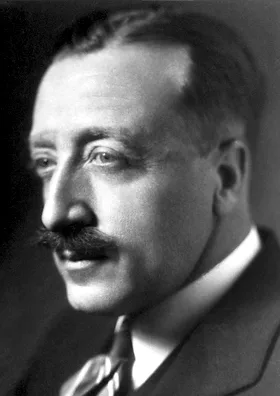
Crystallization of pepsin and its identity as a protein. In 1946 Northrop shared half of the Nobel Prize in Chemistry with Wendell Meredith Stanley "for their preparation of enzymes and virus proteins in a pure form."…
1968 CE
#752.7
Cyclic AMP.
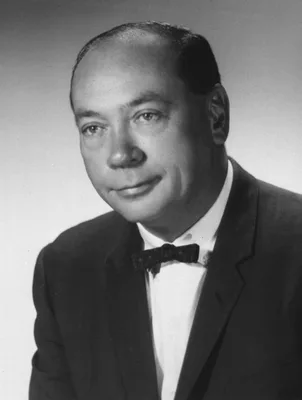
Sutherland elucidated the role of cyclic adenosine monophosphate, the second messenger mediating actions in a wide range of hormonal effects. In 1971 Sutherland was awarded the Nobel Prize in in Physiology or Medicine…
2003 CE
#14300
Design of a novel globular protein fold with atomic-level accuracy.
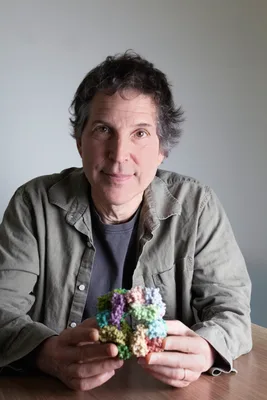
Called, "the breakthrough in computational de novo protein design." This was the proof of concept paper that computers and AI could be used to predict protein structures accurately and much faster than with convention…
1977 CE
#6883
DNA sequencing with chain-terminating inhibitors.
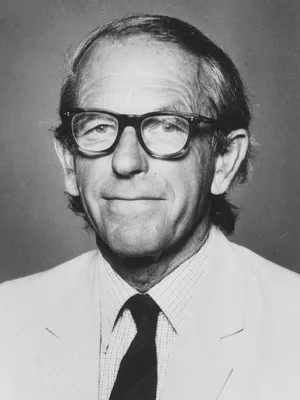
Sanger and colleagues developed methods for rapid sequencing of long sections of DNA molecules. Sanger’s method, and that developed by Gilbert and Maxam, made it possible to read the nucleotide sequence for enti…
1985 CE
#10785
Enzymatic amplication of B-globin genomic sequences and restriction site analysis for diagnosis of sickle cell anemia.
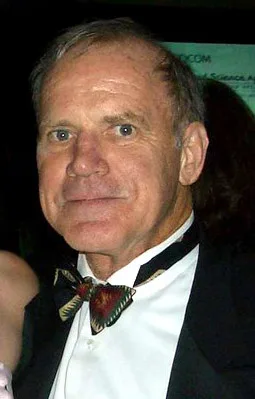
Polymerase chain reaction first published. With Randall K. Saiki, Stephen Scharf, Fred Faloona et al. Order of authorship in the original paper was Saiki, Scharf, Faloona, Mullis.... In 1993 the Nobel Prize in Chemist…
1965 CE
#14311
Enzymatic basis for the active transport of sodium and potassium across the cell membrane.
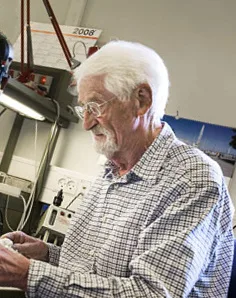
Skou discovered that the active transport of sodium and potassium is carried out in the cell membrane by an enzyme that serves as a sodium and potassium "pump," that catalyzes ATP hydrolysis. He named the enzyme "sodi…
1947 CE
#751.4
Enzymatic reactions in carbohydrate metabolism.
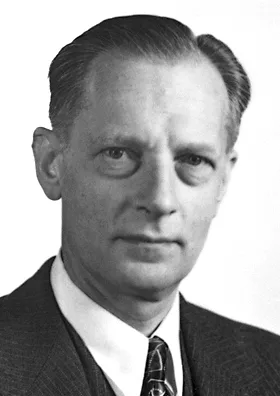
In 1947 Carl Cori and his wife Gerty Cori (1896-1957) shared the Nobel Prize (with Houssay) “for their discovery of the course of the catalytic conversion of glycogen.” They are more often remembered for t…
1956 CE
#752.4
Enzymic synthesis of deoxyribonucleic acid.
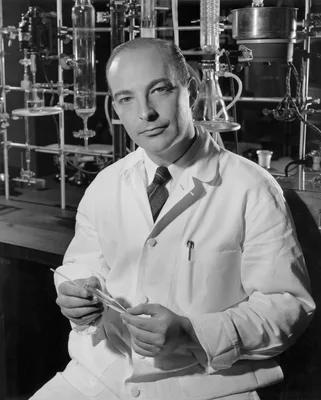
In 1959 Kornberg shared the Nobel Prize in Physiology or Medicine with Severo Ochoa "for their discovery of the mechanisms in the biological synthesis of ribonucleic acid and deoxyribonucleic acid." Order of authorshi…
1962 CE
#13562
Extraction, purification and properties of Aequorin, a bioluminescent protein from the luminous hydromedusan, Aequorea.
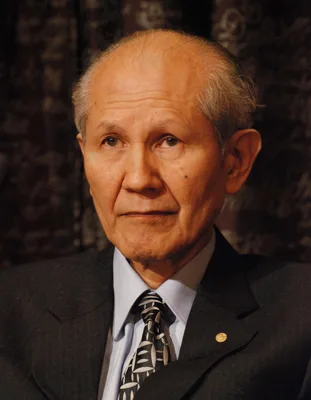
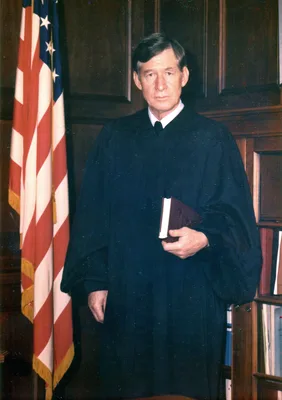

Shimomura reported the discovery of green fluorescent protein (GFP) in a single footnote in this paper that was otherwise devoted to an entirely different bioluminescent protein: photoprotein aequorin. This may be the…
1985 CE
#14339
Filamentous fusion phage: Novel expression vectors that display cloned antigens on the virion surface.
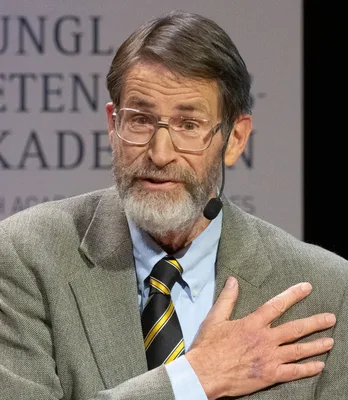
In this paper Smith invented "phage display technology," a technique where a specific protein sequence is artifically inserted into the coat protein gene of a bacteriophage, causing the protein to be expressed on the …
1994 CE
#13564
Green fluorescent protein as a marker for gene expression.
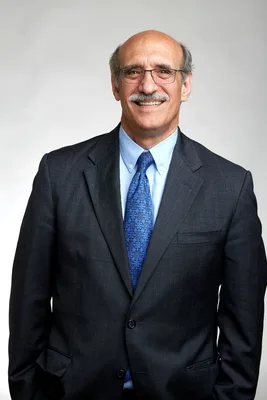
Chalfie and colleagues showed that the green fluorescent protein (GFP) from the jellyfish Aequorea victoria, could be used as a visible marker for protein localization and expression in vivo, in bacteria and worm cell…
2021 CE
#14026
Highly accurate protein structure prediction with AlphaFold.
Abstract: "Proteins are essential to life, and understanding their structure can facilitate a mechanistic understanding of their function. Through an enormous experimental effort1,2,3,4, the structures of around 100,0…
1590 CE
#2244
Historia natural y moral de las Indias.
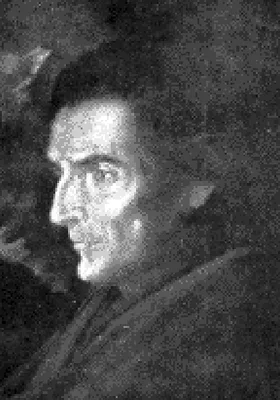
One of the earliest detailed and realistic descriptions of the New World. Acosta hypothesized that the indigenous peoples of Latin America had migrated from Asia. He also divided the native peoples into three barbaria…
1934 CE
#9340
I. Un nouveau type de radioactivité. II. Séparation chimique des nouveaux radioéléments émetteur d’électrons positifs.
Discovery of artificially produced radionuclides or radioisotopes. In February 1934, the Joliot-Curies reported the first artificial production of radioactive material after discovering radioactivity in aluminum foil …
1912 CE
#6917
Interferenz-Erscheinungen bei Röntgenstrahlen. . . . Eine quantitative Prüfung der Theorie für die Interferenz-Erscheinungen bei Röntgenstrahlen
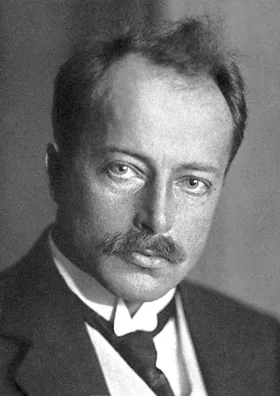
Discovery of the diffraction of X-rays in crystals. Laue’s discovery was of dual importance: it allowed the subsequent investigation of X-radiation by means of wavelength determination, and it provided the means…
1935 CE
#2524.5
Isolation of a crystalline protein possessing the properties of tobacco-mosaic virus.
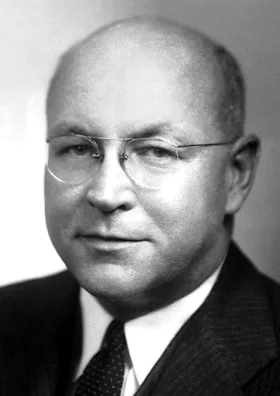
Stanley first crystallized a virus— tobacco mosaic virus. The following year Bawden, Pirie, Bernal and Fankuchen (No. 12005) showed that tobacco mosaic virus molecules are asnisometric and consist of ribonucleop…
1885 CE
#706
Lois d’équilibre chimique dans l’état dilué, gazeux ou dissous.
Van’t Hoff stated that osmotic pressure is proportional to the concentration if the temperature remains invariable, and proportional to the absolute temperature if the concentration remains invariable. In 1901 V…
1983 CE
#14140
Mammalian beta-adrenergic receptors. Structural differences in beta 1 and beta 2 subtypes revealed by peptide maps.
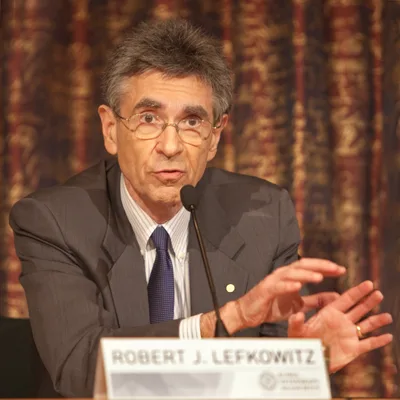
Lefkowitz and colleagues showed that there are two different types of beta receptors, distinguishing them as Beta-1 and Beta-2. They noticed that each has specific pharmacological characteristics. Order of authorship …
1978 CE
#13986
Mutagenesis at a specific position in a DNA sequence.
Smith and Hutchison introduced site-directed mutagenesis, or oligonucleotide-directed mutagenesis, into molecular biology, resolving the problem of how to determine the effect of a single mutant gene with efficiency. …
1942 CE
#14239
On the utilization of acetic acid for cholesterol formation.
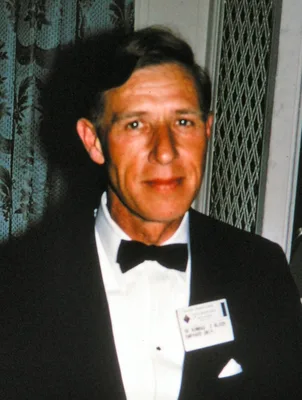
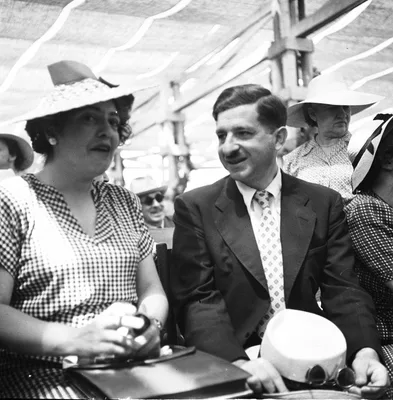
See also, Rittenberg & Bloch, "The Utilization of Acetic Acid for the Synthesis of Fatty Acids," J. Biol. Chem. 160, 1945, 417-424. Bloch, "The Biological Conversion of Cholesterol to Pregnanediol," J. Biol. Chem. 157…
1563 CE–1564 CE
#1093
Opuscula anatomica.
Eustachius is credited with several anatomical discoveries, among them the tensor tympani muscle and the Eustachian tube, published in his chapter entitled De auditus organis. In the last respect, however, he was anti…
2002 CE
#14292
Peptidotriazoles on Solid Phase: [1,2,3]-Triazoles by Regiospecific Copper(I)-Catalyzed 1,3-Dipolar Cycloadditions of Terminal Alkynes to Azides.
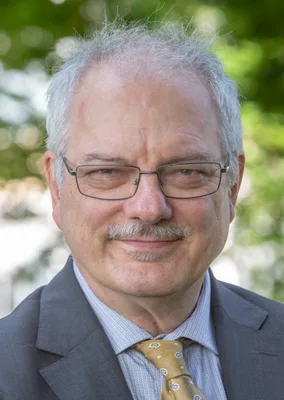
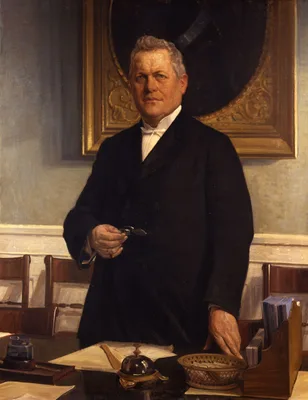
In 2022 Morten Meldal shared the Nobel Prize in Chemistry with Carolyn Bertozzi and Barry Sharpless for the discovery of click chemistry. Simultaneously, but independently of Sharpless, the authors discovered that cop…
1990 CE
#14340
Phage antibodies: Filamentous phage displaying antibody variable domains.
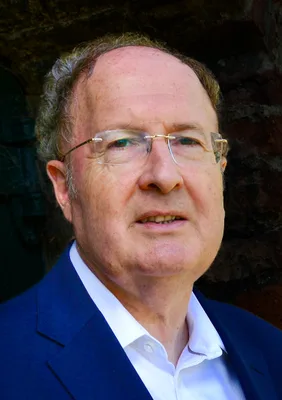

Working in the Laboratory of Molecular Biology at Cambridge University, Winter became interested in the idea that all antibodies have the same basic structure, with only small changes making them specific for one targ…
1946 CE
#14317
Radioactive Element 94 from deuterons on uranium.
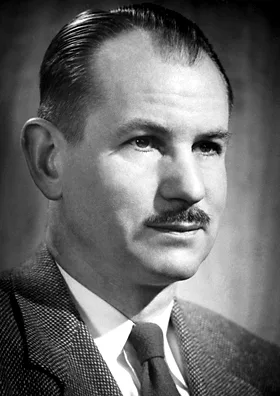
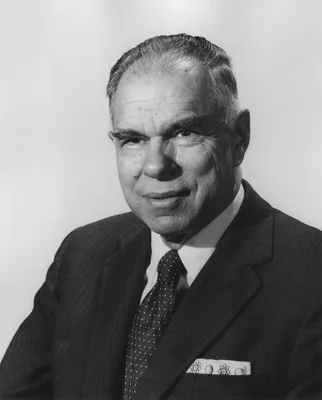
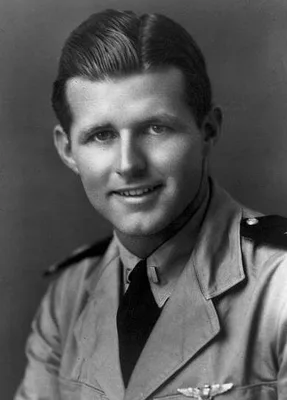
"This letter was received for publication on the date indicated (January 28, 1941), but was voluntarily withheld from publication until the end of the war." Seaborg and McMillan discovered element 94, which they named…
1884 CE
#14278
Recherches sur la conductibilité galvanique des electrolytes. 1 & 2.
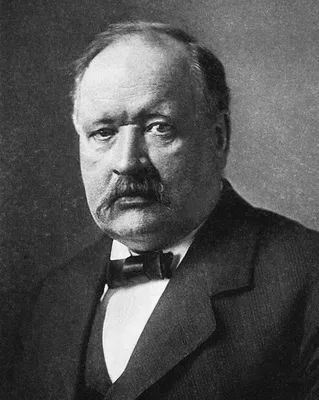
Arrhenius first published the theory of electrolytic dissociation in his doctoral thesis of 1884. In 1903 he received the Nobel Prize in chemistry "in recognition of the extraordinary services he has rendered to the a…
1968 CE
#13935
Reconstruction of three-dimensional structures from electron micrographs.
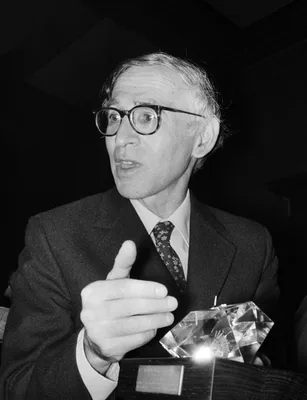
Klug and deRosier invented methods for two-dimensional and three-dimensional digital image processing of electron microscope images. The latter method provided the theory behind the development of computed tomography …
1973 CE
#14241
Regulation of 3-Hydroxy-3-Methylglutaryl Coenzyme A Reductase activity in human fibroblasts by lipoproteins.
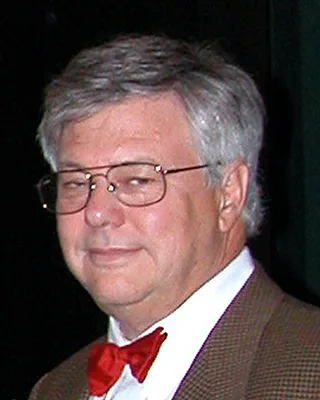
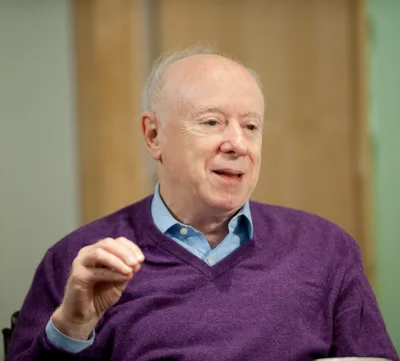
Goldstein and Brown discovered that human cells have low-density lipoprotein (LDL) receptors that remove cholesterol from the blood and that when LDL receptors are not present in sufficient numbers, individuals develo…
1979 CE
#6901
Resolution of the ATP-dependent proteolytic system from reticulocytes: a component that interacts with ATP.
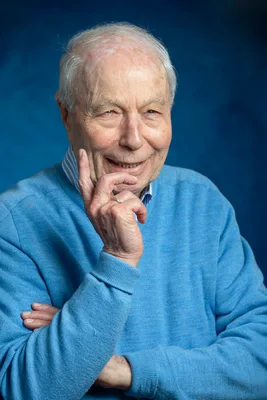
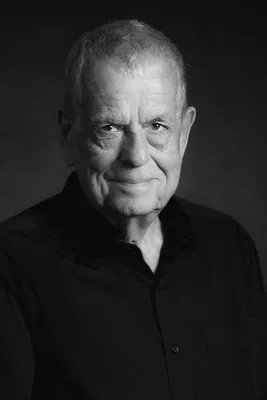
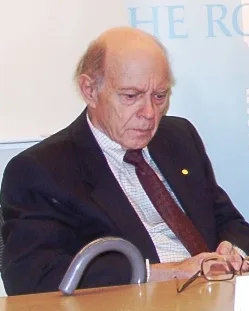
Discovery of ubiquitin-mediated protein degradation. The paper is available at doi:10.1073/pnas.76.7.3107,PMC 383772, PMID 290989. See also Hershko, A.; Ciechanover, A.; Heller, H.; Haas, A.L.; Rose, I.A. (1980), "Pro…
1982 CE
#13932
Self-splicing RNA: Autoexcision and autocyclization of the ribosomal RNA intervening sequence of tetrahymena.
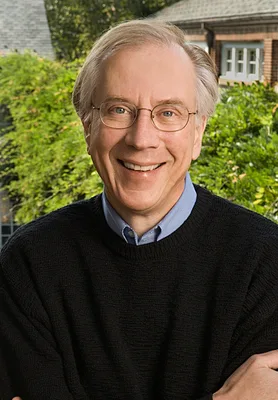

Discovery of ribozymes (ribonucleic acid enzymes). Cech discovered that RNA itself could cut strands of RNA, suggesting that life might have started as RNA. "In the 1970s, Cech had been studying the splicing of RNA in…
1994 CE
#14314
Structure at 2.8 Â resolution of F1-ATPase from bovine heart mitochondria.
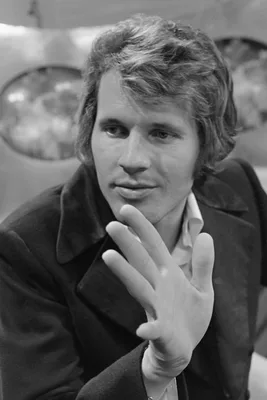
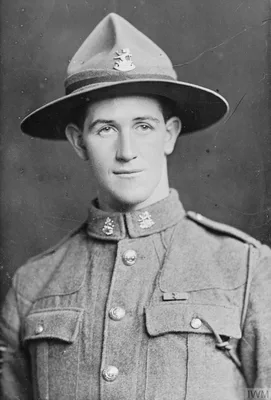
Walker used X-ray crystallography to determine the structure of ATP synthase (ATPase or adenosine triphosphatase). In 1997 Walker shared the Nobel Prize in Chemistry with Paul Boyer and Jens C. Skou “for their e…
1960 CE
#14283
Structure of haemoglobin: A three-dimensional Fourier synthesis at 5.5-A. resolution, obtained by X-ray analysis.
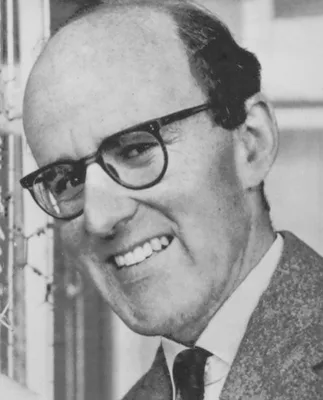
Solution of the structure of hemoglobin, a protein with 10,000 atoms. This was the culmination of 30 years of research by Perutz. Order of authorship in the original paper: Perutz, Rossmann, Culis, Muirhead, Will, Nor…
2000 CE
#13952
Structure of the 30S ribosomal subunit.
Ramakrishnan and colleagues determined the complete molecular structure of the 30S subunit of the ribosome and its complexes with several antibiotics. " The Abstract: "Genetic information encoded in messenger RNA is t…
1985 CE
#11060
Structure of the protein subunit in the photosynthetic reaction centre of Rhodopseudomonas viridis at 3 Å resolution.
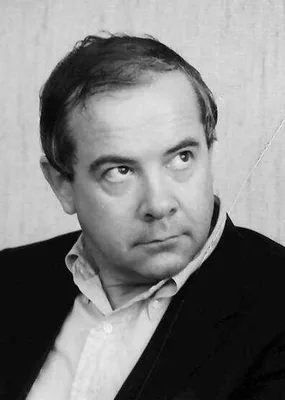

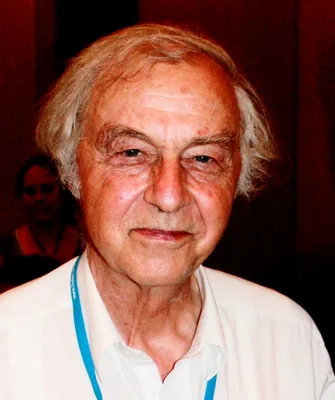
Discovery of the three-dimensional structure of a protein complex found in certain photosynthetic bacteria, called the photosynthetic reaction center. This was the first elucidation of the 3D crystal structure of any …
1952 CE
#3108.2
Studies on condensed pyrimidine system. IX. The synthesis of some 6-substituted purines.
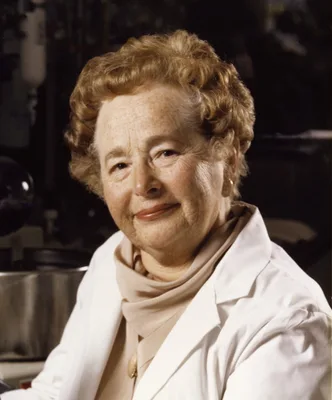
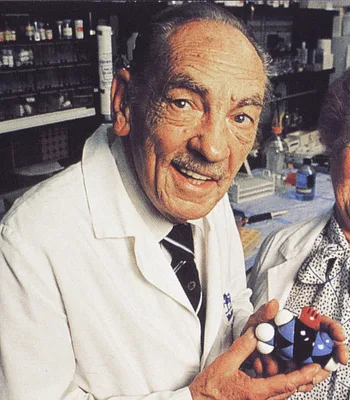
Synthesis of 6-mercaptopurine. In 1988 Gertrude Elion shared the Nobel Prize in Physiology or Medicine with George Hitchings and Sir James Black “for their discoveries of important principles for drug treatment.…