
Italy
338 entries published in Italy. 11 publication places.
1554 CE
#13202
Methodi medendi libri sex, quibus omnia, quae ad medicinam factitandam pertinent, fere complectitur.
First edition in latin, translated by Mathisius of Bruges from a manuscript of the Greek text that probably originated in the library of the Emperor Andronicus II Palaiologos or that of the ex-Patriarch Joseph. Digita…
1554 CE
#13269
Oribasii Sardiani Synopseos ad Eustathium filium libri novem: Quibus tota medicina in compendium redacta continetur Ioanne Baptista Rasario Novariensi medico interprete.
First Latin translation of the Synopsis or Epitome of his compilations that Oribasius made for his son, Euthasius. Digital facsimile from the Internet Archive at this link.
1554 CE
#12787
Stephani Atheniensis philosophi explanationes in Galeni priorem librum therapeuticum ad Glauconem, Augustino Gadaldino Mutiensi interprete.
![GALEN, [Κλαύδιος Γαληνός; Galen of Pergamon] (129 – 216)](/media/portraits/21)
Agostino Gadaldini’s Latin translation of Galen’s Ad Glauconem and of Stephanus’ commentary upon it, enhanced with his own scholia. The work was at the heart of the medical curriculum at Alexandria, …
1556 CE
#378.02
Historia de la composicion del cuerpo humano…
Historia de la composicion del cuerpo humano Spanish physician Juan Valverde de Amusco was issued in Rome at the press of Antonio Salamanca. This was the first great original medical book in Spanish and the most origi…
1558 CE
#1592
Trattato de la vita sobria.
Garrison considered this “the best treatise on personal hygiene and the simple life in existence”. Cornaro was called the Apostle of Senescence. "When he was about 40, Cornaro found himself exhausted and i…
1559 CE
#378.1
De re anatomica libri xv.
Colombo was a pupil of Vesalius, and succeeded him in the chair of anatomy at Padua before proceeding to chairs first at Pisa and later at Rome. His book, published just after his death, rectified a number of anatomic…
1561 CE
#1208
Observationes anatomicae.
Observationes anatomicae, a work of 232 leaves printed in the comparatively small octavo format, with no illustrations, was the only work Fallopio published before his death from tuberculosis at age thirty-nine, and i…
1561 CE
#1813
Semplici dell’eccellente … liquali in piu pareri à diversi nobili huomini scritti appaiono, et nuovamente da G. Marinello mandati in luce.
Anguillara was one of the best of many commentators on Dioscorides. Digital facsimile from Google Books at this link.
1562 CE
#11404
Gli ornamenti delle donne: Tratti dalle scritture d'una reina greca per m. Giovanni Marinello et diuisi in quattro libri.
A comprehensive manual by a physician on female hygiene, beauty and adornment, containing hundreds of recommendations, advice on cosmetics, and more than two dozen recipes for dyes to bleach hair blond. Marinello reco…
1563 CE
#2370
De morbo gallico.
Falloppius was one of the first prominent opponents of the use of mercury in syphilis. He distinguished syphilitic and non-syphilitic condylomata.
1563 CE–1564 CE
#1093
Opuscula anatomica.
Eustachius is credited with several anatomical discoveries, among them the tensor tympani muscle and the Eustachian tube, published in his chapter entitled De auditus organis. In the last respect, however, he was anti…
1564 CE
#464
De humano foetu.
According to Charles Singer, Aranzi gave the first adequate printed account of the gravid uterus, and finally dispelled the idea of a human cotyledonous placenta. He gave by far the best description of fetal anatomy u…
1566 CE
#13060
Vocum, quae apud Hippocratem sunt, collectio. Cum annotationibus Bartholomaei Eustachii . . . Eiusdemque Libellus de Multitudine.
First edition in Latin edited by Eustachi of the glossary to Hippocrates by the first century Greek grammarian Erotianus. Erotianus's work contains the earliest list of the writings of Hippocrates, including some now …
1566 CE–1567 CE
#2372
De morbo gallico omnia quae extant. 3 vols.
A collection of important writings on syphilis to 1500. Boerhaave published a revision of this work in 1728, covering the period 1495-1566.
1568 CE
#3164
Pro magni, et illustr. Terraenovae Ducis fistula, ex levi axilla in thoracis concavum pervia, etc. In P. Ingrassia, Quaestio de purgatione per medicamentum
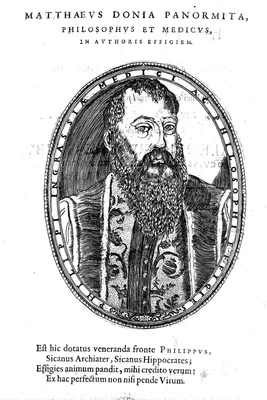
Vesalius’s consilium to Ingrassia, dated Madrid, 1562, in which he clearly described the operation for empyema (pp. 92-98). Although treatment of empyema by surgery was referred to in classical times, it became …
1569 CE
#1986.1
Artis gymnasticae apud antiquos celeberrimae, nostris temporibus ignoratae.
A history, based on extensive study of the classical literature, of the attitudes and practices of the Greeks and Romans concerning diet, hygiene, bathing, and exercise. This is one of the earliest books to discuss th…
1570 CE
#35
Hieronymi Mercurialis Variarum lectionum libri quatuor. In quibus complurium, maximeq́ue medicinae scriptorum infinita paenè loca vel corrupta restituuntur, vel obscura declarantur. Alexandri Tralliani De lumbricis epistola, ejusdem Mercurialis opera, & diligentia Graecè, & Latinè nunc primùm edita ...
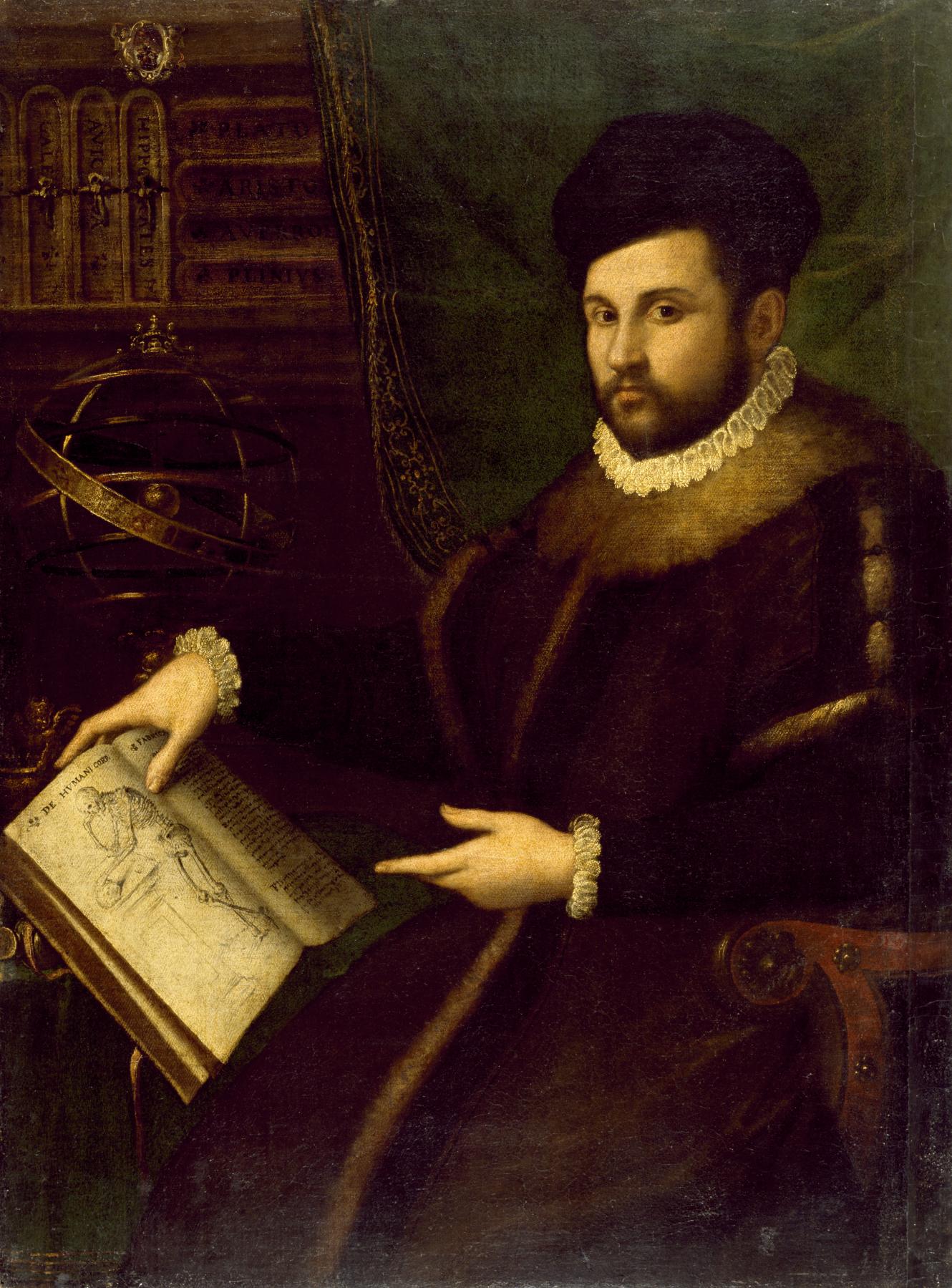
Includes the first printed edition of the Greek text and Latin translation by Mercuriale of Alexander's De vermis epistola. Alexander's original description of worms and vermifuges make him the first parasitologist. D…
1571 CE
#1986.2
De thermis …libri septem. Opus ... in quo agitur de universa aquarum natura, deque differentiis omnibus, ac mistionibus cum terris, cum ignibus, cum metallis, de lacubus, fontibus, fluminibus, de balneis totius orbis, & de methodo medendi per balneas, deque lavationum simul atque exercitationum institutis in admirandis thermis Romanorum....
A comprehensive study of mineral waters, dealing with all the spas of the then-known world. Besides exhaustive coverage of the baths of antiquity and of Bacci’s own time, the work gives considerable attention to…
1571 CE
#755
Peripateticarum quaestionum libri quinque.
Cesalpino preceded Harvey in the discovery of the concept of the circulation, and Harvey must have known of his ideas, but Cesalpino’s idea of the circulation was not supported by convincing experimental work or…
1572 CE
#3980
De morbis cutaneis, et omnibus corporis humani excrementis tractatus.
The first systematic textbook on diseases of the skin. English translation by R. L. Sutton Jr, Kansas City, Missouri, Lowell Press, 1986. Mercuriali enjoyed a great reputation in his day; he wrote on many medical subj…
1573 CE
#4850.4
Chirurgiae Ioannis Andrea a Cruce, Veneti medici libri septem, Quamplurimis instrumentorum imaginibus arti chirurgicae opportunis suis locis exornati, theoricam, practicam ac verissimam experientiam continentes....
Croce improved the instruments for trephination, and published classic woodcuts depicting the operation, including the first illustration of a neurological surgery operation actually taking place. The work is also imp…
1573 CE
#1377.2
De nervis opticis nonnulisque aliis praeter communem opinionem in humano capite observatis.
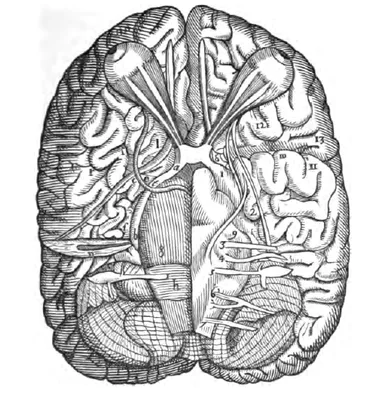
Varolio described a new method of dissection which enabled him to observe and describe the pons for the first time. By this new method Varolio was able to make some contributions to the knowledge of the course and ter…
1576 CE
#2193
De febribus opus sane aureum, non magis utile, quam rei medicae profitentibus necessarium. In quo trium sectarum clarissimi medici habentur, qui de hac re egerunt: Nempe Gaeci, Arabes, atque Latini, quorum nomina versa pagina indicabit.
DE FEBRIBUS
An anthology of selected writings on fevers by Greek, Arab and Latin authors, including Hippocrates, Galen, Paul of Aegina, Alexander of Tralles, Aetius, Oribasius, Nonus, Actuarius, Avicenna, Rhazes, Avenzoar, Averro…
1583 CE
#8940
De plantis libri XVI.
Cesalpino developed the first scientific classification system for flowering plants. "Unlike the "herbals" of that period, it contains no illustrations. The first section, including thirty pages of the work, is the pa…
1584 CE
#7555
De reconditis et praecipuis collectaneis ab honestissimo et solertissimo Francisco Calceolario Veronensi in Musaeo adservatis, Joannis Baptistae Olivi medici testificatio.
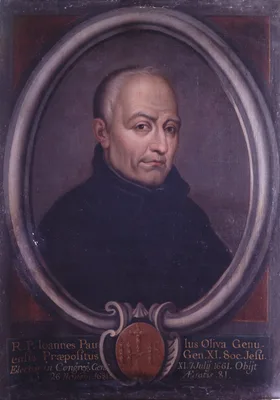
Digital facsimile from Google Books at this link.
1584 CE
#9654
Discorsi intorno al sanguinar i corpi humani, il modo di ataccare le sanguisuche e ventose e far frittioni e vescicatorii con buoni et utili avertimenti.
Digital facsimile from Google Books at this link.
1585 CE
#7595
Anatomicae praelectiones.
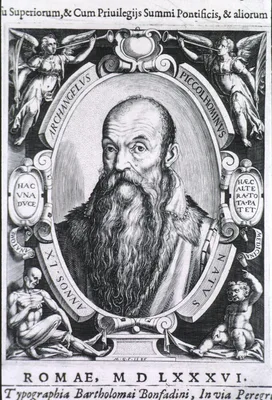
First description of a clear distinction between what is now known as gray and white matter in the central nervous system. The work also includes the first attempt to illustrate the brain in a sagittal view. The nine …
1585 CE
#10959
Herbario nuovo...con figure, che rappresentano le vive piante, che nascondo in tutta Europa, & nell' Indie Orientali, & Occidentali.
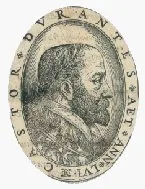
Durante, physician to Pope Sixtus V, published this encyclopedia of medicinal plants from Europe and the East and West Indies, illustrated with woodcuts by Leonardo Parasole. The work contains discussions of the habit…
1586 CE
#10634
De venenis, et antidotis prolegomena: seu communia praecepta ad humanam vitam tuendam saluberrima; in quibus diffinitiva methodus venenorum proponitur per genera, ac differentias suas, partes, & passiones, praeservandi modum, & communia ad eorum curationem antidota complectens; de canis rabiosi morsu, et eius curatione.
Digital facsimile from cervantesvirtual.com at this link.
1587 CE
#7337
De humano foetu liber tertio editus, ac recognitus. Eiusdem anatomicarum observationum liber: ac De tumoribus secundum locos affectos liber nunc primum editi.
First edition of Aranzi's Anatomicarum observationum published with the third edition of De humano foetu. In the Anatomicarum observationum Aranzi pointed out that the eye muscles arise from the margin of the optic ca…
1587 CE
#10660
De virtutibus et viciis cordis libri tres. Primus agit de virtutibus & functionibus cordis. Secundus de palpitatione cordis. Tertius de syncope.
The earliest separate treatise on cardiac physiology and pathology. Digital facsimile from Google Books at this link.
1588 CE
#13546
De medico hebraeo: Enarratio apologica ... Apposita sunt praeterea, non paucorum amplissimorum principum, quam multa decreta, in hebraeorum fauorem constituta. Annectuntur, quinetiam, in tractatus calce, nonnulla aurea dicta; ex priscorum hebraeorum monumentis excerpta; nunc primum, latinitate donata, & ad studiosorum vtilitatem, in lucem edita. Dauid de Pomis, medico physico hebraeo, auctore.
De Pomis was a rabbi and physician. "... on account of the edict of Pius IV forbidding Jewish physicians to attend Christians (1555), he moved from town to town in Italy before he settled in 1569 in Venice, where he p…
1590 CE
#3343
De compositione medicamentorum; De morbis oculorum, & aurium….
The De oculorum et aurium represents the first “clinical” manual on diseases of the ear. Mercuriali was primarily concerned with treatment.
1591 CE
#6468
De medicina Aegyptiorum, libri quatuor.
The first significant work on the history of Egyptian medicine, and one of the first European studies of non-European medicine. Alpini became professor of botany at Padua after having spent three years in Egypt. Frenc…
1591 CE
#13351
L'horto dei semplici di Padova, oue si vede primieramente la forma di tutta la pianta con le sue misure: & indi i suoi partimenti distinti per numeri in ciascuna arella, intagliato in rame.
First catalogue of the Orto botanico di Padova, the oldest academic botanical garden that remains in its original location., Digital facsimile from fc.cab.unipd.it at this link.
1593 CE
#44
Kitāb al-Qānūn fial-ţibb. [Libri V Canonis medicinae.]
![AVICENNA, [Abū ʿAlī al-Ḥusayn ibn ʿAbd Allāh ibn Al-Hasan ibn Ali ibn Sīnā] (980 – 1037)](/media/portraits/9572)
Title transliterated. Text and title page (except imprint) are in Arabic. This is the first printing of the text in Arabic of Book V of al-Qānūn. See also S. M. Afnan, Avicenna, his life and works. London, 1958.
1593 CE
#756
Quaestionum peripateticum, libri V.
A greatly expanded second edition. The results of tying a vein and the centripetal flow in veins were first recorded in print by Cesalpino (lib. ii, Qu. xvii, p. 234). See the English translation, with commentary, of …
1595 CE
#2667
De iis qui morborum simulant deprehendendis liber.
The first treatise on feigned diseases.
1596 CE
#7968
De naturali vinorum historia de vinis Italiae et de conviviis antiquorum libri septem....Accessit de factitiis ac cervisiis de q[ue] Rheni, Galliae, Hispaniae et de totius Europa vinis et de omni vinorum usu compendiaria tractatio.
A comprensive study of the production, storage, characteristics, and use of wines. Book two considers wine in relation to health. Digital facsimile from Google Books at this link.
1596 CE
#6144
La commare o riccoglitrice.
First Italian book on obstetrics. It is a work of importance for the study of the history of Caesarean section; in it Mercurio advocated the Caesarean operation in cases of contracted pelvis.
1597 CE
#5734
De curtorum chirurgia per insitionem.
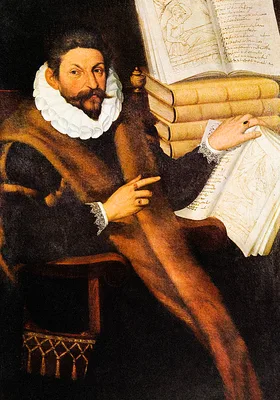
Tagliacozzi of Bologna became famous for his work on rhinoplasty, but Paré and Fallopius both abused him and his work, and the Church (which regarded such operations as meddling with the work of God) exhumed hi…
1598 CE
#285
Dell’anotomia, et dell’infermità del cavallo.
In 1598 Conte Ottavio Ruini edited and had published in Bologna, with a dedication to Cardinal Pietro Aldobrandini, Dell'anotomia [sic], et dell'infirmita del cavallo [Book ii: Dell'infirmita del cavallo] by il marche…
1599 CE–1667 CE
#290
Opera omnia. 13 vols.
Aldrovandi, first director of the botanical garden at Bologna, was a prolific writer. Some of his writings made their first appearance in print after his death. He designed them as a whole to form an enormous illustra…
1601 CE
#2194
De praesagienda vita et morte aegrotantium.
A classical work on prognosis. English translation, London, 1746.
1602 CE
#1719
De relationibus medicorum libri quatuor. In quibus ea omnia, quae in forensibus, ac publicis causis medici referre solent, plenissime traduntur.
Digital facsimile from the Internet Archive at this link.
1603 CE
#2726
De pulsibus libri tres nunc primum in lucem editi.
Sassonia emphasized the importance of the pulse in diagnosis, and provided the first recorded description of heart block. Pages 57-61 contain graphic representations of the pulse using dashes of unequal length. Digita…
1603 CE
#757
De venarum ostiolis.
Fabricius, teacher of Harvey at Padua, discovered the venous valves, and illustrated them in life-size copperplates in this monograph. He failed to recognize their true function, however, considering their function si…
1603 CE
#1541
In Galeni librum de ossibus.
Ingrassia is by some accredited with the discovery of the stapes; he also observed the sound-conducting capacity of the teeth.
1603 CE
#572.1
Methodi vitandorum errorum omnium, qui in arte medica…
First mention of Santorio’s pulse-clock (“pulsilogium”) and his scale. Through most of the 17th and 18th centuries Santorio’s name was linked with that of Harvey as the greatest figure in physi…
1604 CE
#465
De formato foetu.
Fabricius wrote at great length on embryology, inventing many theories, some of which were false. His illustrations marked a great advance on previous work. Fabricius recorded for the first time the dissection of seve…