
Frankfurt
50 entries published in this place.
1553 CE
#2369
Von der frantzösischen kranckheit drey Bücher.
Paracelsus suggested the hereditary transmission of syphilis and advocated mercury internally, as an antisyphilitic. He called the disease “French gonorrhoea” and thus started the confusion which lasted un…
1573 CE
#6143
Reformation oder Ordnung für die Hebammen.
Legislation governing the practice of midwifery was introduced in the city of Frankfurt in 1573, Digital facsimile from the Bayerische Staatsbibliothek at this link.
1587 CE
#5733.52
De decoratione liber…Additi nunc primum duo tractatus, alter, de varicibus, alter de reficiendo naso.
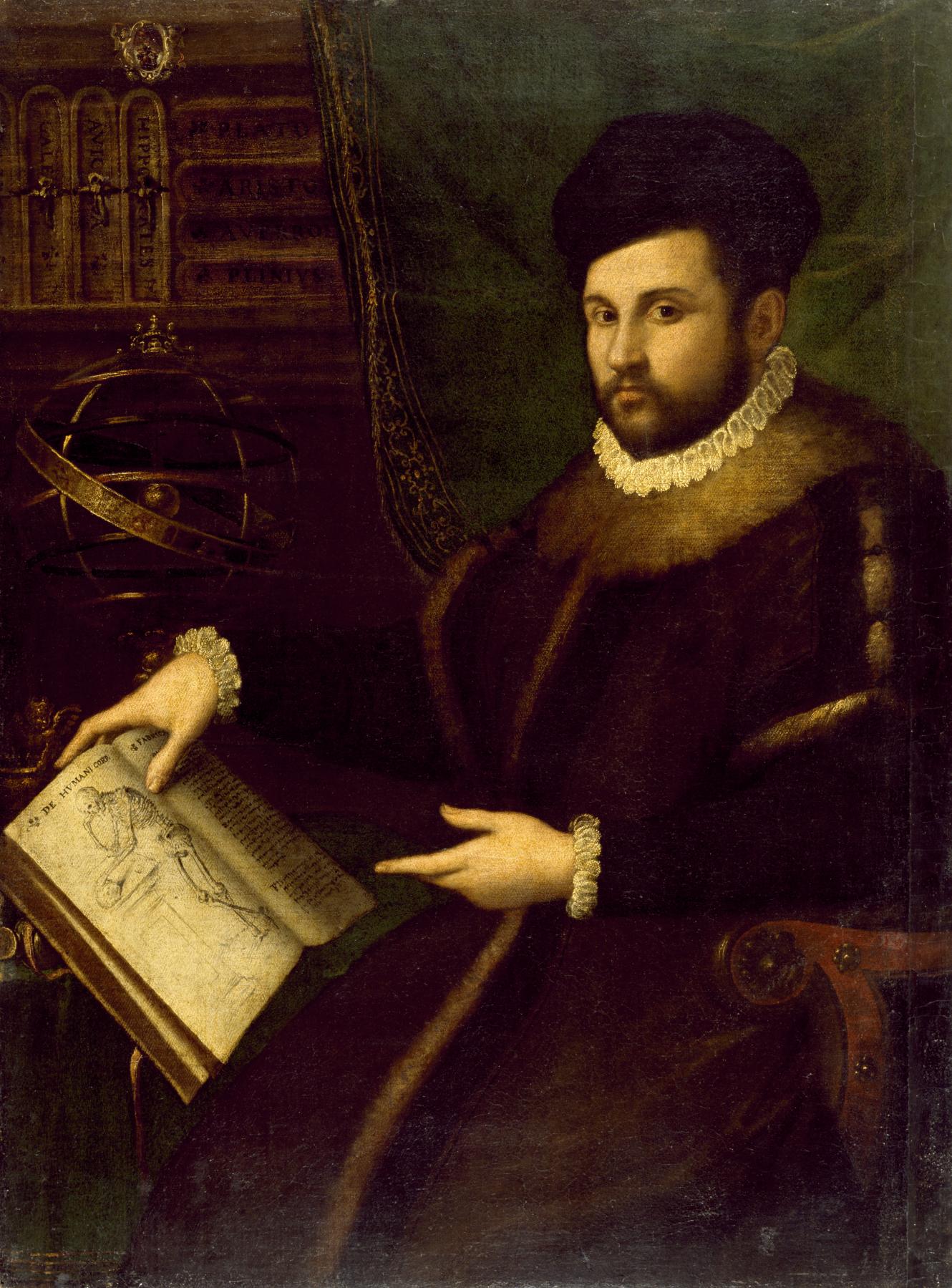
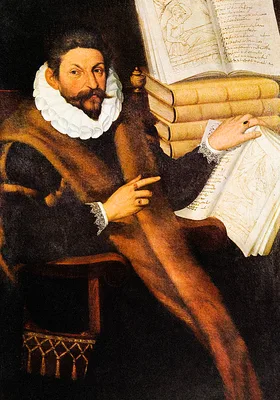
This work on cosmetics contains Tagliacozzi’s first publication on rhinoplasty – De reficiendo naso – a letter written to Mercuriale in response to inaccurate statements about Tagliacozzi's methods m…
1587 CE
#11101
Medicina universa, ex lectiones eius caeterisque opusculis, tum impressis, tum scriptis collecta, & in tres tomos nunc primum decenti ordine digesta, studio & opera Martini Weindrichii.
Montanus became a professor of practical medicine at Ferrara and at the University of Padua in 1539. His greatest innovation was to introduce clinical medicine into the curriculum as a way to integrate medical theory …
1588 CE
#6793
Oeconomia Hippocratis, aphabeti serie distincta. In qua dictionum apud Hippocratem omnium, praesertim obscuriorum, usus explicatur, etc.
A Greek alphabetical dictionary of the vocabulary of the Hippocratic writings, based on an exhaustive investigation of all ancient medical texts.
1591 CE
#6743.2
Nomenclator scriptorum medicorum. Hoc est: elenchus eorum qui artem medicam suis scriptis illustrarunt, secundum locos communes ipsius medicinae.
The first medical subject bibliography, arranged under very broad subject headings with indexes of authors and subjects. Digital facsimile from the Internet Archive at this link.
1595 CE
#6930
Magni Hippocratis medicorum omnium facile principis, opera omnia quae extant in viii sectiones....
![HIPPOCRATES, [Ἱπποκράτης; Hippocrates of Kos] (-460 – -370)](/media/portraits/50)
The French humanist physician Foës produced the first Greek & Latin edition of the complete extant works of Hippocrates. His edition was the most significant before that of Littré.
1597 CE
#1718
De vitiis vocis libri duo. In quibus non solum vocis definitio traditur, et explicatur, sed illius differentiae, instrumenta, et causae aperiuntur. Vltimo de vocis conseruatione, praeseruatione, ac vitiorum eius curatione tractatur. Opus ad vtilitatem concionatorum praecipuè editum. Cui accedit consilium de raucedine ac methodus testificandi in quibusuis casibus medicis oblatis, postquam formulae quaedam testationum proponantur.
Codronchi's Methodus testificandi, inquibusvis casibus medicis oblatis first published in the above (pp. 148-232), is considered the earliest significant work on forensic medicine. Digital facsimile from Google Books …
1597 CE
#3244
De vitiis vocis, libri duo.
First treatise devoted solely to diseases of the larynx. (See also No. 1718.)
1600 CE
#2272
Observationum medicarum, rararum, novarum, etc. 2 vols.
Schenck was the greatest compiler of his day. His Observationes form the easiest source-book for the pathological observations of Sylvius, Vesalius, and Columbus, and represent a lifetime of medical reading and experi…
1603 CE
#3343.1
Opera omnia quinque sectionibus comprehensa.
Demonstration (Cap. I, p. 587-91) that some people who cannot hear by air conduction can do so by bone conduction.
1606 CE–1641 CE
#5570
Observationum et curationum chirurgicarum centuriae. 6 vols.
Fabricius’s most important work; it was the best collection of case-records available for many years. Among other things, Fabricius used a magnet to extract an iron splinter from the eye – an idea suggeste…
1609 CE
#7819
Monstrorum historia memorabilis, monstrosa humanorum partuum miracula, stupendis conformationum formulis ab utero materno enata, viuis exemplis, observationibus, & picturis, referens. Accessit analogicum argumentum de monstris brutis, supplementi loco ad observationes medicas Schenckianas edita.
Schenck described nearly 100 human and animal examples, illustrated with engravings by Theodor de Bry (1528-98). Most of the examples are from the 16th century. Not all the cases are teratological in the strictest sen…
1610 CE
#5568
Thesaurus chirurgiae.
An anthology of 16th century writers; a good summary of the surgical knowledge of that period.
1624 CE
#5229
De semitertiana libri quatuor.
First extensive account of malaria.
1628 CE
#759
Exercitatio anatomica de motu cordis et sanguinis in animalibus.
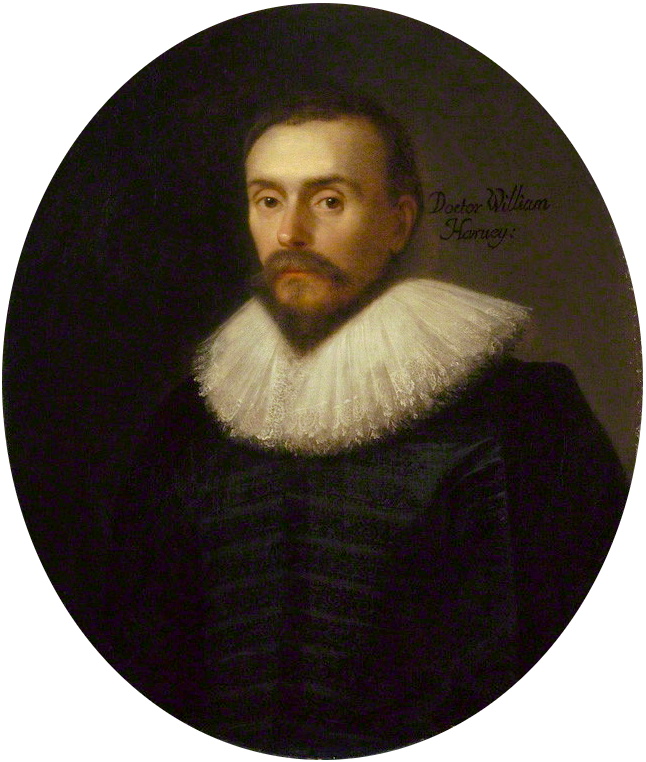
Discovery and experimental proof of the circulation of the blood. Together with Vesalius’s Fabrica (1543), Harvey’s De motu cordus shares the honor as the greatest book in the history of medicine. Since an…
1629 CE–1631 CE
#11597
Integrum morborum mysterium, sive medicinæ catholicæ tomi primi tractatus secundus. [Pulsus seu nova et arcana pulsuum historia ... Hoc est, portionis tertiae pars tertia, de pulsuum scientia ... medicorum ... sive tomi primi tractatus secundi, sectio secunda, de morborum signis ... hoc est, divinatio per urinam.] In sectiones distributus duas : quorum ...
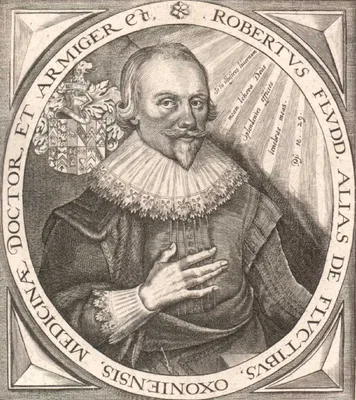
Fludd's Pulsus seu nova et arcana pulsuum historia contain's Fludd's chief medical writings. Dated 1629, but issued in this form, Fludd's Pulsus was the first published endorsement of Harvey's theory of the circulatio…
1638 CE
#1760
Politia medica.
1646 CE
#60.1
Opera quae extant omnia, partim ante hac excusa, partim nunc recens in lucem edita; omnia abo authore recognita...aucta.
The collected works of the “father of German surgery”. Digital facsimile from the Bayerische StaatsBiliothek at this link. German translation: Wund-Artzney, gantzes Werck und aller Bücher, so viel der…
1650 CE–1653 CE
#11704
Historia naturalis. 6 vols: Historiae naturalis de quadrupedibus; Historiae naturalis de avibus; Historiae naturalis de piscibus et cetis; Historiae naturalis de exanguibus aquaticis; Historiae naturalis de insectis, de serpentibus et draconbius; Historiae naturalis de serpentibus.
The first 5 volumes were published in 1650; the last volume was published in 1653. This work, published in small folio format, includes 249 engraved plates and six elegant engraved title pages (4 resembling frontispie…
1667 CE
#10711
Hieronimi Barbati ... Dissertatio elegantissima De sanguine et eius sero, in qua praeter varia lectu dignissima, Conringj. Lindeni & Barthol. circa sanguificationem opiniones, Stenoniana sanguinisdealbatio, VVillisii succi neruorum vis, Regij transitus chyli ad liene, liceti nutitio embryonis, VVarthoni & Charletonis lactis expositio, Haruei masculini seminis retentio rejecta, Moebij spirituum animalium materia, & alia clarissimorum neotericorum prolata, doctè & politè exponuntur.
Barbato discovered the blood serum. Another version of these texts was published in Paris by Robert de Ninville in 1667. Priority of these editions is unknown. Digital facsimile of the Frankfurt version from Google Bo…
1672 CE
#6496
De morbis biblicis miscellanea medica.
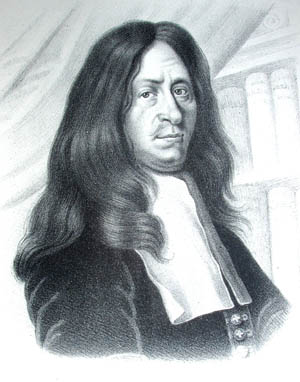
A study of the diseases mentioned in the Bible.
1674 CE
#2727
Opera medica universa.
Riverius was the first to note aortic stenosis (p. 638 of the above).
1679 CE
#6744.1
Bibliotheca realis medica, omnium materiarum, rerum, et titulorum, in universa medicina occurrentium.
The first large, well-printed bibliography of medicine, including twice as many authors as van der Linden (No. 6744). It represented an elaborate subject anaylsis, with entries arranged alphabetically by subjects, wit…
1682 CE
#6492
Specimen medicinae Sinicae.
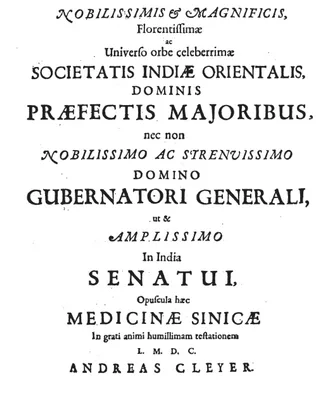
One of the earliest studies of Chinese medicine published in the West. (See also Nos. 6472.10 et seq.). Cleyer edited these translations of Chinese medical texts, reproducing a series of 30 plates dealing with Chinese…
1690 CE
#2146
Der rechte und warhafftige Feldscher.
Purmann was a skilful army surgeon – one of the most famous of the period. Despite this he believed in the efficacy of the weapon-salve and the sympathetic powder.
1704 CE
#7577
Museum museorum, oder, Vollständige Schau-Bühne aller Materialien und Specereyen : nebst deren natürlichen Beschreibung, Election, Nutzen und Gebrauch, aus andern Material-, Kunst- und Naturalien-Kammern, Oost-und-West-Indischen Reisz-Beschreibungen, Curiosen Zeit- und Tag-Registern, Natur- und Artzney-Kündigern, wie auch selbst-eigenen Erfahrung, zum Vorschub der Studirenden Jugend, Materialisten, Apothecker, und deren visitatoren, wie auch anderer Künstler, als Jubelirer, Mahler, Färber, u.s.w. also verfasset, und mit etlich hundert sauberen Kupfferstücken unter Augen geleget
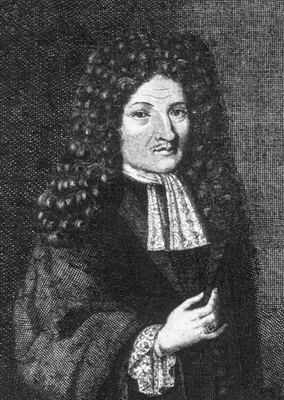
Of particular value for reprinting many early museum catalogues. The second edition issued in 1714 reissued the first volume together with a second and third volume. Digital facsimile of the 1704 first edition from th…
1720 CE
#303
Amphitheatrum zootomicum.
“First extensive work on the comparative anatomy of vertebrates” (Casey Wood).
1722 CE
#1728
Corpus juris medico-legale.
This reprints Valentini’s Pandectae medico legales (1701) and Novellae medico-legales (1711) with the addition of Authentica iatro-forensia.
1791 CE–1796 CE
#400
Vom Baue des menschlichen Körpers. 5 pts.
Soemmerring’s text-book contained only facts actually observed by him. He departed from the usual practice of including physiology with anatomy. The book was very popular in German medical schools, and Meckel co…
1795 CE
#2609.1
De morbis vasorum absorbentium corporis humani.
Soemmerring noted an association between pipe smoking and cancer of the lip (p. 109).
1797 CE
#401
Tabula sceleti feminini juncta descriptione.
Soemmerring was noted for his accuracy in anatomical illustration, and the above work is a fine example of his artistic sense. For it he selected the skeleton of a well-built girl of 20 years. Great care was taken in …
1799 CE
#473
Icones embryonum humanorum.
Soemmerring met William Hunter during a visit to London in 1778. The latter’s classic work on the pregnant uterus (No. 6157) dealt only with the latter half of pregnancy. Soemmerring therefore decided, in a supp…
1801 CE
#1489
Abbildungen des menschlichen Auges.
Soemmerring is best remembered for his fine anatomical illustrations, of which those devoted to the human eye are a good example. In 1791 he made important observations on the macula lutea: "De foramine centrali limbo…
1801 CE
#3580
Icones herniarum. Editae a S. T. Soemmerring.
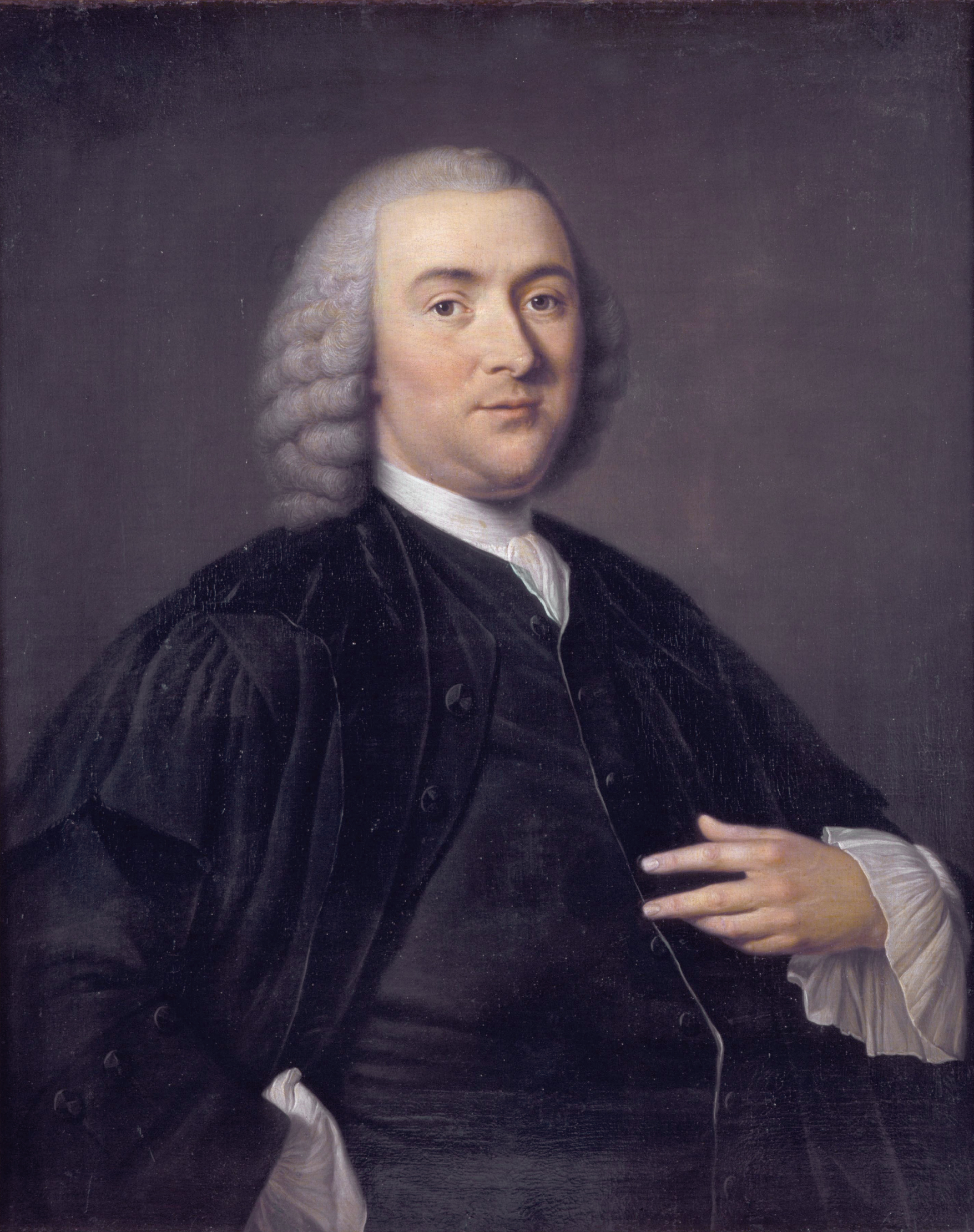
Camper illustrated his own work, and was an outstanding anatomical artist. His illustrations of hernias are of great value.
1806 CE
#1455
Abbildungen der menschlichen Organe des Geschmackes und der Stimme.
1806 CE
#1554
Abbildungen des menschlichen Hoerorganes
1809 CE
#1454
Abbildungen der menschlichen Organe des Geruches.
1856 CE
#3006
Thrombose und Embolie. Gefässentzündung und septische Infektion. In his Gesammelte Abhandlungen zur wissenschaftlichen Medicin.
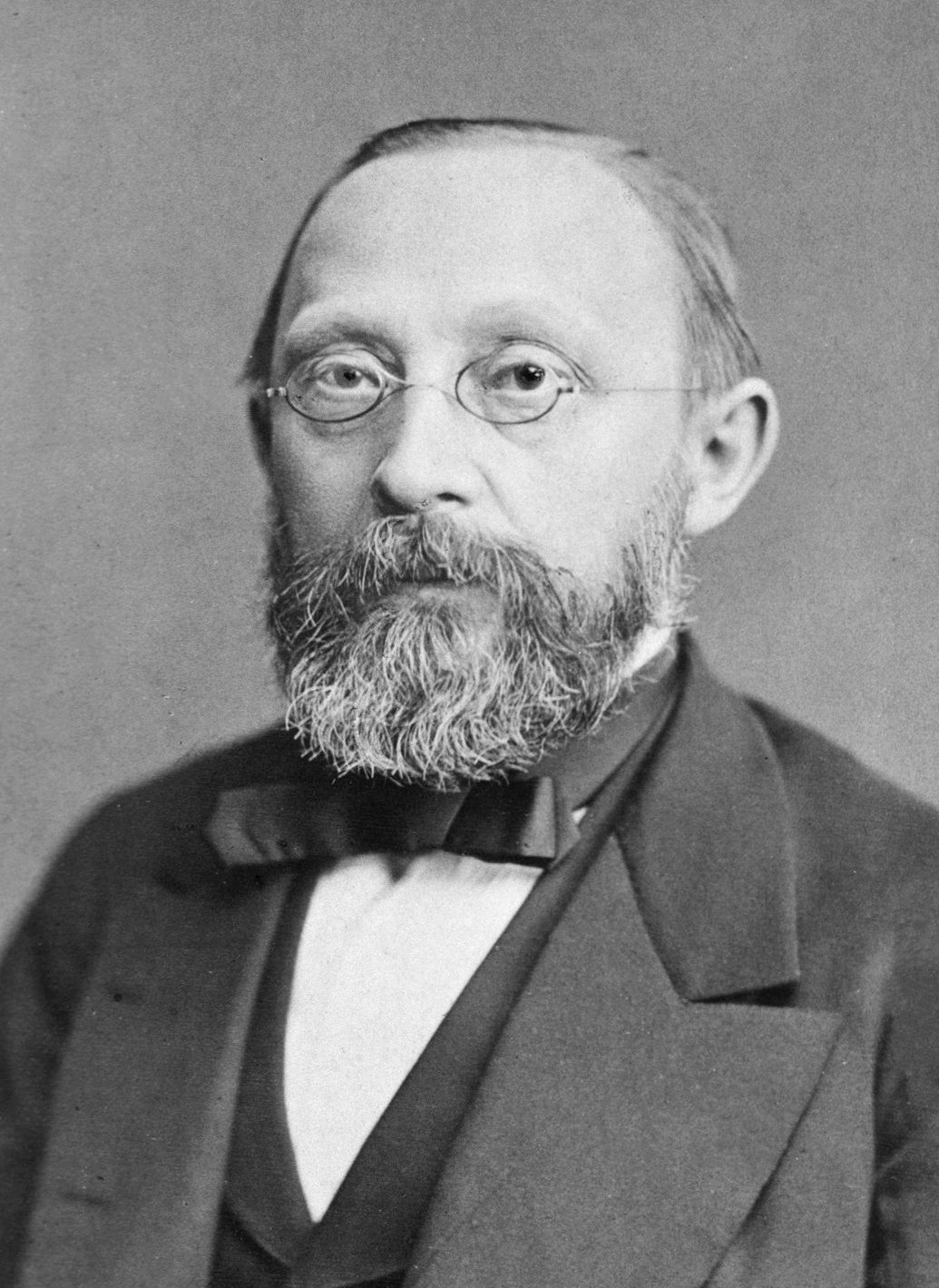
Reprints of papers published between 1846 and 1853. Virchow gave the first clear description of thrombosis and embolism (see especially Beitr. exp. Path.,1846, 2,227-380). This work was translated into English by A. C…
1856 CE
#3064
Ueber farblose Blutkörperchen und Leukämie. In his Gesammelte Abhandlungen zur wissenschaftlichen Medicin, pp. 147-218.
Includes his paper on “weisses Blut” (see No. 3062) and three later papers on leukemia. See No. 3006.
1858 CE
#775
Die Erscheinungen und Gesetze der Stromgeschwindigkeiten des Blutes.
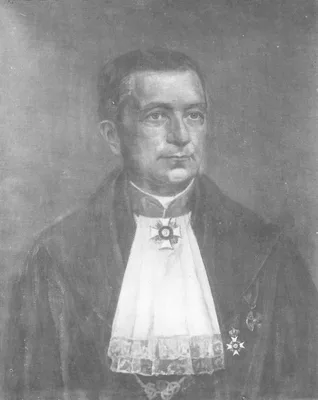
Vierordt estimated, by means of a “hemotachometer” of his own invention, the rate of the blood flow in various arteries, and also the influence of the blood volume, pulse rate and respiratory rate upon it.
1963 CE–1966 CE
#273
Geschichte der Mikroskopie. 3 vols.
A biographical history.
1969 CE
#7916
Bürger und Irre. Zur Sozialgeschichte und Wissenschaftssoziologie der Psychiatrie.
1992 CE
#11406
Rudolf Virchow Sämtliche Werke. Herausgegeben von Christian Andree. 71 vols. anticipated.
From the number of volumes planned we may conclude that Virchow was one of the most prolific of all physicians. According to the Wikipedia article on Christian Andree, to which I have linked, volumes in this set were …
2004 CE
#10498
Alter und Krankheit in der Frühen Neuzeit. Der ärztliche Blick auf die letzte Lebensphase.
Translated into English by Patrick Baker as Old age and disease in early modern medicine (London & New York: Routledge, 1911).
2007 CE
#7391
Avicenna Latinus: The reception and assimilation of Ibn Sīnā in the West: texts and studies.
2009 CE
#8886
Coming to terms with world health: The League of Nations Health Organization 1921-1946.
2009 CE
#9267
Uneasy encounters: The politics of medicine and health in China 1900-1937. Edited by Iris Borowy.
2011 CE
#7390
Science and technology in Islam: Catalogue of the collection of instruments of the Institute for the History of Arabic and Islamic Sciences. 4, 7. Medicine, 8. Chemistry, 9. Mineralogy.
2015 CE
#10034
Die Geschichte der Palliativmedizin: Medizinische Sterbebegleitung von 1500 bis heute.
Translated into English by Logan Kennedy and Leonhard Unglaub as A history of palliative care, 1500-1970: Concepts, practices, and ethical challenges (Cham, Switzerland: Springer, 2017).