
Facets
Browse across eight MeSH (opens in new tab) facets — era, geography, science, specialty, technology, history, culture, and reference. Select one tag per group; counts update across the others.
Clear filtersFacet filters
Geography
Specialties & Disease
- Anatomy & Pathology 765
- Cardiology & Blood 914
- Neurology & Psychiatry 1,256
- Obstetrics & Reproductive 550
- Infectious Disease (General) 147
- Surgery & Anesthesia 1,551
- Public Health 1,129
- Immunology & Dermatology 1,404
- General Clinical Medicine 480
- Military Medicine 436
- Psychology 202
- Alternative & Fringe Medicine 383
- Pediatrics 247
- Ophthalmology & Vision 412
- ENT & Hearing 293
- Urology & Nephrology 309
- Gastroenterology & Hepatology 316
- Pulmonary & Respiratory 233
- Rheumatology, Rehab & Pain 188
- Internal, Emergency & Geriatric 123
- Veterinary Medicine 165
- Epidemiology & Demography 397
- Physiology & Embryology 923
- Dentistry 259
- Plagues & Epidemics 1,279
- Microbiology & Virology 1,080
Social & Historical Studies
Institutions & Culture
Reference & Scholarly Works
1,551 entries match Surgery & Anesthesia [E04 / G02.403.810]
1836 CE
#3763
Commentatio de splenis hypertrophia et historia extirpationis splenis hypertrophici cum fortuna adversa.
While most people in Germany still considered splenectomy beyond the bounds of possibility, Quittenbaum performed the operation in 1829, establishing it as a surgical procedure.
1960 CE
#12221
Complete replacement of the mitral valve. Successful clinical application of a flexible polyurethane prosthesis.
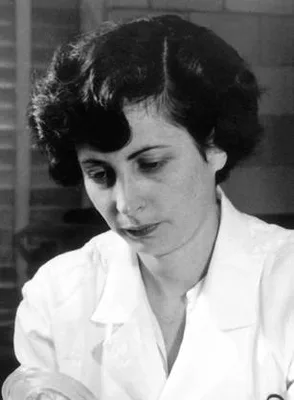
Braunwald was the first woman to perform open heart surgery. She was the first woman surgeon certified by the American Board of Thoracic Surgery, and the first woman elected to the American Association for Thoracic Su…
1905 CE
#4878
Concerning surgical intervention for the intracranial hemorrhages of the new-born.
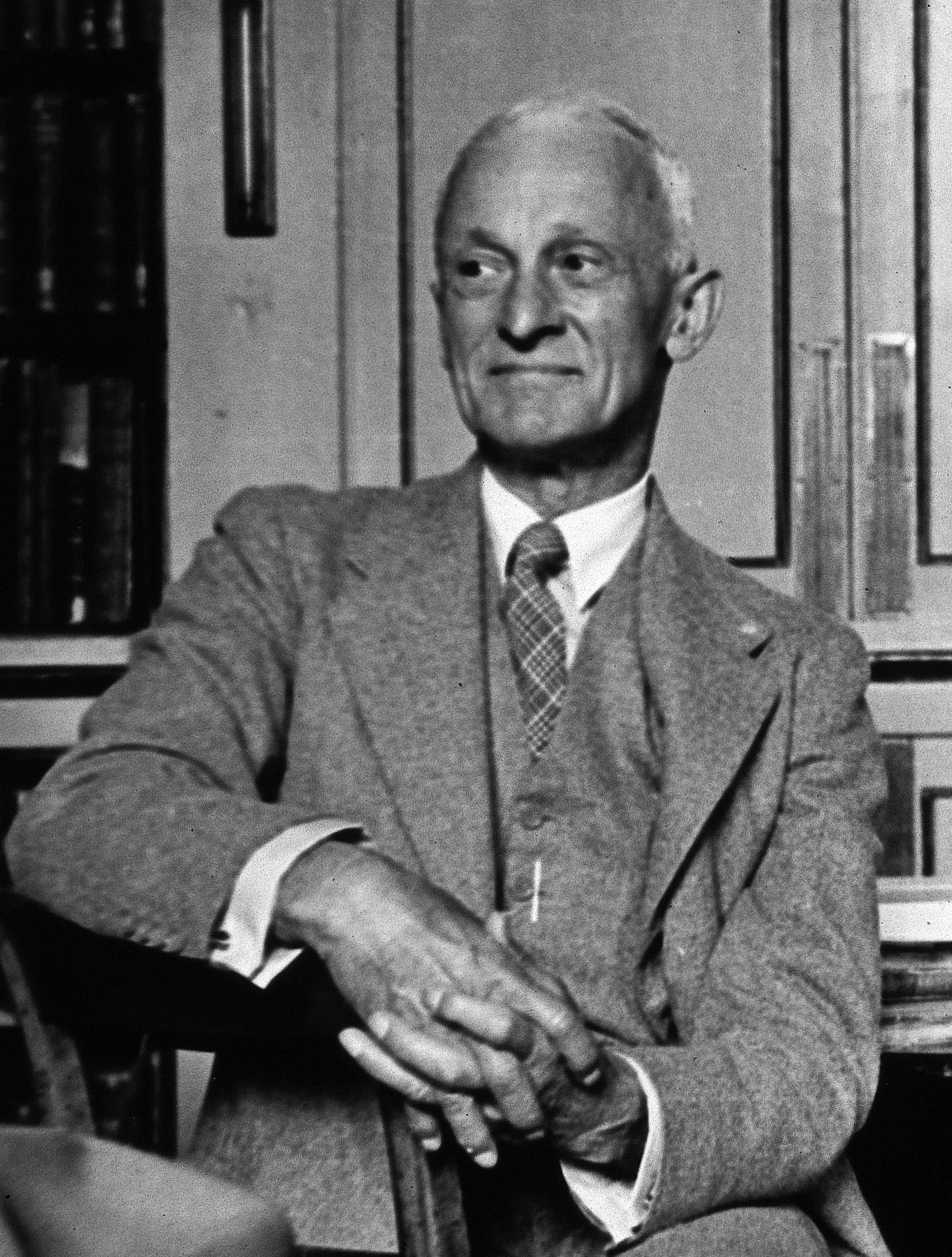
Successful operative intervention in intracranial hemorrhage of the new-born.
1892 CE
#5621
Conditions underlying the infection of wounds.
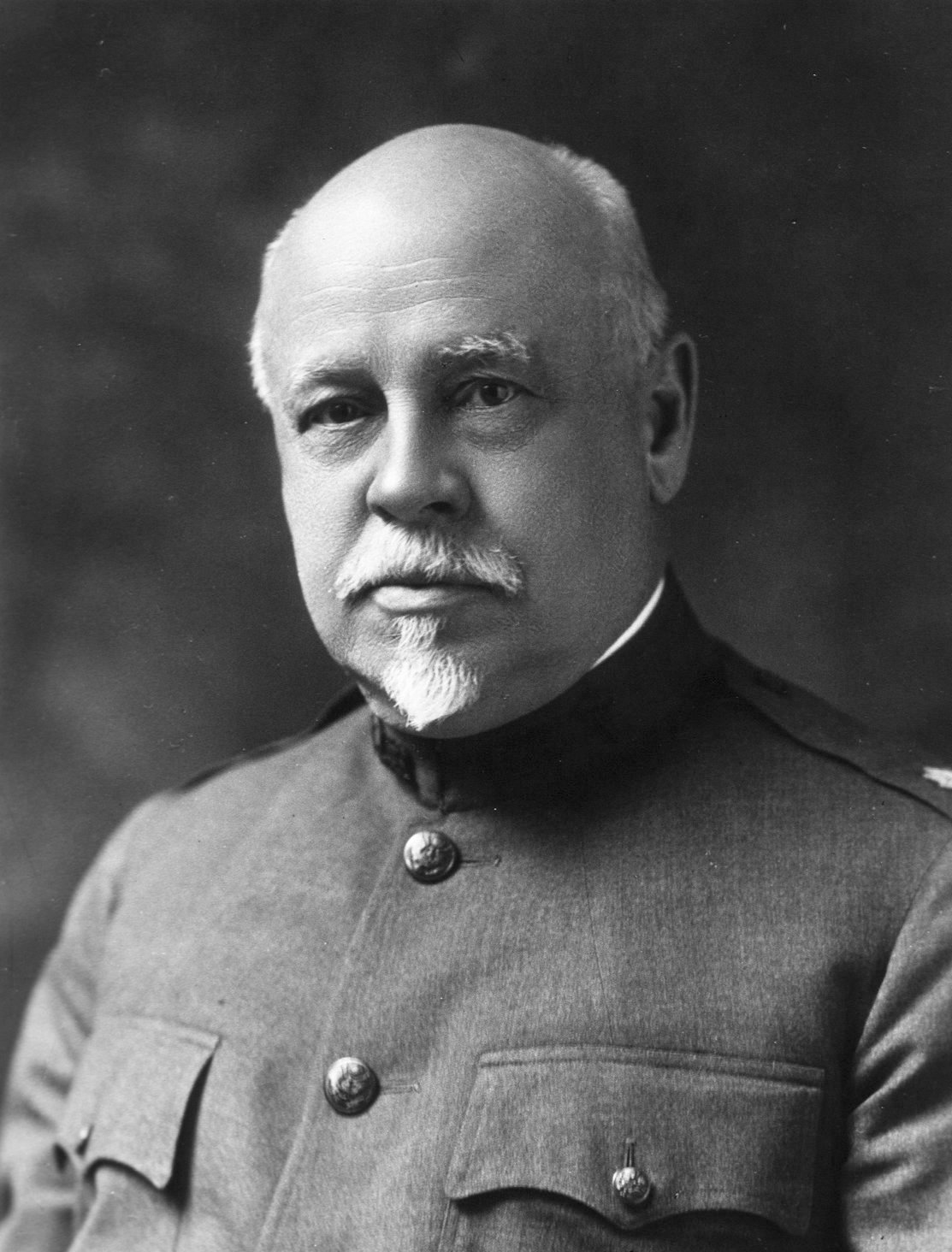
Discovery of Staph. epidermidis (albus) and its relation to the infection of wounds.
1944 CE
#11859
Congenital cardiac disease: Bibliography of 1000 cases analyzed in Maude Abbott's Atlas. Edited by Donald deF. Bauer and Effie C. Astbury.
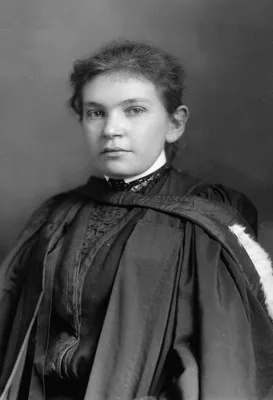
Provides all the references used in Abbott, Atlas of congenital cardiac disease. New York: American Heart Association, 1936, but not included in the 1936 work.
1918 CE
#5757.3
Congenital clefts of the face.
Roberts introduced the push-back procedure - backward displacement of the velum to ensure adequate speech.
1945 CE
#3044
Congenital coarctation of the aorta and its surgical treatment.
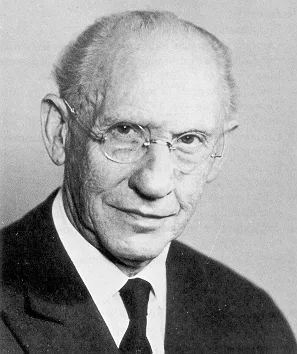
Crafoord and Gross (No. 3044.1) pioneered this basic operation in cardiac and pediatric surgery.
1853 CE
#3590
Considérations sur l’étranglement de l’intestin dans la cavité abdominale et sur un mode d’étranglement non décrit par les auteurs. Thèse pour le doctorat en médecine.... No. 128.
Retrocaecal hernia (“Rieux’s hernia”) first described. Digital facsimile from the Internet Archive at this link.
2011 CE
#10702
Consilioque manuque: La chirurgia nei manoscritti della Biblioteca Medicea Laurenziana. Edited by Donatella Lippi.
1942 CE
#6232.1
Continuous caudal anesthesia during labor and delivery.
1909 CE
#5694
Continuous respiration without respiratory movements.
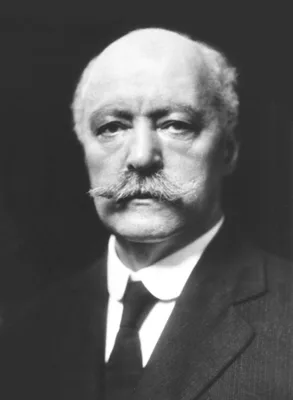
Meltzer and Auer experimented further with the intratracheal insufflation method introduced by Kuhn (No. 5693).
1863 CE
#4333
Contractur des Metatarsus.
Congenital metatarsus varus described.
1927 CE
#2255
Contribution to the study of burns, their classification and treatment.
Goldblatt’s classification of burns.
1899 CE
#3639.1
Contribution to the surgery of the bile passages, especially of the common bile-duct.
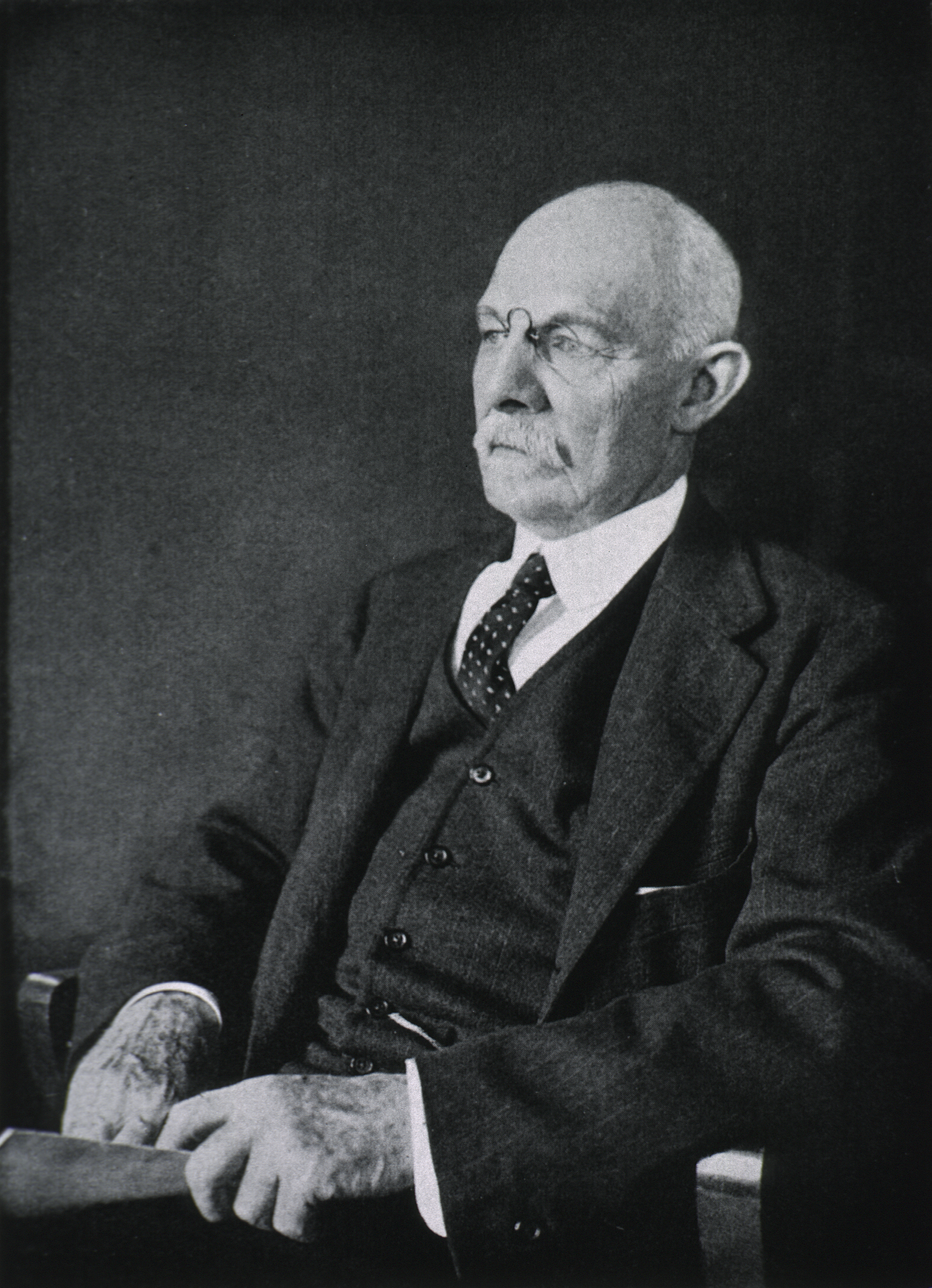
“Among Halsted’s many outstanding surgical accomplishments those related to surgery of the biliary tract are lesser known. However, he is commonly credited with performing the first successful operation fo…
1876 CE
#5754.1
Contributions to reparative surgery; showing its application to the treatment of deformities produced by destructive disease or injury; congenital defects from arrest or excess of development; and cicatrical contractions from burns.
First American work exclusively on reconstructive surgery.
1883 CE–1890 CE
#4348
Contributions to surgery and medicine. 8 pts.
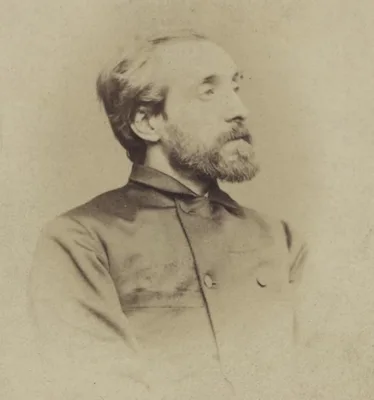
Thomas was the veritable founder of modern orthopedics in the British Isles. The conservative methods introduced by him were developed by Sir Robert Jones. Thomas is remembered eponymically by the “Thomas splint…
1848 CE
#5599
Contributions to the pathology and practice of surgery.
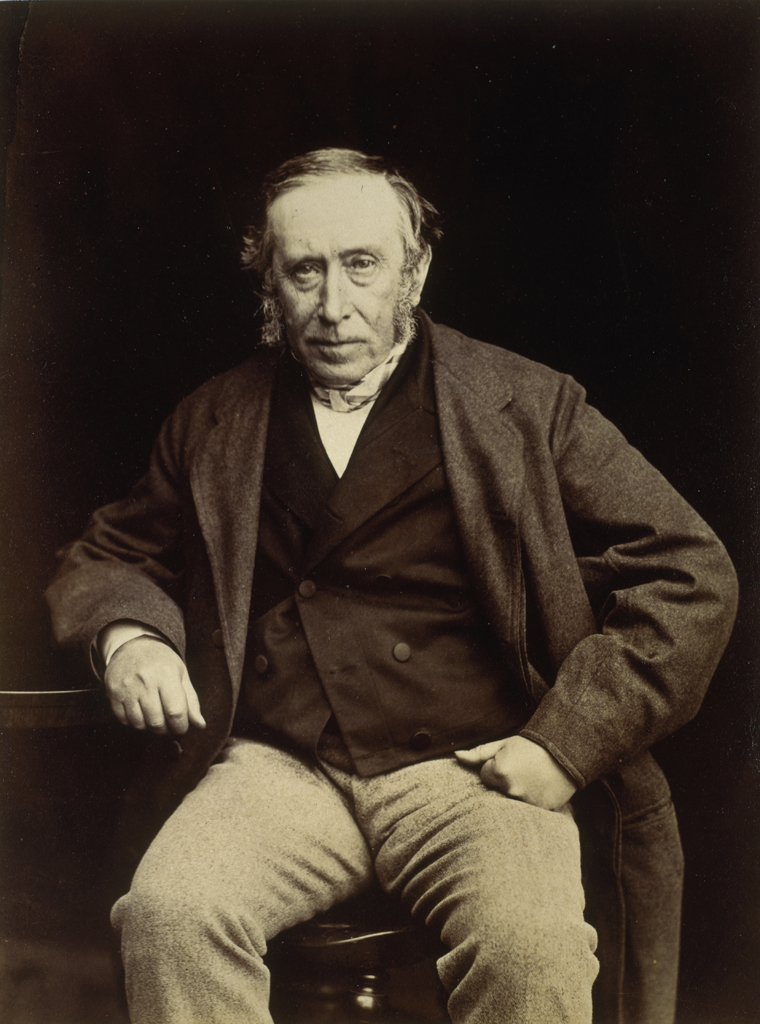
Syme, one-time colleague of Liston, succeeded to the latter’s extensive practice in Scotland. He came to London for a short time as Professor of Surgery at University College, but soon returned to Scotland. He w…
1949 CE
#4404.2
Control of bone growth by epiphyseal stapling: A preliminary report.

“Blount staple”. Unlike previous processes, epiphyseal stapling permitted subsequent correction.
1955 CE
#3047.7
Controlled cross circulation for direct-vision intracardiac surgery; correction of ventricular septal defects, atrioventricularis communis, and tetralogy of Fallot.
Controlled cross circulation (human heart–lung “machine”) for intracardiac surgery.
1954 CE
#3047.6
Controlled cross circulation for open intracardiac surgery; physiologic studies and results of creation and closure of ventricular septal defects.
Warden and colleagues undertook the first repair of various cardiac anomalies. With M. Cohen, and R.C. Read.
1987 CE
#7136
Correction of astigmatism with the excimer laser.


In 1985 Seiler performed the first large area ablation in a human eye to remove a corneal scar, having previously performed T-incisions with an excimer laser to correct for astigmatism.
1898 CE
#5755.4
Correction, by operation, of some nasal deformities and disfigurements.
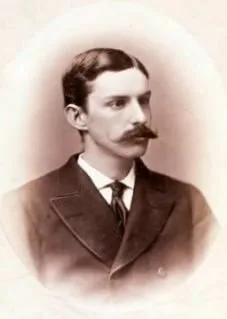
Monks developed the modern surgical treatment of rhinophyma.
1707 CE
#5575
Cours d’opérations de chirurgie, de demonstrées au Jardin Royal.
Dionis taught operative surgery at the Jardin-du-Roi, Paris, a famous training ground for surgeons. English translation, London, 1710.
1998 CE
#9682
Creating beauty to cure the soul: Race and psychology in the shaping of aesthetic surgery.
2008 CE
#13515
Cultural encyclopedia of the body. Edited by Victoria Pitts-Taylor. 2 vols.
1947 CE
#2090
Curare, its history, nature, and clinical use.
1935 CE
#5719
Curare.
Isolation from curare of d-tubocurarine chloride.
1887 CE
#3597
Cure radicale des hernies.
1679 CE
#4436
Currus triumphalis, è terebinthô. Or an account of the many admirable vertues of oleum terebinthinae. More particularly, of the good effects produced by its application to recent wounds, especially with respect to the hemorrhagies of the veins, and arteries, and the no less pernicious weepings of the nerves, and lymphaducts. Where also, the common methods, and medicaments, used to restrain hemorrhagies, are examined, and divers of them censured. And lastly, A new way of amputation, and a speedier convenient method of curing stumps, than that commonly practised, is with divers other useful matters recommended to the military surgeon.…
Describes how Yonge used turpentine to arrest hemorrhage, and presents the first account of a flap amputation. It also shows that Yonge was familiar with tourniquets. Digital facsimile from Google Books at this link.
1934 CE
#5718
Cyclopropane anesthesia.
Closed circuit method.
1934 CE
#5717
Cyclopropane as an anesthetic agent: a preliminary clinical report.
First clinical use of cyclopropane. With W. B. Neff, and E. A. Rovenstine.
1884 CE
#3480
Darmresektion und Enterorhaphieen, 1878-83.
Billroth was a pioneer in visceral surgery. Above is an account of many intestinal resections and enterorrhaphies carried out by him.
1805 CE
#1839
Darstellung der reinen Mohnsäure (Opiumsäure); nebst einer chemischen Untersuchung des Opiums, mit vorzüglicher Hinsicht auf einen darin neu entdeckten Stoff.
Isolation of morphine from opium. This was the first isolation of an active ingredient from a plant.
1884 CE
#3292
Das Cocain als Anästheticum und Analgeticum für den Pharynx und Larynx.
Cocaine first employed in laryngology.
1892 CE
#5775
Das Cystadenom der Mamma.
“Schimmelbusch’s disease”.
1497 CE
#5559
Das ist das buch der Cirurgia
The first important printed surgical treatise in German. It combines a compilation of the ancient and medieval authorities with Brunschwig’s own extensive experience. It contains the first detailed account of gu…
1577 CE
#7990
De arte medica infantium libri quatuor. Quorum duo Priores de tuenda eorum sanitate, posteriores de curandis morbis agunt.
An early illustrated work on pediatrics. The three parts of his book deal with the management of the nurse and her milk, the care and feeding of the new-born, and diseases of children, including skin diseases, and cha…
2014 CE
#5557
De arte phisicale et de cirurgia

John of Arderne was the first English surgeon of note. The Stockholm manuscript preserved in the National Library of Stockholm is an illustrated vellum roll nearly 18 feet long and 15 inches wide written in England in…
1555 CE
#5562
De chirurgia scriptores optimi quique veteres et recentiores, plerique in Germania antehac non editi.
A collection made by Gesner of various surgical works by ancient and recent authors including M. A. Blondus, A. Bolognini, G. Dondi, A. Ferri, Galen, C. Gesner, J.Langius, B. Maggi, Marianus Sanctus, Oribasius, and J.…
1778 CE
#5550
De chirurgia. Arabice et Latine cura Johannis Channing. 3 vols.
This parallel Arabic-Latin edition prepared by the apothecary John Channing is the first printed edition in Arabic, and the first modern edition of the text. Digital facsimile of the 1778 edition from Bayerische Staat…
1607 CE
#2245
De combustionibus.
First book devoted entirely to burns. Fabry was the first to classify burns. Translated into English by John Steer as: Gulielm, Fabricius Hildamus, his experiments in chyrurgerie concerning combustions or burnings mad…
1597 CE
#5734
De curtorum chirurgia per insitionem.
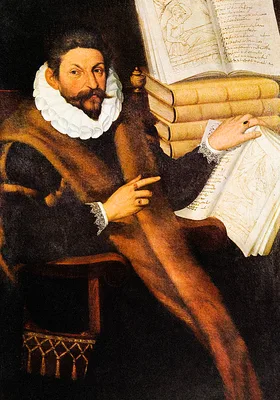
Tagliacozzi of Bologna became famous for his work on rhinoplasty, but Paré and Fallopius both abused him and his work, and the Church (which regarded such operations as meddling with the work of God) exhumed hi…
1587 CE
#5733.52
De decoratione liber…Additi nunc primum duo tractatus, alter, de varicibus, alter de reficiendo naso.
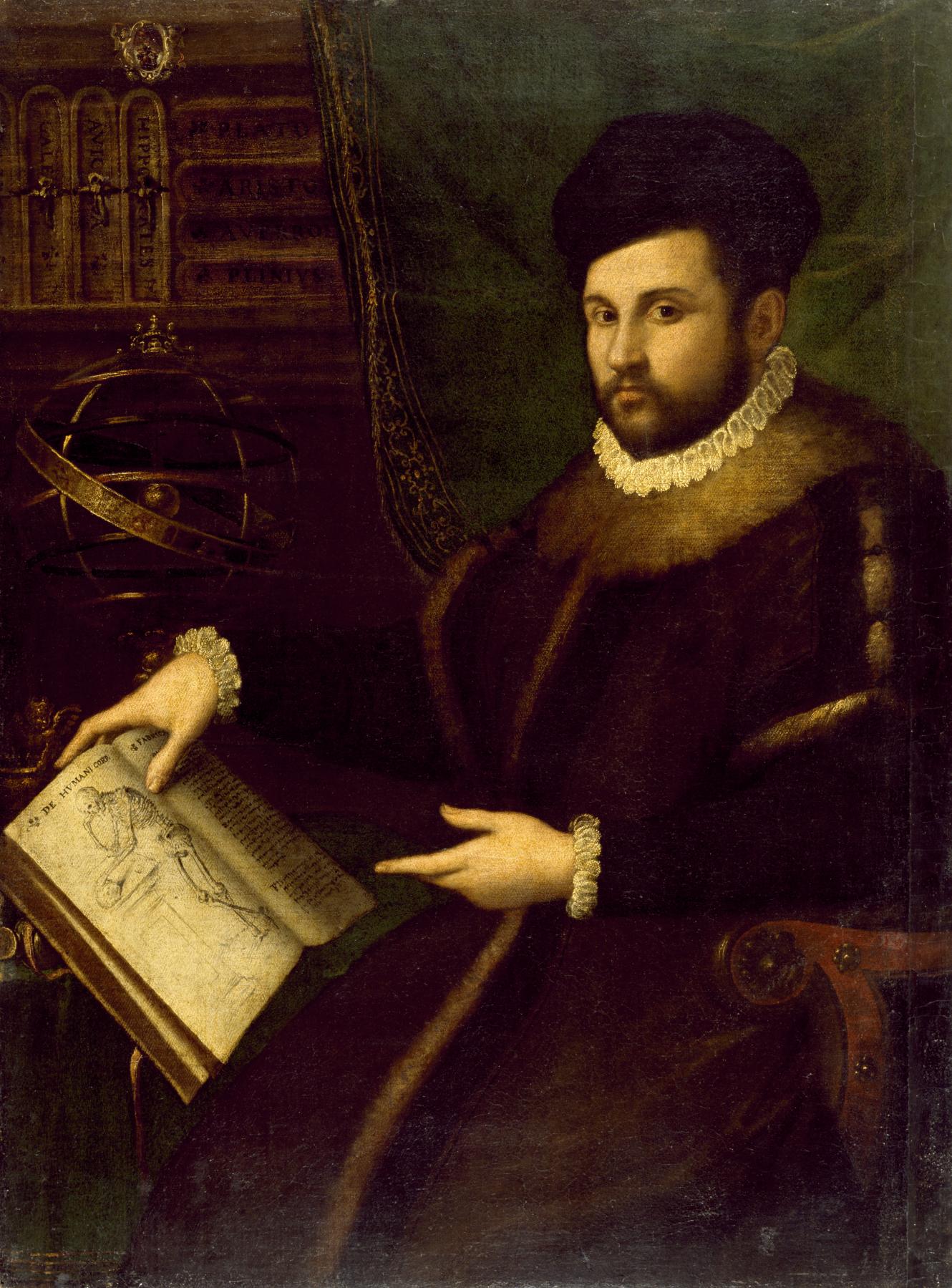
This work on cosmetics contains Tagliacozzi’s first publication on rhinoplasty – De reficiendo naso – a letter written to Mercuriale in response to inaccurate statements about Tagliacozzi's methods m…
1593 CE
#5566
De gangraena et sphacelo.
Fabricius, the “Father of German Surgery”, was the first to advocate the amputation above the gangrenous or injured part. He is accredited with the first amputation of the thigh. In his work he makes no re…
1744 CE
#4302
De iis, qui ex tuberculis gibberosi fiunt.
Platner affirmed the tuberculous nature of humpback, which had earlier been surmised by Hippocrates and confirmed by Galen.
1879 CE
#3472
De l’ablation des tumeurs de l’estomac par la gastrectomie.
First gastrectomy for carcinoma; unsuccessful.
1902 CE
#5756
De l’ablation esthétique des tumeurs bénignes du sein.
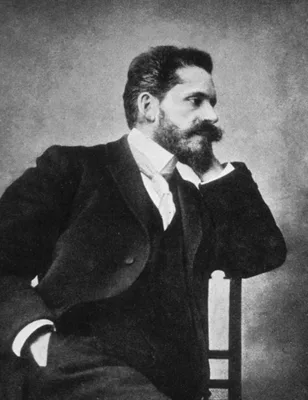
Morestin’s method of mammaplasty. He was also responsible for several of the techniques employed in maxillo-facial surgery. Reprinted, Pittsburgh, 1959
1874 CE
#5672
De l’anesthésie produite chez l’homme par les injections de chloral dans des veines.
First successful human intravenous anesthesia. Oré, professor of physiology at Bordeaux, reported the successful use of this method in animals in Bull. Soc. Chir. Paris, 1872, 3 sér., 1, 400-12. See also…
1894 CE
#5639
De l’asepsie et antisepsie en obstétrique.
Tarnier was the first to adopt Listerism in obstetrics. In the discussion following a paper in Trans. int. med. Congr., London, 1881, 4, 390-391, he showed that he was the first to employ carbolic acid solution in obs…
1825 CE
#5633
De l’emploi des chlorures d’oxide de sodium et de chaux.
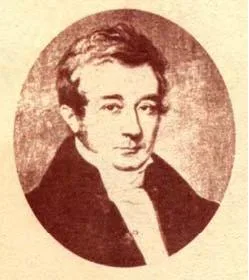
First chlorine solution for disinfecting purposes. English translation, 1826.