
Facets
Browse across eight MeSH (opens in new tab) facets — era, geography, science, specialty, technology, history, culture, and reference. Select one tag per group; counts update across the others.
Clear filtersFacet filters
Geography
Specialties & Disease
- Anatomy & Pathology 765
- Cardiology & Blood 914
- Neurology & Psychiatry 1,256
- Obstetrics & Reproductive 550
- Infectious Disease (General) 147
- Surgery & Anesthesia 1,551
- Public Health 1,129
- Immunology & Dermatology 1,404
- General Clinical Medicine 480
- Military Medicine 436
- Psychology 202
- Alternative & Fringe Medicine 383
- Pediatrics 247
- Ophthalmology & Vision 412
- ENT & Hearing 293
- Urology & Nephrology 309
- Gastroenterology & Hepatology 316
- Pulmonary & Respiratory 233
- Rheumatology, Rehab & Pain 188
- Internal, Emergency & Geriatric 123
- Veterinary Medicine 165
- Epidemiology & Demography 397
- Physiology & Embryology 923
- Dentistry 259
- Plagues & Epidemics 1,279
- Microbiology & Virology 1,080
Social & Historical Studies
Institutions & Culture
Reference & Scholarly Works
923 entries match Physiology & Embryology [G07 / G02.149]
1967 CE
#534.3
Essays in the history of embryology and biology.
1964 CE
#8145
Essays on the history of physiology in Russia, by Kh.S. Koshtoyants. Editor of English translation: Donald B. Lindsley. Translated from the Russian by David Boder, Kristan Hanes [and] Natalie O'Brien.
Focuses on neurophysiology, especially the work of Sechenov and Pavlov. Originally published in Moscow, 1946.
2015 CE
#7781
Essays on the history of respiratory physiology.
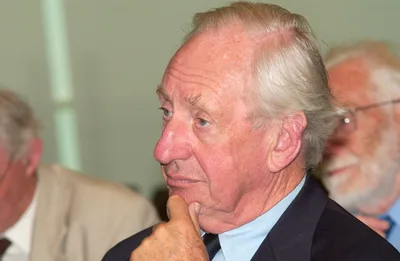
1981 CE
#13285
Establishment in culture of pluripotential cells from mouse embryos.
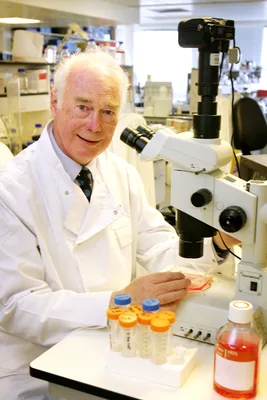
Evans and Kauffman were the first to identify, isolate and successfully culture embryonic stem cells using mouse blastocysts. This discovery opened the doors to the creation of “murine genetic models” -- m…
1888 CE
#7334
Estructura de los centros nerviosos de las aves.
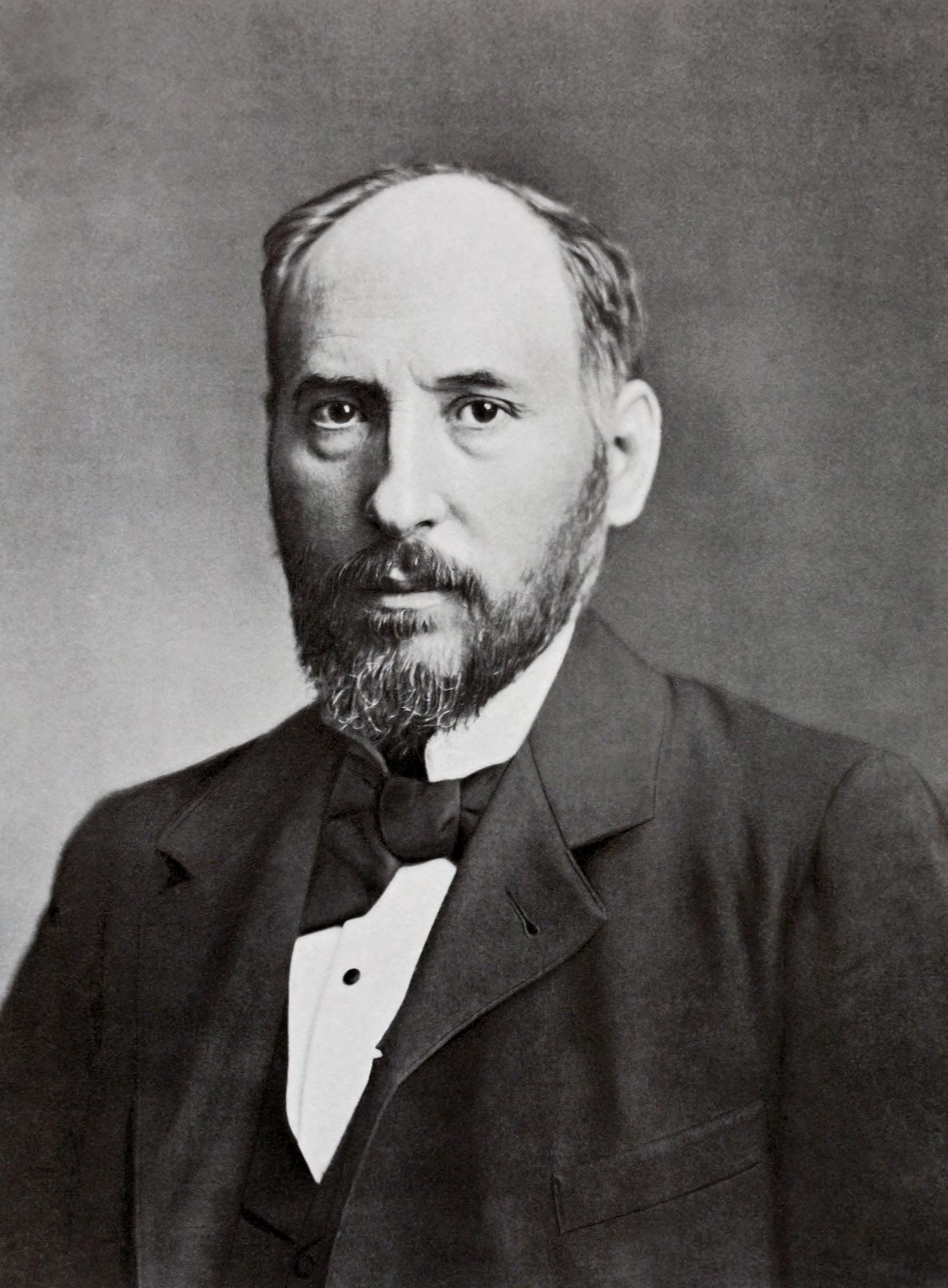
"The foundational article of modern cellular neuroscience. . . . this is where Cajal first demonstrated with the Golgi method how neurons interact by contact not continuity in the adult central nervous system—in…
1856 CE
#773
Études expérimentales sur les lésions organiques du coeur.
Faivre made the first accurate estimation of the blood-pressure in man, by connecting the artery with a mercury manometer and making direct readings. These investigations were important, since they established normal …
1976 CE
#14245
Evidence for somatic rearrangement of immunoglobulin genes coding for variable and constant regions.
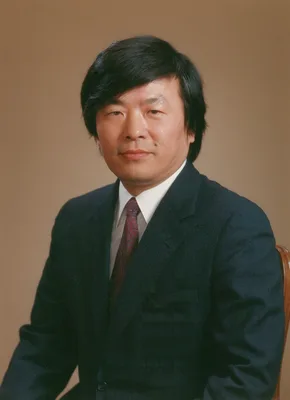
Discovery of V(D)J recombination, the genetic mechanism which produces antibody diversity. In 1987 Tonegawa was awarded the Nobel Prize in Physiology or Medicine "for his discovery of the genetic principle for generat…
2004 CE
#14205
Evidence of a pluripotent human embryonic stem cell line derived from a cloned blastocyst.



The authors in Korea, led by Woo-suk Hwang, reported the cloning of a human blastocyst using somatic cell nuclear transfer, and deriving pluripotent embryonic stem cells from that cloned blastocyst. In doing so they c…
1575 CE
#4964
Examen de ingenios para las ciencias.
Huarte was a distinguished Spanish physician and psychologist. His Examen, which gained for him a European reputation, was the first attempt to show the connection between psychology and physiology. English translatio…
1649 CE
#10658
Exercitatio anatomica de circulatione sanguinis.
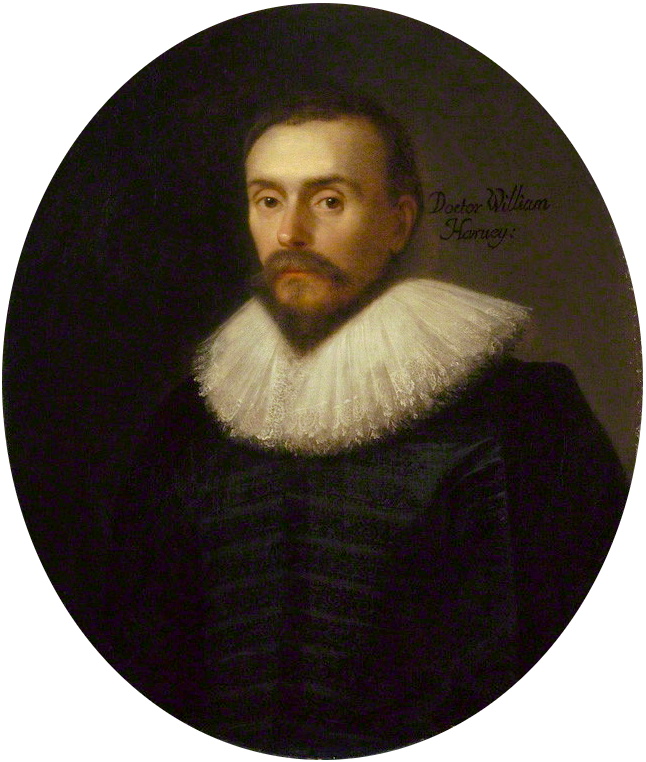
In this work Harvey first described the circulation of blood through the coronary arteries. Harvey also described experiments that he made to provide further support to his theory of the circulation since the publicat…
1628 CE
#759
Exercitatio anatomica de motu cordis et sanguinis in animalibus.
Discovery and experimental proof of the circulation of the blood. Together with Vesalius’s Fabrica (1543), Harvey’s De motu cordus shares the honor as the greatest book in the history of medicine. Since an…
1651 CE
#467
Exercitationes de generatione animalium.
Harvey was among the first to disbelieve the erroneous doctrine of the “preformation” of the fetus; he maintained that the organism derives from the ovum by the gradual building up and aggregation of its p…
1812 CE
#1389.2
Expériences sur le principe de la vie.
Le Gallois described the action of the vagus nerve on respiration. He showed that bilateral section of the vagus can produce fatal bronchopneumonia. The above work includes (p. 37) his location of the respiratory cent…
1845 CE
#807
Experimenta, quibus probatur nervos vagos rotatione machinae galvanomagneticae irritatos, motum cordis retardare et adeo intercipare.
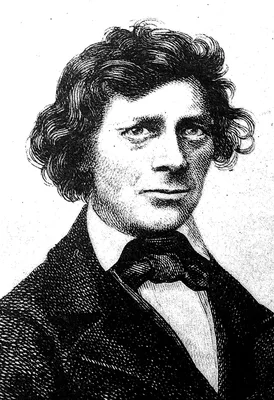
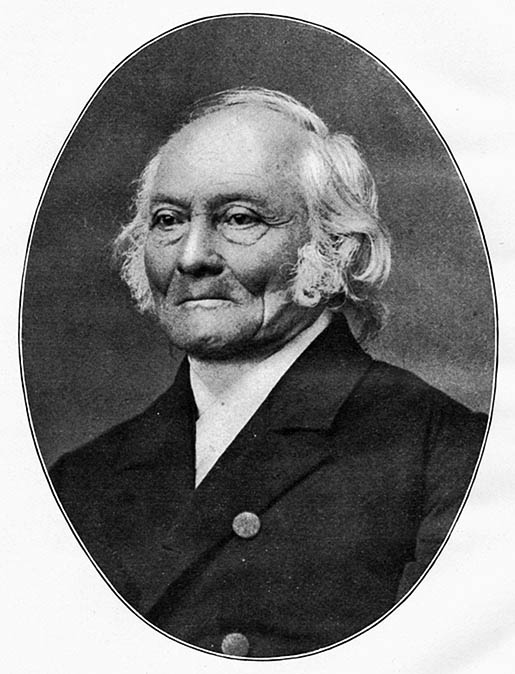
The discovery of the inhibitory power of the vagus. Also published in Wagner’s Handwörterbuch der Physiologie, 1846, 3, 45-51. Partial translation in J. F. Fulton’s Selected readings in the history of…
1882 CE
#14028
Experimental physiology: Its benefits to mankind, with an address on unveiling the statue of William Harvey at Folkestone 6th August 1881.
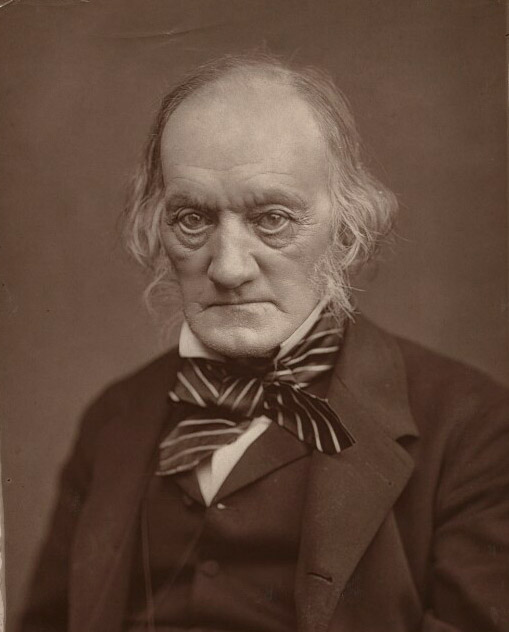
A little-known historical work on the history of physiology and the history of medicine by Owen, who, even though he was trained in medicine, most often wrote on topics in comparative anatomy, zoology, paleontology an…
1904 CE
#519
Experimental studies on germinal localisation.
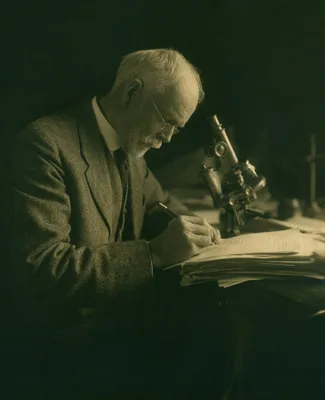
1884 CE
#1468
Experimentelle Beiträge zur Lösung der Frage über die specifische Energieder Hautnerven
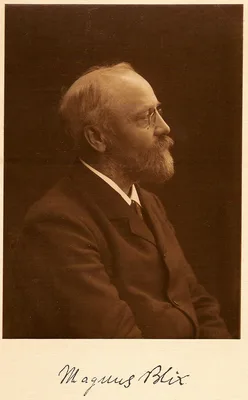
Besides his investigation of the specific energies of cutaneous nerves, Blix is remembered for his work on the thermodynamics of muscular contraction; he designed a muscle indicator diagram; he was also the first to s…
1775 CE
#590
Experiments and observations in an heated room.
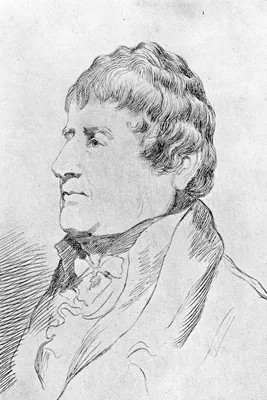
First demonstration of the importance of perspiration in the maintenance of constant body temperature.
1795 CE
#595
Experiments on the insensible perspiration of the human body.
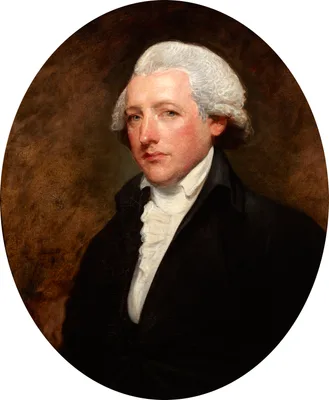
Demonstration that carbon dioxide is given off by the skin. This book was first privately printed in 1779; above is the corrected edition.
1907 CE–1908 CE
#522
Experiments on the origin and differentiation of the optic vesicle in amphibia.
1983 CE
#8755
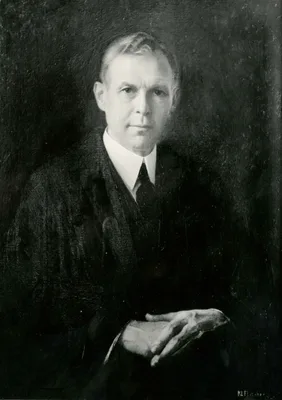
Exploring the origins of electrical cardiac stimulation.
1878 CE
#3826
Exstirpation einer Struma retroesophagea.
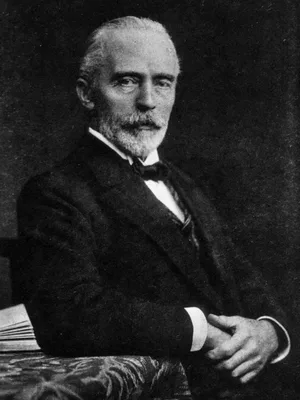
Kocher, a pupil of Billroth, was a pioneer of thyroidectomy for goitre. Before his time the operation was seldom performed. Garrison says that Kocher performed this difficult operation 2,000 times, with a mortality ra…
1572 CE–1573 CE
#1539
Externarum et internarum principalium humani corporis partium tabulae.
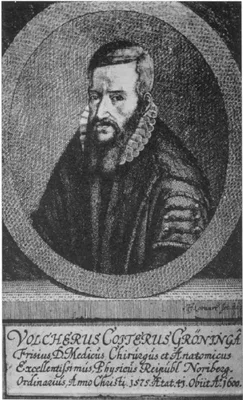
Coiter made several important contributions to the study of human anatomy, and was the first to elevate comparative anatomy to the rank of an independent branch of biology. His Externarum et internarum principalium hu…
1959 CE
#14141
Factors affecting the activity of muscle phosphorylase b kinase.
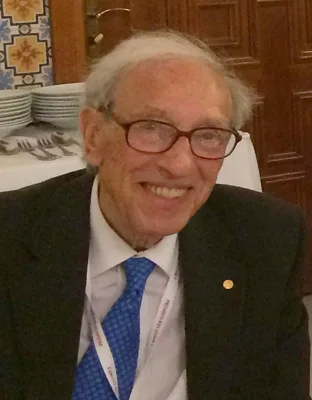
In 1992 Krebs and Fischer were awarded the Nobel Prize in Physiology or Medicine "for their discoveries concerning reversible protein phosphorylation as a biological regulatory mechanism." Digital facsimile from PubMe…
1912 CE
#1048
Feeding experiments illustrating the importance of accessory factors in normal dietaries.
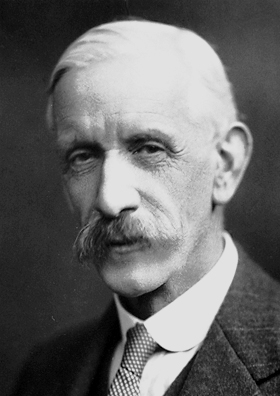
In 1929 Hopkins shared the Nobel Prize in Physiology or Medicine with Eijkman "for his discovery of the growth-stimulating vitamins."
1959 CE
#532.3
Fertilization of rabbit ova in vitro.
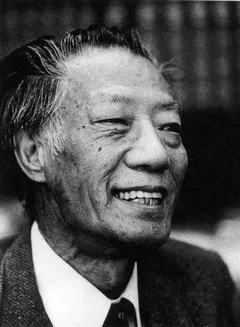
The birth of normal rabbits from in vitro fertilization and embryo transfer was the first proof that births resulting from this procedure are normal.
1951 CE
#532.2
Fertilizing capacity of spermatozoa deposited into the Fallopian tubes.
Discovery that maturation of the sperm in the mammalian female tract is a necessary step in reproduction. This was co-discovered and called capacitation by Austin in the same year. See C.R. Austin, Observation on the …
1887 CE
#2791
Fibrillar contraction of the heart.
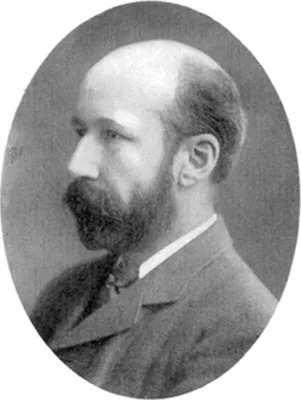
MacWilliam discovered that fibrillar contraction of the heart is due to “a rapid succession of incoordinated peristaltic contractions.” He clearly described auricular and ventricular fibrillation, and show…
1889 CE
#1013
Fisiologia del digiuni.
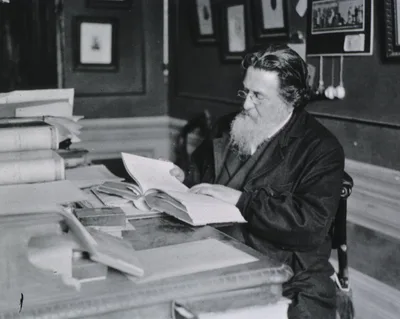
Luciani distinguished three stages of starvation in man – hunger, physiological inanition, and pathological inanition. Digital facsimile from Google Books at this link.
1897 CE
#950
Fisiologia dell’uomo sulle Alpi. Studii fatti sul Monte Rosa.
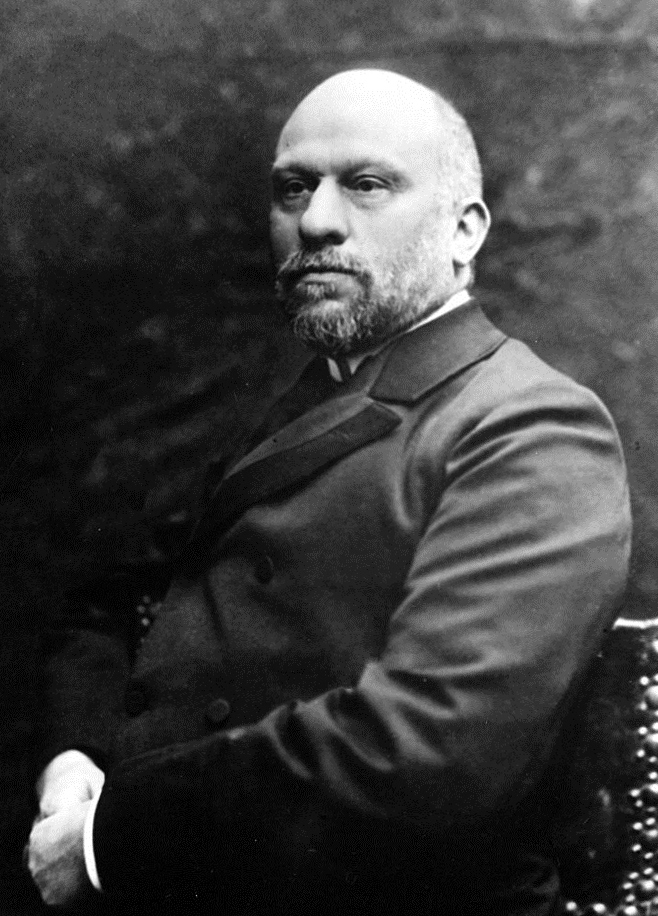
Mosso made important investigations on respiration at high altitudes. He considered that the respiratory symptoms produced at high altitudes were due to lack of carbon dioxide. English translation, London, 1898.
1901 CE–1911 CE
#652
Fisiologia dell’uomo. 4 vols.
5th edition (5 vols.), 1919-21; English translation (5 vols.), London, 1911-21. Luciani was professor of physiology successively at Siena, Florence, and Rome.
1859 CE
#812.2
Fissura sterni congenita. New observations and experiments made in Amerika [sic] and Great Britain with illustrations of the case and instruments.
Records first use of telegraphy to record and measure the heart beat and pulse, written and published by the patient, who lived to the age of 45. This was done in Boston with an instrument placed against Groux’s…
1974 CE
#534.41
Foundations of experimental embryology. 2nd ed.
14 classic contributions to embryology (in English translations where appropriate) with historical commentaries.
1988 CE
#8732
Founders of British physiology: A biographical dictionary, 1820-1885.
1818 CE
#9692
Frankenstein; or, the modern prometheus. 3 vols.
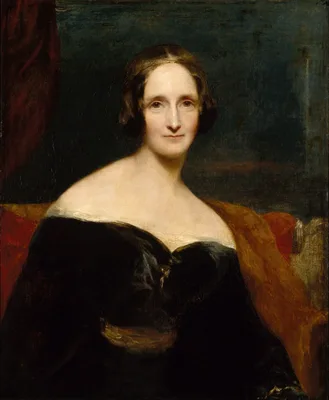
The full digitized text of the 1818 is available from the Internet Archive at this link.
1975 CE
#2660.27
From the molecular biology of oncogenic DNA viruses to cancer. Les Prix Nobel en 1975, pp. 172-80.
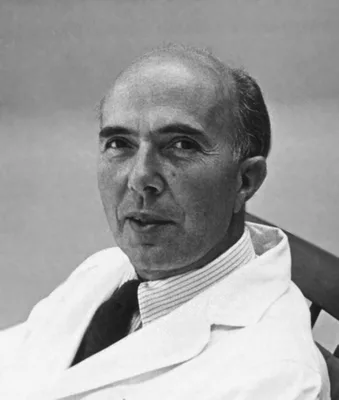
In 1975 Dulbecco shared the Nobel Prize in Physiology or Medicine with David Baltimore and Howard Martin Temin "for their discoveries concerning the interaction between tumour viruses and the genetic material of the c…
1989 CE
#13245
Führer durch die Schausammlung Phonetisches Institut
1718 CE
#583
Fundamenta physiologiae.
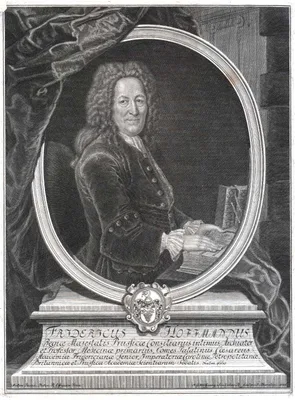
Hoffmann was the first to perceive pathology as an aspect of physiology. His Fundamenta is an outstanding treatise on physiology. English translation with introduction by Lester S. King, London, 1971.
1953 CE
#4435.4
Fundamental aspects of fracture treatment. [In Japanese]
First electrically-induced osteogenesis. Yasuda demonstrated that small amounts of electric current applied to bone stimulated osteogenesis at the cathode. He was also the first to describe stress generated potentials…
1939 CE
#7158
Fused neurons and synaptic contacts in the giant nerve fibers of cephalopods.
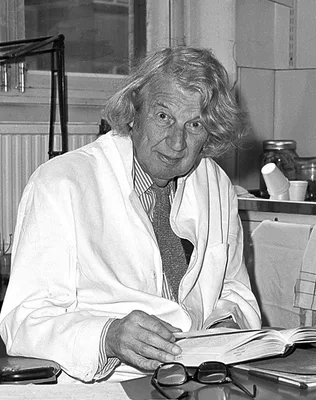
Young discovered the squid giant synapse, a chemical synapse found in squid, and the largest chemical junction in nature.
1968 CE
#9097
Galen on the usefulness of the parts of the body. De usu partium. Translated from the Greek with an introduction and commentary by Margaret Tallmadge May. 2 vols.
![GALEN, [Κλαύδιος Γαληνός; Galen of Pergamon] (129 – 216)](/media/portraits/21)
2012 CE
#8257
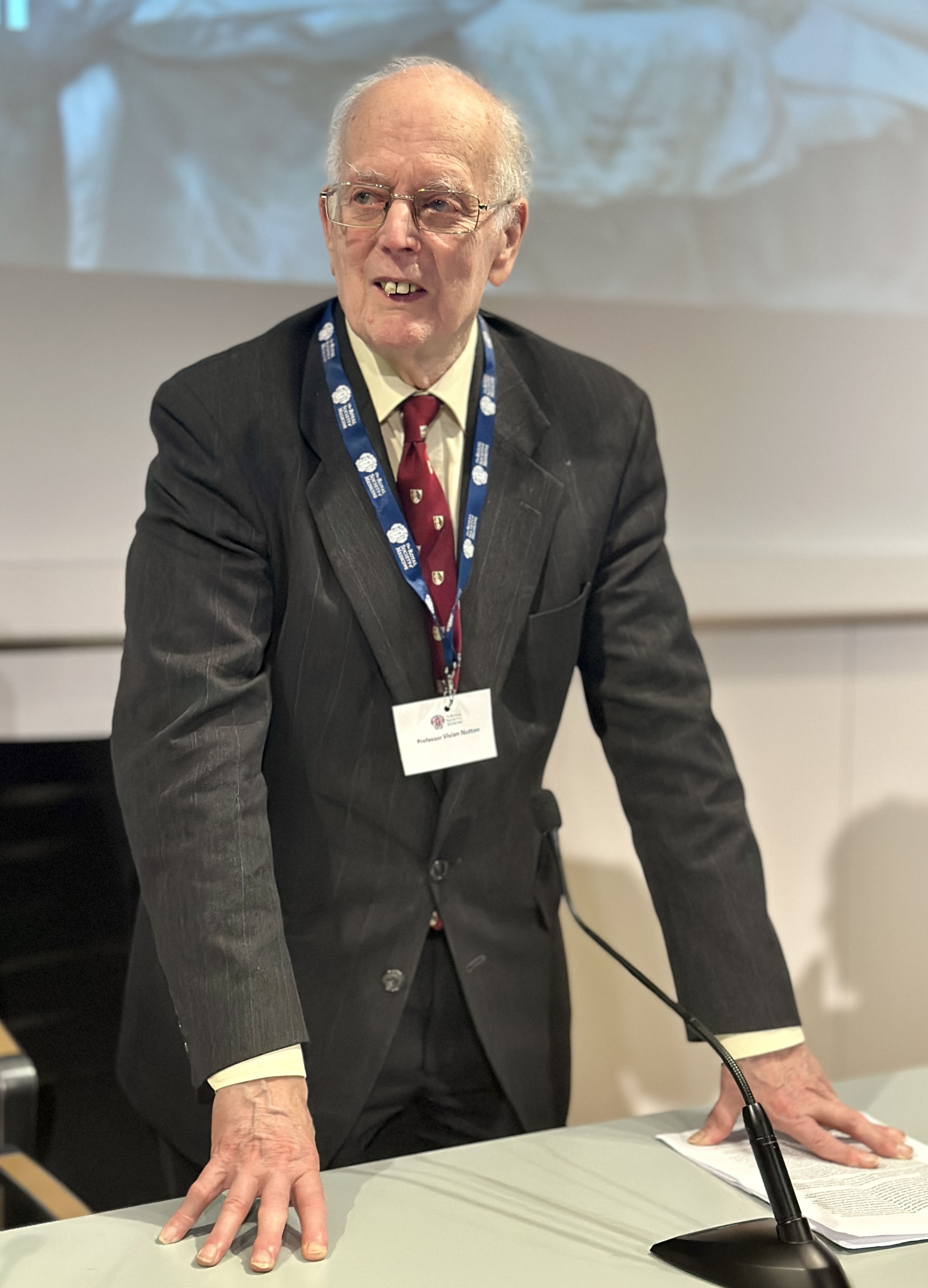
Galen: On problematical movements. Edited with introduction and commentary by Vivian Nutton, with an edition of the Arabic version by Gerrit Bos.
1968 CE
#9129
Galen's system of physiology and medicine. An analysis of his doctrines and observations on blood flow, respiration, humors and internal diseases.
1905 CE
#2713
Gefässkrisen.
1909 CE
#1436
Gehirn und Sympathicus.
First experimental studies on hypothalmic function
1946 CE
#255.4
Gene recombination in Escherichia coli.
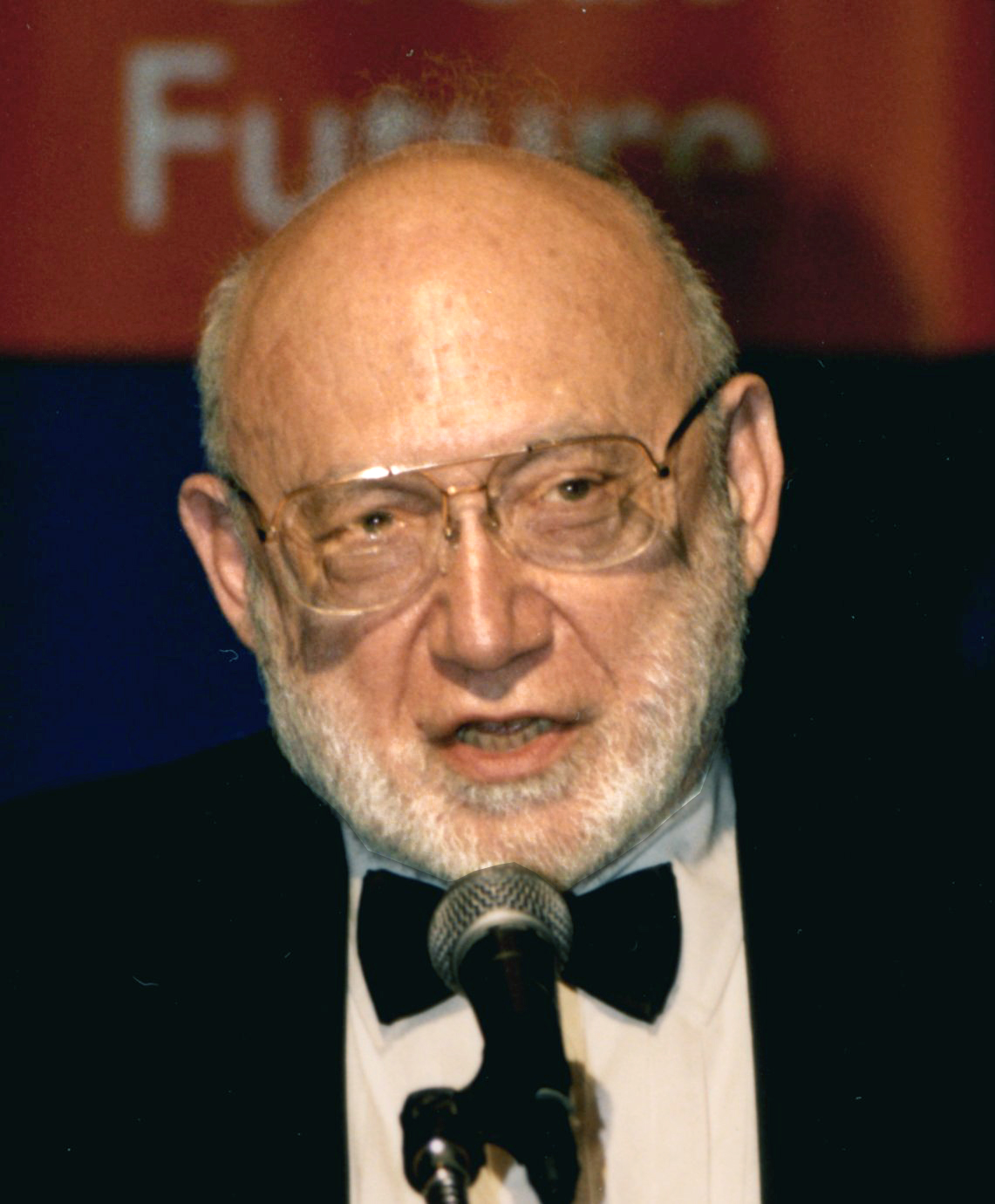
Discovery of sexual processes in the reproduction of bacteria. In 1958 Lederberg shared the Nobel Prize in Physiology or Medicine with Tatum and Beadle (No. 254.3) "for his discoveries concerning genetic recombination…
1866 CE
#223
Generelle Morphologie der Organismen. 2 vols.
Haeckel accepted the general principles of Darwinism, disagreeing on some points. He was the first to promote Darwin’s theories in Germany. This work contains the first statement of his theory that “ontoge…
1941 CE
#254.3
Genetic control of biochemical reactions in Neurospora.
Beadle and Tatum proposed the "one gene, one enzyme" hypothesis in 1941. This was a restatement of ideas originally proposed by Archibald Garrod (No. 244.1) in 1908. 1958 Beadle and Tatum shared the Nobel Prize in Phy…
1976 CE
#14253
Genetic control of the cell division cycle in the fission yeast Schizosaccharomyces pombe.
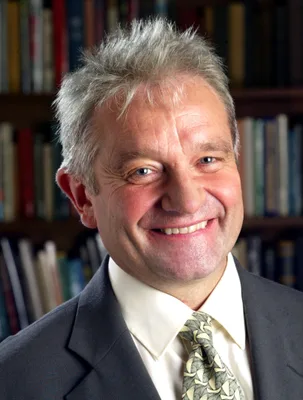
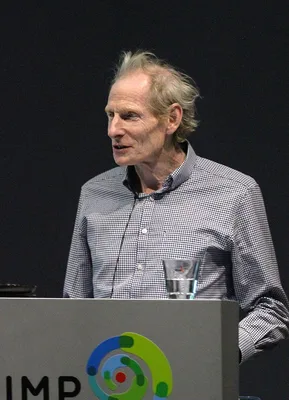
"Beginning in 1976, Nurse identified the gene cdc2 in fission yeast (Schizosaccharomyces pombe). This gene controls the progression of the cell cycle from G1 phase to S phase and the transition from G2 phase to mitosi…
1974 CE
#13934
Genetic control of the cell division cycle in yeast.

In 2001 Hartwell shared the Nobel Prize in Physiology or Medicine with Tim Hunt and Sir Paul M. Nurse "for their discoveries of key regulators of the cell cycle." See also No. 13933. In this paper the authors demonstr…