
Facets
Browse across eight MeSH (opens in new tab) facets — era, geography, science, specialty, technology, history, culture, and reference. Select one tag per group; counts update across the others.
Clear filtersFacet filters
Geography
Specialties & Disease
- Anatomy & Pathology 18
- Cardiology & Blood 20
- Neurology & Psychiatry 8
- Obstetrics & Reproductive 0
- Infectious Disease (General) 0
- Surgery & Anesthesia 2
- Public Health 19
- Immunology & Dermatology 28
- General Clinical Medicine 8
- Military Medicine 4
- Psychology 0
- Alternative & Fringe Medicine 2
- Pediatrics 1
- Ophthalmology & Vision 5
- ENT & Hearing 1
- Urology & Nephrology 4
- Gastroenterology & Hepatology 10
- Pulmonary & Respiratory 19
- Rheumatology, Rehab & Pain 2
- Internal, Emergency & Geriatric 0
- Veterinary Medicine 0
- Epidemiology & Demography 0
- Physiology & Embryology 53
- Dentistry 1
- Plagues & Epidemics 14
- Microbiology & Virology 13
Social & Historical Studies
Institutions & Culture
Reference & Scholarly Works
411 entries match Chemistry & Biochemistry [K01.900.200]
1849 CE
#683
Sur un réactif propre aux composés protéiques.
Millon discovered a special reagent for proteids.
1898 CE
#2003
Sur une substance nouvelle radio-active, contenue dans la pechblende.
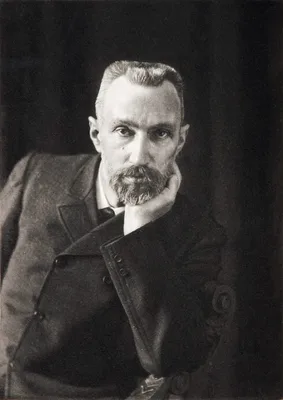
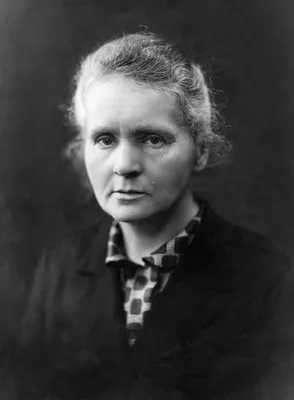
The Curies, studying the radioactivity of minerals containing uranium and thorium, isolated from pitchblend a substance which they called radium and which they showed to possess an astonishing degree of radioactivity.…
1826 CE
#1848.1
Sur une substance particulière contenue dans l’eau de la mer.
Isolation of bromine.
1898 CE
#3777
Sur une variété particulière d’ictère chronique splénomégalique.
“Hayem–Widal disease” –acquired hemolytic anemia (see also No. 3783).
1770 CE
#9204
Syllabus of a course of lectures on chemistry.
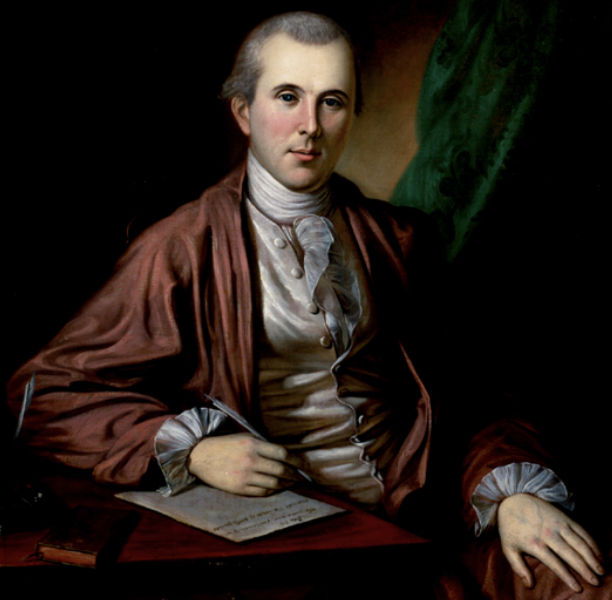
Rush inaugurated the first regular course of lectures on chemistry taught in America, at the College of Philadelphia. Includes much on pharmaceutical chemistry. Facsimile reprint with an introduction by L. H. Butterfi…
1933 CE
#14280
Synthesis of ascorbic acid.
Haworth and Hirst successfully synthesized vitamin C in the laboratory. This was the first vitamin to be artificially produced. Their breakthrough made it possible for vitamin C, or ascorbic acid as Haworth called it,…
1923 CE
#9333
The absorption and translocation of lead by plants: A contribution to the application of the method of radioactive indicators in the investigation of the change of substance in plants.
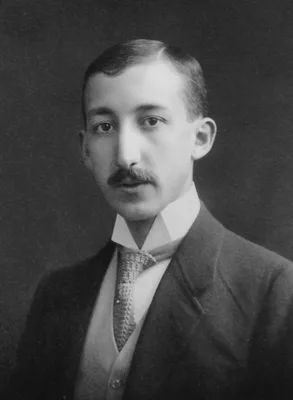
The first application of radioactive tracers in biological studies. Digital facsimile from PubMedCentral at this link. Hevesy received the 1943 Nobel Prize in Chemistry "for his work on the use of isotopes as tracers …
1920 CE
#743
The action of the boiled pancreas extract on yeast nucleic acid.
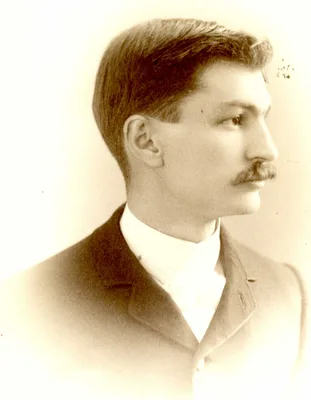
Ribonudease.
1786 CE
#1103
The anatomy of the absorbing vessels of the human body.
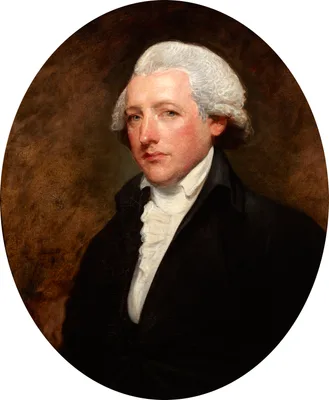
With Hunter and Hewson, Cruikshank laid the foundation of modern knowledge concerning the lymphatics. He was Dr. Johnson’s physician and William Hunter’s assistant.
1938 CE
#14279
The application of isotopic indicators in biological research.
A summary of Hevesy's research on the topic for which he received the 1943 Nobel Prize in Chemistry. (Thanks to Juan Weiss for this reference.)
2022 CE
#14052
The arsenal of eighteenth-century chemistry: The laboratories of Antoine Laurent Lavoisier (1743-1794) by Marco Beretta and Paolo Brenni.
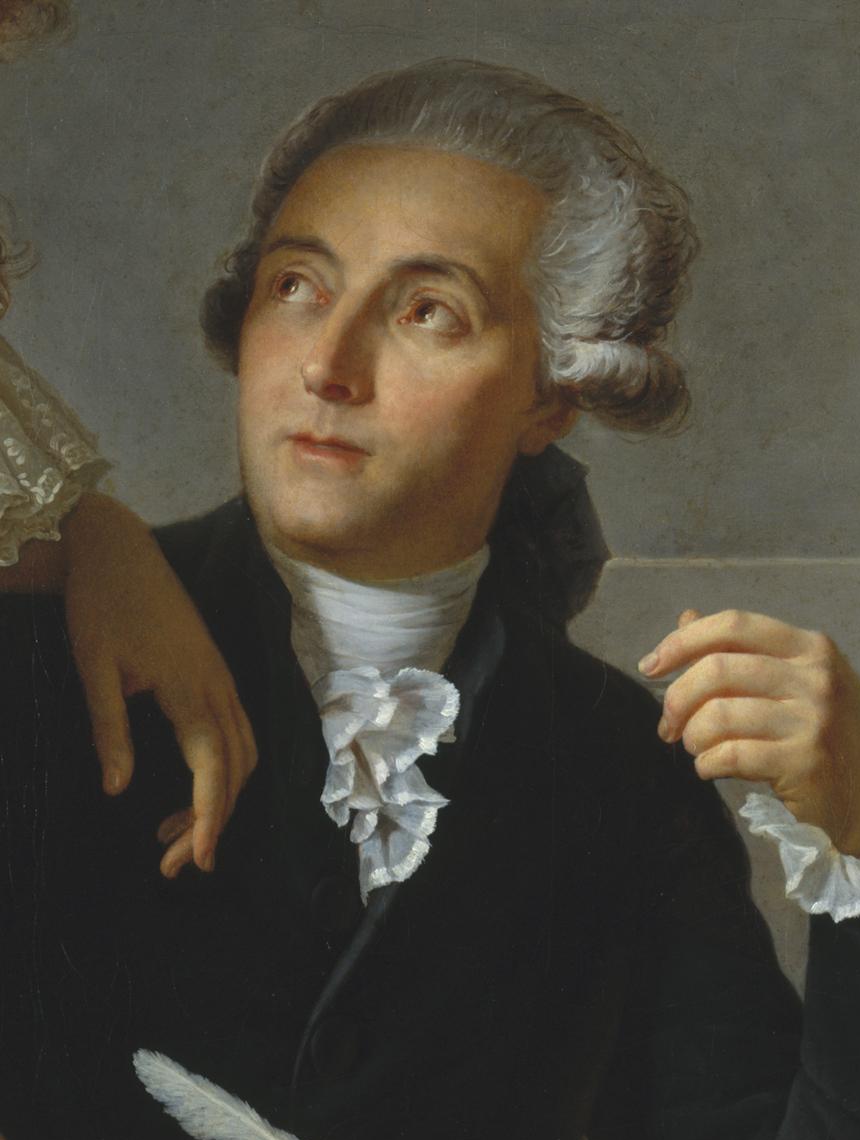
"The substantial collection of Antoine Laurent Lavoisier’s apparatus is not the only surviving collection of eighteenth-century chemical apparatus and instrumentation, but it is without question the most importa…
1891 CE
#717
The behaviour of saccharine matter in the blood.
Destruction of sugar in the blood.
1946 CE
#3788
The biological actions and therapeutic applications of the ß-chloroethyl amines and sulfides.
Introduction of nitrogen mustard in treatment of Hodgkin’s disease
1980 CE
#8794
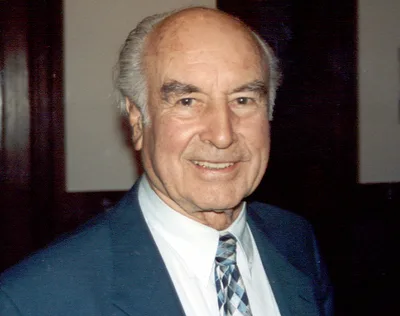
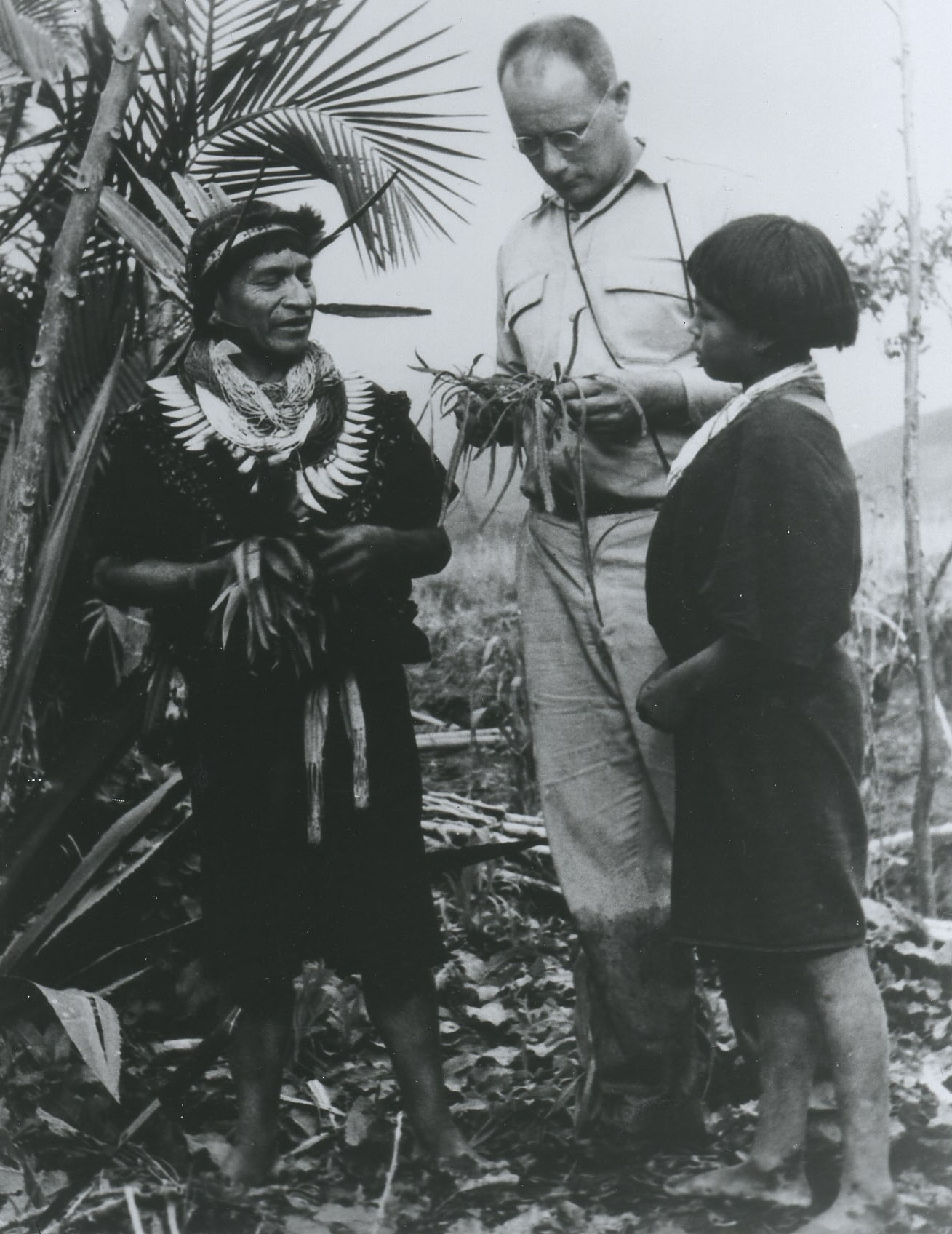
The botany and chemistry of hallucinogens. By Richard Schultes and Albert Hofmann. With a forward by Heinrich Klüver. Revised and enlarged second edition.
1949 CE
#12634
The chemistry of penicillin.
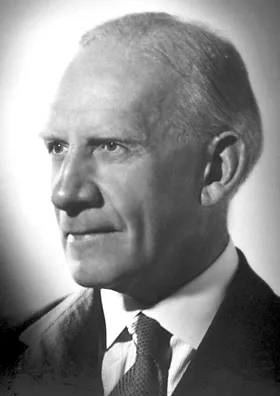
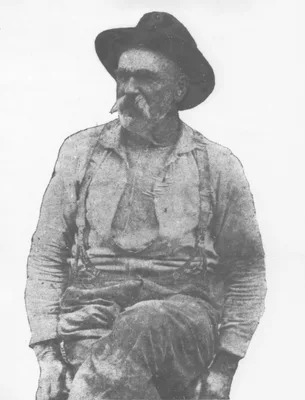
The National Academy of Sciences arranged for the preparation of this summary, with Clarke and Johnson representing the United States on the editorial board, and Robinson representing Britain. The 1120 page book was p…
1904 CE
#1
The code of Hammurabi, King of Babylon about 2000 BCE. Autographed text, transliteration, translation, glossary, index of subjects, lists of proper names, signs, numerals, corrections, and erasures, with map, frontispiece, and photograph of text by Robert Francis Harper.
The Code of Hammurabi was found among the cuneiform tablets of the library of Ashurbanipal. It is now in the Louvre. It was first published in Scheil, "Textes élamites-sémitiques. Deuxième s&eacut…
1955 CE
#6928
The crystal structure of the hexacarboxylic acid derived from B12 and the molecular structure of the vitamin.
The final structure of vitamin B12. With J. Pickworth, J.H. Robertson, K.N. Trueblood, R.J. Prosen, J. G. White. In 1964 Hodgkin was awarded the Nobel Prize in Chemistry "for her determinations by X-ray techniques of …
1981 CE
#14224
The crystallization of ribsomal proteins from the 50 S subunit of the Escherichia coli and Bacillus stearothermophilus ribosome.
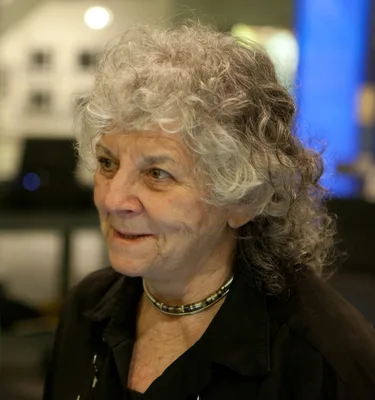
The authors crystallized fragments of the 50S subunit of a thermophile bacterium’s ribosome to 3 angstroms resolution. Order of authorship in the original publication: Appelt, Dyck, et al., Yonath. Digital facsi…
1924 CE
#963.1
The determination of gases in blood and other solutions by vacuum extraction and manometric measurement.
Method for the manometric analysis of gases in blood and other solutions.
1955 CE
#1207
The disulphide bonds of insulin.
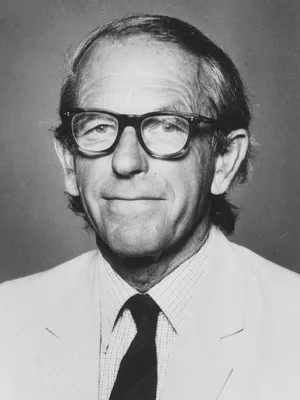
Sanger sequenced the amino acids of insulin, the first of any protein. His work “revealed that a protein has a definite constant, genetically determined sequence—and yet a sequence with no general rule for…
1873 CE
#10482
The effects of high atmospheric pressure, including the caisson disease.
Classic study of caisson disease. Smith was "Late Surgeon to the New York Bridge Co. (Caisson Work)", treating workmen who built the Brooklyn Bridge. The Eads Bridge (St. Louis) and the Brooklyn Bridge (New York City)…
1839 CE–1840 CE
#1856
The elements of materia medica, comprehending the natural history, preparation, properties, composition, effects and uses of medicines. 2 vols.
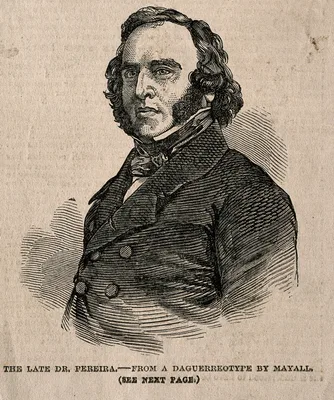
The first great English work on the subject, widely published and used in England and America. Pereira was Professor of Materia Medica at the School of Pharmacy set up by the Pharmaceutical Society of Great Britain. D…
1906 CE
#1045
The elements of the science of nutrition.
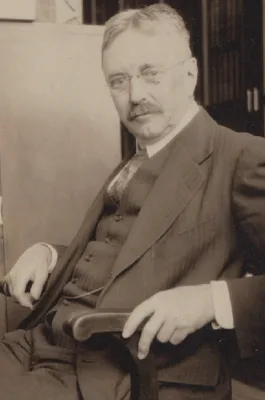
A classic exposition of respiratory and intermediary metabolism. Fourth edition, 1928. Reprint of Lusk’s personal annotated copy of the fourth edition, with biography and bibliography of his writings, New York, …
1963 CE
#14305
The genetic control of tertiary protein structure studies with mode systems.
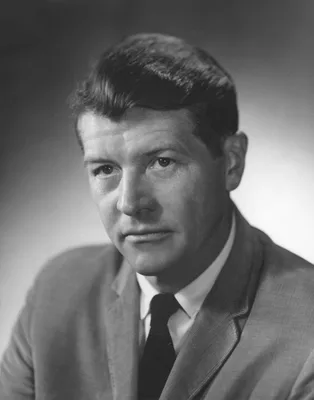
In 1972 Anfinsen shared half of the Nobel Prize in Chemistry with Stanford Moore and William H. Stein for "for his work on ribonuclease, especially concerning the connection between the amino acid sequence and biologi…
1906 CE
#732
The importance of individual amino-acids in metabolism.
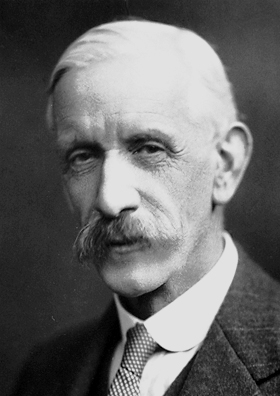
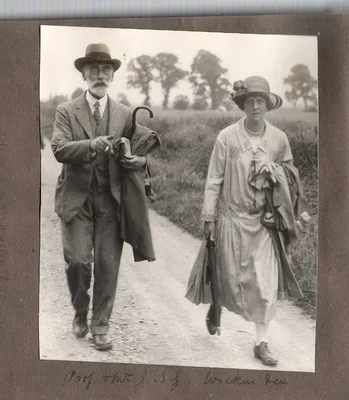
Demonstration of the importance of tryptophan in diet. The pioneer work of Hopkins led eventually to the discovery of vitamins.
1907 CE
#1027
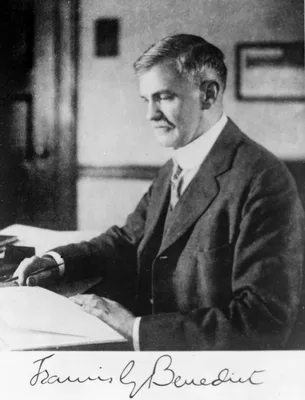
The influence of inanition on metabolism.
1894 CE
#1112
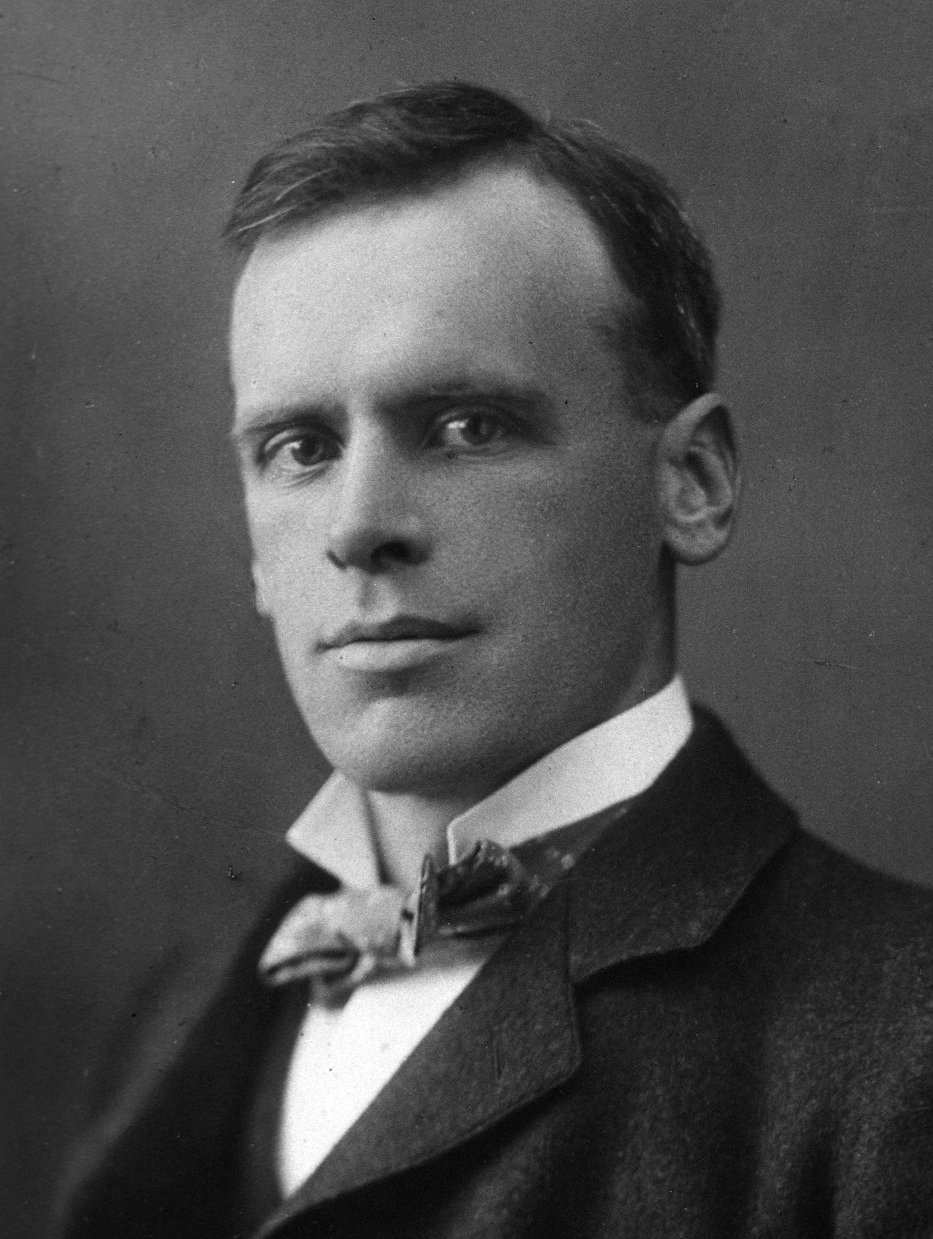
The influence of mechanical factors on lymph production.
1926 CE
#14025
The isolation and crystallization of the enzyme urease.
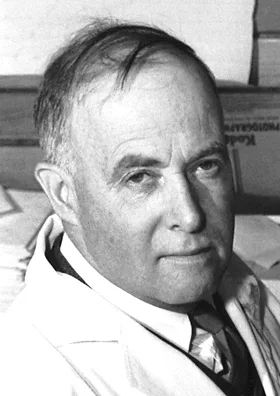
Sumner first isolated and crystallized an enzyme (urease) and proved that enzymes are proteins. One month after publication of the above paper Sumner reinforced his discovery by recrystalizing urease, publishing a fol…
1930 CE
#12830
The moving boundary method of studying the electrophoresis of proteins. (Nova Acta Reg. Soc. Scient. Upsaliensis, IV, 7, No. 4.)
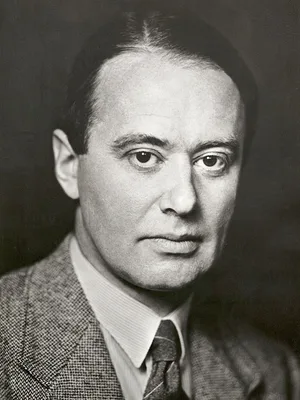
Tilesius's doctoral dissertation introduced the laboratory technique of moving-boundary electrophoresis, a technique for separation of chemical compounds by electrophoresis in free solution. For this work, and the wor…
1957 CE
#752.5
The nature and mode of action of oxidation enzymes. Nobel Lecture, December 12, 1955. In: Festschrift Arthur Stoll, pp. 35-47.
In 1955 Theorell was awarded the Nobel Prize in Physiology or Medicine "for his discoveries relating to the nature and mode of action of oxidation enzymes."
1920 CE
#13563
The nature of animal light.
Digital facsimile from Google Books at this link. Harvey later published Living light (1940) and Bioluminescence (1952). The 1952 book extended over 600 pages, and was his definitive study. (Thanks to Malcolm Jay Kott…
1939 CE
#6914
The nature of the chemical bond and the structure of molecules and crystals: An introduction to modern structural chemistry.
This book set forth in detail Pauling's valence-bond theory based on the quantum-mechanical concept of resonance between two energy states, which led to his highly innovative idea that the hybridization of orbitals (e…
1948 CE
#1929.2
The occurrence of nucleases in culture filtrates of group A hemolytic streptococci.
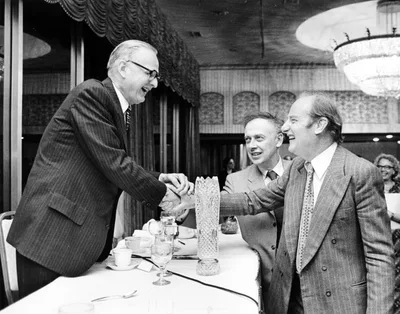
Streptodornase. See also W. S. Tillett et al., Proc. Soc. exp. Biol. (N. Y.), 1948, 68, 184-88.
1913 CE
#1113
The origin and development of the lymphatic system.
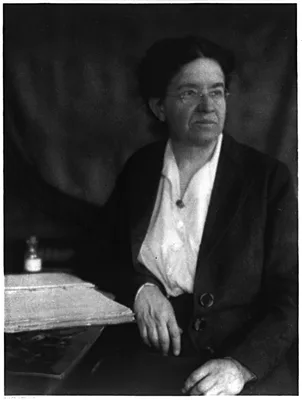
1967 CE
#7466
The origin of life.
An outstanding illustrated synthesis of the topics as they stood in 1967, including Chapter 2: "Notions of the origins of life in the past," summarizing prior theories. Appendix 1 publishes the English translation of …
1929 CE
#7467
The origin of life.
Haldane suggested that organic molecules could have been synthesized in an early atmosphere of carbon dioxide.
1910 CE
#739
The oxidases and other oxygen-catalysts concerned in biological oxidations.
Hygienic Laboratory.- Bulletin No. 59. December, 1909. Digital facsimile from the Internet Archive at this link.
1908 CE
#734
The oxidation of butyric acid by means of hydrogen peroxide with formation of acetone, aldehydes, and other products.
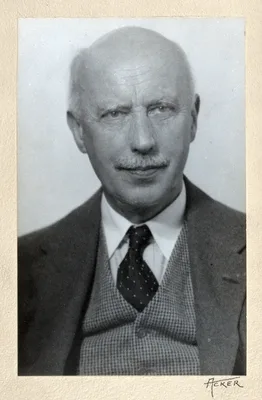
See No. 735.
1957 CE
#7386
The path of carbon in photosynthesis.
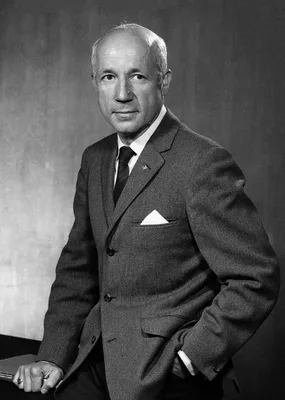
Discovery of the Calvin cycle, also known as the Calvin–Benson–Bassham (CBB) cycle, or reductive pentose phosphate cycle or C3 cycle — a series of biochemical redox reactions that take place in the s…
2006 CE
#13094
The Pauling catalogue. Ava Helen and Linus Pauling papers at Oregon State University. Edited by Christoffer Petersen and Cliff Mead. 6 vols.
Vol. 1. Timeline, correspondence, publications, manuscripts & typescripts of articles, speechs, and books. Vol. 2. Science, Research Notebooks. 1917 Linus Pauling Diary. Vol. 3. Peace, Ava Helen Pauling, travel, honor…
1913 CE
#1903.1
The plant alkaloids.
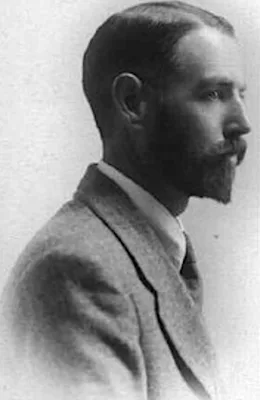
Digital facsimile from the Internet Archive at this link.
1933 CE
#1114
The quantitative study of lymphocyte production.
2006 CE
#11227
The Roy G. Neville historical chemical library: An annotated catalogue of printed books on alchemy, chemistry, chemical technology, and related subjects. 2 vols.
1960 CE
#14306
The sequence of the amino acid residues in performic acid-oxidized ribonuclease.

In 1959 Moore and Stein announced the first determination of the complete amino acid sequence of an enzyme, ribonuclease. In 1972 Moore and Stein shared half of the Nobel Prize in Chemistry with Christian B. Anfinsen …
2000 CE
#13953
The structural basis of ribosome activity in peptide bond synthesis.
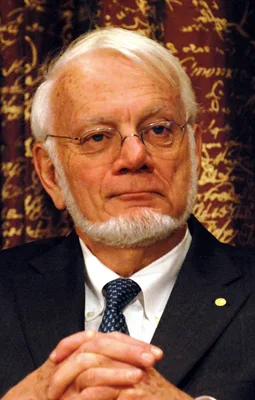
With Poul Nissen, Jeffrey Hansen, Nenad Ban, Peter B. Moore. Steitz shared the 2009 Nobel Prize in Chemistry with Venkatraman Ramakrishnan and Ada Yonath "for studies of the structure and function of the ribosome."
1951 CE
#6846
The structure of proteins: Two hydrogen-bonded configurations of the polypeptide chain.
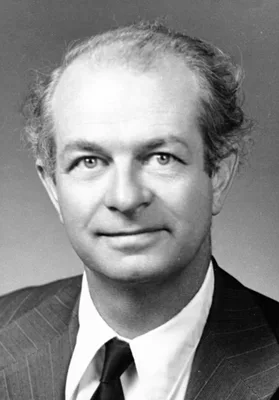
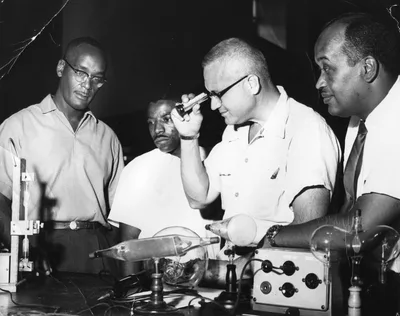
Pauling, his crystallographer R. B. Corey, and African-American physicist and chemist H.R. Branson announced the α-helix, a principal structural feature of proteins. Digital facsimile from the National Academy o…
1998 CE
#14332
The structure of the potassium channel: Molecular basis of K+ conduction and selectivity.
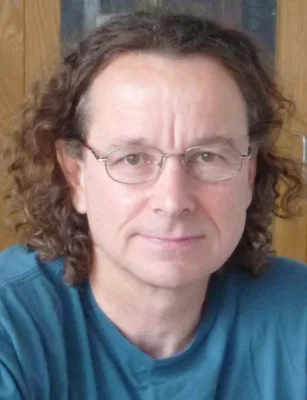
The authors determined the first high resolution structure of an ion channel, called KcsA from the bacterium Streptomyces lividans. The structure that they revealed was perfectly adapted to allow entry of potassium io…
1945 CE
#2659.4
The synchrotron: a proposed high energy particle accelerator.
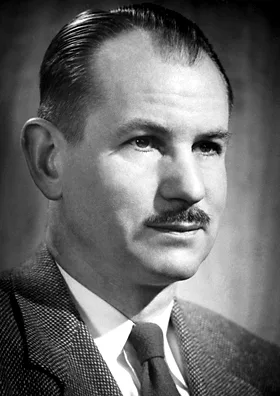
In 1951 McMillan shared the Nobel Prize in Chemistry with Glenn Theodore Seaborg "for their discoveries in the chemistry of the transuranium elements."
1953 CE
#1175.3
The synthesis of an octapeptide amide with the hormonal activity of oxytocin.
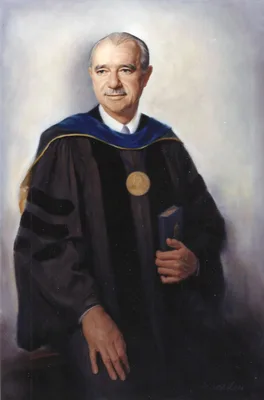
Synthesis of oxytocin. With C. Ressler, J. M. Swan, C. W. Roberts, P. G. Katsoyannis, and S. Gordon. In 1955 Vigneaud was awarded the Nobel Prize in Chemistry "for his work on biochemically important sulphur compounds…
1963 CE
#2660.16
The Vinca alkaloids: a new class of oncolytic agents.
Clinical use of vinblastine (for Hodgkin’s disease and other lymphomas) and vincristine (for acute leukemias of childhood). With J. G. Armstrong, M. Gorman, and J. P. Burnett. Preliminary communication in J. Lab…