
Sur une substance nouvelle radio-active, contenue dans la pechblende.
Publication Details
C. R. Acad. Sci. (Paris), 127, 175-78, 1215-17. 1898 CE.
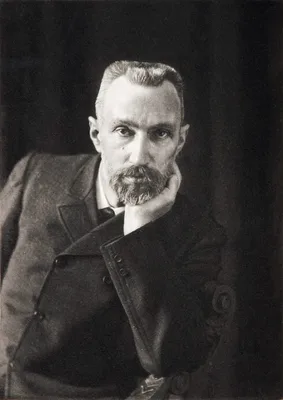
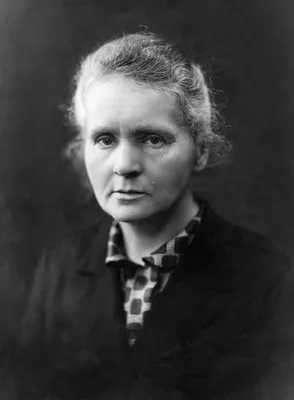
The Curies, studying the radioactivity of minerals containing uranium and thorium, isolated from pitchblend a substance which they called radium and which they showed to possess an astonishing degree of radioactivity.
In 1903 Pierre and Marie Curie shared half of the Nobel Prize in Physics "in recognition of the extraordinary services they have rendered by their joint researches on the radiation phenomena discovered by Professor Henri Becquerel." Becquerel received the other half in recognition of the extraordinary services he has rendered by his discovery of spontaneous radioactivity."
After Pierre Curie's death in 1906, in 1911 Marie Curie received the Nobel Prize in Chemistry "in recognition of her services to the advancement of chemistry by the discovery of the elements radium and polonium, by the isolation of radium and the study of the nature and compounds of this remarkable element."
Browse Tags
Thematic Classifications
| Catalog Metadata | Reference Information |
|---|---|
| Entry Number | #2003 |
| Permanent Link | https://staging.historyofmedicine.com/entry/1914 |
| Author Bio Link | Wikipedia ↗ |
| External URL | sur-une-substance-nouvelle-radioactive-contenue-dans-la-pechblende |