
Facets
Browse across eight MeSH (opens in new tab) facets — era, geography, science, specialty, technology, history, culture, and reference. Select one tag per group; counts update across the others. What’s new in facet browse how facets relate to subjects and MeSH.
Clear filtersFacet filters
Geography
Specialties & Disease
- Anatomy & Pathology 134
- Cardiology & Blood 11
- Neurology & Psychiatry 36
- Obstetrics & Reproductive 26
- Infectious Disease (General) 5
- Surgery & Anesthesia 14
- Public Health 129
- Immunology & Dermatology 38
- General Clinical Medicine 28
- Military Medicine 11
- Psychology 16
- Alternative & Fringe Medicine 17
- Pediatrics 5
- Ophthalmology & Vision 2
- ENT & Hearing 3
- Urology & Nephrology 4
- Gastroenterology & Hepatology 4
- Pulmonary & Respiratory 3
- Rheumatology, Rehab & Pain 0
- Internal, Emergency & Geriatric 7
- Veterinary Medicine 11
- Epidemiology & Demography 12
- Physiology & Embryology 94
- Dentistry 10
- Plagues & Epidemics 44
- Microbiology & Virology 92
Social & Historical Studies
Institutions & Culture
Reference & Scholarly Works
1,480 entries match Zoology & Animal Sciences [K01.900.500.750]
1864 CE–1867 CE
#119
The principles of biology. 2 vols.
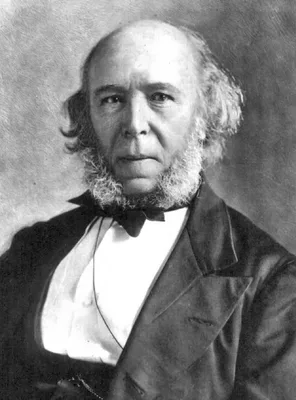
In vol. 1 of this work written after Spencer read Darwin's On the origin of species, Spencer originated the expression "survival of the fittest." Spencer conceived that every species is endowed with its own type of ph…
1908 CE
#132
The problem of age, growth and death.
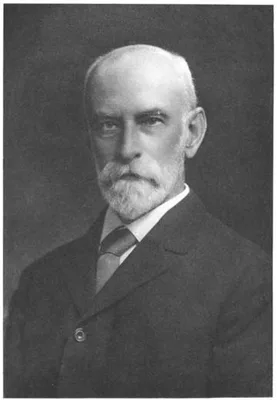
Minot’s theory of aging, based on cytomorphosis and the rate of growth. This work first appeared as a paper in vol. 7 of the Popular Science Monthly, 1907.
2019 CE
#11804
The professional library of James W. Porter on corals and coral reefs.
2020 CE
#11867
The promise and challenge of therapeutic genome editing.

A review of the scope of potential genome editing applications, the strategies from the most basic (2012) to the most recent (i.e. No. 11866), the current status of tissue specific delivery, accuracy, precision and sa…
1943 CE
#11259
The psychiatric novels of Oliver Wendell Holmes
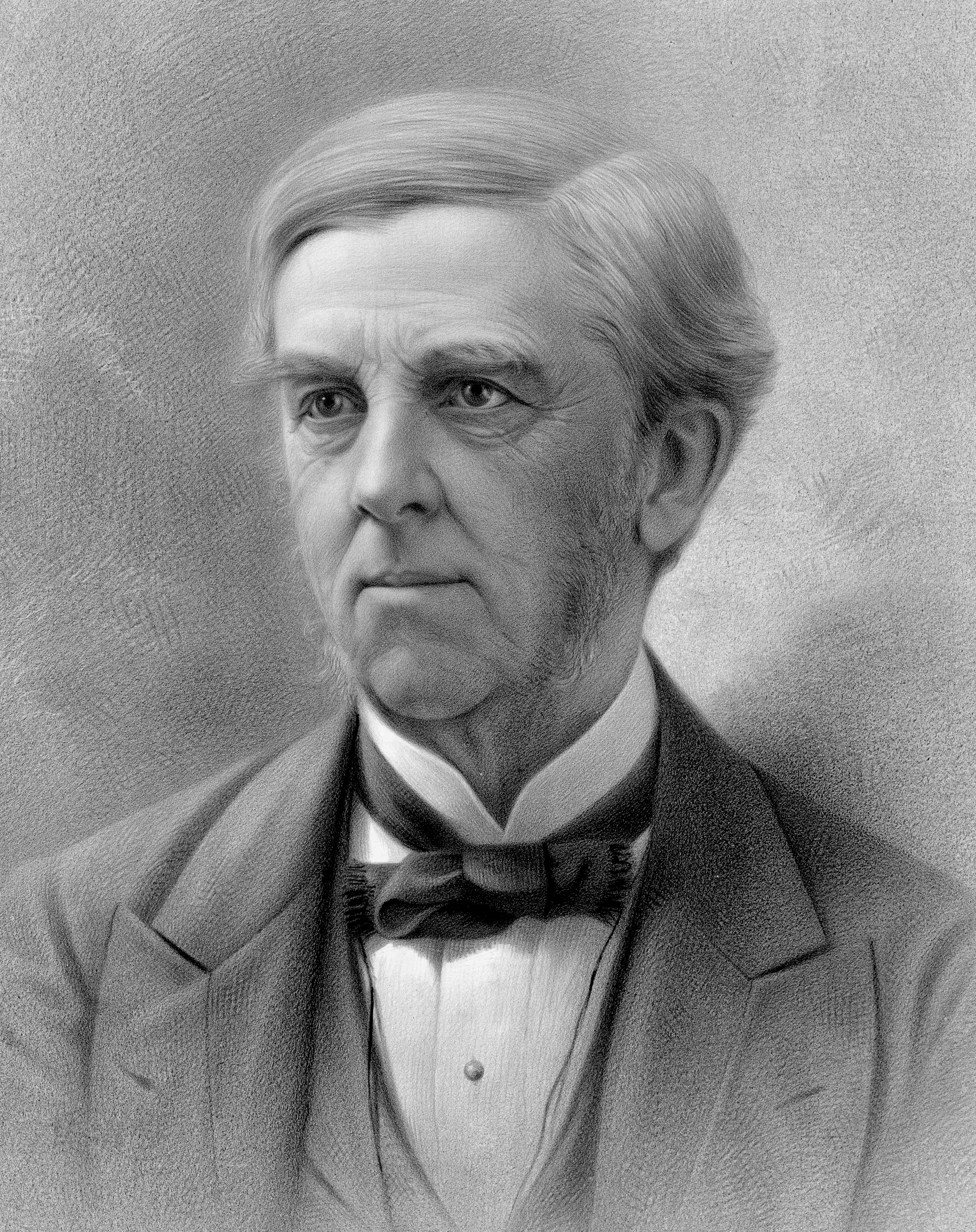
A classically trained Freudian psychoanalyst reviewed the psychiatric insights - advanced for his time - that Holmes expressed in his novels.
1913 CE
#6920
The reflection of x-rays by crystals.
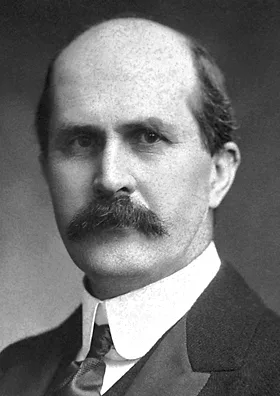
Discovery of X-ray crystallography. The father and son team of physicists, William Henry Bragg and William Lawrence Bragg, constructed the first X-ray spectrometer using crystals as gratings, using a known wavelength …
1909 CE
#6645
The relation of medicine to philosophy.
1958 CE
#256.6
The replication of DNA in Escherichia coli.
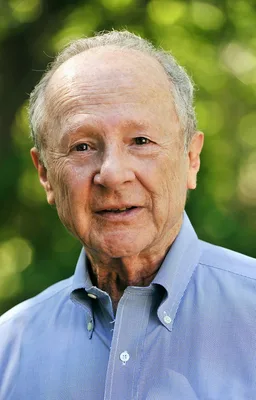
The so-called Meselson-Stahl experiment, the first proof of semi-conservative replication of DNA. Semi-conservative replication describes the mechanism of DNA replication in all known cells. It derives its name from t…
1886 CE
#13052
The reptiles of Sind: A systematic account, with descriptions of all the species inhabiting the province, and a table of their geographical distribution in Persia, Bloochistan, Afghanistan, Punjab, Northwest Provinces, and the Peninsula of India generally, with woodcuts, lithographs, and colored illustrations.
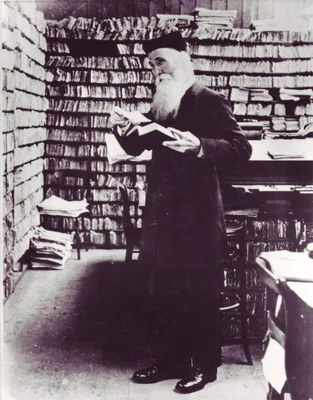
A re-issue with additions to date, of "Reptilian fauna" in the author's Vertebrate zoology of Sind. Digital facsimile from the Hathi Trust at this link.
1967 CE
#6610.5
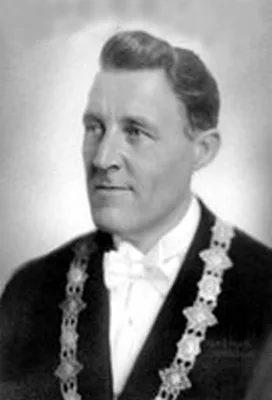
The rod and serpent of Asklepios: Symbol of medicine.
1971 CE
#10678
The role of the trypanosomiases in African ecology: A study of the Tsetse fly problem.
2017 CE
#14102
The role of the WI-38 cell strain in saving lives and reducing morbidity.
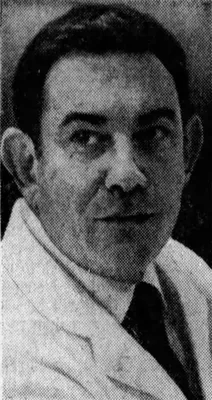
In 1961 "Hayflick developed the first normal human diploid cell strains for studies on human aging and for research use throughout the world. Prior to his seminal research, all cultured cell lines were immortal and an…
1964 CE
#6610.3
The Royal College of Physicians of London: Portraits.
Descriptions of the portraits by D. Piper. Wolstenholme and J.F. Kerslake edited Vol. 2 of the study, with essays by R. Ekkart and D. Piper, Oxford, Elsevier, 1977.
2020 CE
#13774
The science of starving in Victorian literature, medicine, and political economy.
1924 CE
#14195
The scrotum as a temperature regulator for the testes.
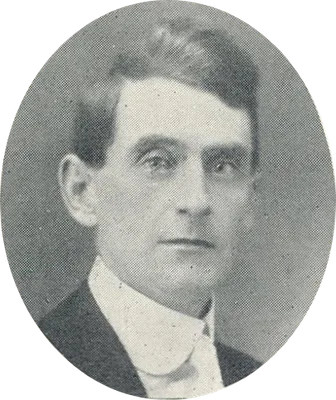
Moore and Quick established that the scrotal sac, and its ability to expand or contract, helps to regulate the temperature of the testes. Through this mechanism it enables sperm production and supports the viability o…
1960 CE
#14306
The sequence of the amino acid residues in performic acid-oxidized ribonuclease.

In 1959 Moore and Stein announced the first determination of the complete amino acid sequence of an enzyme, ribonuclease. In 1972 Moore and Stein shared half of the Nobel Prize in Chemistry with Christian B. Anfinsen …
2001 CE
#6892
The sequence of the human genome.
Initial draft sequence of the human genome by Venter and the staff at Celera Genomics. The full text is available from Science at this link.
1961 CE
#8381
The serial cultivation of human diploid cell strains.
The Hayflick limit. Hayflick demonstrated that a population of normal human fetal cells in a cell culture will divide between 40 and 60 times. The population then enters a senescence phase.
2011 CE
#6843
The shocking history of electric fishes: From ancient epochs to the birth of modern neurophysiology.
The first comprehensive history of this subject.
2007 CE
#10815
The sickroom in Victorian fiction: The art of being ill.
1928 CE
#251.2
The significance of pneumococcal types.
Griffith’s experiments on transforming type II pneumococci into type III were repeated by Avery who was able sixteen years later (No. 255.3) to demonstrate that DNA was the transforming material.
2017 CE
#12851
The smile revolution in eighteenth century Paris.
2016 CE
#8106
The smoke of London: Energy and environment in the early modern city.
1932 CE
#351
The social life of monkeys and apes.
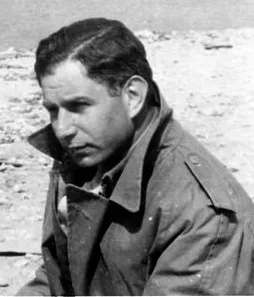
A study of the relationship of Man to the other primates, from the physiological and biochemical standpoint. Zuckerman’s work is considered the first adequate interpretation of simian society. 2nd ed., 1980.
1996 CE
#10435
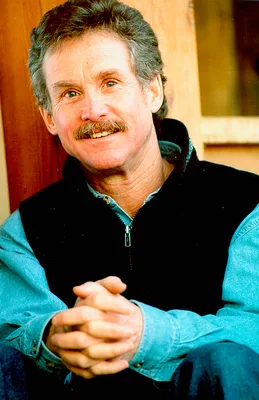
The song of the Dodo: Island biogeography in an age of extinctions.
1977 CE
#9261
The spontaneous generation controversy from Descartes to Oparin.
1982 CE
#145.2
The strategy of life: teleology and mechanics in nineteenth century German biology.
1980 CE
#14108
The striking resemblance of high-resolution G-banded chromosomes of man and chimpanzee.
Chimpanzees are the closest primates genetically to humans. In this paper the authors demonstrated the genetic changes that differentiated humans from chimpanzees. By comparing human and chimpanzee chromosomes the aut…
2000 CE
#13953
The structural basis of ribosome activity in peptide bond synthesis.
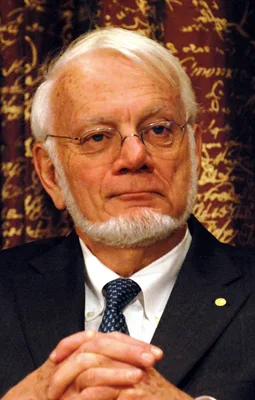
With Poul Nissen, Jeffrey Hansen, Nenad Ban, Peter B. Moore. Steitz shared the 2009 Nobel Prize in Chemistry with Venkatraman Ramakrishnan and Ada Yonath "for studies of the structure and function of the ribosome."
1842 CE
#8916
The structure and distribution of coral reefs. Being the first part of the geology of the voyage of the Beagle, under the command of Capt. Fitzroy, R. N. During the years 1832 to 1836.
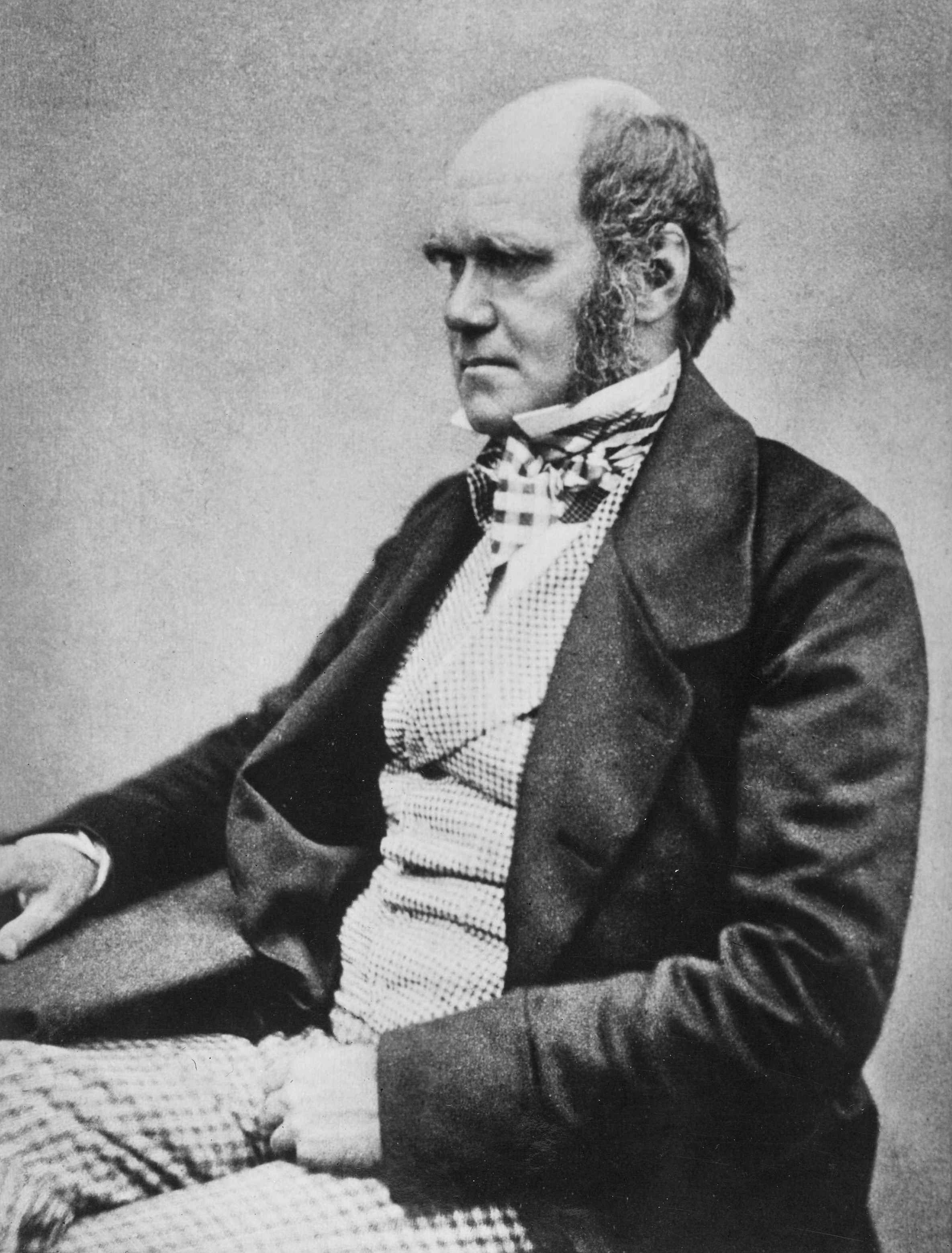
With slight modification, Darwin's work remains the accepted explanation for these phenomena. "Even if he had done nothing else, the theory of the coral islands alone would have placed Darwin in the very front of inve…
1955 CE
#13954
The structure of collagen.
Rich and Crick solved the structure of collagen, the main structural protein in the extracellular matrix found in the body's various connective tissues. As the main component of connective tissue, it is the most abund…
2002 CE
#9188
The structure of evolutionary theory.
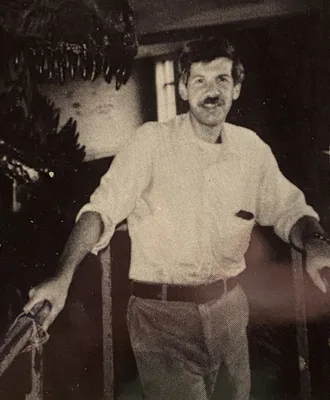
A "technical book on macroevolution and the historical development of evolutionary theory.[1] The book was twenty years in the making,[2]published just two months before Gould's death.[3] Aimed primarily at profession…
1954 CE
#14223
The structure of haemoglobin - IV. Sign determination by the isomorphous replacement method.
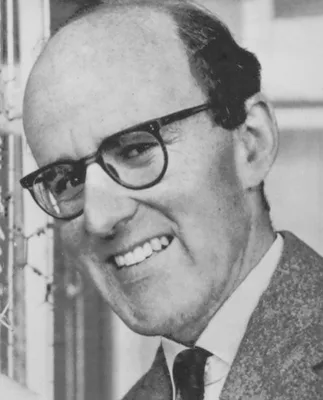

The first demonstration of isomorphous replacement in protein crystallography. This was a key step in determination of the structure of large biological molecules. Harittai, "On the origins of isomorphous replacement …
1951 CE
#6846
The structure of proteins: Two hydrogen-bonded configurations of the polypeptide chain.
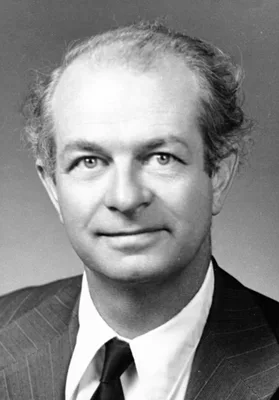
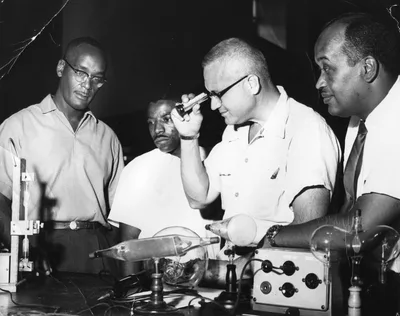
Pauling, his crystallographer R. B. Corey, and African-American physicist and chemist H.R. Branson announced the α-helix, a principal structural feature of proteins. Digital facsimile from the National Academy o…
1952 CE
#13998
The structure of synthetic polypeptides. 1. The transform of atoms on a helix.
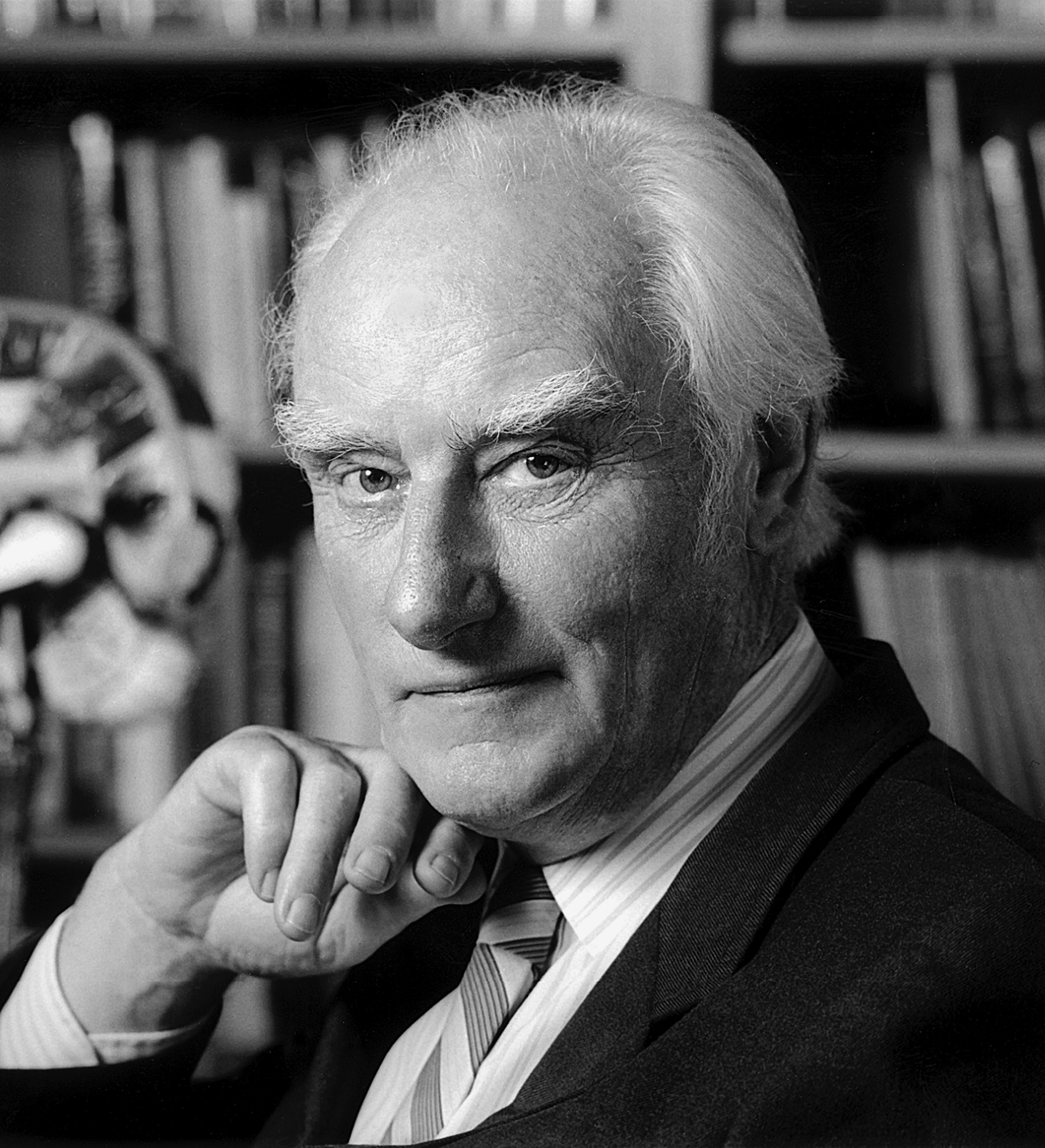
This paper gives the formulae for the Fourier transforms of a number of helical structures, and provides evidence that the structure of a synthetic polypeptide was based on the alpha helix of Pauling and Corey. "It wa…
1934 CE
#145.66
The struggle for existence.
Gause developed the concept of competitive exclusion as formulated by Volterra.
1951 CE
#7348
The study of instinct.
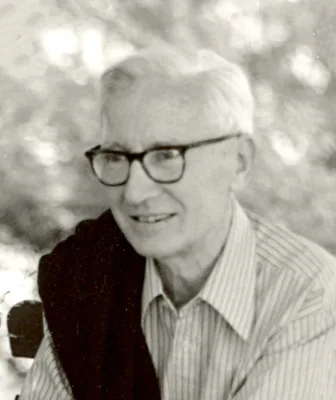
Foundation of ethology, the scientific study of animal behavior. "It was based on a series of six lectures at Columbia University in 1947 and presented a general model of animal behavior. Basically, it was about metho…
1999 CE
#8722
The surgeon's stage: A history of the operating room.
Perhaps the only book on this special subject; numerous illustrations, mostly in color.
1896 CE
#13882
The surgical peculiarities of the American negro. A statistical inquiry based upon the records of the Charity Hospital of New Orleans, LA., Decennium 1884-'94.
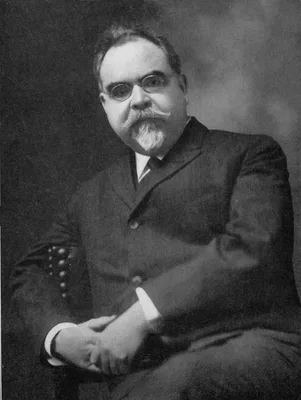
Digital facsimile from wellcomecollection.org at this link.
1965 CE
#13992
The synthesis of a self-propagating and infectious nucleic acid with a purified enzyme.
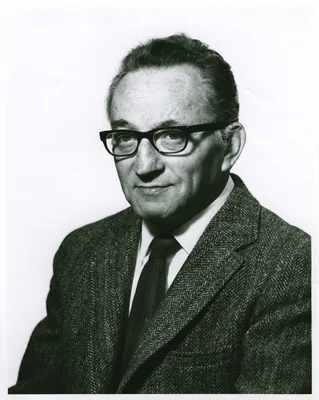
Spiegelman's Monster, the name given to an RNA chain of only 218 nucleotides that can be reproduced by the RNA replication enzyme RNA-dependent RNA polymerase, also called RNA replicase. Spiegelman achieved the first …
1986 CE
#11042
The T4 glycoprotein is a cell-surface receptor for the AIDS virus.
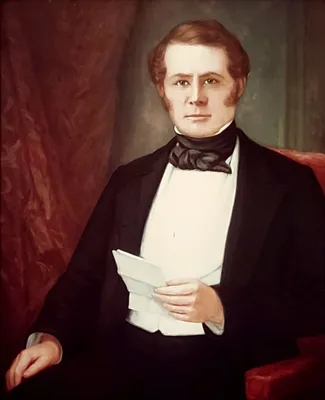


Order of authorship in the original paper: McDougal, Maddon, Dalgleish. The authors discovered that the T4 lymphocyte cell has an outer glycoprotein on its surface that specifically acts as the receptor for HIV. Witho…
1803 CE
#8922
The temple of nature; or the origin of society. A poem, with philosophical notes.
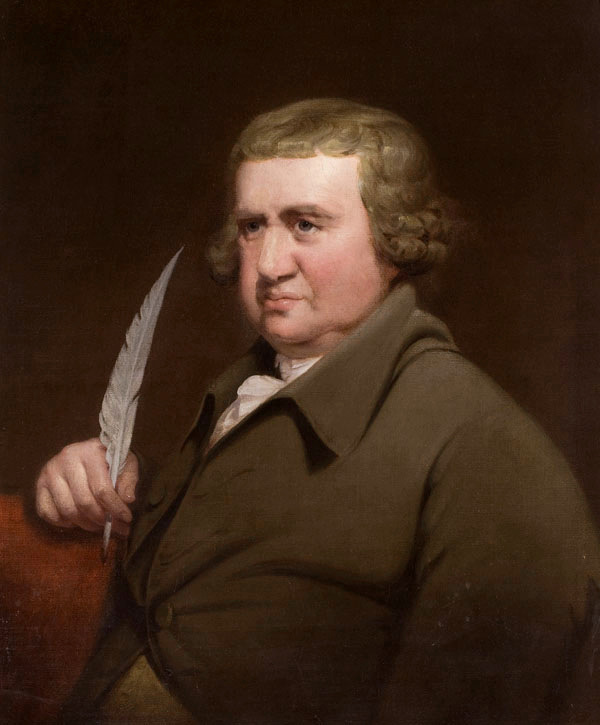
Erasmus Darwin's last poem, which mainly expounds his theories of evolution. He traces the progress of life form its origin as microscopic specks in premeval seas to its culmination in a civilized human society. The f…
1872 CE
#2105
The thanatophidia of India. Being a Description of the venomous snakes of the Indian Peninsula, with an account of the influence of their poison on life and a series of experiments
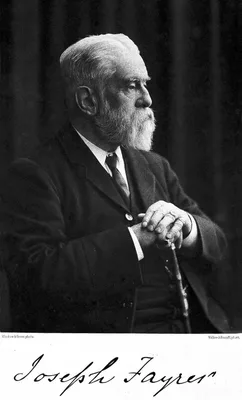
Considered the first systematic work on venomous snakes. Describes all the venomous snakes of India. Digital facsimile from the Internet Archive at this link.
2009 CE
#9811
The theatre of the body: Staging death and embodying life in early-modern London.
"...The book takes as its specific focus seventeenth-century London, in a significant study encompassing the period from the incorporation of the Worshipful Company of Barber-Surgeons (1540) to the staging of Edward R…
1967 CE
#8155
The theory of island biogeography.
MacArthur and Wilson showed that the species richness of an area could be predicted in terms of such factors as habitat area, immigration rate and extinction rate.
1788 CE
#13593
The theory of rain.
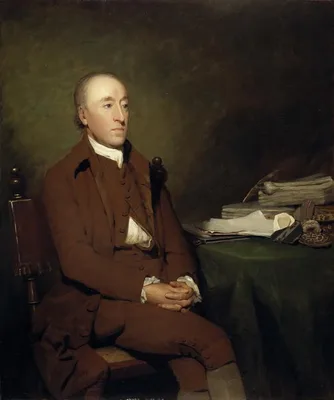
In this paper on the operation of the water-cycle in meteorology Hutton hypothesized that rain was caused by a mixture of air currents of differing temperatures, either saturated or nearly saturated with moisture. "Hi…
1916 CE
#11854
The theory of the free-martin.
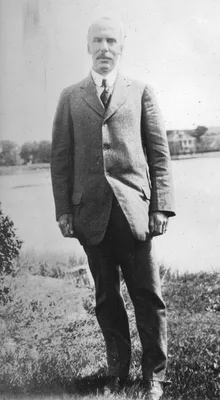
Lillie found that sex steroids in the blood controlled differentiation. "Free-martins, sterile female cows born without sex organs, were a perplexing issue for cattle ranchers. Lillie found that free-martins formed wh…
1960 CE
#6623.2
The torch.
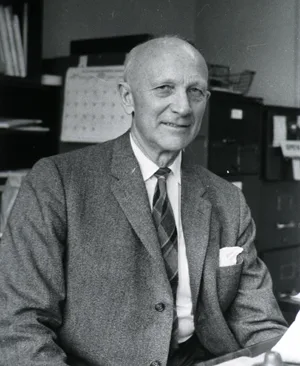
A romantic and inspirational historical novel about Hippocrates by the great Canadian neurosurgeon.
1942 CE
#145.67
The trophic-dynamic aspect of ecology.
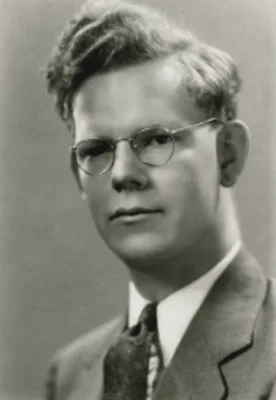
“The birth of ecosystem ecology” (McIntosh). Lindeman described energy flow in ecosystems in a form amenable to productive abstract analysis. This paper introduced what came to be known as the "Ten percent…
1965 CE
#13963
The twisted circular form of polyoma viral DNA.
Discovery of DNA supercoiling. DNA supercoiling refers to the amount of twist in a particular DNA strand, which determines the amount of strain on it. A given strand may be "positively supercoiled" or "negatively supe…