
The role of the WI-38 cell strain in saving lives and reducing morbidity.
Publication Details
AIMS Public Health, 4, 127-138. 2017 CE.
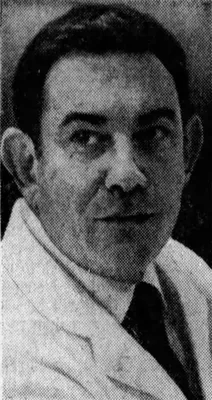
In 1961 "Hayflick developed the first normal human diploid cell strains for studies on human aging and for research use throughout the world. Prior to his seminal research, all cultured cell lines were immortal and aneuploid. One of these new cell strains, developed by Hayflick and his colleague Paul Moorhead at the Wistar Institute in Philadelphia, Pennsylvania, called WI-38, has become the most widely used and highly characterized normal human cell population in the world. Hayflick had found that his normal cell strain WI-38 was capable of growing all of the then known human viruses. He hypothesized that because WI-38 was free from contaminating viruses, it could replace the then widely used primary monkey kidney cells, which contained several dangerous contaminating viruses. Indeed, WI-38 became used worldwide for human virus vaccine manufacture, to the benefit of billions of people" (Wikipedia article on Leonard Hayflick).
Order of authorship in the original publication: Olshansky, Hayflick. Available from PubMedCentral at this link.
In January 2008 I collaborated with fellow ABAA member and tax lawyer Bruce Barnett on the appraisal of frozen ampoules of WI-38 that Leonard Hayflick donated to the Coriell Institute for Medical Research. This was one of the first, if not the very first, appraisals of the fair market value of living material donated to a non-profit organization.
Browse Tags
Thematic Classifications
| Catalog Metadata | Reference Information |
|---|---|
| Entry Number | #14102 |
| Permanent Link | https://staging.historyofmedicine.com/entry/16413 |
| Author Bio Link | Wikipedia ↗ |
| External URL | the-role-of-the-wi38-cell-strain-in-saving-lives-and-reducing-morbidity |
Geographic Context
Mentioned in annotation: Philadelphia