
Facets
Browse across eight MeSH (opens in new tab) facets — era, geography, science, specialty, technology, history, culture, and reference. Select one tag per group; counts update across the others. What’s new in facet browse how facets relate to subjects and MeSH.
Clear filtersFacet filters
Geography
Specialties & Disease
- Anatomy & Pathology 765
- Cardiology & Blood 914
- Neurology & Psychiatry 1,256
- Obstetrics & Reproductive 550
- Infectious Disease (General) 147
- Surgery & Anesthesia 1,551
- Public Health 1,129
- Immunology & Dermatology 1,404
- General Clinical Medicine 480
- Military Medicine 436
- Psychology 202
- Alternative & Fringe Medicine 383
- Pediatrics 247
- Ophthalmology & Vision 412
- ENT & Hearing 293
- Urology & Nephrology 309
- Gastroenterology & Hepatology 316
- Pulmonary & Respiratory 233
- Rheumatology, Rehab & Pain 188
- Internal, Emergency & Geriatric 123
- Veterinary Medicine 165
- Epidemiology & Demography 397
- Physiology & Embryology 923
- Dentistry 259
- Plagues & Epidemics 1,279
- Microbiology & Virology 1,080
Social & Historical Studies
Institutions & Culture
Reference & Scholarly Works
1,404 entries match Immunology & Dermatology [C19 / C20 / C17]
1837 CE
#2611.1
Surgical observations on tumours, with cases and operations.
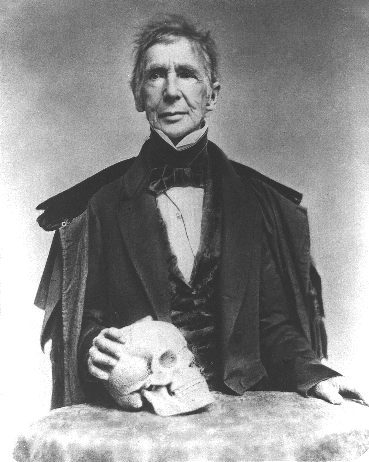
The first North American book on tumors, with 16 hand-colored plates by David Claypoole Johnston (1799-1865).
1804 CE
#13225
Surgical observations, containing a classification of tumours, with cases to illustrate the history of each species; - an account of diseases which strikingly resemble the venereal disease; - and various cases illustrative of different surgical subjects.
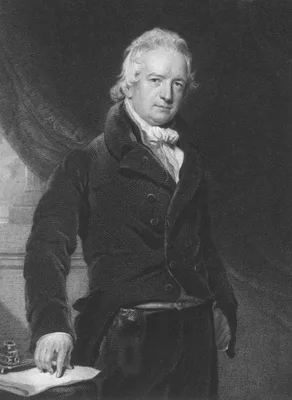
Abernethy published the first classification of tumors based on pathologic anatomy. "Abernethy is best known for his lectures and writings on surgery and for the first attempt at classification of tumors, some of whic…
1904 CE
#4004
Surla radiothérapie des teignes.
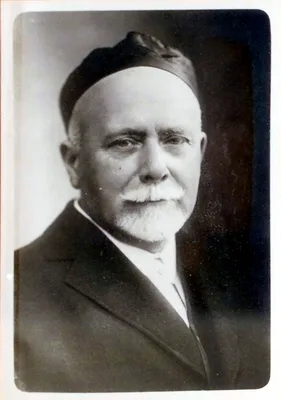
Sabouraud’s method of radiological treatment of ringworm.
1837 CE
#539
Symbolae ad anatomiam villorum intestinalium, imprimis eorum epithelii et vasorum lacteorum.
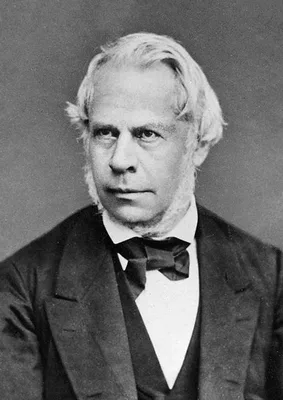
Henle first described the epithelia of the skin and intestines, and defined the structure and function of columnar and ciliated epithelium. He applied the term “epithelium” to all mucous membranes in the b…
1942 CE
#3804
Syndrome characterized by gynecomastia, aspermatogenesis without A-Leydigism, and increased excretion of follicle-stimulating hormone.
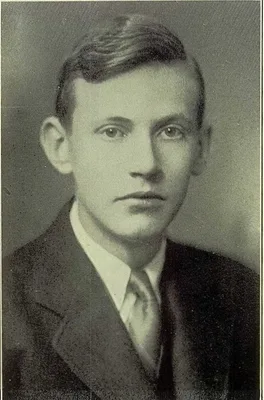
Klinefelter syndrome. With E. C. Reifenstein and F. Albright.
1937 CE
#4401
Syndrome characterized by osteitis fibrosa disseminata, areas of pigmentation and endocrine dysfunction, with precocious puberty in females. Report of five cases.
“Albright’s syndrome”. With A. M. Butler, A. O. Hampton, and P. Smith.
1869 CE
#10890
Syphilis: Its nature & diffusion popularly considered.
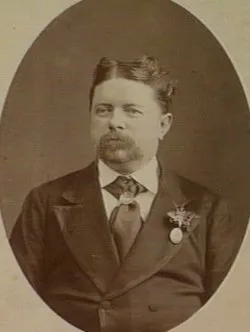
The first work on dermatology or syphilology written, printed and published in Australia. This work is illustrated with chromolithographed plates printed in Australia. This may be the earliest medical book printed in …
1992 CE
#7326
Systemic pathology. / Volume 9, The Skin.
1939 CE
#3213
Tabakmissbrauch und Lungencarcinom.
In the first case-control epidemiological study of the effects of tobacco Müller recorded a statistically significant correlation between cigarette smoking and lung cancer. See Alfredo Morabia, "Quality, original…
1849 CE
#534.61
Tabulae ad illustrandam embryogenes in hominis et mammalium tam naturalem quam abnormem.
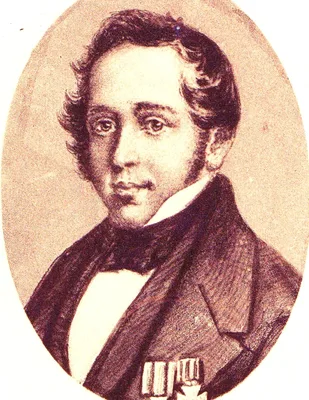
The 100 plates of this volume contain some of the most accurate and beautiful depictions of human and animal malformations ever published. Text in Dutch and Latin. Digital facsimile from Google Books at this link.
1817 CE–1826 CE
#2284
Tabulae anatomico-pathologicae. 4 pts.
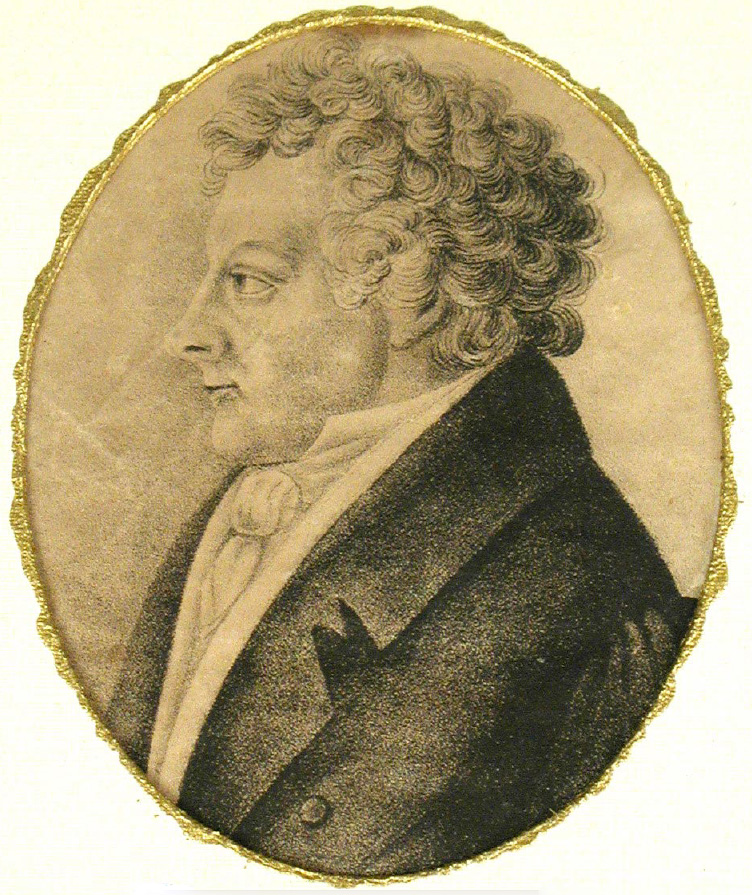
Meckel’s work on embryology brought a better understanding of congenital malformations, which had previously been attributed by many to supernatural influence. This work illustrates a number of anomalies and oth…
1943 CE
#4010
Technique de traitement du lupus tuberculeux.
Introduction of calciferol in the treatment of lupus. A more extensive report, “Le traitement des tuberculoses cutanées par la vitamine D2 à hautes doses”, appeared in the same journal, 1946,…
1948 CE
#2660.1
Temporary remissions in acute leukemia in children produced by folic acid antagonist 4-amethopteroylglutamic acid (aminopterin).
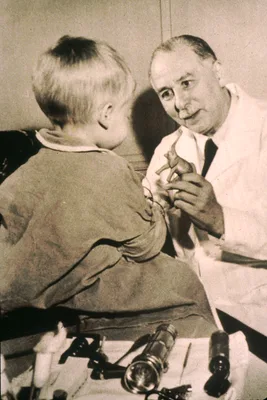
With L. K. Diamond, R. D. Mercer, R. F. Sylvester, and V. A. Wolff.
2003 CE
#7873
Teratology in the twentieth century: Congenital malformations in humans and how their environmental causes were established.
Book form publication with extensive bibliography and index, reprinted from Neurotoxicology and Teratology, 25 (2003) 132-282.
1941 CE
#2578
The absorption of influenza virus by red cells and a new in vitro method of measuring antibodies for influenza virus.
Independently of Hirst, McClelland and Hare discovered virus hemagglutination.
1923 CE
#1134
The acetonitril test for thyroid and of some alterations of metabolism.
The acetonitril test was introduced by Hunt in 1905 (J. biol. Chem., 1, 33) and later modified by him. It shows the activity of thyroid preparations to be proportional to their iodine content.
1929 CE
#14192
The action of ephedrine, pseudoephedrine and epinephrine on the bronchioles.
Swanson showed that just 0.01 mg. of epinephrine was as vasconstrictive as 2 mg. of ephedrine and 4 mg. of pseudoephedrine. He also showed that all three of these drugs have bronchodilator properties, but epinephrine …
1909 CE
#1159
The action of extracts of the pituitary body.
Oxytocic action of posterior pituitary injection.
1901 CE
#1236.1
The action of pituitary extracts on the kidney.
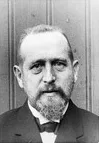
Magnus and Starling reported that pituitary extracts caused expansion of the kidney and a marked and often prolonged diuresis. This was the first indication that the neurohypophysis plays a part in the regulation of u…
1928 CE
#1168.1
The active principles of the posterior lobe of the pituitary gland. I. The demonstration of the presence of two active principles. II. The separation of the two principles and their concentration in the form of potent solid preparations.
Isolation of vasopressin and oxytocin. With T. B. Aldrich, I. W. Grote, L. W. Rowe, and E. P. Bugbee.
1933 CE
#3875
The adrenal cortex; a surgical and pathological study.
Includes the demonstration, by Vines, of virilism with the aid of a new stain; cortical cells of the adrenals removed at operation stained an abnormal (red) color – the so-called Ponceau fuchsin stain.
1932 CE
#3874
The adrenal cortical hormone.
The cortical hormone prepared by Swingle and Pfiffner (“eschatin”) was found to be very effective in the treatment of Addison’s disease. Their first paper on the subject appeared in Science, 1930, 71…
1933 CE
#1170
The adrenotropic hormone of the anterior pituitary lobe.
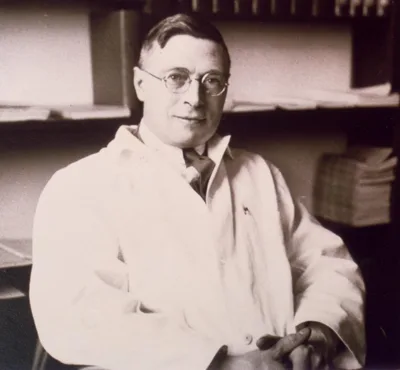
Isolation of an impure “adrenotropic hormone” containing adrenocorticotropic principle. With E. M. Anderson and D. L. Thomson.
1925 CE
#2647
The aetiology of malignant new growths.
Gye advanced the theory that an ultramicroscopic virus combined with an intrinsic chemical factor were concerned in the production of the Rous sarcoma.
1931 CE
#3923
The analysis of whole-blood. II. The determination of sugar and of saccharoids (non-fermentable copper-reducing substances).
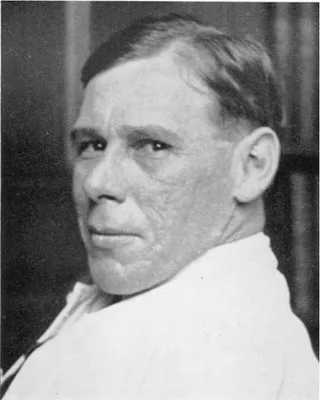
Benedict’s test for blood-sugar.
1913 CE
#2600.5
The anaphylactic reaction of plain muscle in the guinea-pig.
See No. 2600.2. Dale concluded that histamine induced hypersensitivity reactions.
1851 CE
#4260
The anatomy and diseases of the prostate gland.
Adams was the first to distinguish between hypertrophy and carcinoma of the prostate. Digital facsimile from the Internet Archive at this link.
1695 CE
#1379.1
The anatomy of the brain.
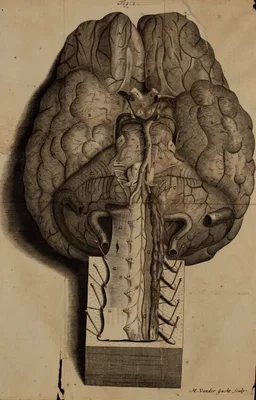
The first book on the brain in the English language, including the first account of the circular venous sinus which Ridley names, and the first English account of a pineal tumor. In it Ridley gives the first account o…
1832 CE
#1119
The anatomy of the thymus gland.
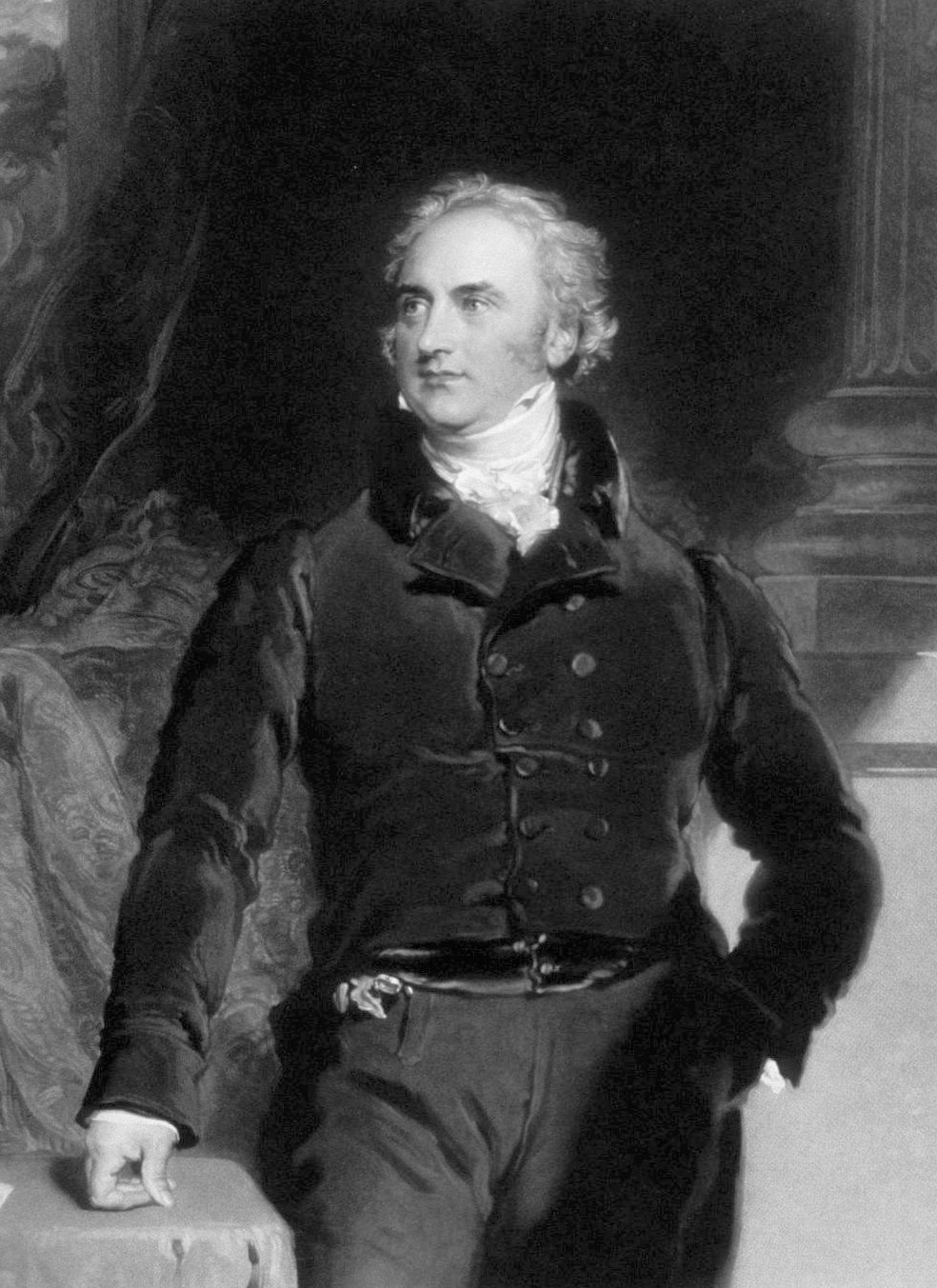
Cooper, the most popular surgeon in London during the early part of the 19th century, was connected with both Guy’s and St. Thomas’s Hospitals. Among his best works is his description of the thymus; he des…
1932 CE
#3904
The basophil adenomas of the pituitary body and their clinical manifestations (pituitary basophilism).
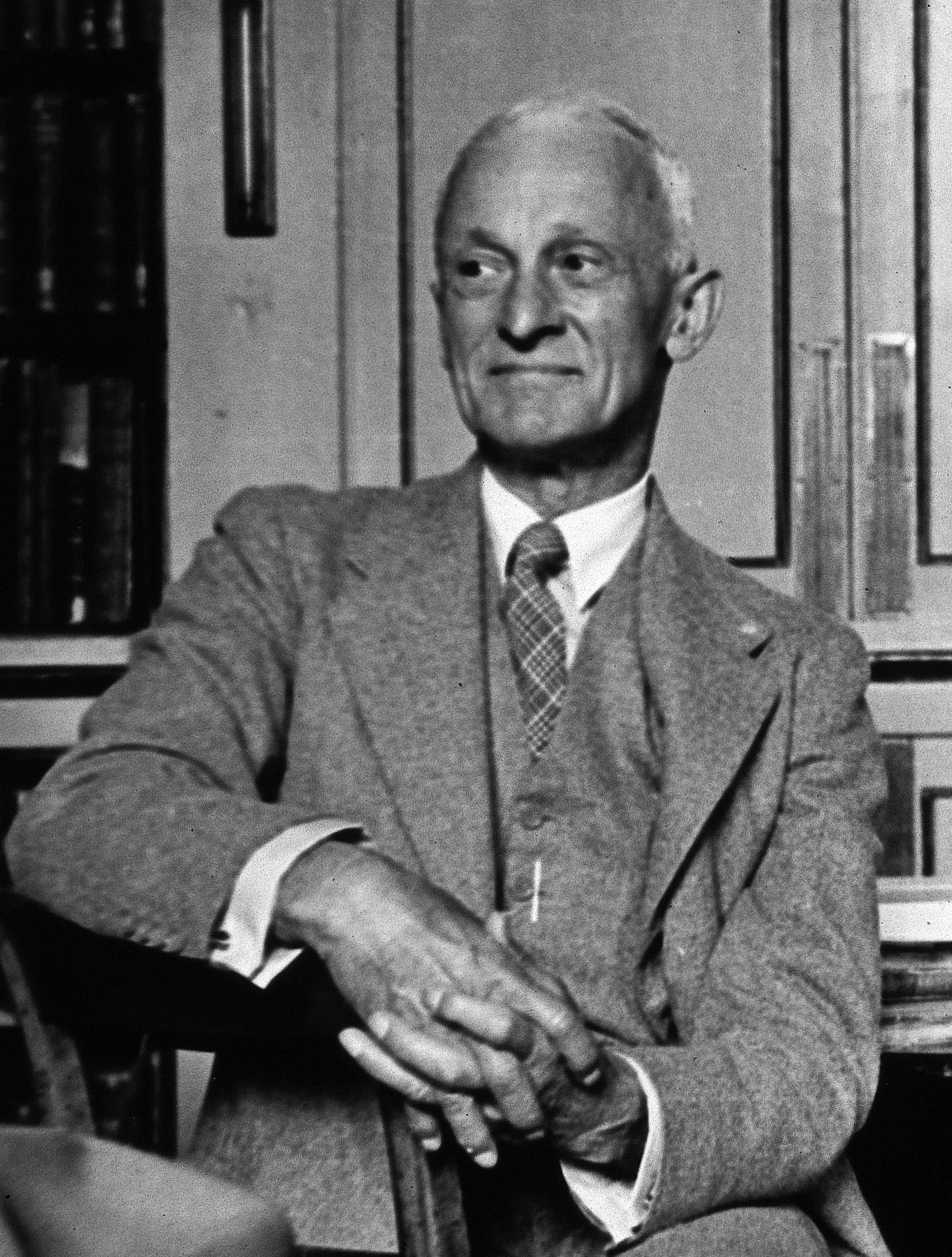
“Cushing’s syndrome”.
2007 CE
#7059
The battle of the bulge: A history of obesity research.
1946 CE
#3788
The biological actions and therapeutic applications of the ß-chloroethyl amines and sulfides.
Introduction of nitrogen mustard in treatment of Hodgkin’s disease
1901 CE
#1146
The blood-pressure-raising principle of the suprarenal glands.
Isolation of adrenaline.
1911 CE–1912 CE
#790
The blood-vessels in the arterioles, capillaries and small veins of the human skin.
Lombard soaked the skin in cedarwood oil, rendering transparent the superficial epidermal layers, and thus making possible many direct observations on it.
1927 CE
#797
The blood-vessels of the human skin and their responses.
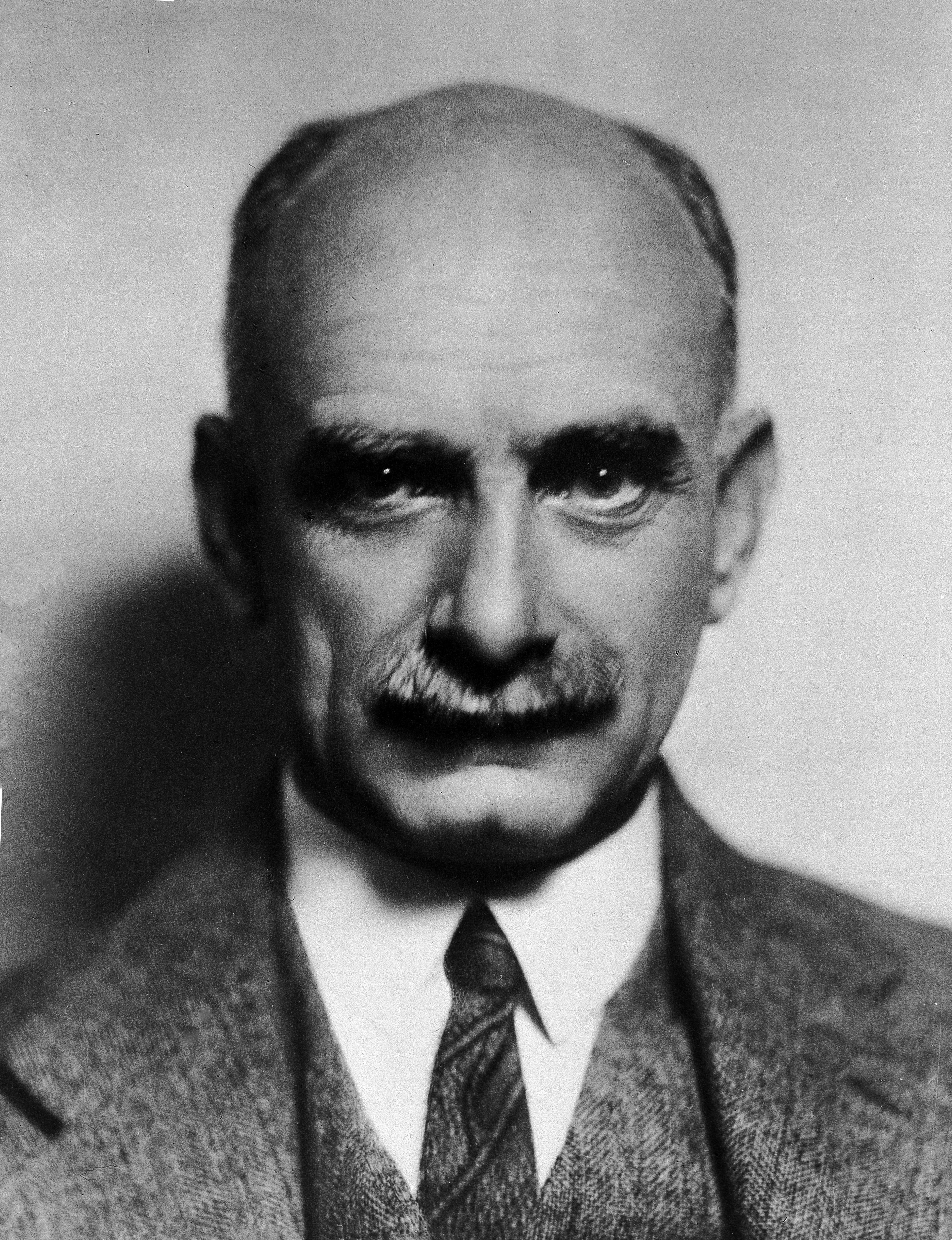
2004 CE
#7109
The book of skin.
2001 CE
#9649
The breast cancer wars: Hope, fear, and the pursuit of a cure in twentieth-century America.
1956 CE
#2578.18
The bursa of Fabricius and antibody production in the domestic fowl.
The relationship of the bursa of Fabricius to antibody formation was discovered by Glick, T. S. Chang, and R. G. Jaap. Its removal in early life led to inability to produce antibodies.
1937 CE
#2659
The carcinogenic action of oestrone: induction of mammary carcinoma in female mice of a strain refractory to the spontaneous development of mammary tumours.
With L. H. Stickland and K. I. Connal.
1931 CE
#5785
The cause of “painful breasts” and treatment by means of ovarian residue.
Cutler was the first to employ ovarian hormone systematically in the treatment of chronic mastitis.
1925 CE
#2575
The chemical aspects of immunity.
1904 CE
#1121
The chemical regulation of the secretory process.
Bayliss and Starling developed the theory of hormonal control of internal secretion.
1934 CE
#2576.6
The chemistry of antigens and antibodies.
“The advent of the lattice theory of antibody-antigen coupling” (Bibel, Milestones in immunology [1988]pp. 91-94).
1929 CE
#1190
The chemistry of oestrin. I. Preparation from urine and separation from an unidentified solid alcohol.
Isolation of pregnanediol.
1930 CE
#1194
The chemistry of oestrin. III. An improved method of preparation and the isolation of active crystalline material.
Crystalline estriol obtained.
1896 CE
#1131.1
The chemistry of the thyroid gland and the nature of its active constituent.
Isolation of a globulin afterwards named thyroglobulin.
1959 CE
#2578.31
The clonal selection theory of acquired immunity. The Abraham Flexner Lectures of Vanderbilt University 1958.
Burnet's clonal selection theory extended the idea that each antibody-producing cell makes antibodies of only one specificity, predicting these cells proliferate in response to the detection of antigens, cloning and t…
1953 CE
#2660.6
The concentration of oxygen dissolved in tissues at the time of irradiation as a factor in radiotherapy.
The sensitivity of tumour cells to x rays shown to be much enhanced when irradiated in a well-oxygenated medium. With A. D. Conger, M. Ebert, S. Hornsey, and O. C. A. Scott.
1904 CE
#2437
The constituents of chaulmoogra seeds.
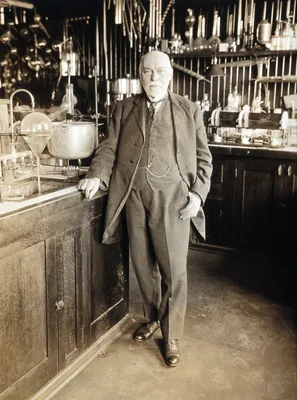
Hydnocarpus wightiana or Chaulmoogra is a tree in the Achariaceae family. The oil from seeds of Hydnocarpus wightiana or Chaulmoogra, a tree in the Achariaceae family, was widely used in Indian medicine and Chinese tr…
1916 CE
#1033
The control of hunger in health and disease.
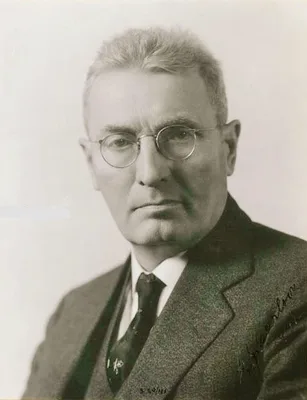
Digital facsimile from the Internet Archive at this link.