
Facets
Browse across eight MeSH (opens in new tab) facets — era, geography, science, specialty, technology, history, culture, and reference. Select one tag per group; counts update across the others.
Clear filtersFacet filters
Geography
Specialties & Disease
- Anatomy & Pathology 765
- Cardiology & Blood 914
- Neurology & Psychiatry 1,256
- Obstetrics & Reproductive 550
- Infectious Disease (General) 147
- Surgery & Anesthesia 1,551
- Public Health 1,129
- Immunology & Dermatology 1,404
- General Clinical Medicine 480
- Military Medicine 436
- Psychology 202
- Alternative & Fringe Medicine 383
- Pediatrics 247
- Ophthalmology & Vision 412
- ENT & Hearing 293
- Urology & Nephrology 309
- Gastroenterology & Hepatology 316
- Pulmonary & Respiratory 233
- Rheumatology, Rehab & Pain 188
- Internal, Emergency & Geriatric 123
- Veterinary Medicine 165
- Epidemiology & Demography 397
- Physiology & Embryology 923
- Dentistry 259
- Plagues & Epidemics 1,279
- Microbiology & Virology 1,080
Social & Historical Studies
Institutions & Culture
Reference & Scholarly Works
1,256 entries match Neurology & Psychiatry [C10 / F04]
1886 CE–1888 CE
#4569
A manual of diseases of the nervous system. 2 vols.
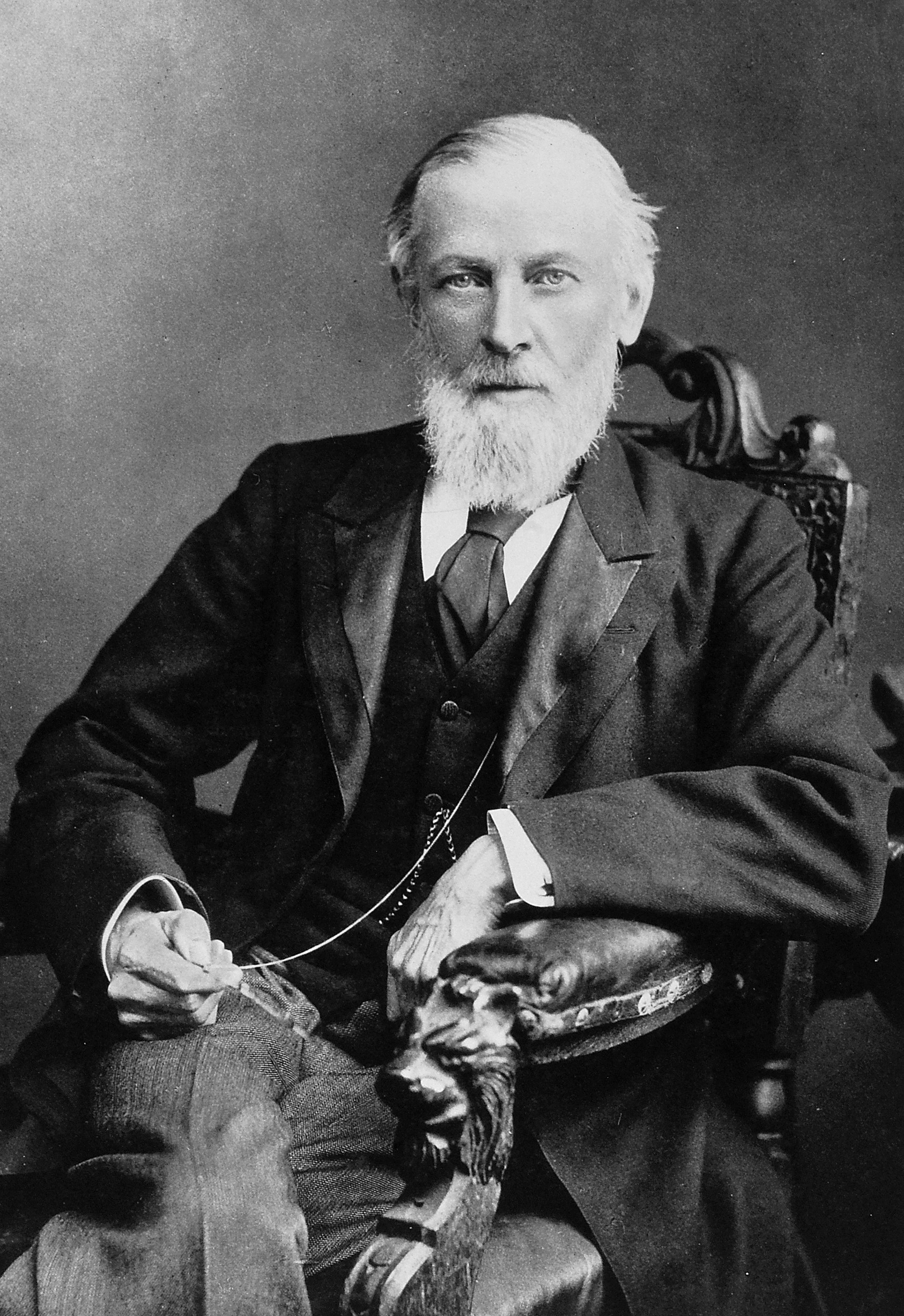
Gowers was physician and Professor of Clinical Medicine at University College, London. He especially distinguished himself in the field of neurology, and the above set is his greatest work.Page 365 of vol. 1 includes …
1858 CE
#4934
A manual of psychological medicine.
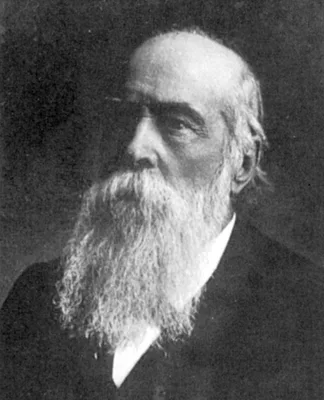
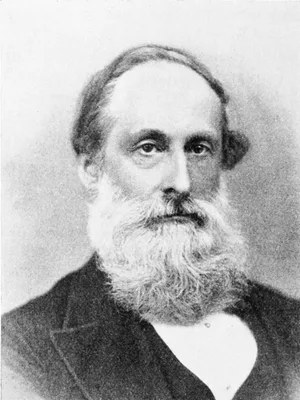
Bucknill and Tuke were both distinguished neurologists, and advocates of no restraint in the institutional treatment of mental patients. Their book was for many years the standard English work on psychological medicin…
1900 CE
#4875
A method of total extirpation of the Gasserian ganglion for trigeminal neuralgia, by a route through the temporal fossa and beneath the middle meningeal artery.
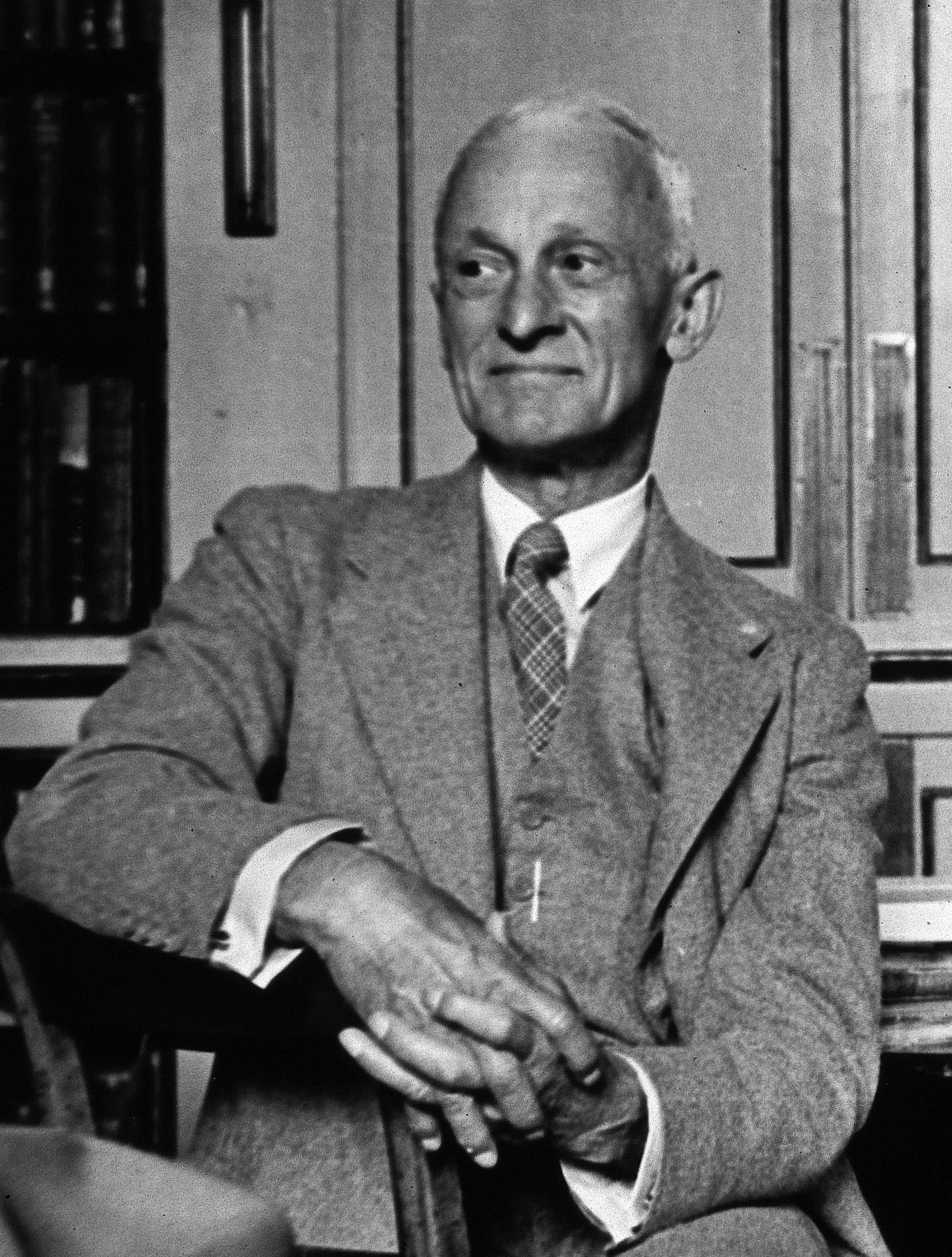
1908 CE
#9724
A mind that found itself.
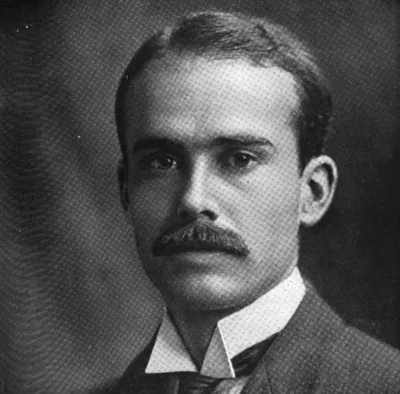
In 1900 Beers was confined to a private mental institution for depression and paranoia. He was later confined to another private hospital as well as a state institution. During those periods he experienced and witness…
1887 CE
#1416.1
A minute analysis (experimental) of the various movements produced by stimulating in the monkey different regions of the cortical centre for the upper limb, as defined by Professor Ferrier.
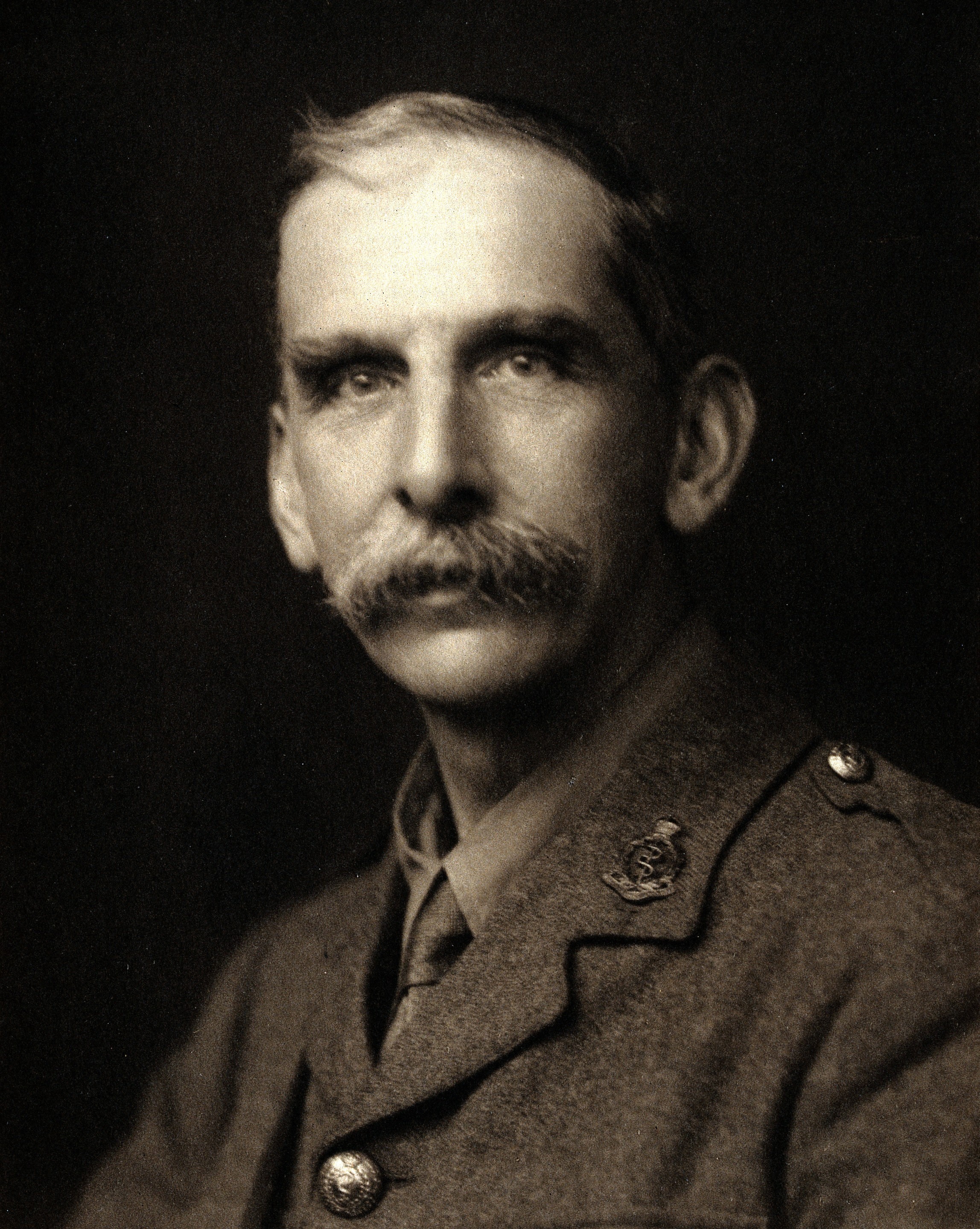
Beevor, physician to the National Hospital, Queen Square, London, collaborated with Horsley in an important series of investigations of the localization of cerebral function.
1907 CE
#1433
A new topographical survey of the human cerebral cortex, being an account of the distribution of the anatomically distinct cortical areas and their relationship to the cerebral sulci.
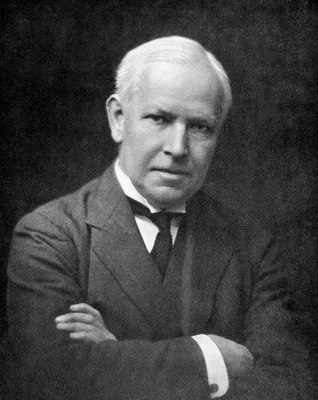
Elliot Smith, Professor of Anatomy at Cairo, Manchester, and University College, London, initiated modern studies of cerebral function with his work on the cortical pattern of the human brain. He identified 50 areas.
1996 CE
#10844
A new variant of Creutzfeldt-Jakob disease in the UK.


During the 1990s England was plagued with cases of Bovine Spongiform Encephalopathy (BSE) seen in cows, popularly known as "Mad Cow Disease." Then physicians in England started noticing an uptick in cases of what look…
1844 CE
#11646
A new view of insanity: The duality of the mind proved by the structure, functions and diseases of the brain and by the phenomena of mental derangement and shown to be essential to moral responsibility. With an appendix: 1. On the influence of religion on insanity. 2. Conjectures on the nature of the mental operations. 3. On the management of lunatic asylums.
"From the seventeenth century there were shifts in some of the basic assumptions about how the brain and mind functioned, and there are some useful markers along the way to an era of more systematic studies. Descartes…
1993 CE
#14008
A novel gene containing a trinucleotide repeat that is expanded and unstable on Huntington's disease chromosomes.
Identification by the many scientists in The Huntington's Disease Collaborative Research Group, including Gusella, of the single defective gene on chromosome 4 that causes the progressive brain disorder, Huntington's …
2013 CE
#11045
A novel prion disease associated with diarrhea and autonomic neuropathy.
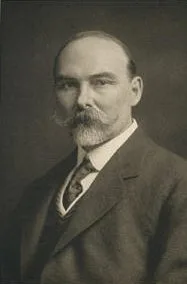

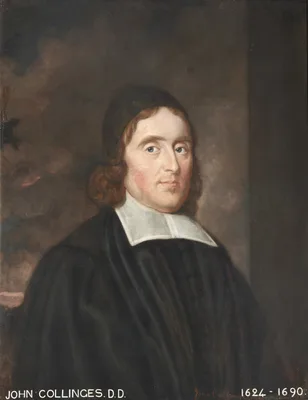
Order of authorship in the original paper: Mead, Gandhi, Beck, Collinge. Collinge was the main author. Digital facsimile from nejm.org at this link. (Thanks to Juan Weiss for this entry and its interpretation.)
1880 CE
#4846
A practical treatise on nervous exhaustion (neurasthenia).
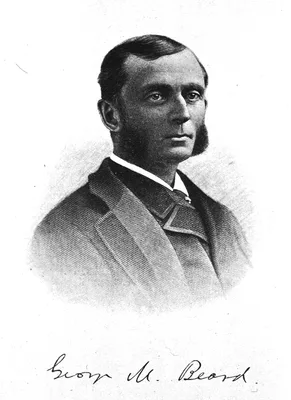
1849 CE
#13167
A practical treatise on the domestic management and most important diseases of advanced life. With an appendix, containing a series of cases illustrative of a new and successful mode of treating lumbago and other forms of chronic rheumatism, sciatica and other neuralgic affections, and certain forms of paralysis.
Digital facsimile from wellcomelibrary.org at this link.
1889 CE
#1419
A record of experiments upon the functions of the cerebral cortex.
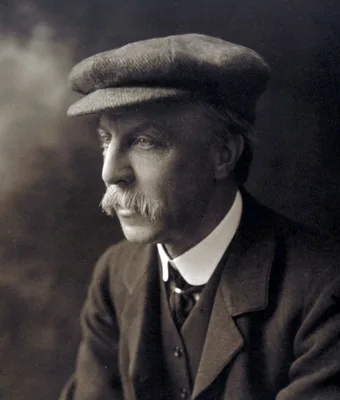
A detailed analysis, by means of faradic stimulation, of the motor responses of the cerebral cortex, internal capsule, and spinal cord of higher primates.
1930 CE
#4765
A report of progress on the use of ephedrine in a case of myasthenia gravis.
Harriet Edgeworth discovered by accident the beneficial effect of ephedrine in myasthenia gravis. Digital facsimile from jamanetwork.com at this link.
1937 CE–1938 CE
#1310
A review of the Golgi apparatus.
1836 CE–1842 CE
#13300
A series of anatomical plates. 5 vols.: The muscles of the human body. The vessels of the human body. The nerves of the human body. The viscera of the human body. The bones and ligaments of the human body.
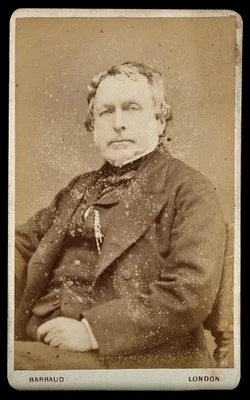
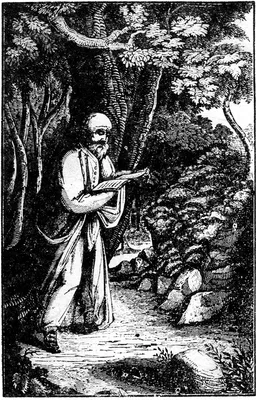
The most ambitious 19th century English anatomy illustrated by lithography. Some copies were issued with hand-colored plates. The five volumes, containing a total of 201 plates, describe the muscles, blood vessels, ne…
1946 CE
#1354.1
A specific sympathomimetic ergone in adrenergic nerve fibres (sympathin) and its relations to adrenaline and nor-adrenaline.
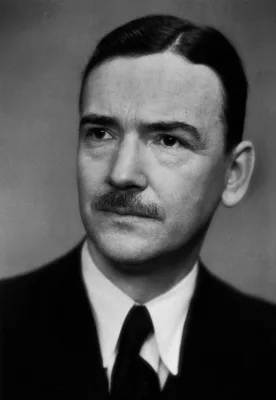
Noradrenaline shown to be the predominant transmitter of the effects of sympathetic nerve impulses. In 1970 Euler shared the Nobel Prize in Physiology or Medicine with Katz and Axelrod "for their discoveries concernin…
1863 CE
#6615.1
A study of Hamlet.
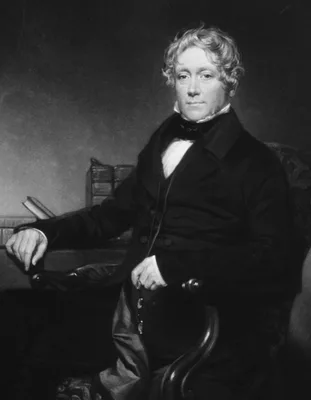
The first psychiatric study of Hamlet. Digital facsimile from the Internet Archive at this link.
1586 CE
#4918
A treatise of melancholie, containing the causes thereof.
First comprehensive description of depression in English. Bright also produced the first noteworthy geometrical system of shorthand, consisting of circles, half-circles, and straight lines (Characterie, London, 1588).
1722 CE
#10703
A treatise of the hypochondriack and hysterick passions.
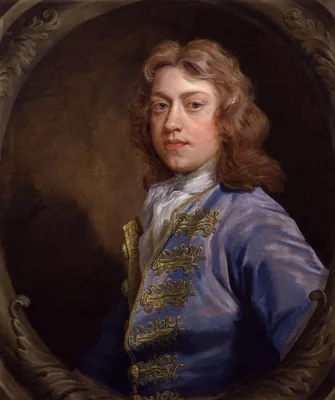
Probably the first psychiatric self-help book. Hunter and Macalpine call Mandeville's work "the first book on minor mental maladies `writ by way of Information to Patients' rather than `to teach other Practitioners' .…
1811 CE
#4676
A treatise on a malignant epidemic, commonly called spotted fever.
First book on cerebrospinal meningitis; in it North recommended the use of the clinical thermometer, not in general use until the time of Wunderlich. For more information on this book, see the article by F. L. Pleadwe…
1821 CE
#6374.14
A treatise on acupuncturation, being a description of a surgical operation originally peculiar to the Japonese and Chinese, and by them denominated zin-king, now introduced into European practice, with directions for its performance, and cases illustrating its success.
The first English monograph on acupuncture. Churchill had most success with rheumatic conditions, sciatica, back-pain, etc. Digital facsimile from the Internet Archive at this link. The German translation of Churchill…
1898 CE
#4629
A treatise on aphasia and other speech defects.
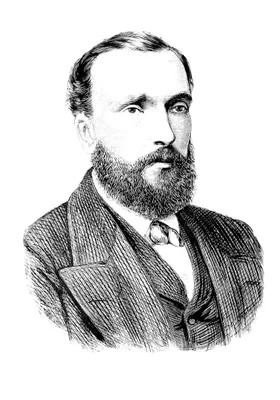
Bastian localized the auditory and visual centers, and he described word-blindness and word-deafness. (See also No. 4622.)
1822 CE
#4809
A treatise on diseases of the nervous system.
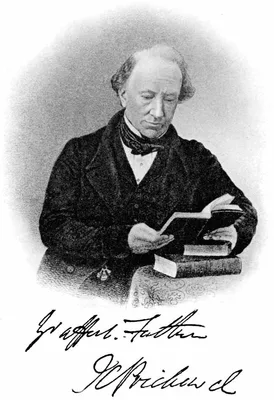
Includes the best early account of epilepsy after Willis.
1835 CE
#4928
A treatise on insanity and other disorders affecting the mind.
Prichard, better known for his work in the field of anthropology (No. 159), was the first to describe moral insanity. He described a syndrome he called incoherence or senile dementia. Alzheimer (No. 4956) may have des…
1820 CE–1823 CE
#4519.2
A treatise on nervous diseases.
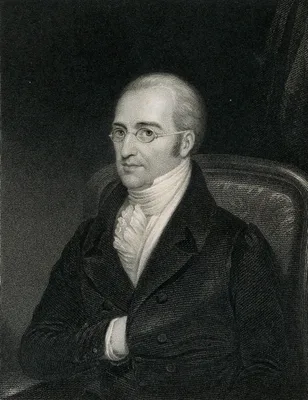
“The earliest separate work on clinical neurology” (McHenry). Includes the Croonian lecture (1819) on apoplexy, and sections on palsy and epilepsy. The work includes the first history of neurological thought.
1884 CE
#1415.1
A treatise on the chemical constitution of the brain.
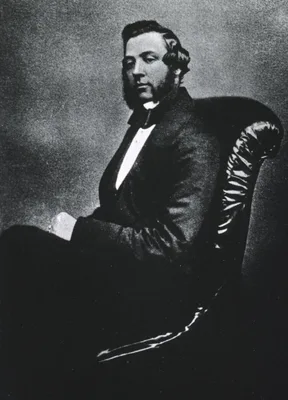
Thudichum, a German emigré, discovered cephalins and myelins in brain tissue. An enlarged German edition of his book was published at Tübingen, 1901. See biography by D. L. Drabkin, 1958, which includes an…
1784 CE
#2734.4
A treatise on the diseases of children.
Underwood laid the foundation of modern pediatrics. His work was superior to anything that had previously appeared and remained the most important book on the subject for sixty years, passing through many editions. Th…
1838 CE
#1739
A treatise on the medical jurisprudence of insanity.
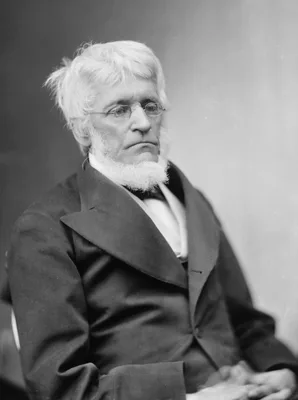
The first authoritative and comprehensive treatise in English on forensic psychiatry. Ray became the most influential American writer on forensic psychiatry in the 19th century. He put the above work through five edit…
1849 CE
#4529
A treatise on the pathology, diagnosis, and treatment of neuroma.
Smith’s large and beautifully illustrated atlas contains the first clear description and illustration of neurofibromatosis, published 33 years before von Recklinghausen’s account of the disorder (see No. 4…
1814 CE
#216.1
A treatise on the supposed hereditary properties of diseases, containing remarks on the unfounded terrors and ill-judged cautions consequent on such erroneous opinions; with notes, illustrative of the subject, particularly in madness and scrofula.
Adams was a pioneer in medical genetics. He distinguished between familial and hereditary diseases, saw that an increase in hereditary disease frequency in isolated areas could be caused by inbreeding, and suggested t…
1936 CE
#4659
A virus isolated in 1935 epidemic of summer encephalitis in Japan.
T. Taniguchi, M. Hosokawa, and S. Kuga established a virus etiology for Japanese B encephalitis.
1914 CE
#1341
Acetylcholine, a new active principle of ergot.
Isolation of acetylcholine in ergot.
1910 CE
#4670.2
Action microbicide exercée sur la virus de la poliomyélite aiguë dans le sérum des sujets antérieurement atteints de paralysie infantile. Sa constatation dans le sérum d’un sujet qui a présenté une forme abortive.
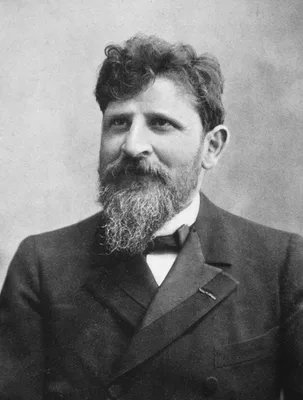
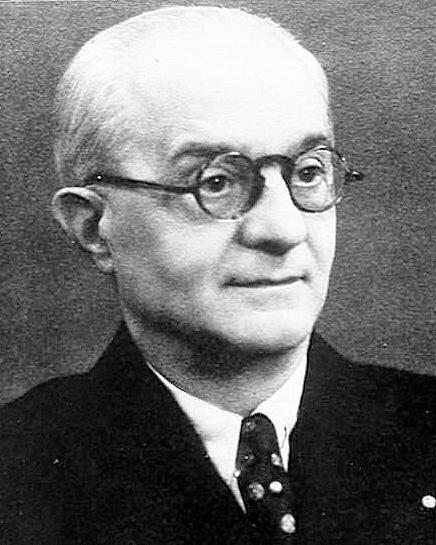
Antibodies discovered in human convalescentserum. See also No. 4670.3.
1939 CE
#1310.1
Action potentials recorded from inside a nerve fibre.
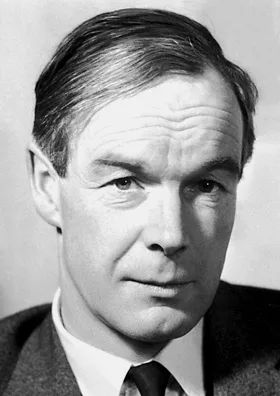
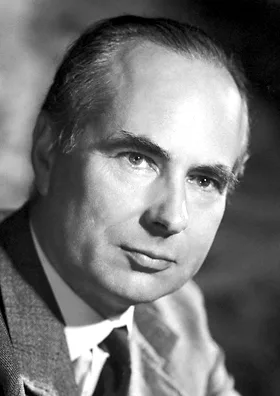
Hodgkin and Huxley were the first to succeed in inserting electrodes into a living giant nerve fiber and to measure directly the action potential within it. In 1963 Hodgkin and Huxley shared the Nobel Prize in Physiol…
1934 CE
#4658
Acute ascending myelitis following a monkey bite, with the isolation of a virus capable of reproducing the disease.
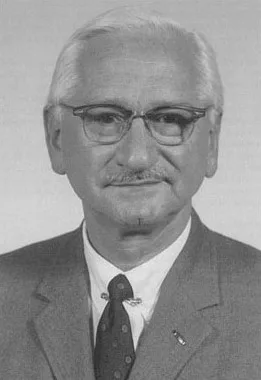
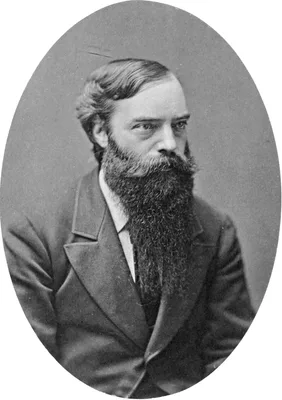
Herpesvirus simiae (B virus) infection; isolation of the virus.
2015 CE
#12714
Acute flaccid myelitis of unknown etiology in California, 2012-2015
The authors presented a retrospective study based on demographics, race, ethnicity, signs, lab results, MRI results of 59 patients identified between June 2012 and July 2015 who presented symptoms that they characteri…
2014 CE
#12713
Acute neurologic illness of unknown etiology in children - Colorado, August-September 2014.

The authors reported a cluster of 9 children seen at Colorado Children's Hospital with an acute neurologic illness characterized by extremity weakness, cranial nerve dysfunction, diplopia (double vision), facial droop…
1780 CE–1784 CE
#1386
Adnotationum academicarum. Fasciculus tertius. III. De functionibus systematis nervosi. 3 pts.
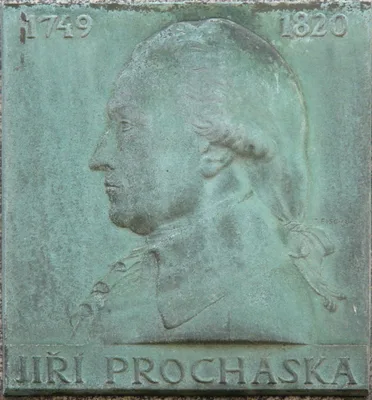
Prochaska introduced the idea of a “sensorium commune” in the central nervous system, a consistent and comprehensive theory of reflex action. English translation, London, Sydenham Society, 1851.
2011 CE
#11167
Adventures in the Orgasmatron: Wilhelm Reich and the invention of sex.
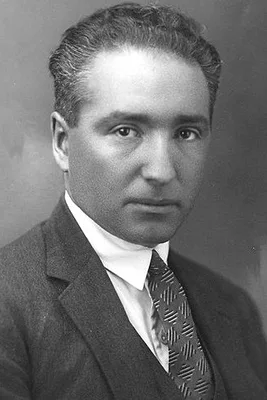
Published in the US as Adventures in the Orgasmatron: How the sexual revolution came to America. New York: Farrar, Straus and Giroux, 2011.
1750 CE
#6950
Adversaria anatomica, de omnibus corporis humani partium, tum descriptionibus, cum picturis, Adversaria anatomica Prima, De omnibus cerebri, nervorum & organorum functionibus animalibus inserventium, descriptionibus & iconismis.
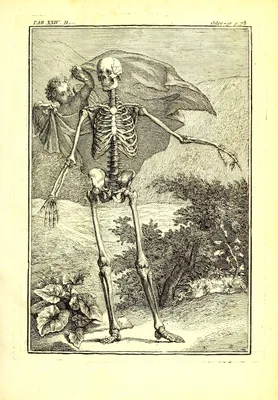
The first pictorial history of neuroanatomy, which contains some of the very first color engravings of the brain. The three colored copperplates were by “a certain Robert", a pupil of Le Blon, the inventor of th…
1875 CE
#4641
Affection encéphalique (encéphalite diffuse probable) localisée aux étages supérieurs des pédoncules cérébraux et aux couches optiques.
First description of acute superior hemorrhagic polioencephalitis. Called also “Wernicke’s encephalopathy”, following the latter’s description in his Lehrbuch der Gehirnkrankheiten, Kassel, 188…
1670 CE
#4839
Affectionum quae dicuntur hystericae e hypochondriacae pathologia spasmodica vindicata…
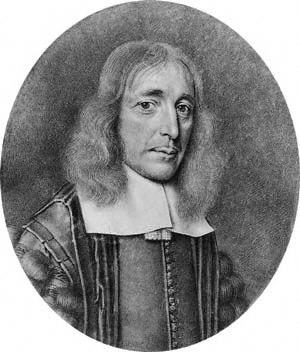
In this treatise on hysteria and hypochondria, Willis showed that hysteria was a nervous disease and not a uterine disorder as had been traditionally believed. He compared hysteria in women to hypochondria in men. He …
1936 CE
#14286
Age and other factors in motor recovery from precentral lesions in monkeys.
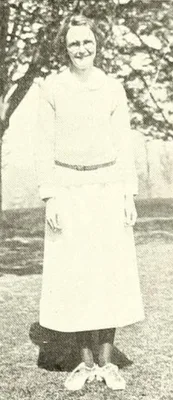
This was the first of a series of papers by Kennard that led to what became known as the Kennard Principle, which posits a negative linear relationship between age of a brain lesion and the recovery outcome. The earli…
1582 CE
#7327
Aigentlich Beschreibung der Raiss, so er vor diser Zeit gegen Auffgang inn die Morgenländer, fürnemlich Syriam, Iudaeam, Arabiam, Mesopotamiam, Babyloniam, Assyriam, Armeniam etc....
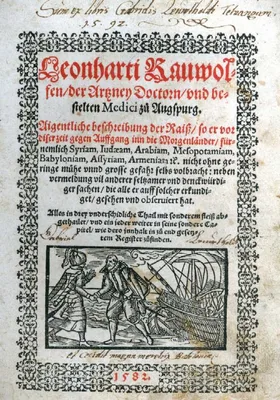
Rauwolf provided the first modern descriptions of the flora of the area east of the Levantine coast. He was also the first to describe the riparian flora of the Euphrates, and the first European to publish an account …
1803 CE
#1989.1
An account of the late improvements in galvanism…
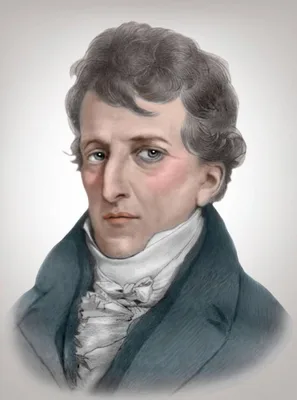
Nephew of Galvani (see No. 593), Aldini developed and promoted animal electricity. His sensational experiments on the body of a criminal executed at Newgate, conducted with Carpue (No. 1989) were significant for the p…
1789 CE
#8371
An arithmetical and medical analysis of the diseases and mortality of the human species.
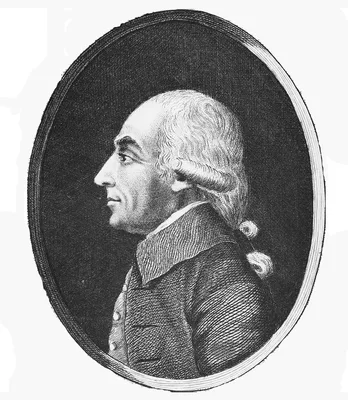
Black analyzed the London bills of mortality from 1701-1776. His work was the only study to provide a numerical account of insanity, a disease on people's minds because of George III's illness.
1943 CE
#7347
An atlas of the basal ganglia, brain stem and spinal cord, Based on myelin-stained material.
"Classic atlas of the human brain (excluding the cerebral and cerebellar cortex). Each structure has a blurb with varying amounts of useful historical and factual information. There is also a very useful bibliography …
1888 CE
#4753
An atypical case of Thomsen’s disease (myotonia congenita).
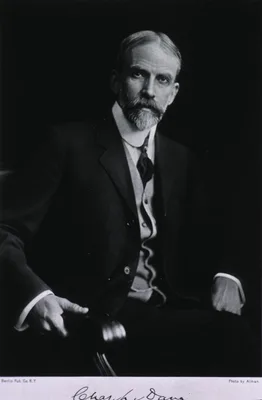
Dana described a combination of myotonia and muscular atrophy.
1808 CE
#4635
An essay on hydrocephalus acutus, or dropsy in the brain.
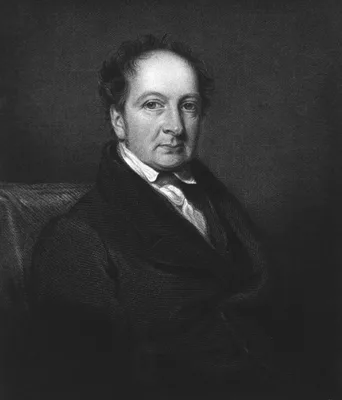
Acute hydrocephalus first described.