
Facets
Browse across eight MeSH (opens in new tab) facets — era, geography, science, specialty, technology, history, culture, and reference. Select one tag per group; counts update across the others.
Clear filtersFacet filters
Geography
Specialties & Disease
- Anatomy & Pathology 765
- Cardiology & Blood 914
- Neurology & Psychiatry 1,256
- Obstetrics & Reproductive 550
- Infectious Disease (General) 147
- Surgery & Anesthesia 1,551
- Public Health 1,129
- Immunology & Dermatology 1,404
- General Clinical Medicine 480
- Military Medicine 436
- Psychology 202
- Alternative & Fringe Medicine 383
- Pediatrics 247
- Ophthalmology & Vision 412
- ENT & Hearing 293
- Urology & Nephrology 309
- Gastroenterology & Hepatology 316
- Pulmonary & Respiratory 233
- Rheumatology, Rehab & Pain 188
- Internal, Emergency & Geriatric 123
- Veterinary Medicine 165
- Epidemiology & Demography 397
- Physiology & Embryology 923
- Dentistry 259
- Plagues & Epidemics 1,279
- Microbiology & Virology 1,080
Social & Historical Studies
Institutions & Culture
Reference & Scholarly Works
Drugs & Technology
765 entries match Anatomy & Pathology [G02.149 / C23]
1818 CE
#408
Afbeeldingen van de juiste plaatsing der inwendige deelen van het menschelijk ligchaam.
First anatomical illustrations of frozen sections. De Riemer appears to have been the first to freeze tissues in order to permit fine sectioning for the purposes of diagnosing diseased tissue. Digital facsimile from U…
1841 CE
#543
Allgemeine Anatomie. Lehre von den Mischungs- und Formbestandtheilen des menschlichen Körpers.
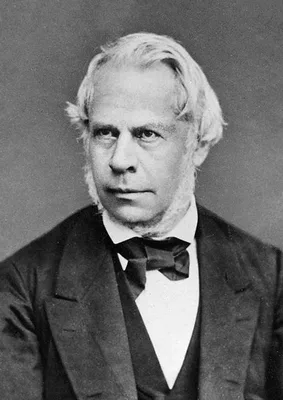
Many of the histological discoveries of Henle are described in the above. He classified tissues histologically. In the section on Gefässnerven (pp. 510, 690) Henle demonstrated the presence of smooth muscle in th…
1594 CE
#10373
Alphabet anatomic, auquel est contenue l'explication exacte des parties du corps humain: Réduites en tables selon l'ordre de dissection ordinaire, avec l'ostéologie et plusieurs observations particulières. Avec l'osteologie, & plusieurs observations particulieres.
This innovative didactic work divided the study of anatomy into 91 tables, set in type, but without images. It was unusually popular, with eleven editions in the seventeenth century as well as translations into Latin …
1919 CE–1922 CE
#10206
American Frohse anatomical charts. Edited, revised and augmented by Max Brödel. With: A key to the Frohse anatomical charts.
10 wall charts, each 42 x 64 inches, comprising a total of 76 colored illustrations life size or larger. Chart 1: Human Skeleton Chart 2: Muscles, front and back Chart 3: Nervous and Circulatory Systems Chart 4: a Sch…
1720 CE
#303
Amphitheatrum zootomicum.
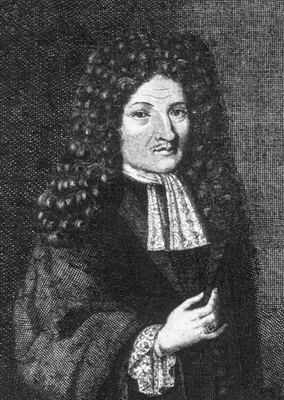
“First extensive work on the comparative anatomy of vertebrates” (Casey Wood).
1788 CE
#2280
An account of a remarkable transportation of the viscera.
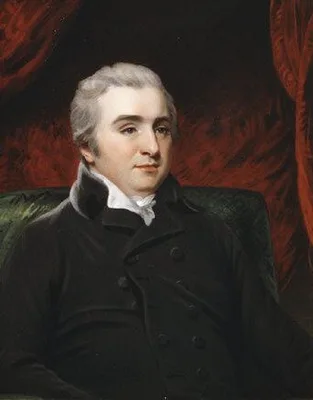
Baillie recorded a case of congenital dextrocardia with complete situs inversus viscerum. Reprinted in Willius & Keys, Cardiac classics, 1941, pp. 257-62.
1699 CE
#1214
An account of two new glands and their excretory ducts, lately discovered in human bodies.
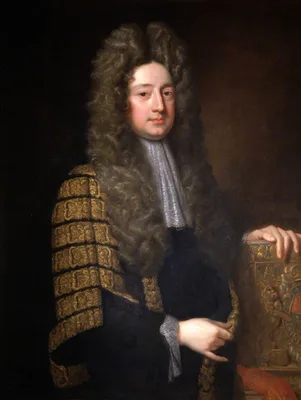
Cowper’s description of the glands which bear his name. He was forestalled in their discovery by Jean Méry.
1746 CE
#3166.1
An account of what appeared on opening the body of an asthmatic person.
Probably the earliest comprehensive clinical and pathological account of emphysema.
1849 CE
#13868
An atlas of anatomical plates of the human body, with descriptive letter-press in English and Hindustani.
Digital facsimile from the Internet Archive at this link.
1877 CE–1907 CE
#14349
An atlas of illustrations of pathology [and] An atlas of illustrations of clinical medicine, surgery and pathology ... a continuation of the "Atlas of Pathology." 30 fascicules numbered I - XXIV, XXIVbis, XXIVter, XXV, XXVbis, XXVI - XXVII.
1943 CE
#7347
An atlas of the basal ganglia, brain stem and spinal cord, Based on myelin-stained material.
"Classic atlas of the human brain (excluding the cerebral and cerebellar cortex). Each structure has a blurb with varying amounts of useful historical and factual information. There is also a very useful bibliography …
1861 CE
#421
An elementary treatise on human anatomy.
Leidy illustrated this book himself. He was professor of anatomy at Philadelphia and the leading American anatomist of his time.
1825 CE
#7702
An essay on Egyptian mummies; with observations on the art of embalming among the ancient Egyptians.
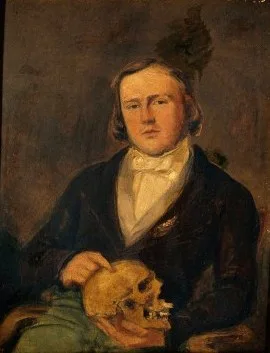
Granville was the first to perform a dissection of an Egyptian mummy. He reported histological observations of samples from a twenty-seventh dynasty Egyptian mummy that he dissected, and he illustrated dissected views…
1756 CE
#7489
An essay on the demonstration of the human structure, half as large as nature, in four tables, from the pictures painted after dissections, for that purpose.
Four large mezzotint plates issued with an accompanying text.
2002 CE
#14288
An introduction to human evolutionary anatomy.

1681 CE
#296
Anatome animalium, terrestrium variorum, volatilium, aquatilium, serpentum, insectorum, ovorumque, structuram naturalem, ex veterum, recentiorum, propriisque observationibus proponens, figuris variis illustrata.
“The first comprehensive manual of comparative anatomy based on the original and literary researches of a working anatomist” (Cole). Blaes anticipated Cowper in finding the Cowper’s glands, which he …
1689 CE
#12782
Anatome ossium novis inventis illustrata.
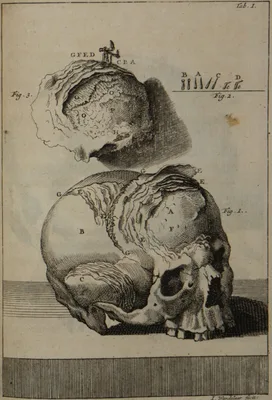
Gagliardi, a papal physician, fiirst described the lamellar structure of the bones. He also carried out some tests and comparative research between human and calf bones, and probably first described a case of bone tub…
1852 CE–1859 CE
#416
Anatome topographica sectionibus per corpus humanum congelatum triplici directione ductis illustrata. 8 pts.
Pirogov was the greatest of Russian surgeons. He introduced the teaching of applied topographical anatomy in Russia. His atlas of 220 plates represents the first use on a grand scale of frozen sections in anatomical i…
2003 CE
#9491
Anatomia 1522-1867. Anatomical plates from the Thomas Fisher Rare Book Library.
https://resource.library.utoronto.ca/anatomia/application/index.cfm "This collection features approximately 4500 full page plates and other significant illustrations of human anatomy selected from the Jason A. Hannah …
1536 CE
#370
Anatomia capitis humani.
The first work on the anatomy of the head. Elegantly illustrated with 11 woodcuts. English translation in No. 461.3.
1837 CE–1841 CE
#11697
Anatomia chirurgica truncorum arteriarum nec non fasciarum fibrosarum.
An atlas of arterial stems and fasciae. Translated into German as Chirurgische anatomie der Arterienstamme und Fascien neu Bearbeitet von Julius Szymanowski. Leipzig und Heidelberg: C. F. Winter, 1850. Digital facsimi…
1672 CE
#384
Anatomia chirurgica.
First book devoted entirely to surgical anatomy.
1693 CE
#388
Anatomia corporis humani, in qua omnia tam veterum, quam recentiorum anatomicarum inventa methodo nova & intellectu facillima describuntur, ac tabulis aenis repaesentantur.
This work was widely used for some years after publication, superseding Bartholin in popularity. Second edition, with supplement, 2 vols., Louvain, 1706-12.
1739 CE
#13152
Anatomia do corpo humano, recopilada com doutrinas medicas, chimicas, filosoficas, mathematicas, com indices, e estampas, representantes todas as partes do corpo humano.
The first textbook of anatomy published by a Portuguese author in Portuguese. Digital facsimile from Google Books at this link.
1654 CE
#1098.1
Anatomia hepatis … subjiciuntur nonnulla de lymphae-ductibus nuper repertis.
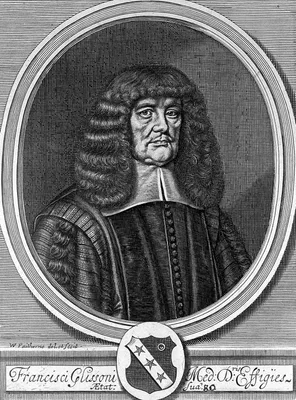
Independently of Bartholin and Rudbeck, George Joyliffe (1621-58) observed the lymphatics. He communicated his discovery to Glisson early in 1652 and the latter included an account in the above work (Cap. xxxi). See N…
1654 CE
#972
Anatomia hepatis.
First accurate description of the capsule of the liver (Glisson’s capsule) and its blood-supply. He also described the sphincter of the bile duct (“Glisson’s sphincter”, the sphincter of Oddi).…
1685 CE
#385
Anatomia humani corporis, centum et quinque tabulis, per artificiosiss. G. de Lairesse ad vivum delineatis.
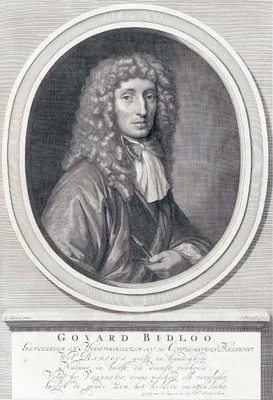
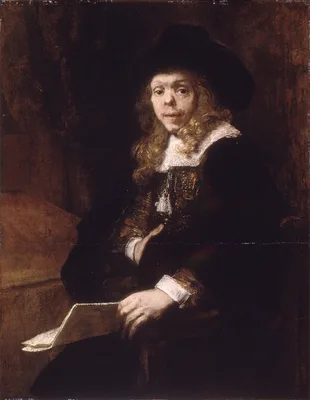
This large folio by Dutch physician, anatomist, poet, and playwright Govert Bidloo contains an engraved title, engraved portrait of Bidloo by Abraham Bloteling after Gérard de Lairesse and 105 engraved plates a…
1811 CE
#406
Anatomia per uso de’pittori e scultori.
This anatomy for artists and sculptors contains 38 good copperplates in black and red.
1816 CE
#7488
Anatomia per uso degli studiosi di scultura e pittura.
Mascagni's anatomy for artists and sculptors, edited for posthumous publication by Mascagni's literary execultor Francesco Antonmarchi. 15 hand-colored engraved plates after drawings by Antonio Serantoni (1780j-1837),…
1691 CE
#386
Anatomia per uso et intelligenza del disegno ricercata non solo su gl’ossi, e muscoli del corpo humano.
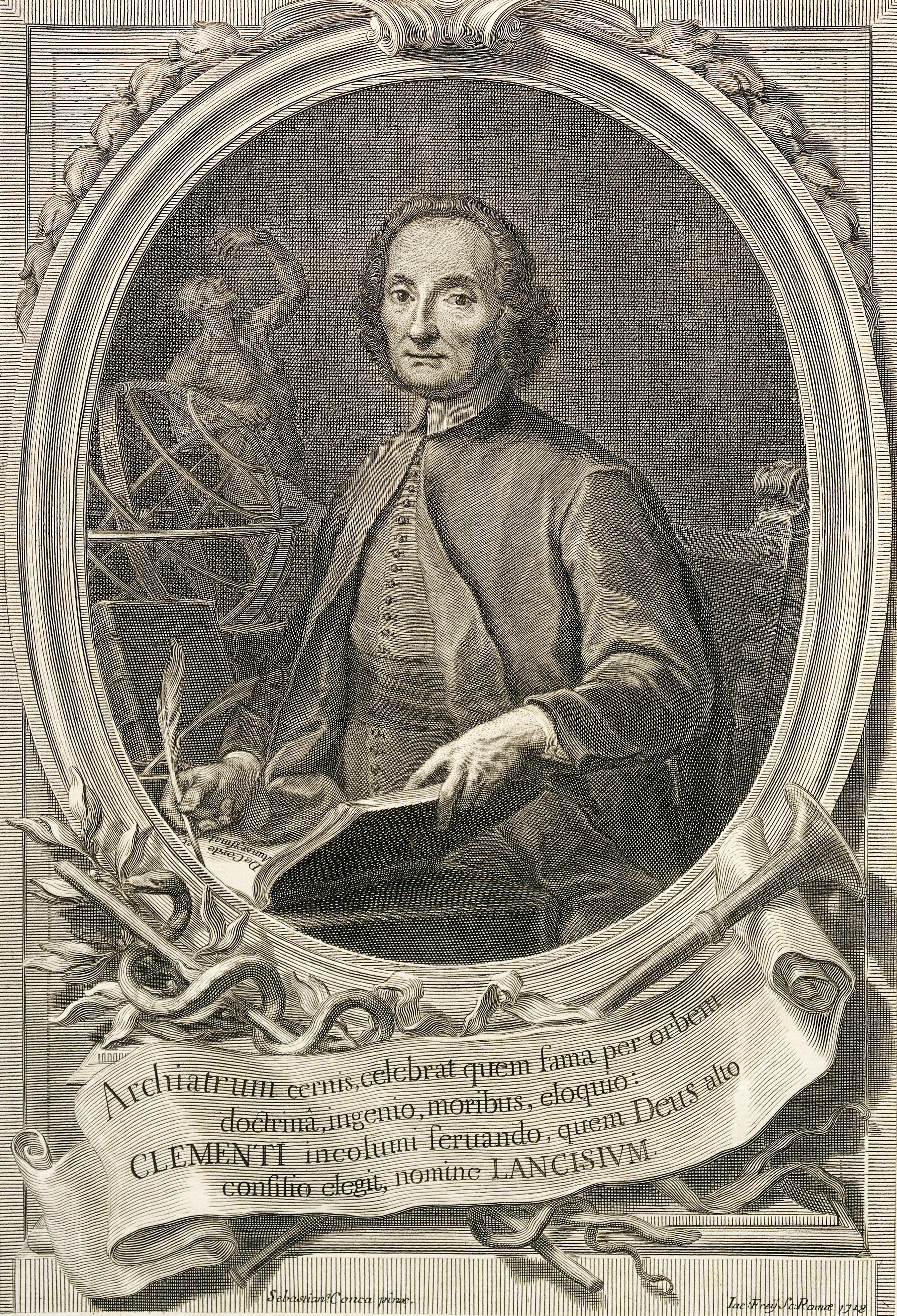
Contains 56 copper-plates, excellent anatomically and artistically, with commentary by Giovanni Maria Lancisi. This is one of the finest of all books on anatomy for artists. English translation with plates re-engraved…
1822 CE–1832 CE
#409.1
Anatomia universa… 2 vols.
The largest of all medical books from the standpoint of format. The 44 life size engraved plates are reproduced in double elephant folio size measuring 950 x 635 mm., and include an almost incredible level of detail. …
1478 CE
#361
Anatomia.
First dated printed edition of the first medieval book devoted solely to anatomy, written by Mondino for his students in 1316. An earlier, but undated edition, of which only 3 copies are recorded, appeared in Padua ab…
1537 CE
#371
Anatomiae, hoc est, corporis humani dissectionis pars prior.
Dryander was among the first to make illustrations after his own dissections. His unfinished guide to dissection entitled Anatomiae, expanded from the Anatomia published the previous year, is one of the most important…
1597 CE
#437
Anatomica corporis virilis et muliebris historia.
1535 CE
#369
Anatomica methodus, seu de sectione humani corporis contemplatio.
Includes the first description of the ileo-caecal valve. Laguna, a Spanish anatomist, travelled much in Europe and became physician to Charles V. English translation in No. 461.3. Digital facsimile of the 1535 edition…
1789 CE
#1453
Anatomicae disquisitiones de auditu et olfactu.
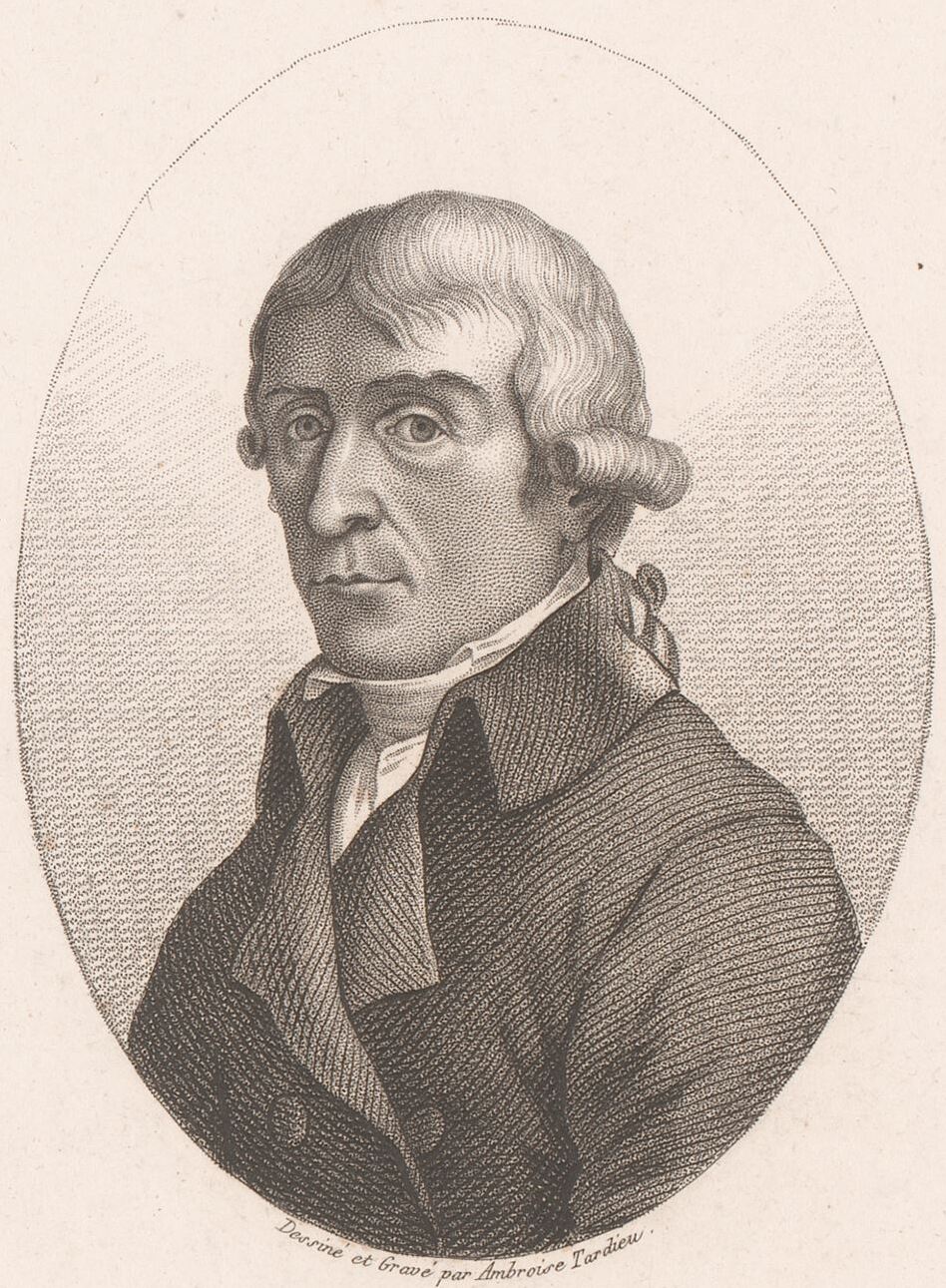
Scarpa made important researches concerning the auditory and olfactory apparatus of fishes, birds, reptiles, and man. See L. Sellers and B. Anson, [Scarpa’s] Anatomical observations on the round window, Arch. Ot…
1611 CE
#6964
Anatomicae institutiones corporis humani.
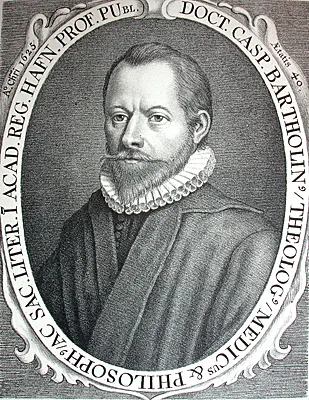
The elder Caspar Bartholin was the first to describe the workings of the olfactory nerve, and introduced the terms nervus olfactorius and nervus vagus. This was a standard textbook for many years, undergoing numerous …
1585 CE
#7595
Anatomicae praelectiones.
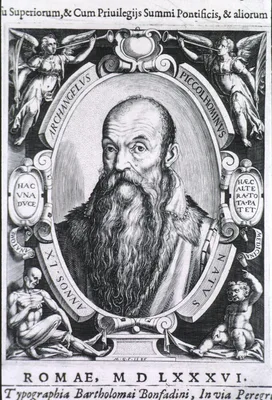
First description of a clear distinction between what is now known as gray and white matter in the central nervous system. The work also includes the first attempt to illustrate the brain in a sagittal view. The nine …
1845 CE
#2294.1
Anatomical and pathological observations.
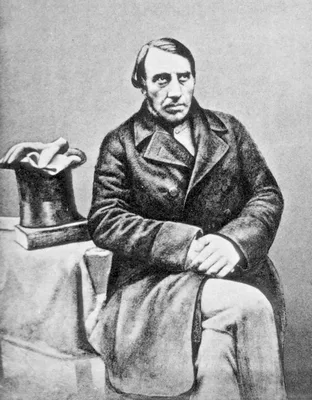
John Goodsir’s paper on “Centres of nutrition” anticipates to a certain extent the cell doctrine afterwards developed by Virchow (see No. 2299). Virchow dedicated the first edition of his Cellularpat…
1962 CE
#460
Anatomical eponyms: being a biographical dictionary of those anatomists whose names have become incorporated into anatomical nomenclature, with definitions of the structures to which their names have been attached and references to the works in which they are described. 2nd ed.
1917 CE
#8639
Anatomical names, especially the Basle Nomina Anatomica ("BNA"). By Albert Chauncey Eycleshymer, assisted by Daniel Martin Schoemaker. With biographical sketches by Roy Lee Moodie.
Includes 800 biographical sketches and a massive index covering nearly 400 pages. Digital facsimile from the Internet Archive at this link.
1833 CE
#411
Anatomical studies of the bones and muscles, for the use of artists. From drawings by the late John Flaxman, Esq. R.A. Engraved by Henry Landseer. With two additional plates, and explanatory notes, by William Robertson.
Digital facsimile from digitalcollections.nypl.org at this link.
1927 CE
#456
Anatomical texts of the earlier Middle Ages: A study in the transmission of culture, with a revised Latin text of Anatomia Cophonis and translations of four texts.
Digital facsimile from the Hathi Trust at this link.
1574 CE
#1479
Anatomici libri II … In altero de musculis, palpebrarum atque oculorum motibus deservientibus, accurate disseritur.
First exact description of the lacrimal duct. Carcano gave the true position of the lacrimal gland and showed the route taken by the tears.
1903 CE
#10101
Anatomie artistique des animaux.
Translated into English by George Haywood as Artistic anatomy of animals (London: Baillière, Tindall & Cox., 1904. Digital facsimile of the 1903 edition from the Hathi Trust at this link, of the English transla…
1890 CE
#10600
Anatomie artistique: Decription des formes extérieures du corps human au repos et dans les principaux mouvements. Avec 100 planches renfermant plus de 300 figures dessinées par l'auteur. 2 vols.
Digital facsimile from BnF Gallica at this link.
1858 CE
#13193
Anatomie chirurgicale homolographique, ou Déscription et figures des principales regions du corps humain, representées de grandeur naturelle, d'après des sections planes pratiquées sur des cadavres congeles....
Contains 25 plates lithographed by Lemercier after drawings by the author representing natural size sections taken in horizontal, sagittal and oblique planes from various portions of the body. The first plate of the s…
1849 CE–1856 CE
#12014
Anatomie comparée. Recueil des planches de myologie dessinées par Georges Cuvier ou exécutées sous ses yeux par MM. Laurillard et Mercier.
Planned by Cuvier as his masterwork on this topic, but unpublished during his lifetime, this posthumous work was published in parts over seven years. The complete work contains 336 plates. Few complete copies exist. D…
1821 CE–1831 CE
#409
Anatomie de l’homme, ou descriptions et figures lithographiées de toutes les parties du corps humain. 5 vols.
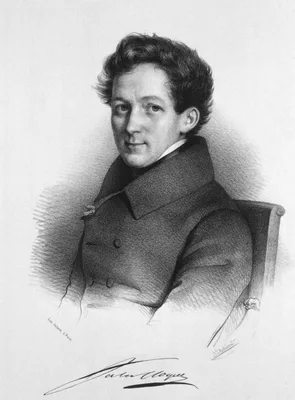
The first anatomical atlas illustrated by lithography, containing 300 plates in folio format. This was one of the most elaborate of the lithographic “incunabula” produced by Charles Philibert de Lasteyrie,…
1748 CE
#7491
Anatomie de la tête, en tableaux imprimés qui représentent au naturel le cerveau sous différentes coupes, la distribution des vaisseaux dans toutes les parties de la tête, les organes des sens et une partie de la névrologie, d'après les pièces disséquées et préparées par M. Duverney, en huit grandes planches dessinées, peintes, gravées et imprimées en couleur et grandeur naturelle....
Includes eight spectacular plates printed in color by Gautier d'Agoty with text by Duvereny. Digital facsimile from the Internet Archive at this link.