
Facets
Browse across eight MeSH (opens in new tab) facets — era, geography, science, specialty, technology, history, culture, and reference. Select one tag per group; counts update across the others.
Clear filtersFacet filters
Geography
Specialties & Disease
- Anatomy & Pathology 134
- Cardiology & Blood 11
- Neurology & Psychiatry 36
- Obstetrics & Reproductive 26
- Infectious Disease (General) 5
- Surgery & Anesthesia 14
- Public Health 129
- Immunology & Dermatology 38
- General Clinical Medicine 28
- Military Medicine 11
- Psychology 16
- Alternative & Fringe Medicine 17
- Pediatrics 5
- Ophthalmology & Vision 2
- ENT & Hearing 3
- Urology & Nephrology 4
- Gastroenterology & Hepatology 4
- Pulmonary & Respiratory 3
- Rheumatology, Rehab & Pain 0
- Internal, Emergency & Geriatric 7
- Veterinary Medicine 11
- Epidemiology & Demography 12
- Physiology & Embryology 94
- Dentistry 10
- Plagues & Epidemics 44
- Microbiology & Virology 92
Social & Historical Studies
Institutions & Culture
Reference & Scholarly Works
1,480 entries match Zoology & Animal Sciences [K01.900.500.750]
1987 CE
#13950
Nucleosomes inhibit the initiation of transcription but allow chain elongation with the displacement of histones.

Within the nucleosome Kornberg found that roughly 200 bp of DNA are wrapped around an octamer of histone proteins. With Yahli Lorch, Kornberg showed that a nucleosome on a promoter prevents the initiation of transcrip…
1982 CE
#6885
Nucleotide sequence of bacteriophage lambda.
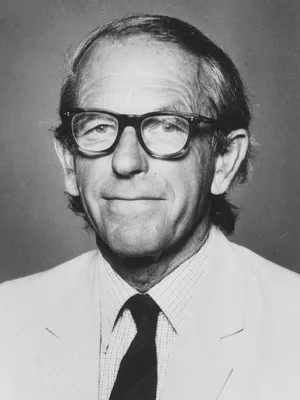
Sanger and colleagues sequenced the entire genome of bacteriophage lambda using a random shotgun technique. This was the first whole genome shotgun (WGS) sequence.
1987 CE
#7304
Nucleotide sequence of the iap gene, responsible for alkaline phosphatase isozyme conversion in Escherichia coli, and identification of the gene product.
The DNA sequence of CRISPR (Clustered Regularly Interspaced Short Palindromic Repeats) discovered. The function of the interrupted clustered repeats was not known at the time. With H. Shinagawa, K Makino, M Amemura, a…
1994 CE
#8765
Nurturing yesterday's child: A portrayal of the Drake collection of paediatric history.
Pediatric prints, paintings, and antiques collected by Theodore G. H. Drake.
1691 CE
#264
Observationes circa viventia, quae in rebus non viventibus reperiuntur. Cum micrographia curiosa siue Rerum minutissimarum obseruationibus, quæ ope microscopij recognitæ ad viuum exprimuntur. His accesserunt aliquot animalium testaceorum icones non antea in lucem editae. Omnia curiosorum naturæ exploratorum vtilitati & iucunditati expressa & oblata.
Illustrates several early microscopes, including the famous microscopes of the Bolognese Joseph Campani. Contradicting Redi, Bonanni tried to show that spontaneous generation was possible in animals "without blood and…
1652 CE
#3737
Observationes medicae.
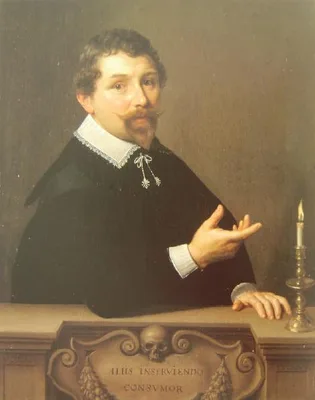
One of the earliest accounts of beri-beri is on pp. 300-05 of this work. Tulp, notable as the demonstrator in Rembrandt’s “Anatomy Lesson”, was among the first, in the same book, to describe the ileo…
1785 CE
#13086
Observations générales sur les maladies des climats chauds, leurs causes, leur traitement, et les moyens de les prévenir.
Digital facsimile from BnF Gallica at this link.
1786 CE
#309
Observations on certain parts of the animal oeconomy.
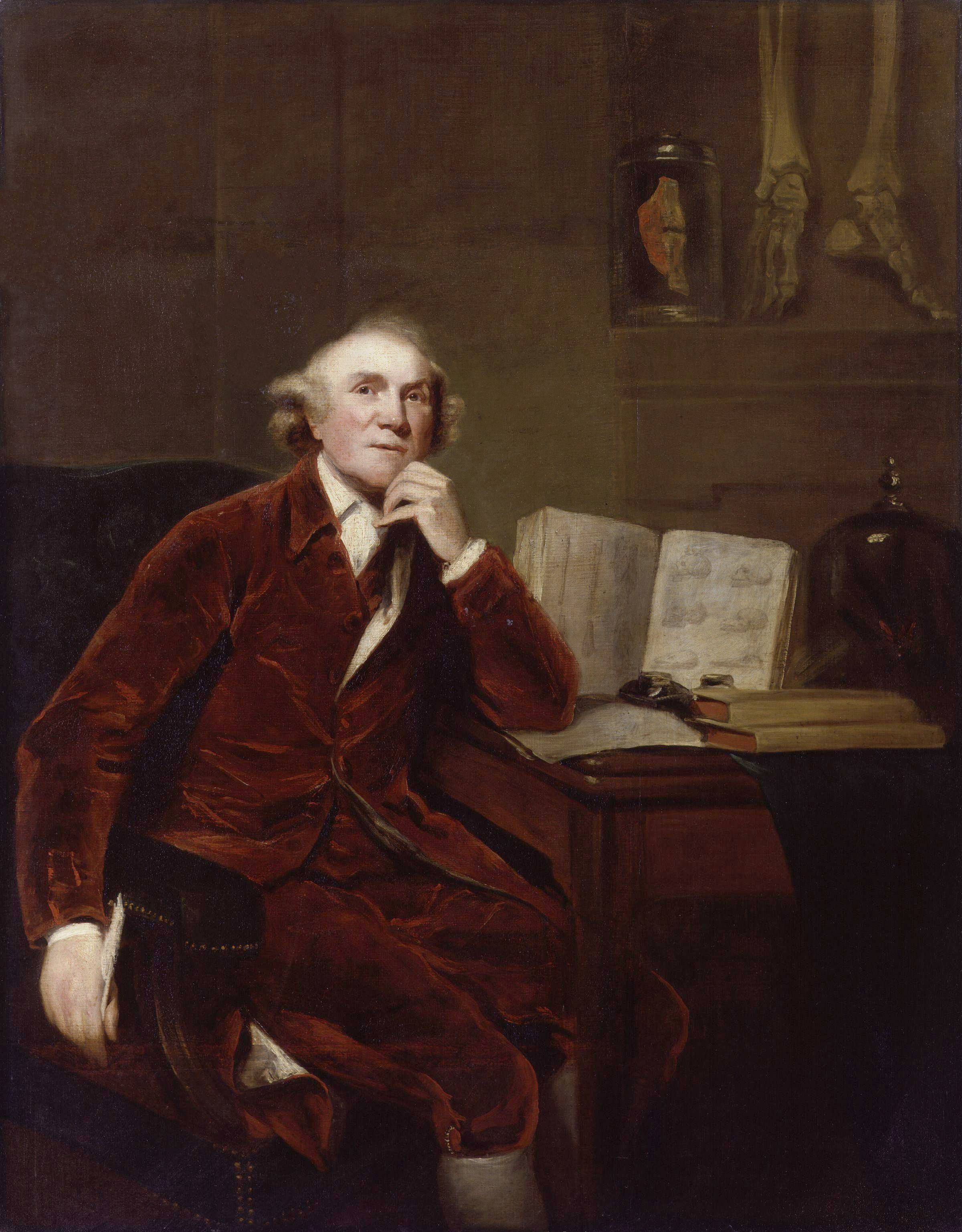
Includes John Hunter’s observations on the secondary sexual characteristics in birds, on the descent of the testis, on the air sac in birds, on the structure of the placenta, etc., together with the original des…
1772 CE
#920
Observations on the different kinds of air.
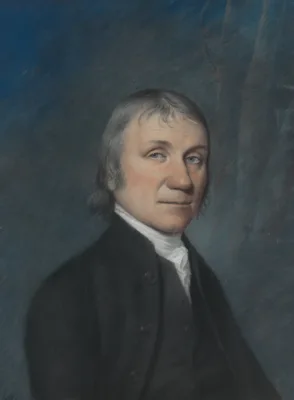
The isolation of oxygen was first achieved by Priestley. He also demonstrated that plants immersed in water give off oxygen and that this gas is essential for animal life.
1832 CE
#10812
Observations on the epidemic now prevailing in the city of New-York; called the Asiatic or spasmodic cholera; with advice to the planters of the South, for the medical treatment of their slaves.
Digital facsimile from the Internet Archive at this link.
1877 CE–1880 CE
#632
Observations on the locomotor system of Medusae. 3 pts.
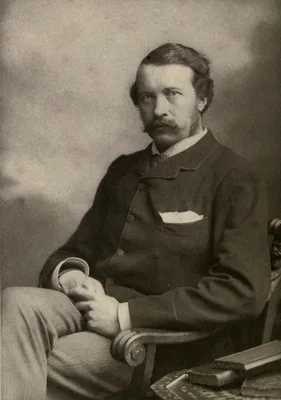
Charles Sherrington described the significance of Romanes' research on jellyfish in terms of its impact on cardiac physiology: "Romanes's observations carried out with simple means were novel and fundamental. The ques…
1829 CE–1832 CE
#109
Observations on the organs and mode of fecundation in Orchideae and Asclepiadeae.
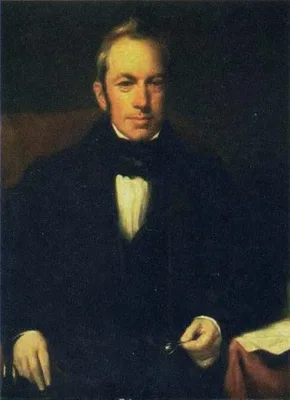
Discovery, in 1831, of the cell nucleus. First issued as a separate pamphlet: Observations on the Organs and Mode of Fecundation in orchideae and asclepiadeae ... [with:] Additional remarks ... London, [privately prin…
1844 CE
#8917
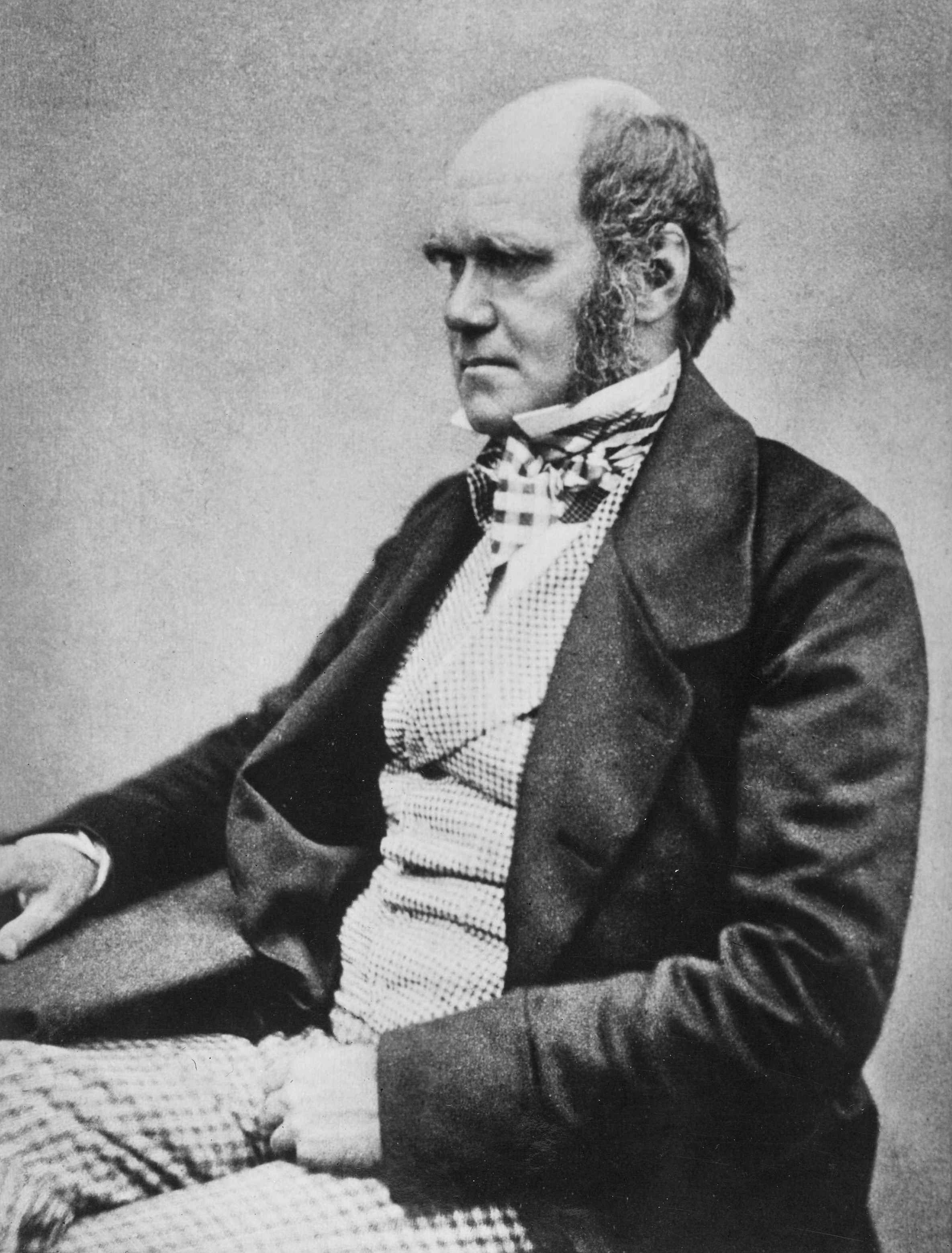
Observations on the volcanic islands, visited during the voyage of the H.M.S. Beagle, together with some brief notices on the geology of Australia and the Cape of Good Hope. Being the second part of the geology of the voyage of the Beagle.
1788 CE
#8216
Observations sur le tétanos; Ses différences, ses causes, ses symptômes, avec le traitement de cette maladie & les moyens de la prévenir. Précédées d'un discours sur les moyens de perfectionner la médecine-pratique sous la zone torride. Suivies d'observations sur la santé des femmes enceintes dans ces régions; leurs maladies aux différentes époques de la grossesse; l'accouchement & les suites; la conservation des nouveau-nés jusqu'à l'adolescence. Terminées par le rapprochement des vices & des abus des hôpitaux d'entre les tropiques, & les moyens d'y remédier. Par M. Dazille. Pour servir de développement & de suite à ce que cet auteur a écrit du tétanos dans ses ouvrages sur les maladies des nègrse [sic], & sur les maladies des climats chauds.
Primarily concerning the diseases of black slaves. Digital facsimile from the Internet Archive at this link.
1776 CE
#1601.1
Observations sur les maladies des nègres, leurs causes, leurs traitemens et les moyens de les prévenir.
Study of the health conditions and diseases of black slaves in the Americas. Digital facsimile of the 1776 edition from Google Books at this link. Second edition, expanded to two volumes. Paris: L'Auteur, 1792.
2010 CE
#11076
Odorant reception in the malaria mosquito Anopheles gambiae.

Order of authorship in the original publication: Carey, Wang, ... Carlson. The authors showed that besides CO2, the odorant receptors in the malaria mosquistoes Anopheles gambiae are sensitive to other "mostly sweat" …
1969 CE
#14157
Oeuvres d'Ambroise Paré conçu et réalisé par Pierre de Tartas. Préfacées par le professeur de Vernejoul & Jean Rostand de l'Académie Française. 3 vols. Vol. 1 illustré par Hans Erni, Vol. 2 illustré par Pierre-Yves Tremois, Vol. 3 illustré par Michel Ciry.
Facsimile of the 1585 fourth and best edition of Paré's Oeuvres, published in 3 vols., each volume additionally illustrated by a distinguished French 20th century artist. 5000 numbered sets were issued in vario…
1922 CE–1939 CE
#83
Œuvres de Pasteur, réunies par Pasteur Vallery-Radot. 7 vols.
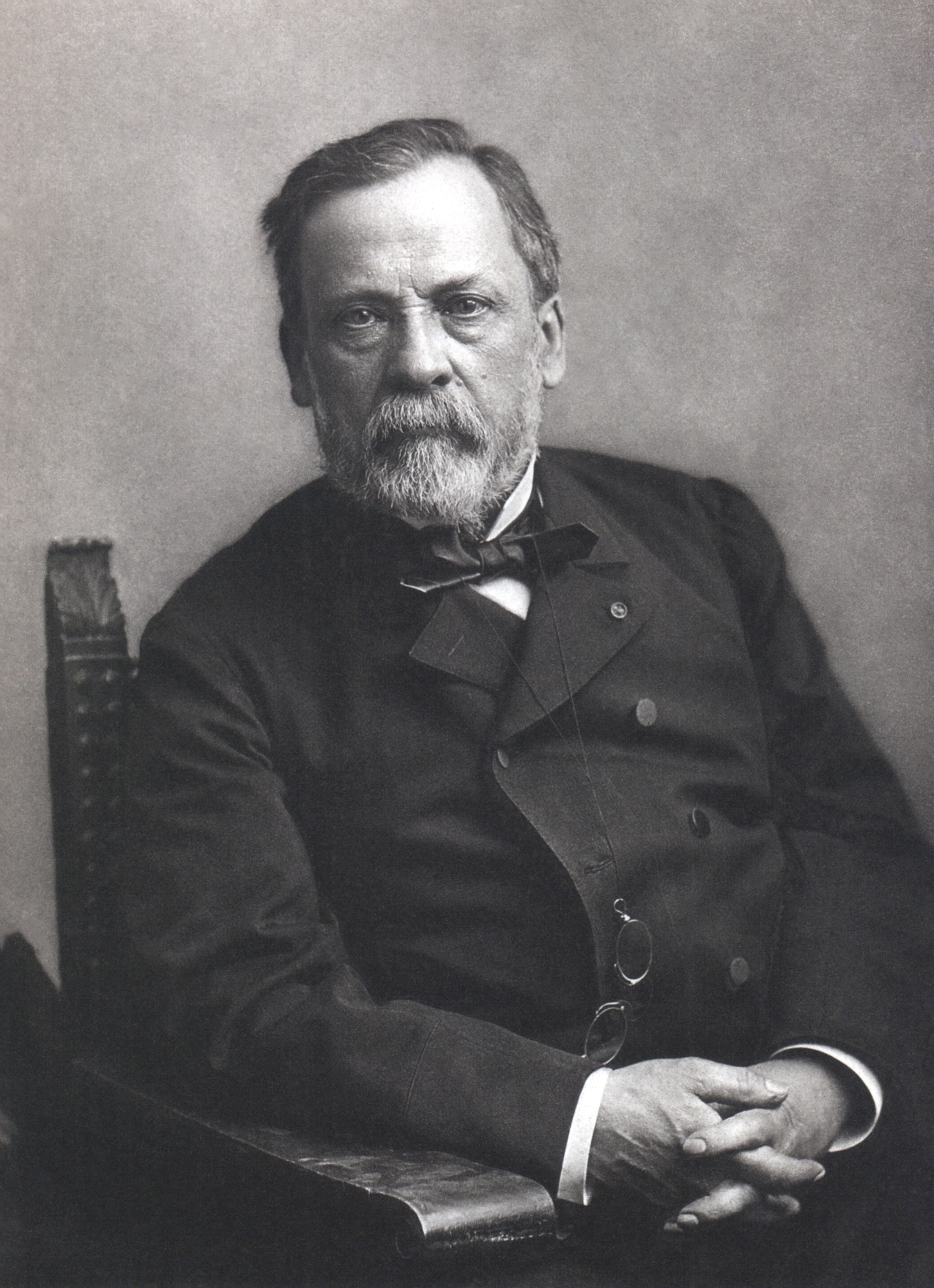
One of the founders of bacteriology, Pasteur's work on fermentation, the doctrine of spontaneous generation (which he exploded), virus diseases and preventive vaccinations, was fundamental. Digital facsimile of the co…
1986 CE
#13784
Of birds and Texas.
Inspired by Audubon's double elephant folios, the first edition was limited to 500 sets and 25 artists' copies, signed by Scott Gentling and John Graves. Folio (28 x 22 inches). 40 chromolithographed plates of birds a…
1746 CE
#9570
Of birds of passage.
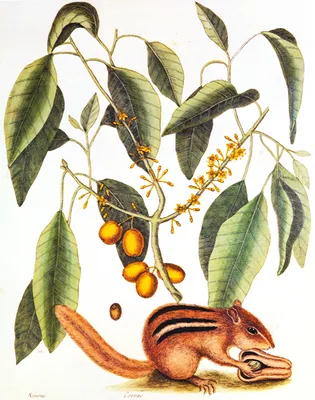
Catesby was one of the first ornithologists to study bird migration. Digital facsimile from the Royal Society at this link.
1773 CE
#589
Of the electric property of the torpedo.
The first accurate study of the electrical organs of the torpedo fish were made by Walsh, who was given the Copley Medal of the Royal Society for his work on the subject. Walsh proved that the shock of the torpedo was…
2009 CE
#11258
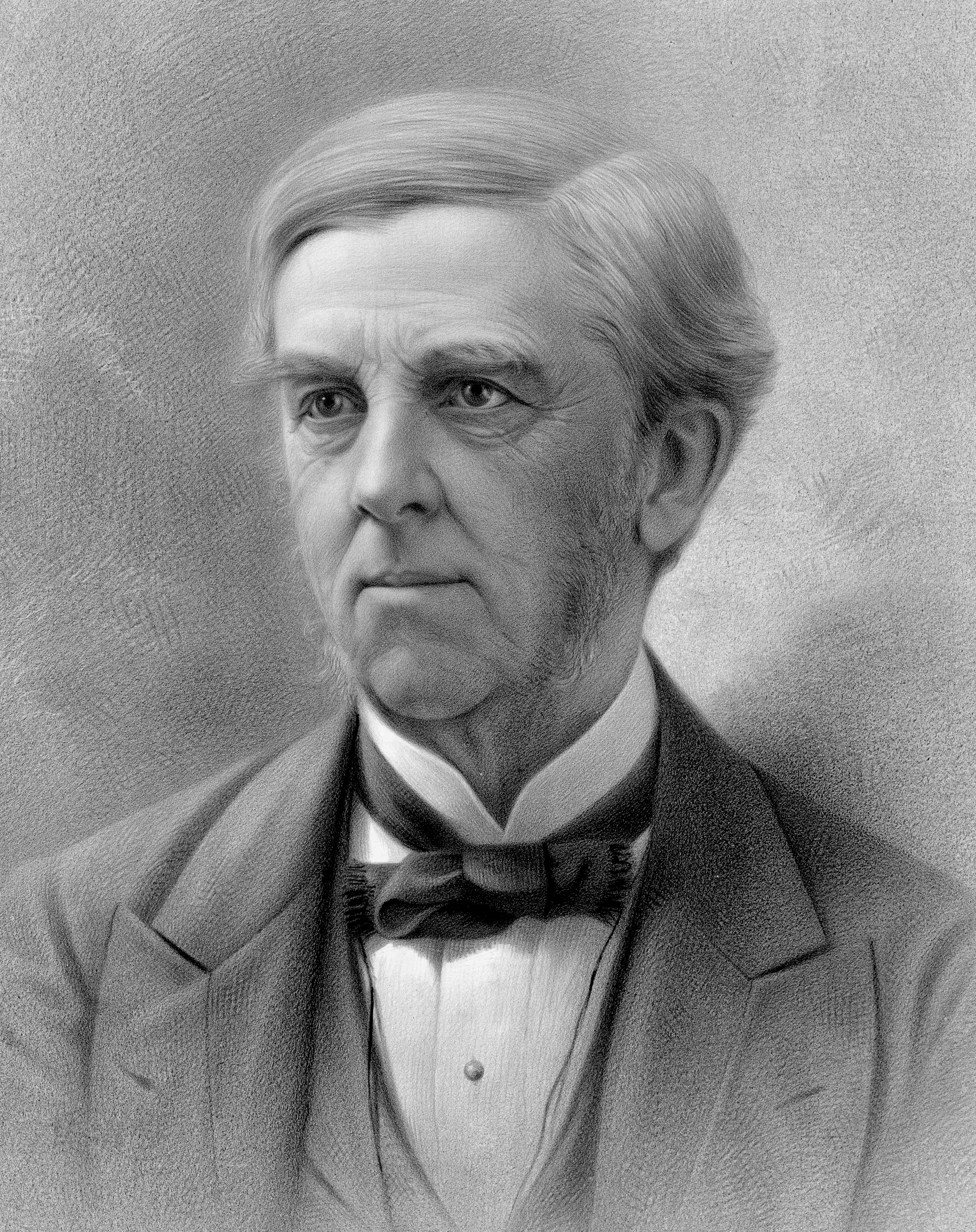
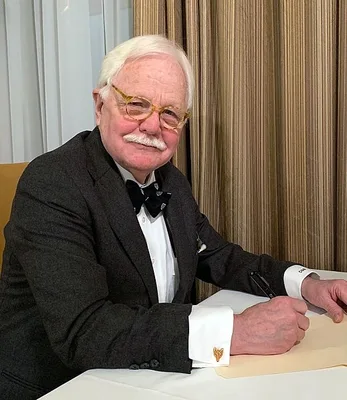
Oliver Wendell Holmes, physician and man of letters. Edited by Scott. H. Podolsky and Charles S. Bryan.
1842 CE
#217
Om Fortplantning og Udvikling gjennem vexlende Generations-raekker.
Steenstrup is responsible for the theory of the “alternation of generations”. He showed that certain animals produce offspring which never resemble them but which, on the other hand, bring forth progeny wh…
1917 CE
#6972
On growth and form.
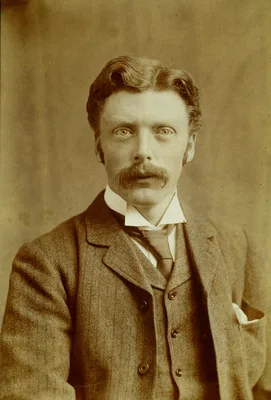
Thompson's description of the mathematical beauty of nature eventually inspired others, such as Alan Turing, to develop the scientific explanation of morphogenesis, the process by which patterns are formed in plants a…
1862 CE
#220.2
On our knowledge of the causes of the phenomenon of organic nature.
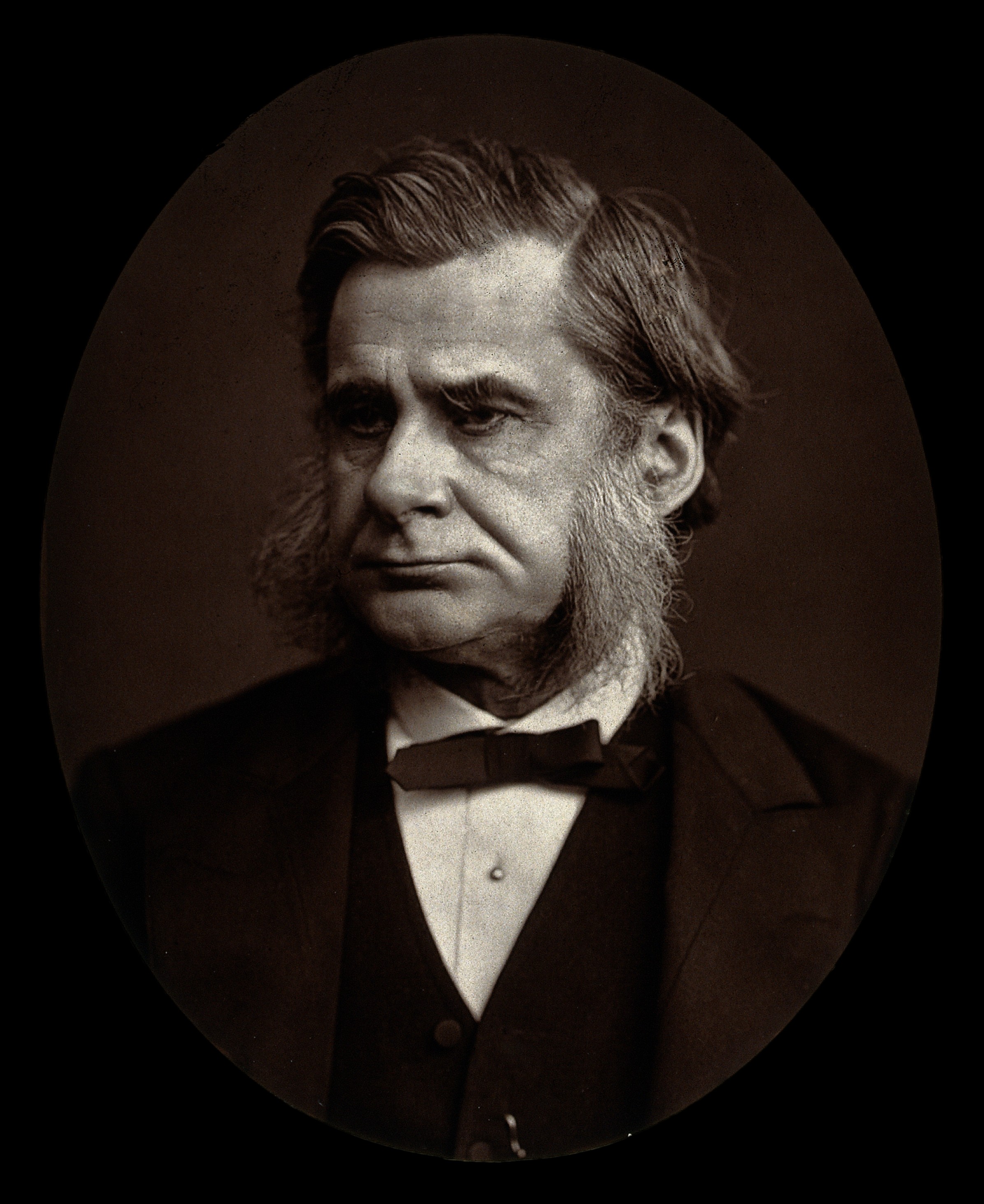
This series of six lectures delivered to “working men” in November and December, 1862 includes Huxley’s first book-form exposition of Darwin’s theories, of which he was probably the greatest po…
1958 CE
#6895
On protein synthesis.
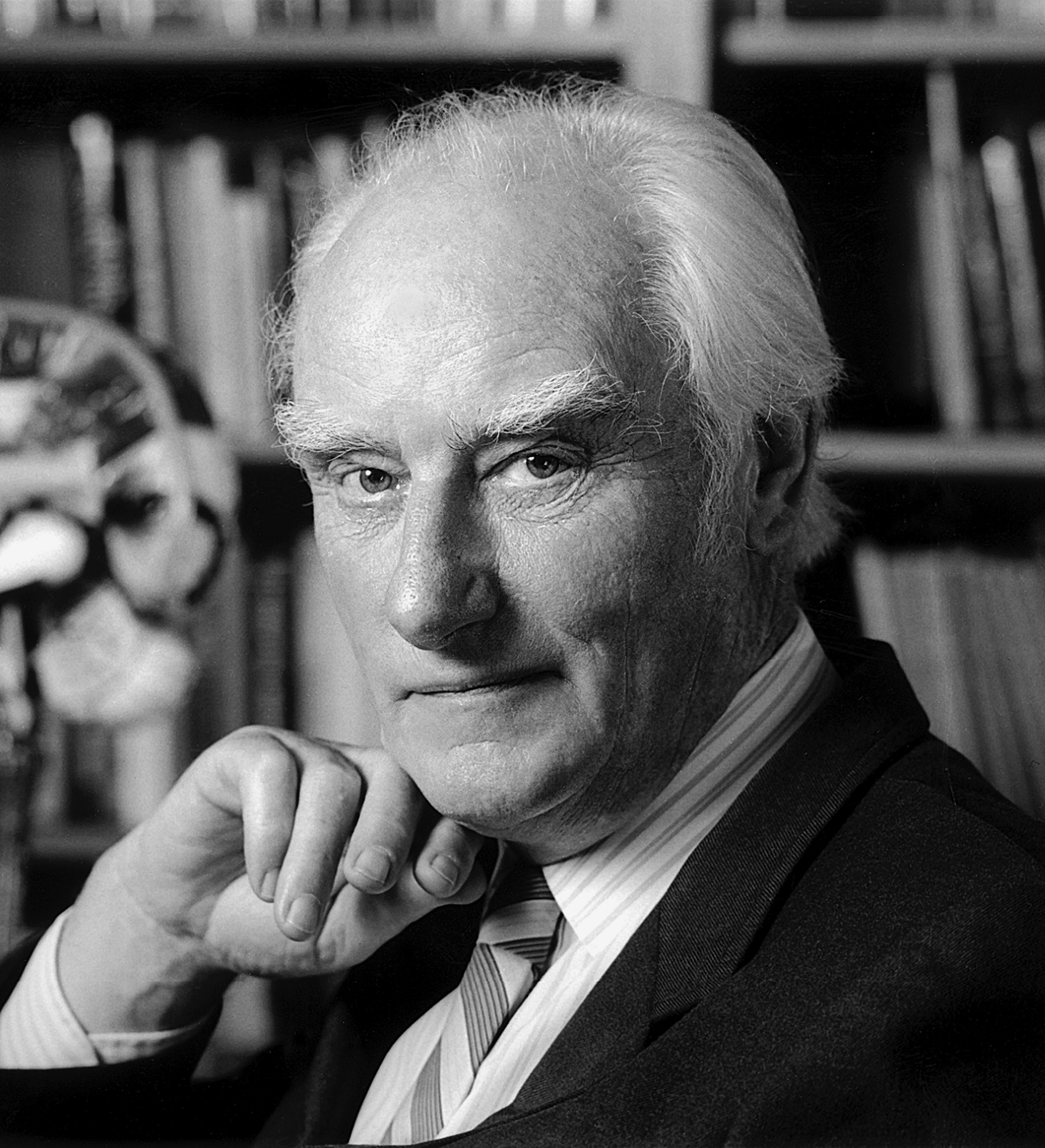
This paper proposed two general principles: 1) The Sequence Hypothesis: “The order of bases in a portion of DNA represents a code for the amino acid sequence of a specific protein. Each ‘word’ in the…
1861 CE
#13465
On the absorption and radiation of heat by gases and vapours, and on the physical connexion of radiation, absorption and conduction.
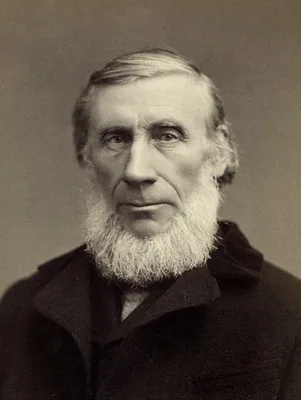
Demonstration that gases including carbon dioxide and water can absorb heat, aand could change climate. Digital facsimile from royalsocietypublishing.org at this link.
1866 CE–1868 CE
#336
On the anatomy and physiology of the vertebrates. 3 vols.
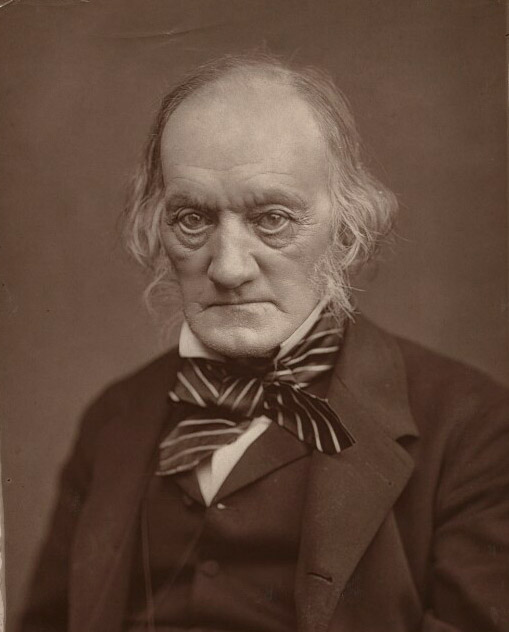
Vol. 1. Fishes and reptiles; Vol. 2. Birds; Vol. 3. Mammals. The most important work on the subject after Cuvier, based entirely on personal observations. Owen entitled his 40th and concluding chapter "Derivative hypo…
1868 CE
#9351
On the animals which are most nearly intermediate between birds and reptiles.
Huxley proposed a close relationship between birds and dinosaurs after the discovery in Germany of the primitive fossil bird Archaeopteryx. He made detailed comparisons of Archaeopteryx with various prehistoric reptil…
1848 CE
#330
On the archetype and homologies of the vertebrate skeleton.
Owen’s vertebral theory of the origin of the skull, later refuted by Thomas Huxley and others. "Owen began working systematically on problems of transcendental morphology in 1841, as part of his curatorial task …
1964 CE
#13944
On the colinearity of gene structure and protein structure.
Yanofsky and colleagues established that gene sequences and protein sequences are colinear in bacteria. Order of authorship in the original publication: Yanofsky, Carlton, ... Henning. In genetics, coliniarity is a pr…
1864 CE
#5344.5
On the endemic haematuria of the Cape of Good Hope.
Like Cobbold, Harley expressed the view that a mollusc was the intermediate host in bilharziasis.
1832 CE
#12197
On the influence of physical agents on life, by W. F. Edwards. Translated from the French by Dr. Hodgkin and Dr. Fisher. To which are added, in the appendix, some observations on electricity by Dr. Edwards, M. Pouillet, and Luke Howard; on absorption, and the uses of the spleen, by Dr. Hodgkin; on the microscopic characters of the animal tissues and fluids, by J. J. Lister and Dr. Hodgkin, and some notes to the work of Dr. Edwards.
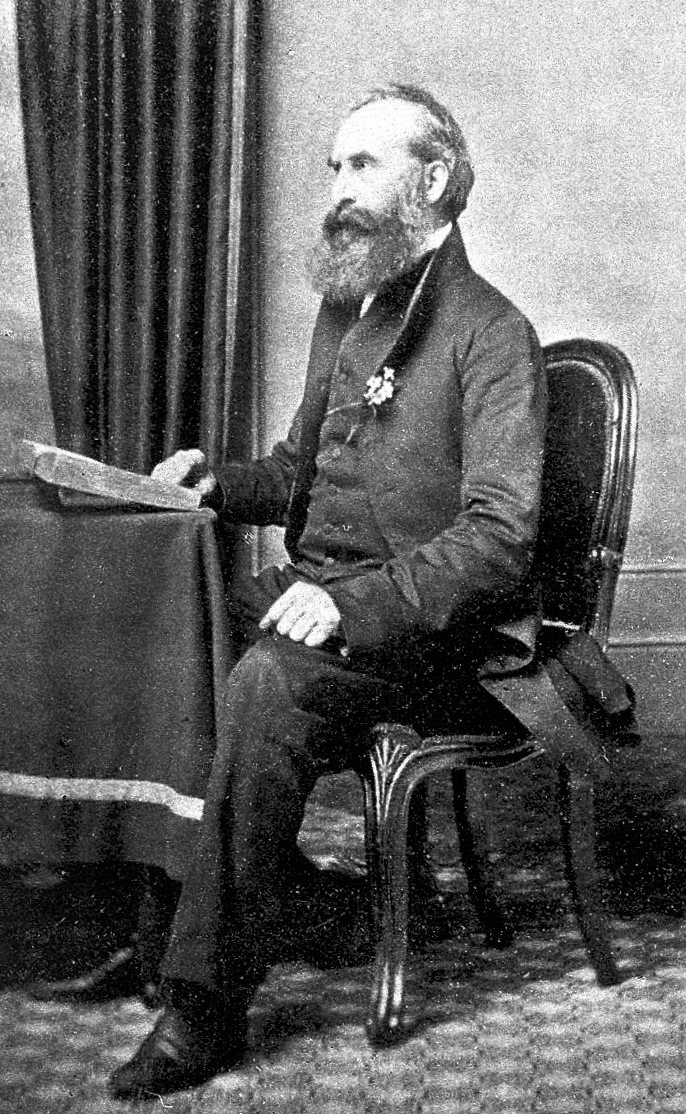
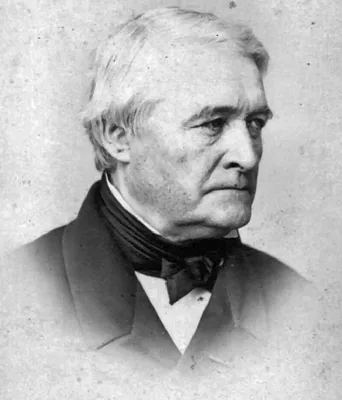
Digital facsimile from Google Books at this link.
1855 CE
#13712
On the law which has regulated the introduction of new species.
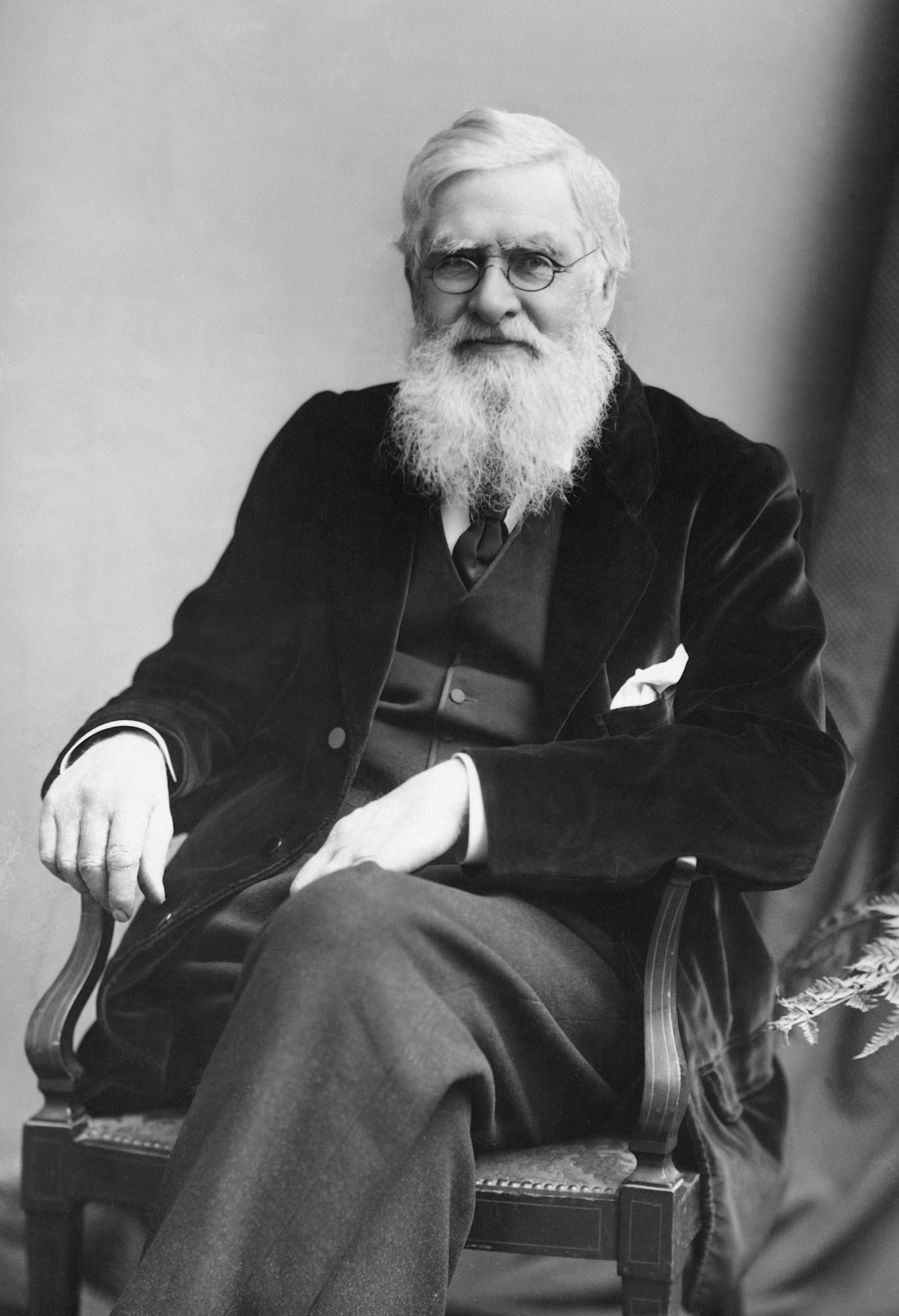
This paper is sometimes referred to as the Sarawak Law paper since it was written while Wallace was on a specimen collecting expedition in the province of Sarawak (East Malayasian States) on the great island of Borneo…
1859 CE
#220
On the origin of species by means of natural selection, or the preservation of favoured races in the struggle for life.
Prepared under the advice of Lyell and Hooker, and brought to press soon after publication of the joint paper by Darwin and Wallace (No. 219), this was Darwin’s greatest work and one of the most important books …
1861 CE
#8915
On the origin of species by means of natural selection....Third edition with additions and corrections (Seventh thousand).
Extensively revised, and the first edition to include the "historical sketch" crediting the historical precursors to the theory of evolution by natural selection. Darwin added this chapter in response to writings by S…
1835 CE
#14316
On the osteology of the chimpanzee and orang utan.
Owen was the first anatomist, after Petrus Camper, to distinguish decisively between the chimpanzee and the orangutan. He began studying the anatomy of non-human primates in the 1830s, when the Regent’s Park Zoo…
1896 CE
#13072
On the pigment of the negro's skin and hair.
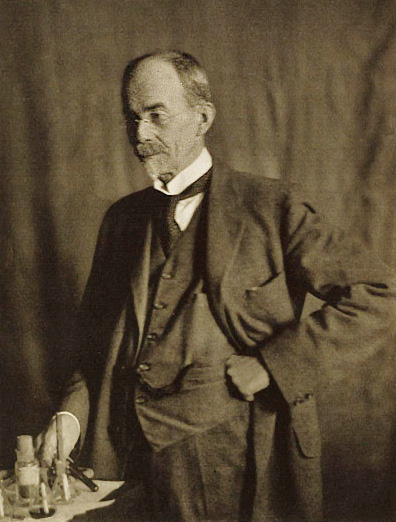
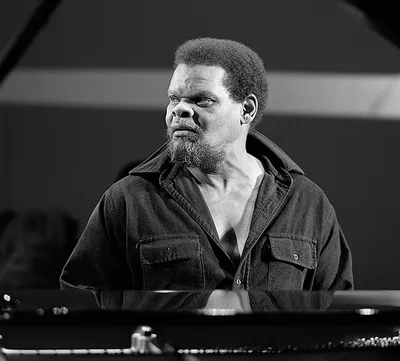
"In the present state of our knowledge we can only say that it seems highly probable that the pigment of the negro's hair is not different from the dark pigment found in the hair of the white races, and we may infer t…
1899 CE
#2554
On the rôle of insects, arachnids and myriapods, as carriers in the spread of bacterial and parasitic diseases of man and animals. A critical and historical study.
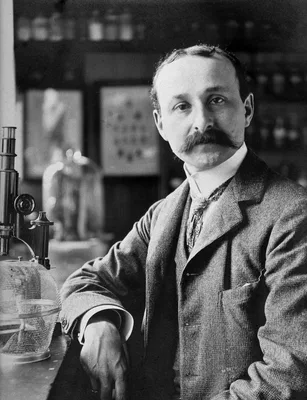
1863 CE
#5344.2
On the structure and nature of the Dracunculus or Guinea worm.
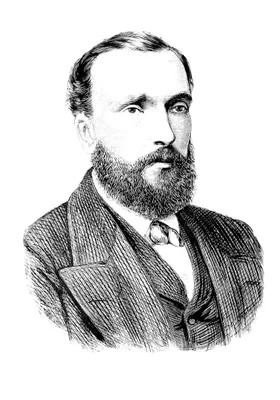
First detailed description.
1859 CE
#219
On the tendency of species to form varieties: and on the perpetuation of varieties and species by natural means of selection.
The first printed exposition of the “Darwinian” theory of evolution by natural selection. Had not Wallace independently discovered the theory of natural selection, it is possible that the extremely cautiou…
1945 CE
#9891
On the use of matrices in certain population mathematics.
"... the Leslie matrix is a discrete, age-structured model of population growth that is very popular in population ecology.... The Leslie matrix (also called the Leslie model) is one of the most well known ways to des…
1668 CE
#292
Onomasticon zoicon, plerorumque animalium differentias & nomina propria pluribus linguis exponens. Cui accedunt mantissa anatomica, et quaedam de variis fossilium generibus.
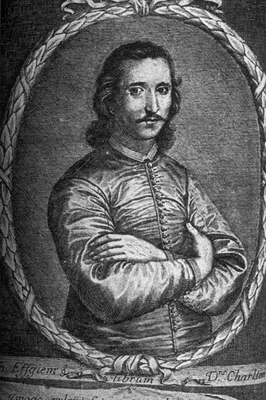
Gives a list of the English, Latin, and Greek names of all the then known animals. Digital facsimile from the Internet Archive at this link.
1686 CE–1718 CE
#265
Ontledingen en ontdekkingen.... 6 vols.
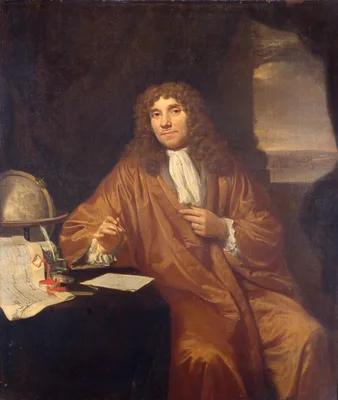
Leeuwenhoek, one of the first and also one of the greatest of the microbiologists, communicated many of his discoveries to the Royal Society in London. This set is a collection in Dutch of many contributions that van …
1725 CE
#8095
Opera omnia anatomica & chirurgica. Edited by Herman Boerhaave and Bernhard Siegfried Albinus. 2 vols.
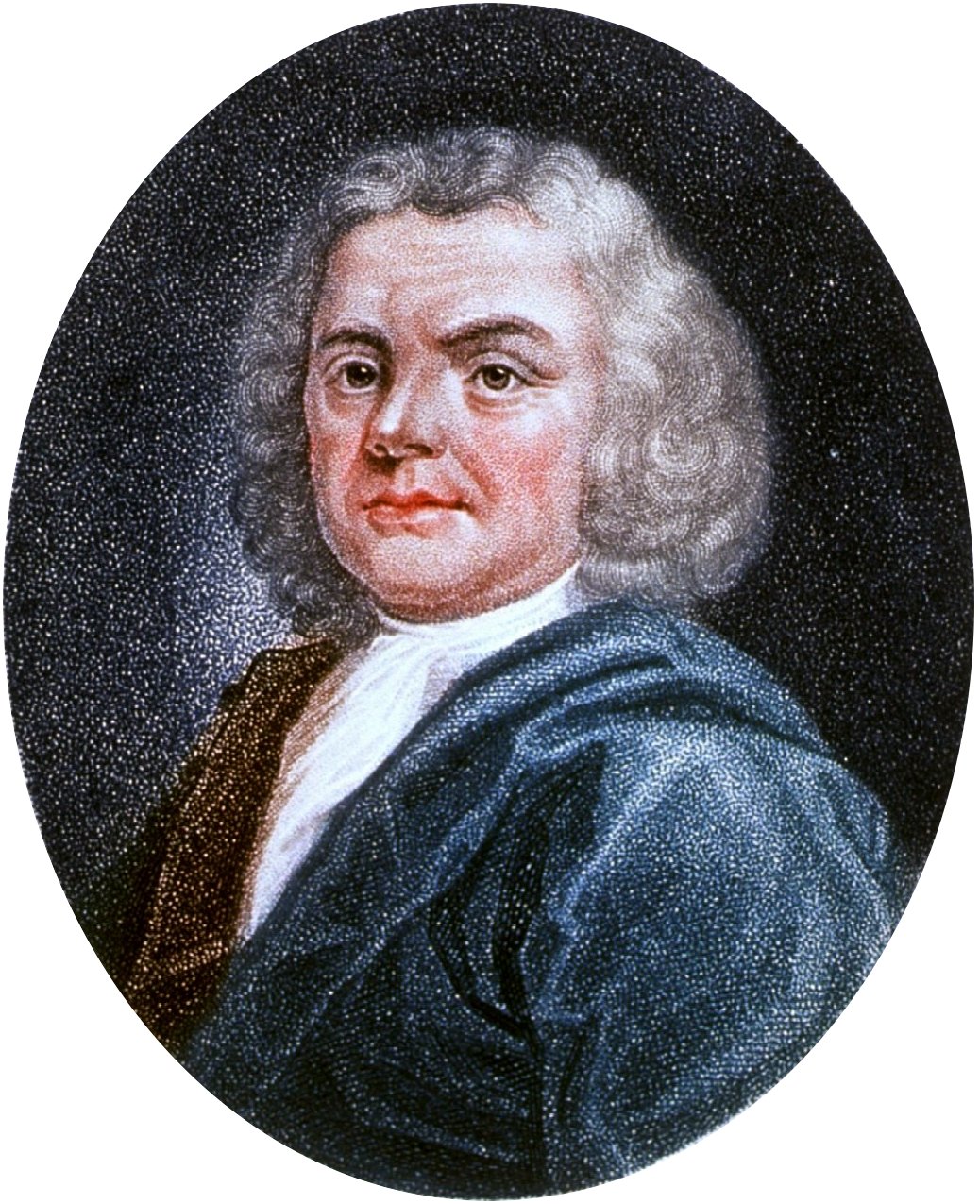
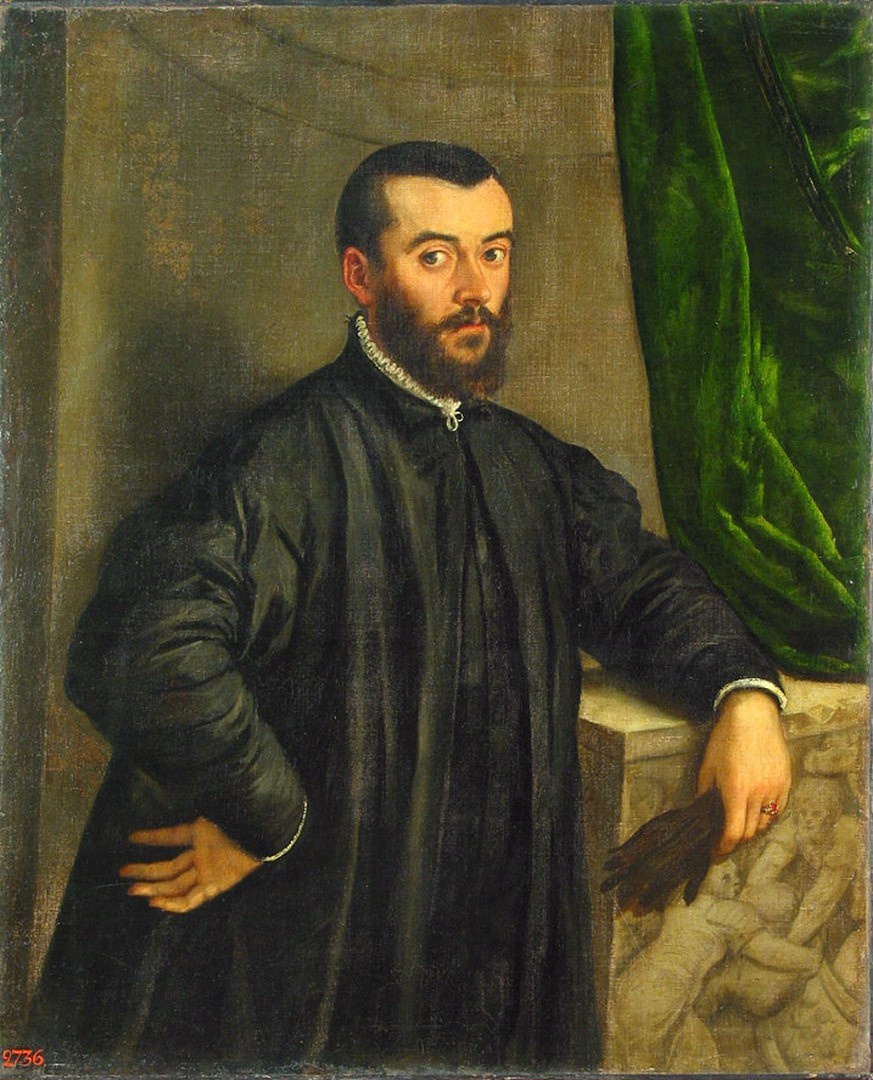
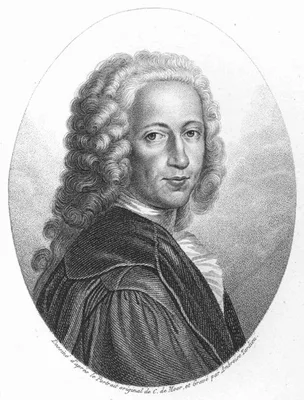
Vesalius's collected works with the famous woodcuts reproduced as copperplate engravings by Jan Wandelaar (1690-1759). Notably Boerhaave and Albinus had this edition published because Vesalius's works still had practi…
1599 CE–1667 CE
#290
Opera omnia. 13 vols.
Aldrovandi, first director of the botanical garden at Bologna, was a prolific writer. Some of his writings made their first appearance in print after his death. He designed them as a whole to form an enormous illustra…
1479 CE
#17
Opera. In four parts dated: I) 15 Sept. 1479; II) 13 Oct. 1479; III) 21 Oct. 1479; IV) 8 Nov. 1479. Contents: [I] Praedicamenta, De interpretatione, Analytica priora (Tr: Boethius). Add: Porphyrius: Isagoge in Aristotelis Praedicamenta (Tr: Boethius). Gilbertus Porretanus: Liber sex principiorum. Boethius: Divisiones. [II] Analytica posteriora (Tr: Jacobus Veneticus). [III] Sophistici elenchi, Topica (Tr: Boethius). [IV] Physica (Tr: Guilelmus de Moerbeka).
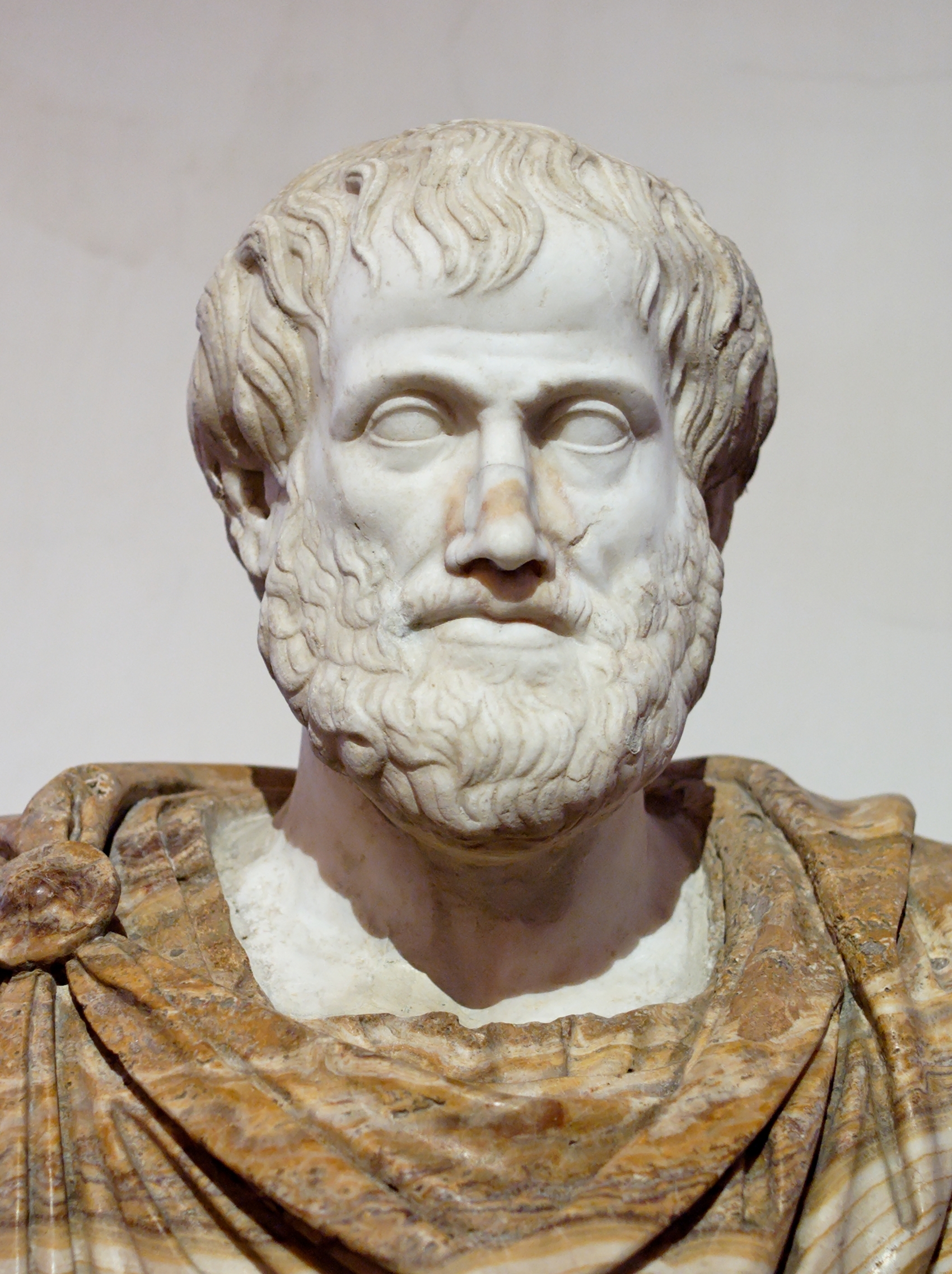
Aristotle, at one time tutor to Alexander the Great, was, among other things, the first observational biologist, and the founder of comparative anatomy. His views had a profound influence in determining the direction …
1483 CE
#9399
Opera. With the commentary of Averroes. Edited by Nicoletus Vernia. 8 parts.
![SCOT, Michael [Michael Scotus] (1175 – 1232)](/media/portraits/12461)
First edition of the collected works of Aristotle with the commentaries of Averroes, by which Aristotle was mainly studied during the Middle Ages. The purpose of Vernia's edition was to provide an accurate edition of …
1733 CE
#9361
Opere fisico-mediche stampate e manoscritte del kavalier Antonio Vallisneri; raccolte da Antonio suo Figliuolo, corredate d'una prefazione in genere sopra tutte, e d'una in particolare sopra il vocabolario della storia naturale. 3 vols.
Digital facsimile from the Hathi Trust at this link.
1825 CE–1826 CE
#9360
Opere. 6 vols.
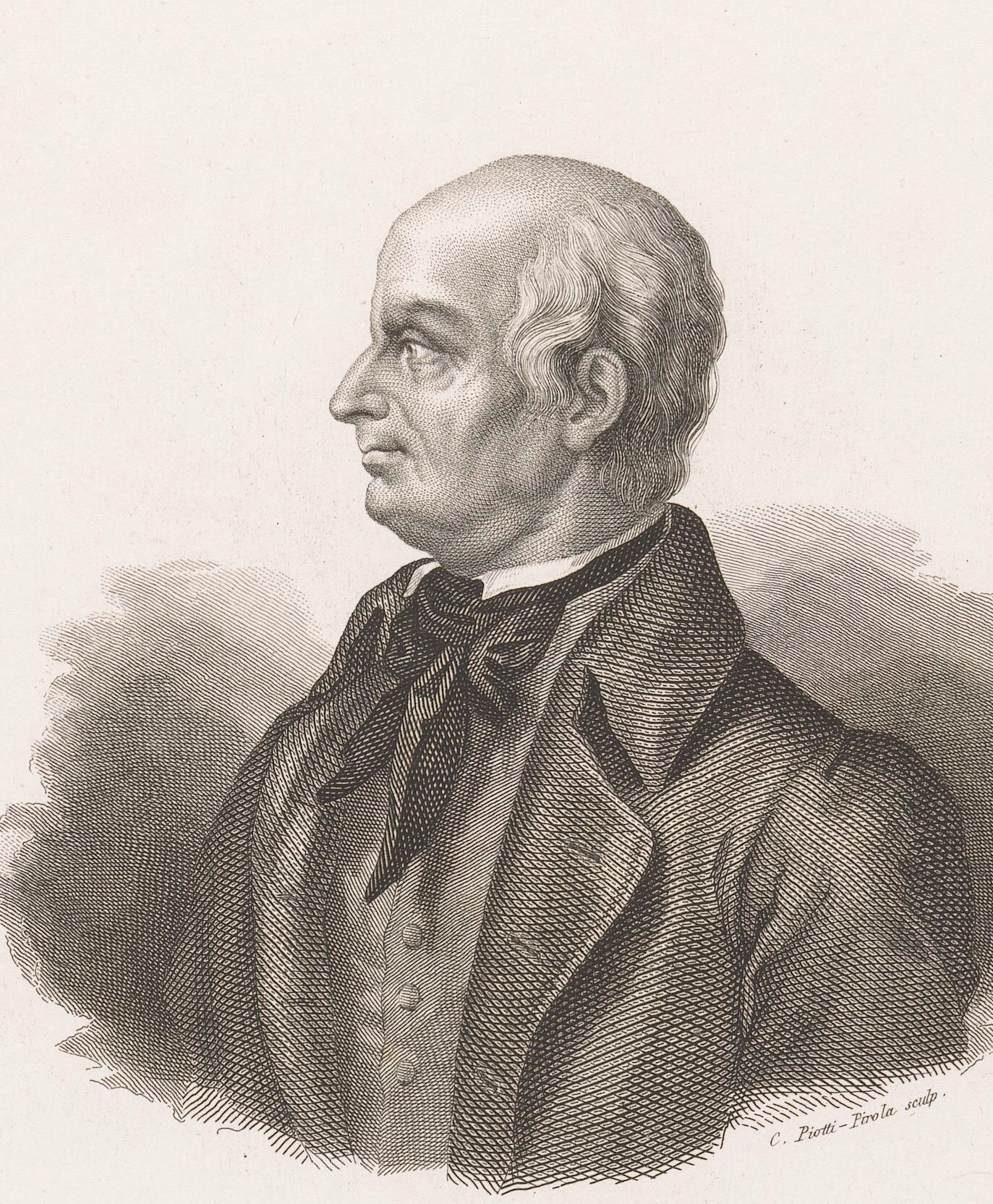
Digital facsimiles from the Internet Archive at this link.