
Facets
Browse across eight MeSH (opens in new tab) facets — era, geography, science, specialty, technology, history, culture, and reference. Select one tag per group; counts update across the others.
Clear filtersFacet filters
Geography
Specialties & Disease
- Anatomy & Pathology 765
- Cardiology & Blood 914
- Neurology & Psychiatry 1,256
- Obstetrics & Reproductive 550
- Infectious Disease (General) 147
- Surgery & Anesthesia 1,551
- Public Health 1,129
- Immunology & Dermatology 1,404
- General Clinical Medicine 480
- Military Medicine 436
- Psychology 202
- Alternative & Fringe Medicine 383
- Pediatrics 247
- Ophthalmology & Vision 412
- ENT & Hearing 293
- Urology & Nephrology 309
- Gastroenterology & Hepatology 316
- Pulmonary & Respiratory 233
- Rheumatology, Rehab & Pain 188
- Internal, Emergency & Geriatric 123
- Veterinary Medicine 165
- Epidemiology & Demography 397
- Physiology & Embryology 923
- Dentistry 259
- Plagues & Epidemics 1,279
- Microbiology & Virology 1,080
Social & Historical Studies
Institutions & Culture
Reference & Scholarly Works
1,256 entries match Neurology & Psychiatry [C10 / F04]
1872 CE
#4699
On chorea.
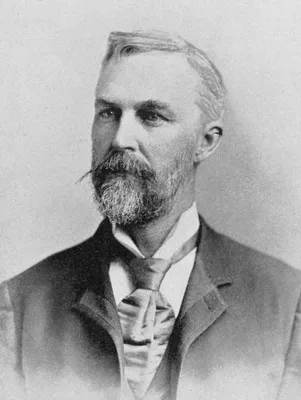
The classic description by Huntington of the chronic degenerative hereditary type of chorea led to the eponym “Huntington’s chorea”. Earlier accounts of the disease were given by John Elliotson (Lanc…
1969 CE
#10041
On death and dying.
"The Kübler-Ross model - otherwise known as the five stages of grief - postulates a progression of emotional states experienced by both terminally ill patients after diagnosis and by loved-ones after a death. The…
1893 CE
#4581
On disturbances of sensation with especial reference to the pain of visceral disease.
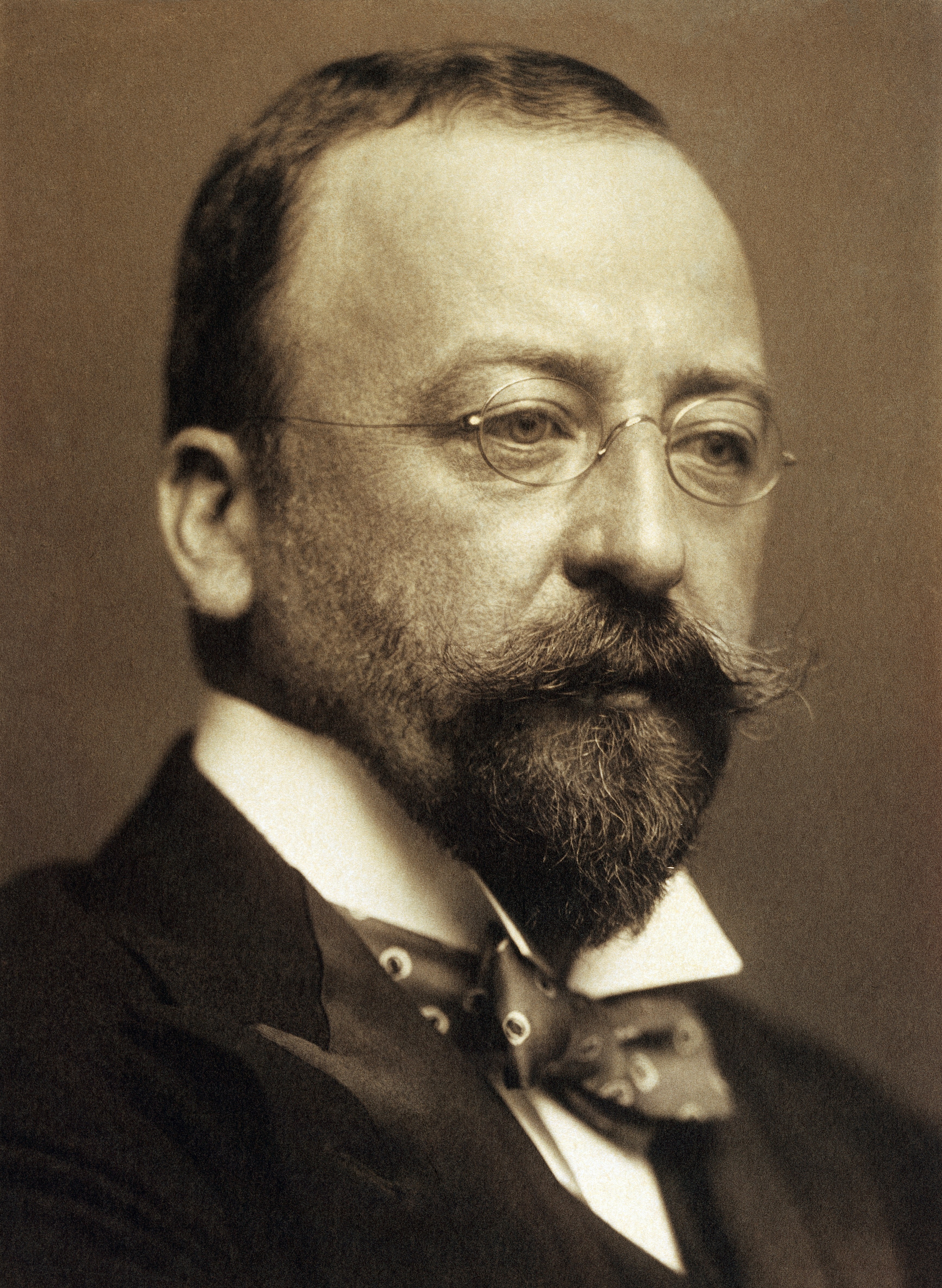
“Head’s areas”, zones of hyperalgesia of skin, associated with visceral disease.
1852 CE
#4734.1
On granular and fatty degeneration of the voluntary muscles.
“Duchenne’s muscular dystrophy” (No. 4739) described.
1871 CE
#2770
On irritable heart; a clinical study of a form of functional cardiac disorder and its consequences.
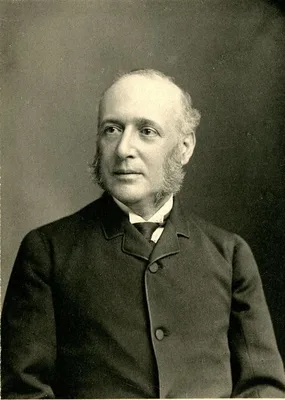
“Da Costa’s syndrome.” This was first described by Myers (No. 2768) and is now known as “effort syndrome,” “soldier’s heart,” “disordered action of the heart.&rdqu…
1873 CE
#2587
On megrim, sick-headache, and some allied disorders.
Liveing’s classic account of migraine showed the close association of this condition with tetany, asthma, and false angina pectoris, with epilepsy, and the alternation of all these conditions in the same subject…
1902 CE
#4762
On myopathy and a distal form.
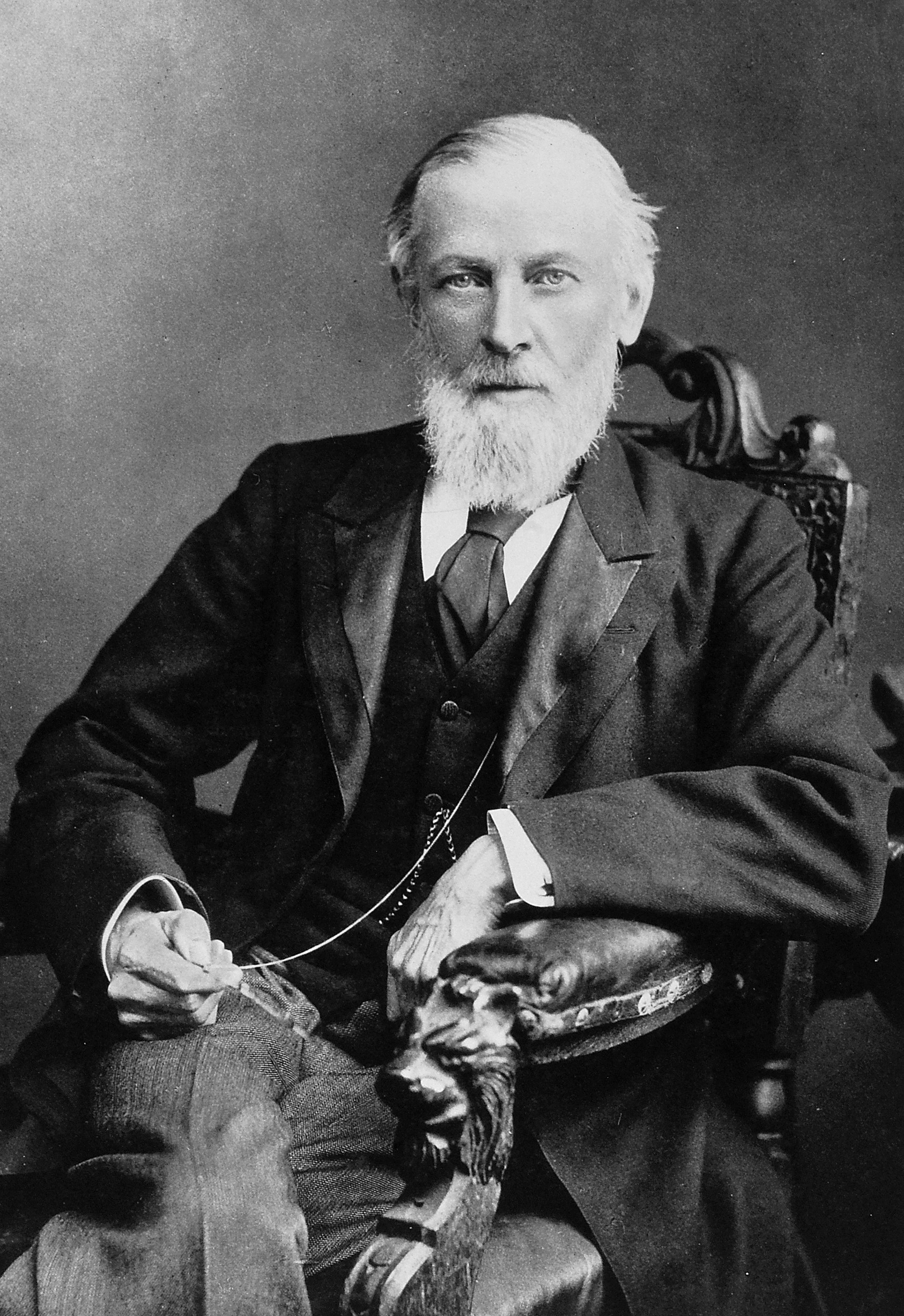
“Distal myopathy of Gowers”, a form of progressive muscular dystrophy.
1866 CE
#4538.1
On railway and other injuries of the nervous system.
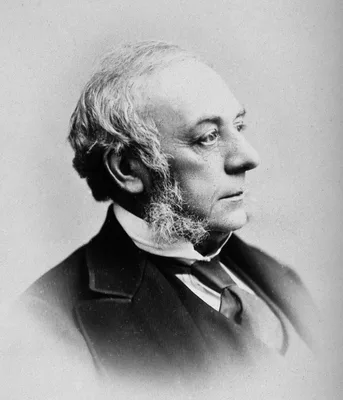
The first book to discuss the injuries now widely known as whiplash, which first appeared as the by-product of the increased speed of railway travel. Digital facsimile from the Internet Archive at this link.
1894 CE
#1290
On reflex action from sympathetic ganglia.
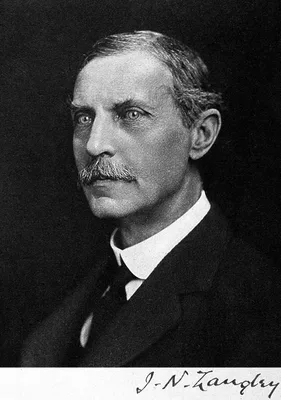
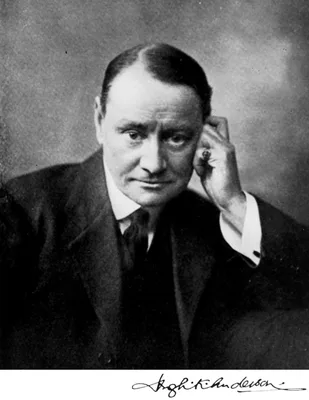
1867 CE
#3914.1
On researches intended to promote an improved chemical identification of diseases.
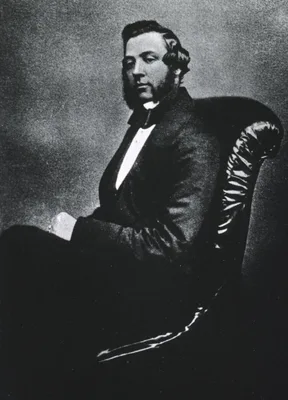
Discovery of the first porphyrin, hematoporphyrin (p. 227). Hematoporphyrin has also been used as an antidepressant and antipsychotic since the 1920s,
1875 CE
#4553
On rest in the treatment of nervous disease.
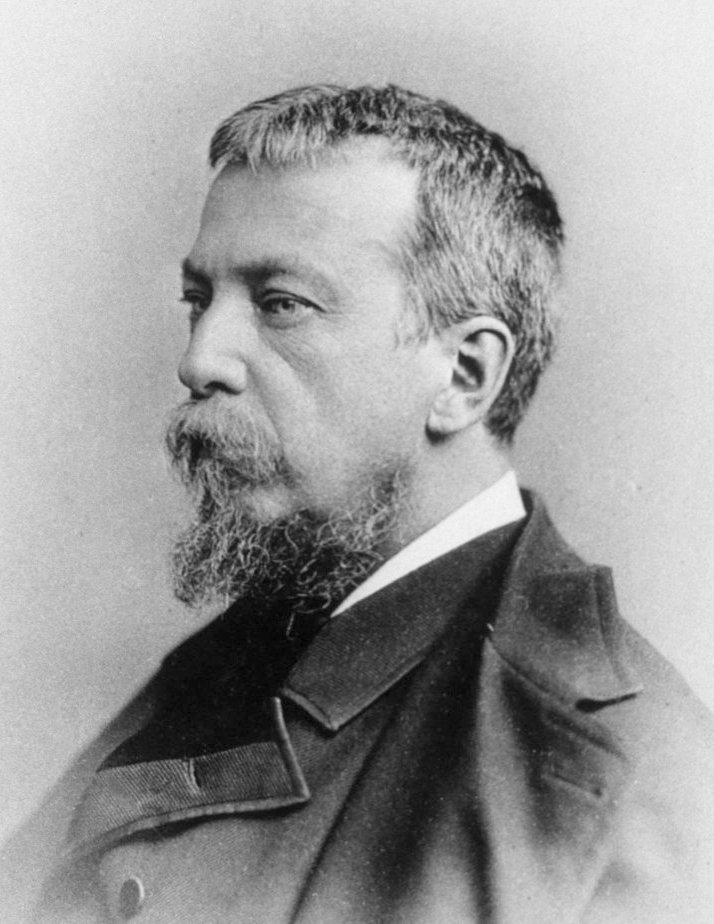
First account of the “Weir Mitchell treatment”.
2008 CE
#7426
On speed: The many lives of amphetamine.
1904 CE
#1336
On the action of adrenalin.
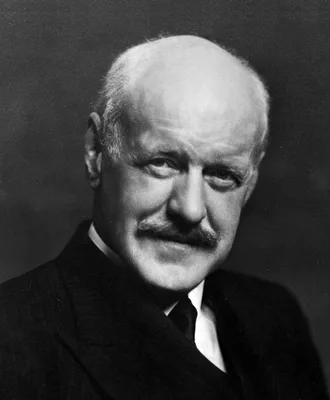
The first intimation of the chemical mediation of nerve impulses was given in Elliott’s suggestion that when a sympathetic nerve impulse arrives at a smooth-muscle cell it liberates adrenaline, which acts as a c…
1836 CE
#11309
On the brain of the negro, compared with that of the European and the orang-outang.
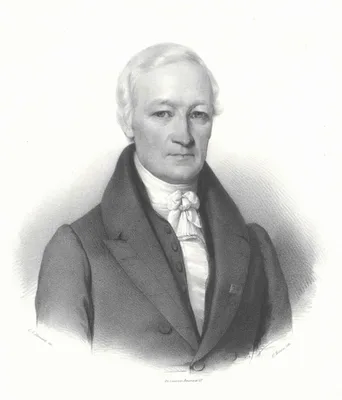
In this very thoroughly researched, highly documented, and well-illustrated paper Tiedemann demonstrated that there are no significant anatomical differences between the brains and mental capacities of Black people an…
1861 CE
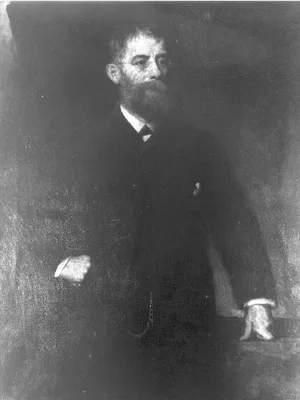
#1401
On the cerebellum, as the centre of co-ordination of the voluntary movements.
1869 CE
#1272
On the changes in the nervous system which follow the amputation of limbs.
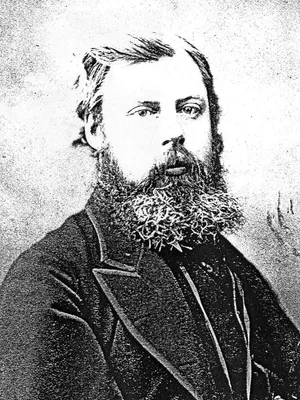
Demonstration that the proximal end of a severed nerve eventually atrophies.
1878 CE
#1412
On the comparative structure of the cortex cerebri.
Lewis described the giant cells of the precentral convolution.
1854 CE
#9116
On the construction, organization and general arrangements of hospitals for the insane.
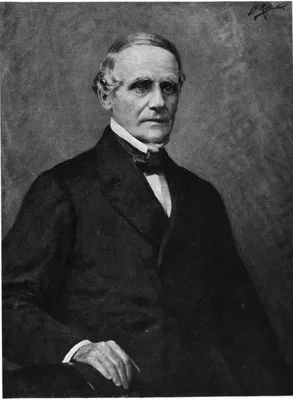
Digital facsimile from Google Books at this link.
1842 CE
#13121
On the different forms of insanity in relation to jurisprudence, designed for the use of persons concerned in legal questions regarding unsoundness of mind.
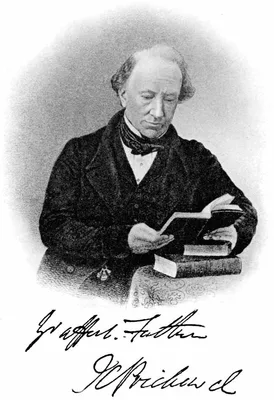
In this book Prichard presented his arguments for introducing the concept of diminished responsibility and irresistable impulse into the legal precedents. Hunter & McAlpine, 836-42. Digital facsimile from the Wellcome…
1846 CE
#11558
On the disorders of the cerebral circulation; and on the connection between affections of the brain and diseases of the heart.
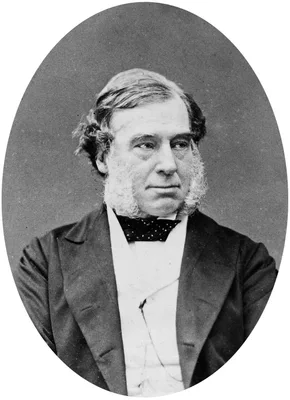
"Burrows was the first to indicate that the effects of cerebral anemia could be produced not only by obvious anemia itself, but also from a fall in blood pressure. He carried out some of the earliest studies of the ph…
1906 CE
#1300
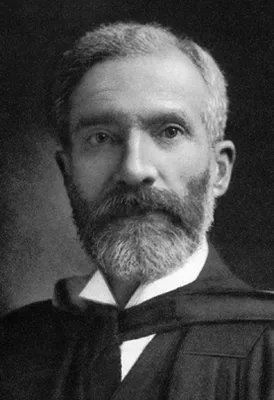
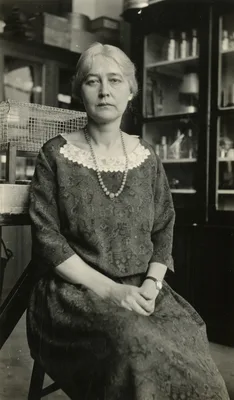
On the distribution of chlorides in nerve cells and fibres.
1870 CE
#2768
On the etiology and prevalence of diseases of the heart among soldiers.
First description of “Da Costa’s syndrome” – the “effort syndrome” of Sir Thomas Lewis.
1837 CE
#4524
On the influence of electricity, as a remedy in certain convulsive and spasmodic diseases.
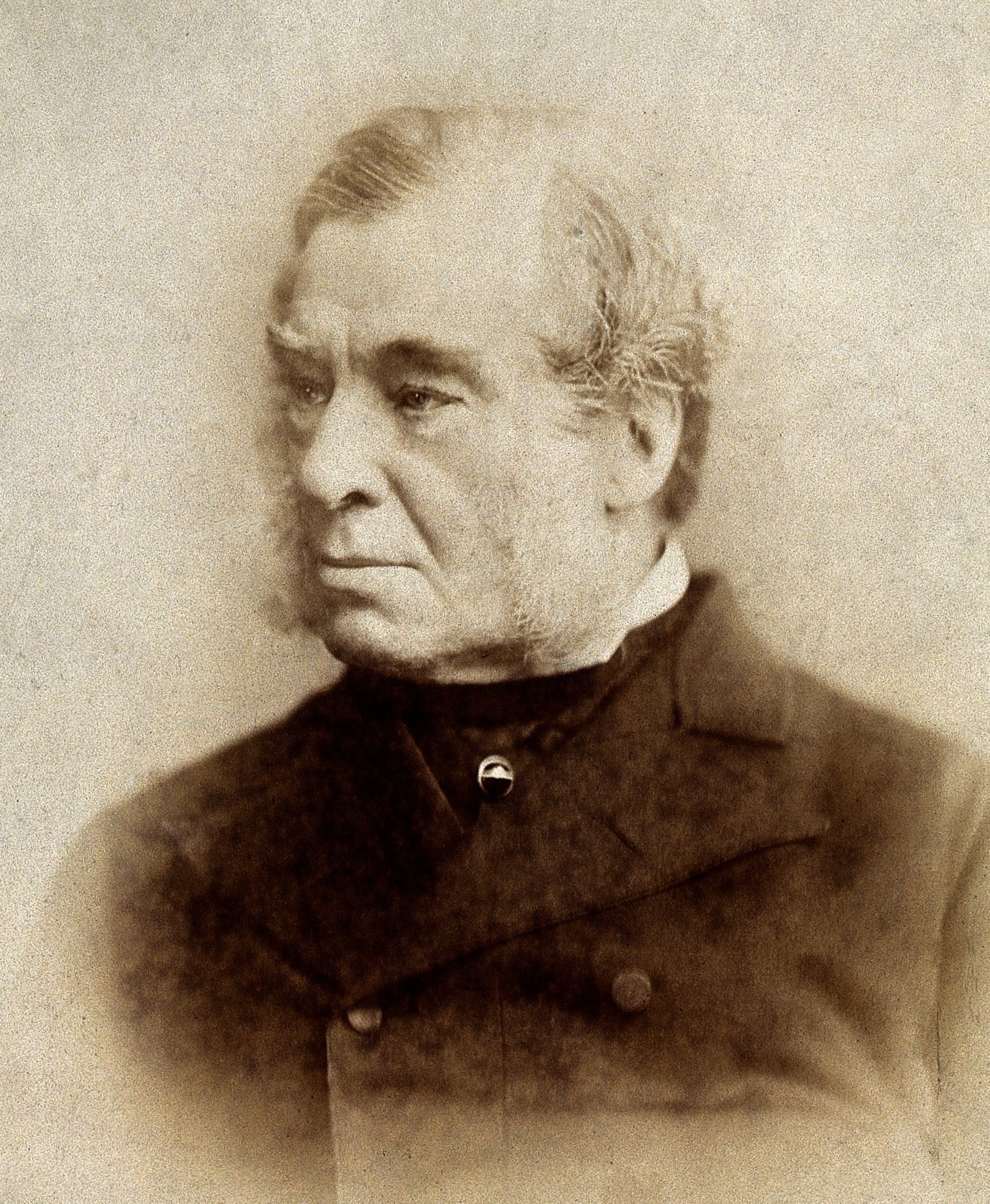
First therapeutic employment of static electricity.
1883 CE
#1279
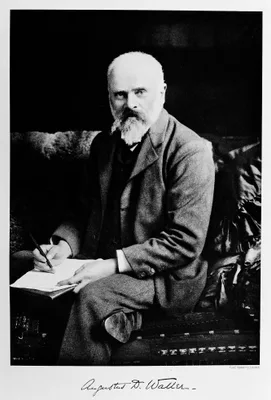
On the influence of the galvanic current on the excitability of the motor nerves of man.
1883 CE–1884 CE
#830
On the innervation of the heart, with special reference to the heart of the tortoise.
Gaskell showed that the efferent vasoconstrictor fibers of the heart originated from the lateral horn of the spinal cord.
1889 CE
#1329.1
On the local paralysis of peripheral ganglia, and on the connexion of different classes of nerve fibres with them.
Langley and Dickinson studied the effect of nicotine on nerve fibers, and were able by this means to make a thorough investigation of the distribution of nerve fibers.
1891 CE
#1420.1
On the mammalian nervous system, its functions, and their localisation determined by an electrical method.
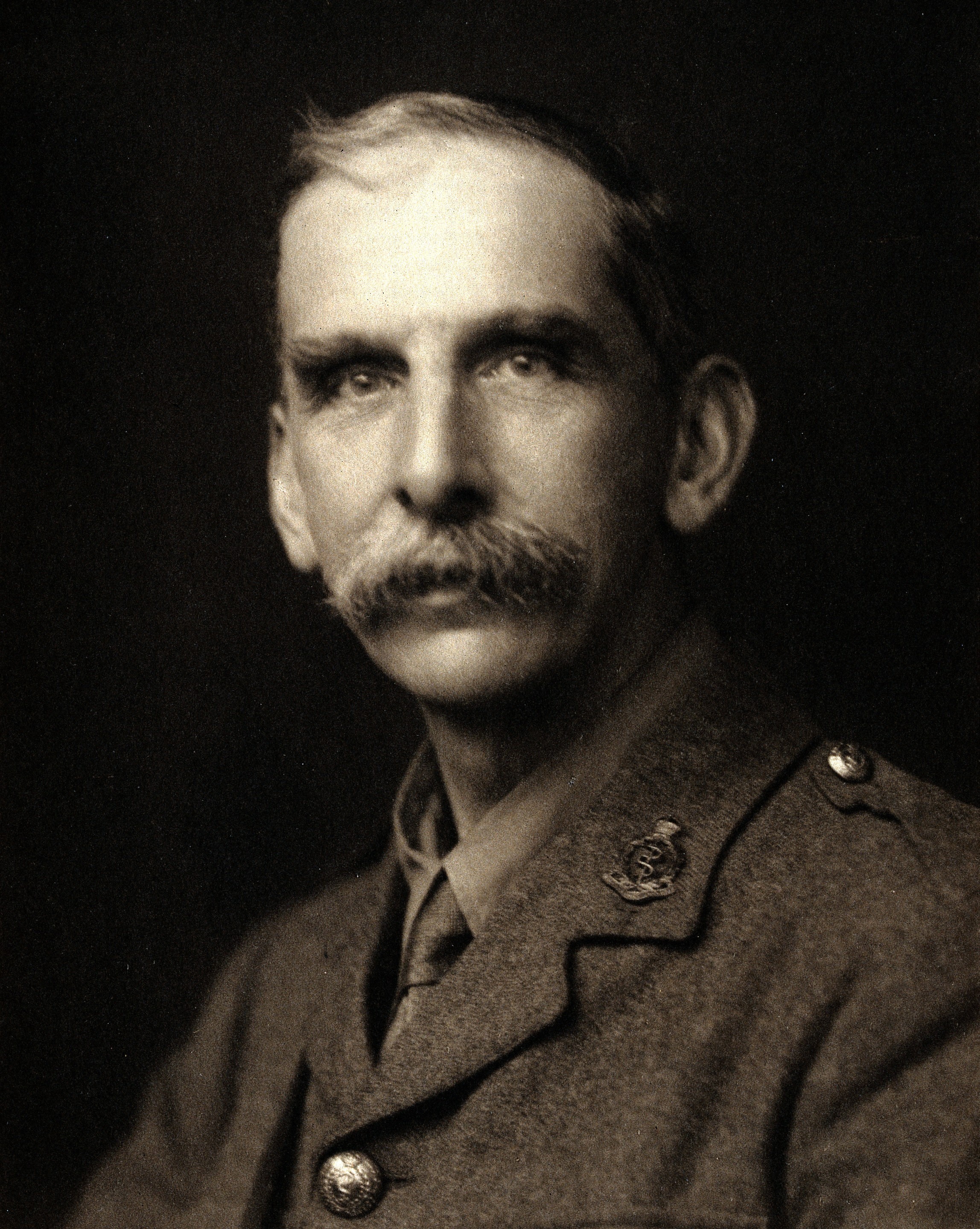
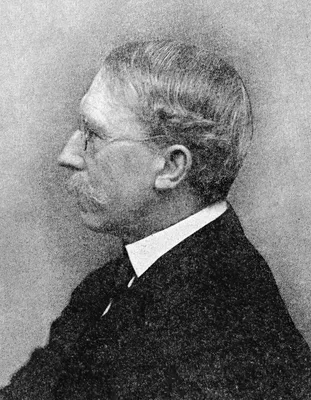
Gotch and Horsley showed that electric currents are produced in the mammalian brain, and they recorded them with the string galvanometer of the capillary electrometer. Their work led eventually to the development of t…
2015 CE
#12684
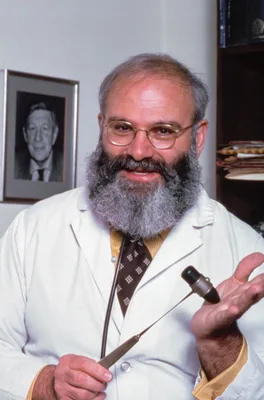
On the move: A life.
1853 CE
#4329
On the nature and treatment of the deformities of the human frame.
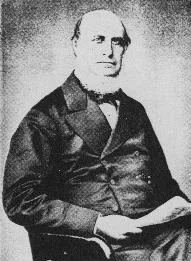
Little was the first eminent orthopedic surgeon in the British Isles. He studied under Stromeyer and, in 1838, he founded the Orthopaedic Institution, now the (Royal) National Orthopaedic Hospital, London. The above w…
1846 CE
#1319
On the nerves of the uterus.
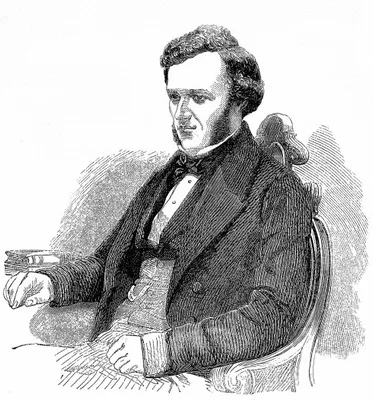
Beck showed that in man the thoracic sympathetic chain receives communications from the last cervical, thoracic, and upper 1 or 2 lumbar ganglia.
1821 CE
#1255
On the nerves; giving an account of some experiments on their structure and functions, which lead to a new arrangement of the system.
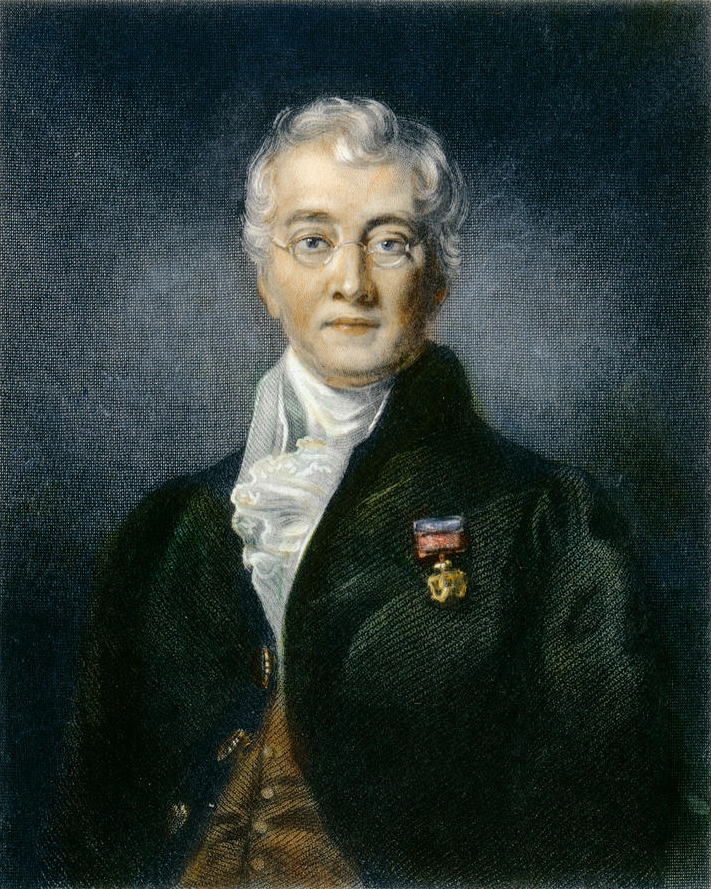
“Bell’s palsy”. The facial paralysis ensuing upon lesion of the motor nerve of the face is described here for the first time. See also his later paper, with more detailed description, in the same jou…
1901 CE
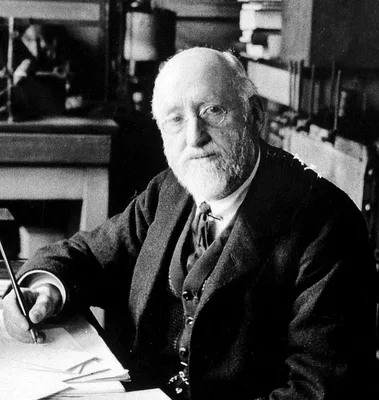
#1294
On the origin from the spinal cord of the vaso-dilator fibres of the hindlimb, and on the nature of these fibres.
1906 CE
#1338
On the physiological action of certain cholin derivatives and new methods for detecting cholin.
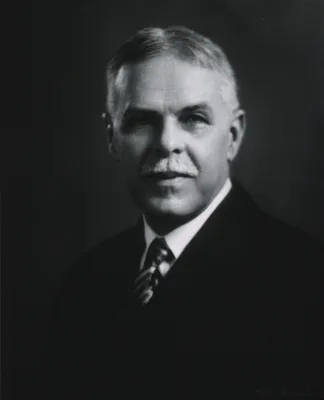
Discovery of the remarkable hypotensive effect of acetylcholine.
1906 CE
#1300.1
On the proprio-ceptive system, especially in its reflex aspect.
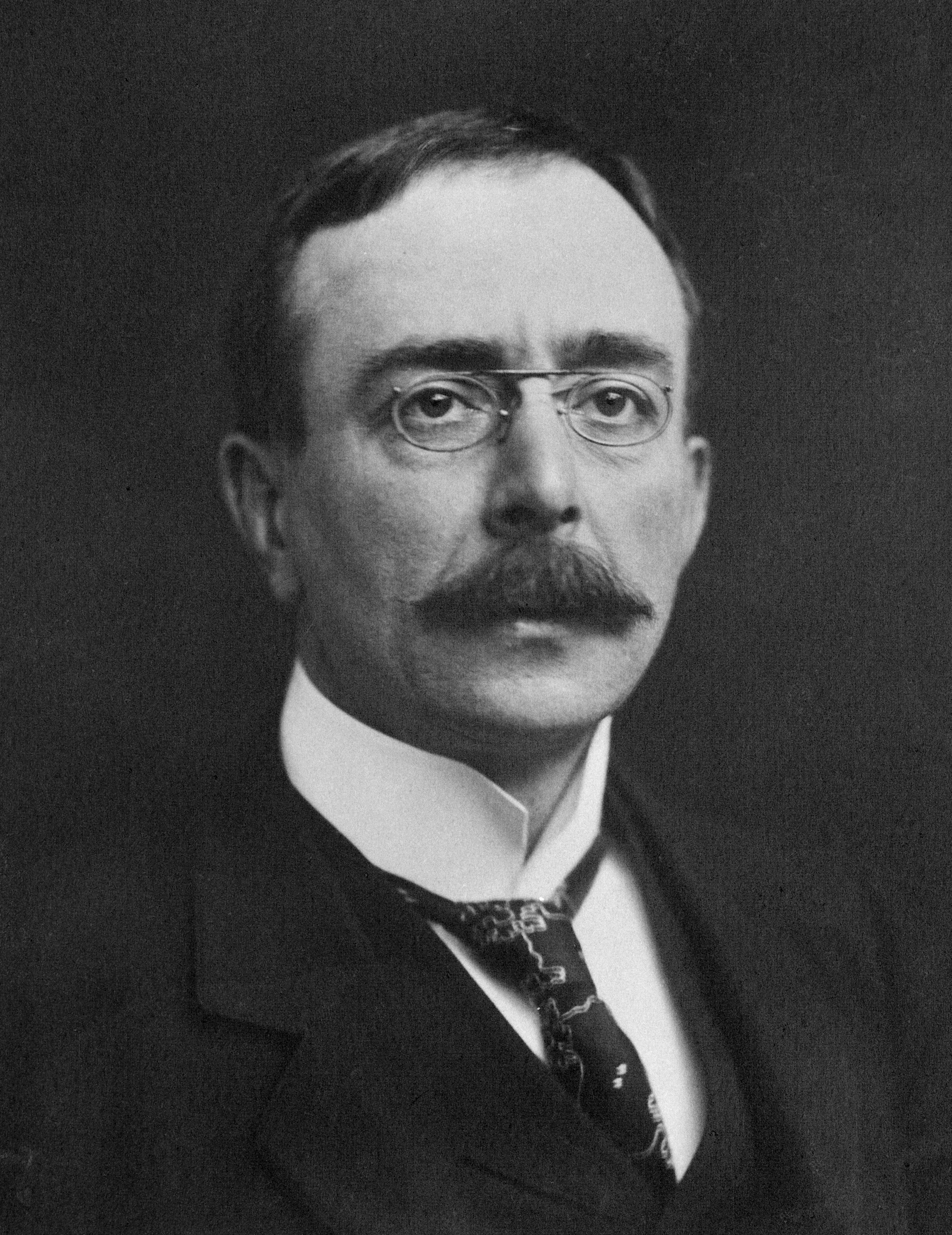
Sherrington investigated and explained the proprioceptive system.
1833 CE
#1359
On the reflex function of the medulla oblongata and medulla spinalis.
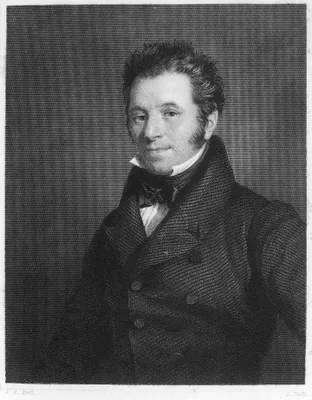
“Hall showed that reflex activity could be distinguished from other types of movement, that it produced what today we call ‘muscle tone,’ that it included sneezing coughing, and vomiting, and that it…
1909 CE
#1437
On the structure and functional relations of the optic thalamus.
1886 CE
#1329
On the structure, distribution, and function of the nerves which innervate the visceral and vascular system.
Gaskell established the origin of the preganglionic neurons (white rami).
1890 CE
#4577
On the symptomatology of total transverse lesions of the spinal cord, with special reference to the condition of the various reflexes.
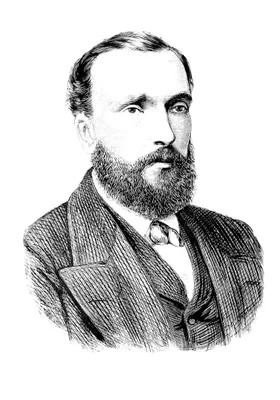
“Bastian’s law”, transverse lesion of the cord above the lumbar enlargement results in the abolition of the tendon reflexes of the lower extremities.
1869 CE
#4622
On the various forms of loss of speech in cerebral disease.
Bastian’s first important paper on aphasia. His axiom “We think in words” explains his whole work on the subject. See also his later paper on pp. 470-92 of the same volume.
1866 CE
#13251
On uncontrollable drunkenness considered as a form of mental disorder. With suggestions for its treatment, and the organization of sanitoria for dipsomanics.
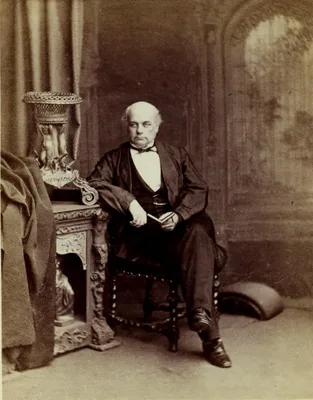
Digital facsimile from Google Books at this link.
1884 CE
#4847
On visceral neuroses.
Gulstonian Lectures.
1676 CE–1680 CE
#62
Opera omnia. 2 vols.
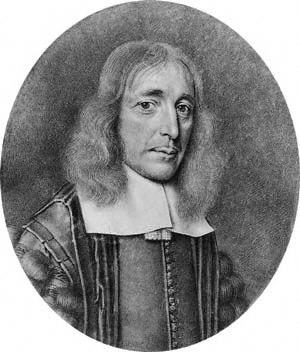
Willis was remarkable for his careful clinical observation. He was second only to Sydenham in his day. To him we owe the original descriptions of several conditions. Digital facsimile of the Lyon, 1681 edition from th…
1903 CE–1929 CE
#7338
Opera Omnia. Volume I: Istologia normale—1870-1883 (Con 21 Tavole e ritratto); Volume II: Istologia normale—1883-1902 (Con 21 tavole); Volume III: Patologia generale e isto-patologia—1868-1894 (Con 9 Tavole). Volume IV: Scritti su argomenti varii.
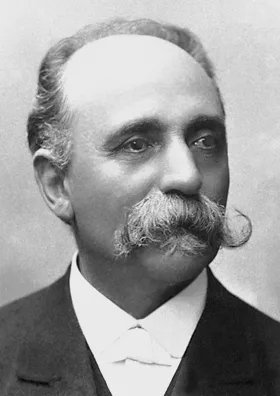
Limited to 325 copies, including material not previously published.
2017 CE
#12737
Organizing principles for the cerebral cortex network of commissural and association connections.

"Significance "The cerebral cortex supports cognition and is a structure common to all mammals. The major cortical subdivisions (its gray matter regions) are connected by a complex network of axonal connections that i…
2002 CE
#13461
Origins of neuroscience: A history of explorations into brain function.
1894 CE
#4820
Osobyj vid kortikal’noj epilepsii.
“Koževnikov’s epilepsy”, an atypical form of cortical origin. German translation by H. Heintel and H. Müller-Dietz, Hamburg, 1974.
1825 CE
#1393
Osservazioni sul cervelletto.
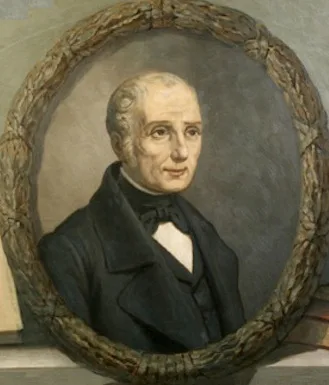
Rolando was the first to investigate the functions of the cerebellum. His name is perpetuated in the “fissure of Rolando”, so named by F. Leuret, Anatomic comparée, 1839-57, whose attention had been…
1825 CE
#10744
Outlines of lectures on mental diseases.
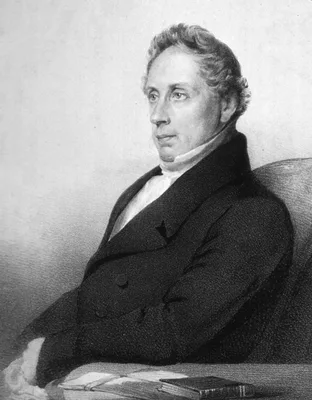
Of particular note for the greatly expanded second edition published in 1826. That edition contained 150 pages compared to 72 pages in the first edition. The second edition also contained 13 plates derived from images…
1975 CE
#10641
Paleoneurology 1804-1966: An annotated bibliography.
1932 CE
#3552
Papers relating to the pituitary body, hypothalamus, and para-sympathetic nervous system.
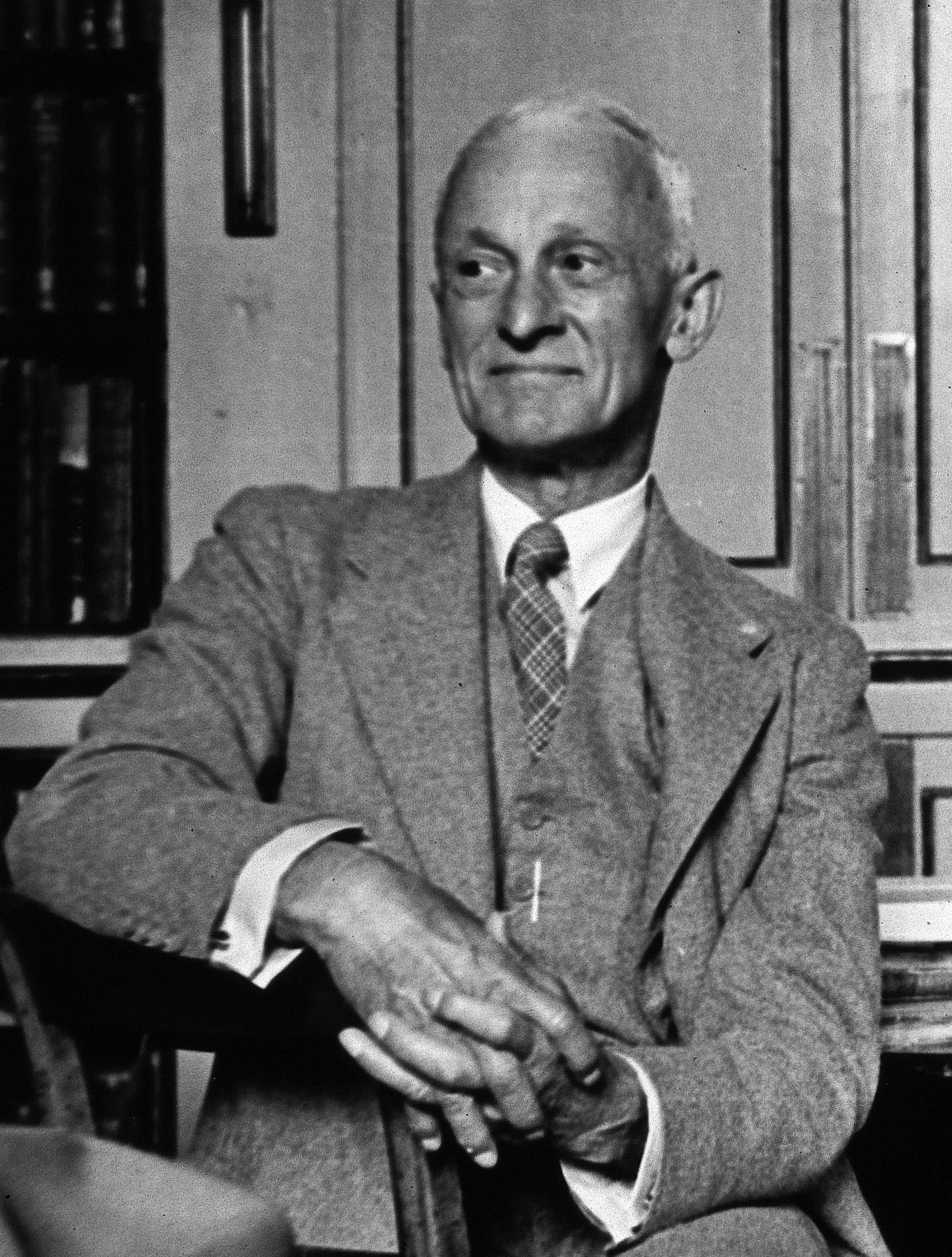
Cushing advanced the theory that the hypothalamus is responsible for the development of peptic ulcer (see p. 175 et seq.). This work contains his four principal contributions to pituitary-hypothalamic interrelationshi…