
Facets
Browse across eight MeSH (opens in new tab) facets — era, geography, science, specialty, technology, history, culture, and reference. Select one tag per group; counts update across the others.
Clear filtersFacet filters
Geography
Specialties & Disease
- Anatomy & Pathology 765
- Cardiology & Blood 914
- Neurology & Psychiatry 1,256
- Obstetrics & Reproductive 550
- Infectious Disease (General) 147
- Surgery & Anesthesia 1,551
- Public Health 1,129
- Immunology & Dermatology 1,404
- General Clinical Medicine 480
- Military Medicine 436
- Psychology 202
- Alternative & Fringe Medicine 383
- Pediatrics 247
- Ophthalmology & Vision 412
- ENT & Hearing 293
- Urology & Nephrology 309
- Gastroenterology & Hepatology 316
- Pulmonary & Respiratory 233
- Rheumatology, Rehab & Pain 188
- Internal, Emergency & Geriatric 123
- Veterinary Medicine 165
- Epidemiology & Demography 397
- Physiology & Embryology 923
- Dentistry 259
- Plagues & Epidemics 1,279
- Microbiology & Virology 1,080
Social & Historical Studies
Institutions & Culture
Reference & Scholarly Works
923 entries match Physiology & Embryology [G07 / G02.149]
1882 CE
#829
On the rhythm of the heart of the frog, and on the nature of the action of the vagus nerve.
Croonian Lectures, 1881. Gaskell’s classical memoir on the muscles and nerves of the heart included a description of “Gaskell’s nerves”, the accelerator nerves of the heart. He showed that the …
1886 CE
#1329
On the structure, distribution, and function of the nerves which innervate the visceral and vascular system.
Gaskell established the origin of the preganglionic neurons (white rami).
1879 CE–1880 CE
#824
On the time-relations of the excitatory process in the ventricle of the heart of the frog.
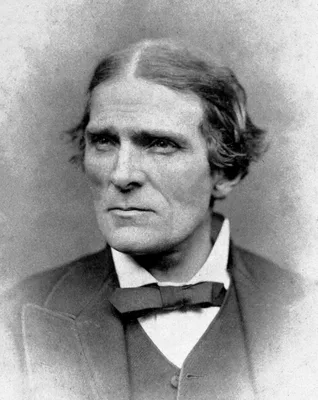
These workers were among the first to study the action currents of the heart, and made the first records (with the capillary electrometer) of the minute electrical current produced by the beating of the heart. See als…
1942 CE
#14239
On the utilization of acetic acid for cholesterol formation.
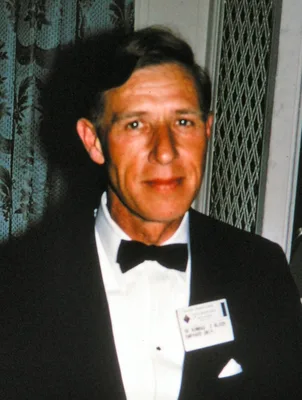
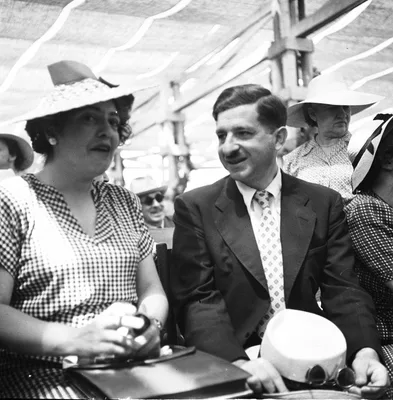
See also, Rittenberg & Bloch, "The Utilization of Acetic Acid for the Synthesis of Fatty Acids," J. Biol. Chem. 160, 1945, 417-424. Bloch, "The Biological Conversion of Cholesterol to Pregnanediol," J. Biol. Chem. 157…
1869 CE
#4622
On the various forms of loss of speech in cerebral disease.
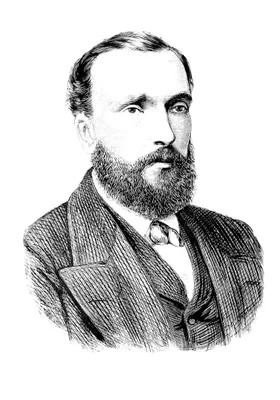
Bastian’s first important paper on aphasia. His axiom “We think in words” explains his whole work on the subject. See also his later paper on pp. 470-92 of the same volume.
1660 CE
#802.1
Opera omnia medica et chirurgica.
“Botallo’s duct”, the ductus arteriosus; “Botallo’s foramen”, the foramen ovale interauriculare; and “Botallo’s ligament”, the ligamentum arteriosum, are described…
1740 CE–1753 CE
#72
Opera omnia physico-medica. (Supplementum, etc) 9 vols.
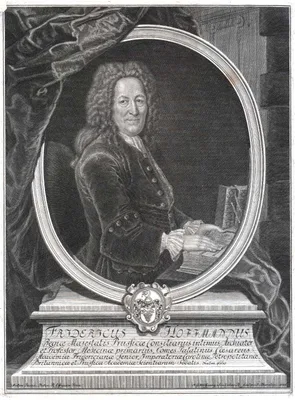
Hoffmann of Halle was the most important of the Iatromechanists. He believed an ether-like “vital fluid” to be present in the nervous system and to act upon the muscles, giving them “tonus”.
1686 CE
#66
Opera omnia. 2 vols.
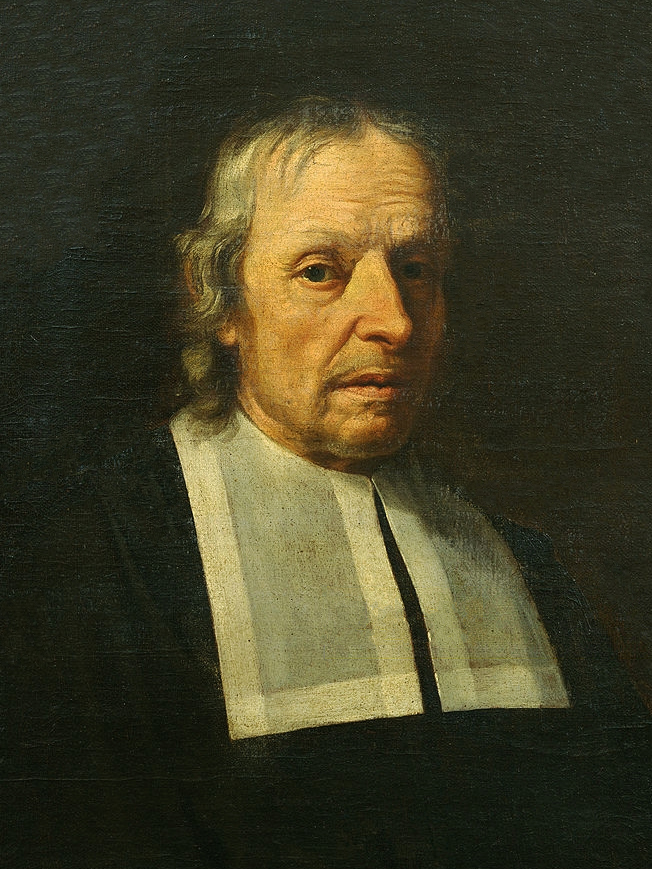
Malpighi was the founder of histology. In 1660 he was the first to see the capillary anastomosis between the arteries and the veins, thus contributing to the completion of Harvey’s work on the circulation. Malpi…
1910 CE
#7474
Opera philosophica. Edited by Vilhelm Maar. 2 vols.
Steno's collected works, presented in the original Latin with an introduction in English. Digital facsimile from biusante.parisdescartes.fr at this link.
1645 CE
#61.2
Opera quae extant omnia. Ex recension Joh. Antonidae vander Linden.
Spieghel succeeded Casseri in the chair of anatomy at Padua. This edition of his collected writings contains the second printing of the 97 copperplates first printed in Casseri’s Tabulae anatomicae (No. 381) plu…
1740 CE
#803
Opera.
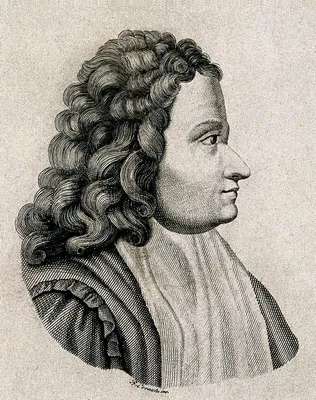
Valsalva described the aortic “sinus of Valsalva”.
1987 CE
#12997
Operation Everest II: Man at extreme altitude.
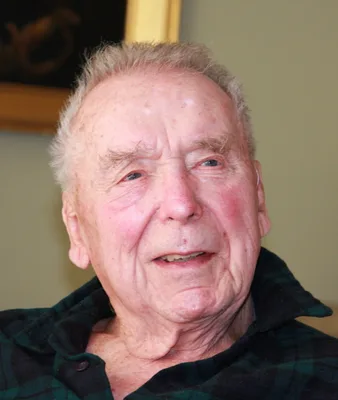
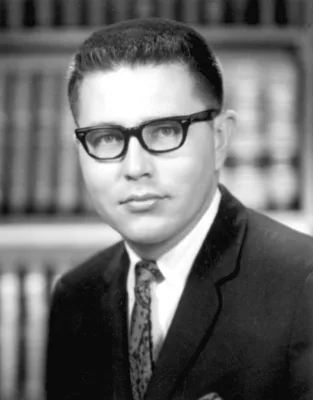
In 1985 Houston, Sutton and Cymerman and colleagues in Canada used a decompression chamber to simulate a seven week ascent of Mt. Everest. This appears to be their first paper summarizing the overall results. Many pub…
1933 CE
#4400.3
Operative arrestment of longitudinal growth of bones in the treatment of deformities.
Epiphysiodesis to inhibit bone growth of a longer leg.
1986 CE
#7475
Opere scientifiche. Traduzione integrale dai testi originali. Coordinatore Luciano Casella. Revisione e note a cura di Enrico Coturri. 2 vols.
Steno's collected works translated from Latin into Italian. Reproduces Steno's original engraved illustrations, plus others from the time (some in color).
1563 CE–1564 CE
#1093
Opuscula anatomica.
Eustachius is credited with several anatomical discoveries, among them the tensor tympani muscle and the Eustachian tube, published in his chapter entitled De auditus organis. In the last respect, however, he was anti…
1597 CE
#802
Opusculum physiologum & anatomicum in duos libellos distinctum: In quibus primùm, de integritatis & corruptionis virginum notis, deinde, de grauiditate & partu naturali mulierum in quo ossa pubis & ilium distrahi, dilucidè tractatur ....
In 1595 Pineau demonstrated the vestigial foramen ovale in the adult heart, settling the question of the perviousness of the septum of the heart. His work was first published in 1597. He published this study in a fran…
2002 CE
#13461
Origins of neuroscience: A history of explorations into brain function.
1821 CE
#3253
Osphrésiologie, ou traité des odeurs, du sens et des organes de l’olfaction. 2me. éd.
An exhaustive work which discusses olfaction, diseases of the nose, membranous occlusion of the nostrils, deviations of the septum, rhinoplasty, coryza, vasomotor rhinitis, rhinorrhoea, etc. The first edition was enti…
1855 CE
#1511
Osservazioni sul nervo ottico.
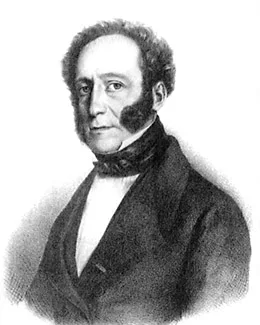
Panizza was the first to attribute the vision function to the posterior cortex.
1691 CE
#387
Osteologia nova, or some new observations of the bones.
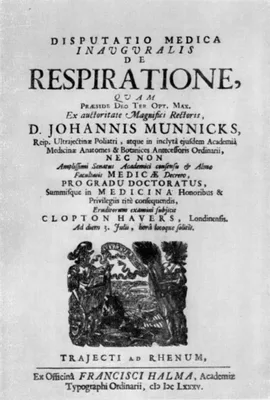
Havers discovered the Haversian canals and made important observations of the physiology of bone growth and repair. The Haversian lamellae, glands, and folds, are also named after him. The Haversian canals were observ…
1886 CE
#12269
Outlines of lectures on physiology, with an introductory chapter on general biology, and an appendix containing laboratory exercises in practical physiology.
Mills, a student of Osler, became the first professional physiologist in Canada. This outline of his lectures is probably the first Canadian physiology textbook. Digital facsimile from the Internet Archive at this link.
2014 CE
#13692
Past scents: Historical perspectives on smell.
1940 CE
#1934
Penicillin as a chemotherapeutic agent.
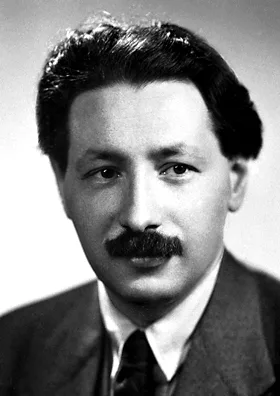
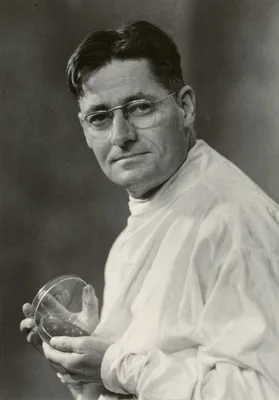

Proof of the therapeutic action in vivo of penicillin against streptococcal and other bacterial infections. Building upon Fleming’s work (No. 1933 and 10784), the consequences of which had originally been widely…
1571 CE
#755
Peripateticarum quaestionum libri quinque.
Cesalpino preceded Harvey in the discovery of the concept of the circulation, and Harvey must have known of his ideas, but Cesalpino’s idea of the circulation was not supported by convincing experimental work or…
1861 CE
#4619
Perte de la parole; ramollissement chronique et destruction partielle du lobe antérieur gauche du cerveau.
Broca localized the speech center in the left frontal lobe. He asserted that aphasia was associated with a lesion on the left third frontal convolution of the brain – “Broca’s center”. He was p…
1648 CE
#7230
Philocophus: or the deafe and dumbe mans friend.
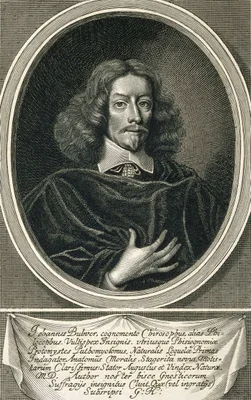
"Bulmer promoted what we would call today 'central nervous system plasticity,' in describing how one sense could take over the duties of another. This is well illustrated in the frontispiece of this work, which is the…
1871 CE
#10483
Physical effects of compressed air, and of the causes of pathological symptoms produced on man, by increased atmospheric pressure employed for the sinking of piers, in the construction of the Illinois and St. Louis Bridge over the Mississippi River at St. Louis, Missouri.
Study of caisson disease and its treatement resulting from experience in treating workmen constructing the Eads Bridge, which opened in 1874. Digital facsimile from the Internet Archive at this link.
1680 CE
#580
Physiologia Kircheriana experimentalis.
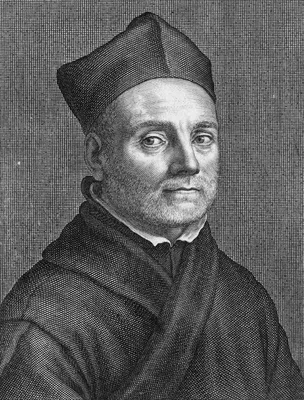
Includes the first recorded experiment in hypnotism in animals.
1913 CE
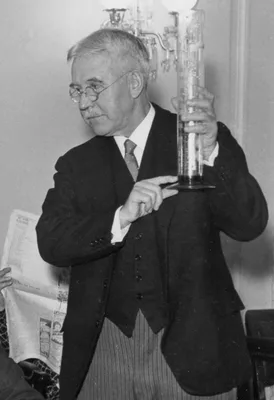
#957
Physiological observations made on Pike’s Peak, Colorado, with special reference to adaptation to low barometric pressures.
1886 CE
#1367
Physiological studies of the knee-jerk.
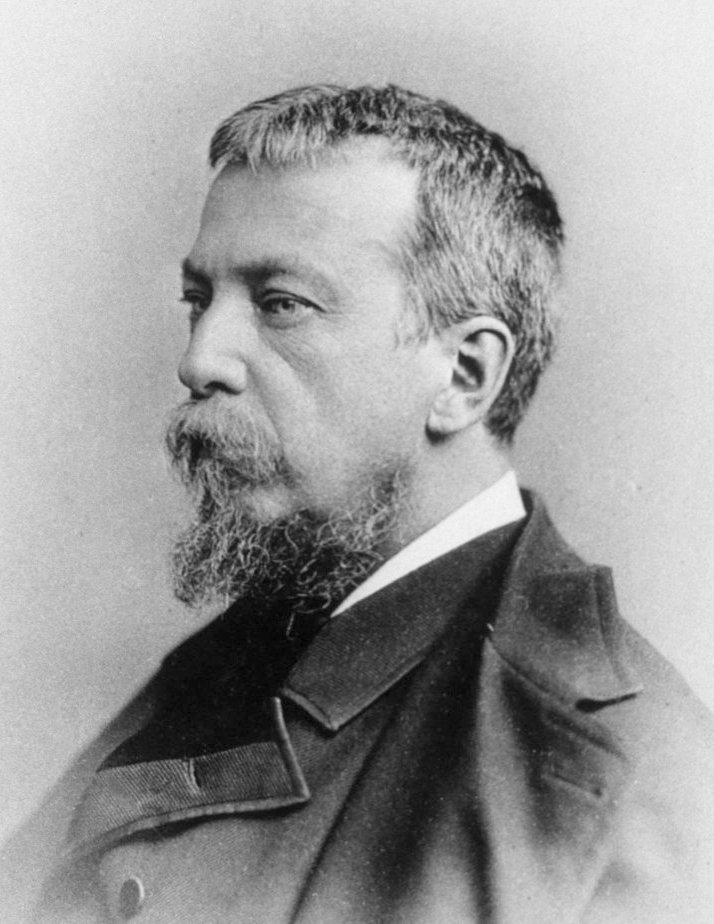
Demonstration that the knee-jerk can be reinforced by sensory stimulation.
1867 CE
#624
Physiologie des mouvements demontrée à l’aide de l’expérimentation électrique et de l’observation clinique, et applicable à l’étude des paralysies et des déformations.
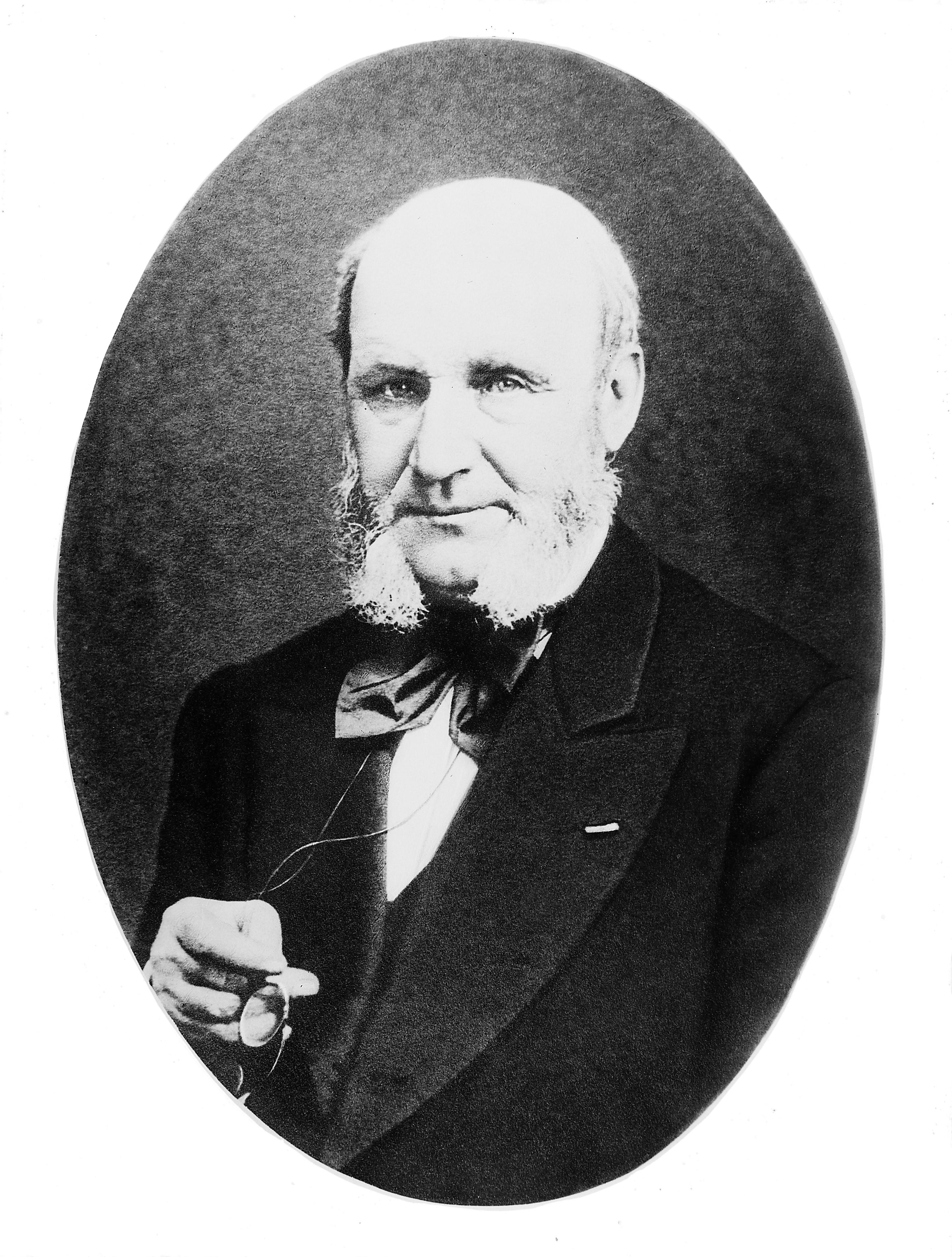
A monumental work, the result of twenty years’ study of electro-muscular stimulation “to determine the proper action which the muscles possess in life”. The book contains an excellent record of the k…
1851 CE
#613
Physiologie des Stoffwechsels in Pflanzen und Thieren.
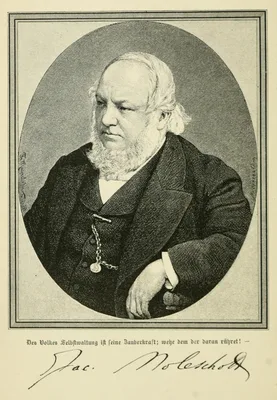
1863 CE
#11690
Physiologie médicale de la circulation du sang basée sur l'étude graphique des mouvements du coeur et du pouls artériel avec application aux maladies du l'appareil circulatoire.
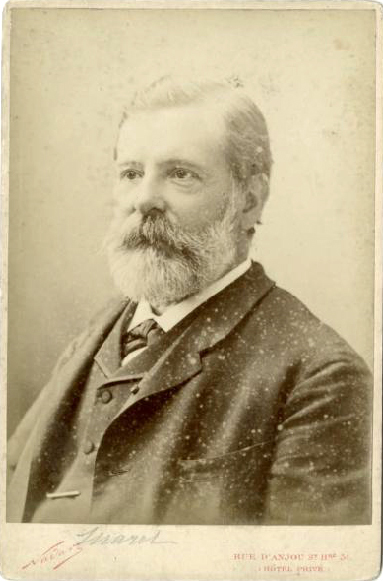
Marey first recorded atrial fibrillation in this work work in which he used pulse tracings to establish the interelationship of heart rate and blood pressure. The work also includes the first detailed description of t…
1863 CE
#1362
Physiologische Studien über die Hemmungsmechanischen für die Reflexthätigkeit des Rückenmarks im Gehirn des Frosches.
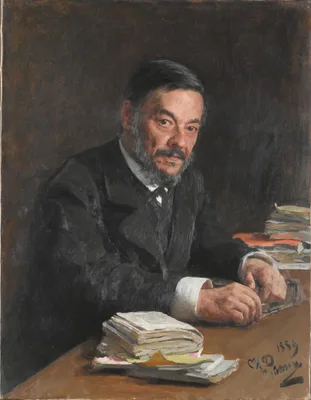
Sechenov discovered the cerebral inhibition of spinal reflexes. He was Professor of Physiology at St. Petersburg and Moscow, and the “father of Russian physiology”.
1892 CE
#1472
Physiologische Untersuchungen über das Endorgan des Nervus octavus.
Ewald clarified the function of the eighth cranial nerve.
1856 CE
#2078
Physiologische Untersuchungen über die Wirkung einiger Gifte.
First investigation of the effects of poisons on muscular contraction.
1987 CE
#11024
Physiology in the American context, 1850-1940. Edited by Gerald L. Geison.
Traces the development of American physiology in the cultural context of the period. Divided into three parts: social and institutional history; physiology in relation to other fields; and instruments, materials and t…
2010 CE
#14275
Piezo1 and Piezo2 are essential components of distinct mechanically activated cation channels.

Patapoutian and colleagues characterized the PIEZO1, PIEZO2, and TRPM8 receptors that detect pressure, menthol, and temperature. With Mathur, J.; Schmidt, M.; Earley, T. J.; Ranade, S.; Petrus, M. J.; Dubin, A. E. See…
1890 CE
#3741
Polyneuritis bij hoenders.
Eijkman produced beriberi experimentally in fowls; from this he was led to conclude that a diet of over-milled rice was the chief cause, both in fowls and humans. Thus his work was of great importance in determining t…
1993 CE
#14301
Posttranscriptional regulation of the heterochronic gene lin-14 by lin-4 mediates temporal pattern formation in C. elegans.
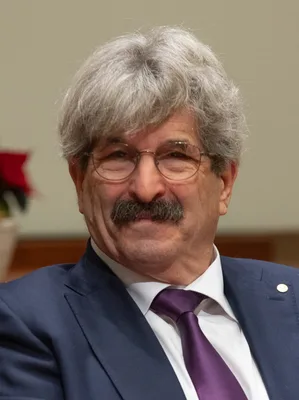

The authors cloned and generated the sequence of the lin-14 gene. They discovered that a segment in lin-14 mRNA (messenger RNA), was necessary for its inhibition by lin-4. Ruvkun and Ambros (No. 14010) then compared r…
1998 CE
#13957
Potent and specific genetic interference by double-stranded RNA in Caenorhabditis elegans.

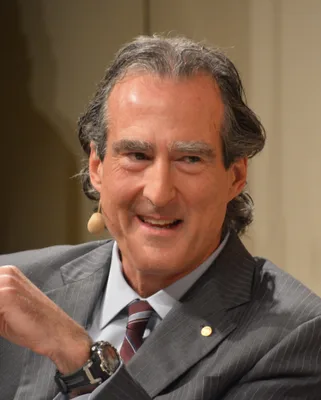
The authors reported that tiny snippets of double-stranded RNA (dsRNA) effectively shut down specific genes, driving the destruction of messenger RNA (mRNA) with sequences matching the dsRNA. As a result, the mRNA can…
1886 CE
#758
Praelectiones anatomiae universalis.
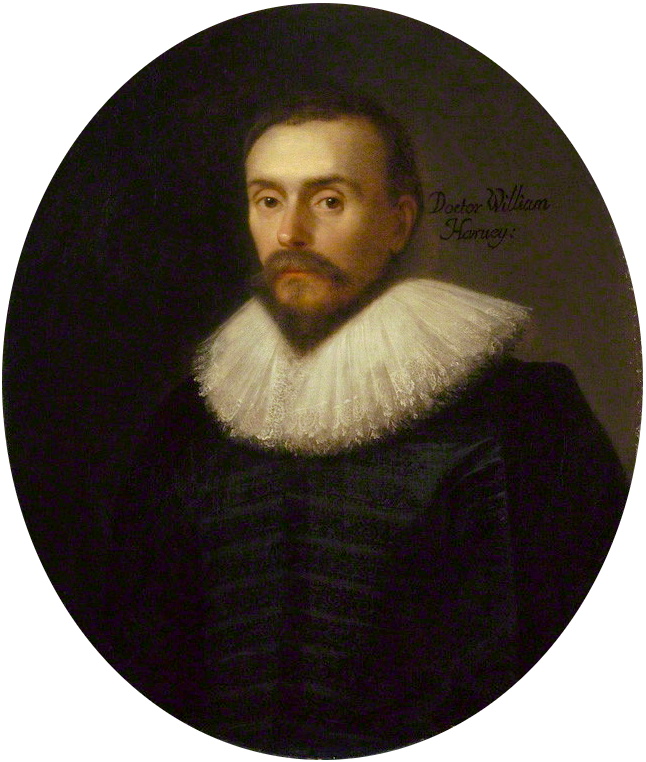
Facsimile reproduction with transliteration of Harvey’s manuscript notes for a Lumleian Lecture, 1616. These show that at that date Harvey had already completed his demonstration of the circulation of the blood.…
1816 CE–1817 CE
#1041.1
Précis élémentaire de physiologie. 2 vols.
The first modern physiology textbook, in which doctrine gave way to simple, precise descriptions of experimental facts. Vol. 2 contains Magendie’s classic demonstration of the importance of nitrogenous food, or …
1747 CE
#585
Primae lineae physiologiae in usum praelectionum academicarum.
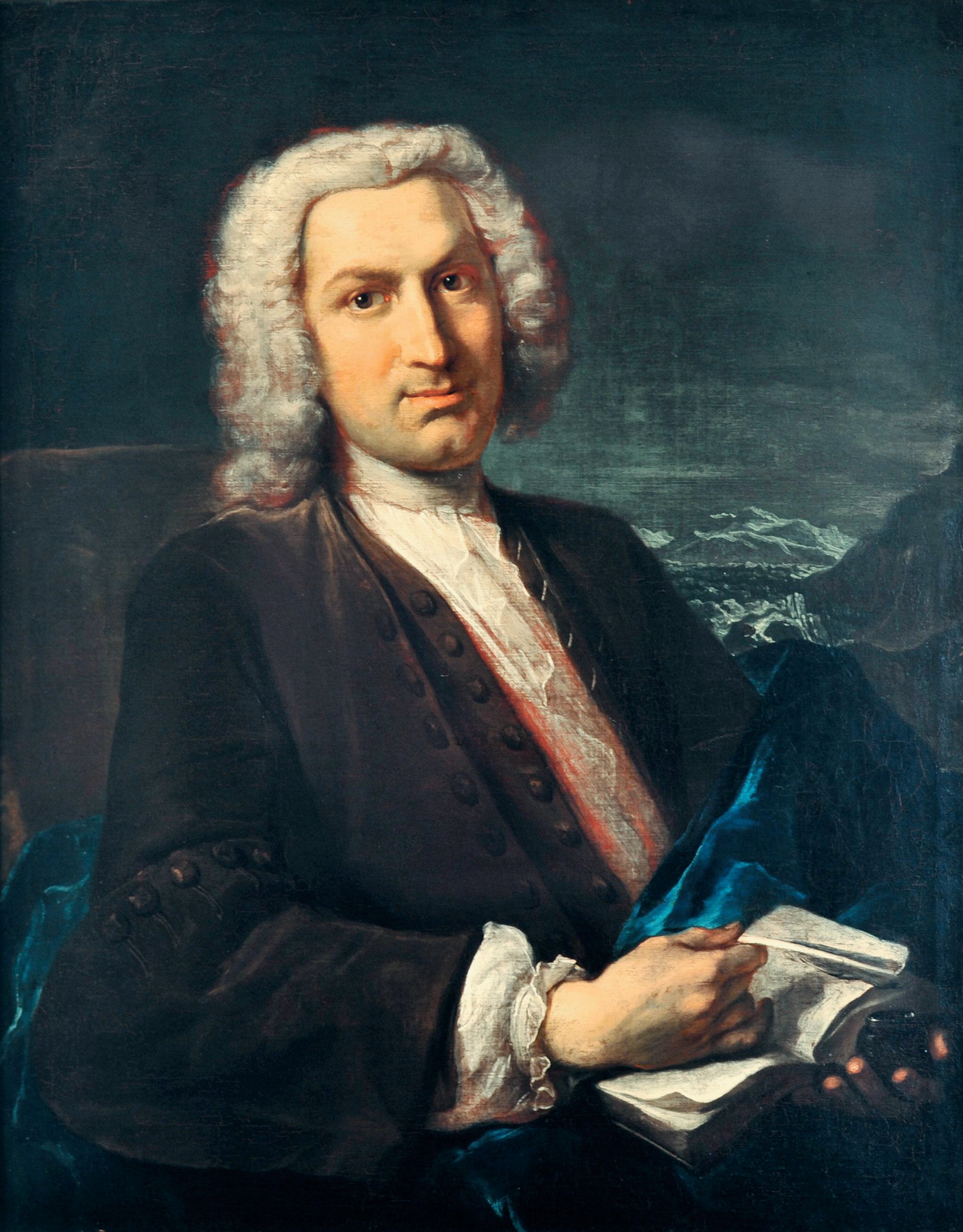
Haller was one of the most imposing figures in the whole of medicine, besides being a superb bibliographer and the founder of medical bibliography. As a physiologist he was the greatest of his time. Many apparently &l…
1897 CE–1901 CE
#13232
Principes de la phonétique expérimentale. 2 vols.
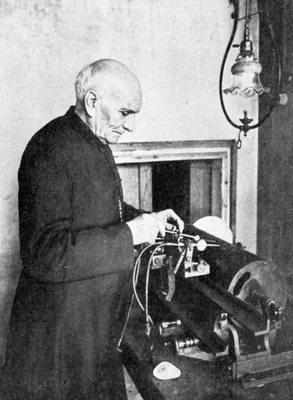
Rousselot is considered the founder of experimental phonetics, both theoretical and applied.
1915 CE
#658
Principles of general physiology.
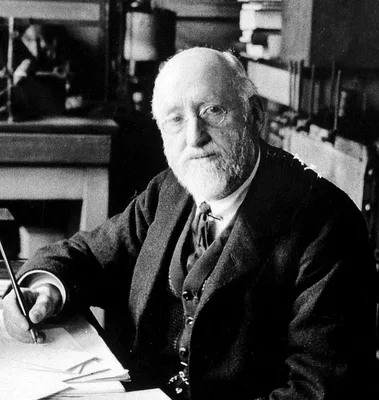
Bayliss’s book treats of general physiology from the physical chemical point of view. For some years it remained the most important book of its kind, and today is still of great value for its historical informat…
2005 CE
#10593
Profiles in cardiac pacing and electrophysiology.
1892 CE
#834
Pulsation in the veins, with the description of a method for graphically recording them.
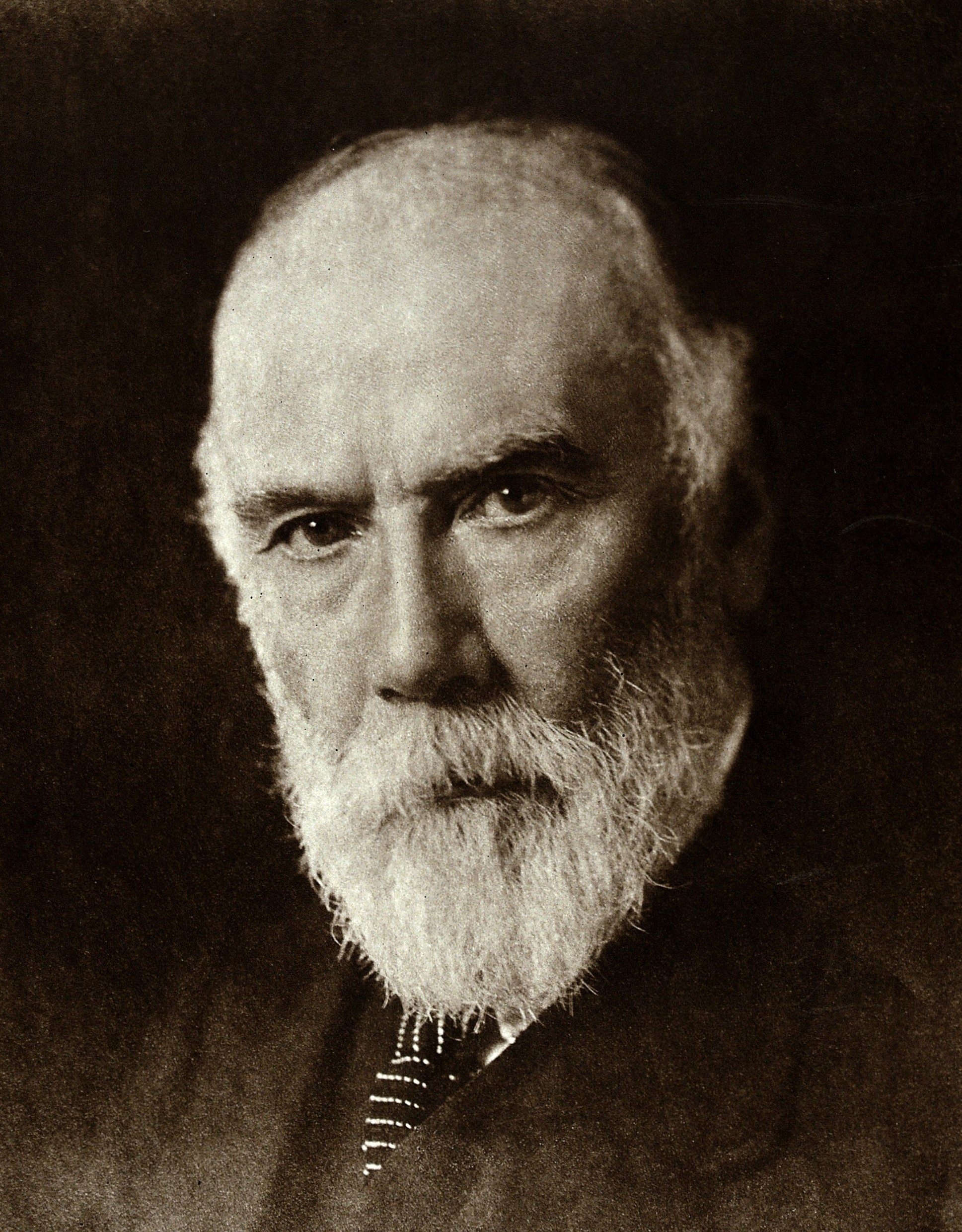
The phlebograph, which developed into the polygraph. With it Mackenzie obtained simultaneous tracings of the pulsations of the jugular vein and radial artery.
1995 CE
#14269
Purification and characterization of hypoxia-indicible factor 1.
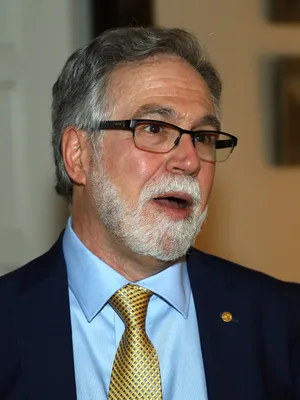
Semenza and postdoctoral fellow Guang Wang discovered transcription factor HIF-1, a transcription factor that responds to decreases in available oxygen in the cellular environment, or hypoxia. IN 2019 Semenza shared t…
1593 CE
#756
Quaestionum peripateticum, libri V.
A greatly expanded second edition. The results of tying a vein and the centripetal flow in veins were first recorded in print by Cesalpino (lib. ii, Qu. xvii, p. 234). See the English translation, with commentary, of …