
Italy
338 entries published in Italy. 11 publication places.
1691 CE
#386
Anatomia per uso et intelligenza del disegno ricercata non solo su gl’ossi, e muscoli del corpo humano.
Contains 56 copper-plates, excellent anatomically and artistically, with commentary by Giovanni Maria Lancisi. This is one of the finest of all books on anatomy for artists. English translation with plates re-engraved…
1691 CE
#264
Observationes circa viventia, quae in rebus non viventibus reperiuntur. Cum micrographia curiosa siue Rerum minutissimarum obseruationibus, quæ ope microscopij recognitæ ad viuum exprimuntur. His accesserunt aliquot animalium testaceorum icones non antea in lucem editae. Omnia curiosorum naturæ exploratorum vtilitati & iucunditati expressa & oblata.
Illustrates several early microscopes, including the famous microscopes of the Bolognese Joseph Campani. Contradicting Redi, Bonanni tried to show that spontaneous generation was possible in animals "without blood and…
1696 CE
#6703
Theatron in quo maximorum Christiani orbis pontifcum archiatros…spectandos exhibet.
The first book on the lives of papal physicians.
1704 CE
#1546
De aure humana tractatus.
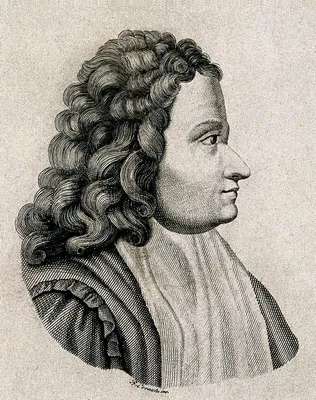
Valsalva, a pupil of Malpighi and teacher of Morgagni, is best remembered for his work upon the ear, in which he described and depicted its most minute muscles and nerves. He divided the ear into “external&rdquo…
1705 CE
#1380
Dissertatio epistolaris ad Lucam Schroeckium de glandulis conglobatis durae meningis humanae.
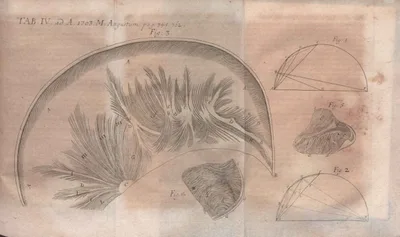
Includes a description and illustration of the Pacchionian bodies of the arachnoid tissue under the dura, producing by pressure slight depressions (“Pacchionian depressions”). See also Pacchioni’s De…
1707 CE
#2731
De subitaneis mortibus libri duo.
In the above work Lancisi noted cardiac hypertrophy and dilatation as causes of sudden death. He was the first to describe valvular vegetation, and his book gives a classification of the cardiac diseases then recogniz…
1707 CE
#4279.1
Litotomia…
A renowned specialist and pupil of Bellini, Alghisi was probably the first to use an indwelling urethral catheter to drain urine away from the wound after lithotomy. The inclined position of the patient with the head …
1708 CE
#6496.1
Ma’aseh Tuviyyah [Works of Tobias]…Hebrew text.
The only significantly illustrated early book on medicine in Hebrew. This is an encyclopedia, of which approximately half concerns medicine. One of the first Jews from the Eastern ghetto to obtain a medical education …
1709 CE
#12991
Musaeum Kircherianum sive musaeum a P. Athanasio Kirchero in Collegio Romano Societatis Jesu iam pridem incoeptum nuper restitutum, auctum descriptum, & iconibus illustratum....a Philippo Bonanni.
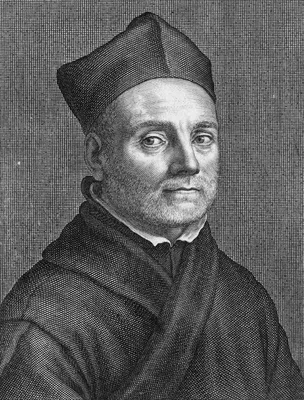
Extensively illustrated catalogue by Bonanni of the Musaeum Kircherianum, formed in the mid-17th century by the Jesuit polymath, Athanasius Kircher, and housed in the Jesuit Collegio Romano. Reflective of Kircher's po…
1710 CE
#12048
Considerazioni, e d'esperienze intorno alla generazione de' vermi ordinari del corpo umano fatte da Antonio Vallisnieri, e da lui scritte al Reverendissimo Padre D. Antonio Borromeo.
In this illustrated work on parasitic worms in the human body Vallisnieri proved that these worms were not due to spontaneous generation, but grew from eggs. Digital facsimile from Google Books at this link.
1714 CE
#2529.2
Nuovo idea del male contagioso de’ buoi.
In this study of an epizootic Cogrossi formulated much of the modern theory of infection. He speculated that infection might occur at the microscopic level, and argued that infected individuals should be isolated and …
1714 CE
#1312
Tabulae anatomicae.
A romantic history attaches to this fine collection of plates, drawn by Eustachius himself and completed in 1552. They remained unprinted and forgotten in the Vatican Library until discovered in the early 18th century…
1715 CE
#302
Istoria del camaleonte Affricano e di varj animali d’Italia.
Digital facsimile from Google Books at this link.
1715 CE
#5409.1
Nova et tuta variolas excitandi per transplantationem methodus; nuper inventa & in usum tracta: Qua rite peracta, immunia in posterum praeservantur ab huiusmodi contagio corpora.
Inoculation was practiced in ancient times. In 1701 Pilarino inoculated three children at Constantinople with smallpox virus. He is credited with the “medical” discovery of variolation, and is thus the fir…
1717 CE
#5232
De noxiis paludum effluviis, eorumque remediis.
Lancisi suggested that since malaria disappears after drainage it was due to some sort of poison emanating from marshes and possibly transmitted by mosquitoes. He planned a drainage scheme for marshy regions. His work…
1717 CE
#11515
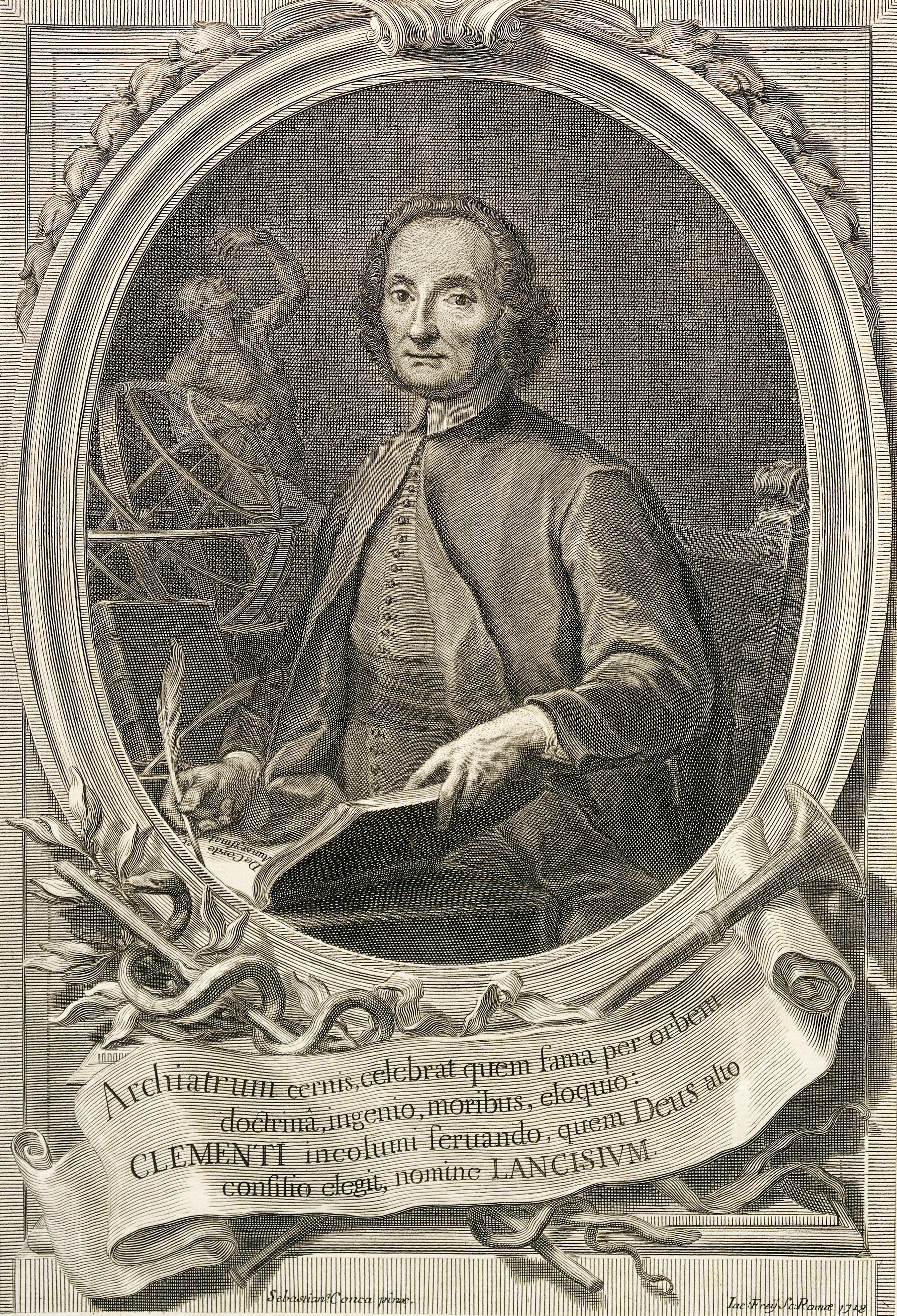
Metallotheca opus posthumum, auctoritate, & munificentia Clementis undecimi pontificis maximi e tenebris in lucem eductum; opera autem, & studio Ioannis Mariae Lancisii archiatri pontificii illustratum.
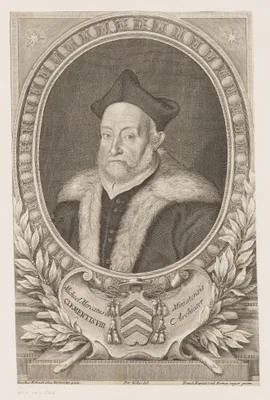
In 1717 papal physician Giovanni Maria Lancisi published the catalogue of the Vatican "armaria" series housing the natural history museum collected by one of his predecessors at the Vatican, the 16th century papal phy…
1724 CE
#392
Observationes anatomicae.
Santorini was one of the ablest dissectors of his day. In the above work many new discoveries of anatomical details are set forth, together with corrections of some of the errors of earlier anatomists. The work descri…
1728 CE
#2973
De motu cordis et aneurysmatibus.
Lancisi noted the frequency of cardiac aneurysm and showed the importance of syphilis, asthma, palpitation, violent emotions, and excess as causes of aneurysms. He was the first to describe cardiovascular syphilis. La…
1729 CE
#10170
Nova plantarum genera iuxta Tournefortii methodum disposita.
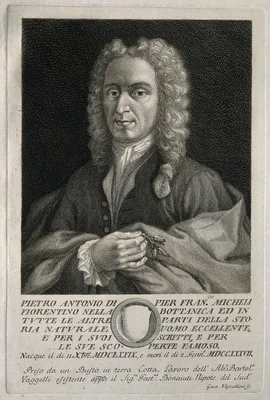
Micheli provided descriptions of 1900 plants, including first published descriptions of about 1400. Among those were 900 fungi and lichens, accompanied by 73 plates. He included information on "the planting, origin an…
1733 CE
#9361
Opere fisico-mediche stampate e manoscritte del kavalier Antonio Vallisneri; raccolte da Antonio suo Figliuolo, corredate d'una prefazione in genere sopra tutte, e d'una in particolare sopra il vocabolario della storia naturale. 3 vols.
Digital facsimile from the Hathi Trust at this link.
1734 CE–1736 CE
#60
Opera medica omnia. 4 vols.
De Baillou, “the first epidemiologist of modern times”, foreshadowed much that was afterwards taught by Sydenham. He first described whooping-cough and is often credit with introducing the term “rheu…
1738 CE
#5991.9
Degli occhiali da naso inventati da Salvino Armati…
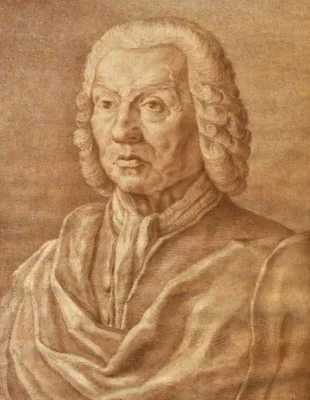
The first book on the history of spectacles. Manni gave credit for the invention to the Florentine Armati (fl. 1300).
1740 CE
#803
Opera.
Valsalva described the aortic “sinus of Valsalva”.
1741 CE
#395.2
Tabulae anatomicae.
![PIETRO DA CORTONA, [Pietro BERRETINI] (1596 – 1669)](/media/portraits/743)
27 anatomical copperplates after drawings by the most influential painter of the Italian Baroque movement, who also excelled as an architect. The editor, Cajetano Petrioli, supplied the text and small numbered anatomi…
1742 CE
#11741
Index testarum conchyliorum quae adservantur in Museo Nicolai Gualtieri ... et methodice distributae exhibentur tabulae CX.
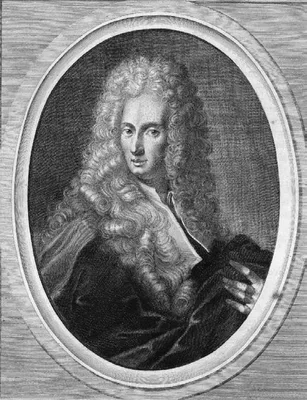
The beautiful catalogue of the shell collection formed by Gualtieri, physician to Cosimo III, Grand Duke of Tuscany in his "museum." Many of the shells are depicted standing on their apices, and are depicted from two …
1742 CE
#73
Opera omnia medica.
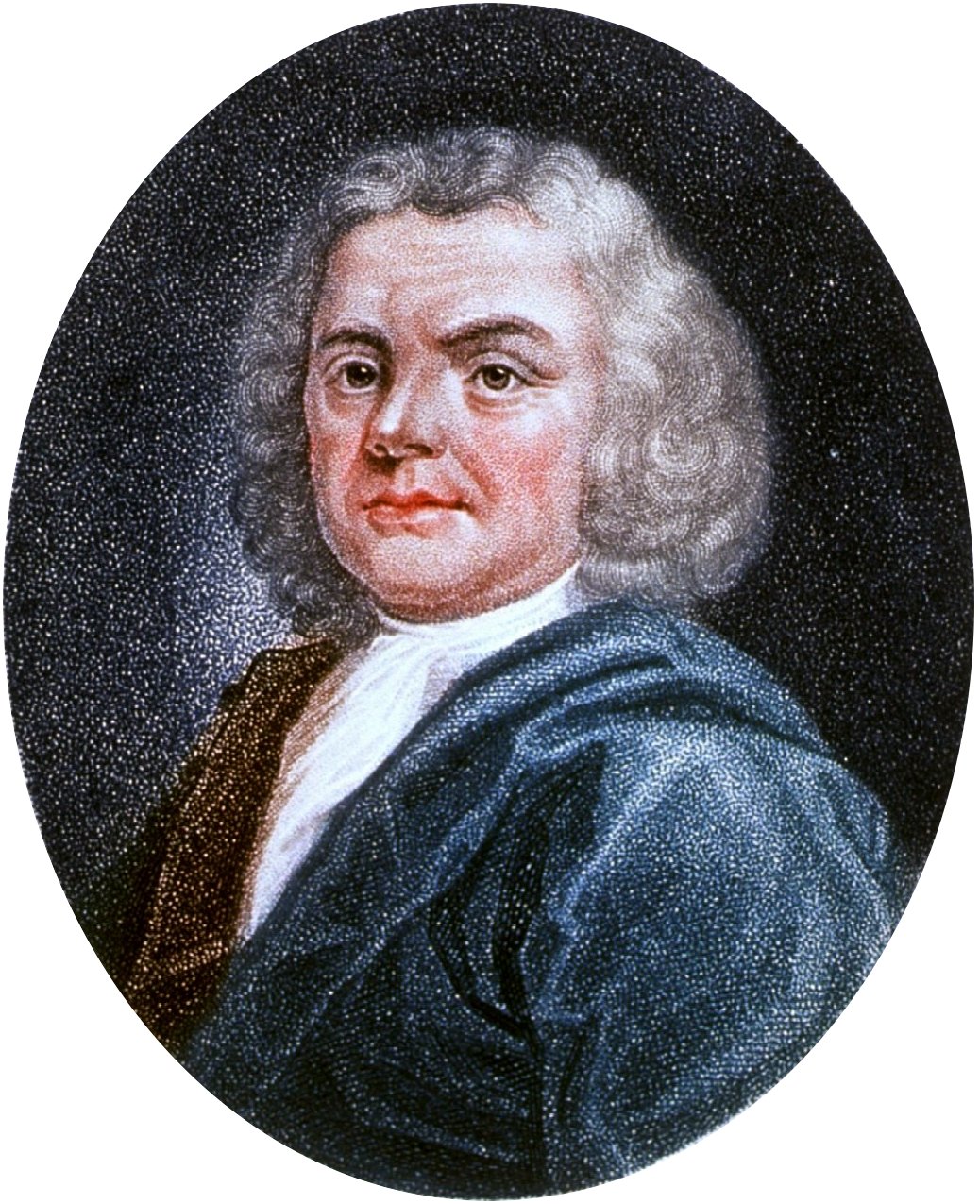
Boerhaave created of the modern method of clinical teaching. His writings had an enormous influence during his lifetime. Haller, Cullen, Pringle, van Swieten and de Haen were among his pupils. See Lindeboom, Herman Bo…
1754 CE
#12175
Graecorum chirurgici libri Sorani unus de fracturarum signis. Oribasii duo de fractis et de luxatis e collectione Nicetae ab antiquissimo et optimo codice Florentino descripti conversi atque edited ab Antonio Cocchio.
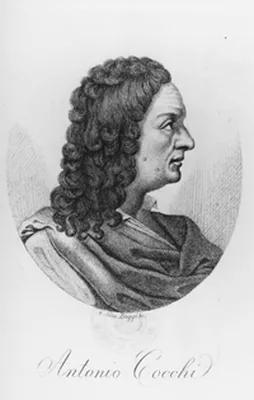
A scholarly edition of the Nicetas Codex containing various texts on fractures and luxations. Digital facsimile from Google Books at this link.
1761 CE
#2276
De sedibus, et causis morborum per anatomen indagatis libri quinque. 2 vols.
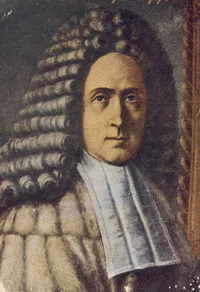
Morgagni was the founder of modern pathological anatomy. The work was completed in Morgagni’s 79th year and consists of a series of 70 letters reporting about 700 cases and necropsies. As best he could, he corre…
1762 CE
#65
Opere. 7 vols.
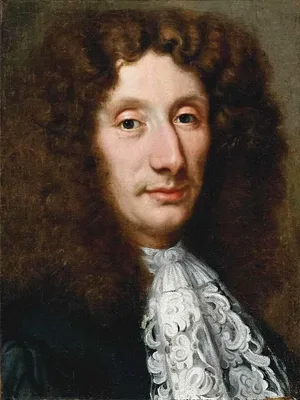
Redi was a leading physician in Italy. He is best remembered for his experiments discrediting the theory of spontaneous generation and for his pioneer work in the field of parasitology (see No. 2448.1); see also the a…
1771 CE
#3751
Animadversiones in morbum, vulgo pellagram.
In Frapolli’s careful description of pellagra, the disease was first given its present name. This book is also the first Italian account of the malady. Partial English translation in No. 2241.
1780 CE
#11874
Della morte apparente degli annegati.
The first Italian work on resusciation. Testa’s work is also one of the earliest on the subject published after the foundation in 1767 of Amsterdam’s pioneering Maatschappij tot Redding van Drenkelingen, t…
1780 CE
#9547
Osteografia e miografia della testa, mani, e piedi del corpo umano in misura naturale con il catalogo de' nomi propri.
Very distinctive engravings with the captions included within the engraved surfaces. Printed and sold by the artist.
1784 CE
#6706
Degli archiatri pontifici. 2 vols.
Biographies of papal physicians. Digital facsimile from Google Books at this link.
1786 CE–1789 CE
#3752
De pellagra. 3 vols.
By 1776, pellagra had attained serious proportions in Italy; Strambio was placed in charge of a hospital for the treatment of pellagrins, and he left an important account of the disease. He and Casal y Julian (No. 375…
1787 CE
#2467
Dell’arte de fare il vino.
Fabbroni was the first to promote modern ideas on the nature of fermentation. He showed that air was not considered necessary for fermentation to take place; he was first to regard the ferment as an albumenoid substan…
1789 CE
#4920.2
Remarks and rules set by him in: Regolamento dei Regi Spedali di Santa Maria Nuova & di Bonifazio.
Chiarugi’s regulations for the Bonifazio mental asylum mark the first appearance in print of his landmark reforms in the humane treatment of the mentally ill. Chiarugi was the first to practise the humanitarian …
1790 CE
#11229
Viaggio negli Stati Uniti dell' America settentrionale fatto negli anni 1785, 1786, e 1787. 2 vols.
Castiglioni was one of very few Italians to make the journey to America and to produce a detailed day-to-day account of his observations in the young country. His "Viaggio" is a systematic compendium of information dr…
1793 CE
#3428
Saggio d’osservazioni, e memoire sopra alcuni case singolari riscontrati nell’esercizio della medicina, e della anatomia pratica.
Includes (pp. 33-56) an account of perforating duodenal ulcer.
1793 CE
#11576
Storia di un monocolo con alcune riflessioni.
A rather elegantly produced and illustrated medical monograph on a cyclops, with plates printed in sepia. Engraved headpieces allude to monsters from classical mythology Digital facsimile from Google Books at this link.
1793 CE–1794 CE
#4921
Della pazzia in genere, e in specie, trattato medico-analitico, con una centuri di osservatzioni. 3 vols.
Chiarugi was the first in Europe to abandon chains and fetters in a mental hospital. He required a case history for each patient, hygienic rooms with segregation of the sexes, no restraint beyond strait jacket and cot…
1794 CE
#594.1
Dell’uso e dell’attività dell arco conduttore nelle contrazioni dei muscoli.
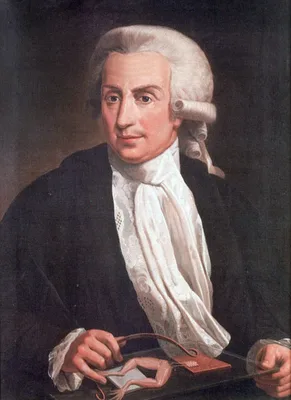
The first account of Galvani’s electrical experiments without the presence of metals, in which he demonstrated the presence of electrical energy in living tissue by showing that convulsions in frog nerve-muscle …
1804 CE
#5736
Degli innesti animali.
Baronio was among the first to attempt transplantation and experimental surgery in animals. He successfully carried out full-thickness skin grafts after detachment from the body, and the first purely scientific resear…
1807 CE–1810 CE
#11857
La zooiatria. 3 vols.
Pozzi was the firector of the newly formed Royal Veterinary School, Milan, and professor of pathology and hygiene. Digital facsimile from Google Books at this link.
1809 CE
#1388
Saggio sopra la vera struttura del cervello dell’uomo e degl’animali e sopra le funzioni del sistema nervoso.
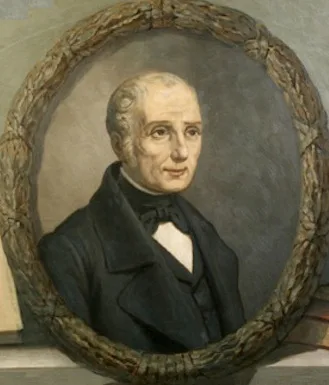
Includes description of “Rolando’s substance”, “tubercle”, and “funiculus”. Rolando described ablation experiments for brain localization similar to Flourens (No. 1391). They …
1809 CE
#3583
Sull’ernie. Memorie anatomico-chirurgiche.
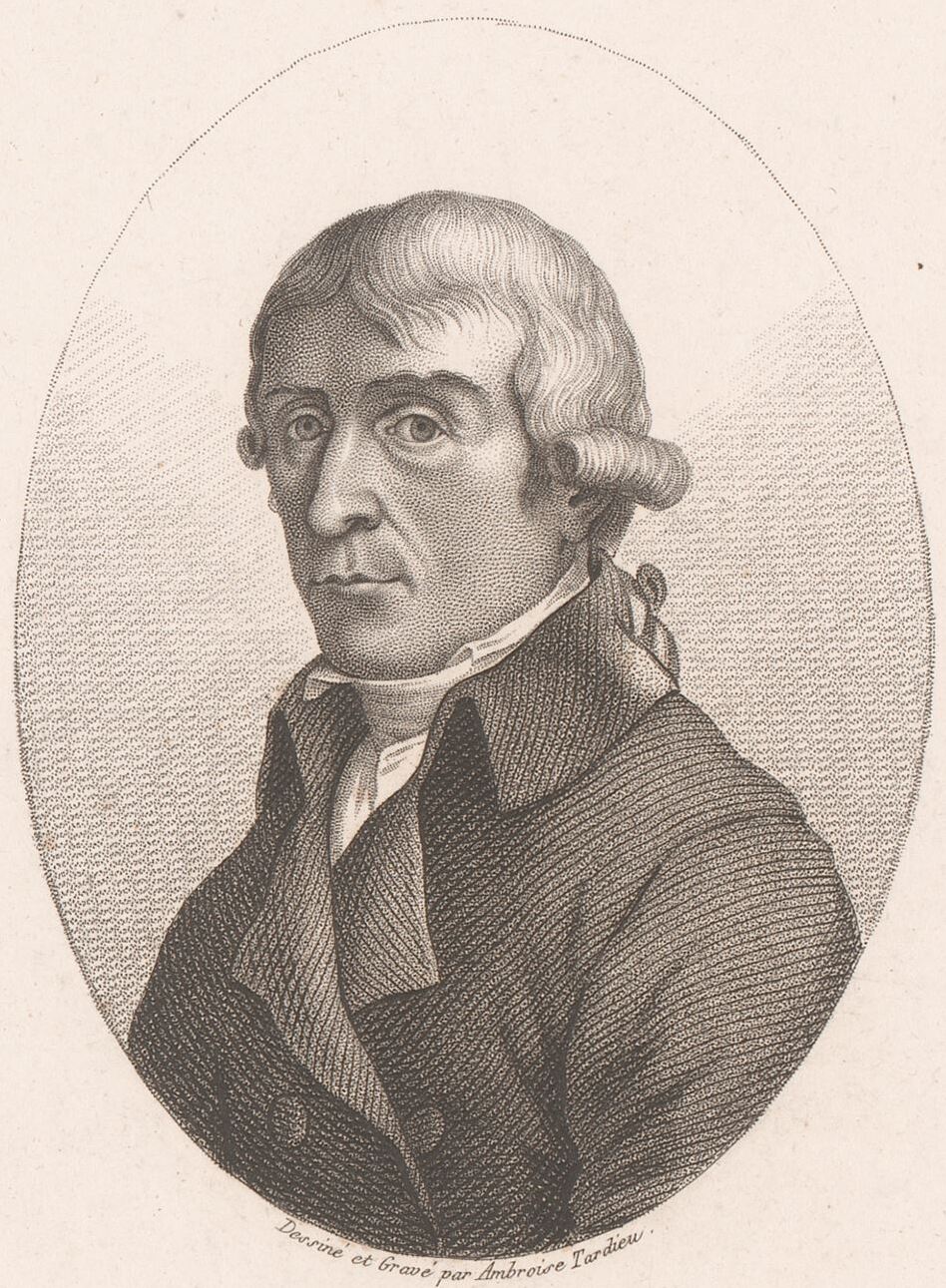
This splendidly illustrated work with life-size plates includes the description of “Scarpa’s fascia” (creasteric fascia) and Scarpa’s triangle of the thigh.
1811 CE
#406
Anatomia per uso de’pittori e scultori.
This anatomy for artists and sculptors contains 38 good copperplates in black and red.
1812 CE
#12052
Manuale di chirurgia del cavaliere.
Assalini served as a military surgeon with the Napoleonic armies in Egypt, Spain, Germany, and Russia, taking part in 60 battles and 400 combats. He was wounded three times, and was eventually appointed First Surgeon …
1816 CE
#7488
Anatomia per uso degli studiosi di scultura e pittura.
Mascagni's anatomy for artists and sculptors, edited for posthumous publication by Mascagni's literary execultor Francesco Antonmarchi. 15 hand-colored engraved plates after drawings by Antonio Serantoni (1780j-1837),…
1825 CE–1826 CE
#9360
Opere. 6 vols.
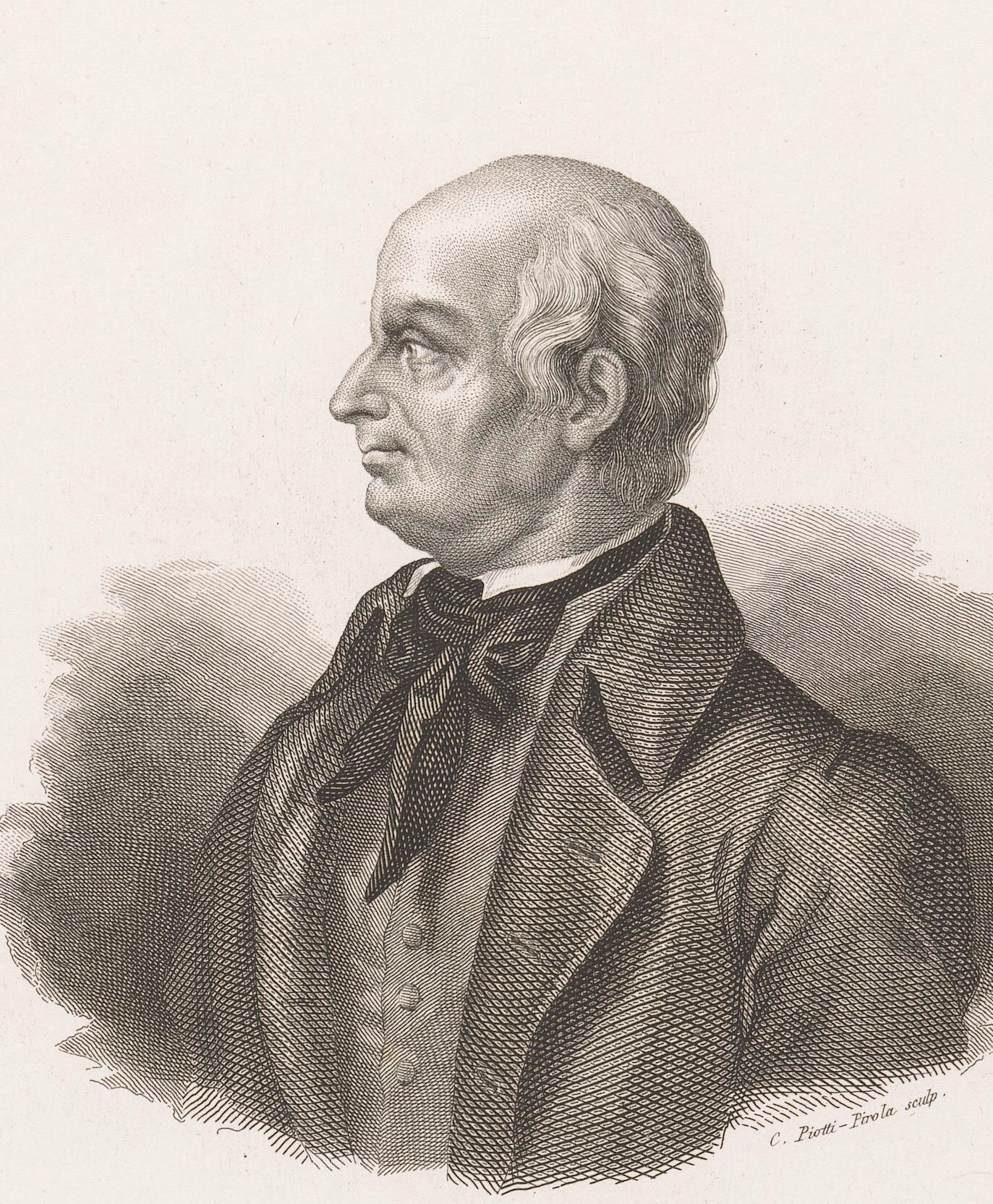
Digital facsimiles from the Internet Archive at this link.
1845 CE
#7330
Nuove ricerche microscopiche sulla tessiture intima della retina nell’ uomo, nei vertebrati, nei cefalapodi, e negli insetti precedute da alcune riflessioni sugli elementi morfologici globulari del sisteme nervoso.
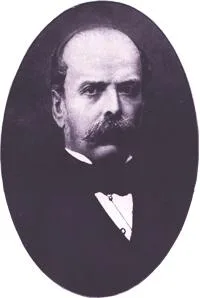
Pacini was the first to provide an accurate description of all the layers of the retina. Digital facsimile of the separate (offprint) edition from the Internet Archive at this link.