Padua
26 entries published in this place.
1472 CE
#9400
Aristotle's De anima with the commentary of Averroes.
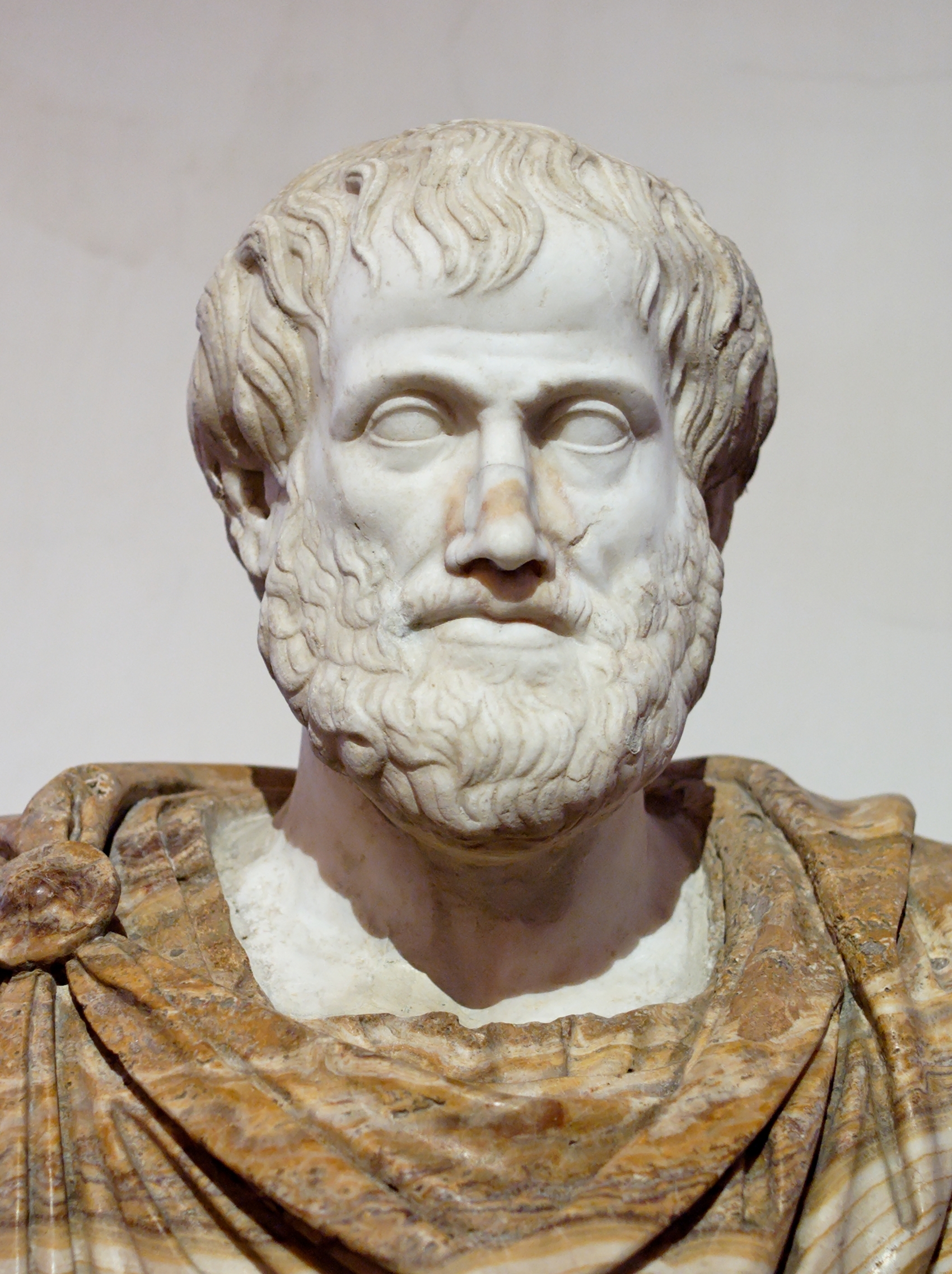
"Each paragraph of the text of Aristotle is printed in a new and an old translation, and is followed by the commentary of Averroes on the latter (BMC)" (ISTC No. IDia00969000). Because of the supreme position of Arist…
1472 CE
#6315
De infantium aegritudinibus et remediis.
The first printed book dealing exclusively with pediatrics. This was also the first medical treatise, and probably also the first scientific treatise, to make its original appearance in printed form rather than having…
1473 CE
#13028
De balneis. Add: Francesco da Siena: Dicta de balneo Petrioli. Bonaventura de Castello: Recepta aquae balnei de Porrecta.
First printed edition of da Foligno's treatise on bathing together with the first printing with a definite date of Castelli's work. ISTC No. ig00133000. Remarkably the ISTC cites two different separate undated printin…
1476 CE
#52
Articella seu opus artis medicinae. Con: Johannitius: Isagoge ad tegni Galeni. Philaretus: De pulsibus; Theophilus Protospatharius: De urinis. Hippocrates: Aphorismi (comm: Galenus; tr: Constantinus Africanus); Prognostica (comm: Galenus); De regimine acutorum morborum (comm: Galenus; tr: Gerardus Cremonensis). Galenus: Liber Tegni, sive Ars medica (comm: Hali; tr: Gerardus Cremonensis).
![GALEN, [Κλαύδιος Γαληνός; Galen of Pergamon] (129 – 216)](/media/portraits/21)
![HIPPOCRATES, [Ἱπποκράτης; Hippocrates of Kos] (-460 – -370)](/media/portraits/50)
A collection of Greek, Roman and Byzantine texts on medicine, written in Latin, that was mainly used as medical school textbook or reference manual between the 13th and 16th centuries. The Articella grew around a synt…
1476 CE
#39
Liber nonus ad Almansorem (cum expositione Silani de Negris).
The Almansor, so named after the prince to whom it was addressed, was a popular textbook and one of the first general medical texts to be printed. Rhazes ranks with Hippocrates and Galen as one of the founders of clin…
1483 CE
#8341
De urinis by Gilles de Corbeil, with commentary by Gentilis de Fulgineo. Edited by Venantius Mutius.
Gilles de Corbeil's medical poem De urinis was based on writings by Theophilus Protospatharius by way of the Articella. Poems such as this were intended as mnemonic aids for students, and they tended to be widely used…
1487 CE
#1961
De particularibus diaetis.
The first separately printed treatise on diet was written by the Egyptian-Jewish physician and philosopher Isaac Judaeus who lived from about 832 to 932 CE. He was also known as Isaac Israeli ben Solomon and Abu Ya'qu…
1558 CE
#1592
Trattato de la vita sobria.
Garrison considered this “the best treatise on personal hygiene and the simple life in existence”. Cornaro was called the Apostle of Senescence. "When he was about 40, Cornaro found himself exhausted and i…
1563 CE
#2370
De morbo gallico.
Falloppius was one of the first prominent opponents of the use of mercury in syphilis. He distinguished syphilitic and non-syphilitic condylomata.
1573 CE
#1377.2
De nervis opticis nonnulisque aliis praeter communem opinionem in humano capite observatis.
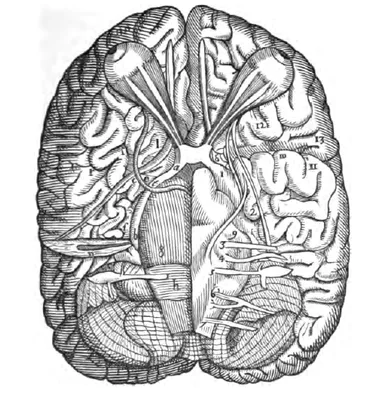
Varolio described a new method of dissection which enabled him to observe and describe the pons for the first time. By this new method Varolio was able to make some contributions to the knowledge of the course and ter…
1603 CE
#2726
De pulsibus libri tres nunc primum in lucem editi.
Sassonia emphasized the importance of the pulse in diagnosis, and provided the first recorded description of heart block. Pages 57-61 contain graphic representations of the pulse using dashes of unequal length. Digita…
1603 CE
#757
De venarum ostiolis.
Fabricius, teacher of Harvey at Padua, discovered the venous valves, and illustrated them in life-size copperplates in this monograph. He failed to recognize their true function, however, considering their function si…
1616 CE
#534.52
De monstrorum caussis, natura, & differentiis libri duo.
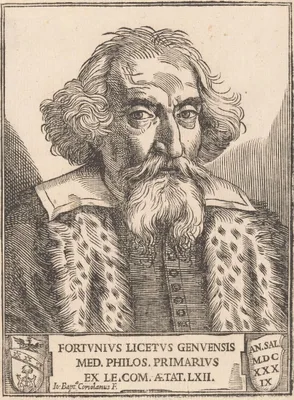
One of the earliest classifications of deformities, Liceti’s work was still under review in works on malformation in the 19th century. Includes both real and imaginary cases. The first of many illustrated editio…
1621 CE
#466
De formatione ovi et pulli.
1641 CE
#9417
Syntagma anatomicum, publicis dissectionibus, in auditorum usum, diligenter aptatum.
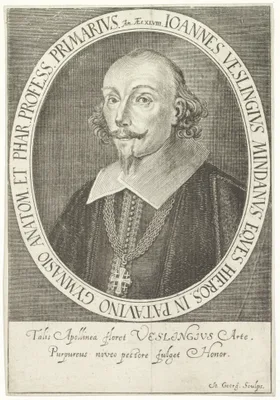
Vesling provided an early discussion of the human lymphatic system. He was one of the first physicians to describe the brain's circle of Willis. Digital facsimile from the Internet Archive at this link.
1642 CE
#7879
Figura ductus cuiusdam cum multiplicibus suis ramulis noviter in pancreate in diversis corporibus humanis observati.
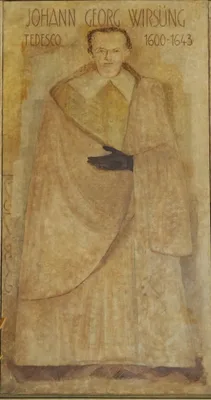
Wirsung, assistant to the celebrated German anatomist Johann Vesling, discovered the excretory duct of the pancreas named for him in 1642. To announce his discovery, Wirsung chose the extremely unusual method of publi…
1654 CE
#151
Anthropometria.
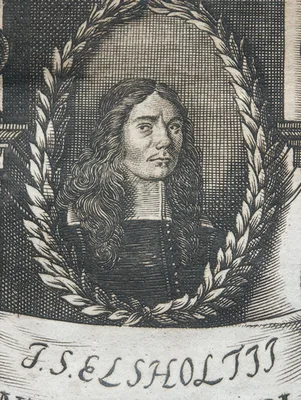
Elsholtz was the first physician to study anthropometry and human proportion.
1656 CE
#8861
Note overo memorie del museo di Lodovico Moscardo....Nel primo si disorre delle cose antiche, le quali in detto museo si trouano. Nel secondo delle petre, minerali, e terre. Nel terzo de corali, conchiglie, animali, frutti, & altre cose in quello contenute.
Moscardo's museum contained natural history specimens, archeological remains, and ethnographic objects. Around 1642 Moscardo acquired a portion of the collection of Francesco Calceolari and added it to his museum. Dig…
1664 CE
#5572
Observationum medico-chirurgicarum rariorum sylloge.
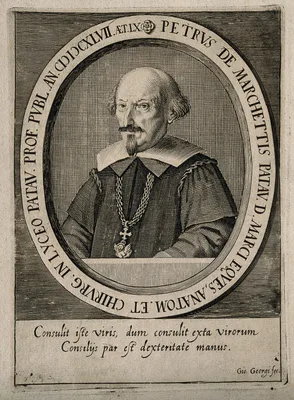
Pietro de Marchetti was Professor of Surgery at Padua. His book contains many valuable observations in surgery.\\
1710 CE
#12048
Considerazioni, e d'esperienze intorno alla generazione de' vermi ordinari del corpo umano fatte da Antonio Vallisnieri, e da lui scritte al Reverendissimo Padre D. Antonio Borromeo.
In this illustrated work on parasitic worms in the human body Vallisnieri proved that these worms were not due to spontaneous generation, but grew from eggs. Digital facsimile from Google Books at this link.
1793 CE
#3428
Saggio d’osservazioni, e memoire sopra alcuni case singolari riscontrati nell’esercizio della medicina, e della anatomia pratica.
Includes (pp. 33-56) an account of perforating duodenal ulcer.
1893 CE
#3602
Nuovo metodo operativo per la cura radicale dell’ ernia crurale.
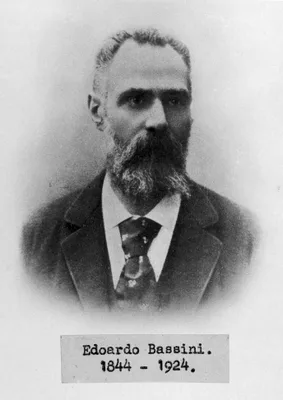
Bassini’s operation for femoral hernia.
1978 CE
#8422
I codice greci di medicina nelle tre Venezie. (Università di Padova, Studi bizantini e neogreci, 10).
1984 CE
#11899
Professori e promotori di medicina nello studio di Padova dal 1405 al 1509: Repertorio bio-bibliografico.
1996 CE
#8717
The botanical garden of Padua 1545-1995. Translated by Gus Barker.
2011 CE
#10697