
United Kingdom
2,270 entries published in United Kingdom. 6 publication places.
1685 CE–1692 CE
#12769
Historia sive synopsis methodicae conchyliorum quorum omnium picturae, ad vivum delineata, exhibetur.
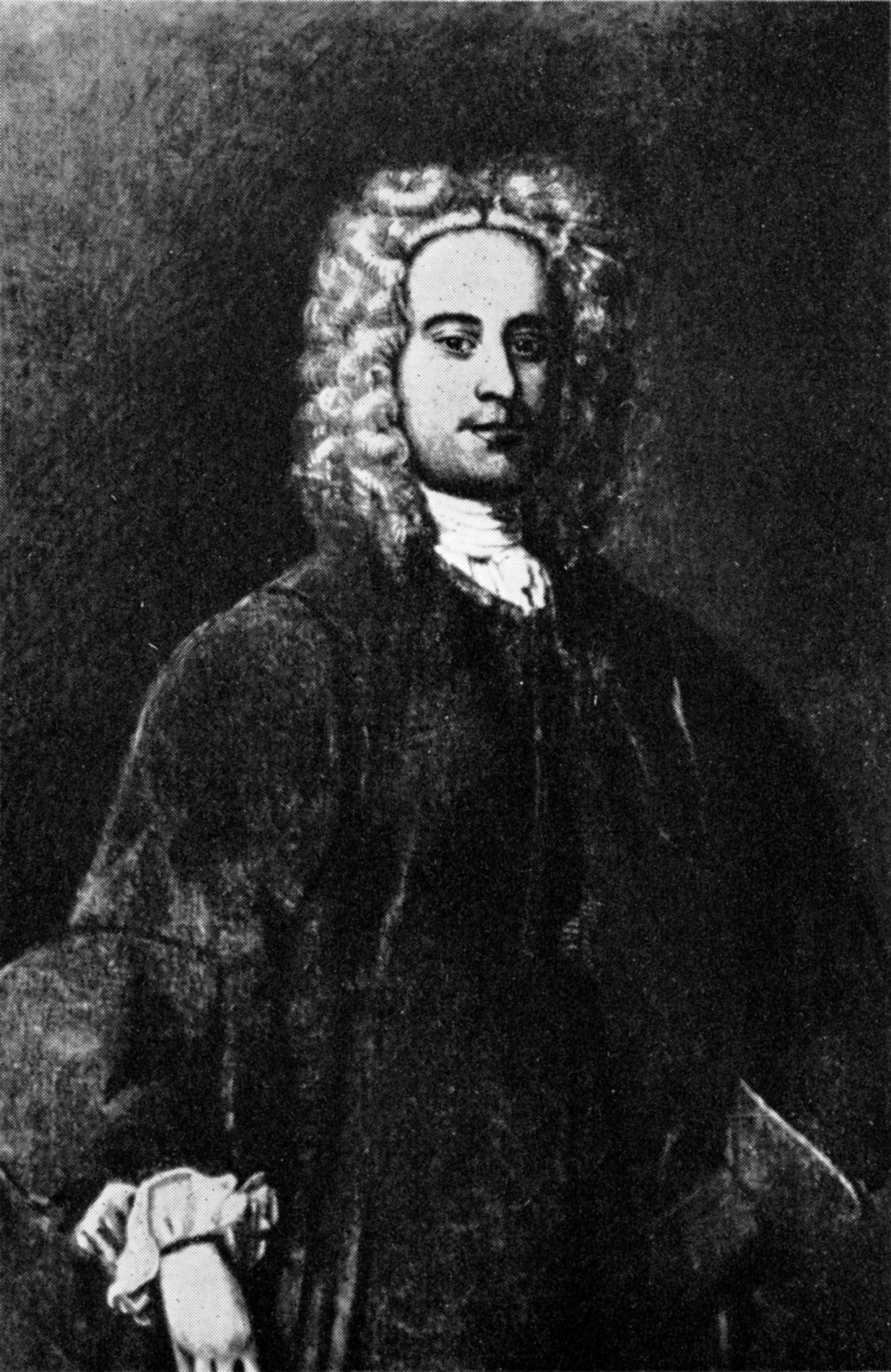
"He [Lister] had created a small version of this book for circulation to friends in 1685, but almost immediately began work on an expanded version which was produced from 1685 to 1692. This copy had 490 pages, with 10…
1686 CE
#7088
De historia piscium libri quatuor.
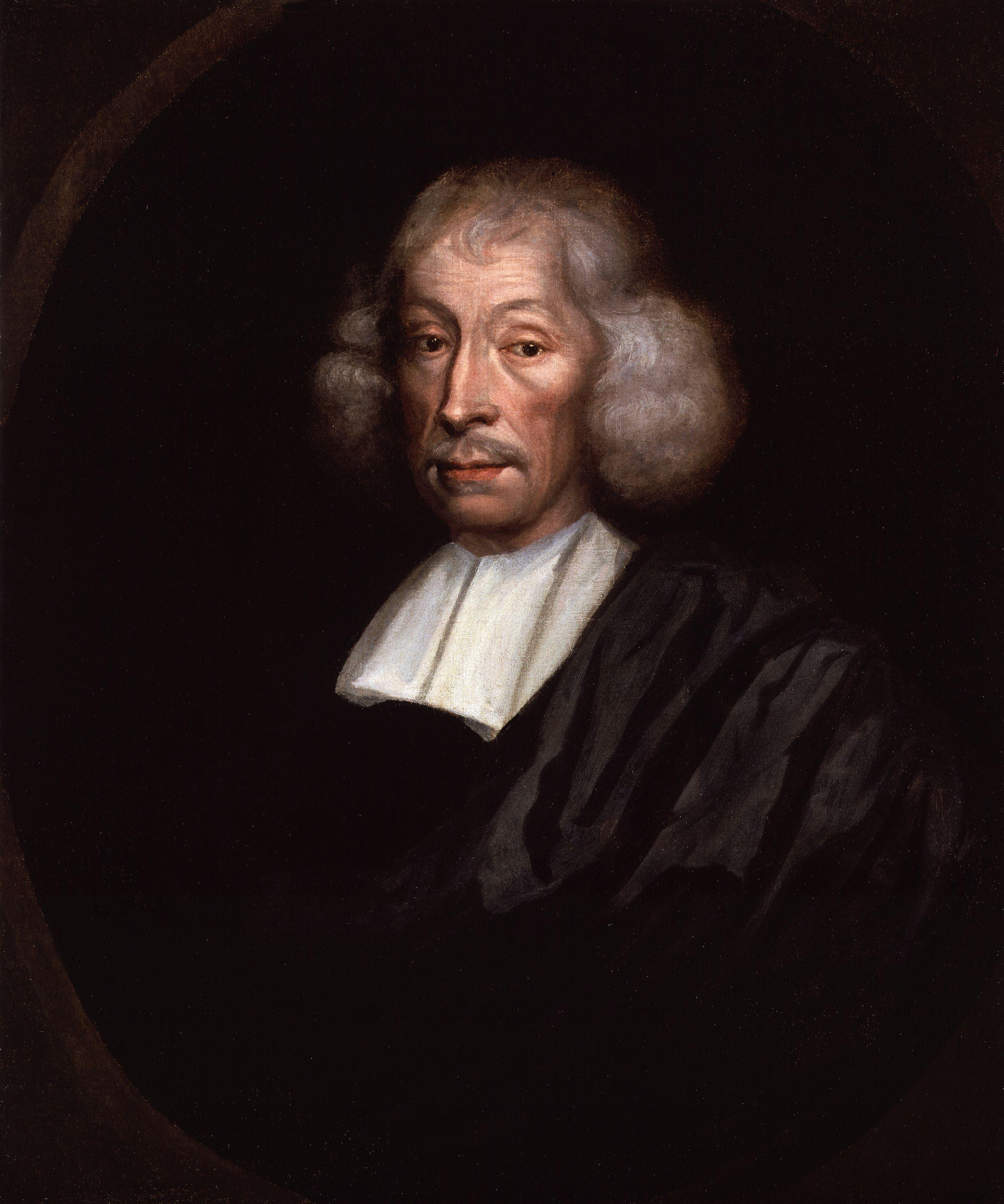
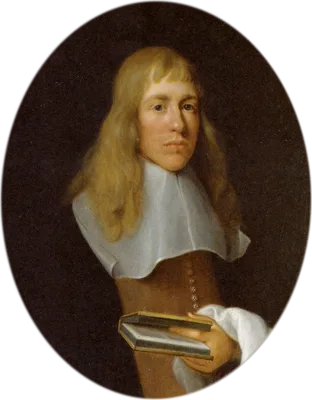
A large folio volume with 187 engraved plates considered the first modern encyclopedia on fish, this was largely the work of John Ray, prepared and expanded from Willougby's notes, more than a decade after his death. …
1686 CE
#66
Opera omnia. 2 vols.
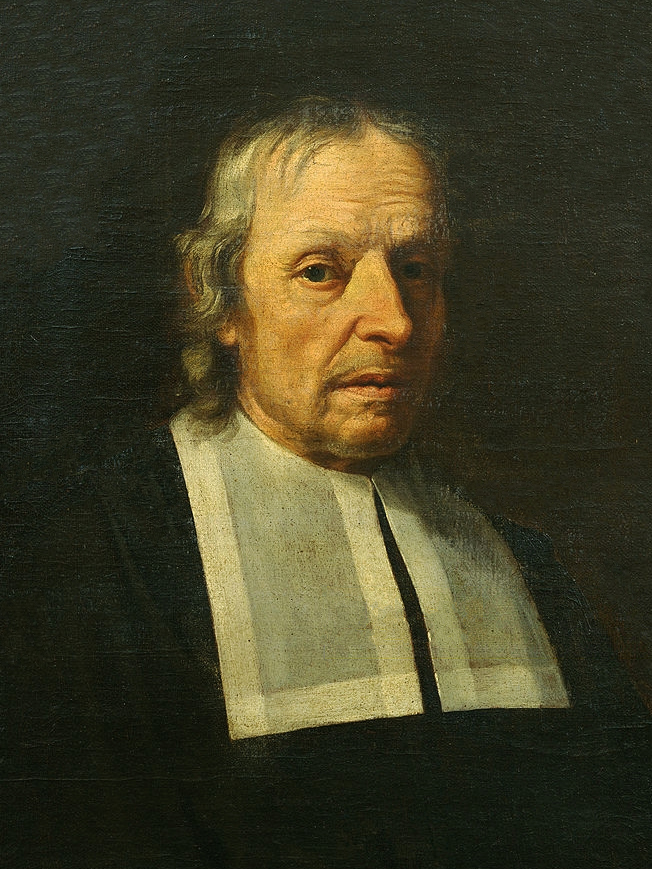
Malpighi was the founder of histology. In 1660 he was the first to see the capillary anastomosis between the arteries and the veins, thus contributing to the completion of Harvey’s work on the circulation. Malpi…
1686 CE
#4514
Schedula monitoria de novae febris ingressu.
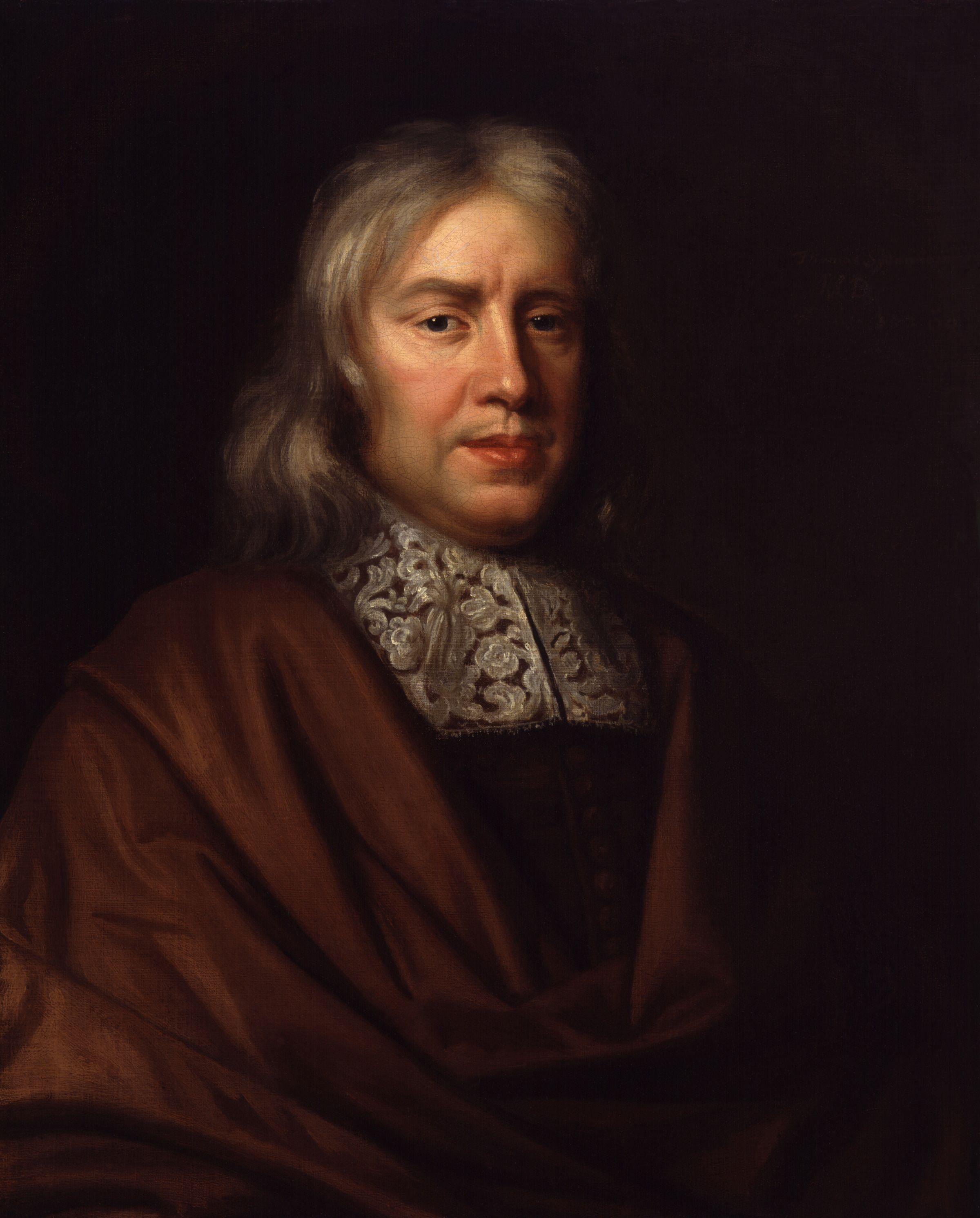
Includes (pp. 25-28) his classic description of chorea minor (“Sydenham’s chorea”). Reprinted in Med. Classics, 1939, 4, 327-53. In the Sydenham Society translation (see No. 64) the passage occurs in…
1686 CE
#9395
Works. Containing I. Enquiries into vulgar and common errors. II. Religio medici: With annotations and observations upon it. III. Hydriotaphia; or, urn-burial: Together with the garden of Cyrus. IV. Certain miscellaneous tracts. With alphabetical tables.
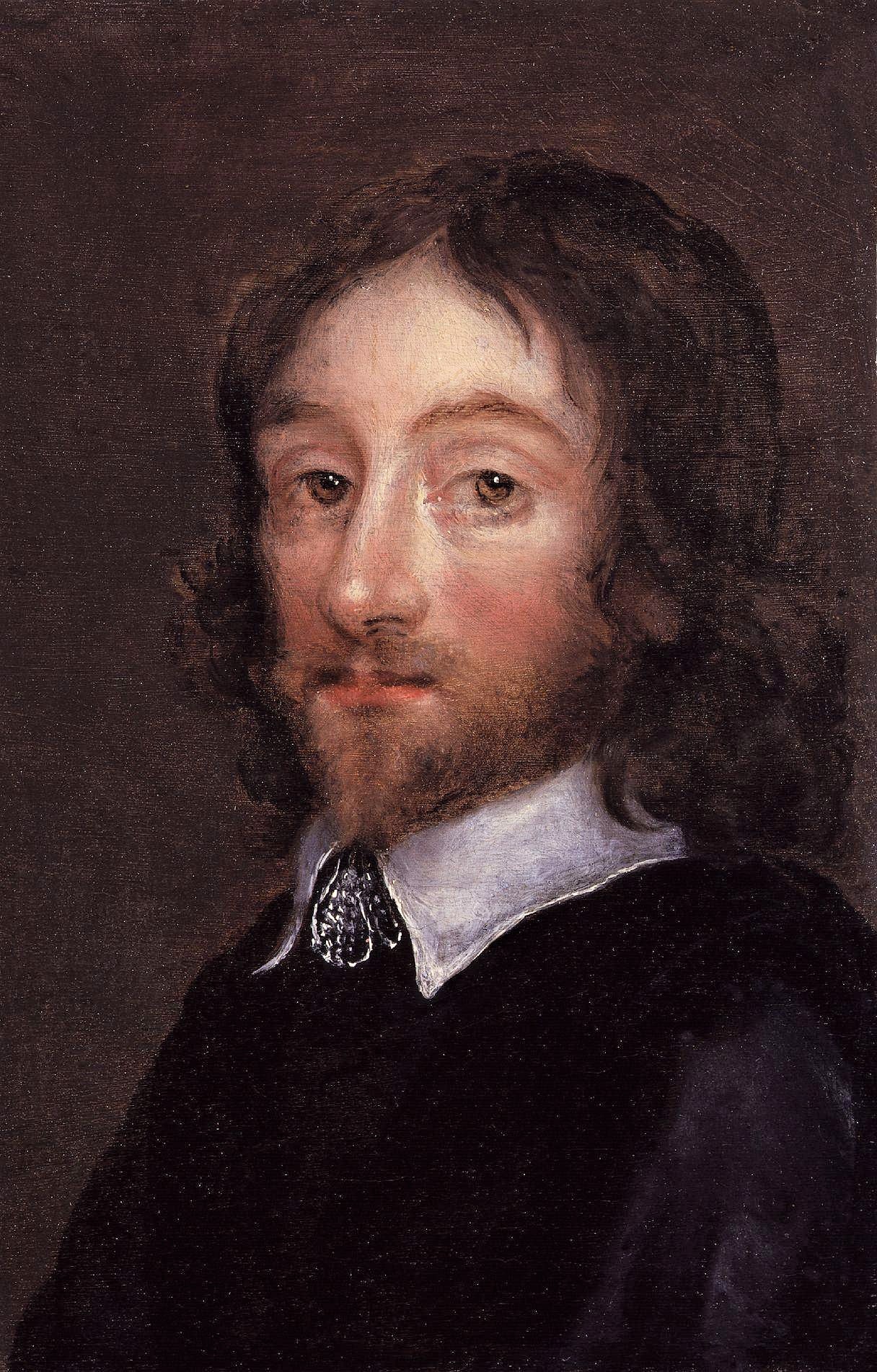
Digital facsimile from the Internet Archive at this link.
1686 CE–1704 CE
#7090
Historia plantarum.... 3 vols.
This massive catalogue begins with an extensive general botanical treatise covering plant physiology, plant nutrition and, most importantly, Ray's principles and methodology of botanical classification. Ray adopted Ju…
1689 CE
#6321
De morbis acutis infantum.
Harris was physician to William and Mary. His book served for nearly a century as a standard work on pediatrics. He anticipated the modern treatment of tetany by using calcium salts in infantile convulsions. For a stu…
1689 CE
#3216
Phthisiologia, seu exercitationes de phthisi.
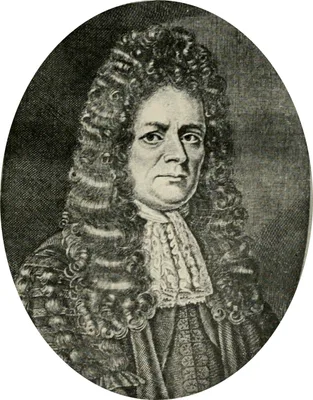
The first application of the principles of pathology to the study of pulmonary tuberculosis. Morton showed that the formation of tubercles is a necessary part of the development of this lung disease, and pointed out t…
1690 CE
#10055
A letter to a friend, upon occasion of the death of his intimate friend.
One of the most eloquent and learned discussions of death. Full annotated text from penelope.uchicago.edu at this link.
1690 CE
#4967
An essay concerning humane understanding.
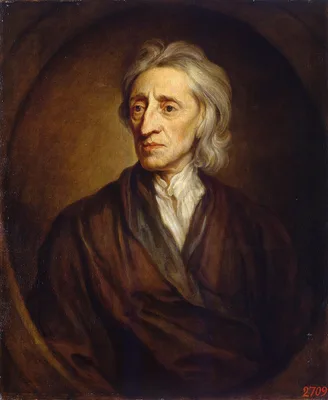
Locke, a physician, laid the foundation of modern psychology. For two centuries the principles laid down by him were unquestioned. The writing of the Essay occupied him on and off for twenty years.
1691 CE
#387
Osteologia nova, or some new observations of the bones.
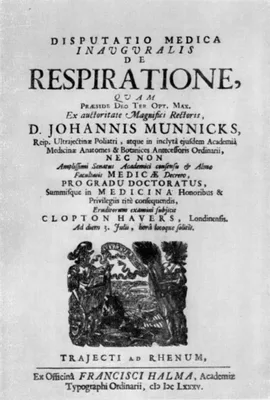
Havers discovered the Haversian canals and made important observations of the physiology of bone growth and repair. The Haversian lamellae, glands, and folds, are also named after him. The Haversian canals were observ…
1691 CE
#11185
The wisdom of God manifested in the works of the creation.
Digital facsimile of the much-enlarged 1692 second edition from the Internet Archive at this link.
1693 CE
#299
Synopsis methodica animalium quadrupedum et serpentini generis.
This work contains the first really systematic classification of animals. Much of its general arrangement of animals survives in modern systems of classification.
1694 CE
#12767
Exercitatio anatomica, in qua de cochleis, maxime terrestribus & limacibus, agitur. Omnium dissectiones tabulis aeneis, ad ispsas res assabre incisis, illustrantur.
First anatomical supplement to the Historia conchyliorum. This was the first separate work devoted to snails. Digital facsimile from Google Books at this link.
1695 CE
#13821
Bibliotheca mathematica & medica Scarbughiana; or, the mathematical and physical parts of the famous library of Sir Charles Scarburgh, Kn.,M.D....All curiously bound. ... will be sold by auction on Monday the 18th of this instant February
1695 CE
#12768
Exercitatio anatomica altera de buccinis fluviatilibus et marinis. Issued bound with: Exercitatio medicinalis de variolis.
The first work was intended as the second anatomical supplement to Lister's Historia conchyliorum.
1695 CE
#1379.1
The anatomy of the brain.
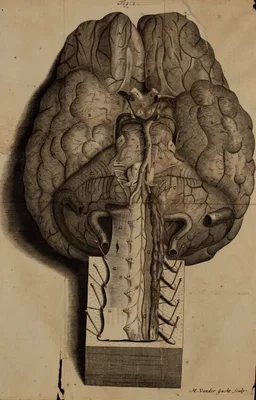
The first book on the brain in the English language, including the first account of the circular venous sinus which Ridley names, and the first English account of a pineal tumor. In it Ridley gives the first account o…
1696 CE
#2147
An account of the nature, causes, symptoms, and cure of the distempers that are incident in seafaring people. With observations on the diet of the sea-men in his Majesty’s navy.
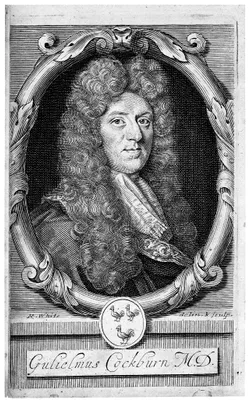
Cockburn studied medicine at Leiden; he became famous on account of his secret remedy for dysentery. The book is a record of two years spent as a ship’s doctor.
1696 CE
#9915
Catalogus plantarum quae in insula Jamaica: Sponte proveniunt, vel vulgò coluntur cum earundem synonymis & locis natalibus, adjectis aliis quibusdam quae in insulis Maderae, Barbados, Nieves, & Sancti Christophori nascuntur, seu Prodromi historiae naturalis Jamaicae pars prima.
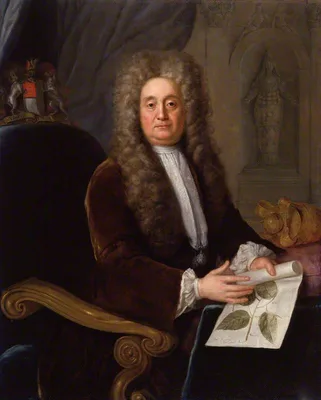
Digital facsimile from Biodiversity Heritage Archive at this link.
1696 CE
#12770
Conchyliorum bivalvium utriusque aquae exercitatio anatomica tertia, huic accedit dissertatio medicinalis de calculo humano.
Third anatomical supplement to Lister's Historia concyliorum.
1698 CE
#7124
A catalogue of the library of the late learned Dr. Francis Bernard....Which will be sold by auction at the doctor's late dwelling house in Litttle Britain; the sale to begin on Tuesday, Oct. 4, 1698.
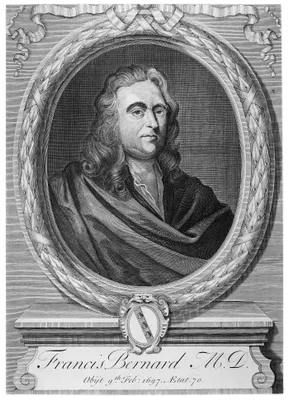
The most extensive library sold at auction in London during the seventeenth century, with almost 15,000 lots, of which only part was medical. Bernard was Physician to James II.
1698 CE
#8592
A journey to Paris in the year 1698.
Includes observations of natural history collections, estates and libraries of Parisians, and commentary on science, art, food, wine, medicine, and more. Late in 1697, William Bentinck, Lord Portland, was sent on a di…
1698 CE
#3166
A treatise of the asthma.
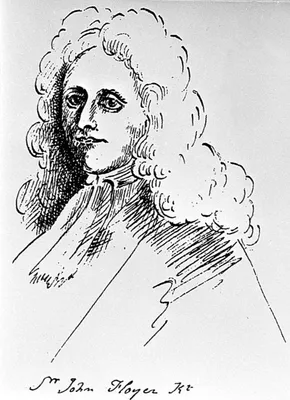
Floyer provided the first clear descriptions of cases of bronchial asthma. Floyer himself suffered from asthma for over 30 years. He recognized the influence of heredity in asthma. The above includes (p. 239) an impor…
1698 CE
#385.1
The anatomy of humane bodies, with figures drawn after the life by some of the best masters in Europe.
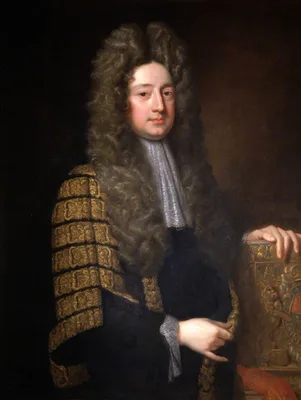
The largest in format, and most elaborate and beautiful of all 17th century English treatises on anatomy, and also one of the most extraordinary plagiarisms in the entire history of medicine. Cowper purchased sets of …
1699 CE
#153
Orang-outang, sive homo sylvestris: Or, the anatomy of a pygmie compared with that of a monkey, an ape, and a man.
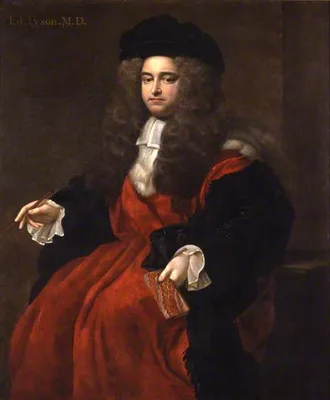
The earliest work of importance in comparative morphology. Tyson compared the anatomy of man and monkeys and between the two he placed the chimpanzee, which he regarded as the typical pygmy. This was the origin of the…
1699 CE
#1688
Several essays in political arithmetic.
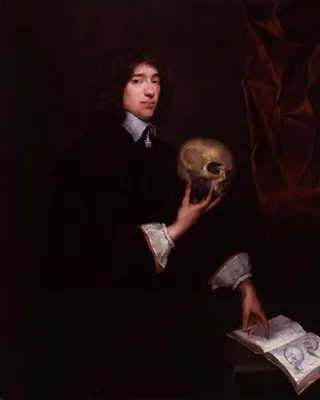
A pioneer statistician, Petty took the first census of Ireland. He was Professor of Anatomy at Oxford and later Graham Professor of Music. SeeNo. 1686.
1699 CE
#7965
The dispensary: A poem. In six cantos.
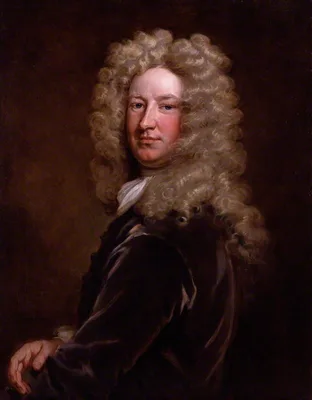
An aggressive criticism of quack medicines, apothecaries who produced them, and physicians who prescribed them.
1700 CE
#2070.1
The mysteries of opium revealed.
Includes the earliest English description of drug addiction, and withdrawal. Jones attempted to use wine as a partial substitute until withdrawal was complete.
1702 CE
#9569
A mechanical account of poisons in several essays.
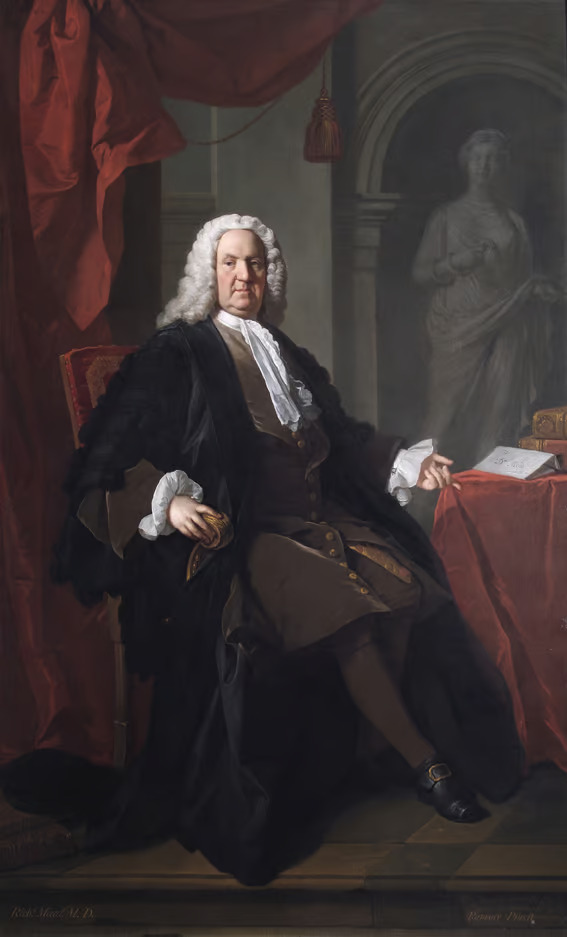
Mead performed numerous experiments, including tests with viper venom which lead to his book on poisons. His book describes their effects on the body in accordance with the precepts of the Iatrophysical School, which …
1702 CE
#2029
The ancient ψυχρολουσια revived; or, an essay to prove cold bathing both safe and useful.
A history of cold bathing.
1702 CE
#13831
Topographical descriptions: With historico-political, and medico-physical observations: Made in two several voyages through most parts of Europe.
Travels in Netherlands, France, Savoy, and Piedmont. A second volume containing records of tours in Italy, and a third containing tous in Germany, Hunary, Denmark and Sweden, were planned but were never published.
1703 CE
#8870
A description of the Western Islands of Scotland.: Containing a full account of their situation, extent, soils, product, harbours, bays, tides, anchoring places, and fisheries. The ancient and modern government, religion and customs of the inhabitants, particularly of their druids, heathen temples, monasteries, churches, chappels, antiquities, monuments, forts, caves, and other curiosities of art and nature. Of their admirable and expeditious way of curing most diseases by simples of their own product. A particular account of the second sight, or faculty of forseeing things to come, by way of vision, so common among them. A brief hint of methods to improve trade in that country, both by sea and land. With a new map of the whole, describing the harbours, anchoring places, and dangerous rocks, for the benefit of sailers. To which is added a brief description of the Isles of Orkney, and Schetland.
Martin, who graduated MD from Leiden, included throughout his book detailed and non-judgmental documentation of folk medicine practices and ethnobotanic remedies then in use in the region. Digital facsimile of the 170…
1703 CE
#11667
Emmenologia: In qua fluxus mulierbris menstrui phaenomena, periodi, vitia cum medendi methodo, ad rationes mechanicas exiguntur.
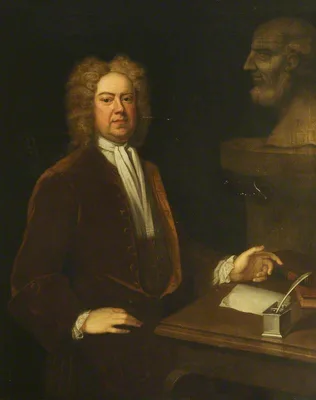
Translated into English as Emmenologia: Written, in Latin, by the late learned Dr. John Freind. Translated into English by Thomas Dale, M.D. London: Printed for T. Cox, 1729. Digital facsimile of the 1752 English tran…
1704 CE
#10160
De imperio solis ac lunae in corpora humana, et morbis inde oriundis.
Mead formulated the position that periodic atmospheric tides arising from planetary forces produced alterations of gravity, elasticity, and air pressure; these changes, he argued, affected the human body in health and…
1705 CE
#1986.3
Medicina gymnastica; or, a treatise concerning the power of exercise.
The first English book on the power of exercise in treating disease. Fuller also recommended exercise for aid in the recovery from psychological and emotional disorders. In this he preceded Cheyne (No. 4840).
1707 CE
#3670.1
Anthropologia nova; or, a new system of anatomy. Describing the animal oeconomy, and a short rationale of many distempers incident to human bodies.
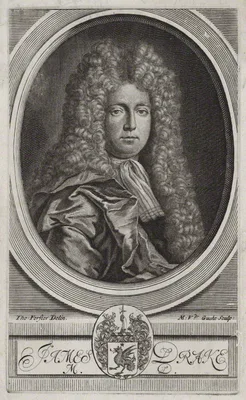
In his preface Drake credited the surgeon, anatomist and artist, William Cowper, for valuable aid in both the text and illustrations this work. Drake also included a chapter, "Of the Nose" written by Cowper which desc…
1707 CE
#13900
Myographiae comparatae specimen: or, a comparative description of all the muscles in a man and in a quadruped. Shewing their discoverer, origin, progress, insertion, use, and difference. To which is added, an account of the muscles peculiar to a woman. With an etymological table, and several useful index's.
"As for the comparative part of this treatise, or the interlacing the descriptions of the human muscles with these of the canine, that needs no apology. The many useful discoveries known from the dissection of quadrup…
1707 CE–1710 CE
#2670
The physician’s pulse-watch. 2 vols.
Before watches had hands to record the seconds, Floyer invented a pulse-watch which divided the minute. He was the first to count the pulse with the aid of a watch and to make regular observations on the pulse-rate. T…
1707 CE–1725 CE
#9914
A voyage to the islands Madera, Barbados, Nieves, S. Christophers and Jamaica: With the natural history of the herbs and trees, four-footed beasts, fishes, birds, insects, reptiles, &c. of the last of those islands; to which is prefix'd, an introduction, wherein is an account of the inhabitants, air, waters, diseases, trade, &c. of that place, with some relations concerning the neighbouring continent, and islands of America. Illustrated with figures of the things described, which have not been heretofore engraved. In large copper-plates as big as the life. 2 vols.
As a youth Sloane collected objects of natural history and other curiosities. This led him to the study of medicine, which he went to London, where he studied botany, materia medica, surgery and pharmacy. His collecti…
1708 CE
#11673
An account of animal secretion, the quantity of blood in the humane body, and muscular motion.
Keill applied measurement and mathematics in his researches, claiming the "first calculations of the absolute velocity at which blood travels through the aorta and smaller vessels; he also recognized that the blood's …
1709 CE
#12474
A new voyage to Carolina; Containing the exact description and natural history of that country: Together with the present state thereof. And a journal of a thousand miles, travel'd Thro' several nations of Indians. Giving a particular account of Their customs, manners, &c.
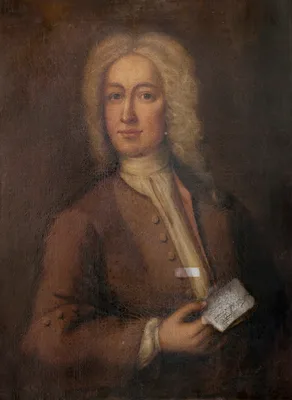
Lawson, who characterized himself as "Surveyer-General of North Carolina" explored the interior of colonial North Carolina, South Carolina and George. He was guided by American Indians and made careful note of vegetat…
1710 CE
#7122
A catalogue of the libraries of the learned Sir Thomas Brown, and Dr. Edward Brown, his son, late President of the College of Physicians. Consisting of many very valuable and uncommon books in most faculties and languages. Chiefly in physic, chirurgery, chemistry.... Which will begin to be sold by auction, at the Black-boy Coffe house....by Thomas Ballard bookseller.
Auction catalogue of the libraries of Sir Thomas Browne and his son Dr. Edward Browne. Digital facsimile of a xerographic copy from the Hathi Trust at this link.
1710 CE
#4280
A compleat treatise of the stone and gravel.
Groenveldt was a famous lithotomist, using the suprapubic technique. He also enjoyed a rather unsavoury reputation as a quack for his determination to promote the use of cantharides. He changed his name to Greenfield …
1713 CE
#390
The anatomy of the humane body.
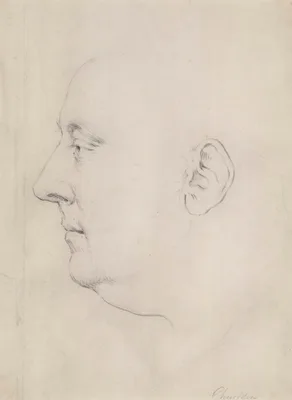
Although Cheselden is best known for his accomplishments in the field of surgery, he wrote two important books on anatomy. The above was for many years a textbook of the English medical schools and ran through 13 edit…
1714 CE
#3981
De morbis cutaneis. A treatise of diseases incident to the skin.
Turner may be regarded as the founder of British dermatology. His book, the first English text on the subject, gives a good idea of contemporary knowledge of skin diseases. Turner began his career as a barber surgeon,…
1715 CE
#7303
A letter to the publisher, written by the ingenious Mr. John Bagford, in which are many curious remarks relating to the city of London, and some things about Leland. In: John Leland, Joannis Lelandi antiquarii de rebus britannicis collectanea, ed. Thomas Hearne, I, pp. lviii-lxxxvi.
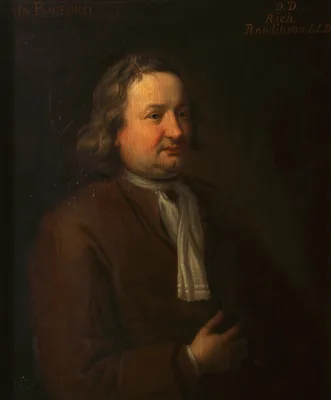
Includes an account of the discovery by Bagford’s friend and fellow antiquarian John Conyers of a flint handaxe in London, unearthed circa 1680 near the bones of what was then thought to be an elephant, as neith…
1715 CE
#6745
Bibliographiae anatomicae specimen, sive catalogus omnium penè auctorum qui ab Hippocrate ad Harveum re anatomicam ex professo, vel obiter, scriptis illustrarunt.
The first attempt at a systematic medical bibliography. Revised edition with annotations by revisions by Bernhard Siegfried Albinus (Leiden, 1734). Douglas's original autograph manuscript for the book is preserved in …
1717 CE
#10530
Syphilis: A practical dissertation on the venereal disease. In which, after a short account of its nature and original; the diagnostick and prognostick signs, with the best ways of curing the several degrees of that distemper, together with some historical observations relating to the same, are candidly and without reserve, communicated. In two parts.
The first work published in English to include the word syphilis, and also the first English work to include the word condom. Digital facsimile from the Internet Archive at this link.
1720 CE
#13743
A natural history of English insects. Illustrated with a hundred copper plates, curiously engraven from the life: And (for those who desire it) exactly coloured by the author.
"Little is known of Albin’s early life, though he was probably born in Germany to a family named Weiss. By 1708 he had changed his surname to Albin and was living in London with his family. His profession of art…
1720 CE
#3217
A new theory of consumptions : more especially of a phthisis, or consumption of the lungs.
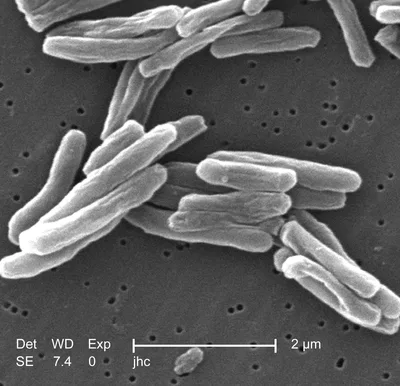
Marten believed that an infectious micro-organism was the cause of tuberculosis, thus forecasting the existence of the tubercle bacillus 162 years before its actual discovery. Though Leeuwenhoek reported seeing bacter…